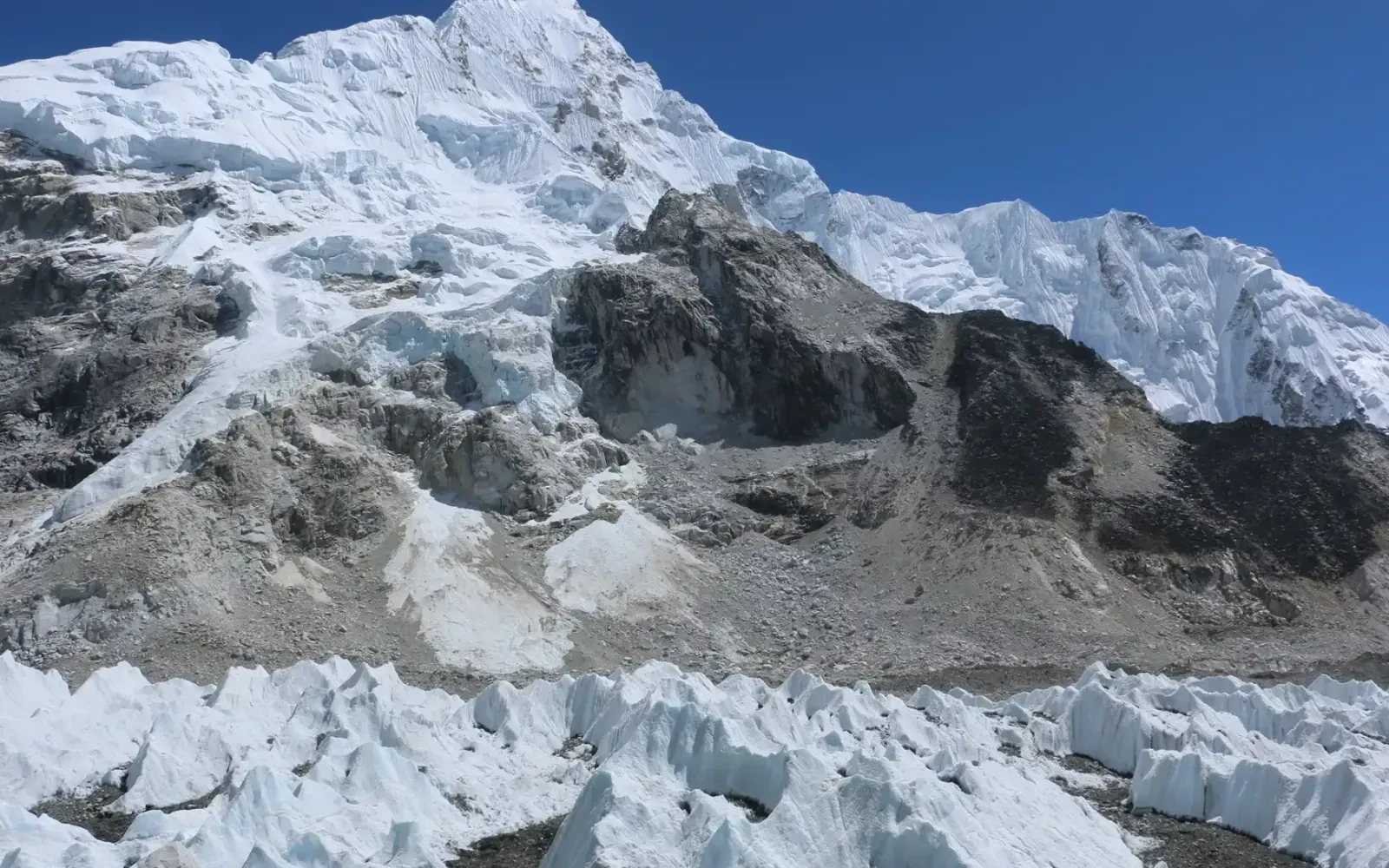
Imagine waking up to crisp mountain air where Mount Everest (8,848 meters / 29,029 feet) stands crystal clear against a brilliant blue sky, and you feel the urge to lace up your boots immediately. Spring delivers exactly this magic for Everest trekking in spring, so trekkers choose it as the prime window for the spring Everest Base Camp trek. Haven Holidays Pvt. Ltd. designs packages that capture these perfect conditions, and therefore you enjoy milder temperatures plus vibrant landscapes without the harsh winter bite. Moreover, reliable visibility turns every ridge into a postcard moment, and thus you stay motivated from Lukla (2,860 meters / 9,383 feet) all the way to Everest Base Camp (5,364 meters / 17,598 feet).
Meanwhile, trekkers love spring because daytime warmth comforts the body while nights remain manageable. You trek comfortably through the Khumbu region and avoid the deep snow of winter or pre-monsoon rains later. Furthermore, blooming flora paints the trails in fresh colors, and so the entire journey feels alive and rewarding. Consequently, spring ranks among the best seasons for Everest trekking, and Haven Holidays Pvt. Ltd. guides ensure safe passage with expert support every step.
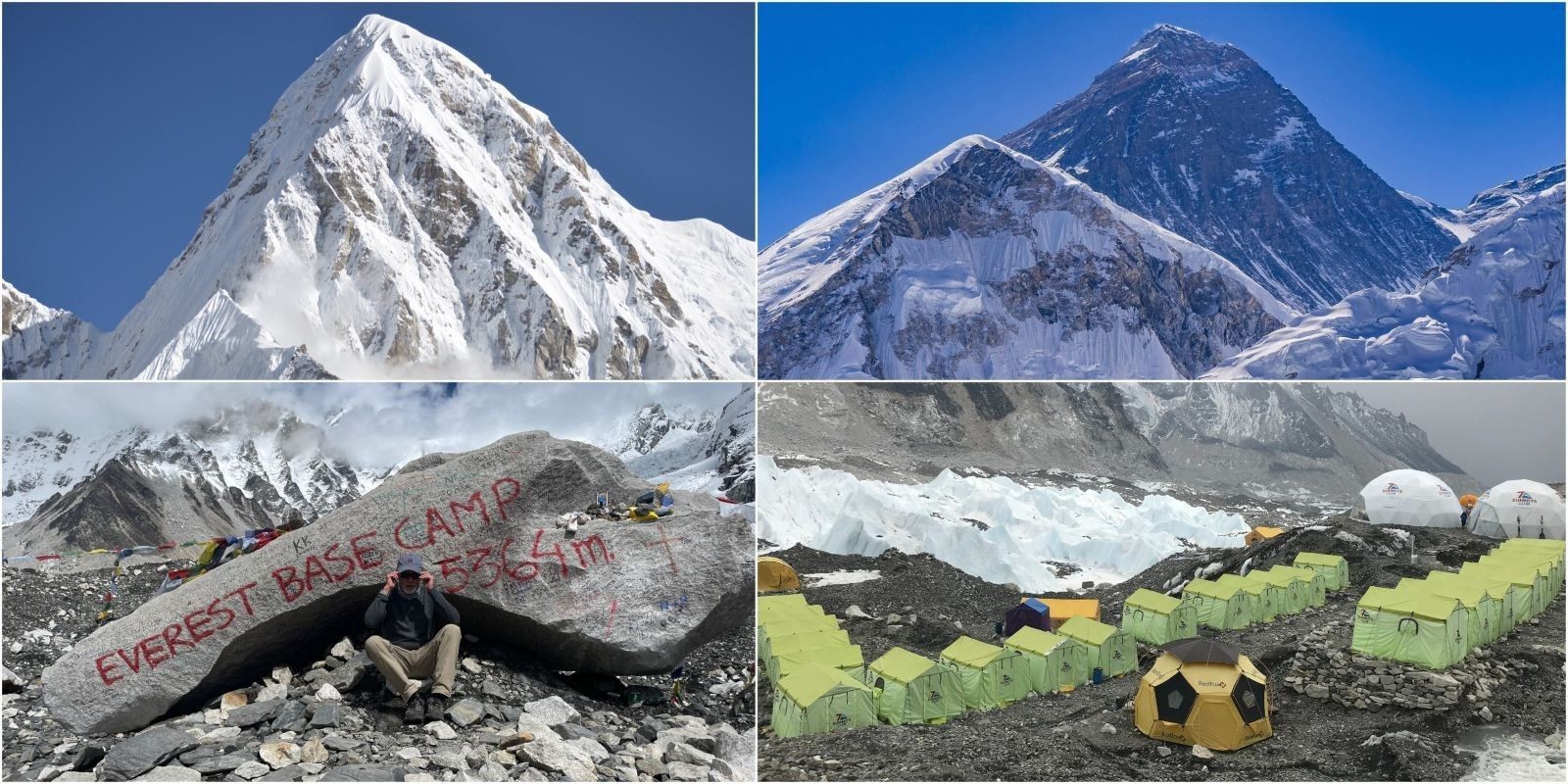
Likewise, clear skies dominate April, so you capture stunning panoramas of peaks like Ama Dablam and Lhotse without haze. You reach high points such as Kala Patthar (5,545 meters / 18,192 feet) and witness the world’s highest mountain in full glory. Therefore, photographers and adventurers alike book the spring Everest Base Camp trek with Haven Holidays Pvt. Ltd. to seize these views. In addition, expedition teams add energy at base camp, and thus the atmosphere buzzes with shared excitement.
Moreover, spring also offers stable trail conditions that make the ascent smoother than other times. You hike with confidence because fewer avalanches threaten the route, and so you focus purely on the adventure. Haven Holidays Pvt. Ltd. monitors weather daily, and therefore your group stays safe while enjoying the trek. Finally, this season blends comfort with spectacle, so you return home with memories that last a lifetime.
Everest Trekking in April Highlights :
| Season Feature | Spring Benefit (Mar-May) | Impact on Trek Key Elevation Example |
|---|---|---|
| Temperature | Mild days 10–15°C (50–59°F) | Comfortable hiking without exhaustion | Lukla 2,860m/9,383ft to EBC 5,364m/17,598 ft. |
| Visibility | Clear skies especially April | Panoramic views of Everest 8,848m/29,029ft | Kala Patthar 5,545m/18,192 ft. |
| Landscape | Vibrant blooming flora | Enhanced scenic beauty and energy | Namche Bazaar 3,440m/11,286 ft. |
| Trail Stability | Reduced snow and avalanche risk | Safer, faster progress | Tengboche 3,860m/12,664 ft. |
| Overall Experience | Festive expedition vibe | Memorable and social adventure | Dingboche 4,410m/14,469 ft. |
Are you ready to discover how spring transforms the Khumbu region into a trekkers’ paradise for your Everest trekking in spring adventure? You experience evolving conditions that start mild in lower valleys and grow crisp yet manageable at higher altitudes, so the spring Everest Base Camp trek feels both challenging and achievable. Haven Holidays Pvt. Ltd. tracks these patterns closely, and therefore you trek with full confidence from start to finish. Moreover, clearer skies in April reward every climb with breath-taking panoramas.
Actually, temperatures rise gradually, so you enjoy pleasant days in lower areas yet stay prepared for cooler nights higher up. You hike from Lukla (2,860 meters / 9,383 feet) where daytime warmth reaches 10–15°C (50–59°F), and thus early legs feel invigorating rather than exhausting. Furthermore, blooming flora lines the paths and keeps spirits high while you ascend. Consequently, trail conditions improve daily as snow melts and surfaces firm up underfoot.
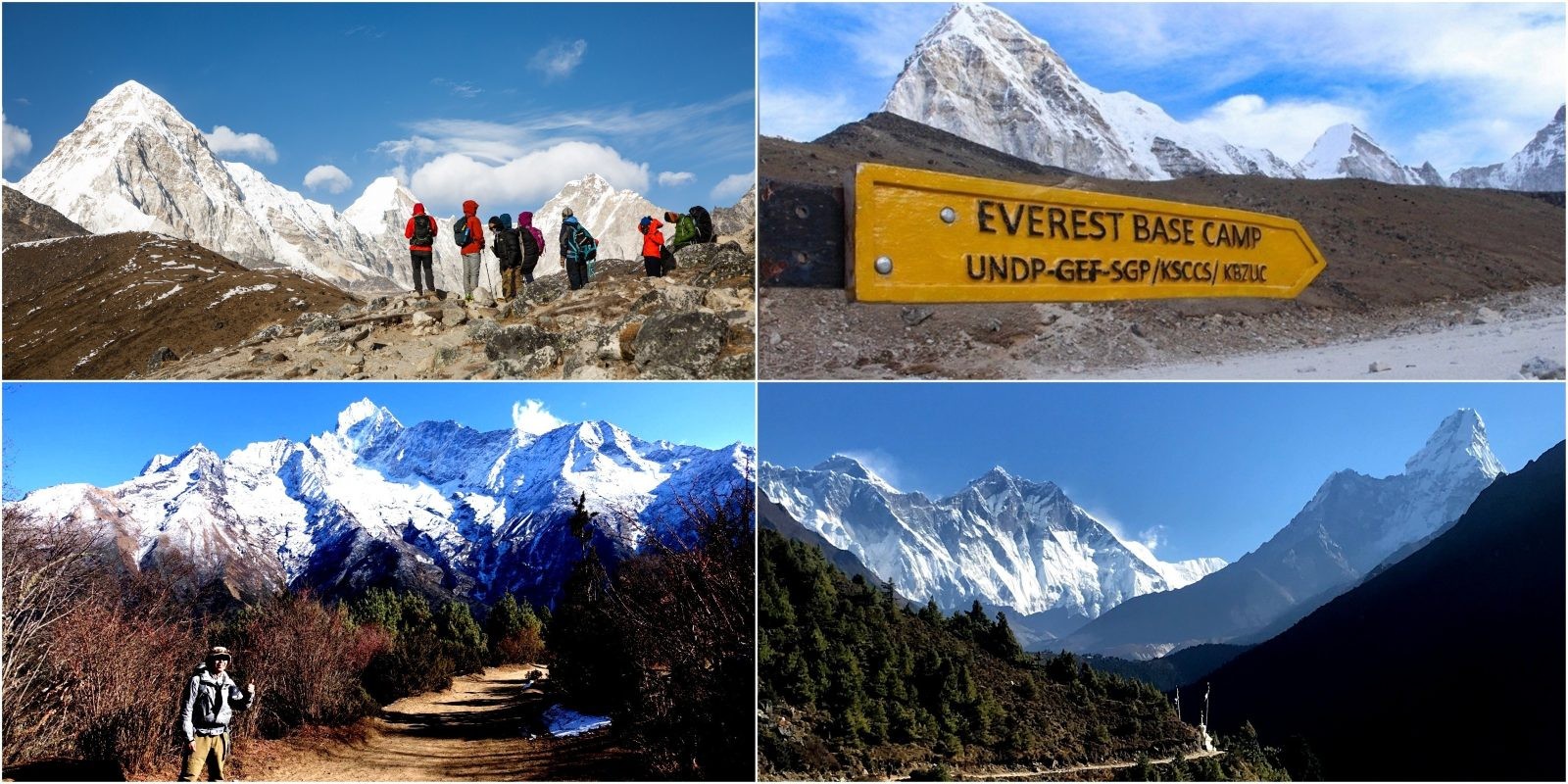
Moreover, clearer skies dominate April, and so visibility stays excellent for views of Mount Everest (8,848 meters / 29,029 feet) and surrounding giants like Cho Oyu. You push toward Namche Bazaar (3,440 meters / 11,286 feet) and notice how conditions evolve smoothly from lush forests to alpine meadows. In addition, occasional light winds keep the air fresh, and therefore breathing feels easier during steady climbs. Haven Holidays Pvt. Ltd. times departures to catch these ideal windows.
Here, at higher altitudes such as Dingboche (4,410 meters / 14,469 feet) and Everest Base Camp (5,364 meters / 17,598 feet), you face daytime highs around 0–5°C (32–41°F) but benefit from stable weather overall. You acclimatize effectively because spring brings fewer sudden storms than winter, and so your body adapts without extreme stress. Moreover, trails remain dry and well-trodden, which reduces slip risks on rocky sections. Finally, these evolving conditions make the entire Khumbu spring trek both safe and spectacular.
Everest Trekking Weather in Spring :
| Altitude Zone | Typical Day Temp | Night Temp Range | Visibility & Flora Notes | Trail Condition | Example Location |
|---|---|---|
| Lower (Start) | 10–15°C (50–59°F) | 0–5°C (32–41°F) | Blooming rhododendrons, green hills | Dry, shaded paths | Lukla 2,860m/9,383ft |
| Mid (Forest to Village) | 8–12°C (46–54°F) | -5 to 0°C (23–32°F) | Clear skies, colorful blooms | Firm and well-marked | Namche 3,440m/11,286ft to Tengboche 3,860m/12,664ft |
| High (Alpine) | 0–5°C (32–41°F) | -10 to -5°C (14–23°F) | Excellent mountain views | Rocky but stable | Dingboche 4,410m/14,469ft to EBC 5,364m/17,598ft |
| Summit Views | -5 to 5°C (23–41°F) | -15°C (5°F) or lower | Crystal-clear Everest panorama | Snow patches possible | Kala Patthar 5,545m/18,192ft. |
Picture yourself walking through tunnels of vibrant red, pink, and white blossoms while snow-capped peaks tower overhead—what could be more enchanting for Everest trekking in spring? You discover the magic of blooming rhododendrons that carpet the lower Khumbu trails and create a stunning contrast with the white giants above. Haven Holidays Pvt. Ltd. curates routes to highlight this natural spectacle, and therefore every day on the spring Everest Base Camp trek feels like a living painting. Moreover, the scenery evolves beautifully as you climb higher.Meanwhile, rhododendrons burst into full bloom from March to May, so you trek through forests alive with Nepal’s national flower between Lukla (2,860 meters / 9,383 feet) and Namche Bazaar (3,440 meters / 11,286 feet). You pause often to admire the colorful display, and thus the trail never feels monotonous. Furthermore, lush green hillsides frame the views, and so your camera fills with unforgettable images. Consequently, this floral wonder makes spring the most visually stunning season for Everest trekking.Likewise, snowy peaks such as Mount Everest (8,848 meters / 29,029 feet) and Ama Dablam provide dramatic backdrops to the blooming valleys below. You reach Tengboche (3,860 meters / 12,664 feet) and witness the perfect contrast between vibrant forests and icy summits. In addition, sunlight dances on petals and glaciers alike, and therefore the entire landscape sparkles with life. Haven Holidays Pvt. Ltd. guides point out the best photo spots along the way.
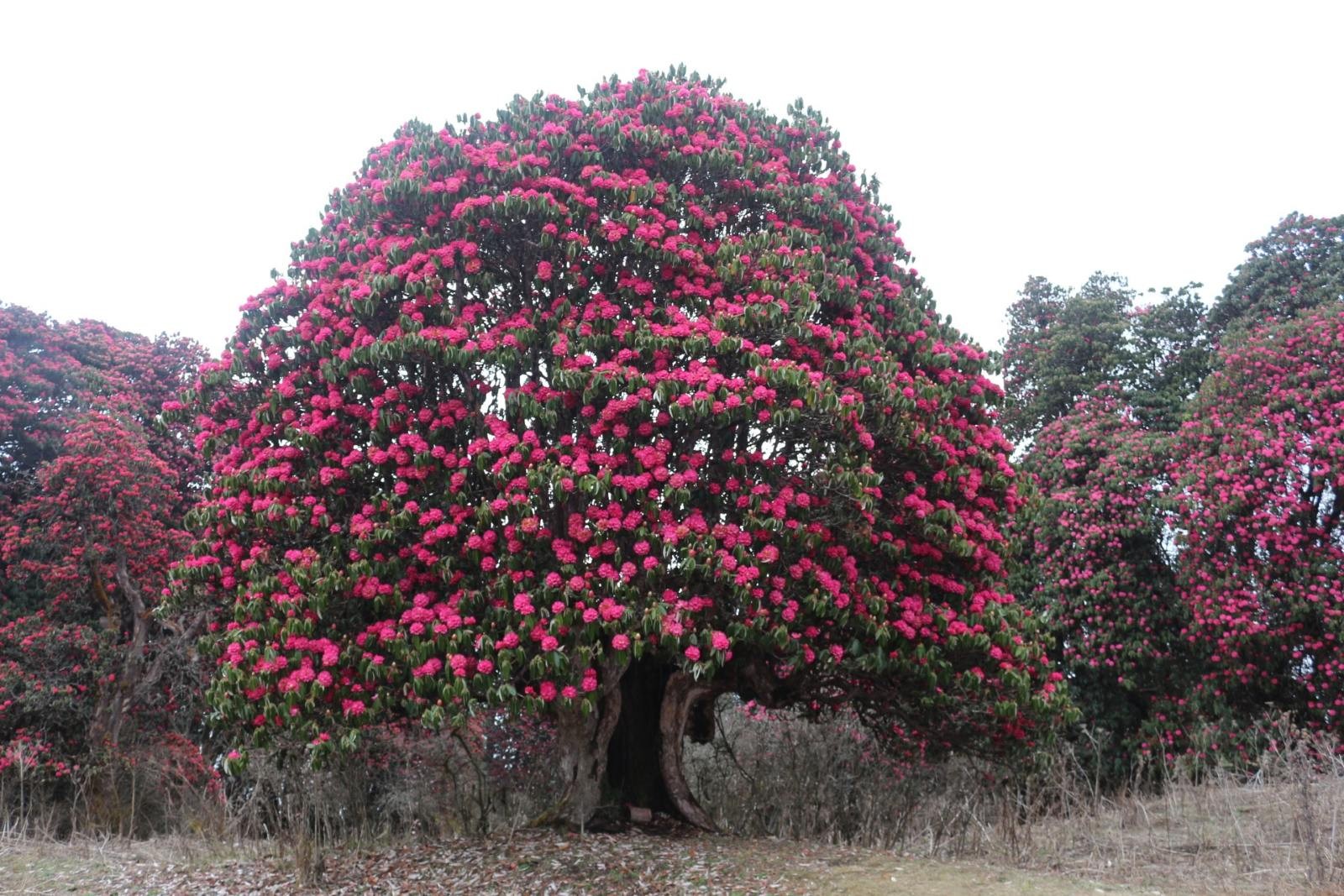
Higher up, the rhododendron magic fades into alpine meadows yet the overall spring scenery remains breathtaking. You continue toward Dingboche (4,410 meters / 14,469 feet) and Everest Base Camp (5,364 meters / 17,598 feet) where crisp air and clear skies enhance every vista. Moreover, the blooming lower trails leave you energized for the final push to Kala Patthar (5,545 meters / 18,192 feet). Finally, this unique combination of color and grandeur inspires trekkers to book their spring adventure immediately.
Everest Weather Highlights in Spring :
| Scenery Element | Bloom Period & Location | Visual Impact | Elevation Range | Trekker Benefit |
|---|---|---|
| Rhododendron Forests | Mar–May, lower trails | Vibrant red/pink/white tunnels | 2,500–3,500m / 8,202–11,483ft | Daily color and energy boost. |
| Snowy Peak Contrast | Year-round but clearest in spring | White giants against green and blooms | 3,440m+ / 11,286ft+ (Namche onward) | Epic photography opportunities. |
| Lush Valleys & Meadows | Peak April around villages | Fresh greenery and wildflowers | Lukla 2,860m/9,383ft to Tengboche 3,860m/12,664ft | Refreshing shade and easy walking. |
| High Alpine Views | Late spring at base camp area | Clear panoramas of Everest 8,848m/29,029ft | EBC 5,364m/17,598ft to Kala Patthar 5,545m/18,192ft | Sense of achievement and awe. |
Do you struggle to choose between spring’s colorful energy and autumn’s crisp clarity for your Everest Base Camp trek? You discover authentic differences in crowds, views, weather stability, and expedition atmosphere, and therefore you select the season that matches your style perfectly. Haven Holidays Pvt. Ltd. offers departures in both windows, so you gain flexible options with expert guidance. Moreover, understanding these contrasts helps you book confidently.
Meanwhile, spring brings milder temperatures and blooming rhododendrons, so you trek with vibrant landscapes and longer daylight hours. You enjoy moderate crowds and lively expedition buzz at Everest Base Camp (5,364 meters / 17,598 feet) as climbers prepare summits. Furthermore, warmer days comfort first-timers, and thus acclimatization feels easier. Consequently, spring suits flower lovers and those seeking energetic mountain vibes.
Likewise, autumn delivers crystal-clear skies and stable weather almost daily, so visibility remains outstanding for sharp photos of Mt. Everest (8,848 meters / 29,029 feet). You encounter higher crowds yet festive village atmospheres with post-harvest celebrations. In addition, cooler nights and drier trails provide reliable conditions, and therefore many photographers prefer this season. Haven Holidays Pvt. Ltd. highlights these strengths in tailored packages.
Moreover, spring offers more flexible schedules because of extra daylight, yet occasional afternoon clouds may appear. You experience greener hills and waterfalls in full flow. Autumn, however, features fewer precipitation days and consistent blue skies, though nights turn colder faster. Finally, choose spring for warmth and blooms or autumn for pristine views—Haven Holidays Pvt. Ltd. helps you decide and ensures a safe, memorable trek either way.
Everest Trekking in Spring Vs in Autumn :
| Feature | Spring (Mar-May) | Autumn (Sep-Nov) | Best Suited For |
|---|---|---|
| Weather Stability | Good, occasional clouds | Excellent, very few precipitation days | Autumn for reliability. |
| Visibility | Very good, especially April | Outstanding crystal clear skies | Autumn for photography. |
| Temperature | Milder days, manageable nights | Cool days, colder nights | Spring for first-timers. |
| Scenery | Blooming rhododendrons, green hills | Crisp landscapes, golden fields | Spring for floral lovers. |
| Crowds & Atmosphere | Moderate to high, expedition buzz | High, festive village vibe | Spring for lively energy. |
| Daylight Hours | Longer days | Shorter but very clear | Spring for flexible pacing. |
Ready to turn your Everest trekking in spring dream into reality but unsure about permits, flights, and logistics? You need essential pre-trip details like Sagarmatha National Park permits and Lukla flights to ensure smooth travel, and therefore careful planning prevents last-minute stress. Haven Holidays Pvt. Ltd. handles most arrangements, so you focus purely on enjoying the adventure. Moreover, early booking secures the best spots during peak spring season.
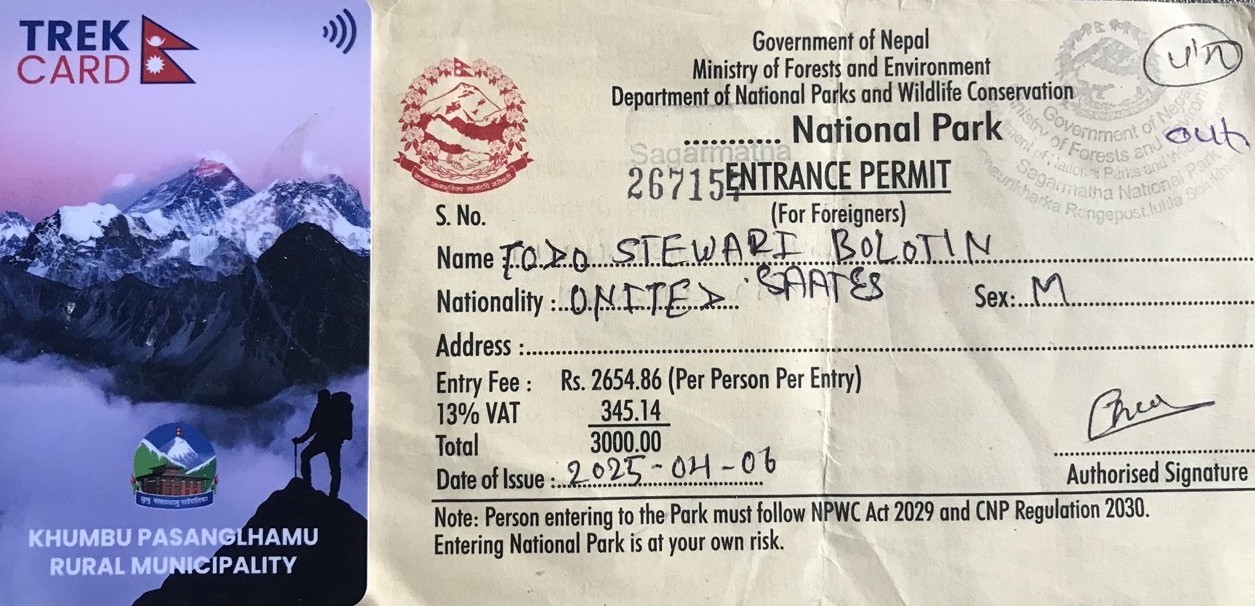
Meanwhile, you require two main permits: Sagarmatha National Park Entry Permit (approx. NPR 3,000 / USD 22-25) and Khumbu Pasang Lhamu Rural Municipality Permit (approx. NPR 3,000 / USD 22). You obtain these easily in Kathmandu or at trail checkpoints like Monjo or Lukla. Furthermore, the old TIMS card is largely replaced by the Khumbu permit, and thus paperwork stays simple. Haven Holidays Pvt. Ltd. includes these in packages and assists with processing.
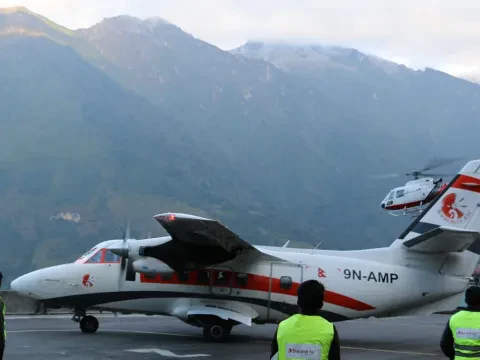
Lukla flights form a critical part of logistics, so you fly from Kathmandu or Ramechhap (during peak seasons) for the thrilling 30-40 minute journey to Lukla (2,860 meters / 9,383 feet). Round-trip costs range from USD 350-470 per person, yet weather can cause delays, and therefore buffer days help. In addition, shared helicopter options exist for flexibility. Haven Holidays Pvt. Ltd. books reliable flights and manages any changes efficiently.
Likewise, other logistics include travel insurance with high-altitude coverage, proper gear, and physical preparation. You pack layers for varying temperatures from warm lower valleys to cold high camps. Finally, book 4-6 months ahead for spring departures with Haven Holidays Pvt. Ltd. to lock in guides, lodges, and permits, and thus your spring Everest Base Camp trek starts stress-free.
Permits and Logistics Highlights :
| Logistics Item | Details & Costs (approx. 2026) | Tips for Spring Trek | Handled by Haven Holidays Pvt. Ltd. |
|---|---|---|
| Sagarmatha NP Permit | NPR 3,000 (USD 22-25) | Obtain in Kathmandu or Lukla | Yes, included. |
| Khumbu Pasang Lhamu Permit | NPR 3,000 (USD 22) | Required for entry | Yes, included. |
| Lukla Round-Trip Flight | USD 350-470 per person | Book early, expect possible delays | Yes, arranged. |
| Travel Insurance | Varies, must cover high altitude | Include evacuation coverage | Advice provided. |
| Overall Package | USD 1,500-2,500+ depending on group size | Includes guides, meals, lodges | Full management. |
Wondering which route will give you the safest and most rewarding Everest trekking in spring experience? You explore standard 12–16 day itineraries with built-in acclimatization days, and therefore you minimize altitude risks while fully enjoying the Khumbu wonders. Haven Holidays Pvt. Ltd. offers flexible options tailored to your fitness and time, so you trek at a comfortable pace. Moreover, proper planning ensures you reach Everest Base Camp (5,364 meters / 17,598 feet) feeling strong.
Actually, most trekkers choose 12-14 day classic itineraries that start with a flight to Lukla (2,860 meters / 9,383 feet) and include two key acclimatization days at Namche Bazaar (3,440 meters / 11,286 feet) and Dingboche (4,410 meters / 14,469 feet). You hike gradually through Phakding, Tengboche (3,860 meters / 12,664 feet), and Lobuche before the final push to Kala Patthar (5,545 meters / 18,192 feet). Furthermore, these rest days allow side hikes that boost adaptation safely. Consequently, spring conditions make progress steady and enjoyable.
Likewise, longer 15-16 day packages add buffer days for weather or extra rest, and so you gain flexibility especially if flights delay. You spend more time exploring Sherpa culture and monasteries while ascending slowly. In addition, some itineraries offer optional Gokyo Lakes extensions for varied scenery. Haven Holidays Pvt. Ltd. customizes these to match your goals and fitness level.
In fact, all quality itineraries emphasize the “climb high, sleep low” principle to reduce altitude sickness. You avoid rushing and focus on sustainable pacing through changing elevations. Finally, trust Haven Holidays Pvt. Ltd. to select or design the right itinerary for your safe spring adventure, and thus you create lifelong Himalayan memories with confidence.
Itinerary Highlights for Everest Trekking in Spring :
| Itinerary Length | Key Acclimatization Days | Total Trek Days (approx.) | Max Elevation Reached | Best For |
|---|---|---|
| 12 Days | Namche Bazaar & Dingboche | 8-9 trekking days | Kala Patthar 5,545m/18,192ft | Fit trekkers with limited time. |
| 14 Days | Extra rest + side hikes | 10 trekking days | Everest Base Camp 5,364m/17,598ft | Balanced pace and culture. |
| 16 Days | Multiple buffers & explorations | 11-12 trekking days | Same + optional peaks | First-timers or cautious adventurers. |
Picture yourself landing in Lukla and stepping straight into blooming rhododendron forests with snowy peaks calling you forward—what an exciting start to your Everest trekking in spring adventure! Haven Holidays Pvt. Ltd. offers well-paced 12-16 day spring Everest Base Camp treks, so you experience the Khumbu region safely and fully. You follow a classic route with built-in acclimatization, and therefore you reach Everest Base Camp (5,364 meters / 17,598 feet) feeling strong. Moreover, spring’s milder weather and clear skies make every day more rewarding.
Here, on Day 1, you fly from Kathmandu to Lukla (2,860 meters / 9,383 feet) and trek to Phakding (2,610 meters / 8,563 feet) in 3-4 hours through lush valleys. You enjoy gentle paths and first views of the Dudh Koshi River, and thus you ease into the rhythm. Furthermore, teahouses welcome you with warm hospitality. Consequently, this short day builds confidence for the journey ahead with Haven Holidays Pvt. Ltd. guides.
Moreover, Days 2-3 take you to Namche Bazaar (3,440 meters / 11,286 feet) in 5-6 hours with steep climbs, followed by a full acclimatization day. You hike to Everest View Hotel (3,880 meters / 12,730 feet) or Khumjung for panoramic sights of Mount Everest (8,848 meters / 29,029 feet), and then return to sleep lower. In addition, you explore the vibrant Sherpa town with its market and museum. Haven Holidays Pvt. Ltd. ensures you rest well and adapt gradually.
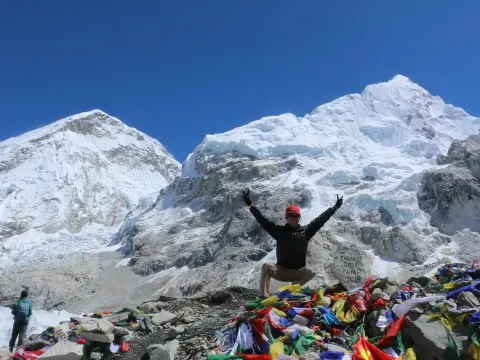
Subsequent days lead through Tengboche (3,860 meters / 12,664 feet) with its famous monastery, then Dingboche (4,410 meters / 14,469 feet) for another acclimatization day with side hikes to Nagarjun Hill. You continue to Lobuche (4,940 meters / 16,207 feet), Gorak Shep (5,164 meters / 16,942 feet), and finally Everest Base Camp. You climb Kala Patthar (5,545-5,644 meters / 18,192-18,519 feet) at sunrise for the ultimate view. Finally, the return trek feels triumphant, and Haven Holidays Pvt. Ltd. supports you every step with expert care.
Day- By- Day Itinerary Highlights during Everest Trekking in Spring :
| Day (Approx.) | Route Segment | Trekking Hours | Elevation (Start – End) | Key Experience in Spring |
|---|---|---|
| Day 1-2 | Lukla to Phakding to Namche | 3-7 hours | 2,860m/9,383ft – 3,440m/11,286ft | Blooming forests, river views. |
| Day -3 | Acclimatization at Namche | 3-5 hours hike | 3,440m/11,286ft (day hike to 3,880m) | First clear Everest views, Sherpa culture. |
| Day 4-5 | Namche to Tengboche to Dingboche | 5-6 hours each | 3,440m – 3,860m/12,664ft – 4,410m/14,469ft | Monastery, rhododendrons, alpine meadows. |
| Day 6-7 | Dingboche acclimatization & to Lobuche | 5-6 hours | 4,410m – 4,940m/16,207ft | Side hikes, improving visibility. |
| Day 8-9 | Lobuche to Gorak Shep to EBC & Kala Patthar | 3-6 hours | 4,940m – 5,364m/17,598ft – 5,545m/18,192ft | Dramatic peaks, sunrise at highest point. |
| Return Days | Descent to Lukla 5-7 hours/day | Gradual descent | Faster pace, reflection on achievements. |
What if you could reach Everest Base Camp (5,364 meters / 17,598 feet) feeling energized instead of battling headaches? You master acclimatization during Everest trekking in spring by preventing altitude sickness through smart strategies, and therefore you enjoy the trek safely even as conditions vary. Haven Holidays Pvt. Ltd. builds proper rest days into every package, so you adapt effectively to thinner air. Moreover, spring’s stable yet changeable weather makes hydration and pacing even more important.
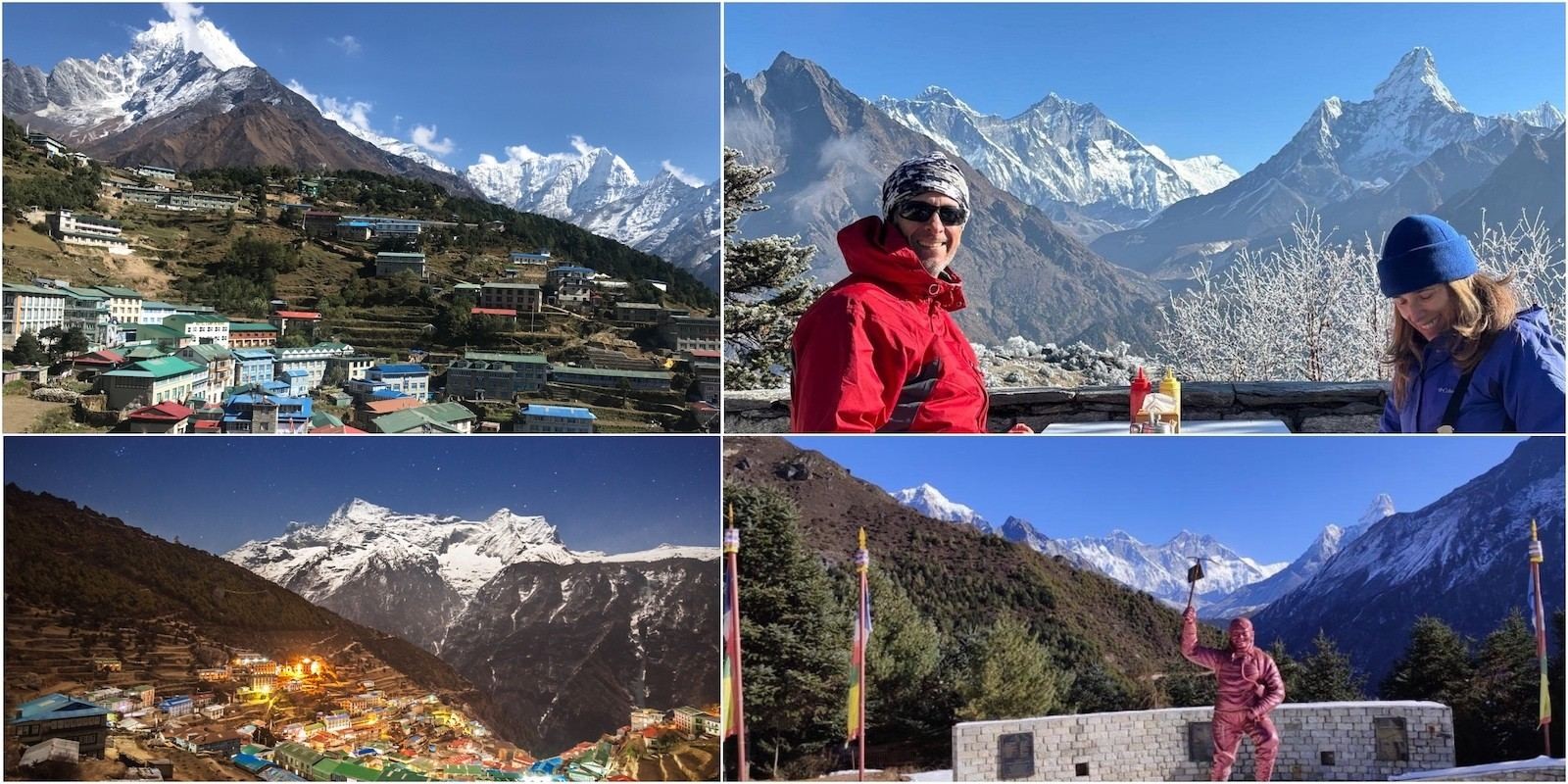
Here, you follow the golden rule of “climb high, sleep low” on acclimatization days at Namche Bazaar (3,440 meters / 11,286 feet) and Dingboche (4,410 meters / 14,469 feet). You hike higher during the day yet return to sleep at the same elevation, and thus your body produces more red blood cells gradually. Furthermore, you walk slowly and steadily above 3,000 meters (9,843 feet) to avoid overexertion. Consequently, these steps reduce risks of acute mountain sickness significantly.
Likewise, hydration plays a vital role because dry mountain air increases fluid loss, so you drink 3-4 liters of water daily and add electrolytes. You eat carbohydrate-rich meals and include ginger or garlic soup for natural relief. In addition, you monitor symptoms like headache or nausea closely, and therefore you descend immediately if needed. Haven Holidays Pvt. Ltd. guides carry oxygen and first-aid kits while checking your health every evening.
Meanwhile, rest days prove crucial in spring’s variable conditions where afternoon clouds or light winds can appear. You use these days for short exploratory hikes that strengthen adaptation without fatigue. Moreover, you avoid alcohol and smoking to support better oxygen uptake. Finally, trust the expert planning of Haven Holidays Pvt. Ltd. to keep you safe, and thus you focus fully on the magic of blooming trails and towering peaks like Mount Everest (8,848 meters / 29,029 feet).
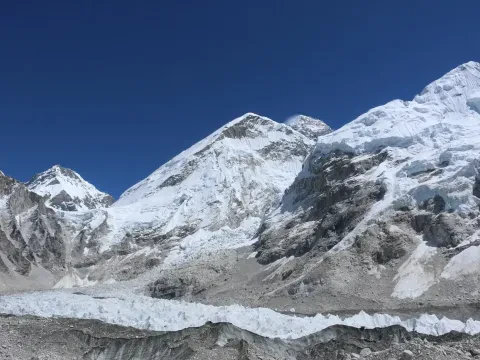
Acclimatization and Safety Highlights:
| Acclimatization Strategy | How It Helps in Spring | Key Locations & Elevations | Practical Action |
|---|---|---|
| Climb High, Sleep Low | Builds red blood cells safely | Namche 3,440m/11,286ft & Dingboche 4,410m/14,469ft | Day hikes then return to sleep. |
| Hydration | Counters dry air and exertion | Throughout trek up to EBC 5,364m/17,598ft | 3-4 liters water + electrolytes daily. |
| Slow & Steady Pace | Prevents fatigue and oxygen debt | Above 3,000m / 9,843ft | Short steps, frequent short breaks. |
| Symptom Monitoring | Allows early response | All high sections | Report headache/nausea to guides immediately. |
| Rest & Nutrition | Supports recovery in variable weather | Acclimatization days | Carb meals, ginger soup, full rest. |
Are you ready to conquer the demanding trails to Everest Base Camp (5,364 meters / 17,598 feet) with confidence and minimal fatigue? You build the necessary stamina through 8–12 weeks of targeted training, and therefore you handle long trekking days and elevation gains comfortably during Everest trekking in spring. Haven Holidays Pvt. Ltd. recommends consistent preparation so you fully enjoy the vibrant landscapes and blooming rhododendrons without exhaustion. Moreover, smart training prevents injuries and boosts overall enjoyment.
Here, focus on cardio to improve endurance because you trek 5-7 hours daily on varied terrain. You incorporate brisk walking, stair climbing, incline treadmill sessions, or cycling for 150-300 minutes weekly, and thus your heart and lungs strengthen effectively. Furthermore, add one long hike (3-5 hours) each weekend with a backpack to simulate real conditions. Consequently, you develop the sustained energy needed from Lukla (2,860 meters / 9,383 feet) to Kala Patthar (5,545 meters / 18,192 feet).
Meanwhile, strength training targets legs, core, and back because steep ascents and descents challenge these muscles. You perform squats, lunges, step-ups, planks, and deadlifts 2-3 times per week with progressive weights. In addition, include balance exercises to improve stability on rocky paths. Haven Holidays Pvt. Ltd. advises training in your actual trekking boots and with a 5-10 kg pack to condition joints and feet properly.
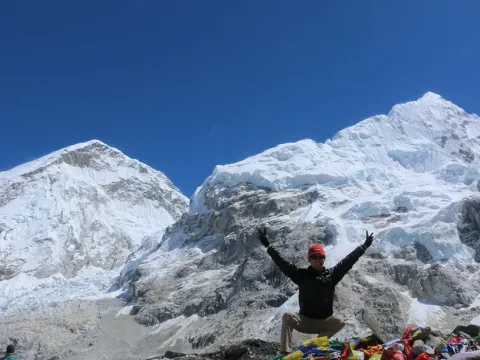
Likewise, begin 8-12 weeks ahead and gradually increase intensity to avoid burnout. You start with base building in the first 4 weeks, then add hills and longer sessions. Moreover, maintain flexibility with yoga or stretching to support recovery. Finally, combine this preparation with the expert guidance of Haven Holidays Pvt. Ltd., and thus you arrive fit, excited, and ready for a safe, unforgettable spring Everest Base Camp trek.
Physical Preparations for Everest Trekking in Spring :
| Training Phase (Weeks) | Cardio Focus | Strength & Other Exercises | Weekly Goal | Spring Trek Benefit |
|---|---|---|
| 1-4 (Base Building) | Brisk walks, cycling 45-60 min, 3-4x | Squats, lunges, planks | 150-200 min cardio + 2 strength sessions | Builds foundation endurance. |
| 5-8 (Build Intensity) | Incline hikes, stairs, 60-90 min | Add weights, step-ups, core circuits | One long 3-5 hr hike with pack | Prepares for steep Khumbu sections. |
| 9-12 (Peak & Taper) | Long hilly hikes 4-6 hrs | Full body strength, balance work | Simulate trek days, then lighter taper | Ensures stamina for high altitudes. |
Imagine pulling on just the right layers as you walk through blooming rhododendrons toward snowy peaks — your gear makes every moment comfortable during Everest trekking in spring. You need season-specific items like layered clothing, a lighter down jacket, and rain protection because spring brings milder days yet cooler nights and occasional showers. Haven Holidays Pvt. Ltd. recommends smart packing so you stay dry, warm, and light on the spring Everest Base Camp trek. Moreover, you focus on the trail instead of discomfort.
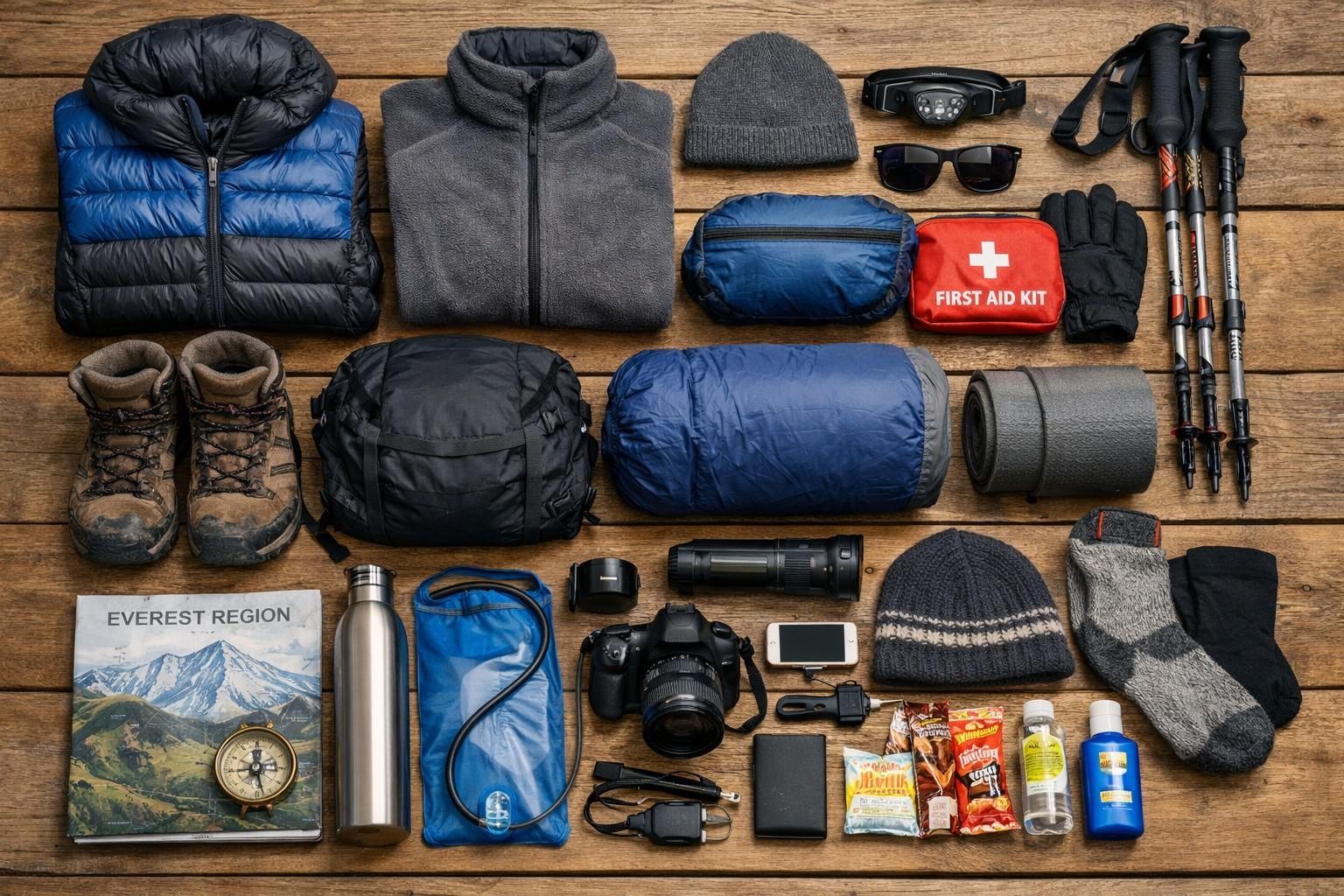
Here, start with base layers and mid-layers for temperature swings from warm lower valleys to cold high camps. You wear moisture-wicking synthetic or merino tops and lightweight trekking pants that convert to shorts. Furthermore, add a fleece jacket and a lighter down jacket rated for 0°C to -10°C (32°F to 14°F) because nights drop sharply above Dingboche (4,410 meters / 14,469 feet). Consequently, you adjust easily while hiking from Lukla (2,860 meters / 9,383 feet) to Everest Base Camp (5,364 meters / 17,598 feet).
Likewise, rain protection proves essential since spring can bring afternoon showers or light snow higher up. You pack a waterproof jacket and pants plus a rain cover for your daypack. In addition, bring sturdy waterproof trekking boots already broken in, trekking poles, sunglasses with UV protection, and a wide-brimmed hat for sun. Haven Holidays Pvt. Ltd. advises a 4-season sleeping bag rated to -10°C (14°F) or warmer for teahouse nights. Finally, include a headlamp, reusable water bottles, and basic first-aid items so you handle blooming trails and cooler nights confidently.
Packing List for Everest Trekking in Spring :
| Category | Recommended Items for Spring | Why Essential in Spring Conditions | Elevation Relevance |
|---|---|---|
| Clothing Layers | 2-3 base layers, fleece, lighter down jacket | Handles mild days & cool nights | Lukla 2,860m/9,383ft to EBC 5,364m/17,598 ft. |
| Rain & Wind Protection | Waterproof jacket & pants, rain cover | Protects from showers & wind | Lower trails to high passes. |
| Footwear & Accessories | Broken-in boots, trekking poles, sunglasses, hat | Prevents blisters & UV damage | Throughout, especially rocky high sections. |
| Sleep & Hydration | Sleeping bag (-10°C/14°F), water bottles | Ensures rest & counters dry air | Nights at Dingboche 4,410m/14,469 ft+. |
| Other Essentials | Headlamp, first-aid, sunscreen | Supports early starts & health | Kala Patthar 5,545m/18,192 ft sunrise. |
What if your trek to Everest Base Camp felt alive with shared excitement and colorful tents dotting the glacier? You navigate busier trails in April and May during Everest trekking in spring while soaking up the energetic expedition atmosphere that makes the season special. Haven Holidays Pvt. Ltd. times departures and chooses routes to minimize inconvenience, so you enjoy the buzz without frustration. Moreover, you share paths with climbers preparing for summit pushes on Mount Everest (8,848 meters / 29,029 feet).
Actually, April brings moderate to higher crowds on classic trails, so you meet fellow trekkers from around the world between Namche Bazaar (3,440 meters / 11,286 feet) and Dingboche (4,410 meters / 14,469 feet). You walk with friendly groups yet still find peaceful moments among blooming rhododendrons. Furthermore, teahouses fill quickly, and therefore early booking with Haven Holidays Pvt. Ltd. secures comfortable stays. Consequently, the social energy adds motivation during steady climbs.
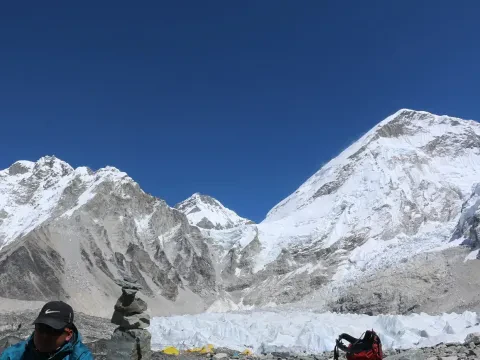
At Everest Base Camp (5,364 meters / 17,598 feet) and nearby Gorak Shep, you encounter the vibrant expedition vibe as bright yellow tents form a temporary tent city. You watch climbers, Sherpas, and support teams prepare for the Icefall, and thus the atmosphere buzzes with ambition and camaraderie. In addition, you chat with mountaineers and share stories over tea. Haven Holidays Pvt. Ltd. guides introduce you safely to this unique scene without disrupting your trek.
Here, May intensifies the lively feel as more expeditions gather, yet trails remain manageable with proper pacing. You celebrate achievements alongside others while capturing photos of the bustling yet inspiring base camp area. Finally, this energetic spring atmosphere creates memories beyond the scenery, so book your spring Everest Base Camp trek with Haven Holidays Pvt. Ltd. and embrace the shared Himalayan spirit.
Crowds in Everest Trekking in Spring :
| Aspect | April Experience | May Experience | Navigation | Tips with Haven Holidays Pvt. Ltd. |
|---|---|---|
| Trail Crowds | Moderate, building steadily | Higher with more groups | Early morning starts, flexible pacing. |
| Base Camp | Vibe | Emerging expedition buzz | Full lively tent city & climber activity | Guided visits, respectful distance. |
| Teahouse | Availability | Filling but manageable | Books up faster | Pre-booked lodges included. |
| Overall Atmosphere | Energetic & social | Peak climbing season excitement | Small groups for personal experience. |
Have you considered how to stay healthy while facing variable spring weather and busy trails to Everest Base Camp? You tackle common challenges like AMS symptoms, sudden weather shifts, and sharing paths with yaks during Everest trekking in spring, and therefore you complete the journey safely and happily. Haven Holidays Pvt. Ltd. prioritizes health with experienced guides and support, so you handle these issues confidently. Moreover, preparation turns potential obstacles into manageable parts of the adventure.
Meanwhile, acute Mountain Sickness (AMS) can appear above 2,500 meters (8,202 feet) with symptoms such as headache, nausea, fatigue, dizziness, or poor sleep. You prevent it by ascending slowly, staying hydrated, and using acclimatization days at Namche Bazaar (3,440 meters / 11,286 feet) and Dingboche (4,410 meters / 14,469 feet). Furthermore, you monitor your body and descend if symptoms worsen. Consequently, most trekkers adapt well in spring’s generally stable conditions.
Likewise, Spring weather shifts quickly with clear mornings turning to afternoon clouds, light rain, or wind, so you dress in layers and carry rain gear. You share narrow trails with yaks and porters, and therefore you step aside politely and stay alert on steep or rocky sections. In addition, strong UV rays at altitude require sunscreen and sunglasses. Haven Holidays Pvt. Ltd. carries oxygen, first-aid kits, and satellite communication for emergencies.
If challenges arise, you follow guide instructions immediately and communicate openly about how you feel. You avoid alcohol and overexertion while eating nutritious meals. Finally, these proactive steps combined with expert care from Haven Holidays Pvt. Ltd. keep you safe, so you fully enjoy blooming landscapes, clear views of Mount Everest (8,848 meters / 29,029 feet), and the thrill of reaching Kala Patthar (5,545 meters / 18,192 feet).
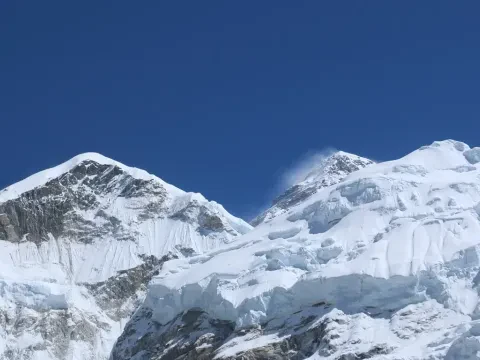
Challenges and Safety Tips for Everest Trekking in Spring :
| Challenge | Spring-Specific Details | Prevention & Response | Support from Haven Holidays Pvt. Ltd. |
|---|---|---|
| AMS Symptoms | Headache, nausea, fatigue above 3,000m | Slow ascent, hydration, rest days | Daily health checks, oxygen if required. |
| Weather Shifts | Afternoon clouds, light rain/snow | Layered clothing, rain protection | Daily weather updates & route advice. |
| Trail Sharing with Yaks | Busy paths with animals & porters | Step aside, stay alert | Guide leadership on narrow sections. |
| Other Risks | UV exposure, fatigue | Sunscreen, balanced meals, pacing | First-aid kits, emergency communication. |
Have you ever imagined sipping warm tea in a cozy Sherpa teahouse while prayer flags flutter against blooming hills and snowy peaks? You discover deep cultural immersion during Everest trekking in spring as you stay in traditional teahouses and visit ancient monasteries amid warm local hospitality. Haven Holidays Pvt. Ltd. designs routes that connect you authentically with Sherpa communities, so you experience genuine Himalayan life beyond the scenery. Moreover, spring’s pleasant weather encourages relaxed village explorations.
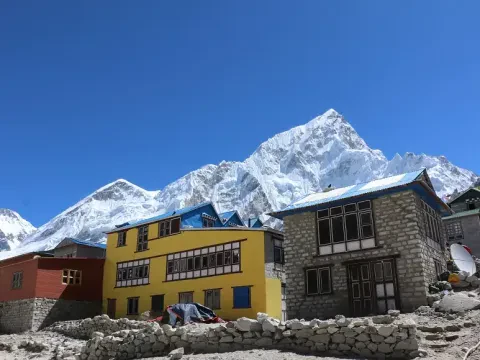
Actually, you trek through vibrant Sherpa villages such as Namche Bazaar (3,440 meters / 11,286 feet) and Khumjung where locals share stories, butter tea, and homemade bread. You observe daily life with yaks grazing near stone houses, and thus you feel welcomed into the community. Furthermore, teahouse stays offer comfortable beds, hearty meals, and evenings filled with laughter and conversations. Consequently, these interactions create heartfelt connections that enrich your spring Everest Base Camp trek.
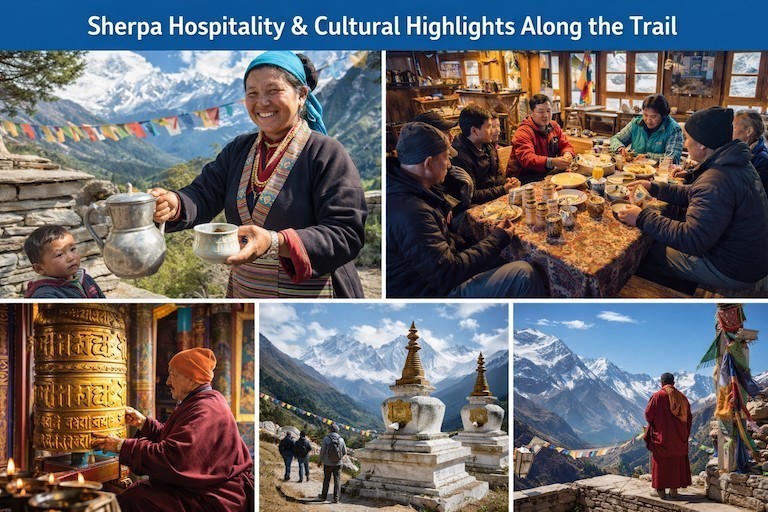
At Tengboche Monastery (3,867 meters / 12,687 feet), you witness the spiritual heart of the Khumbu with its dramatic setting against Ama Dablam. You join monks in prayer or simply absorb the peaceful atmosphere and panoramic views. In addition, spring sometimes aligns with Buddha Jayanti celebrations featuring butter lamps and chants, and therefore the monastery feels even more alive. Haven Holidays Pvt. Ltd. guides explain traditions respectfully so you gain deeper insights.
Likewise, Sherpa hospitality shines through genuine smiles and helpful gestures throughout the season. You leave with respect for their resilience and Buddhist values that emphasize harmony with nature. Finally, this cultural immersion turns your trek into a transformative journey, so book with Haven Holidays Pvt. Ltd. and embrace the warm spirit of the Khumbu.
Cultural Highlights during Everest Trekking in Spring :
| Cultural Element | Location & Elevation | Spring Experience | Benefit for Trekkers |
|---|---|---|
| Sherpa Villages | Namche Bazaar 3,440m/11,286ft | Bustling markets, warm teahouse stays | Personal connections and local stories. |
| Tengboche Monastery | 3,867m / 12,687ft | Peaceful prayers, possible ceremonies | Spiritual reflection with mountain views. |
| Teahouse Hospitality | Throughout trail up to Dingboche 4,410m/14,469ft | Hearty meals, friendly conversations | Comfort and cultural exchange. |
| Daily Local Life | Khumbu region villages | Yaks, prayer wheels, Buddhist values | Deeper appreciation of Himalayan life. |
What does it feel like to stand at the foot of the world’s highest mountain after days of determined trekking? You experience the ultimate reward when you reach Everest Base Camp (5,364 meters / 17,598 feet) during Everest trekking in spring, where panoramic sights and a profound sense of achievement await. Haven Holidays Pvt. Ltd. guides you safely through the final push, so you savor every moment of this climax. Moreover, spring’s clear skies enhance the dramatic scenery.
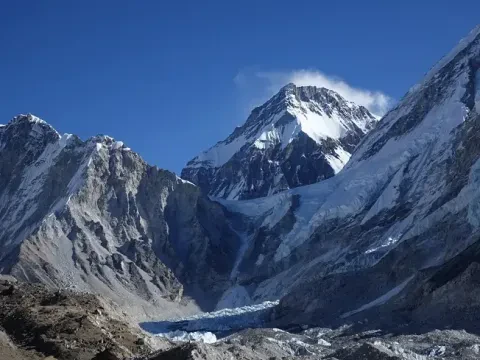
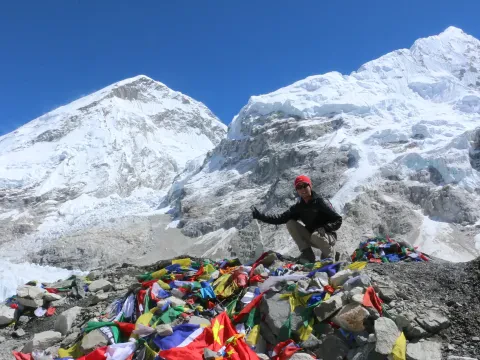
Actually, you trek from Gorak Shep (5,164 meters / 16,942 feet) across the Khumbu Glacier on a rocky path, and thus the anticipation builds with each step. You arrive at the iconic base camp marked by prayer flags and colorful expedition tents. Furthermore, you witness the massive Khumbu Icefall tumbling down from Mount Everest (8,848 meters / 29,029 feet). Consequently, the raw power of the Himalaya leaves you in awe.
Moreover, the views stretch across towering peaks including Lhotse, Nuptse, and Pumori, and therefore you feel tiny yet triumphant. You celebrate with your group while soaking in the energetic spring expedition atmosphere. In addition, the sense of achievement washes over you as you reflect on the journey from Lukla (2,860 meters / 9,383 feet) through blooming forests and high villages. Haven Holidays Pvt. Ltd. captures these moments with photos and shared stories.
In fact, many trekkers then climb Kala Patthar (5,545 meters / 18,192 feet) at sunrise for the clearest close-up panorama of Everest. You watch golden light paint the summit while the entire range glows. Finally, this unforgettable reward makes every challenge worthwhile, so join Haven Holidays Pvt. Ltd. for your spring Everest Base Camp trek and claim your place in the Himalayan legend.
Everest Base Camp and its Highlights :
| Moment at EBC | Elevation | What You Experience | Why It Feels Rewarding |
|---|---|---|
| Arrival at Base Camp | 5,364m / 17,598ft | Prayer flags, tents, Icefall views | Completion of the long journey. |
| Panoramic Sights Surrounding peaks up to Everest | 8,848m/29,029ft | Massive Himalayan giants | Awe-inspiring scale and beauty. |
| Sunrise at Kala Patthar | 5,545m / 18,192ft | Golden light on Everest summit | Ultimate photographic and emotional high. |
| Group Celebration | Base Camp area | Shared stories and high-fives | Camaraderie and lasting memories. |
Imagine returning home with stories of blooming rhododendrons, friendly Sherpa smiles, and the unforgettable sight of Everest at dawn — spring creates exactly these lasting memories during Everest trekking in spring. You reflect on the journey’s challenges and joys while carrying home a deeper appreciation for the mountains and local culture. Haven Holidays Pvt. Ltd. helps craft experiences that stay with you forever, so you cherish every step from start to finish. Moreover, responsible practices ensure future generations enjoy the same magic.
Post-trek, you take time to rest, hydrate well, and gradually readjust to lower altitudes while sharing photos and insights. You maintain fitness through light walks and reflect on personal growth gained from the high-altitude adventure. Furthermore, you support the Khumbu economy by purchasing local crafts and recommending ethical operators. Consequently, your trek contributes positively to the region you loved.
Here, practice responsible trekking by carrying out all waste, staying on marked trails, and respecting customs such as removing shoes in monasteries. You minimize plastic use and conserve water in teahouses. In addition, you follow “leave no trace” principles so the fragile ecosystem remains pristine. Haven Holidays Pvt. Ltd. promotes sustainable tourism through local employment and eco-friendly operations.
Moreover, spring stands out because milder temperatures, vibrant landscapes, and reliable visibility blend perfectly with cultural richness and expedition energy. You return inspired, fitter, and more connected to nature. Finally, these reflections and tips ensure your spring Everest Base Camp trek becomes a highlight of your life, so contact Haven Holidays Pvt. and begin planning your own unforgettable Himalayan story.
Essential Pro Tips for Everest Trekking in Spring :
| Final Tip Category | Practical Advice | Benefit for Future Treks | Connection to Haven Holidays Pvt. Ltd. |
|---|---|---|
| Personal Reflection | Journal experiences and photos | Deeper appreciation and storytelling | Guided reflections during and after trek. |
| Responsible Practices | Leave no trace, respect culture | Preserves Khumbu for others | Eco-friendly and community-focused tours. |
| Post-Trek Recovery | Gradual activity, continued hydration | Faster return to normal energy | Health advice provided throughout. |
| Planning Next Adventure | Book early for best spring slots | Ensures ideal dates and group size | Personalized packages for repeat clients. |
1. Why is spring the best season for Everest Base Camp Trek?
The spring season is the time for the Everest Base Camp Trek because the weather is stable, skies are clear, and temperatures are just right. It's not too hot or too cold. You see rhododendrons blooming making the trails stunning. Also, there's risk of avalanches making it safer for both beginners and experienced trekkers. You get views of the Himalayas.
2. What is the weather like during Everest trekking in spring?
In the spring the days are mild around 10 to 15 degrees Celsius and the nightsre cold around -5 to 5 degrees Celsius in the Khumbu region. The skies are usually clear. Sometimes it rains a little at lower elevations. You can see the mountains clearly, but it can be very windy above 4,000 meters.
3. Will I see blooming rhododendrons on the Everest trek in spring?
Yes, in the spring the trail to the Everest Base Camp is colorful with blooming rhododendrons in pink, red and white. From Phakding to Tengboche and beyond these beautiful flowers make the scenery look like a dream. It makes your trip to Everest Base Camp unforgettable.
4. How does spring Everest trekking compare to autumn?
The spring season has plants and blooming rhododendrons, and the days are a little warmer while the autumn season has clean air clear views of the mountains and fewer people. Both seasons are great. The spring season is better for people who love nature and want to see the mountains and the landscape look alive.
5. What permits are required for Everest Base Camp Trek in spring?
You need to have the Sagarmatha National Park Permit and the Khumbu Pasang Lhamu Rural Municipality Permit to go to the Everest Base Camp in the spring. You can get these permits in Kathmandu or Lukla. You do not need any special permits for the spring season, just the regular trekking permits.
6. How long is the Everest Base Camp trek itinerary in spring?
The standard trip to the Everest Base Camp takes 12 to 14 days, including rest days to get used to the altitude. The trip starts with a flight to Lukla. Then you walk up to the Everest Base Camp going through Sherpa villages and you get to the Base Camp on the 8th or 9th day with a slow and safe pace.
7. How important is acclimatization during spring Everest trekking?
Getting used to altitude is important to prevent altitude sickness. The trip includes rest days in Namche Bazaar and Dingboche. Walking higher and sleeping lower helps your body get used to the high altitude in the Khumbu region.
8. What fitness level is required for Everest Base Camp Trek in spring?
You need to be in physical condition with a strong heart and legs to go to the Everest Base Camp in the spring. You should be able to walk 6 to 8 hours a day with a backpack and have experience with hiking help. With good training most people can make the trip.
9. What should I pack for Everest trekking in spring?
You should pack layers of clothes, a down jacket, waterproof hiking boots, hiking poles, a sleeping bag that can keep you warm in -10 degrees Celsius, sunglasses, sunscreen and a headlamp. Do not forget a jacket for the high altitude and a comfortable backpack.
10. How crowded is Everest Base Camp during spring season?
The Everest Base Camp is moderately to very crowded in the spring in April. You can expect a lot of people and a lively atmosphere at the Base Camp with expeditions. If you go in March there will be fewer people and if you go in late May, it will be busier before the monsoon season starts.
11. What are the main health risks during spring Everest trekking?
The main health risks when you go to the Everest Base Camp in the spring are altitude sickness, cold exposure and minor injuries. Drinking water, walking slowly and following the guide can minimize these risks and the stable weather in the spring reduces some of the hazards.
12. Can I experience Sherpa culture during the spring Everest trek?
Yes, you can experience the Sherpa culture when you go to the Everest Base Camp in the spring. You will visit Sherpa villages like Namche Bazaar, Tengboche Monastery and Pangboche and you can see the local festivals and daily life which gives you a rich cultural experience along with the amazing views of the mountains.
13. What views can I expect at Everest Base Camp in spring?
In the spring the clear skies give you close-up views of Mount Everest, the Khumbu Icefall, Nuptse and Lhotse. The blue skies and snow-capped peaks make for postcard moments at 5,364 meters.
14. Is it safe to trek to Everest Base Camp in spring?
Yes, the spring season is one of the times to go to the Everest Base Camp with stable weather and lower risk of avalanches. Experienced guides, proper acclimatization and reliable logistics make the trip safe and enjoyable.
15. What is the best itinerary for Everest Base Camp in spring?
The classic 12-to-14-day itinerary with rest days in Namche and Dingboche is the best for the Everest Base Camp in the spring. It balances challenge and safety, giving you time to enjoy the rhododendrons and get to the Base Camp with plenty of energy.
16. How difficult are the flights to Lukla during spring?
The flights to Lukla are generally reliable in the spring because of the weather. The early morning flights have a chance of taking off on time, but delays can happen, although they are less frequent than in the monsoon or winter seasons.
17. Do I need a guide for Everest Base Camp Trek in spring?
It is highly recommended to have a guide to go to the Everest Base Camp in the spring for safety, navigation and cultural insight. Guides take care of logistics, monitor your health and make your trekking experience better in the Khumbu region.
18. What age group is suitable for spring Everest trekking?
People between 18 and 65 years old who are physically fit can comfortably complete the Everest Base Camp trek in the spring. Younger people with fitness and older people with prior experience can also make the trip with proper preparation and pacing.
19. How much does Everest Base Camp Trek cost in spring?
The cost of the Everest Base Camp trek in the spring typically ranges from USD 1,450 to 2,200, depending on the group size and services. This includes permits, guides, accommodation in teahouses, meals and domestic flights for experience.
20. When should I book my spring Everest Base Camp Trek?
You should book your spring Everest Base Camp trip for least 3 to 6 months in advance to get the best availability, especially for trips from March to May. Booking early secures your preferred dates. It gives you time to get physically prepared and buy the gear you need.
Our travel experts are ready to assist you with any questions.
Send us a message.Have a question before you book? Send your enquiry below and our travel experts will get back with the required information.