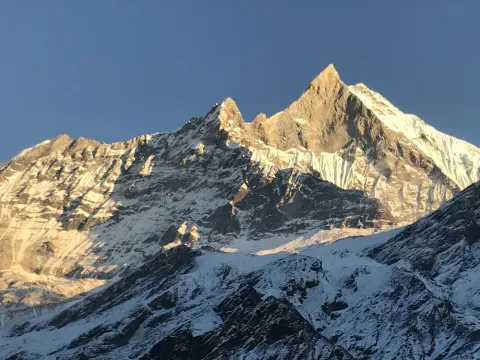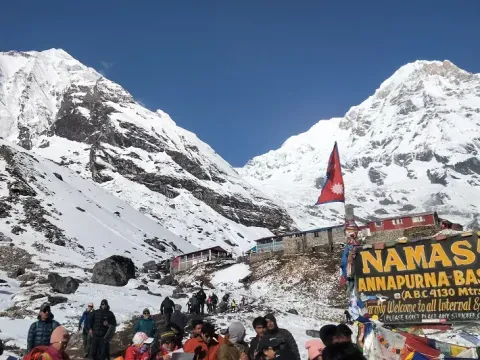
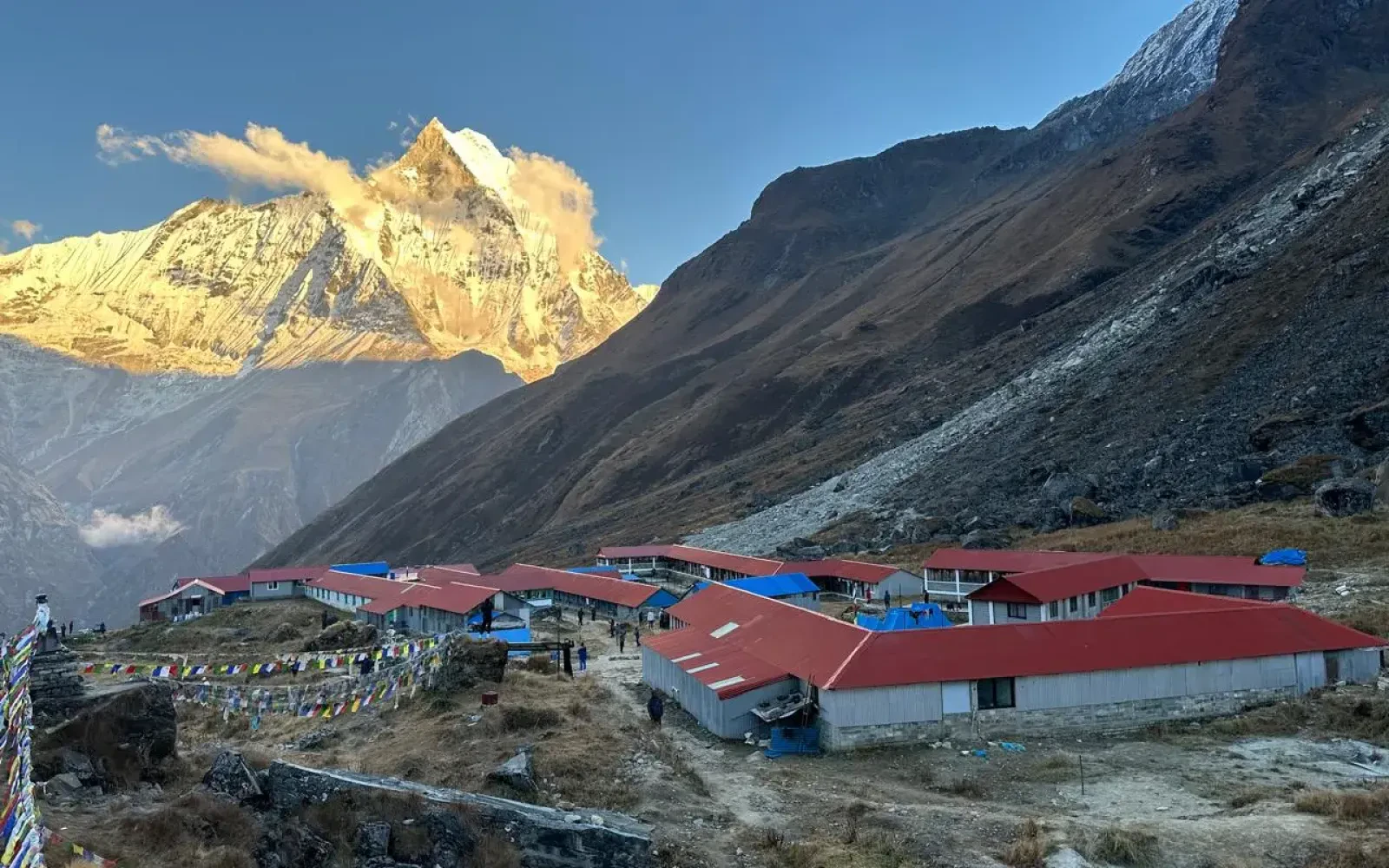
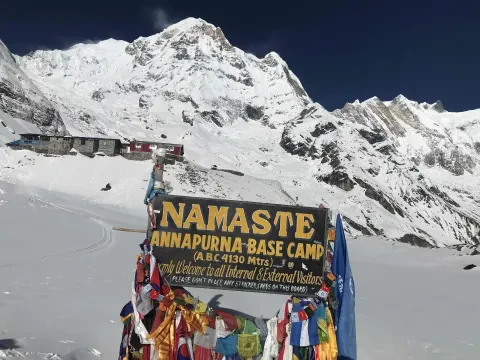
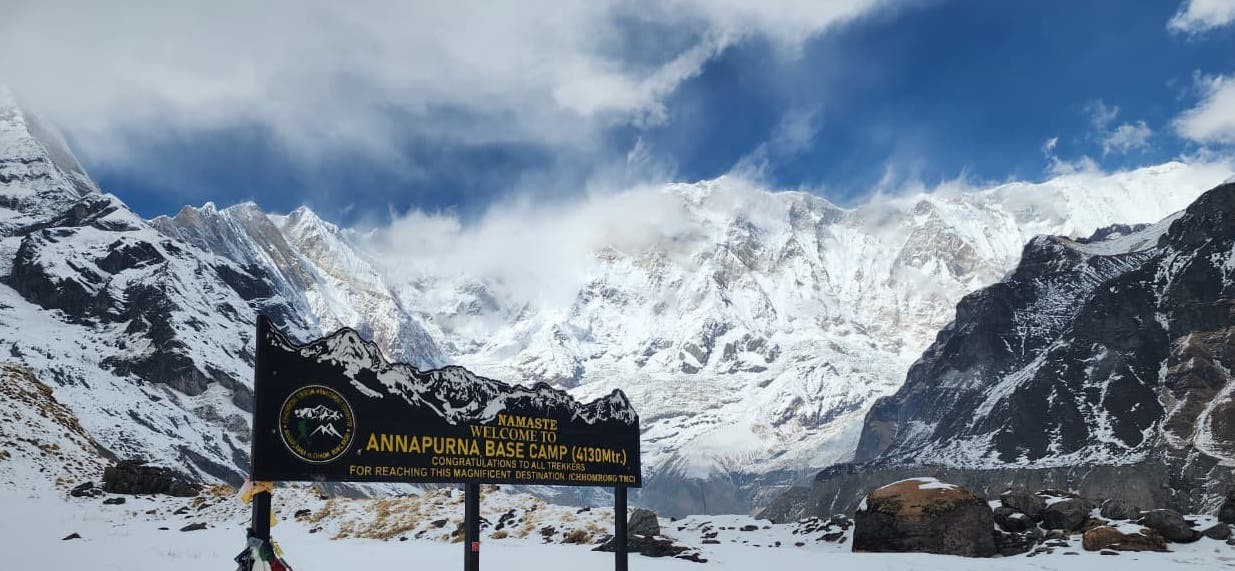
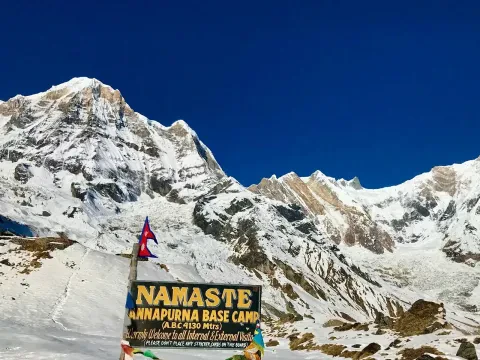
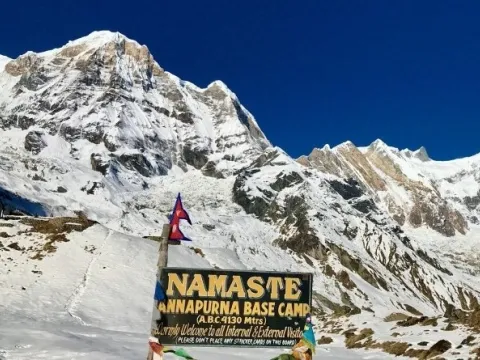
The Annapurna Base Camp Trek is one of the most popular Himalayan Treks in Nepal. The trail leads through the impressive Annapurna Sanctuary. Surrounded by towering mountains, Annapurna Base Camp at an altitude of 4,130 m (13,550 ft). From this vantage point, you can see great mountains like Annapurna I, Machhapuchhre, Annapurna South, Hiunchuli, and others in an amazing natural amphitheater.
ABC Trek is a tea-house trekking trail in the Annapurna area. This trail usually starts with a short road trip from Pokhara toward the trail’s edge. Then, hikers explore traditional mountain villages, terraced fields, rhododendron forests, and Modi Khola’s valley. The trail leads through Chhomrong, Bamboo, Deurali, Machhapuchhre Base Camp, and ultimately to ABC.
Moreover, if you feel like having an extra adventure, you may include the scenic Annapurna Sanctuary trail via Poon Hill. This variation involves visiting Ghorepani and Poon Hill’s viewpoint at 3,210 m. This is a spectacular place to watch the sunrise over the Annapurna Sanctuary.
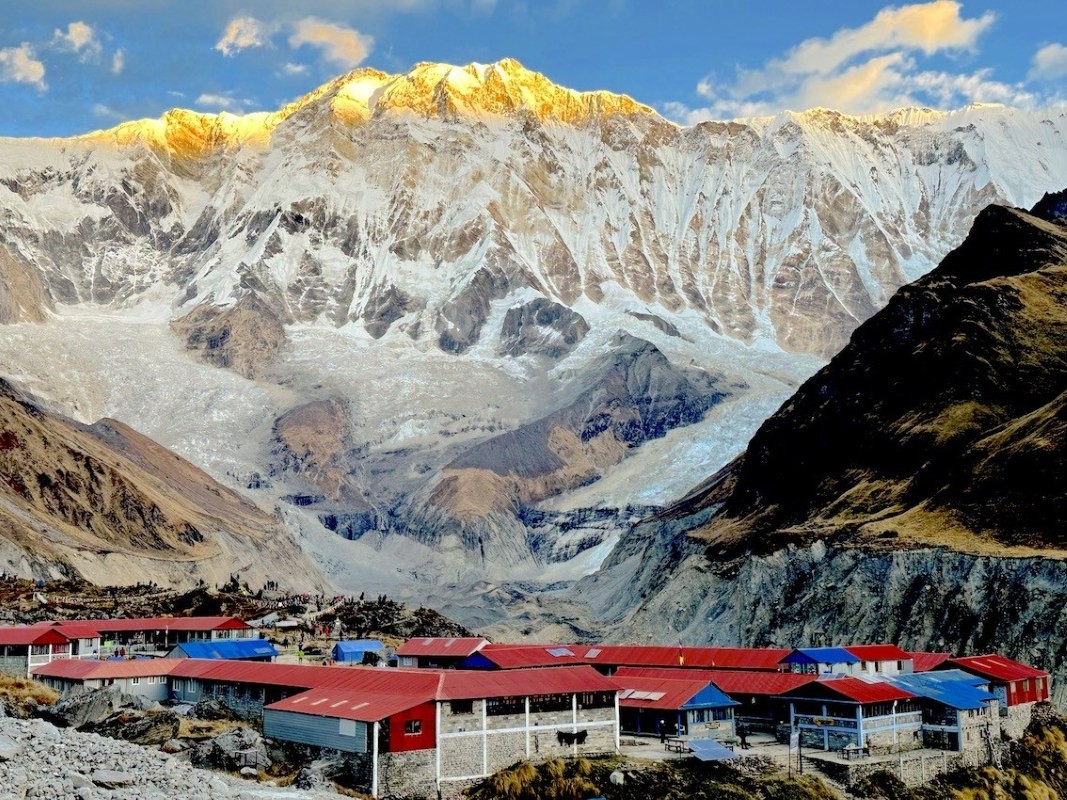
Annapurna Base Camp Trek at a glance :
Moreover, this trek is famous because it provides spectacular scenery while being relatively accessible. The ABC Trek does not require technical skills or equipment since it is only a moderate Himalayan hike.
Nevertheless, to fully enjoy the trek, you must have sufficient fitness and endurance levels. Steep stairways, frequent ascending and descending, and long walks are part of the ABC Trek’s moderate difficulty.
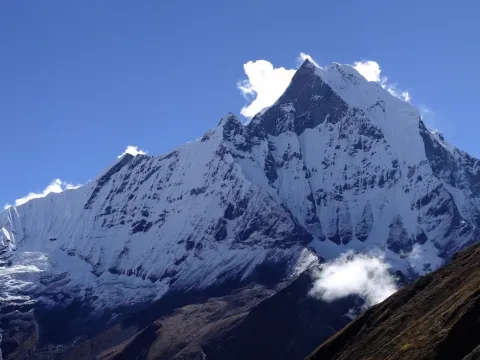
For a healthy beginner, the Annapurna Base Camp Trek may be an excellent choice. Still, it would help if you adequately prepared for this adventure. Four to eight weeks of cardio and lower-body workouts will help you achieve the necessary fitness level.
Moreover, if you are new to hiking, try to go on day hikes with a backpack to get used to the load.
Finally, stair climbing is also an inevitable part of the Annapurna Base Camp Trek, so it would be best if you included it in your training regimen.
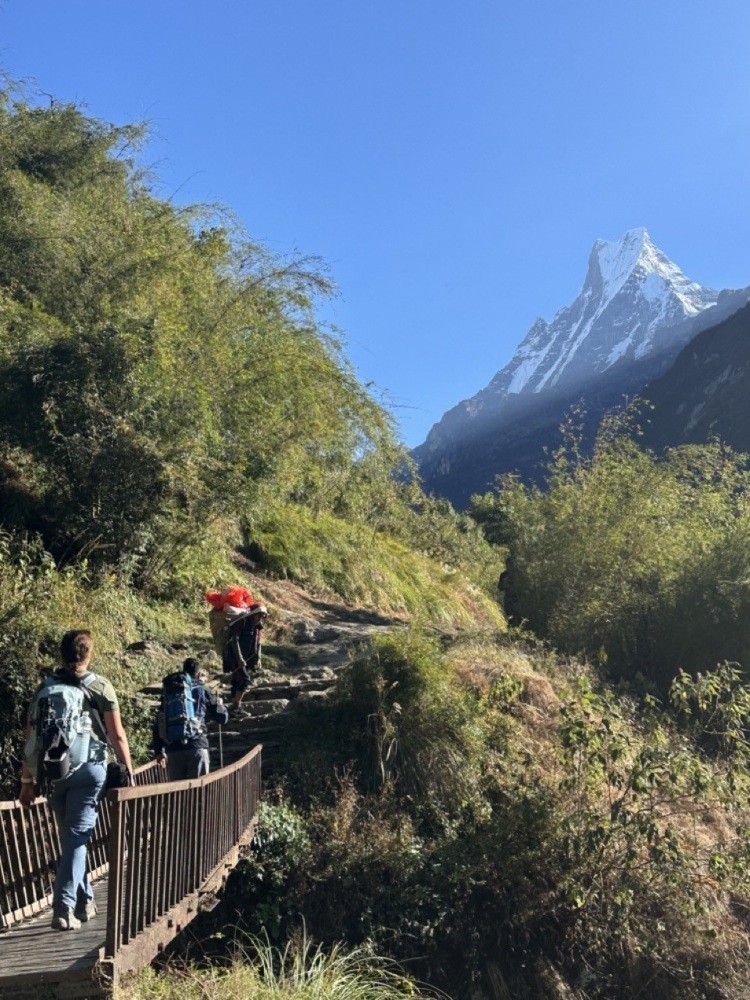
Here, the most common challenges for trekking beginners in Annapurna are the long flights of stairs, altitude, and fitness. A four-week fitness regimen will undoubtedly help you overcome these obstacles.
Additionally, if the itinerary offers a more relaxed pace, it will be a great opportunity to acclimatize.
Accordingly, the Annapurna Base Camp Trek for beginners is a Himalayan adventure that is well worth undertaking.
For a healthy beginner, the Annapurna Base Camp Trek may be an excellent choice.
Still, it would help if you adequately prepared for this adventure. Four to eight weeks of cardio and lower-body workouts will help you achieve the necessary fitness level.
Moreover, if you are new to hiking, try to go on day hikes with a backpack to get used to the load. Finally, stair climbing is also an inevitable part of the Annapurna Base Camp Trek, so it would be best if you included it in your training regimen. The most common challenges for trekking beginners in Annapurna are the long flights of stairs, altitude, and fitness.
Importantly, a four-week fitness regimen will undoubtedly help you overcome these obstacles. Additionally, if the itinerary offers a more relaxed pace, it will be a great opportunity to acclimatize.
Accordingly, the Annapurna Base Camp Trek for beginners is a Himalayan adventure that is well worth undertaking.
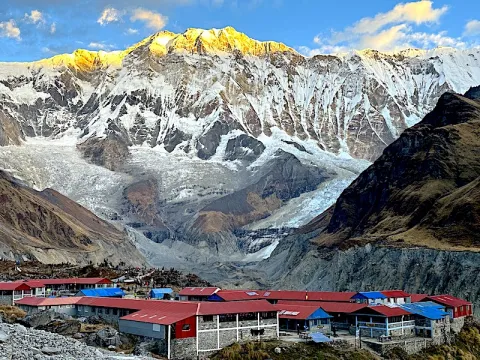
The Annapurna Base Camp Trek difficulty level can be classified as moderate. The ABC Trek is not a technical climb, but that does not mean it is easy. The trail requires you to walk for several hours and includes steep sections, long flights of stairs, and altitude gain.
Moreover, since the Annapurna Base Camp Trek reaches an altitude of 4,130 m, it is critical to prepare for this challenge.
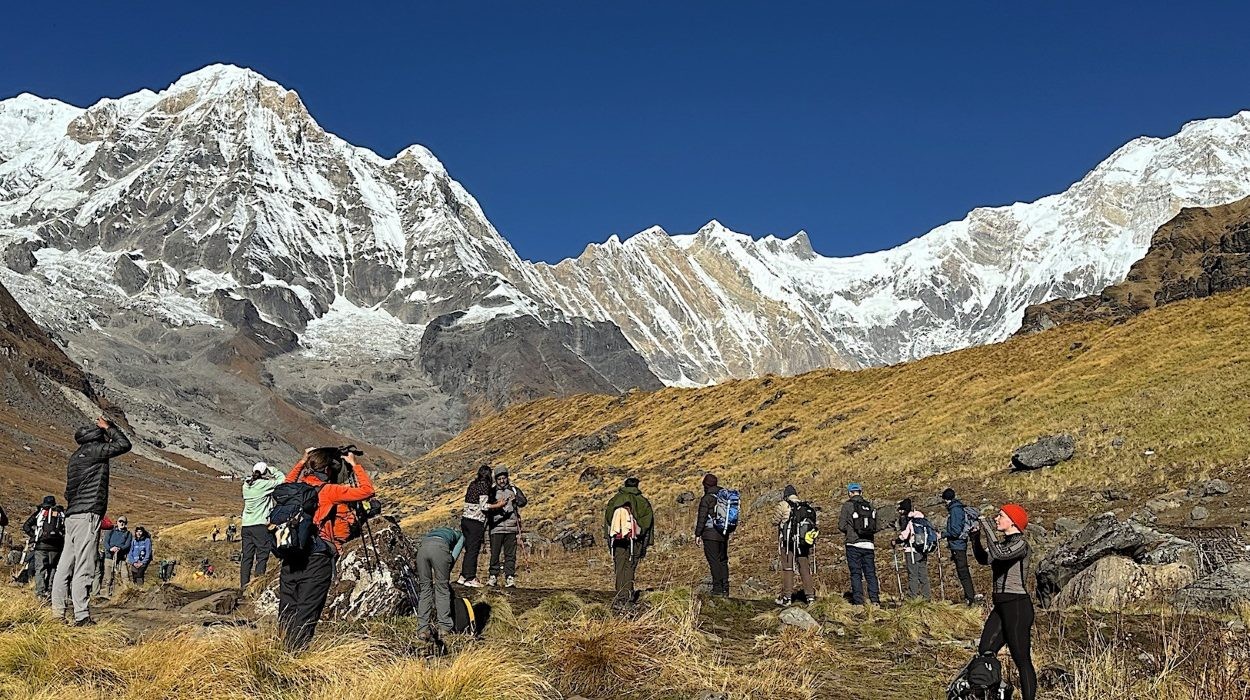
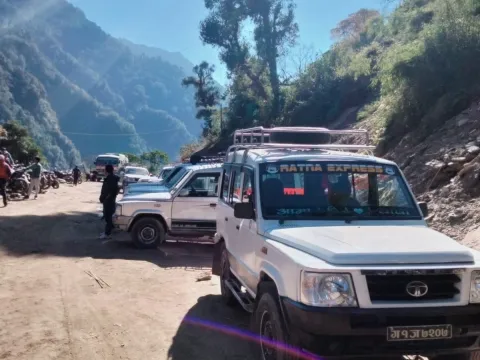
The first obstacle on the ABC Trek is long flights of stairs. The most famous and strenuous part is the staircase called Ulleri. But, you won’t encounter it if you are going directly via Jhino Danda. Only you will face the stairs of Ulleri if you use the trail via Poon Hill. Again, the jeep ride to Ulleri from Pokhara can help you escape it if you want to take jeep ride in Autumn and Spring and Winter.
Later, another challenging section awaits you around Chhomrong. This trail segment also involves climbing numerous steps and a steep incline.
Accordingly, be prepared for long hikes at altitudes of over 3,000 m and additional challenges ahead. Another critical factor that affects most hikers is altitude. The trek to Annapurna Base Camp involves long hikes at elevations of 3,000 m or higher.
Moreover, the higher you go, the more demanding it will be. For example, after reaching an elevation of 3,000 m, you will have fewer oxygen molecules in the air.
Then, you will have to continue your hike to Deurali, Machhapuchhre Base Camp at an altitude of 3,700 m, and ultimately the Annapurna Base Camp at 4,130 m.
Hence, as you approach the Annapurna Sanctuary, the air will become thinner. The final leg of the journey from Machhapuchhre Base Camp to Annapurna Base Camp is not technically demanding, but the altitude can be challenging.
Accordingly, it is critical to pace yourself during the final days of the trek while ascending from Deurali to MBC to ABC.
| Trek | Difficulty | Max. Altitude | Challenges |
|---|---|---|
| ABC Trek | Moderate | 4,130 m | Stairs and altitude |
| Everest Base Camp | Moderate-Challenging | 5,364 m | Higher altitude and longer duration |
| Annapurna Circuit | Moderate-Challenging | 5,416 m | Thorong La and altitude |
For most beginners, the Annapurna Base Camp Trek is a more accessible option compared to EBC or Annapurna Circuit. The Annapurna Base Camp Trek offers well-established tea houses and mountain villages. This trail also does not require any technical skills.
Yes, most of them can, but it depends on your fitness level. As stated earlier, the Annapurna Base Camp Trek difficulty is moderate. It does not require you to have extensive trekking experience.
Still, it will be necessary to prepare for the hike before traveling to Pokhara. It is recommended to start training at least 4-8 weeks before the trek.
First, you need to develop sufficient stamina and lower-body strength to withstand long hikes. Additionally, it may be helpful to go on day hikes and practice walking with a daypack.
Second, you also need to get accustomed to stair climbing. The Annapurna Base Camp Trek will challenge you with long flights of stairs. As highlighted above, the Ulleri trail segment and the area around Chhomrong are particularly demanding.
For a beginner, the Annapurna Base Camp Trek will certainly be an ultimate test, but it will also be very rewarding.
Annapurna Base Camp is an accessible trek for those who prepare adequately. It is a popular family-friendly high-altitude trek in Nepal. Unlike more challenging peaks, the Annapurna Base Camp trek does not require technical skills or prior experience.
However, you should have an average fitness level, pace yourself to avoid fatigue, and give yourself time to adjust to the altitude.
There are several reasons why a beginner-friendly trek is the Annapurna Base Camp trek. First, the highest point on the trail is not very high – 4,130 m.
Compared to the Everest Base Camp trek (5,364 m), this height will be challenging but not overwhelming for most people.
Second, the trail is well-established and relatively easy to navigate. You will find mountain eateries and accommodations (tea houses) throughout the route. They provide food, water, and a place to rest.
Moreover, local guides and porters are ready to assist you on your journey.
Likewise, you will not need to carry much gear because local porters will handle it for you.
Finally, unlike some Himalayas peaks, the Annapurna Base Camp does not require technical skills or equipment.
Similarly, you will hike on trails rather than climb steep rocks or use special gear.
However, remember that the trail is not easy – it involves several long flights of stairs and uneven ground.
Before hiking, you must prepare your body for regular physical activity. It is recommended to train for at least 4-8 weeks before the start of the trek. Moreover, your training should include walking, hiking, stairs, running, and other activities that work out your legs. You will also benefit from exercising regularly and keeping track of your fitness level.
When planning your trek, it is advisable to allocate 10-12 days for the Annapurna Base Camp trek. A longer hike will allow you to keep a moderate pace and give your body time to rest between days of climbing up and down.
Importantly, a licensed guide is an essential companion for first-time Himalaya trekkers. He will help you navigate through the trail, set a comfortable walking pace, and ensure your safety.
But, your age should not be a significant limitation when trekking to Annapurna Base Camp. Most people who are healthy and moderately physically active can manage this trek.
As a matter of fact, our team organized ABC trek in Spring for two elderly people aged 71 and 75 respectively and they accomplished it successfully.
However, keep in mind that your fitness level and hiking experience, not your age, determine how well you will endure the Annapurna Base Camp trek.
Is Annapurna Base Camp suitable for beginners? Overall, Annapurna Base Camp trek is beginner-friendly but requires realistic expectations. Do not try to hike fast on the trail because it will be strenuous.
However, if you prepare adequately, moderate your pace, and take advantage of local services, you will have a fulfilling Himalayas trek.
Yes, beginners can do the Annapurna Base Camp trek provided that they are fit and well trained. This trail is less technically demanding than other Nepalese peaks. However, it is essential to know how to prepare for the Annapurna Base Camp trek as a novice hiker.
Annapurna Base Camp hiking challenge is moderate. To complete this trek successfully, you must have sufficient physical endurance, acclimatize adequately, and stay focused. Here, are some essential tips for first-time Annapurna Base Camp trekkers:
Physical preparations: It is recommended to start training one or two months before the start of the trek. It is crucial to develop your lower body, particularly your calves and glutes. You can do it by walking, hiking, climbing stairs, running, or doing gym exercises. You should also practice walking for several hours a day to build your stamina.
Mental preparations: Annapurna Base Camp trek will test your mental resilience. Thousands of stairs, long hikes, and multiple days of continuous walking are physically and emotionally taxing. Remember to encourage yourself during the most challenging moments. Moreover, assess your progress realistically. Do not feel devastated or low if you cannot maintain a steady pace. You will get tired after several hours of walking. It is entirely normal, given the difficulty of the trail.
A professional local guide, and a porter can assist you throughout the Annapurna Base Camp trek. The local guide will share their expertise regarding the trail, climate, accommodations, and altitude. They can also help you determine the best pace for your body.
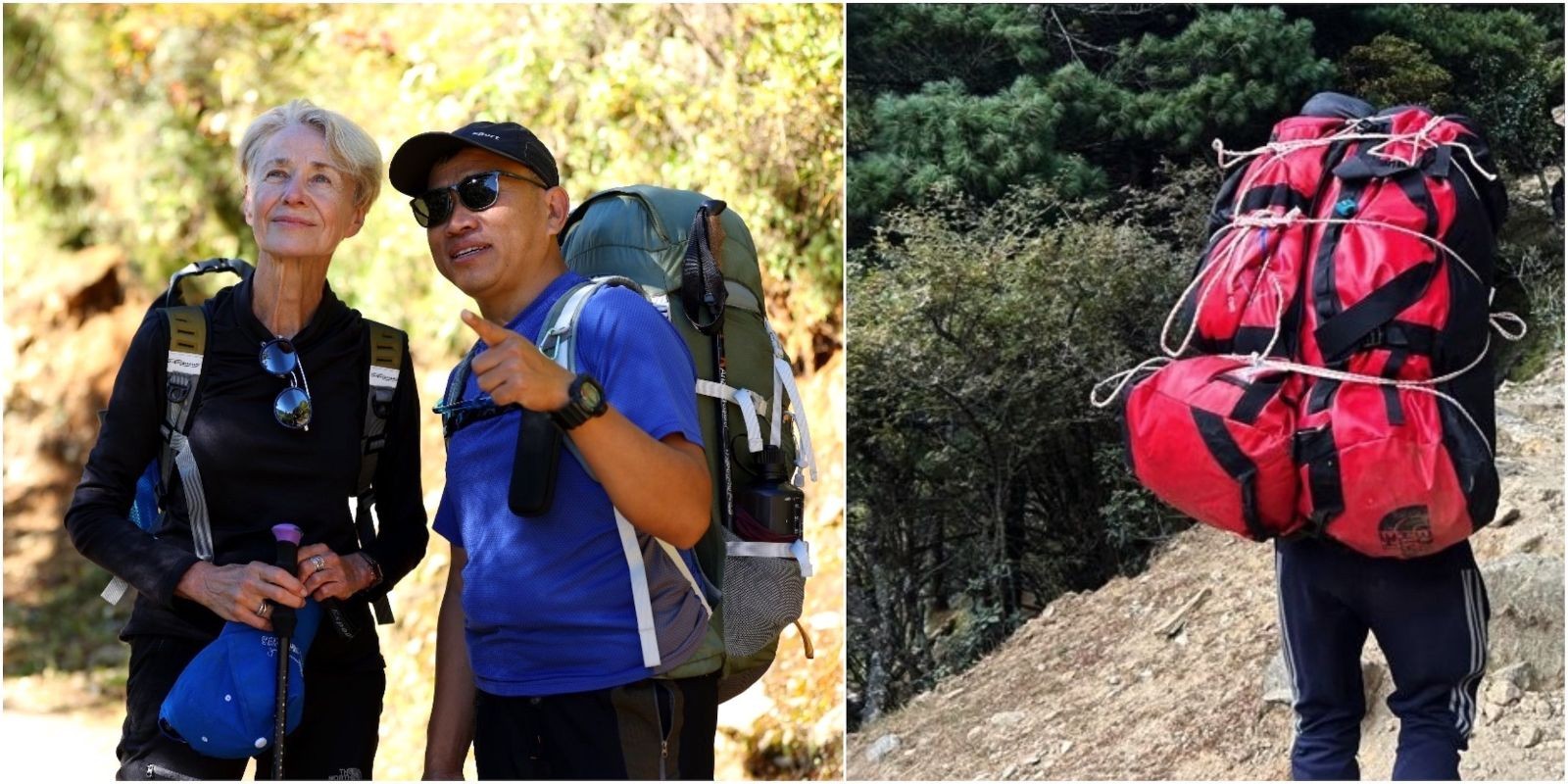
Likewise, the porter will carry most of your gear, leaving you with a lighter daypack. This will reduce the strain on your body, especially during the long hikes. Remember that you must continue to walk at a steady, albeit moderate, pace. A guide and a porter will support you, but they will not carry you.
Can You Do Annapurna Base Camp Trek as a Beginner? Read This Checklist:
Before you start hiking, it is advisable to assess your personal situation realistically.
Ask yourself the following questions:
If you answer most of these questions affirmatively, you should be ready for the Annapurna Base Camp trek.
Also, remember that Annapurna Base Camp trek is an accessible Himalayan peak but requires appropriate preparations. You should train regularly and pace yourself during the hike.
Importantly, these self-guided preparations, along with the local guide and porters, will help you complete Annapurna Base Camp trek successfully. It can be a great Himalayan adventure for first-time trekkers.
Annapurna Base Camp Trek can be completed by beginners, but it needs lots of preparation. Thus, the mountainous trail reaching 4130m which involves challenging rocky stairs and multiple-day hiking. Each of the following Annapurna BC Trek tips for beginners will help you complete your journey confidently.
1. Train your legs for 6-8 weeks in advance
Organize your trainings at least two months before starting your trek. Spend this period walking, hiking, or riding a bike to prepare your legs for long walks. In addition, include stair climbing in your activities 3-4 times a week.
2. Choose the 10-12-day itinerary
As a beginner, it is better to pick the 10- or 12-day option to have more days to acclimatize. Besides, longer itineraries allow you to have more time to explore the region. A faster pace is not suitable for people who have not been trekking before.
3. Hire a licensed guide
A guide is a must for first-time trekkers who may struggle with altitude or local weather conditions. Also, a professional guide can ensure your safety while hiking, recommend suitable accommodations, and help you navigate the trail. Additionally, he knows the terrain and points out any potential risks.
4. Do not wear new hiking boots
It is vital to break in your hiking boots before the trek. Wearing new or unused footwear can cause blisters and discomfort on the trail. Also, boots need care and proper maintenance, so it is better to do it before the trek.
5. Walk at a steady and firm pace
Keep a steady, conversational pace during your hikes to have enough energy for the long journey. A moderate speed will also help you avoid overexertion and headaches.
6. Drink water and watch out for AMS
It is essential to stay hydrated on the trail to avoid altitude sickness. Drink water in small sips throughout the day. At the same time, pay attention to the symptoms of AMS, including severe headaches, nausea, confusion, lack of appetite, and trouble sleeping. If you start experiencing any of these symptoms, you should contact a doctor as soon as possible.
7. Pack light and right
Remember that a heavy backpack wears you out on the trail. Carry only the most necessary items in your daypack. The rest of your gear can be left with a local porter for your safety and convenience.
8. Dress in layers
Wear warm clothes and hiking gear even in warmer seasons. Weather conditions in the Himalayas are unpredictable and can change within a day. Besides, be ready for evening temperatures, which are often lower than those during the day.
9. Buy travel insurance
Before leaving for your trek, buy travel insurance covering high-altitude hiking, emergency helicopter rides or other medical expenses. Also, check what altitude your policy covers.
10. Be patient and positive
Patience is a virtue, especially when trekking in the Everest region. When you feel tired, take short breaks and eat some trail mix or candies to regain energy. In addition, staying positive helps you overcome challenges on your Annapurna Base Camp Trek.
Therefore, these 10 ABC Trek tips for beginners will undoubtedly assist you in reaching the Annapurna Base Camp.
In summary, the tips above on how to acclimatize in ABC Trek are crucial for first-time hikers.
First of all, you should train more and pack light to have more energy for the long journey.
Secondly, a steady, conversational pace and patience will help you conquer the trail.
Furthermore, it is vital to be aware of altitude sickness and avoid severe headaches.
Lastly, do not rush and enjoy the scenery to have rewarding experiences and conquer the challenging mountainous trek.
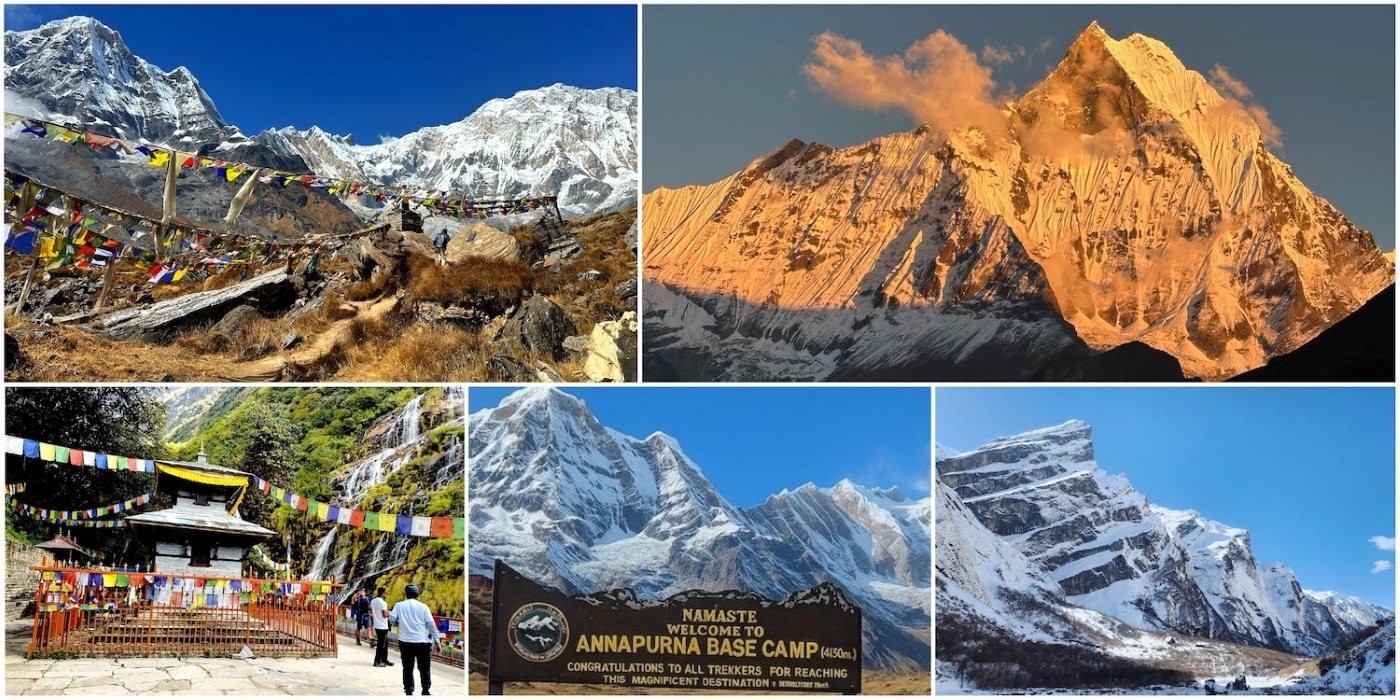
Generally, October is the best month for Annapurna Base Camp Trek as the skies are clear, and the mountain views are at their best.
Additionally, April is also a great season characterized by beautiful blooms of Rhododendrons.
In particular, the best seasons for Annapurna Base Camp Trek for beginners are spring and autumn.
| Season | Dates | Weather Conditions | Crowds | Beginner Suitability |
|---|---|---|
| Spring | March-May | Warm and generally clear weather | Moderate-High | ⭐⭐⭐⭐⭐ |
| Autumn | September-November | Most days are clear and cold | High | ⭐⭐⭐⭐⭐ |
| Winter | December-February | Cold with potential snowfall | Low | ⭐⭐⭐ |
| Monsoon | June-August | Rainy and cloudy with leeches | Low | ⭐⭐ |
Importantly, Annapurna Base Camp Trek in October is the best season for most trekkers due to generally good weather and spectacular views. In particular, the sky is clear, and the mountains are visible most days.
Additionally, during the daytime, temperatures are warm enough. On the other hand, the higher you climb, the colder it gets.
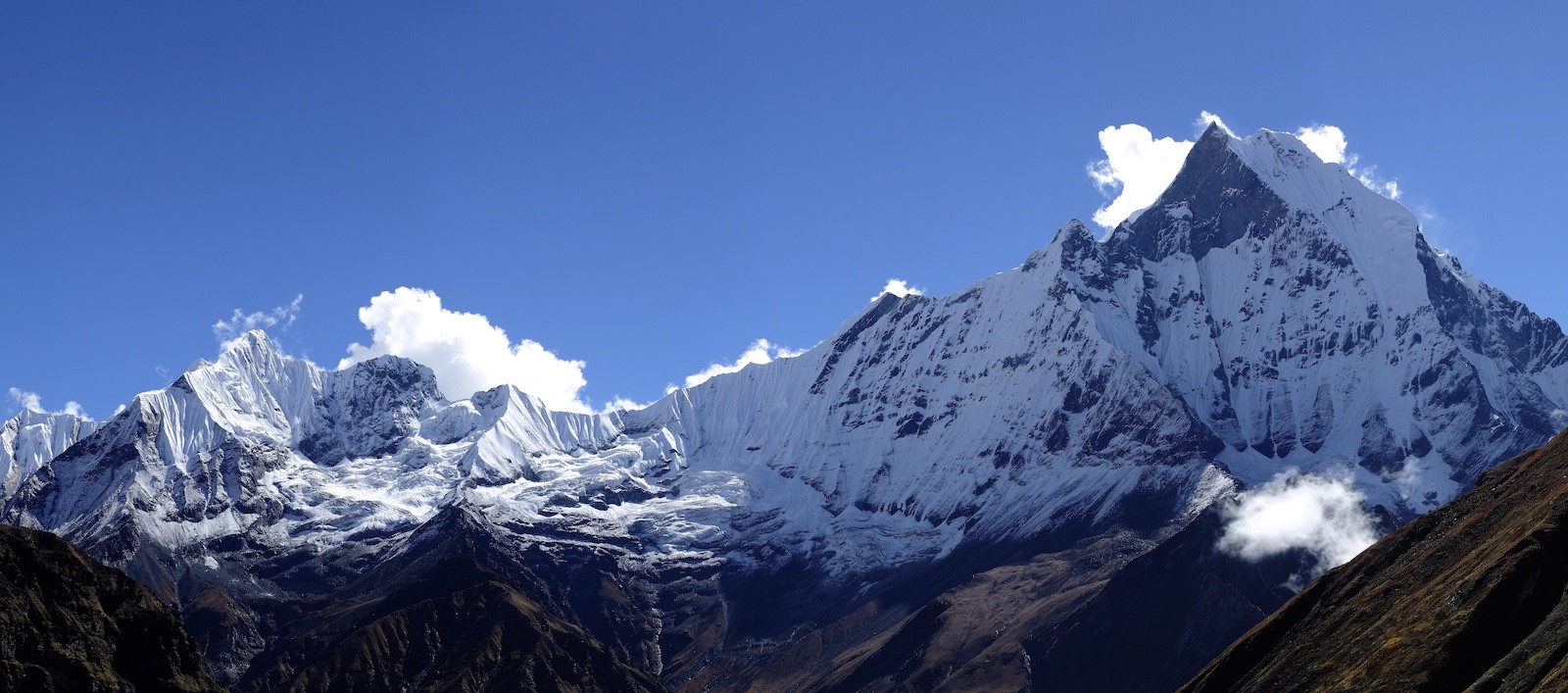
Likewise, September is still quite rainy, but October is mostly dry, and November is cold and clear. Thus, October ABC Trek is an excellent choice among trekkers and offers a fantastic opportunity to witness outstanding mountain scenery.
Here, March-May is generally warm and dry, with long hours of sunshine. In addition, April is probably the best month for Annapurna Base Camp Trek as the rhododendrons are in bloom. Throughout the entire trail, you will see gorgeous forests and mountains throughout the hike. However, the weather can be quite cloudy in the afternoons.
Moreover, April offers a great chance to enjoy magnificent rhododendron forests and clear skies over the mountains with fewer crowds than in autumn.
Nevertheless, in spring, the weather is less predictable, and rainy days are more frequent towards the end of the season.
Why are monsoon rains the worst time for Annapurna Base Camp Trek?
June-August is the monsoon season in Nepal, meaning heavy rains wash away the trails. Moreover, during this time, leeches are prevalent, making the trail slippery and uncomfortable to walk on.
In addition, the mountains are often covered by thick clouds and are not visible. Thus, monsoon season is not the best time to hike due to unpredictable weather and poor trail conditions.
What about winter for Annapurna Base Camp Trek?
The colder months of December-February are generally the off-season. Throughout this period, the trails are relatively empty, and mountain views are still breathtaking.
On the other hand, temperatures are quite low and can sometimes drop below zero at night. Similarly, the higher elevations can also be extremely cold and covered with snow.
To conclude, Autumn is the best season for Annapurna Base Camp Trek, with October being the most popular month. During this period, the skies are clear, leeches are gone, and the scenery is at its most impressive.
Additionally, April is the best month for Annapurna Base Camp Trek in spring, offering beautiful rhododendron forests and lovely mountain views.
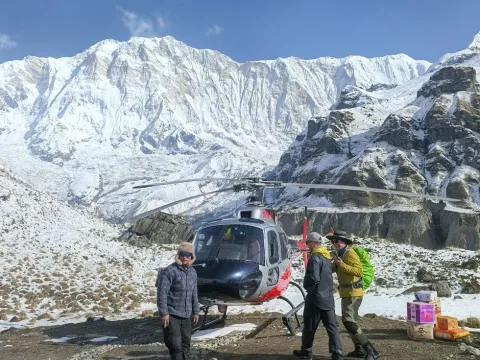
A good ABC packing list should be created with warm but lightweight clothing in mind. Remember that the Annapurna Base Camp trek reaches 4,130 m, and you should be prepared for sudden temperature changes.
Here, as a beginner, it is important to pack smartly without bringing all kinds of gear.
When hiring a porter, aim to keep your day pack at 5-8 kg. Meanwhile, your main backpack should not weigh more than 10-15 kg, depending on your guide or porter company. You may buy or rent many items in Kathmandu or Pokhara, where those who lead the Annapurna Base Camp trek are based.
Here is a comprehensive packing list for Annapurna Base Camp.
| Category | Essential Items | Beginner Advice |
|---|---|---|
| Base layers | 2-3 moisture-wicking shirts, thermal top and bottom | Avoid cotton clothing |
| Mid layers | Fleece jacket, warm trekking shirt | Necessary |
| Insulation | Down or insulated jacket | Essential |
| Outer layer | Waterproof and windproof shell | Essential |
| Lower body | Trekking pants, thermal leggings | Pack one light and one warm version |
| Footwear | Broken-in trekking boots, hiking socks, sandals | Avoid using new boots |
| Head & hands | Warm hat, sun hat, gloves, buff | Pack both warm and sun protection |
| Sleeping | Sleeping bag (approx. -10C to -15C) | Especially useful in colder months |
| Trekking gear | Trekking poles, headlamp, sunglasses, water bottles | Trekking poles help you navigate stairs |
| Health | First-aid kit, blister treatment, personal medicines | Keep them in your daypack |
| Documents | Passport, permits, insurance details, copies | Keep them dry and accessible |
| Water | Reusable water bottles, purification tablets or filter | Do not rely on local water |
| Electronics | Phone, phone charger, power bank, charging cables | Keep them dry and accessible |
Meanwhile, the ABC Trek packing tips for a beginner in the spring or autumn months will be slightly different from those in the winter or rainy seasons. During the colder months, extra warmth and insulation are needed. In the rainy season, you need additional rain protection. At the same time, you should always pack a fleece layer, a down jacket, and a waterproof shell.
Importantly, do not bring too many clothes, as you will not have enough space in your backpack. In addition, you will feel more comfortable if you bring a small daypack. Avoid packing unnecessary gadgets, extra warm clothes, and multiple layers of heavy clothing. Light things will help you climb the stone stairs leading to Annapurna Base Camp.
Before the trip, test your trekking boots, backpack, raincoat, and trekking poles. It is better to acquire skills and knowledge than to have spare gear on hand.
Now let us move on to another important aspect of the ABC trek – the success rate.
Annapurna Base Camp trek’s success rate is about 95%, as roughly 95% of all tourists who start the adventure reach the end. For example, we, Haven Holidays Pvt. Ltd. operated 45 trekkers’ ABC Trek in April, 2026 and 2 of the trekkers had altitude issues and had to given up from Deurali. But rest of them did complete the ABC Trek successfully.
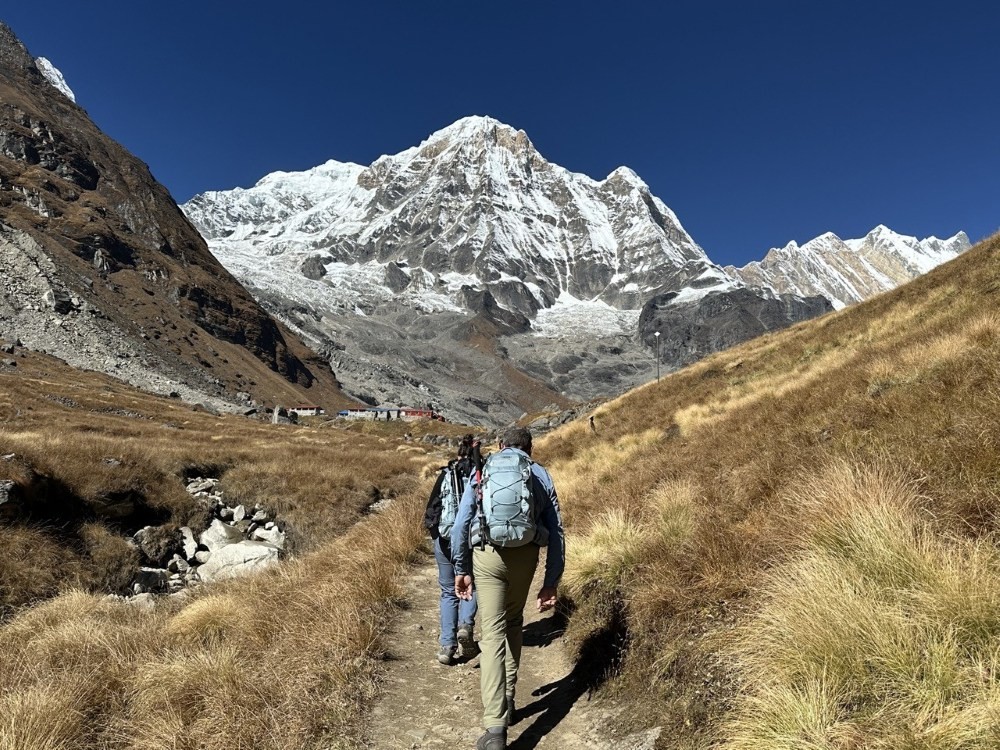
Actually, this is an approximate number, as there is no exact government or official statistic about this trek’s success rate. In addition, depending on a tour company, season, route, and other factors, the percentage varies.
More importantly, the high ABC trek success rate is explained by several factors. For example, the peak of 4,130 m is not very high, so it is not as challenging as, say, Mount Everest Base Camp.
Moreover, Annapurna Base Camp is a well-established route with a reasonable trail, plenty of tea houses, and good catering. Local guides and porters also assist in overcoming challenging places and help in getting good nutrition.
Nevertheless, some difficulties arise, which is why some tourists fail to complete the Annapurna Base Camp trek.
The most common reasons include:
However, altitude sickness plays the most important role in the ABC trek, and it is the main factor affecting the success rate, which means that you should take it seriously.
If you feel that your body is reacting badly to altitude, then it is necessary to consult your guide, who can give advice and decide whether to continue the trek to ABC or interrupt it.
Here, the most important tip is to prepare adequately for the trek. Ideally, you should start training about 6-8 weeks before the start of the trek, so that your body adapts to hiking and climbs.
Moreover, you need to work out muscles, especially leg muscles, so that the long hike does not hurt as much. Another good idea is to acclimatize, so that your body gets used to high altitudes.
On average, for a trek of this level, 4 days of gradual altitude increase are enough to adapt.
Another factor that affects the success rate is the choice of itinerary. It should be no shorter than 10-12 days, so that you have enough time to climb to Annapurna Base Camp.
In addition, you should not hurry on the trail and walk at a comfortable pace so that your body adapts to the altitude. Drink plenty of fluids and eat balanced meals.
Finally, a responsible and qualified local guide can help you tackle the difficulties of the Annapurna Base Camp trek. He will know the route, the terrain, and the weather ahead of time and will advise you how to prepare for the trek.
Moreover, he will also help you carry a lighter backpack, so he is definitely a good choice for novice trekkers.
Here, compared to other Himalayan peaks, Annapurna Base Camp is relatively easy. However, this does not mean that you should not prepare for it. A beginner has a good chance to increase his success rate if he trains, equips, and prepares his body. The correct approach, knowledge, and the right gear will greatly reduce the difficulty of the Annapurna Base Camp trek in comparison with other Himalayan peaks.
Annapurna Base Camp trek is suitable for a beginner if you prepare adequately. The trail reaches 4,130 m and involves steep sections, rocky stairs, and several hours of walking per day. This ultimate beginner’s guide to Annapurna Base Camp covers all essential preparation and trekking tips.
1. Prepare Your Body for Several Weeks
Start preparing your body a few weeks before departure. You need to build stamina and strength for walking, hiking, and climbing for hours every day. Do 3-4 workouts per week and go on a longer walk during the weekends.
Likewise, focus on working out your legs and core to help you cope with the steep sections and carry a heavy backpack. Consult your doctor if you have a medical condition.
2. Select a 10-12 Day Itinerary
A 10-12 day itinerary gives you more time to rest and adjust to the altitude. It is better to have an extended but enjoyable trip than struggle to finish the trek in a short time.
If you have more days, add Ghorepani Poon Hill to your itineraries. This way, you will have more time to enjoy the magnificent views.
3. Pick the Best Time to Trek
The best time to go on an Annapurna Base Camp trek as a beginner is during autumn and spring. October is the best month as the skies are clear, and the views are excellent. Another good time to trek is April as the rhododendrons are in full bloom.
Importantly, avoid the monsoon season as the trails are muddy and slippery. Winter is also an option but you need to prepare well for the cold temperatures and snow.
4. Pack Lightly and in Layers
Pack lightly and in layers. Wear a long-sleeved t-shirt, a fleece, a down jacket, and a waterproof jacket. You can also add trekking pants, well-worn hiking boots, gloves, and a beanie to the list.
Actually, a day pack that weighs between 5-8 kg is suitable, especially if you hire a porter to carry your equipment. Avoid bringing unnecessary items that can add to your burden.
5. Walk at a Slow and Steady Pace
Do not try to win any race, especially as a beginner. Walk at a slow and steady pace so that you can have enough energy to enjoy the beautiful views. Try to speak with other hikers or your guide to help you maintain a steady pace.
6. Take Altitude Seriously
Altitude is one of the most challenging aspects of the Annapurna Base Camp trek. You should start acclimating days before reaching higher altitudes. If you experience symptoms such as headaches, nausea, dizziness, extreme tiredness, or loss of appetite, inform your guide immediately.
Here, do not ignore these symptoms just because you are close to the summit.
7. Hire a Licensed Guide and Porter
A licensed guide will help you navigate the trail, select the best accommodations, and deal with altitude sickness. A good guide will also help you prepare for the trek and give you valuable tips.
In fact, hiring a porter is a good idea as they will carry your heavy bag, leaving you with a lighter day pack. This is especially important if you are a first-time trekker.
8. Be Prepared for Bad Weather
Weather conditions in the mountains are unpredictable. It is, therefore, important to carry a waterproof jacket at all times. You should also keep your phone, electronics, and important documents dry and safe.
Similarly, wear warm clothing during the evenings and mornings as the temperatures can drop significantly.
9. Get the Right Travel Insurance
Getting travel insurance is mandatory, especially for an Annapurna Base Camp trek. Make sure to get a policy that covers high-altitude trekking and helicopter rescue. In case of an emergency, the insurance will also cover your medical expenses.
Before buying the policy, double-check the maximum altitude covered by the insurance.
Some days will be more challenging than others. As a beginner, you may find yourself struggling with the rocky stairs and altitude. It is, therefore, important to maintain a positive attitude and enjoy the journey.
Focus on reaching the next landmark and take it slow.
Final Beginner’s Checklist for ABC :
Here, the ultimate beginner’s guide to Annapurna Base Camp trek covers all essential aspects of the adventure. The most important thing is to prepare adequately instead of relying on your athletic ability. For example, you need to build stamina and endurance before departure. You should also select a suitable itinerary and pack light.
Above all, you need to take the altitude seriously and do not push yourself too hard. For Haven Holidays Nepal, a well-prepared beginner trekker is more likely to enjoy the experience than an untrained one.
Contact us and book Annapurna Base Camp Trek with us as beginners and enjoy it in a safe and memorable way.
1. Is Annapurna base camp suitable for a beginner trekker?
Yes, Annapurna Base Camp is suitable for a beginner trekker who has some level of fitness and preparation. The trek is non-technical and does not require advanced climbing skills.
However, it is essential that the trekker prepares for several weeks and walks at a steady pace and sticks to the right Annapurna Base Camp itinerary. This mountain trek reaches up to an altitude of 4,130 meters, so it is necessary to maintain a level of altitude awareness.
2. How difficult is Annapurna base camp trek for a beginner?
Annapurna Base Camp trek is moderately challenging, and a beginner trekker can manage it with ease, provided they embark on the expedition with a reasonable pace and the appropriate fitness level. The most difficult parts of the Annapurna Base Camp trek for a first-timer are the long and steep inclines, stairs, altitude, and unpredictable weather.
However, with a properly planned Annapurna Base Camp itinerary, a beginner can acclimatize and complete the trek easily.
3. Can I trek Annapurna base camp as a first-timer?
Yes, you can trek Annapurna base camp as a first-timer since it is relatively simple. Previous Himalayan trekking or climbing experience is not necessary for most parts of the trek.
Also, the trail is well-established, with teahouses along the way. However, it is essential to have an appropriate level of fitness. It is always advisable to begin with a short hike to improve stamina and strength before embarking on longer hikes.
4. Do I need trekking experience for Annapurna base camp?
No, trekking experience is not required for Annapurna Base Camp. Most first-time trekkers can manage the adventure with ease as long as they have a reasonable level of fitness.
However, it is necessary to prepare for the Annapurna Base Camp trek in advance by engaging in regular physical activities such as walking, hiking, and stair climbing. You should also ensure that you have the endurance to walk for several hours at a stretch.
5. What fitness level is required for Annapurna base camp trek?
Most beginner-level trekkers can manage the Annapurna Base Camp trek with relative ease as long as they have a moderate level of fitness. It is important to build stamina by doing regular physical activities such as walking, hiking, and stair climbing for several months ahead of the trek. In addition, you should also engage in leg and core exercises to prepare your muscles for the long hikes.
6. How many hours do we walk on Annapurna base camp trek as a beginner trekker?
As a rule of thumb, most beginner trekkers should only walk for 4 to 7 hours daily on the Annapurna Base Camp trek. This depends on the specific itinerary that you choose for the trek and how fast you can manage to cover the trail. Most days on the trail are relatively easy, although there are days that are quite challenging, such as when climbing up the steep stairs along Chhomrong. It is important to take a slow and steady pace on the Annapurna Base Camp trek, especially for first-time trekkers. The standard Annapurna Base Camp itinerary offered by Nepal’s tourism authority covers the trek in 5 to 8-hour stages.
7. What is the maximum altitude of Annapurna base camp?
The maximum altitude of Annapurna base camp is 4,130 meters. Most beginner trekkers should be able to manage this altitude with ease as long as they prepare in advance for the expedition.
In addition, it is important to maintain a good level of hydration throughout the trek and avoid alcohol as much as possible to reduce the risks of vomiting, nausea, and severe headaches.
Also, remember that the higher the altitude, the lower the percentage of oxygen in the air, so if the symptoms of altitude sickness persist, it is best to descend to a lower altitude.
8. Is altitude sickness common on the Annapurna base camp trek for a beginner trekker?
Altitude sickness is relatively common on the Annapurna base camp trek, especially since the trail reaches an altitude of 4,130 meters. Beginner trekkers must remain aware of the signs and symptoms of altitude sickness, which include vomiting, nausea, dizziness, fatigue, and loss of appetite.
Always inform your guide if you experience any of these symptoms as they may need to descend to a lower altitude. While preparing in advance can reduce the likelihood of altitude sickness, it cannot prevent it entirely.
9. What is the best Annapurna base camp trek itinerary for a beginner trekker?
A 7- to 10-day Annapurna base camp trek itinerary is generally more suitable for a beginner trekker than a shorter itinerary. This allows the trekker to take a more relaxed pace and provides them with enough time to adjust to the altitude. The trail generally follows through Chhomrong, Bamboo, Dovan, Deurali, and Machhapuchhre Base Camp before reaching Annapurna Base Camp at an altitude of 4,130 meters. Another standard Annapurna Base Camp trek itinerary that is suitable for a first-timer is the multi-day ABC route offered by the Nepal tourism authority.
10. Is a short Annapurna base camp trek a good option for a first-time trekker?
While it may seem tempting to do a short Annapurna base camp trek, it is not advisable since it will leave you with less time to acclimatize to the altitude.
In addition, the trail can be rather tiring as a first-timer since you have to walk for long hours each day. It is, therefore, best for a first-timer to choose a longer itinerary.
11. Do I need a guide for the Annapurna base camp trek as a beginner trekker?
A guide is strongly recommended for the Annapurna base camp trek, especially if you are a first-time trekker. A qualified guide can assist you in navigating the trail, provide advice on the best pace to maintain, help you identify the right camping spots, and inform you of any adverse weather changes.
In addition, according to Nepal’s tourism authority, a guide and TIMS card are mandatory on certain trekking routes.
12. Is Annapurna base camp trek harder than Poon Hill for a beginner trekker?
Compared to a Poon Hill trek, Annapurna base camp trek is more challenging since it is at a higher altitude and requires much more effort. A Poon Hill trek only goes up to about 3,210 meters while an Annapurna base camp trek can reach an altitude of 4,130 meters.
However, a Poon Hill trek is a great opportunity for a first-time trekker to prepare for the Annapurna base camp trek since it provides insight into what to expect on the latter adventure.
13. Is Annapurna base camp trek more difficult compared to Everest base camp trek?
The Annapurna base camp trek is generally less difficult than the Everest base camp trek since the former reaches an altitude of 4,130 meters while the latter peaks at 5,364 meters.
However, both treks require a reasonably good level of fitness and preparation in advance. It is also important to maintain a steady pace on both trails since rushing can lead to altitude sickness and unnecessary exhaustion.
14. Whatwhat makes Annapurna base camp trek beginner-friendly?
The Annapurna base camp trek is considered beginner-friendly for several reasons, including the fact that it is non-technical and does not require advanced climbing skills.
Furthermore, the trail is well-established and relatively straightforward to follow, and it also offers ample opportunities to stay overnight in teahouses. The Annapurna base camp trek also begins in the Pokhara region, which is relatively accessible.
Thus, a beginner trekker can focus on the wonderous wilderness of the Himalayas without having to worry about learning advanced mountaineering skills.
15. Are there any challenging sections on the Annapurna base camp trek for a beginner trekker?
While the Annapurna base camp trek is generally suitable for a beginner trekker, there are several particularly challenging sections for first-timers. For instance, the long and steep flights of stairs along Chhomrong can be extremely tiring for a trekker who is not used to hiking.
Meanwhile, the trek to Deurali and Annapurna base camp is also very strenuous, especially at higher altitudes. Furthermore, walking down steep slopes can also be quite taxing for the knees.
Thus, it is always advisable to use trekking poles and to maintain a steady and reasonable pace throughout the trek.
16. What should a beginner trekker do to prepare for Annapurna base camp trek?
A beginner trekker should adhere to an Annapurna base camp training plan when preparing for the expedition, especially in the months leading up to the trek. Physical activities such as brisk walking, hiking, stair climbing, cycling, and leg exercises should be included in the training regime. The trekker should also carry a light bag whenever possible and slowly build endurance instead of rushing the training process.
17. What should a beginner trekker pack for the Annapurna base camp trek?
A beginner trekker should carry the following items when on the Annapurna base camp trek: layered clothing, boots, warm and woolen socks, waterproof clothing, sleeping bag, gloves, hat, sunglasses, sunscreen, water bottle, headlamp, first aid supplies, personal medicines, and trekking poles.
In addition, it is always advisable to carry extra supplies and to consult with your guide or trekking company to determine what other items you may need for the expedition.
18. When is the best time of the year for a beginner trekker to trek to Annapurna base camp?
The best time to trek to Annapurna base camp is during the spring and autumn seasons. This is because the weather during these times of the year is generally clear, with minimal cloud cover.
Thus, most beginner trekkers prefer to embark on their adventures to Annapurna base camp during the months of March to April and October to November. It is also advisable to avoid the winter and rainy seasons since they can make the trek more difficult.
19. Can I trek to the Annapurna base camp as an overweight beginner trekker?
It can be quite challenging for an overweight beginner trekker to trek to Annapurna base camp. However, it is possible for most people to complete the trek if they manage to prepare adequately for the expedition.
Here, preparing for the trek involves ensuring that you have the endurance to withstand the long days of hiking that can last up to 7 hours. It is also important to build stamina and strength by adhering to a workout regime several months before the trek.
However, if you are not sure whether you are physically fit enough for the adventure, it is best to speak to a medical professional.
20. Is Annapurna base camp a good first Himalayan trek for a beginner trekker?
Annapurna base camp is an ideal first Himalayan trek for a beginner trekker since it offers a unique wilderness experience. It is a moderately challenging trek that involves traversing through spectacular landscapes and visiting traditional villages. The trail is relatively straightforward, although it requires a moderate level of fitness, experience, and equipment.
Thus, a beginner trekker can enjoy Annapurna base camp trekking while taking on a challenge without having to learn complex trekking/climbing skills.
Our travel experts are ready to assist you with any questions.
Send us a message.Have a question before you book? Send your enquiry below and our travel experts will get back with the required information.