Meanwhile, Kathmandu grabs your attention the moment you arrive. The city’s day tours aren’t just about checking off famous spots—they pull you into the heart of Nepal’s culture. You’ll wander through ancient temples, dodge pigeons in lively squares, and take in the mess and magic of daily life. Local guides don’t just point things out; they share stories, introduce you to old rituals, and show you where artisans still work by hand. The city buzzes from sunrise to sunset, always with those Himalayan peaks in the background, sitting at 1,400 meters above sea level.
What’s really special? The way Hindu and Buddhist traditions blend together. It’s seamless, almost like the city itself is a bridge between worlds. On these tours, you stumble across hidden courtyards, meet locals, and pick up stories you’ll remember long after you leave. One day in Kathmandu is enough to get under its skin.
Likewise, people love these tours because you pack a lot into just six or seven hours. You see the main sights, sure, but the experience always feels personal. Guides are friendly and know their stuff. There’s time for photos with sweeping views, and the route can shift to match your interests. The altitude stays steady, so you won’t be gasping for air. Every stop connects to the next, painting a bigger picture of the city’s soul. By the end, you don’t just carry home great photos—you walk away with real memories.
Key Highlights of a Kathmandu Day Tour:
| Time Slot | Activity Duration | Notes |
|---|---|---|
| 8:00 AM | Pickup from hotel and drive to Swayambhunath | 30 mins Hilltop stupa offers city vistas at 1,400 meters. |
| 9:00 AM | Visit Pashupatinath Temple - 1 hour | Witness cremations and prayers; elevation 1,400 meters. |
| 11:00 AM | Tour Boudhanath Stupa with lunch break - 1.5 hours | Spin prayer wheels; site at 1,400 meters elevation. |
| 1:00 PM | Explore Kathmandu Durbar Squaren - 1 hour | See Living Goddess Kumari; central at 1,400 meters. |
| 3:00 PM | Return to hotel - 30 mins | Reflect on cultural immersion. |
Essential Tips for Tour Participants:
Well, for fresher, these sites bring Nepal’s history to life. Step into any of Kathmandu’s ancient temples or walk past those towering stupas, and you feel it—centuries of art, faith, and tradition packed into seven unique zones. Each spot has its own story, its own flavor, and the best part? They’re all within easy reach, since the valley sits at a comfortable 1,400 meters.

On these tours, you don’t just look—you experience. Local guides do more than point things out; they weave in stories about Hindu and Buddhist harmony, and why these places matter. You’ll see the famous durbar squares, sacred stupas, and all the layers of culture stacked up over time. Some monuments still bear the scars of earthquakes, but they’re standing strong, thanks to ongoing restoration. That kind of resilience sticks with you.
What really pulls people in is the sense of connection. You’re not just learning about Nepal’s legacy—you’re part of it for a day. The views don’t hurt, either. All in all, these tours aren’t just educational; they’re genuinely inspiring.
Importance of UNESCO Designation in Kathmandu Valley:
| Site Name | Description | Elevation | Key Features |
|---|---|---|
| Kathmandu Durbar Square | Historic royal palace complex | 1,338 meters | Hanuman Dhoka, Kumari Ghar, intricate carvings. |
| Patan Durbar Square | Ancient city center in Lalitpur | 1,324 meters | Krishna Mandir, museums, fine metalwork. |
| Bhaktapur Durbar Square | Medieval town square | 1,401 meters | Nyatapola Temple, pottery squares, artisan vibes. |
| Swayambhunath Stupa | Hilltop Buddhist site | 1,477 meters | Monkey Temple, all-seeing eyes, panoramic views. |
| Boudhanath Stupa | Largest spherical stupa | 1,338 meters | Tibetan influence, prayer flags, monasteries. |
| Pashupatinath Temple | Holiest Hindu shrine | 1,338 meters | Golden roof, cremation ghats, Shiva lingam. |
| Changu Narayan Temple | Oldest temple in valley | 1,541 meters | Vishnu carvings, rural setting, ancient inscriptions. |
Benefits of Choosing This Tour:
Actually, Kathmandu Valley packs a punch with its seven UNESCO World Heritage Sites. These places aren’t just old stones—they’re proof of Nepal’s deep artistic roots and wild history. Step into any of them and you’ll see temples, stupas, and those famous durbar squares, all tangled up with both Hindu and Buddhist traditions. The details are unreal: artisans spent centuries carving and building, and even after earthquakes tried to knock them down, the locals always put them back together. The valley sits high, between 1,300 and 1,550 meters, so you get all kinds of views. Local guides know their stuff and bring each spot to life. It’s not just about sightseeing, either. People join in with daily rituals and living traditions—honestly, you feel the valley’s heartbeat in these places.

Likewise, there’s more to it than just architecture. Folks come here hoping for some deeper understanding. They see rituals unfold at sacred sites, with the whole valley laid out like a bowl at about 1,400 meters, ringed by mountains. UNESCO added these sites to its list way back in 1979 because they matter to the world, not just to Nepal. Every monument comes with its own story—kings, devotees, legends—and they’re all connected, weaving together the history of the valley. Sure, rapid urban growth makes it tough to keep everything preserved, but every visit helps. When you walk through these sites, you’re not just looking; you’re pitching in to keep their legacy alive.
List of Seven UNESCO Sites with Key Features:
| Site | Inscription Year | Cultural Criteria | Notable Events |
|---|---|---|
| All Seven | 1979 | iii, iv, vi | Survived 2015 earthquake; ongoing restorations. |
| Durbar Squares | Architectural mastery | Royal coronations and festivals. |
| Stupas and Temples | Religious harmony | Daily rituals and pilgrimages. |
Conservation Challenges:
If you want a day in Kathmandu you’ll never forget, you’ve got to plan it right. Most people start by picking a few UNESCO World Heritage sites—these spots really pack in the culture. Usually, you’ll hit four to seven places in one day, depending on your energy and how much you want to see. A good guide makes a huge difference too. They bring the history to life, not just recite facts.

Getting around? You’ve got options: taxis if you want something quick, or a private van for a bit more comfort. Kathmandu sits at about 1,400 meters, so you don’t need to worry about altitude slowing you down. Still, the weather can change fast, so keep an eye on the forecast. Entrance fees aren’t the same everywhere, so budget a little extra just in case. And don’t miss out on the food—lunch is a chance to taste what the city’s really about.
Likewise, people often tweak their itineraries to match their own pace. Early starts help you beat the crowds and the midday heat. Some travelers even split their tour over two days to really soak everything in. Bring a bottle of water and wear shoes you can walk in all day. A good map app keeps you on track, but allow some flexibility—Kathmandu traffic can be unpredictable. Linking the sites together with a story or theme makes the day feel more connected. In the end, a little thought up front turns a regular tour into something you’ll remember for years.
| Day | Sites Visited | Duration | Tips |
|---|---|---|
| 01 | Swayambhunath (1,450m), Kathmandu Durbar Square (1,400m), Pashupatinath (1,350m), Boudhanath (1,350m) | 6-7 hours | Start at 8 AM; include lunch break. |
| 02 | Patan Durbar Square (1,300m), Bhaktapur Durbar Square (1,400m), Changu Narayan (1,550m) | 6-7 hours | Hire guide for insights; end with sunset views. |
Essential Planning Tips:
| Item | Estimated Cost (NPR) | Notes |
|---|---|
| Guide | 3,000-35,00 - Per day. |
| Transport | 4,000-5,000 - Private car. |
| Entries | 6,000 total - For all sites. |
| Meals | 1,000 - Local cuisine. |
Additional Advice:
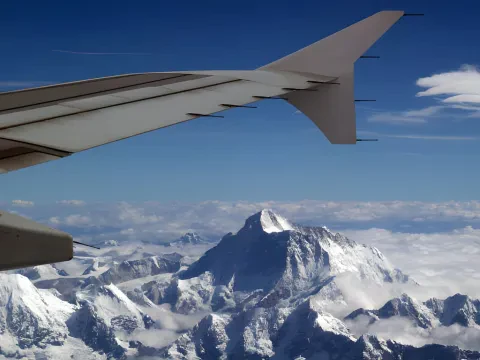
Actually, Kathmandu really shines in certain seasons. You get those crisp, clear days in autumn—perfect for catching mountain views. Spring rolls in with flowers everywhere and just the right amount of warmth. The city sits at about 1,400 meters, so the weather usually stays moderate. But when monsoon season hits, expect heavy rain and sticky afternoons. Winter cools things down, but it’s mostly dry, which isn’t bad for walking around.
If you want the best experience, check the weather before you go. Most guides suggest visiting during the shoulder months to dodge the biggest crowds. Early mornings help you beat the afternoon heat, and you’ll see those famous peaks without the haze. Dress in layers since the temperature swings a bit during the day. And when the weather’s good, getting from one heritage site to another is a breeze. A little planning goes a long way—if you time your visit right, Kathmandu’s culture and scenery come alive.
Best Seasons for Kathmandu Sightseeing:
Practical Tips for a Successful Day Tour:
| Month | High (°C) - Low (°C) | Rainfall (mm) | Best For |
|---|---|---|
| October-November | 23 | 10-15 | Low (2-50) | Clear views, comfortable |
| March-May | 25-28 | 13-17 | Moderate | Blooms, mild weather |
| December-February | 16-20 | 4-9 | Very low | Fewer tourists |
| June-September | 26-28 | 19-21 | High (180-370) | Avoid for sightseeing |
There’s something special about Swayambhunath Stupa at sunrise. Pilgrims tackle those steep, ancient steps, and monkeys dart around, weaving through the shadows of sacred shrines. From up here, you get a brilliant view of Kathmandu Valley waking up. The prayer wheels keep spinning, and those all-seeing eyes painted on the stupa seem to watch everything below. At 1,477 meters, the air feels different—cleaner, maybe, or just charged with energy. Early visitors soak it all in and, honestly, there’s no better way to kick off the day.

Most people start their tours here, hoping to catch that panoramic view and a little inspiration. The morning rituals feel calm, almost meditative. Sure, the temple’s open all day, but at sunrise, the light turns everything golden. Tapping into the site’s Buddhist roots just adds to the experience. Begin at Monkey Temple, and you’re set for a day full of energy and discovery.
Key Facts about Swayambhunath Stupa:
Visiting Tips and Best Practices:
| Time | Activity | Duration | Notes |
|---|---|---|
| 6:00-7:00 AM | Arrive, climb steps, watch sunrise | 1 hour | Best light for photos at 1,477m. |
| 7:00-8:00 AM | Circumambulate stupa, visit shrines | 1 hour | Observe monks and locals praying. |
| 8:00-8:30 AM | Enjoy tea/coffee at viewpoint café | 30 mins | Panoramic valley views. |
| 8:30 AM | Depart for next site (e.g., Durbar Square) | Smooth transition to day tour. |
Devotees come to Pashupatinath Temple because it feels holy. By the Bagmati River, people carry out prayers. Their faith centers on Shiva known here as Pashupati. Gold covers the roof of the temple's tiered design. Pilgrims sit quietly in small shelters close by. Fires burn along river steps without pause. The land rises to about 1,317 meters high. People see intense rituals while walking around. Because of this, the shrine holds strong faith within its walls.

Out here, visitors often stop by because UNESCO put it on their list. Old ways live on, watched quietly by those passing through. Spread wide, the place holds many small shrines tucked within. Still, only beyond the entrance can outsiders stand and look. Stories of Shiva stir wonder. Because of them, Pashupatinath adds depth to how people experience culture.
Key Facts about Pashupatinath Temple:
| Feature | Description | Notes |
|---|---|
| Main Temple Height | 23.6 meters on single-tier plinth | Pagoda style with gold plating. |
| Establishment | Origins in 5th century CE; current in 17th century | Built by King Bhupatindra Malla. |
| Key Elements | Four-faced Mukhalinga, cremation ghats | Shiva lingam inside sanctum. |
| UNESCO Criteria | Cultural (iii), (iv), (vi) | Recognizes religious harmony. |
Visiting Tips and Etiquette:
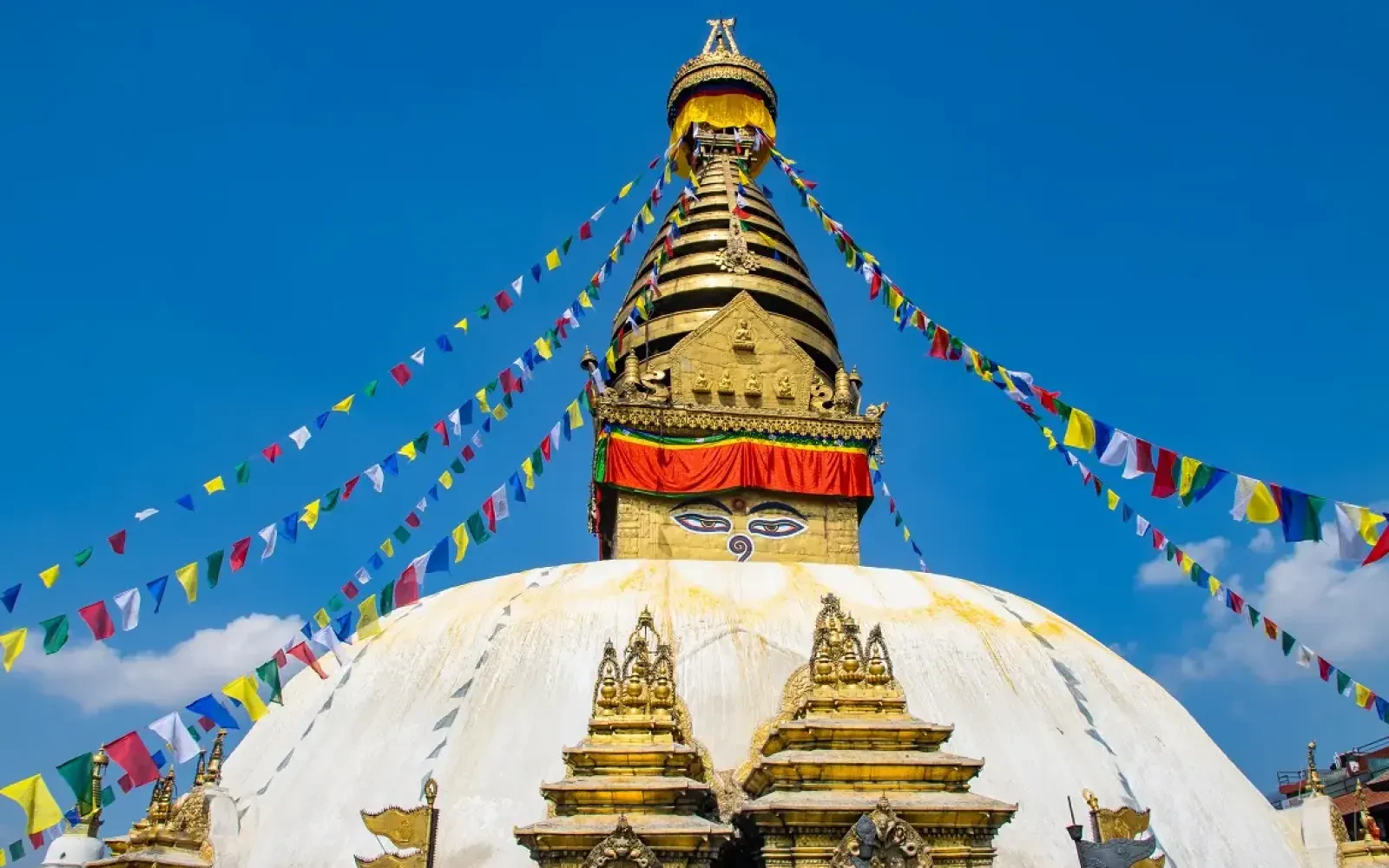
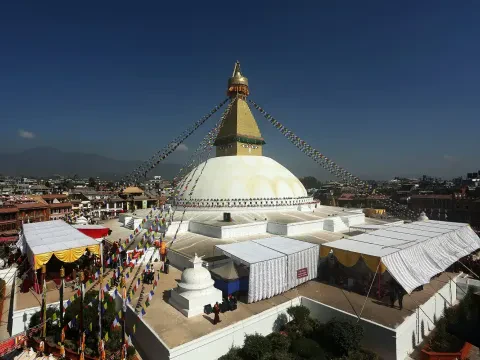
Actually, Boudhanath Stupa brings a sense of calm right into the chaos of Kathmandu. You’ll see pilgrims walking in circles, always clockwise, some chatting quietly, others deep in thought. Bright prayer flags snap in the breeze above, adding color to the scene. The huge white dome stands out—you really can’t miss it—and those big, watchful Buddha eyes seem to look right through you with kindness.
Likewise, Tibetan monasteries crowd around the stupa, their monks and nuns mingling with visitors. The whole thing sits at about 1,330 meters above sea level. People come to spin the prayer wheels, fingers brushing over the metal, looking for a little luck or a moment of peace.

Moreover, Boudhanath isn’t just an old monument; it’s alive. Locals and travelers show up for spiritual renewal or just to soak up the atmosphere. Walking the kora, circling the base, you start to feel part of something bigger. The mandala design below your feet isn’t just for show—it stands for enlightenment. This place connects you to Tibetan Buddhism in a way that feels real, not just historical. Boudhanath really does offer a kind of tranquility you carry with you when you leave.
Key Facts about Boudhanath Stupa:
| Element | Description | Significance |
|---|---|---|
| Dome and Base | Spherical white dome on three-level mandala | Represents Buddha's enlightened mind. |
| Eyes and Spire | All-seeing eyes on four sides; 13 tiers | Symbolize wisdom and path to nirvana |
| Prayer Wheels | Hundreds line the base | Turning them accumulates merit |
| Surroundings | Over 50 Tibetan monasteries and shops | Vibrant Tibetan community hub |
Visiting Tips and Best Practices:
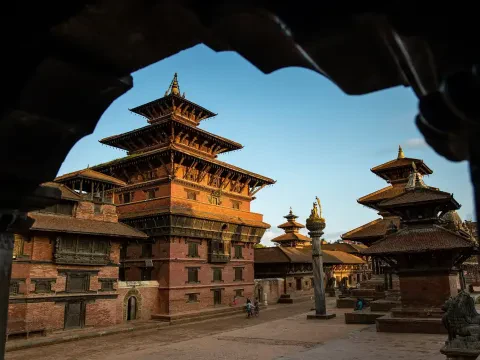
Actually, Kathmandu Durbar Square buzzes with the energy of Nepal’s royal past. For centuries, kings ruled right from the Hanuman Dhoka Palace, and you still feel that weight of history as you wander around. The wood carvings—honestly, it’s hard not to stop and stare—pull in crowds every day. Plus, the Living Goddess Kumari actually lives here, adding a real sense of living tradition. Temples and museums are packed with ancient treasures, and the whole place sits up at about 1,400 meters, so the air feels just a little thinner, a little more electric.

Moreover, festivals light up the square; people gather with real energy and excitemenHistoric Kathmandu Durbar Square with ancient temples, palace buildings, and traditional Newari architecture in Kathmandu, Nepal.
Caption: Kathmandu Durbar Square is a historic cultural landmark featuring ancient temples, royal palaces, courtyards, and remarkable Newari craftsmanship.t. It’s not just a relic—history and daily life mix together here. Tourists come for that royal experience, hoping to catch echoes of old coronations in the details of the buildings. Earthquakes hit, but the square stands strong, thanks to careful restoration. UNESCO recognized its value back in 1979—no surprise there, given its deep ties to the Malla and Shah dynasties. In the end, Kathmandu Durbar Square doesn’t just preserve heritage; it lives and breathes it.
Key Attractions at Kathmandu Durbar Square:
| Period | Key Developments | Notes |
|---|---|
| Licchavi Era (4th-8th century) | Early structures and foundations | Initial royal use. |
| Malla Period (12th-18th century) | Major expansions and temples built | Peak of Newar architecture. |
| Shah Dynasty | Continued royal seat until 19th century | Coronations and ceremonies. |
| 1979 | UNESCO World Heritage inscription | Part of Kathmandu Valley sites. |
| 2015 | Earthquake damage; ongoing restoration | Resilience demonstrated. |
Visiting Tips:
Meanwhile, Patan Durbar Square really puts Nepal’s artistry on display. Everywhere you look, you’ll spot intricate metalwork and stone carvings—handcrafted by skilled artisans who knew exactly what they were doing. The Krishna Mandir rises above it all, stealing the spotlight, while pagoda temples draw crowds with their striking designs. Museums here aren’t just for show, either. They stash away rare pieces you won’t find anywhere else. Sitting at about 1,313 meters, the square buzzes with Newari culture—it’s alive, not just a relic.

Actually, people come here for the art, plain and simple. There’s nothing like standing right in front of a 17th-century masterpiece, seeing every detail up close. Patan doesn’t just show off its Buddhist and Hindu roots—it blends them, side by side, in a way that just works. Sure, it’s a UNESCO World Heritage Site (since 1979), but it’s not frozen in time. The spirit of the old Malla kings still lingers, inspiring anyone who visits. Patan Durbar Square isn’t just about seeing art; it’s about diving headfirst into living culture.
Key Attractions at Patan Durbar Square:
| Feature | Description | Period/Notes |
|---|---|---|
| Krishna Mandir | Shikhara-style with 21 spires | Built 1637 by Siddhi Narsingh Malla |
| Golden Temple | Buddhist vihar with golden plating | 12th century origins |
| Patan Museum | Former royal residence turned museum | Displays Newari art masterpieces |
| UNESCO Inscription | Part of Kathmandu Valley sites | 1979; criteria iii, iv, vi |
| Elevation | Approximately 1,313 meters | Comfortable for exploration. |
Visiting Tips for Day Tours:
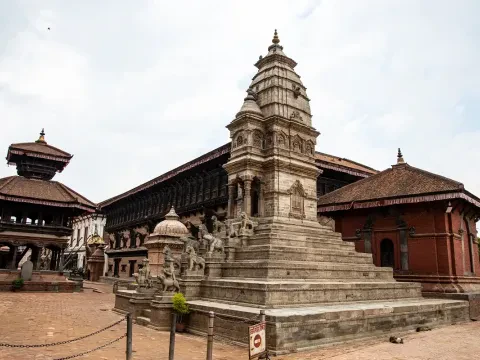
Step into Bhaktapur Durbar Square and you’re in the heart of medieval Nepal. The brick temples and palaces here aren’t just impressive—they’re a testament to the skill of generations of artisans. Every day, people stroll through pottery squares, catching glimpses of real craft in action. The Nyatapola Temple stands tall above it all, impossible to miss, while traditional Newari architecture pops up everywhere you look. Bhaktapur sits at about 1,401 meters above sea level, but honestly, it feels like you’ve climbed straight into the past.

Here, locals don’t just talk about heritage; they live it. That’s why the square still pulses with the same old-world energy. Bhaktapur hasn’t caved in to heavy modernization, so visitors get a genuine experience—think five-tiered pagodas up close and a thriving community of artists. UNESCO gave it a nod back in 1979, recognizing its cultural brilliance. The echoes of the Malla era are everywhere, and you can feel that legacy in the streets. No wonder Bhaktapur remains one of the most captivating stops on any Kathmandu day tour.
Key Attractions at Bhaktapur Durbar Square:
| Feature | Description | Period / Notes |
|---|---|---|
| Nyatapola Temple | Five-tiered pagoda, 30 meters tall | Built 1702 by King Bhupatindra Malla |
| Golden Gate | Ornate gilded entrance to palace | 1754; finest metalwork example |
| 55-Window Palace | Intricate wooden windows and carvings | 15th–17th century Malla era |
| UNESCO Inscription | Part of Kathmandu Valley World Heritage | 1979; criteria iii, iv, vi |
| Elevation | Approximately 1,401 meters | Offers pleasant climate year-round. |
Visiting Tips for Your Day Tour:
Actually, Changu Narayan Temple isn’t just the oldest shrine in Nepal — it feels alive with history. Devotees come to honor Lord Vishnu, and everywhere you look, stone carvings leap out with stories from centuries ago. The pagoda’s two tiers catch the sunlight, and those old inscriptions? They take you straight back to the 5th century. At about 1,541 meters up, the walk’s not too tough, just a gentle climb through peaceful hills. History buffs leave here with more than just photo.

Moreover, most people add Changu Narayan to their day tours because of its age and significance. It’s the kind of place where you’ll find yourself lost in the details of Licchavi-era sculptures, all while gazing out over a stunning valley. Even better, it’s rarely crowded, so you actually get to soak it all in. UNESCO added it to the World Heritage list back in 1979. The legends of Vishnu give the site a deeper pull, a sense of something sacred. In the end, visiting Changu Narayan ties together the Kathmandu heritage experience in a way few other places can.
Key Facts about Changu Narayan Temple:
| Element | Description | Significance |
|---|---|---|
| Vishnu Statue | Main idol inside sanctum | Believed to date from Licchavi era |
| Garuda Shrine | Life-size stone Garuda facing temple | Vishnu’s vehicle; iconic symbol |
| Changu Narayan Pillar | Ancient stone inscription (464 CE) | Oldest dated inscription in Nepal |
| Small Shrines | Vishnu’s ten incarnations depicted | Detailed stone reliefs |
| Hilltop Views | Panoramas of valley and mountains | Scenic reward after short climb. |
Visiting Tips and Practical Information:
If you want to see Kathmandu’s best UNESCO sites in just one day, you need to be smart about it. Most travelers try to hit the major spots without wasting time. Here, you may have a question “Can you visit all 7 UNESCO Sites in a day? The trick is to pick four big sites—don’t try to do it all, or you’ll just end up rushing from place to place and missing the real experience.
Start early, before the crowds and traffic hit. Trust me, Kathmandu traffic doesn’t mess around. A private car helps you jump from site to site quickly, and since everything’s at about 1,400 meters, you won’t be gasping for air as you walk around. Stick to a route that actually makes sense; jumping across the city on a whim just eats up your day.
A little planning goes a long way. Choose places that are both famous and easy to reach. Early morning light? Perfect for photos. But don’t stress if things run a bit behind—sometimes that’s just how it goes out here. When you set things up right, you cover the highlights, enjoy the city’s history, and still have energy left at sundown. That’s how you make a single day in Kathmandu count.
Recommended Realistic One-Day Itinerary (Top 4 Sites):
Practical Tips for a Successful One-Day Tour:
Why Limit to 4 Sites in One Day?
Actually, exploring Kathmandu’s heritage sites won’t drain your wallet. Each location asks for a small fee at the door. Someone who knows the past walks beside you, sharing stories along the way. How much transport takes depends on what kind of ride you pick. Food during the day barely makes a dent in your budget. Most trips near 1,400 meters skip heavy equipment. Planning your money helps things go without trouble. Because of that, excursions stay within reach while still feeling worth it.
Here, getting ready means thinking about price and what works. Because details matter, visitors choose trained guides. Money from tickets goes straight to keeping places safe. Still, most pay with bills right at the gate. Meeting people who live there adds depth to trips. Because of this, knowing what to expect helps adventures feel worthwhile.
| Item | Approximate Cost (NPR) | Notes |
|---|---|---|
| Private Vehicle + Driver | 4,000-5,000 | Full day with AC car/van |
| Licensed English Guide | 2,000-4,000 | Per day; includes storytelling |
| Entry Fees Total | 2,600-3,000 | Breakdown below |
| Lunch (Local Meal) | 500-1,000 | Thakali or Newari set |
| Miscellaneous (Water, Tips) | 500-1,000 | Small extras |
| Total per Person | 8,600-14,000 | Lower for groups; excludes shopping |
Entry Fees Breakdown (Foreign Nationals, Approx. 2026):
Guide and Booking Tips:
General Tour Tips:
In fact, something about Kathmandu stays long after you leave. Around every corner, culture moves like breath through stone. Old prayers mix quietly with street noise. Stone towers hold voices older than memory. Hats tip casually as people pass by, their grins given freely. Around fourteen hundred meters high, the air stays mild enough to wander without effort. Towering peaks rise like walls on both sides of the lowlands. Wonder seeps in quietly, one heartbeat at a time.
Likewise, something shifts in people who visit. Moments of quiet meaning stay long afterward. Art that breathes slowly into the soul leaves marks. Where Hindu and Buddhist ways weave together, a rare calm takes root. Even ruins speak strength here - quietly, but loud enough. Long after the journey ends, bonds with local guides remain strong. Because of these moments, travelers carry Nepal's capital in their hearts, drawn back by quiet memories.
Reasons Kathmandu Sightseeing Tours Enchant Visitors:
| Aspect | What You Experience | Why It Stays With You |
|---|---|---|
| Spiritual Depth | Morning rituals and evening aarti | Sense of peace and connection |
| Historical Resonance | Walking through Malla-era palaces | Feel the weight of centuries |
| Visual Splendor | Golden roofs, prayer flags, mountain backdrops | Unforgettable photographic memories |
| Human Warmth | Guides’ stories and locals’ hospitality | Genuine cultural exchange |
| Personal Growth | Reflection amid sacred sites | Renewed perspective on life |
Final Tips to Maximize Your Enchanted Experience:
1. What Are the Must-Visit UNESCO Sites in Kathmandu ?
I have been guiding travelers through Nepals heritage for years. When it comes to Kathmandu Sightseeing Tour I always recommend visiting the seven UNESCO World Heritage Sites in Kathmandu Valley. For a day tour you should visit Swayambhunath also known as Monkey Temple, Pashupatinath Temple, Boudhanath Stupa and Kathmandu Durbar Square. These Kathmandu Sightseeing Tour sites are really beautiful. They combine Hindu and Buddhist traditions with architecture. A professional guide will help you learn about the stories behind these sites. This will make your Kathmandu Sightseeing Tour experience more respectful and enriching.
2. How Long Does a Kathmandu Sightseeing Day Tour Take ?
From my experience a standard Kathmandu sightseeing day tour takes around 6-8 hours. It usually starts around 8 AM with hotel pickup. You will get to visit four UNESCO sites comfortably. You will have time to explore take photos and have a lunch break without feeling rushed. If you want to learn more about the sites I suggest splitting the seven sites over two days. This way you can enjoy every moment of your Kathmandu Sightseeing Tour.
3. Which is the Best Time to Visit Kathmandu for Sightseeing ?
I have been organizing tours for seasons. Based on my experience I think the best time to visit Kathmandu for sightseeing is during autumn, which's from October to November and spring, which is from March to May. The skies are clear. You can see the beautiful Himalayan views. The temperatures are mild ranging from 15 to 25 degrees Celsius. This makes walking pleasant. There is also rain, which makes the paths comfortable to walk on. If you visit during winter there will be crowds. However it is best to avoid visiting during the monsoon season because of the rain. If you time your visit right you will have a comfortable and magical experience visiting the heritage sites of Kathmandu Sightseeing Tour.
4. Do I Need a Guide for Kathmandu Sightseeing Tour ?
Yes you definitely need a guide for Kathmandu Sightseeing Tour. Our expert local guides are very knowledgeable about the history and culture of the sites. They will turn your visit into a journey. They will navigate the sites explain the rituals in a way and ensure your safety at busy sites. While you can travel independently a licensed guide will provide you with insights and peace of mind. Many travelers have praised our guides for their expertise and guidance during the Kathmandu Sightseeing Tour.
5. What Should I. Carry for Kathmandu Day Tour ?
For a comfortable and respectful Kathmandu Sightseeing Tour experience you should wear clothing that covers your shoulders and knees. You should also wear walking shoes because the paths can be uneven. Do not forget to carry water, sunscreen, a hat and a light jacket because the temperature can change. You should also bring cash for entry fees and small donations. These simple preparations will ensure that you stay comfortable and honor the customs throughout your Kathmandu Sightseeing Tour.
6. How Much Does a Kathmandu Sightseeing Tour Cost ?
A private Kathmandu day tour typically costs between $55 and $75 per person. This includes a guide, comfortable transport and entry fees. I think this is value, for a full cultural experience. If you are traveling in a group or booking a multi-day package the cost can be lower. We always prioritize quality, safety and transparency so that you get value from your Kathmandu Sightseeing Tour.
7. What Makes Swayambhunath (Monkey Temple) So Special ?
Swayambhunath is a place that's really high up at 1,477 meters. We have taken thousands of people to see it. The big eyes of Buddha the monkeys running around the prayer wheels and the views of the valley are all things that make Swayambhunath a spiritual and beautiful place. Swayambhunath is also one of the Buddhist sites. This makes it a great symbol of how old Kathmandu's. If you start your tour at Swayambhunath when the sun comes up it will make you feel peaceful and inspired for the rest of the day. Swayambhunath is a place to start your tour.
8. Why You Should Visit Pashupatinath Temple On Your Tour ?
Pashupatinath Temple is the important Hindu shrine in Nepal. It is dedicated to Lord Shiva. Our guests love seeing the temple with the roof the rituals by the river and the peaceful feeling by the Bagmati River. Pashupatinath Temple is a UNESCO site. This means it is very important and can teach us a lot about traditions that're still alive today. People who are not Hindu can watch from the side of the river and still show respect. Visiting Pashupatinath Temple is a way to learn about spiritual and cultural things. Pashupatinath Temple is a special place.
9. What You Can Expect At Boudhanath Stupa ?
Boudhanath is one of the stupas in the world. It has a dome and prayer flags and Tibetan monasteries. Boudhanath is a calm place. You can walk around the stupa in a circle spin the prayer wheels and feel the energy of the place. Boudhanath is at 1,330 meters. It is an important place for Tibetan Buddhism in Nepal. Many people say that Boudhanath is a spiritual place and that it is great for taking pictures. Boudhanath Stupa is a special place to visit.
10. How To Plan A Great Kathmandu Valley Sightseeing Itinerary ?
To plan a tour you should start early in the morning. You should hire a guide who is licensed and use a car to avoid the traffic. You should visit four places each day. On the day you can visit Swayambhunath, Pashupatinath, Boudhanath and Durbar Square. You should spend one and a half to two hours at each place. You should also have time, for lunch. Remember to respect the local customs. If you plan your tour in a way and get help from an expert you will have a great adventure that is not stressful. Swayambhunath, Pashupatinath and Boudhanath are all places to visit in Kathmandu.
Our travel experts are ready to assist you with any questions.
Send us a message.Have a question before you book? Send your enquiry below and our travel experts will get back with the required information.