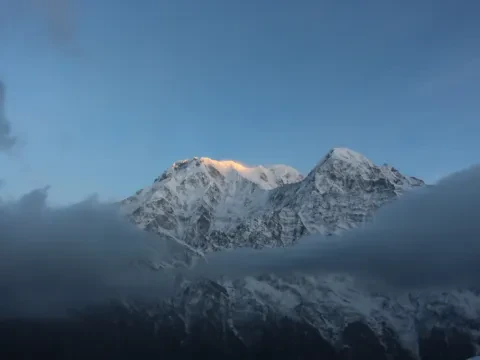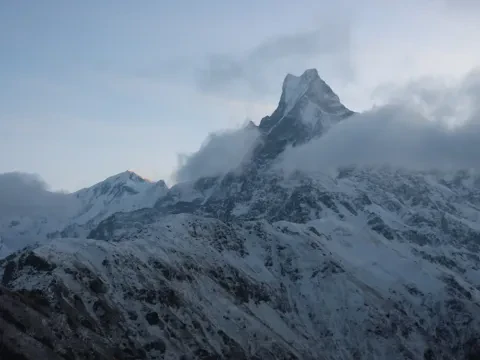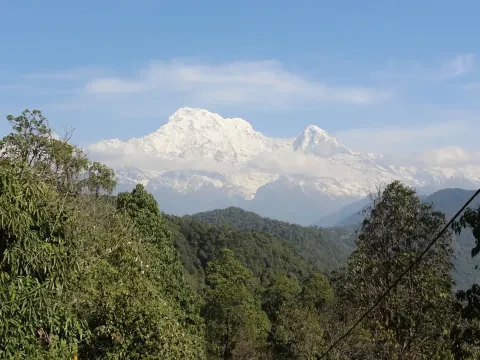
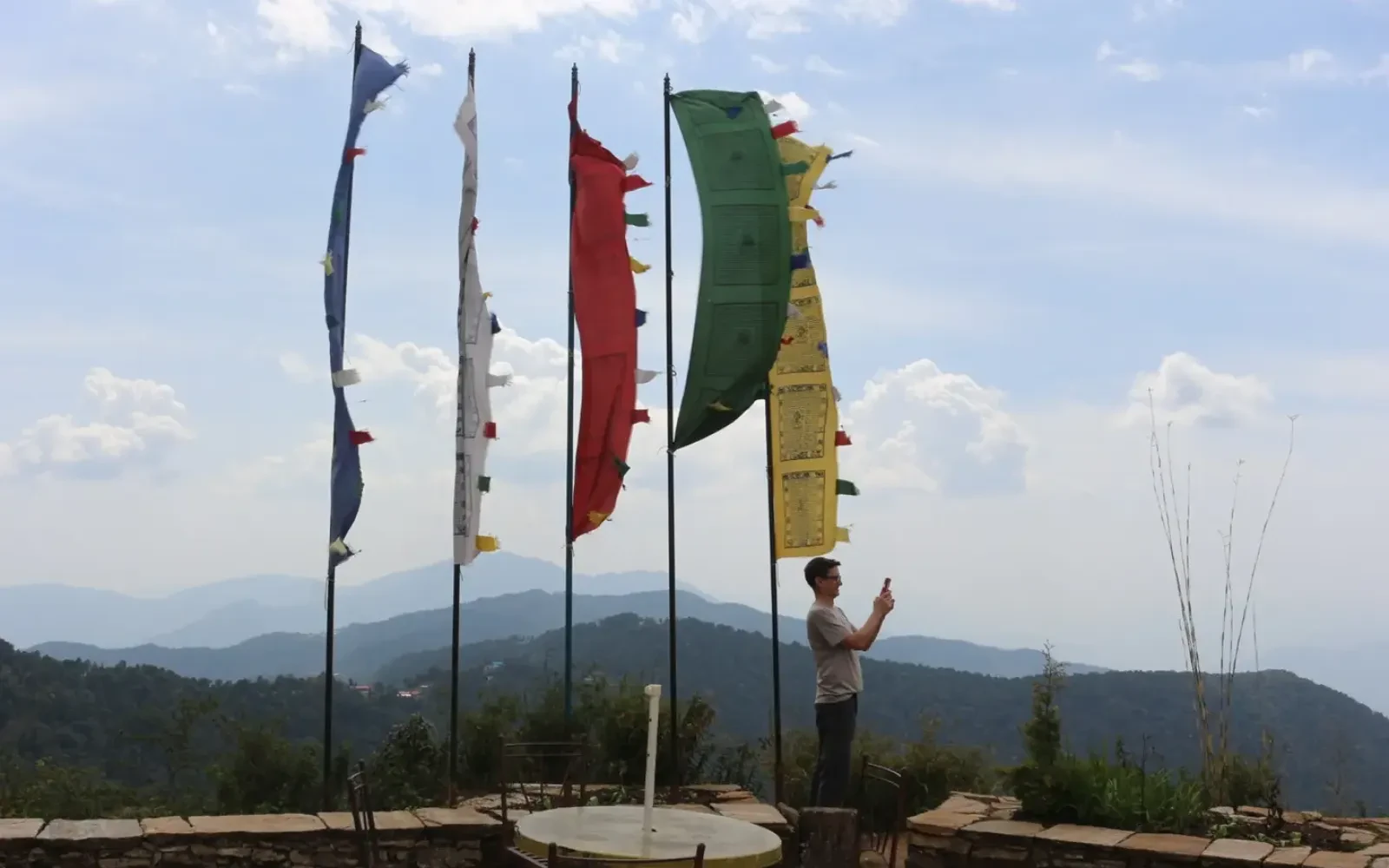
If ever there was a definitive best month to trek Mardi Himal, October would be crowned its absolute and rightful ruler. Imagine this: no wind, blue sky from morning till evening, and a crisp, crystal clear 360 degree panorama of Mt. Machhapuchhre and Annapurna South that cannot be reliably replicated at any other time. This is October in the Annapurnas.
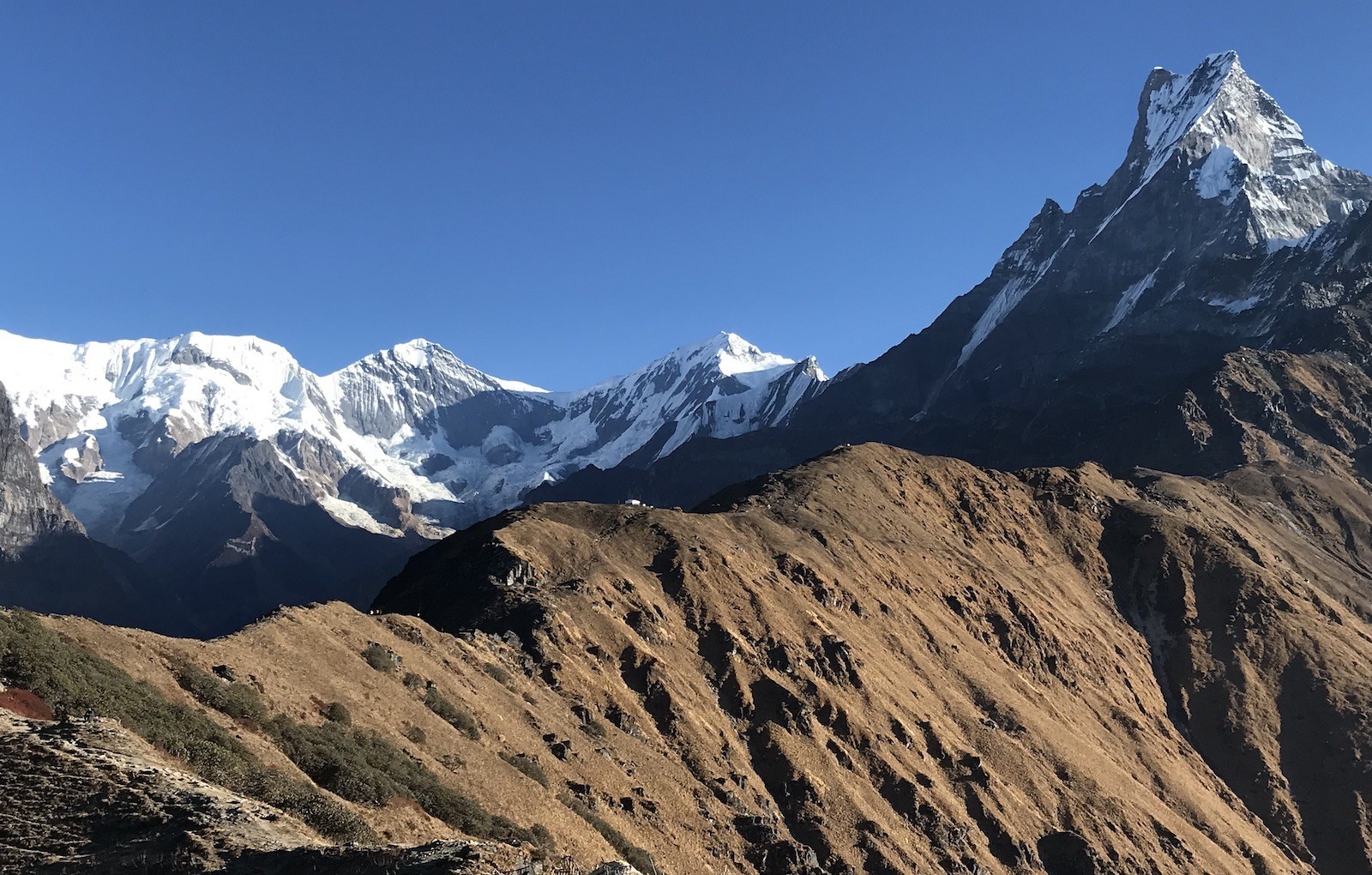
In fact, this short but truly sensational trek reaches its spectacular zenit in October. The air is dry and pure, the trails solid underfoot and the hike along the ridge high above the clouds is an utterly magical experience in the sunshine. Whether you’re a complete beginner or a hardened Himalayan veteran, October serves up perfection for Mardi Himal.
So, Why is October king of months for Mardi Himal?
| Factor | October | Spring (Mar-May) | November |
|---|---|---|
| Sky Clarity | Excellent | Good (but sometimes hazy in the afternoon) | Excellent but colder |
| Trail Conditions | Dry & solid | Sometimes a little slushy | Dry, but morning frost likely |
| Crowds | Moderate to High | Moderate | Low |
| Overall vibe | Near-perfect balance | Lush and floral, but unpredictable weather | Quiet, crisp, and cold |
Pro tip for avoiding crowds,
Here, a ridiculously simple trick to bypass most of the crowds – wake up just 30 mins before the large groups start and be the first person out of the camp for the viewpoint! Also, eating at the smaller, less popular teahouses scattered between the main stops means avoiding kitchen bottlenecks during meal times. This easy adjustment means you’ll have a far more peaceful day.
There you have it – October offers the most consistent weather, best visibility, and is the ideal cultural and weather-wise period for the Mardi Himal Trek.
Here, let's get down to the nitty-gritty on the temperature front so you can be perfectly prepared for your Mardi Himal trek in October. The mercury certainly doesn’t hang around when you’re on your way up from the start to the higher altitude stops.
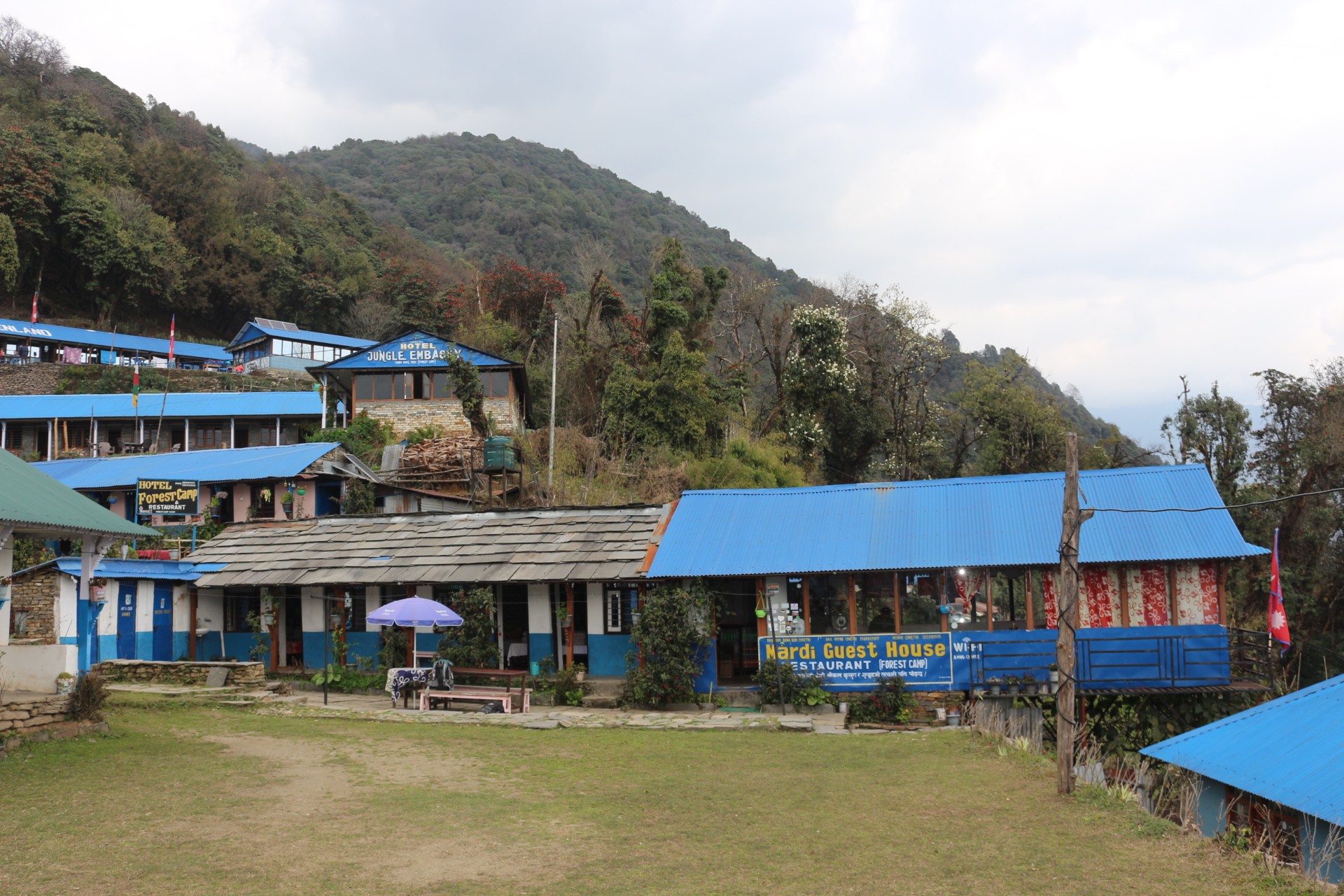
Low-altitude Trails (Kande to Forest Camp),
Temperatures on the lower sections from Kande through to Forest Camp are typically between a very pleasant 12°C and 18°C (54°F and 64°F) during the day. Days will be comfortable for walking, and nights cool enough for a cosy sleep (not cold!).
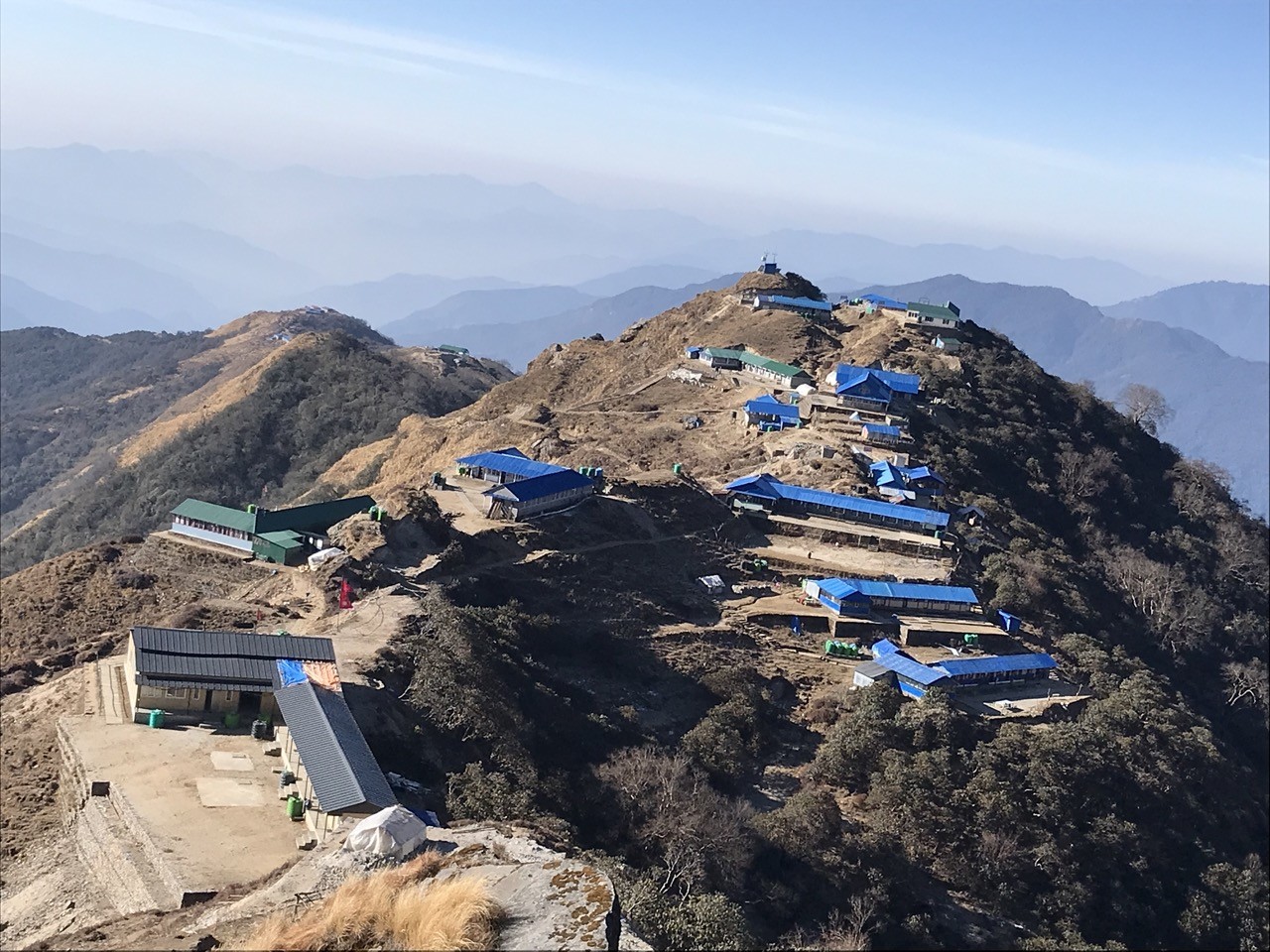
High Camp Conditions (3,550 m),
By the time you reach High Camp (which is at a dizzying 3,550 meters), night-time temperatures are expected to plunge well below zero, ranging from -3°C to 5°C (26°F to 41°F). It will feel distinctly cold when you step out of your room pre-dawn for the march to the viewpoint!
| Altitude Range | Day Temperature | Night Temperature | Essential layers |
|---|---|---|
| Kande to Pothana | 15-20°C | 8-12°C | Lightweight fleece & windbreaker |
| Forest to Low Camp | 12-17°C | 5-10°C | Mid-weight fleece & waterproof shell jacket |
| High Camp (3,550 m) | 5-10°C | -3°C to 5°C | Heavy down jacket & thermals |
Packing List Focus for October :
A little cultural extra for October,
In fact, this month often falls right during two major Nepalese festivals – Dashain and Tihar. If you’re lucky enough to be trekking during this time, you’ll find a real buzz in the air with community swing sets erected in villages, beautiful marigold decorations, and the infectious joy of these important celebrations.
The local expert’s tip,
Here, the best trick is to secure a room at High Camp via a local guide. They will know exactly when and how to get you the best location – crucial for your sleep and your overall Mardi Himal experience during this busy month.
All in all, October presents a sweet spot of comfort with both its days and the (manageable with the right gear) chill at night. Coupled with its perfect sky conditions, this really is the ultimate month to conquer the Mardi Himal ridge.
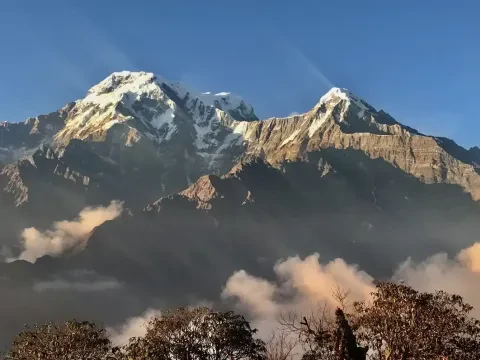
Actually, October is undoubtedly one of the busiest trekking months, and Mardi Himal is no exception. Given the popularity and short nature of this ridge trek, it's no surprise that many lodges and teahouses are packed by early afternoon, particularly at popular stopovers like Forest Camp, Low Camp and even more so at High Camp, which can be completely booked out.
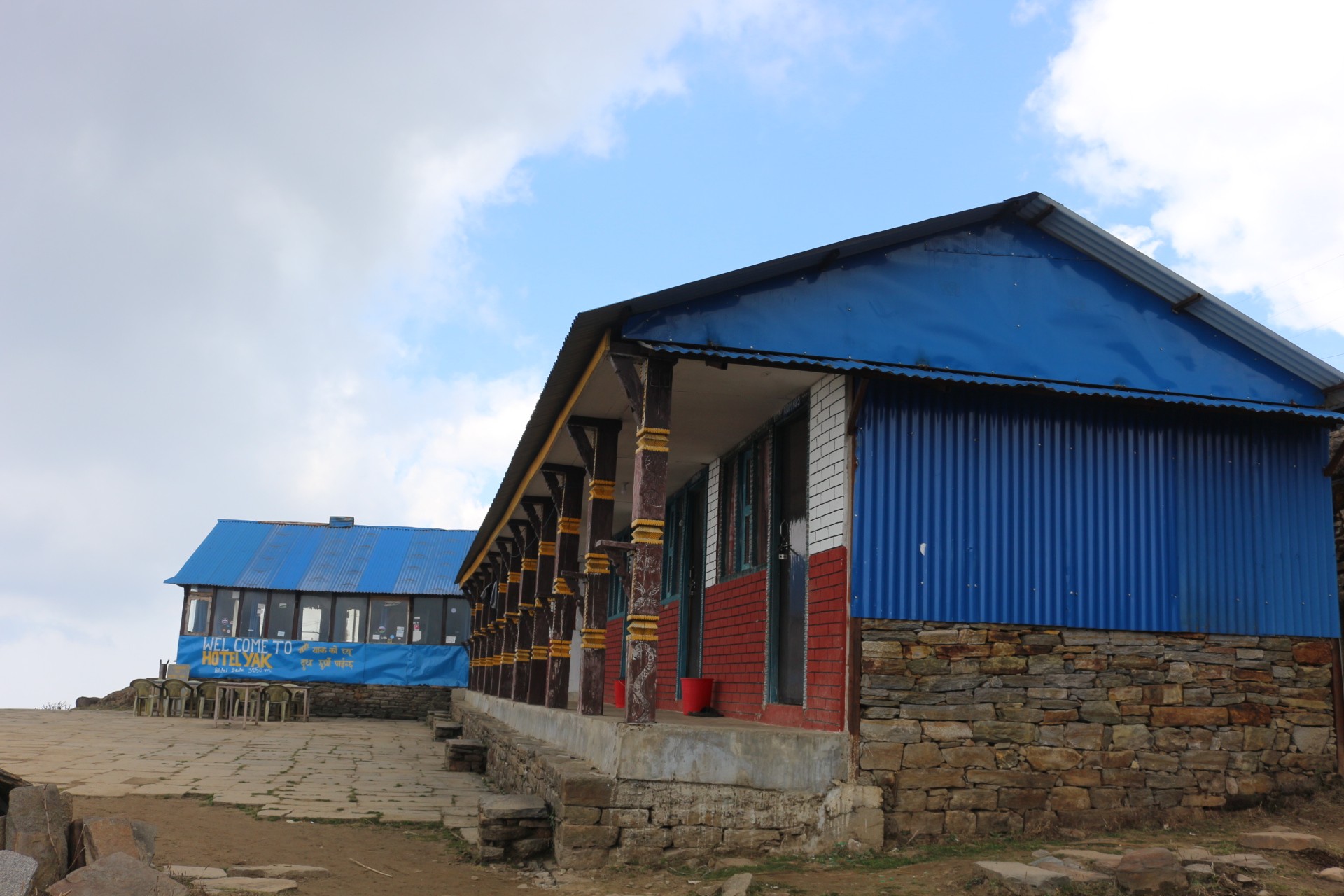
How to Manage in October:
| Stop | Booking Difficulty in October | Recommended Booking Strategy | Tips for Success |
|---|---|---|
| Forest Camp | Moderate | 1-2 days ahead (with a reliable agency recommended) | Arrive by mid-afternoon. |
| Low Camp | High | Advance booking essential, best with an agency | Absolutely pre-book. Arrive early. |
| High Camp | Very High | Absolutely must pre-book! It’s critical for summit day | The most competitive; agencies are essential. |
| Siding Village (Return) | Low | Walk-in is generally fine, but a quick check is always good | Great place to relax after the trek. |
In short, October on the Mardi Himal requires a proactive approach to accommodation. While the weather is stellar, being prepared and booking ahead will ensure a comfortable and stress-free journey through this beautiful trek.
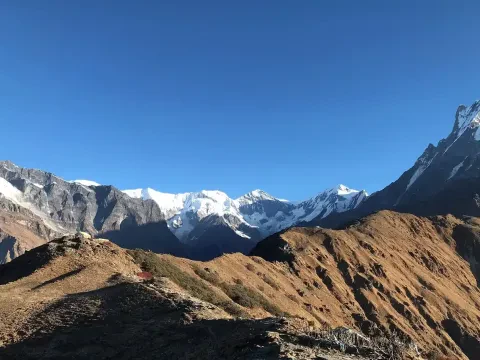
Actually, the Mardi Himal Trek is renowned for its speedy ascent along a stunning, sharp ridge. Unlike the more gradual valley treks, this route is designed to take you up to High Camp (3,550m) in just three days from Kande (1,770m), truly earning its status as a "ridge trek" and necessitating careful pacing.
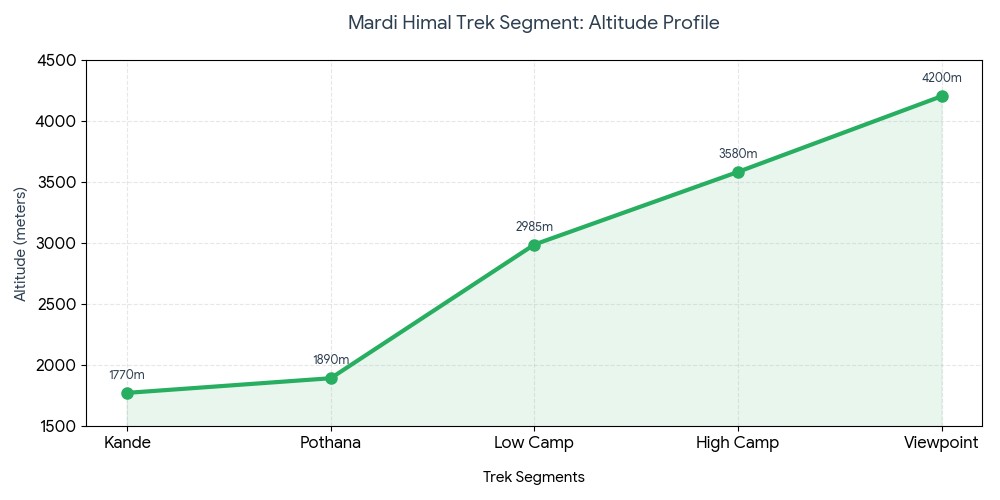
| Day/Segment | Start Elevation | End Elevation | Approximate Gain | Walking Time | Difficulty |
|---|---|---|
| Day 1: Kande to Pothana | 1,770 m | 1,890 m | +120 m | 3-4 hours | Easy-Moderate |
| Day 2: Pothana to Low Camp | 1,890 m | 2,985 m | +1,095 m | 5-6 hours | Moderate |
| Day 3: Low Camp to High Camp | 2,985 m | 3,580 m | +595 m | 4-5 hours | Moderate-Challenging |
| Day 4: High Camp to Viewpoint | 3,580 m | 4,200 m | +620 m | 3-4 hours | Challenging |
Key Points Regarding Altitude:
Why This Rapid Elevation Profile Works for This Trek:
In summary, the Mardi Himal Trek presents a compact but challenging elevation profile that is incredibly rewarding. With a well-paced strategy, consistent hydration, and a respectful approach to the altitude, it’s an excellent option for fit trekkers seeking big mountain views in a relatively short period.
Actually, the trek begins with a very real physical test from the very starting point, Kande trailhead. Day 1 involves a surprisingly tiring, steep stone staircase that ascends all the way to Australian Camp at an elevation of 2,060 meters (6,758 feet), in the full afternoon sun. You will feel it on your legs and in your lungs but in exchange get great open views and your first real sense of accomplishment.
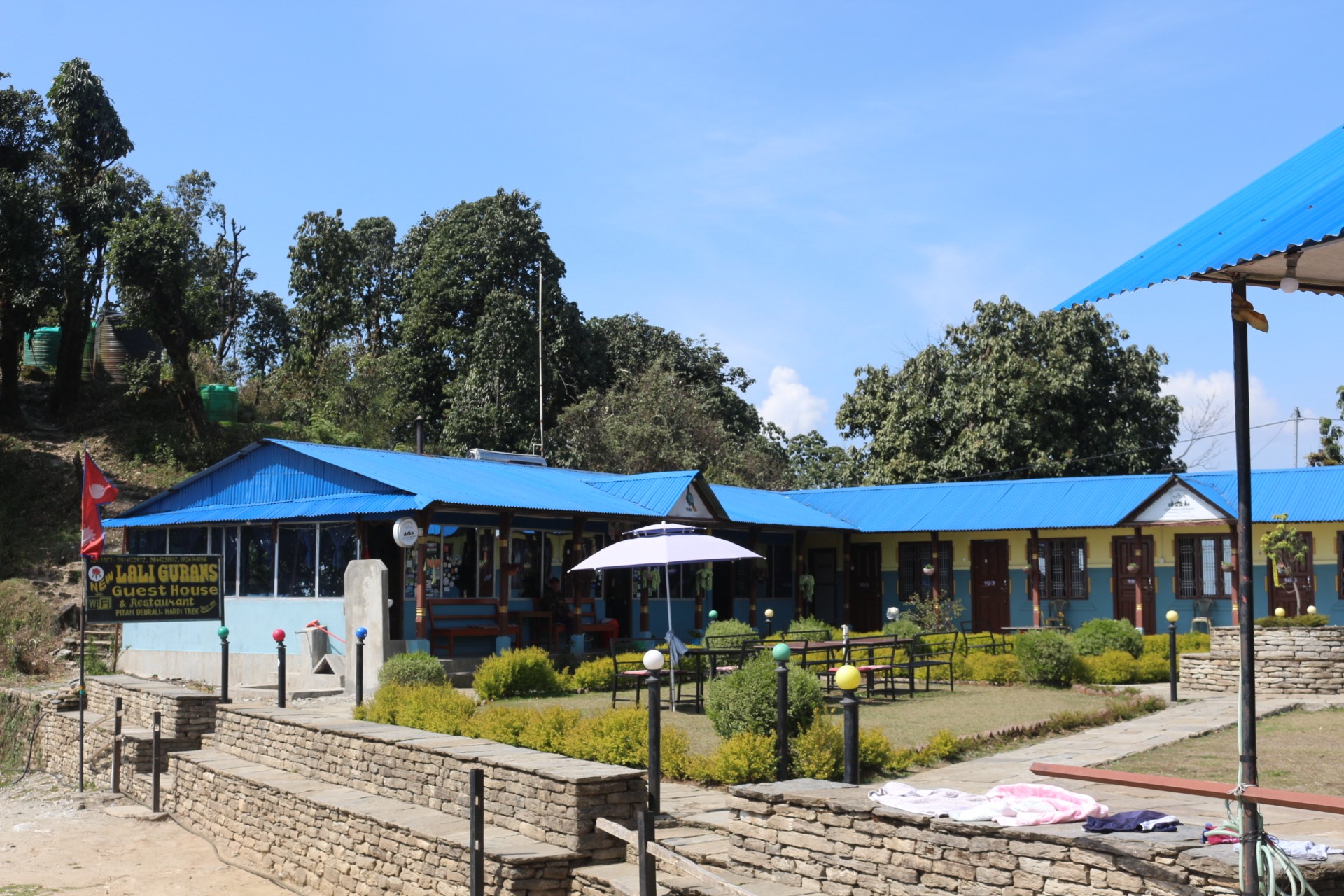
Once you reach the windy ridge of Australian Camp, the trail flattens into cool and shaded rhododendron and oak forest as you continue all the way to Forest Camp, a cozy lodging at 2,550 meters (8,366 feet) where you get to spend your first night under a dense canopy and in relative comfort.
Day 1 Trail Highlights
| Segment | Distance | Elevation Gain | Walking Time | Difficulty |
|---|---|---|
| Kande to Austrian Camp | 2 km | 1,770 m to 2,060 m | 1.5-2 hours | Challenging/Moderate |
| Australian Camp to Forest Camp | 6-8 km | 2,060 m to 2,550 m | 3-4 hours | Moderate |
Day 1 Practical Tips
In conclusion, day 1 of the Mardi Himal Trek provides you with a challenging introduction to your journey and a rewarding finish through a beautiful forested corridor. As you Conquer the Kande stone steps to Forest Camp you already feel yourself halfway to your summit dreams.
Here, day two on the Mardi Himal trek sees you delve deeper into the beautiful rhododendron and oak forest as you make your ascent from Forest Camp to Low Camp. By October, the wetness of the monsoon is a memory and the forest floor is dry and easy underfoot; free from the notorious leeches and stinging insects you will encounter earlier in the trekking season.
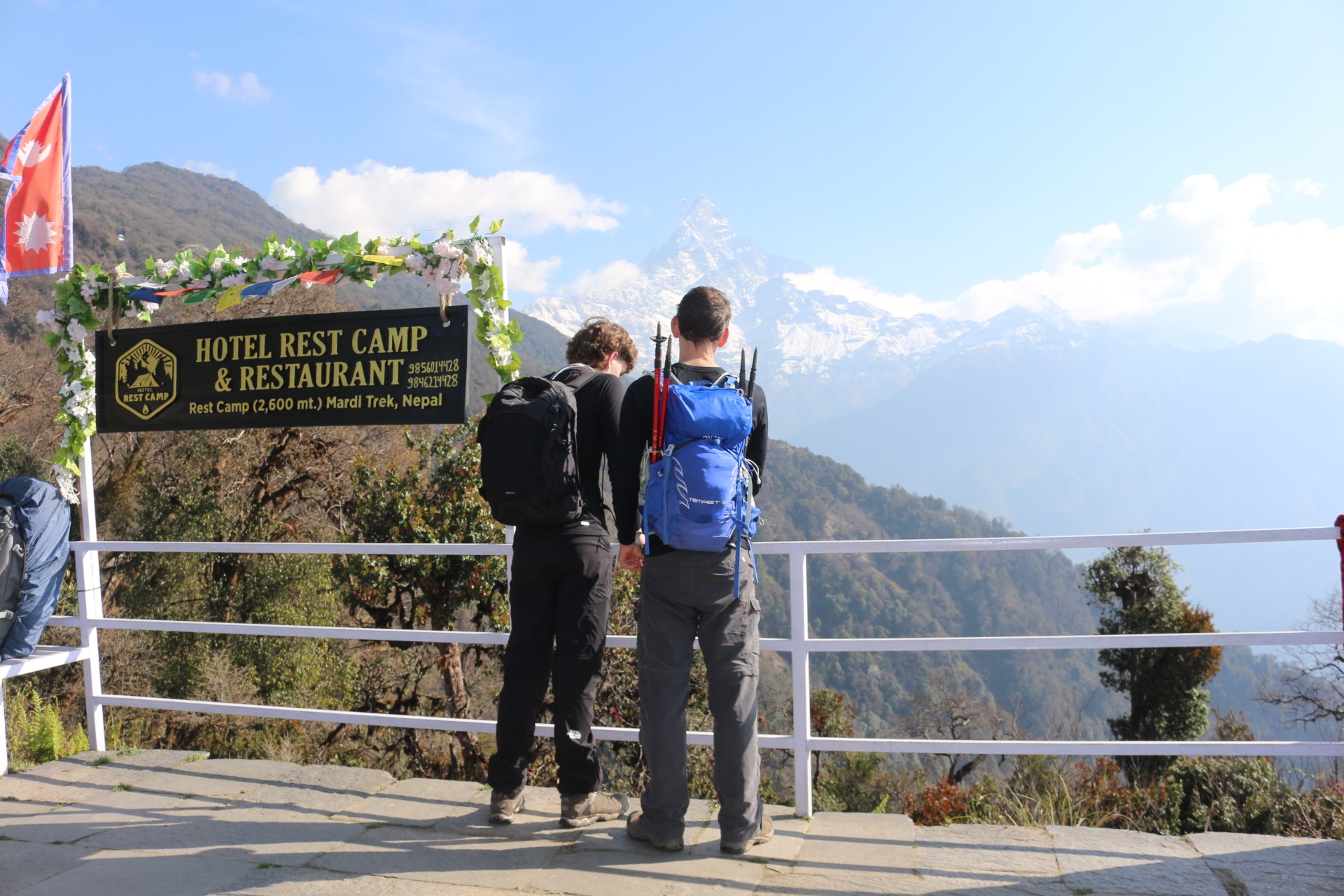
Likewise, the trail takes you through a natural tunnel-like forest corridor providing excellent shaded walking and a moderate yet steady elevation gain. Occasional gaps in the foliage reveal views of the higher mountains you are approaching and build your excitement for what's to come.
Day 2 Trail Highlights
| Segment | Distance | Elevation Gain | Walking Time | Key Feature |
|---|---|---|
| Forest Camp to Low Camp | 7-9 km | 2,550 m to 2,970 m | 4-5 hours | Rhododendron forest corridor |
Day 2 Practical Tips :
In fact, day 2 of your Mardi Himal adventure is arguably the most enjoyable section of the entire trek. This magical jungle corridor section brings you into the heart of the mountains, where the dry weather makes for perfectly comfortable trekking before you reach the higher altitude and more exposed trails above treeline on Day 3.
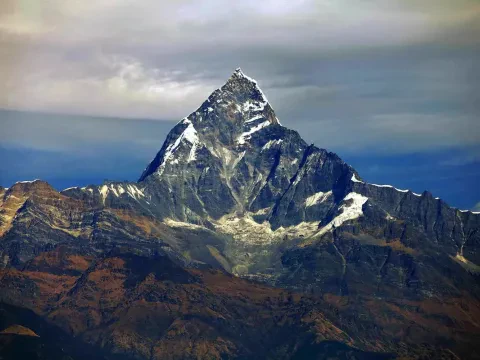
Here, Day 3 is a watershed of awe for the Mardi Himal Trek. After gradually ascending from Low Camp, the trees finally dissipate as you hike beyond the tree line and on to the open, grass-covered ridge of Badal Danda (3210m/10,531ft). If traveling during October, thermal up-drafts can create a literal sea of white clouds floating far below the ridge line, leaving you walking above them in a sea of blue sky. The feeling is incredible; you’re floating on an island above the clouds, with a jaw-dropping view all around.
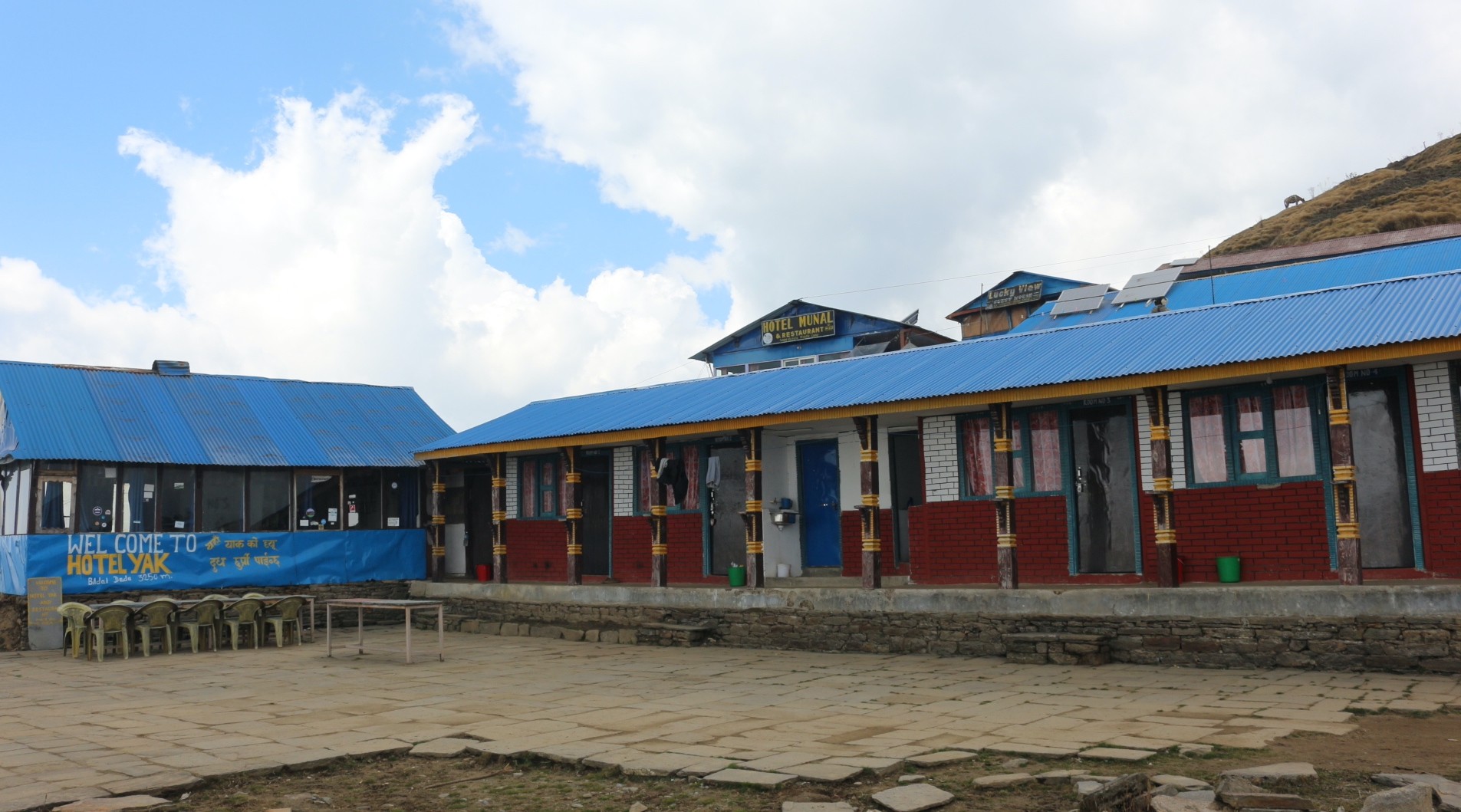
Highlights on the Badal Danda Ridge:
| Segment | Distance | Elevation Gain | Walking Time | Key Experience |
|---|---|---|
| Low Camp to Badal Danda | 6-8km | 2985m to 3210m | 3-4hrs | Transition from forest to alpine ridge |
Practical Tips for Day 3:
In short, the Day 3 journey along the ridge to Badal Danda elevates the Mardi Himal trek from a forest experience to a high-altitude adventure. Walking over the clouds with Machhapuchhre looming in the distance is a sight you’ll remember forever.
Actually, High Camp (3550m/11,646ft) serves as a vital final resting stop before the pre-dawn summit push to Mardi Himal’s viewpoint. The trekking settlement consists of several stone lodges, and their cozy, bustling dining rooms are the focal point for trekkers before setting off. Huddle around the roaring wood stoves, carb-loading and hydrating for the pre-dawn climb into the thin air, share your summit dreams with fellow trekkers
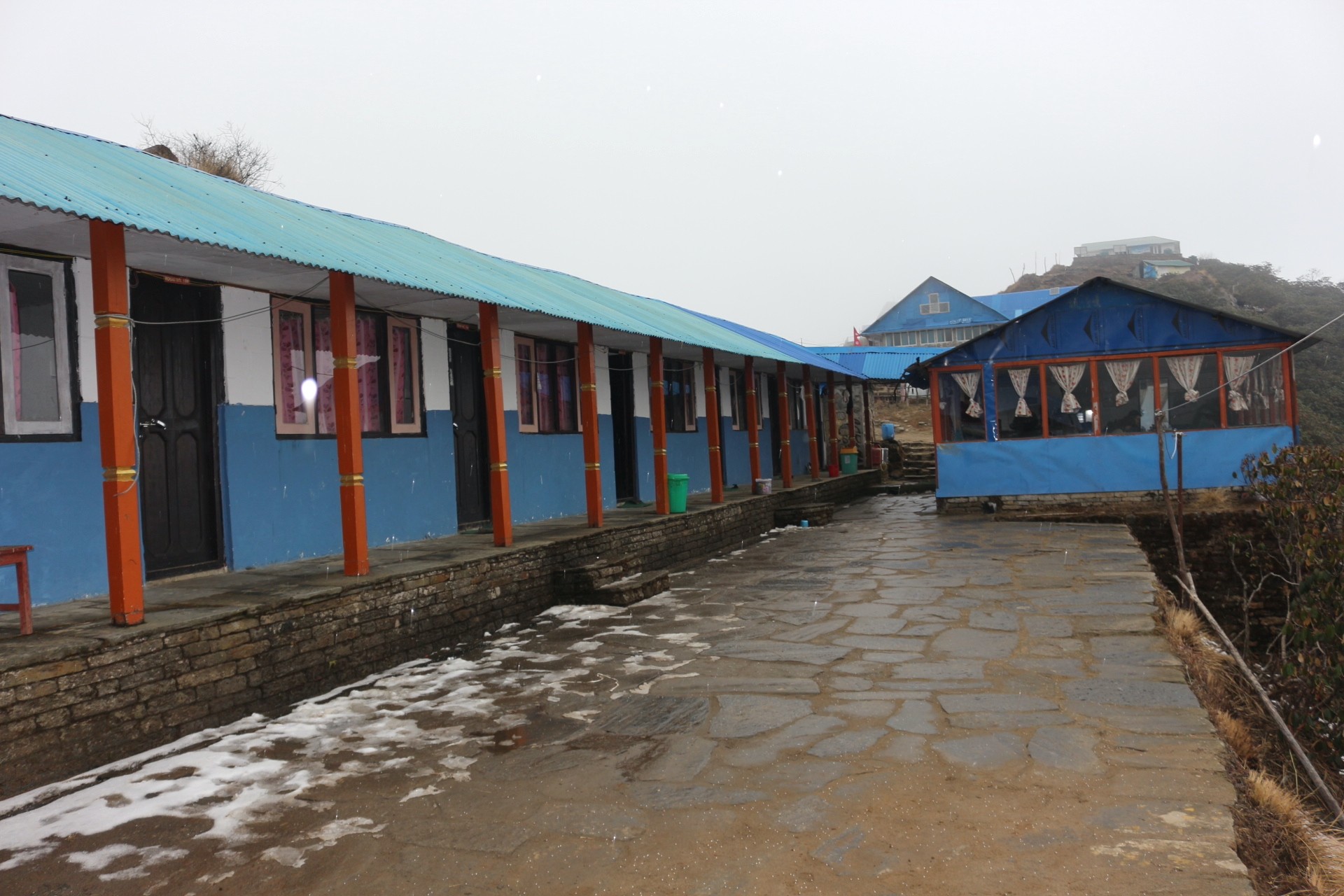
Experience on High Camp:
| Aspect | Details | Recommendation |
|---|---|---|
| Night Temperature | 0C- -5C | 4-season sleeping bag |
| Dining Hall atmosphere | Friendly, social and toasty warm | Eat energy-rich food and hydrate |
| Accommodation | Simple but cosy stone lodges | Pre-booking advisable in October |
| Mindset | Focused and anticipating the early start | Rest well the evening before |
Practical Advice for High Camp:
Ultimately, High Camp represents the emotional apex of the Mardi Himal Trek. It is the point from where the magic happens: freezing nights warmed by shared tales and good food, fueling anticipation for the magical pre-dawn walk above the clouds.
Actually, the Mardi Himal trekking culminates in what is widely considered the trek’s ultimate and unmissable highlight – the Golden Hour Push to the Viewpoint. To experience the magic of the sunrise from the Mardi Himal Viewpoint at 4,200m (13,779ft), you’ll need an early start: most groups set off from High Camp between 3:30 am and 4:00 am under a canopy of brilliantly starry, crisp autumn skies.
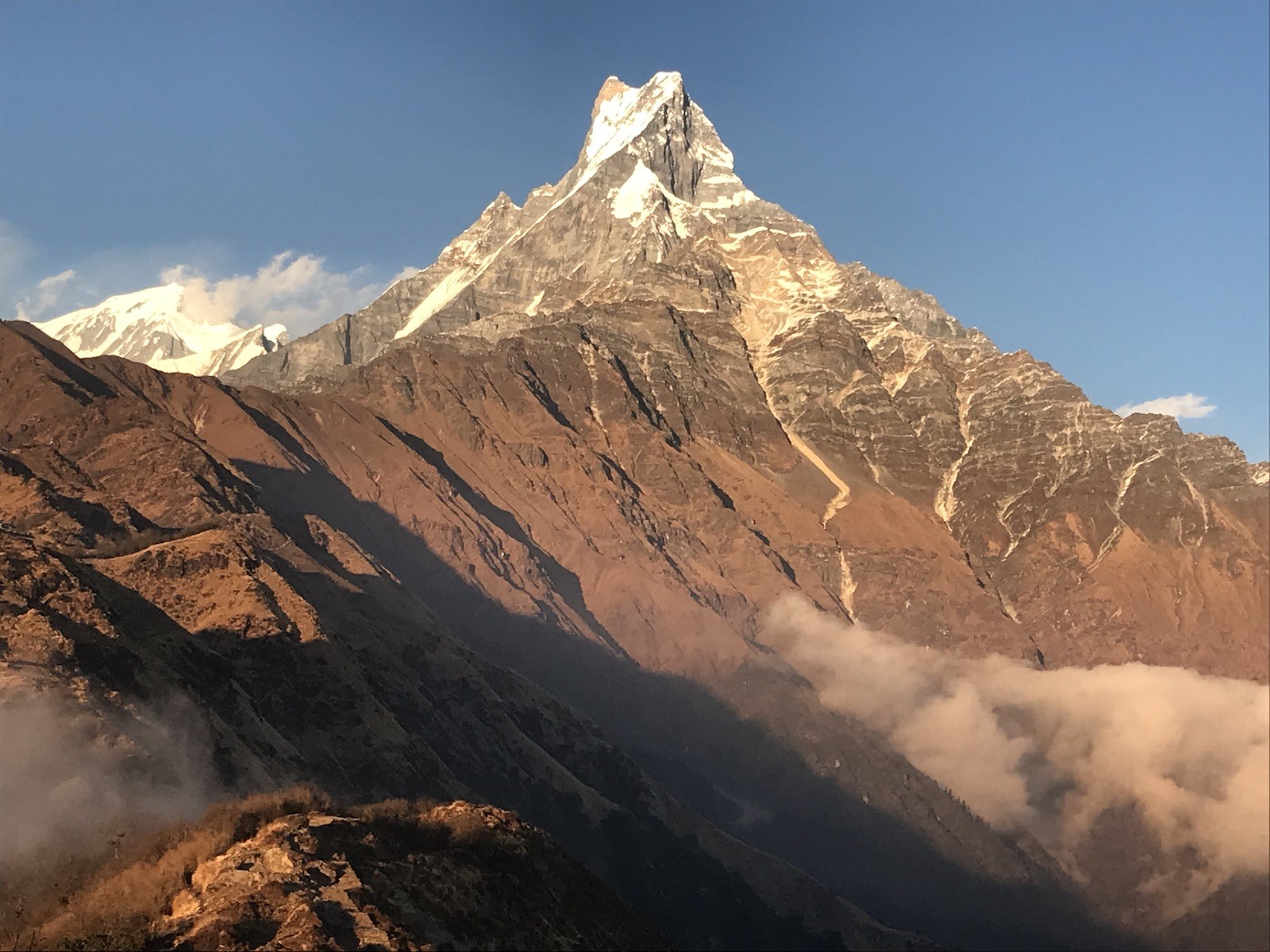
Moreover, you’ll navigate the narrow, sharp alpine ridgeline by the beam of your headlamp, with a sheer drop on either side that you need to focus your attention on. For 3 to 4 hours, you’ll climb steadily in the biting pre-dawn air, drawn forward by your light, the occasional encouraging word from fellow trekkers, and the first hints of the growing daylight.
Then, as the horizon lightens from purple to gold, the first rays of sunrise strike Machhapuchhre (Fishtail Peak) igniting its snow-capped face with warm hues and painting Annapurna South with a fiery glow.
Viewpoint Push Highlights :
| Feature | Details |
|---|---|
| Elevation | 4,200m (13,779ft) |
| Walking Time from High Camp | 3-4 hours |
| Best time to arrive | Shortly before sunrise for maximum light impact |
| Views | Full 360° panorama including Machhapuchhre and Annapurna South |
Tips for the Golden Hour :
Conclusion: The Mardi Himal Golden Hour Push is one of the most incredible hiking experiences in the entire Himalayas. Witnessing the sun burst over the top of Machhapuchhre from this dramatic vantage point is a memory you won’t soon forget.
While many Mardi Himal trekkers are content with reaching the primary Mardi Himal viewpoint at 4,200m (13,779ft), a further 2-3 hour (round trip) trek from the viewpoint takes intrepid and fit trekkers to the true Mardi Himal Base Camp at 4,500m (14,763ft). This optional leg adds another dimension to the trek, taking you deep into the heart of the glacial sanctuary.
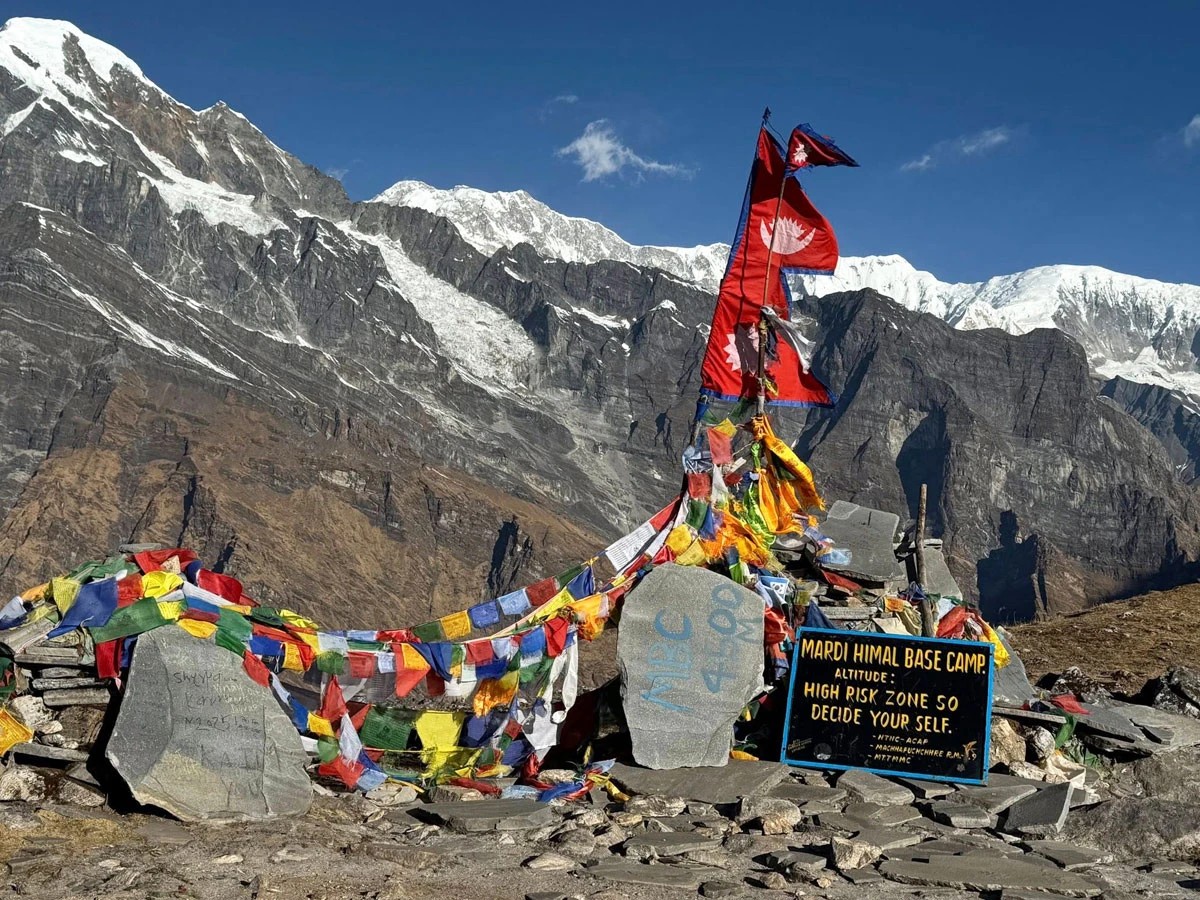
From the viewpoint, the trail continues along a rocky, exposed, and increasingly narrow alpine ridge for a significant distance. It eventually traverses across more rugged, rocky moraine fields with sections of scree and larger, more unstable stones, requiring greater caution and concentration. You will be surrounded by imposing ice walls and receive very close and direct views of the imposing Mardi Himal massif itself.
Base Camp Extension Realities :
| Option | Elevation | Difficulty Level | View & Experience |
|---|---|---|
| Mardi Himal Viewpoint | 4,200m | Moderate | Panoramic sunrise views, spectacular for photography. |
| Mardi Himal Base Camp | 4,500m | Challenging | Intimate, raw high-altitude glacial environment, deeper sense of accomplishment. |
Tips for the Extension :
Conclusion: Pushing on to Mardi Himal Base Camp is the ultimate challenge on this spectacular ridge trek. It’s not a trek for everyone, but for fit and adventurous individuals, the stark, high-alpine beauty and immense sense of accomplishment of standing beside the formidable Mardi Himal massif makes it an extremely rewarding endeavour.
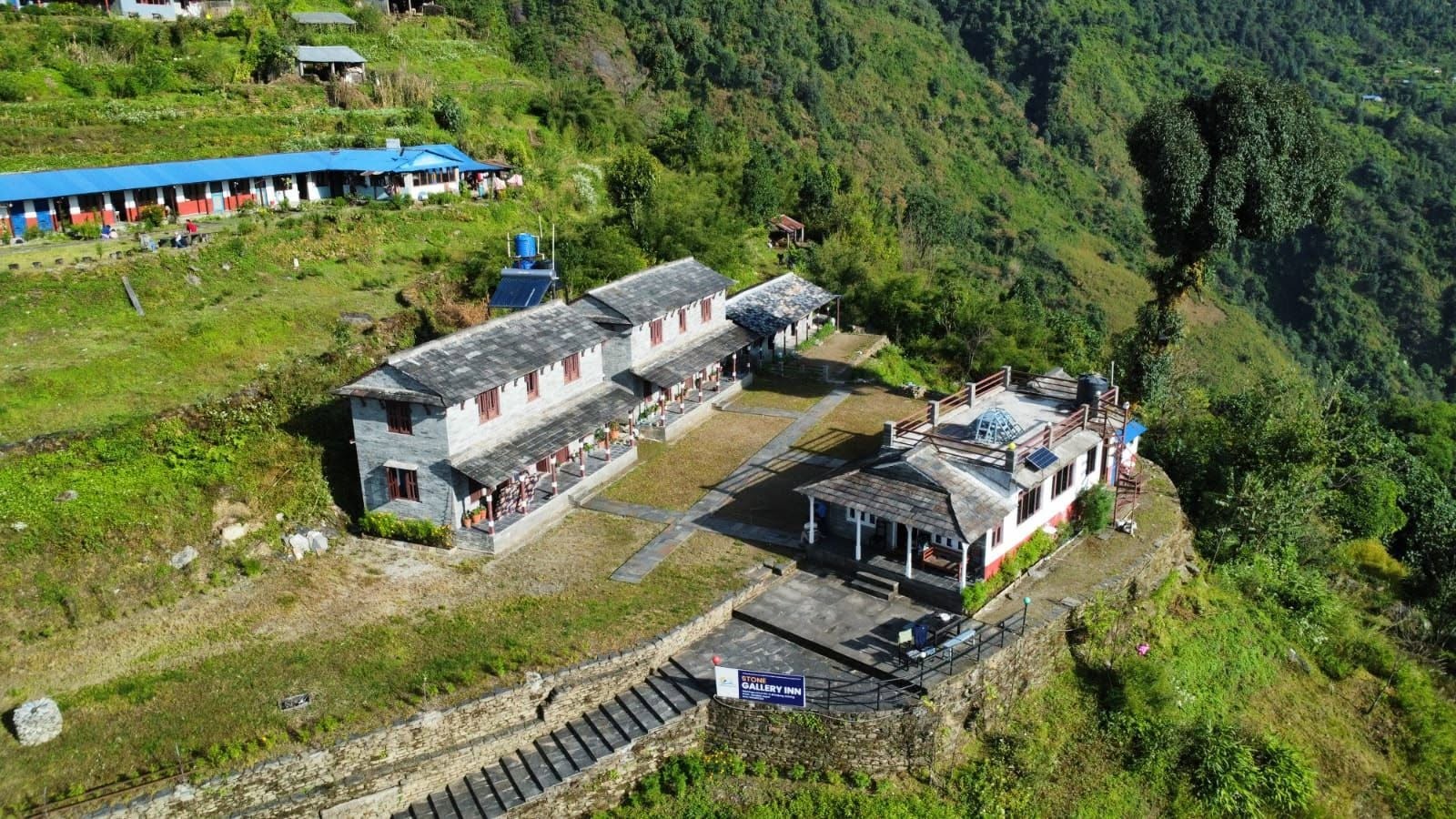
Here, the descent portion of the Mardi Himal Trek diverges dramatically from the ascent, completing a beautiful asymmetric loop. After summiting Mardi Himal and enjoying the panoramic views, you don't backtrack up the ridge. Instead, you descend directly down the steep eastern face of the ridge from High Camp, all the way down to Siding Village at 1,700 meters (5,577 feet).
Importantly, prepare for a knee-rattling downhill experience! The trail plunges through dense forests of bamboo, oak, and rhododendrons, peppered with countless stone steps and very steep sections. While it's stunningly scenic, you’ll need to be mindful of protecting your knees on this intense descent.
Descent Highlights:
| Segment | Distance | Elevation Drop | Estimated Walking Time | Primary Challenge |
|---|---|---|
| High Camp to Siding Village | 10-12 km | 3,580m to 1,700m | 5-6 hours | Steep downhill, countless steps. |
Tips for Knee Protection:
Once you arrive in Siding Village, you can catch a private jeep (which is quite an adventure itself on the bumpy road) back to Pokhara, efficiently concluding the Mardi Himal Trek in its stunning loop form.
In summary, the sharp descent to Siding Village is an intelligent and rewarding way to end the Mardi Himal Trek, especially for your knees, provided you take precautions.
Actually, October truly shines as the prime month for tackling the Mardi Himal Trek. The crystal-clear blue skies and stable weather make the trek’s challenging bits feel completely worthwhile, rewarding you with jaw-dropping panoramic views from start to finish. The combination of dry and navigable trails, the thrilling experience of walking along a narrow ridgeline, and the occasional touch of local festive spirit (during Dashain/Tihar) creates an unforgettable and relatively short Himalayan adventure.
Mandatory Permits for Mardi Himal (2026 Update):
| Category | Essential Items | Why You Need Them in October |
|---|---|---|
| Sleeping | -10°C or lower sleeping bag; sleeping bag liner | Nights at High Camp are frigid! |
| Clothing | Heavy down jacket; thermal base layers (top and bottom); warm hat; warm gloves | Freezing mornings and winds on the ridge can be brutal. |
| Trekking Gear | Trekking poles; sturdy hiking boots; headlamp | Steep uphill and downhill terrain requires stability and light for early starts/late finishes |
| Rain Protection | Lightweight waterproof rain jacket; waterproof pack cover | While October is dry, occasional afternoon showers can still occur. |
| Health & Safety | Water purification tablets or filter; high SPF sunscreen; comprehensive first-aid kit | High altitude + strong sun equals rapid dehydration and potential sunburn; minor injuries are common |
| Documents | Passport; ACAP permit; TIMS card; proof of travel insurance | Essential for border checks and emergencies; you’ll need your original passport for permits |
Key Tips for a Successful October Trek:
To conclude, October is unequivocally the peak month for the Mardi Himal Trek, offering unmatched conditions for dry trails, incredible ridgeline vistas, and a quintessential short trekking experience in the Annapurnas. With meticulous planning, proper gear, and the advice in this checklist, your October Mardi Himal adventure is sure to be an unforgettable one.

1. Why is October considered the best time for the Mardi Himal trek?
October offers the absolute most stable and beautiful weather conditions for trekking in the Himalayas. Since the monsoon winds dissipate just before October, all the dust particles in the air are completely washed away, resulting in astonishingly clear and crystal-sharp views of Mount Machhapuchhre and Annapurna South.
2. What is the typical weather like during the Mardi Himal trek in October?
The Mardi Himal trek weather in October is generally characterized by clear and sunny days, with daily temperatures in the lower regions varying between 15°C and 20°C. However, once you reach higher altitudes like High Camp, temperatures can dip drastically to between 5°C and -2°C during the night.
3. How difficult is the Mardi Himal trek in October?
Classified as a moderate trek, the Mardi Himal trek difficulty makes it well-suited even for first-time trekkers. In October, the trails are dry, stable, and devoid of the muddy patches that monsoon may leave behind, or the snow cover that can impact winter treks.
4. What is the standard Mardi Himal trek itinerary duration?
A typical Mardi Himal trek itinerary usually lasts around 5 to 6 days, from and back to Pokhara. This short trek length makes it an ideal choice for those looking to experience a short yet deeply immersive Himalayan teahouse trek.
5. What is the total Mardi Himal trek distance?
The total length of the Mardi Himal trek is approximately 40-45 kilometers (25-28 miles) round trip, depending on the specific starting and ending points. On average, you’ll walk about 8-12 kilometers per day along varying terrains.
6. What is the maximum altitude reached on the Mardi Himal trek?
The maximum altitude you will reach on this trek is 4,500 meters (14,763 feet) at the Mardi Himal Base Camp. Many itineraries are designed to visit the base camp with an early morning trek from High Camp (3,580m) to avoid the clouds that tend to move in later in the day.
7. Do I need to worry about crowds on the Mardi Himal trek in October?
October is peak trekking season in Nepal, so expect moderate to heavy foot traffic on the trails, especially on the main ridges. However, the atmosphere on the trail is vibrant, and the spectacular clear views you'll get compensate for any increased popularity.
8. What should I pack for a Mardi Himal trek in October?
Packing for the changing autumn temperatures is key. Essential items include layers of thermal clothing, a down jacket, a waterproof and windproof shell, sturdy hiking boots, trekking poles, sunglasses with UV protection, and a good 3-season sleeping bag.
9. Are teahouses open during the Mardi Himal trek in October?
Yes, all teahouses along the Mardi Himal trail are open during October. As it is peak season, these lodges are well-stocked and ready to cater to a steady flow of trekkers. It’s highly advisable to book rooms in advance to secure your preferred lodge.
10. Can a beginner complete the Mardi Himal trek in October safely?
Absolutely. With a reasonable level of fitness, beginners can comfortably complete the Mardi Himal trek. The Mardi Himal trek weather in October is excellent, offering clear skies and solid trails that enhance safety and make navigation straightforward, even for less experienced hikers.
11. Is altitude sickness common on the Mardi Himal trek?
While you ascend quite high on this trek, acute altitude sickness is less likely to be a major concern. However, as you sleep at over 3,500 meters at High Camp, taking things slowly, staying hydrated, and avoiding overexertion on the ascent day are crucial for managing any potential mild symptoms.
12. What permits are required for the Mardi Himal trek in October?
To trek the Mardi Himal, you'll need two permits: the Annapurna Conservation Area Project (ACAP) permit and a Trekkers' Information Management Systems (TIMS) card. You can easily obtain these in Kathmandu or Pokhara before starting your trek.
13. How much does a Mardi Himal trek cost in October?
The approximate Mardi Himal trek cost for a package usually ranges from $300 to $600 USD per person. This typically includes your required permits, accommodation in teahouses, daily meals, and the services of a licensed guide. The price can vary depending on private or group tours.
14. What are the main trailhead options for the Mardi Himal trek?
The two primary trailheads for a Mardi Himal trek itinerary are Kande and Dhampus, both of which are short drive from Pokhara. Most trekkers prefer starting the trek at Kande as it provides a more gradual, scenic approach via Australian Camp.
15. What kind of food is available on the Mardi Himal trek?
Teahouses along the route offer a surprisingly varied menu including pasta dishes, egg preparations, soups, and sandwiches. However, the go-to fuel for climbers heading up to Base Camp is the hearty and nutritious Nepali Dal Bhat – a lentil soup with rice.
16. Is a guide mandatory for the Mardi Himal trek in October?
Yes, current Nepalese regulations stipulate that hiring a licensed local guide is compulsory for the safety of all trekkers. A guide will help with navigation, ensure your teahouse bookings, and add valuable insights into local culture and the mountain environment, especially crucial during the peak season.
17. How do I get to the Mardi Himal trailhead from Pokhara?
You can easily reach the Mardi Himal trailhead by taking a private taxi (1-2 hours) or a local bus from Pokhara to either Kande or Phedi. This short journey allows you to start your trek the same day you leave Pokhara.
18. Are there ATMs available on the Mardi Himal trek?
No, there are no ATMs available on the Mardi Himal trek route. You will need to ensure you carry sufficient Nepalese Rupees (NPR) in cash from Kathmandu or Pokhara to cover all your expenses on the trek, such as accommodation, meals, charging batteries, and Wi-Fi access.
19. What mountains can you see on the Mardi Himal trek in October?
The 360-degree views during an October trek are outstanding. From the viewpoint and Base Camp, you’ll have magnificent perspectives of Mount Machhapuchhre (Fishtail), Annapurna South, Hiunchuli, Mardi Himal itself, and further across to the Dhaulagiri range.
20. What is the success rate of the Mardi Himal trek in October?
The success rate for completing the Mardi Himal trek in October is remarkably high, around 98%. Given the short duration, moderate difficulty, and perfect weather conditions, almost all healthy individuals can successfully reach High Camp and Base Camp without any issues.
Our travel experts are ready to assist you with any questions.
Send us a message.Have a question before you book? Send your enquiry below and our travel experts will get back with the required information.