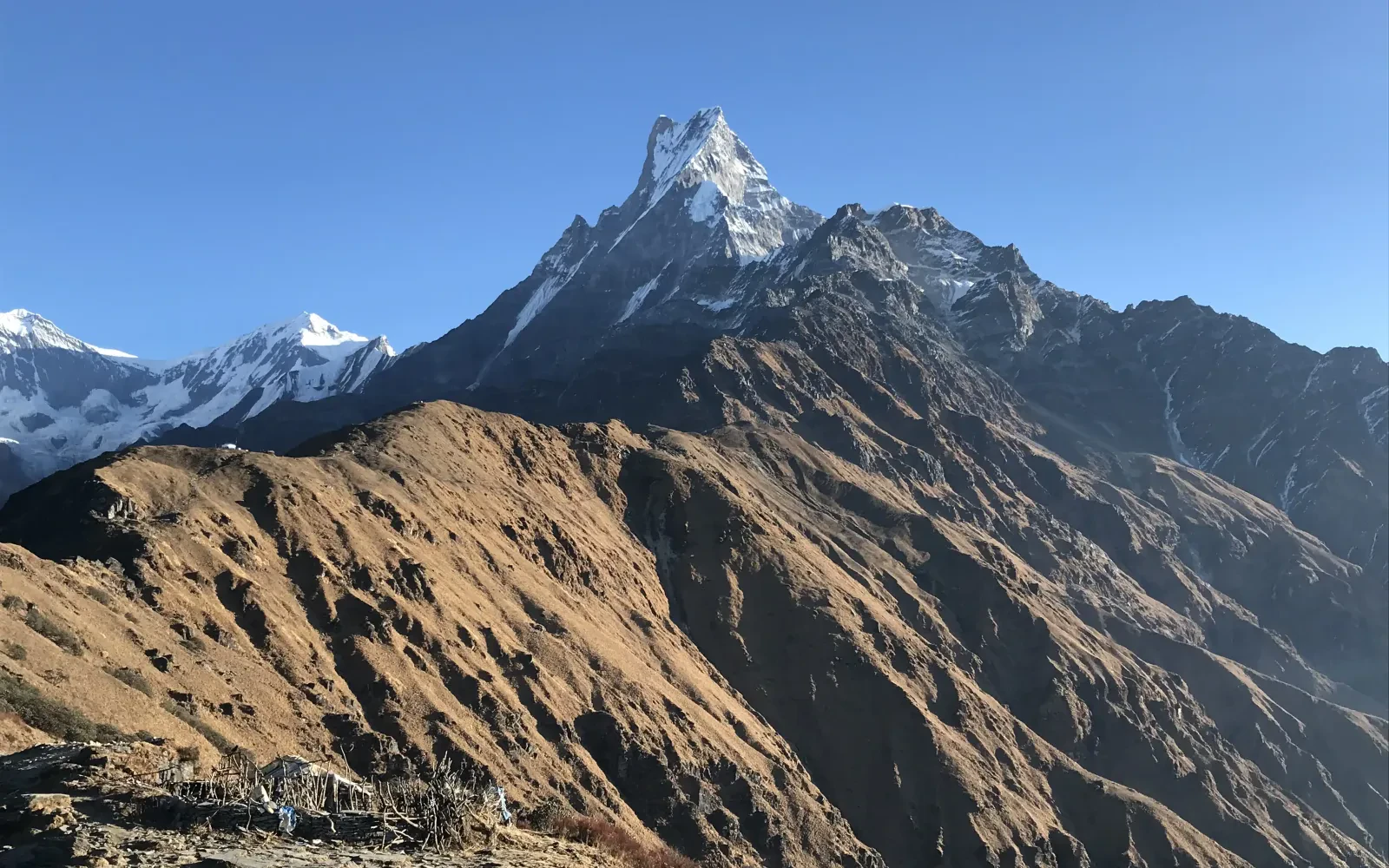
Actually, the Mardi Himal Trek really is one of Nepal’s best-kept secrets in the Annapurna region. If you’re looking for moderate trails, jaw-dropping views of peaks like Mardi Himal (5,587 m), and a burst of spring colors, this trek has your name all over it. It’s quieter than other hikes around here, so you get the peaceful vibe without fighting crowds.
Here, the Mardi trek kicks off close to Pokhara (820 m). You’ll drive up to Kande (1,770 m), then start a gentle climb through dense forests and small villages. You feel the local culture—genuine, friendly, and still pretty untouched. If you go during spring, those rhododendrons pop with color, making every step a little more magical.
Likewise, you hit Forest Camp (2,550 m) before you know it—no ridiculously steep climbs. Even beginners can handle the steady elevation; you still get those up-close Himalayan views without breaking yourself. A lot of people head up further to Low Camp (3,050 m) and High Camp (3,580 m), moving towards Mardi Himal Base Camp (4,500 m). The higher you go, the more the scenery blows your mind—just huge mountain panoramas and wild nature everywhere.
Honestly, the trails feel fresh and untouched, especially in spring. It’s perfect for anyone—first-timers or seasoned trekkers—who just want that real Nepali trekking experience but without the usual crowds.
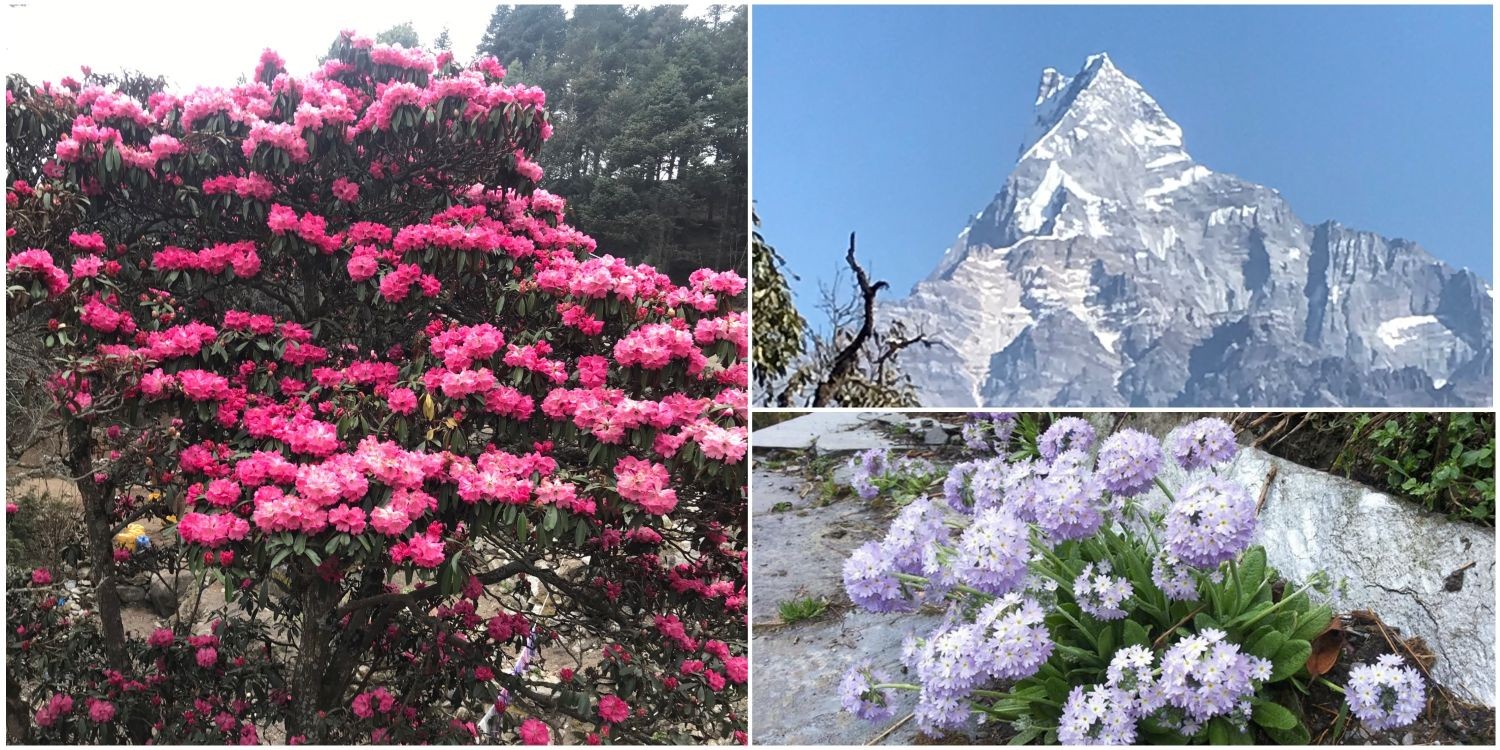
Highlights of Mardi Himal Trek in Annapurna Region :
So, why pick spring—March to May—for the Mardi Himal Trek in Nepal? There’s honestly no better time. The whole Annapurna region wakes up after winter. Rhododendrons explode into color, covering the hills with red, pink, and white blossoms. It almost feels unreal walking through those forests, especially near Forest Camp. Every turn gives you a new photo opportunity.
Actually, the weather in spring just makes things easier. Most days, you walk under wide open skies, and the temperatures stay comfortable—nothing too hot or cold, usually somewhere between 10 and 22°C. Rain stays away, so you don’t have to worry about muddy trails or slippery climbs. You just get stable, reliable conditions the whole way.
Likewise, there’s also more daylight, which helps a lot. Hikes to places like Low Camp and High Camp don’t feel rushed. You’ve got time to enjoy the views, catch your breath, and even spot a few birds or animals that come out with the warmer weather. The mornings? They’re something else. It’s easy to catch sunrise over Mardi Himal with crisp, clear mountain views.
And if you’re worried about safety, dry trails make the climb to Mardi Himal Base Camp a whole lot simpler. Really, if you want the full magical experience—blossoms, good weather, clear views, active wildlife—spring is when the Mardi Himal Trek shines the brightest.
| Advantage | Details in March–May | Benefit for Trekkers |
|---|---|---|
| Rhododendron Bloom | Peak April colors from 2,550 m up | Vibrant photos and scenic trails |
| Stable Weather | Clear skies, 10–22°C daytime | Comfortable Mardi Himal Trek in Spring |
| Vibrant Landscapes | Lush forests to alpine views | Unforgettable Annapurna Region trek |
| Visibility | Excellent peak views to 5,587 m | Best time for Mardi Himal Trek |
Thinking about trekking Mardi Himal in the spring? Here’s what you’ll deal with—weather-wise—from March through May.
Actually, days are pretty mild, and nights cool off as you gain altitude. The mornings? Usually crystal clear, so the early hours are great for visibility. By afternoon, clouds tend to roll in, so you’ll want to plan your scenic stops before lunch if you’re after those mountain views.
At the lower sections, say near Forest Camp (around 2,550 meters), you’ll get daytime temperatures anywhere from 10–20°C. Nights are cooler, but nothing too harsh; expect 0–10°C. You’re not going to sweat it out here, and you definitely won’t freeze. As you climb, things get a bit brisk. Mid-altitude spots like Low Camp (3,050 meters) and High Camp (3,580 meters) can see days ranging from 10–15°C. Nights here dip down to about -5–5°C, so a couple layers at night is a smart call.
Up at Mardi Himal Base Camp (4,500 meters), days stick closer to 5–15°C, and nights can swing from -5 to 5°C. It’s dry most of the time, so you won’t be slogging through mud. But it’s colder up high, and you’ll feel it while you sleep. Bring warm layers, and don’t forget sun protection—a clear morning means strong mountain sun.
If you’re trekking in spring, plan for cool nights, bright mornings, and a gradual chill as you climb. Pack smart, start early, and enjoy the weather—it really makes the Mardi Himal trek special.
| Altitude/Camp | Daytime Temperature | Nighttime Temperature | Key Notes for Comfort. |
|---|---|---|
| Lower (up to Forest Camp 2,550 m) | 10–20°C | 0–10°C | Light layers, hydration essential. |
| Mid (Low Camp 3,050 m to High Camp 3,580 m) | 10–15°C | -5 to 5°C | Fleece and windproof jacket needed. |
| High (Base Camp 4,500 m) | 5–15°C | -5 to 5°C | Down jacket, gloves for cold nights. |
| General Spring Tip | Morning clarity | Afternoon clouds | Start early for best views of peaks. |
Meanwhile, Spring turns the Mardi Himal Trek into a riot of color. Every March and April, rhododendrons burst into bloom, painting the trails with splashes of red, pink, and white. It’s not just any flower show either—these are Nepal’s national blooms, popping up everywhere you look in the Annapurna region. If you’re hoping to see the hills really come alive, spring is the best time to go.
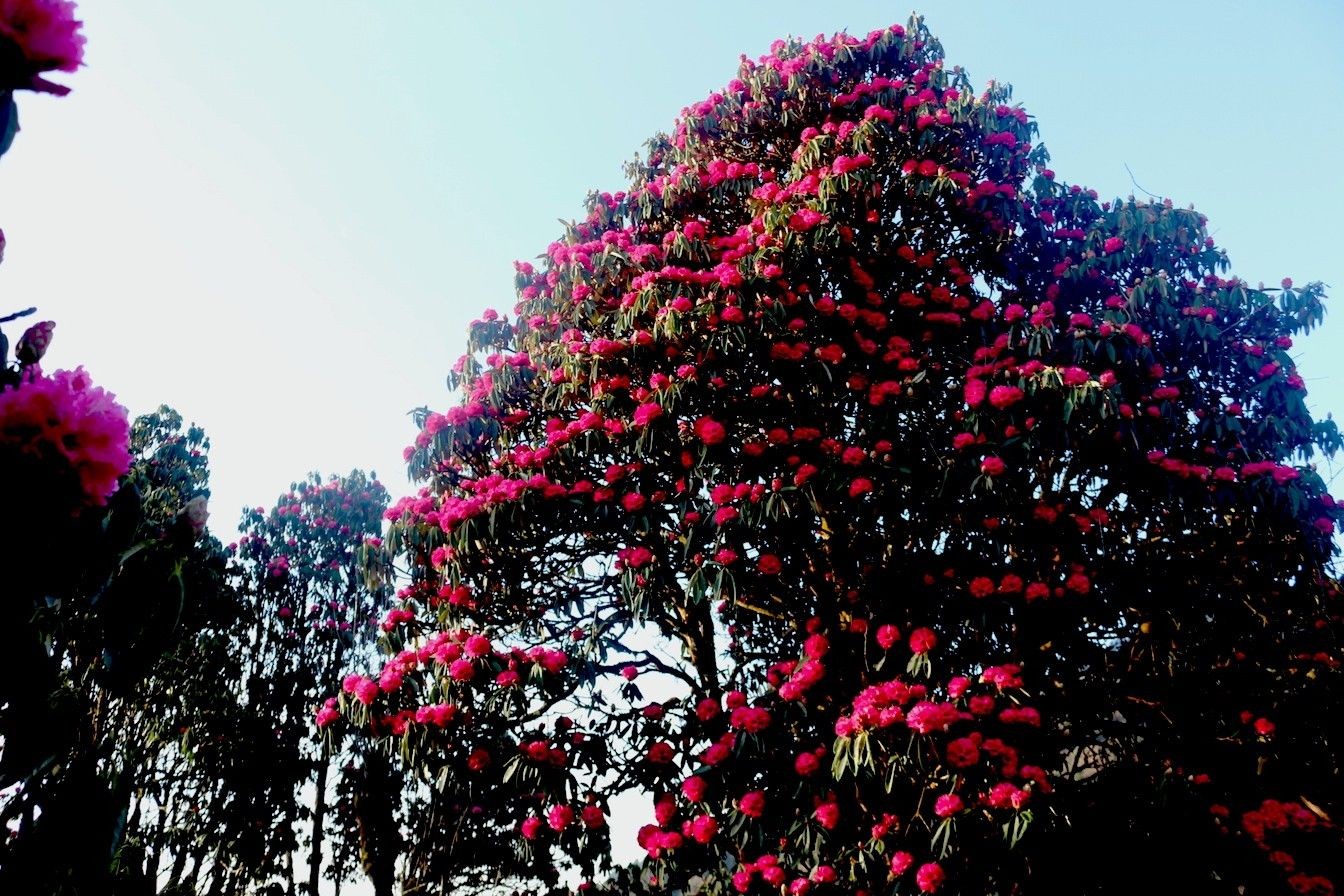
Here, head up toward Forest Camp around 2,550 meters, and that’s where the color gets dense. The trees bunch together overhead, and suddenly you’re walking through blooming tunnels near Low Camp at 3,050 meters. If you climb higher, the show sticks around a bit longer, so don’t rush.
Moreover, any photographer can’t help but smile here. Early morning light turns the petals soft and glowing. These gentle colors set off the silhouette of Mardi Himal, towering at 5,587 meters in the distance. Honestly, wide-angle lenses capture the drama best—just make sure to start early, when the light’s perfect and the trails are quiet.
Actually, it’s not just about the visuals. Once the flowers come out, the forest gets busy. Birds and insects flit from branch to branch. Walk for a while and you’ll feel wrapped up in Nepal’s wild side, hearing and seeing it with every step. It’s a reminder that this place isn’t just beautiful—it's alive.
And, yeah, these rhododendrons deserve care. The trek leaves a mark, so stick to trails and tread lightly. Let’s keep this floral wonderland blooming year after year.
Rhododendron Bloom Highlights on Mardi Himal Trek :
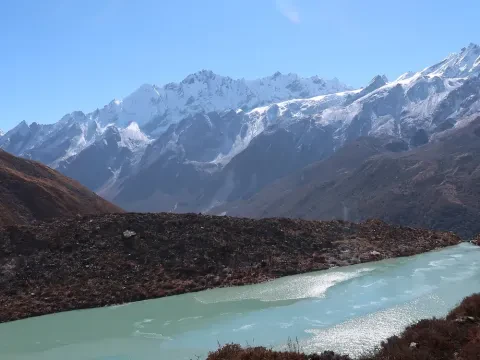
Actually, Spring on the Mardi Himal Trek feels like a dream for mountain lovers. You get those jaw-dropping views of Annapurna South, Machhapuchhre (also called Fishtail), Hiunchuli, and Mardi Himal itself. With the sky almost always crystal clear, the mountains pop in the distance—and honestly, there’s no better time to take this trek.
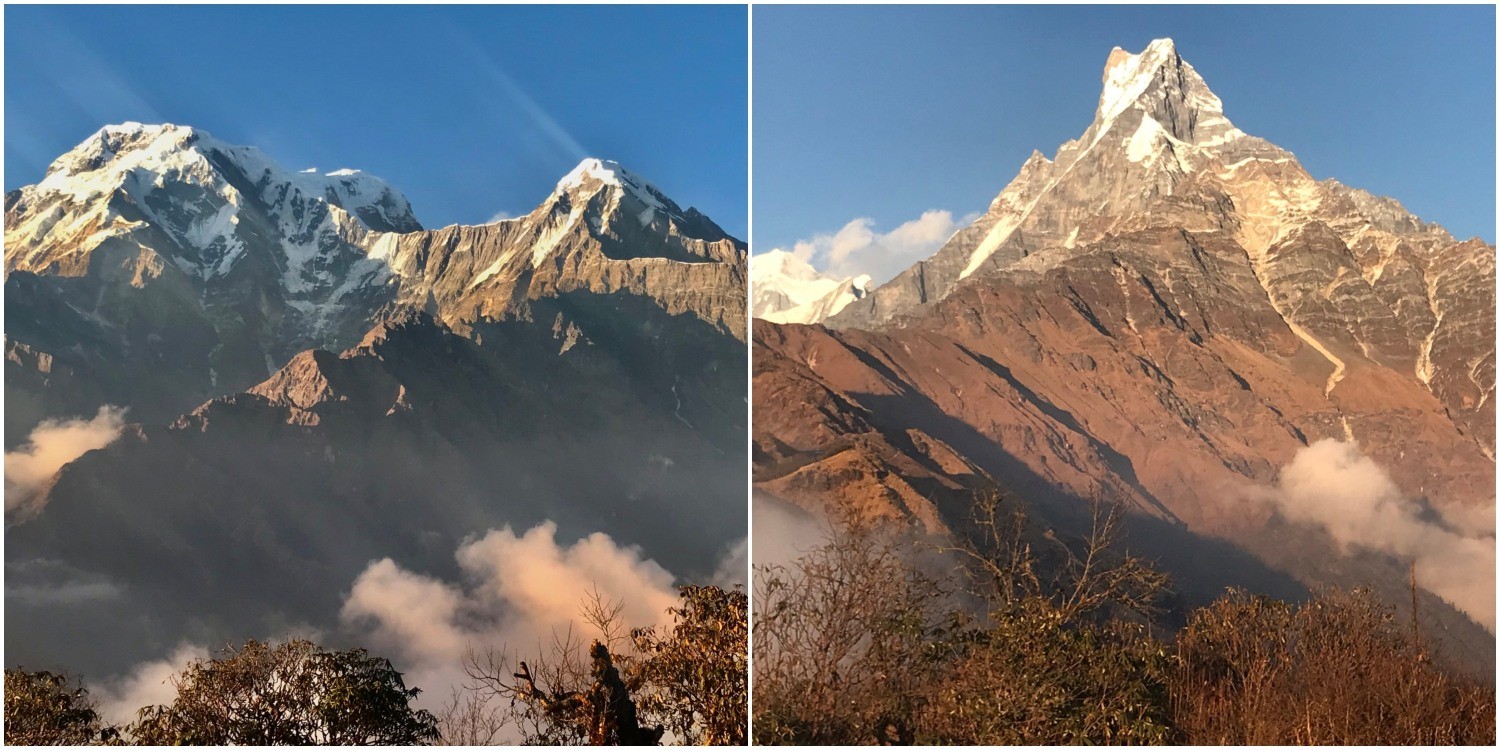
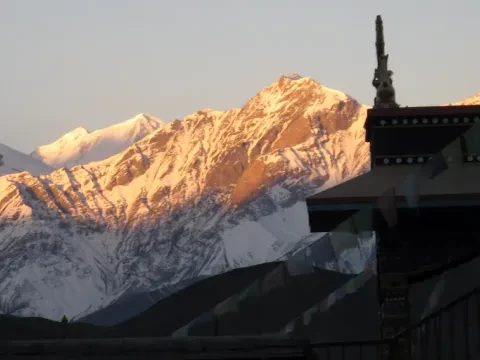
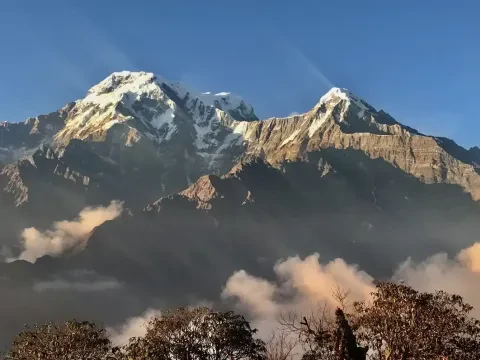
Here, early mornings are something else. The sun turns Annapurna South pink, and every peak glows under that golden light. Move along the trail, and Machhapuchhre’s sharp silhouette grabs your attention, just standing there against the blue. Near High Camp, you’ll get a full 360-degree panorama—seriously, it’s like you’re right in the front row.
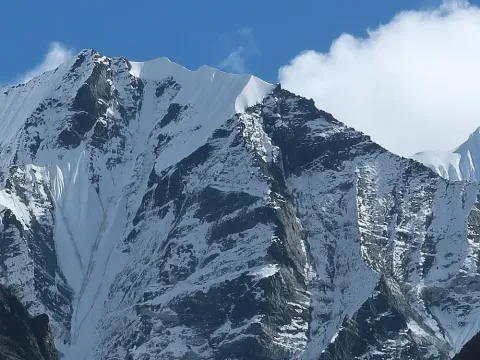
Likewise, Hiunchuli adds a bit of drama with its triangular summit poking above the landscape, and you can spot it from different places along the trek. When you reach Mardi Himal’s base, it’s up close—no haze, no clouds, just the mountain in full view.
Furthermore, Spring weather pulls out all the stops. Clear afternoons stick around, so you never miss those uninterrupted scenes, and every photo you take feels like a postcard. The mountains seem to tower overhead, making you feel pretty small in the best way possible. If you want stunning mountain views, this season simply delivers.
Key Mountain Views on Mardi Himal Trek in Spring :
Let’s talk about the best spring plan for the Mardi Himal Trek, stretching anywhere from 5 to 9 days starting out from Pokhara. You kick things off by driving up to Kande, then trek through Forest Camp, Low Camp, High Camp, and finally reach the Base Camp viewpoint. Spring’s the prime time for this route if you want those famous rhododendrons blooming all over the Annapurna region.
Actually, the journey begins in Pokhara—just under a thousand meters above sea level—then you head up to Kande, where the real trek starts. On your first day, you reach Forest Camp, sitting at 2,550 meters, and honestly, the hike feels just right for someone with a moderate pace. You get to enjoy the gradual build-up of excitement as you climb.
Next, you make your way to Low Camp at 3,050 meters, and this is where the rhododendrons really show off their colors. The trail winds up to High Camp, which sits comfortably at 3,580 meters. In spring, it’s smart to start early to catch the clearest views—not to mention, this season lines up perfectly for the trek.
By day four, you hit High Camp and push up to Mardi Himal Base Camp at 4,500 meters. There’s a viewpoint up there that dishes out incredible panoramas—you won’t regret the climb. After soaking up the scenery, head back down to High Camp or Low Camp for the night. The itinerary flexes—from five days up to nine, so you can make room for extra rest, side trails, or just a slower pace if you want.
If you’re feeling the longer, seven-to-nine day version, take it easy—add rest days, wander off to nearby trails, and really take your time at each camp. Eventually, you descend to Siding, then hop back in a vehicle to return to Pokhara. Whatever your schedule or style, this Mardi Himal Trek in spring adapts, giving you great floral displays and mountain views that’ll stick with you.
| Day | Route & Elevation | Duration | Highlights in Spring |
|---|---|---|
| 1 | Pokhara (820 m) → Kande (1,770 m) → Forest Camp (2,550 m) | 5-6 hours | Rhododendron forests, gentle ascent |
| 2 | Forest Camp (2,550 m) → Low Camp (3,050 m) | 4-5 hours Blooming trails, mountain glimpses |
| 3 | Low Camp (3,050 m) → High Camp (3,580 m) | 3-4 hours | Alpine views, acclimatization focus |
| 4 | High Camp (3,580 m) → Mardi Himal Base Camp (4,500 m) viewpoint & return | 6-8 hours | Sunrise on Annapurna South, Machhapuchhre |
| 5-7 | Descent to Siding (1,750 m) → Drive to Pokhara (820 m | 5-7 hours | Relaxed return, cultural villages. |
Here’s what to expect on the Mardi Himal Trek, step by step—especially in spring when the scenery really pops. You'll hit key stops, tackle altitude gains, and catch some spring magic, like the rhododendrons blooming along your route.
Here, day one starts with a drive from Pokhara at 820 meters up to Kande at 1,770 meters. You’ll hike through villages and climb steadily to Forest Camp (2,550 meters), gaining about 780 meters in elevation. Even from the beginning, hints of rhododendron flowers peek out along the trail. It’s a gentle but energizing start.
On day two, you press on from Forest Camp to Low Camp (3,050 meters). This stretch takes you through thick forests bursting with colorful blooms. The 500-meter elevation gain feels worthwhile as you catch your first clear glimpses of Machhapuchhre in the distance. Each day brings more excitement.
Likewise, day three gets steeper as you head from Low Camp to High Camp (3,580 meters). The route tightens up, moving onto alpine ridges. You’ll climb another 530 meters, and the air gets fresher, the meadows brighter. Spring really brings out the best here.
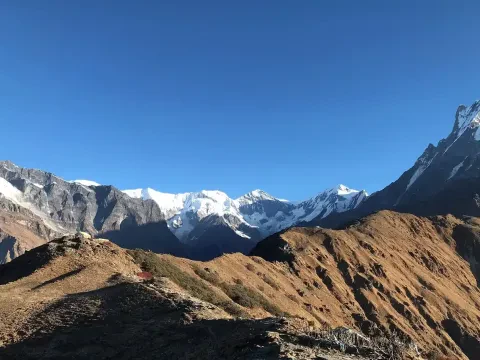
Meanwhile, Day four is the big one. You set out early to reach Mardi Himal Base Camp (4,500 meters), where you’ll catch panoramic views of Annapurna South. That day, you’ll gain about 920 meters—totally worth it for those mountain vistas. After soaking it all in, you’ll hike back to High Camp or descend further, depending how you feel. Spring’s clear weather just makes those views unforgettable.
In fact, that's the kind of adventure spring serves up on the Mardi Himal Trek—every day holds something new, and the scenery only gets better.
| Day | Route & Key Stop | Altitude Gain | Distance/Time | Spring-Specific Sights. |
|---|---|---|
| 1 | Pokhara (820 m) → Kande (1,770 m) → Forest Camp (2,550 m) | 780 m| 5-6 hrs | Early rhododendrons, village culture. |
| 2 | Forest Camp (2,550 m) → Low Camp (3,050 m) | 500 m | 4-5 hrs | Blooming forests, Machhapuchhre views. |
| 3 | Low Camp (3,050 m) → High Camp (3,580 m) | 530 m | 3-4 hrs | Alpine meadows, clearer peak vistas. |
| 4 | High Camp (3,580 m) → Mardi Himal Base Camp (4,500 m) viewpoint & return | 920 m up/down | 6-8 hrs | Sunrise on Annapurna South, Hiunchuli. |
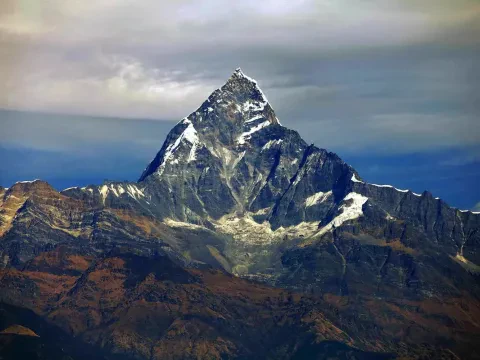
Actually, the Mardi Himal Trek sits at a comfortable moderate level. You’re not climbing anything tricky or facing crazy obstacles — just regular, steady ascents. Days tend to stretch between four and seven hours, but they’re manageable, and you don’t need to be a super athlete to keep up. If you’ve got basic stamina, you’re good to go.
Honestly, even beginners with average fitness pull this off. If you start preparing by walking or hiking a month or so before, you’ll be ready. The trails let you build up your endurance as you go, so you don’t have to be hardcore right from the start. Spring’s conditions make it even easier: the paths are dry and stable, so you’re not slipping around on mud or snow. It’s pretty much the best season for this trek — you can actually focus on the scenery instead of worrying about your footing.
Likewise, you don’t need any experience with high altitudes, either. The route lets you acclimatize little by little, climbing up to 4,500 meters at the Mardi Himal Base Camp. The key is paying attention to your body and pacing yourself, which is how even families and first-timers manage. That’s why this Nepal trekking package attracts such a mix of adventurers.
In fact, Spring really helps — you get pleasant weather, clear skies, and no hassles with monsoon mud or winter snow. The paths are straightforward, temperatures stay mild, and all you have to do is keep hydrated and take the uphills steady. For most people, the Mardi Himal Trek in spring isn’t just doable; it’s actually pretty confidence-boosting.
Difficulty and Suitability Highlights for Mardi Himal Trek :
If you’re heading for the Mardi Himal Trek in spring, you’ve got to get your permits sorted—no way around it. You need two things: the Annapurna Conservation Area Permit (ACAP) and the TIMS card. ACAP goes toward conservation, and TIMS helps keep trekkers safe and accounted for. Everybody who treks in the Annapurna Region needs both, so don’t skip them.
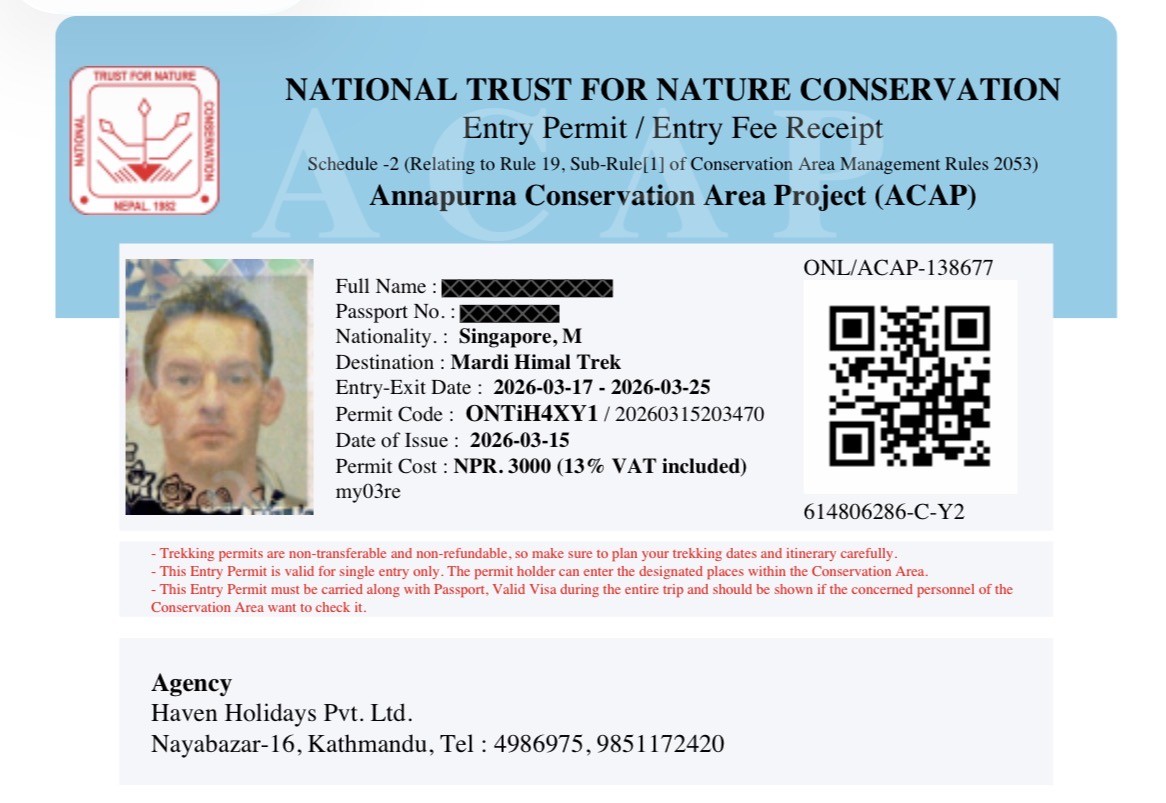
Actually, the Mardi Himal Trek costs aren’t wild. Altogether, plan about USD 40–50 per person. ACAP costs around USD 25 for foreigners, and TIMS comes in at USD 15–20, depending if you’re solo or part of a group. No extra fees pop up in spring—just those basics. You can grab both permits in Pokhara or Kathmandu; it’s pretty straightforward.
Moreover, budget really depends on how you want to trek. If you go by yourself, you’ll need USD 300–500 for food, lodging, permits, and transport from Pokhara. But if you want a guide and maybe a porter, think more like USD 500–900. Spring’s busy, so it’s smart to book things early—especially your room and transport.
In fact, choosing between a guided trek or going alone comes down to what you’re comfortable with. Guides help with navigation and share stories about the area, but doing it yourself saves money and gives you more freedom—though you do have to be self-reliant. Don’t forget basic stuff: get travel insurance and make sure you’re healthy enough for the trek.
Honestly, spring is one of the best times for the Mardi Himal Trek. If you plan ahead, lock in those permits, and take care of the details, you’ll set yourself up for an epic adventure.
| Item | Details & Cost (USD approx.) | Notes for Spring Trekking |
|---|---|---|
| ACAP Permit | $23-30 per person | Mandatory for Annapurna Region entry. |
| TIMS Card | $15-20 per person | Safety registration, group discounts possible. |
| Total Permits | $40-50 | Obtain in Pokhara or Kathmandu. |
| Independent Budget | $300-500 total | Basic food, lodging, no guide. |
| Guided Package | $500-900 total | Includes guide, porter, meals. |
Actually, packing for the Mardi Himal Trek in spring is all about being ready for whatever the weather throws at you. March through May in the Annapurna region means things can change fast — sunny one minute, showers the next. You’ll want to start with layers. Wear moisture-wicking base layers every day. When you hit the mid-elevations, throw on a fleece for extra warmth. At High Camp (3,580 meters), it gets pretty cold overnight, so a lightweight down jacket is a lifesaver.
Likewise, you can’t forget rain gear. Spring's got its share of showers, so pack a waterproof jacket and pants. Some trekkers go for a poncho or wrap their backpacks with a rain cover, just in case the weather turns quickly. The Annapurna region doesn’t get drenched, but being prepared gives you peace of mind.
Honestly, if you love taking photos, this trek’s perfect. Spring brings rhododendron blooms and unreal mountain views. Bring a camera, extra batteries, and some memory cards — you’ll need them. Wide lenses help capture the Mardi Himal panoramas, and a polarizing filter makes the colors pop.
Furthermore, altitude’s another thing to keep in mind. Toss in headache meds and hydration salts. Trekking poles are handy for those uphill stretches, and don’t skip sunscreen or a hat — the UV at altitude gets pretty intense. Good, comfortable boots are essential for those constantly changing spring trails. So, if you pack smart, you’ll be set for an unforgettable trek.
Spring Packing Essentials List for Mardi Himal Trek :
Sustainable trekking practices in Mardi Himal Trek spring: Leave No Trace, support local community, avoid crowding. Sustainable travelling tips for eco-friendly Annapurna region trek package (March to May).
Here, sustainability of the environment at Mardi Himal Trek in spring is an important issue. The Leave No Trace principle would be strictly practiced on each trekking day, meaning that waste would always be carried out from the mountain without an exception. The Mardi Himal trek, this type of Annapurna Region trek, relies on the pristine trails for upcoming trekkers. Thus, responsible travel in spring bloom becomes so important.
Likewise, supporting the local community: Handicrafts purchased and meals eaten at local teashouses in neighborhoods of Forest Camp (2,550 m) can make it so rewarding. Employing local porters and guides at fair pay supports the local economy around Pokhara (820 m). Mardi Himal trek in spring is so successful and vibrant due to community support.
Avoid crowding: Plan your dates to coincide with March and late May for less crowd on the trekking path. Starting trek in the middle of the week also helps distribute the trekkers. So, spring season can still provide a peaceful journey at the Mardi Himal Trek.
Respect wildlife and flora: During Mardi Himal trek in spring, you will pass many rhododendron forests. While going through those paths, trekkers should avoid picking up the flowers and disturbing animals. Nature's best is preserved through your ecofriendly trekking. The trek package of Nepal is better experienced with this responsible trekking way.
Sustainable Trekking Tips for Mardi Himal Trek in Spring :
Meanwhile, Mardi Himal Trek in spring's Final thoughts: Cherished memories of rhododendrons, stunning mountainscapes and profound peace. Why trekking to this hidden treasure in the Annapurna Region from March to May etches eternal impressions. Book your Mardi Himal trek package now.
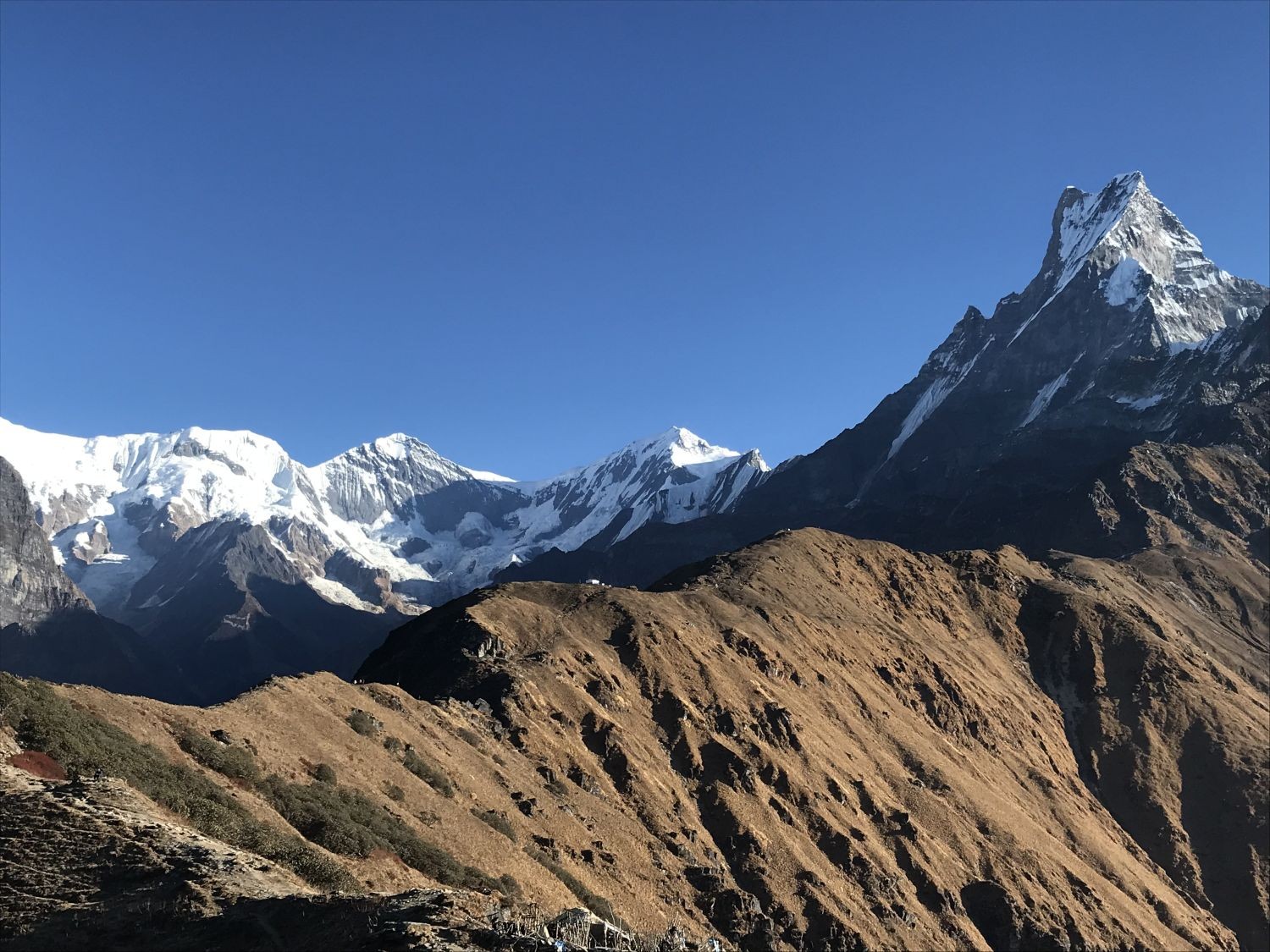
Here, the spring experience in Mardi Himal stays within your soul forever. The bloom of rhodendron will remain eternally etched in your mind's eye forever. Each trekker can vividly recall watching the sun touch Annapurna South (7,219m) into a gold color. Hidden gem in Annapurna Region, Mardi Himal, leaves an ever-lasting impression within. Thus the Mardi Himal Trek in Spring is timeless.
Moreover, the silence and peacefulness of the trail, even at such immense heights, is indescribable. You witness it at Mardi Himal Base Camp (4,500m). Trekkers always mention the Machhapuchhre (6,993m) 'Fish-Tail' peak appearing as if it is softly watching you over your journey. It’s the perfect Mardi Himal trekking time delivering the purest forms of tranquility. The memories etched in your spirit refreshes your soul and your mind.
Beyond the views, cultural connections have their own special appeal. Sipping tea with the local Gurung folk near Low Camp (3,050m), you will hear inspiring stories of life on the mountains. These ties are further strengthened when the environment blossoms around you. A Nepal trekking package to Mardi Himal ensures you return with warmhearted bonds.
Finally, your spirit has been subtly transformed. Facing the challenges with perseverance, you return more grounded and with a profound appreciation of nature. The image of Mardi Himal (5,587m) will always remain with you. Plan your trip to have this experience!
Unforgettable Moments Recap for Mardi Himal Trek in Spring :
1. Is Spring the Best Time for the Mardi Himal Trek?
Yes spring is a time for the Mardi Himal Trek. The weather is stable and comfortable from March to May. The rhododendron forests look beautiful along the trail. You can see mountain views clearly in the mornings. So trekkers enjoy temperatures, colorful landscapes and a clear view of Mardi Himal, Machhapuchhre, Annapurna South and Hiunchuli.
2. What Is the Weather Like on the Mardi Himal Trek in Spring?
The spring weather is usually good for trekking. Most days are sunny and warm at elevations. The higher sections stay cool and refreshing. Sometimes afternoon clouds appear,. Heavy snowfall is rare. As a result trekkers have walking conditions and clear mountain scenery.
3. What Are the Day and Night Temperatures During Spring?
The temperatures change with elevation. During the day it is usually between 10°C to 20°C in areas. At night places like Mardi Himal Base Camp can be between -5°C and 5°C. So it is essential to carry clothing. Layered clothing helps trekkers stay comfortable.
4. Can Beginners Do the Mardi Himal Trek in Spring?
Yes beginners can do the Mardi Himal Trek in spring. The trail is shorter than other Himalayan treks. The route has tea house facilities and clear paths. However you need to be somewhat fit because of uphill sections. With preparation and a steady pace most first-time trekkers enjoy the Mardi Himal Trek safely.
5. How Crowded Is the Mardi Himal Trek in Spring?
Spring is a trekking season so the trail has more visitors than in winter. However Mardi Himal is quieter than Everest Base Camp or Annapurna Base Camp. Therefore trekkers can still enjoy walking and authentic village experiences. It is recommended to book accommodation in advance during April.
6. What Flowers Bloom Along the Mardi Himal Trail in Spring?
In spring the Mardi Himal trail looks like a mountain garden. Rhododendrons bloom in pink, white and purple shades. Many wildflowers appear throughout the forests. The section between Forest Camp and Low Camp becomes especially beautiful. Spring offers some of the scenic trekking experiences in the Annapurna region.
7. Is Spring Safe for the Mardi Himal Trek?
Yes spring is considered one of the seasons for the Mardi Himal Trek. The weather conditions are usually predictable and trails remain accessible. The risk of snow and landslides is lower than in some other seasons. Nevertheless trekkers should follow guide advice stay hydrated and walk carefully at elevations.
8. What Should I Pack for the Mardi Himal Trek in Spring?
Pack clothing because temperatures change with altitude. Include a jacket, fleece, gloves, hat, trekking pants and waterproof gear. Bring trekking boots, sunglasses, sunscreen and a reusable water bottle. Although spring days are pleasant nights can be cold, near High Camp. Proper clothing ensures comfort throughout the Mardi Himal Trek.
9. Do I Need Permits for the Mardi Himal Trek in Spring?
You need permits for the Mardi Himal Trek in spring. The Mardi Himal Trek requires the Annapurna Conservation Area Permit. This permit helps to protect the environment and support the communities. So you should carry your Mardi Himal Trek permits with you throughout the trek because the officials may check them at the checkpoints. Most of the trekking agencies can arrange the required documents for the Mardi Himal Trek before you leave.
10. Can I See Mountain Views Clearly in Spring?
In the spring you can see the mountain views on most days. The mornings are usually the time for photography and sightseeing on the Mardi Himal Trek. From the High Camp and the Mardi Himal Viewpoint you can see the mountains like Machhapuchhre and Annapurna I and Annapurna South and Hiunchuli and Gangapurna. So the spring season is a favorite for people who love the mountains and the Mardi Himal Trek.
11. How Difficult Is the Mardi Himal Trek During Spring?
The Mardi Himal Trek is moderately difficult in the spring. Most people walk for five to seven hours every day on the Mardi Himal Trek. Some parts of the Mardi Himal Trek have paths that go up and down especially near the High Camp.. The trail is easy to follow and okay for people who are reasonably fit and doing the Mardi Himal Trek. If you get used to the altitude and prepare well and take your time you can do the Mardi Himal Trek comfortably and safely.
12. Are Tea Houses Open on the Mardi Himal Trek in Spring?
Yes the tea houses are open on the Mardi Himal Trek in the spring. Since this is a time for trekking most of the lodges have comfortable rooms and food and basic services for the Mardi Himal Trek. You also have food options in the spring than in the winter on the Mardi Himal Trek. But it can get busy in April and early May so it is an idea to book your room in advance for the Mardi Himal Trek.
13. How Many Days Are Needed for the Mardi Himal Trek in Spring?
Most people do the Mardi Himal Trek in five to seven days.. It depends on how fit you are and your plan and how much time you have for the Mardi Himal Trek. Some people combine the Mardi Himal Trek with sightseeing in Pokhara or other nearby treks. So it is good to have a plan for the Mardi Himal Trek. If you have six days you can enjoy the scenery without rushing on the Mardi Himal Trek.
14. What Is the Cost of the Mardi Himal Trek in Spring?
The cost of the Mardi Himal Trek in the spring is usually between USD 300 and USD 700 per person. The final cost of the Mardi Himal Trek depends on the group size and guide services and transportation and accommodation and meals. If you plan a trip for the Mardi Himal Trek it will cost more than a group trip. So you should plan your budget carefully for the Mardi Himal Trek to avoid expenses.
15. Why Choose the Mardi Himal Trek in Spring of Other Seasons?
The spring season is good for the Mardi Himal Trek because the weather is nice and the forests are blooming and you can see the mountains clearly. The trails are not wet like in the monsoon season so it is comfortable to walk on the Mardi Himal Trek. It is also warmer than in the winter so it is better for trekking on the Mardi Himal Trek. In the spring you can see animals and plants on the Mardi Himal Trek so many experienced trekkers think it is the best season, for the Mardi Himal Trek.
Our travel experts are ready to assist you with any questions.
Send us a message.Have a question before you book? Send your enquiry below and our travel experts will get back with the required information.