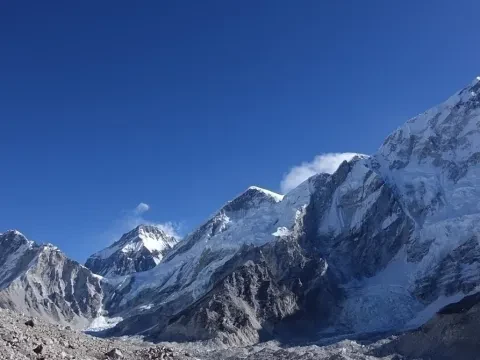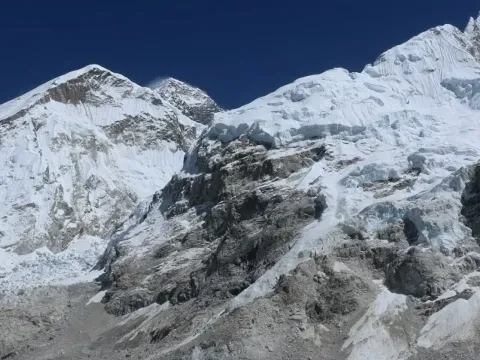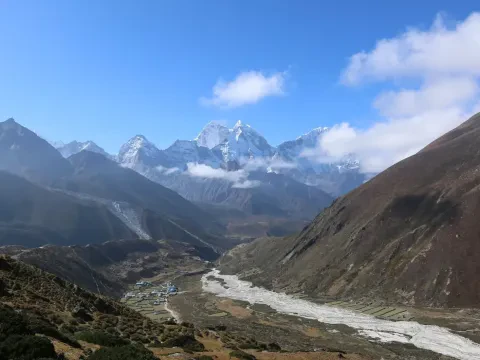
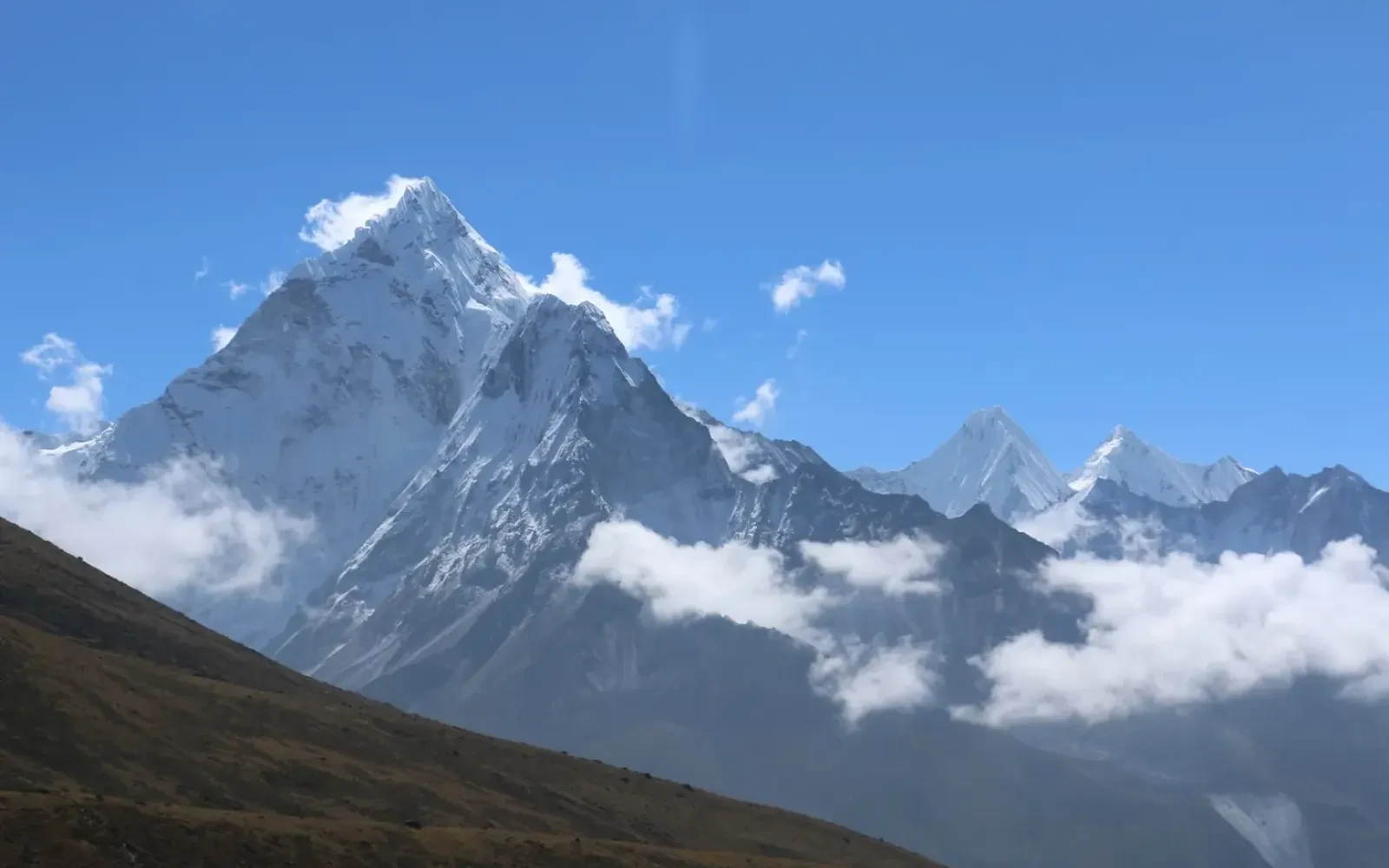
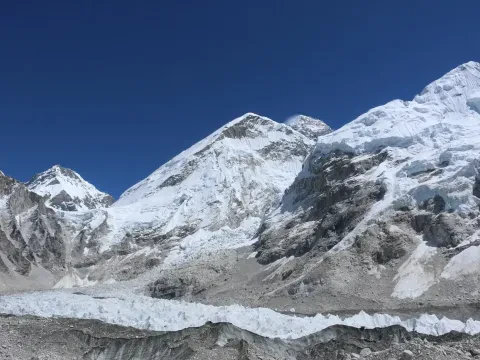
The Everest Base Camp Trek is the most renowned trekking trail in Nepal and one of the highest-altitude trekking sojourns in the globe. The legendary hike leads through the Sagarmatha National Park (a UNESCO World Heritage Site) and takes you through the heart of one of the most astonishing landscapes on the planet known as the Khumbu region. The Everest region is home to the elusive Sherpa and the world’s highest mountain, Mount Everest (8,848.86 m / 29,031.7 ft) and thousands of people that engage in the Everest Base Camp hiking experience every year get to witness snow-capped mountains, vibrant Sherpa culture, and a stunning panorama of the Everest Base Camp (5,364 m / 17,598 ft).
According to the expert mountain guides at Haven Holidays Pvt. Ltd., the Everest Base Camp Trek is much more than just a trek to the ultimate goal; it is an amazing journey through picturesque villages, ancient monasteries, and crystal-clear rivers, eventually leading to the foot of the world’s highest peak. The Everest trail also offers breathtaking views of other Himalayan giants such as Mount Everest (8,848.86 m), Lhotse (8,516 m), Nuptse (7,861 m), Ama Dablam (6,812 m), Thamserku (6,608 m), Pumori (7,161 m), Lobuche East (6,119 m), and other towering Everest peaks.
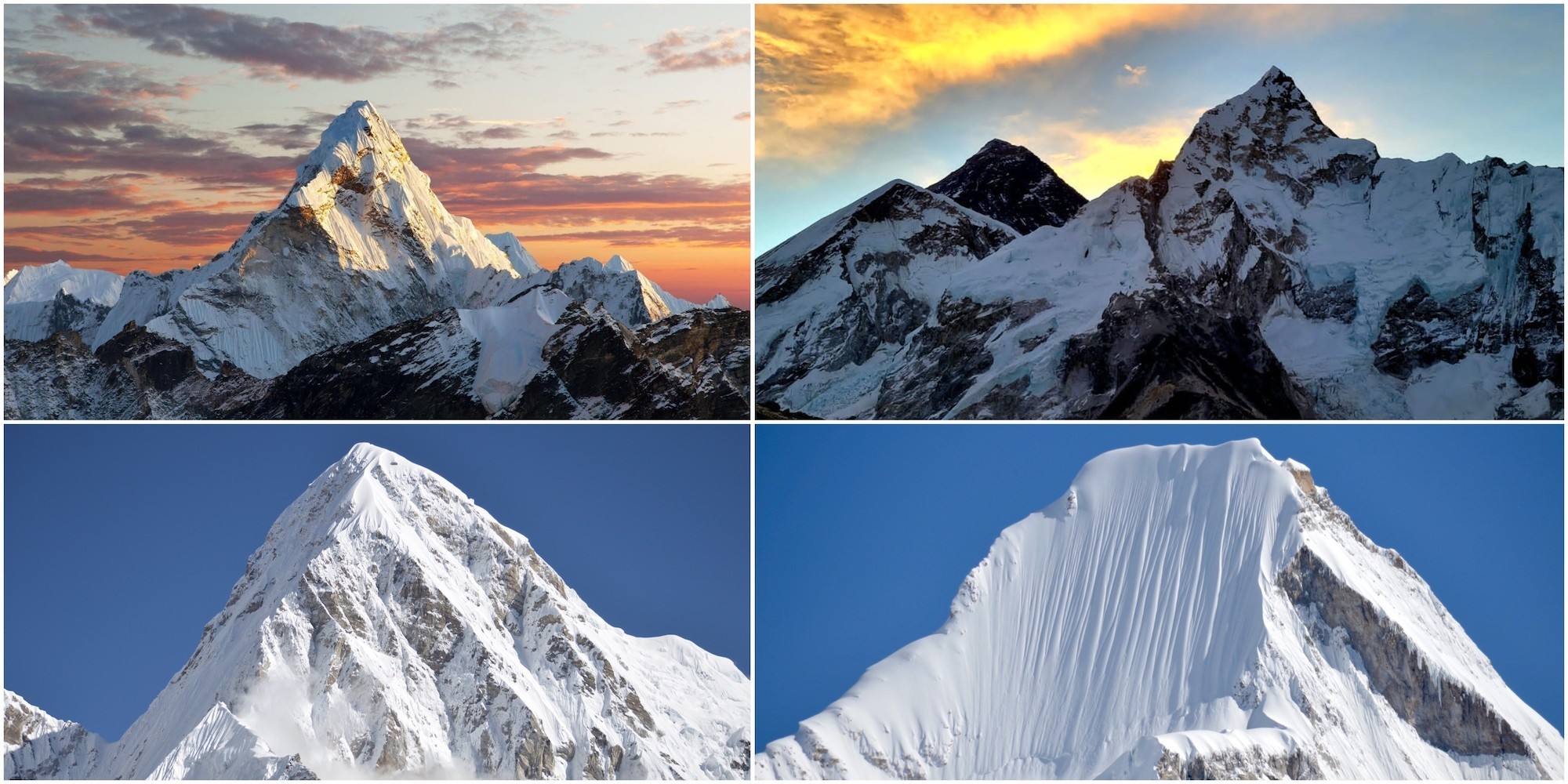
Despite the fact that the Everest Base Camp Trek is relatively simple and accessible to all, you will need to be in good health and have a sound knowledge of acclimatization to tackle the challenge because of the extreme altitude. Most standard trekking itineraries also feature two acclimatization days to help trekkers avoid altitude sickness and adapt to the thin air in the Everest region. The Everest Base Camp Trek’s maximum altitude is reached at Kala Patthar (5,545 m / 18,192 ft), which provides hikers with panoramic views of Mount Everest.
| Trek Information | Particulars |
|---|---|
| Region | Khumbu (Everest Region), Nepal |
| National Park | Sagarmatha National Park |
| Trek Type | Tea House Trek |
| Maximum Trekking Altitude | Everest Base Camp (5,364 m) |
| Highest Viewpoint | Kala Patthar (5,545 m) |
| Trek Duration | 12 16 Days |
| Difficulty | Moderate to Challenging |
| Accommodation | Tea Houses |
| Best Seasons | Spring & Autumn |
| Suitable For | Beginners with good fitness and experienced trekkers |
Where is Everest Base Camp?
Everest Base Camp is a famous trekking destination located on the southern slope of Mount Everest in Nepal. The trail winds through the Dudh Koshi River Valley and eventually reaches the Everest Base Camp, passing over the local Sherpa villages.
| Location | Elevation |
|---|---|
| Kathmandu | 1,338 m |
| Lukla | 2,846 m |
| Phakding | 2,610 m |
| Namche Bazaar | 3,440 m |
| Tengboche | 3,860 m |
| Dingboche | 4,410 m |
| Lobuche | 4,910 m |
| Gorak Shep | 5,164 m |
| Everest Base Camp | 5,364 m |
| Kala Patthar | 5,545 m |
What Makes the Everest Base Camp Trek Special?
The Everest Base Camp Trek overview Nepal offers an incredible diversity of landscapes and attractions, including the following highlights:
Trek Highlights :
Difficulty of the Everest Base Camp Trek
Many trekkers wonder what level of difficulty the Everest Base Camp trek entails.
While the trek is fairly simple, it does require a certain level of fitness, and you must acclimatize yourself to the thin alpine air. Additionally, most of the trek’s itineraries include two days of acclimatization to assist you in adjusting to the altitude. Daily walks on the trail range from five to eight hours depending on the day. Ascents to higher altitudes like Namche Bazaar (3,440 m) and Dingboche (4,410 m) will aid in your acclimatization to the reduced oxygen concentration in the mountains.
| Trek Characteristics | Level of Difficulty |
|---|---|
| Trail Difficulty | Moderate |
| Fitness Requirement | Moderate to High |
| Technical Difficulty | None |
| Altitude Challenge | High |
| Beginner Friendliness | Yes |
Best Season for the Everest Base Camp Trek,
The best seasons for trekking to the Everest Base Camp are the spring and autumn seasons.
Spring (March-May)
The spring season in the Everest region is characterized by :
Autumn (September November)
The months of September to November are also considered the best months for trekking in the Everest region due to :
Permits Required for the Everest Base Camp Trek,
| Document | Required |
|---|---|
| Sagarmatha National Park Entry Permit | Required |
| Khumbu Pasang Lhamu Rural Municipality Permit | Required |
| TIMS Card | Not Required |
| Mountain | Elevation |
|---|---|
| Mount Everest | 8,848.86 m |
| Lhotse | 8,516 m |
| Nuptse | 7,861 m |
| Ama Dablam | 6,812 m |
| Pumori | 7,161 m |
| Thamserku | 6,608 m |
| Kangtega | 6,782 m |
| Lobuche East | 6,119 m |
| Cholatse | 6,440 m |
Why Choose Haven Holidays Pvt Ltd for Everest Base Camp Trek?
The professional guides at Haven Holidays Pvt. Ltd. have led numerous Everest expeditions and have a wealth of knowledge about the region. Their local expertise and emphasis on safety and comfort ensure that you have the best Everest experience possible. They also assist you in acclimatizing to the high altitude and navigating mountainous landscapes while immersing you in local Sherpa culture. Whether you choose the traditional Lukla flight or the overland Salleri route, they will provide you with the most dependable and personalized Everest trekking services.
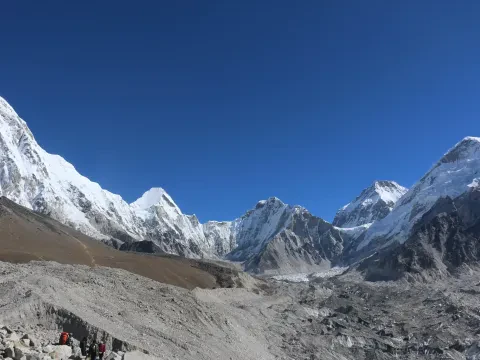
A well-planned Everest Base Camp Trek itinerary is required for a safe and enjoyable expedition. Acclimatization and a gradual ascent to higher altitudes are critical components of a successful trek to Everest Base Camp. Most trekking itineraries recommend spending between 12 to 14 days on the Everest trail depending on how fast you climb to higher altitudes and how much time you spend acclimatizing. Some trekking agencies also offer shorter helihike itineraries and longer overland trekking options.
The day-by-day Everest Base Camp trek itinerary below is a popular option as it features two acclimatization days to help prevent altitude sickness. The following itinerary also showcases the traditional trail to the Everest Base Camp via Lukla.
| Day | Route | Elevation | Walking Hours |
|---|---|---|
| 1 | Fly Kathmandu → Lukla, Trek to Phakding | 2,610 m | 3 - 4 hrs |
| 2 | Phakding → Namche Bazaar | 3,440 m | 6 - 7 hrs |
| 3 | Acclimatization at Namche Bazaar | 3,440 m | 3 - 4 hrs (Hike) |
| 4 | Namche → Tengboche | 3,860 m | 5 - 6 hrs |
| 5 | Tengboche → Dingboche | 4,410 m | 5 - 6 hrs |
| 6 | Acclimatization at Dingboche | 4,410 m | 4 - 5 hrs (Hike) |
| 7 | Dingboche → Lobuche | 4,910 m | 5 - 6 hrs |
| 8 | Lobuche → Gorak Shep → Everest Base Camp → Gorak Shep | 5,364 m | 7 - 8 hrs |
| 9 | Kala Patthar → Pheriche | 5,545 m | 7 - 8 hrs |
| 10 | Pheriche → Namche Bazaar | 3,440 m | 6 - 7 hrs |
| 11 | Namche → Lukla | 2,846 m | 6 - 7 hrs |
| 12 | Fly Lukla → Kathmandu | 1,338 m | 35 Minuts Flight |
Day-by-Day Highlights :
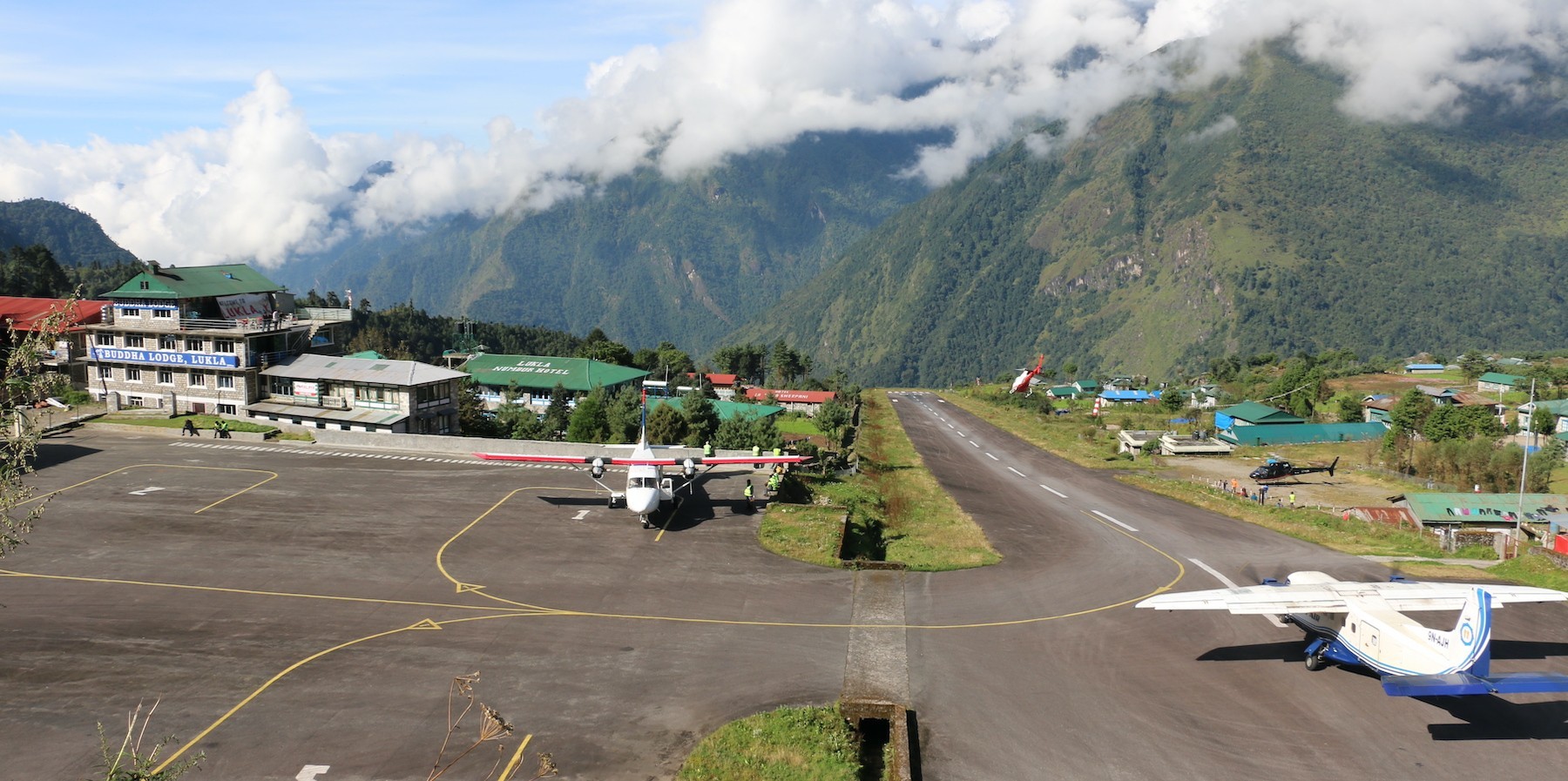
Day 1: Kathmandu (1,400 m) → Lukla (2,846 m) → Phakding (2,610 m)
Highlights:
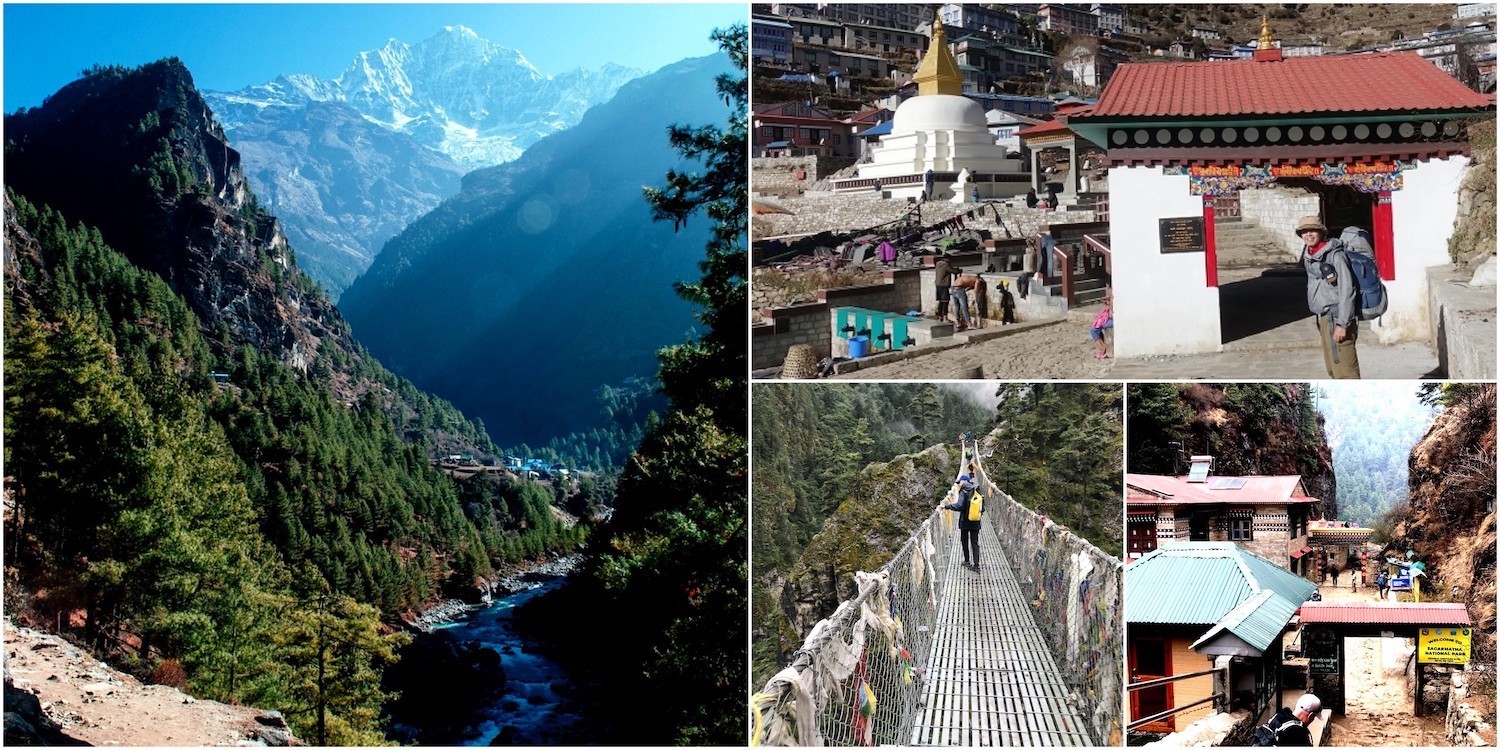
Day 2: Phakding → Namche Bazaar (3,440 m),
Highlights:
Day 3: Acclimatization Day,
| Destination | Elevation |
|---|---|
| Everest View Hotel | 3,880 m |
| Khumjung Village | 3,790 m |
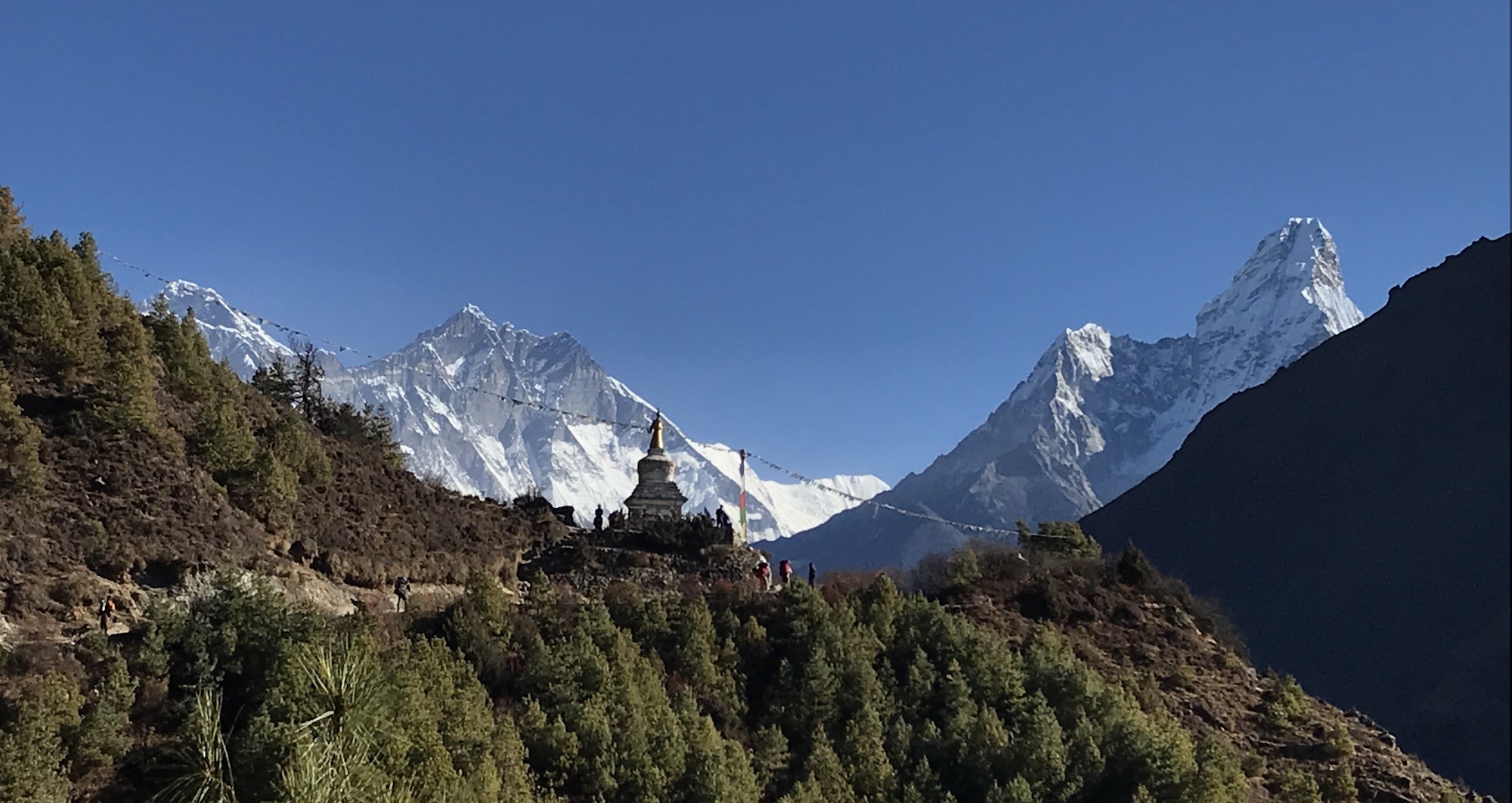
Day 4: Namche → Tengboche (3,860 m),
Highlights:
Day 5: Tengboche → Dingboche (4,410 m)
Highlights:
Day 6: Acclimatization at Dingboche
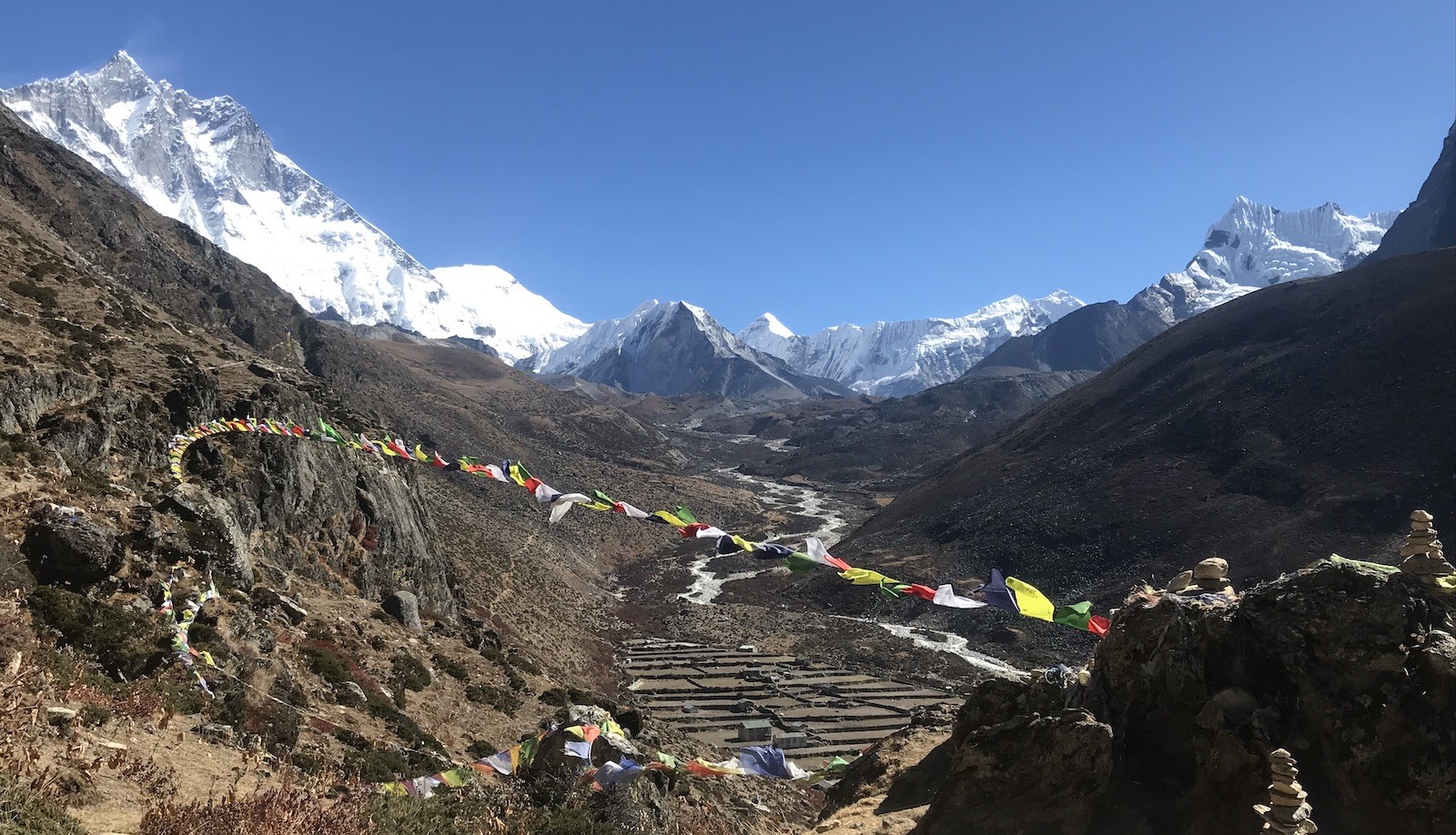
| Destination | Elevation |
|---|---|
| Nangkartshang Peak | 5,083 m |
Day 7: Dingboche → Lobuche (4,910 m)
Highlights:
Day 8: Lobuche → Gorak Shep (5,164 m) → Everest Base Camp (5,364 m)
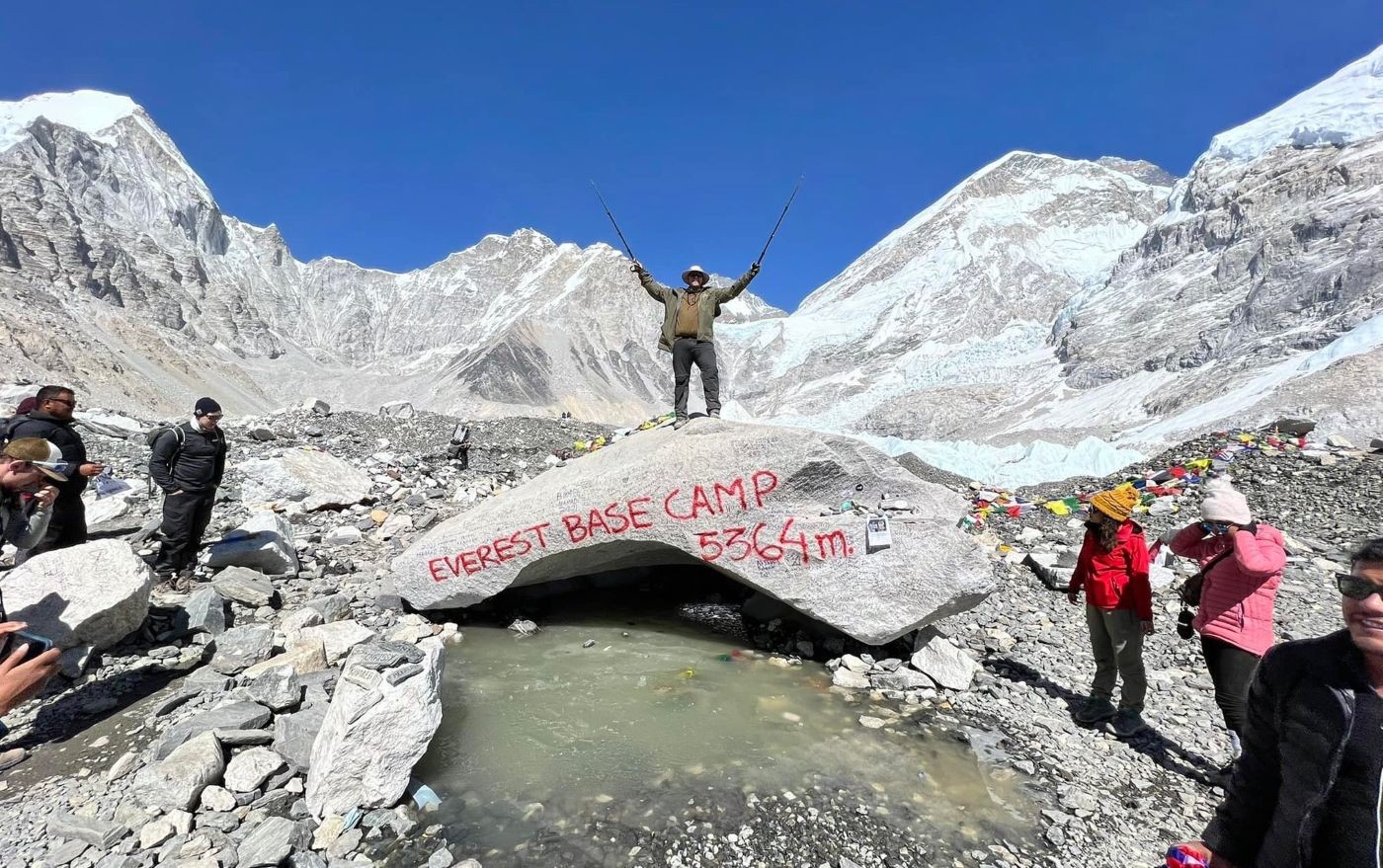
Highlights:
Day 9: Kala Patthar (5,545 m) → Pheriche (4,240 m)
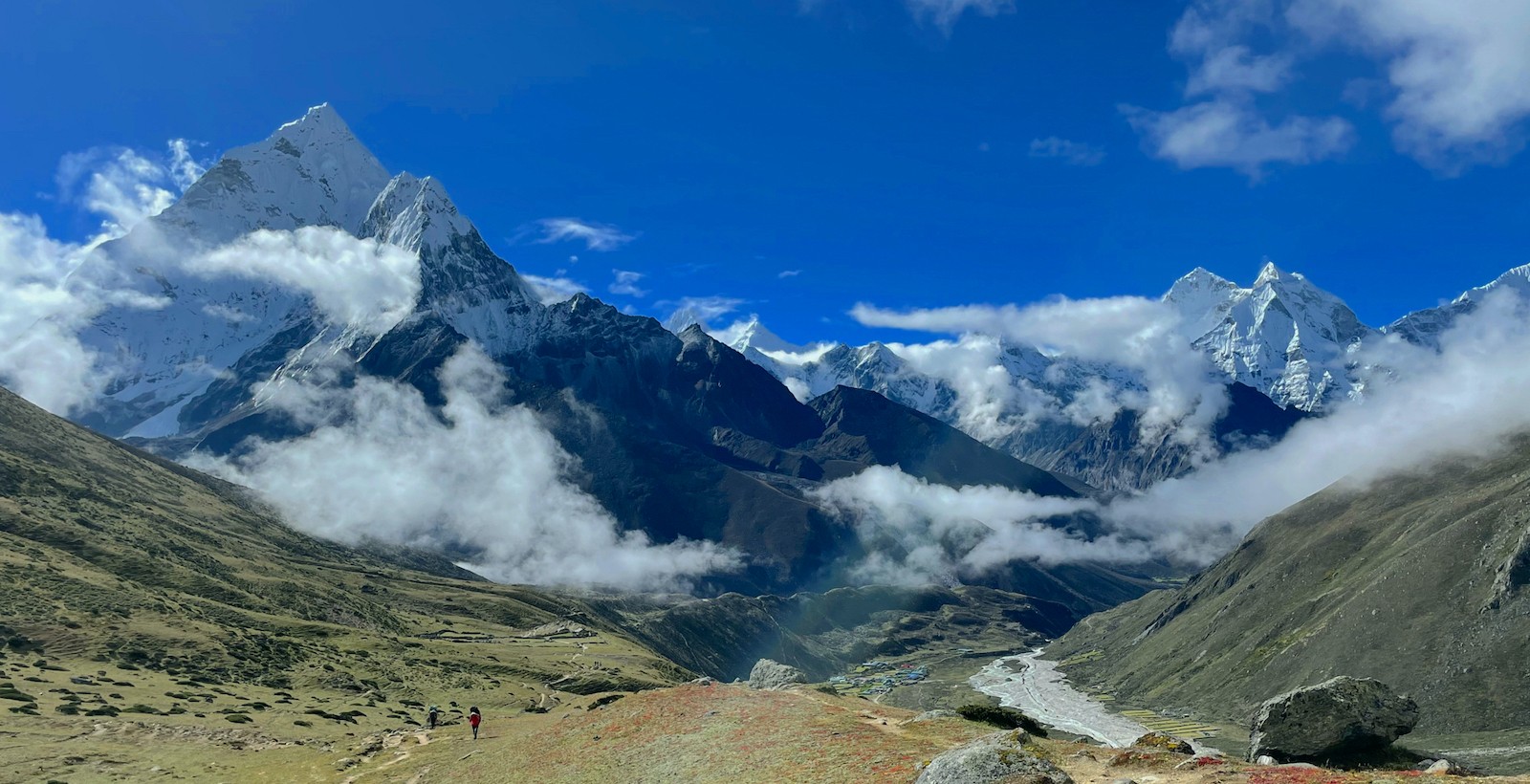
Highlights:
Day 10 11: Return Trek
Highlights:
Day 12: Fly to Kathmandu
Your return flight to Kathmandu marks the end of your Himalayan adventure.
| Itinerary | Duration |
|---|---|
| 12-Day EBC Trek | 12 Days |
| Standard EBC Trek | 14 Days |
| EBC with Helicopter Return | 10 12 Days |
| Overland EBC Trek via Salleri | 15 17 Days |
| EBC with Gokyo Lakes | 16 18 Days |
Importance of Acclimatization Days in the Everest Base Camp Trek,
Acclimatization days are crucial for any trekker who wants to conquer the Everest region’s challenging altitudes. Acclimatization allows the body to adjust to the decreasing levels of oxygen as you climb to higher altitudes. The following are some of the reasons why acclimatization is essential:
The most effective way to acclimatize is by following the, “Climb high, sleep low,” principle.
| Day | Sleeping Elevation |
|---|---|
| Kathmandu | 1,338 m |
| Phakding | 2,610 m |
| Namche | 3,440 m |
| Tengboche | 3,860 m |
| Dingboche | 4,410 m |
| Lobuche | 4,910 m |
| Gorak Shep | 5,164 m |
| Feature | Particulars |
|---|---|
| Trek Duration | 12 14 Days |
| Maximum Altitude | Kala Patthar (5,545 m) |
| Everest Base Camp | 5,364 m |
| Walking Daily | 5 8 Hours |
| Difficulty | Moderate to Challenging |
| Best Seasons | Spring & Autumn (March May / Sept. November) |
The Best Everest Base Camp Trek Itinerary depends on your time, budget, and comfort. Most hikers prefer either the 12 day Everest Base Camp trek itinerary with flights to and from Lukla or the 15 day Everest Base Camp trek itinerary by land through Salleri and Surke. Both itineraries cover the Everest Base Camp (5,364 m) and Kala Patthar (5,545 m), but offer different challenges, opportunities, and flexibility. The flight itinerary is ideal for hikers with short vacations, while the overland itinerary is better for acclimatization, low budget, and scenic road adventure. Our expert mountain guides at Haven Holidays Pvt. Ltd. suggest that you pick the itinerary that suites your fitness and flexibility rather than choosing the shortest option.
| Feature | 12 Day Everest Base Camp Trek | 15 Day Everest Base Camp Trek |
|---|---|---|
| Duration | 12 Days | 15 Days |
| Start | Kathmandu to Lukla Flight | Kathmandu to Salleri to Surke by Jeep |
| Maximum Altitude | Kala Patthar (5,545m) | Kala Patthar (5,545m) |
| Everest Base Camp (EBC) | 5,364 m | 5,364 m |
| Trek Difficulty | Moderate to Challenging | Moderate to Challenging |
| Lukla Flight Required | Yes | No |
| Best For | Short getaway | Budget & Adventure |
12 Day Everest Base Camp Trek Itinerary: Kathmandu to Kathmandu by Flight
The 12 day Everest Base Camp trek itinerary is the classic Everest Base Camp tour. It reduces the travel days while ensuring good acclimatization before ascending to over 5,000 meters.
| Day | Activity | Elevation | Walking Time |
|---|---|---|
| Day 1| Fly Kathmandu to Lukla (2,846 m) and Trek to Phakding | 2,610 m | 3-4 hrs |
| Day 2 | Phakding to Namche Bazaar | 3,440 m | 6-7 hrs |
| Day 3 | Acclimatization Day at Namche Bazaar | 3,440 m | 3-4 hrs hike |
| Day 4 | Namche to Tengboche | 3,860 m | 5-6 hrs |
| Day 5 | Tengboche to Dingboche | 4,410 m | 5-6 hrs |
| Day 6 | Acclimatization Day at Dingboche | 4,410 m | 3-5 hrs hike |
| Day 7 | Dingboche to Lobuche | 4,910 m | 5-6 hrs |
| Day 8 | Lobuche to Gorak Shep | (5,164 m) and Everest Base Camp and back to Gorak Shep | 5,364 m | 7-8 hrs |
| Day 9 | Kala Patthar (5,545 m) to Pheriche | 5,545 m | 7-8 hrs |
| Day 10 | Pheriche to Namche Bazaar | 3,440 m | 7 hrs |
| Day 11 | Namche to Lukla | 2,846 m | 6-7 hrs |
| Day 12 | Fly Lukla to Kathmandu | 1,400 m | 35 minutes |
Why choose the 12 day Everest Base Camp trek by flight package?
Advantages :
Things to consider :
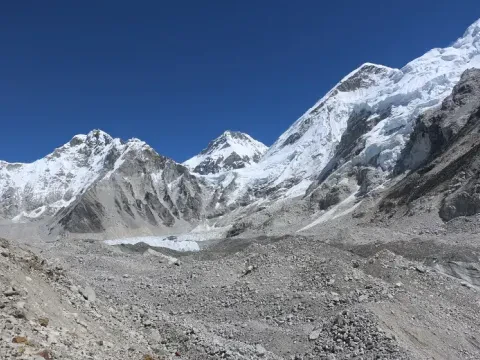
The 15 day Everest Base Camp trek by land is the most popular option for those who wish to avoid the risks of the Lukla flight. This itinerary offers more flexibility and an additional acclimatization day as it replaces the Lukla flight with a scenic drive from Kathmandu to Salleri and Surke before arriving at Phakding.
| Day | Activity | Elevation | Walking/Driving |
|---|---|---|
| Day 1 | Drive from Kathmandu to Salleri | 2,360 m | 8-10 hrs drive |
| Day 2 | Drive from Salleri to Surke (2,290 m) and Trek to Phakding | 2,610 m | 5-6 hrs drive + 2-3 hrs trek |
| Day 3 | Phakding to Namche Bazaar | 3,440 m | 6-7 hrs |
| Day 4 | Acclimatization Day at Namche Bazaar | 3,440 m | 3-4 hrs hike |
| Day 5 | Namche to Tengboche | 3,860 m | 5-6 hrs |
| Day 6 | Tengboche to Dingboche | 4,410 m | 5-6 hrs |
| Day 7 | Acclimatization Day at Dingboche | 4,410 m | 4 hrs hike |
| Day 8 | Dingboche to Lobuche | 4,910 m | 5-6 hrs |
| Day 9 | Lobuche to Gorak Shep and Everest Base Camp and back to Gorak Shep | 5,364 m | 7-8 hrs |
| Day 10 | Kala Patthar to Pheriche | 5,545 m | 7 hrs |
| Day 11 | Pheriche to Namche Bazaar | 3,440 m | 7 hrs |
| Day 12 | Namche to Phakding | 2,610 m | 6 hrs |
| Day 13 | Phakding to Surke to Salleri | 2,360 m | 2-3 hrs trek + 5-6 hrs driving |
| Day 14 | Drive back from Salleri to Kathmandu | 1,338 m | 8-10 hrs drive |
| Day 15 | Extra day for exploration in Kathmandu | 1,338 m | ------ |
Why Choose the 15 Day EBC Tour by Land?
Practical Notes from Haven Holidays Pvt. Ltd Trekking Experts,
Shared jeeps are available on a regular basis from Kathmandu to Salleri.
The road conditions are good but the journey can be quite long so it is advisable to bring snacks and drinks. Also, you should book your jeep seat in advance during peak season.
| Feature | 12 Days by Flight | 15 Days by Land |
|---|---|---|
| Duration | 12 Days | 15 Days |
| Lukla Flight | Required | Not Required |
| Cost | Higher | Lower |
| Road Journey | None | Kathmandu – Salleri – Surke |
| Flexibility | Moderate | High |
| Weather Risk | Flight cancellations | Less affected |
| Acclimatization | Good | Better |
| Adventure Level | Classic | Classic + Overland |
Key Highlights Classic Everest views Same Highlights,
Which is the Best Everest Base Camp Trek Itinerary?
According to our trekking experts at Haven Holidays Pvt. Ltd, both itineraries are great options. Choose the 12-day trek from Kathmandu to Kathmandu by flight if:
Choose the 15-day Everest Base Camp trek via Salleri, Surke, and Phakding if:
Here, both itineraries offer unforgettable views of Mount Everest (8,849 m), Lhotse (8,516 m), Nuptse (7,861 m), Ama Dablam (6,812 m), Pumori (7,161 m), Thamserku (6,608 m), and Khumbutse (6,636 m) as well as popular attractions such as Lukla (2,846 m), Surke (2,290 m), Phakding (2,610 m), Namche Bazaar (3,440 m), Tengboche (3,860 m), Dingboche (4,410 m), Lobuche (4,910 m), Gorak Shep (5,164 m), Everest Base Camp (5,364 m), and Kala Patthar (5,545 m).
The Everest Base Camp Trek Itinerary by Land is a great option for those looking to have a scenic, cost-effective, and well acclimatized trek towards the sacred Everest mountain range. Unlike the usual flight to Lukla, this tour drives from Kathmandu to Salleri and Surke before joining the Everest trail in Phakding. This gradual ascent allows most trekkers to acclimatize well at various mountain villages, experience beautiful river valleys, and also avoid the risks of Lukla flight.
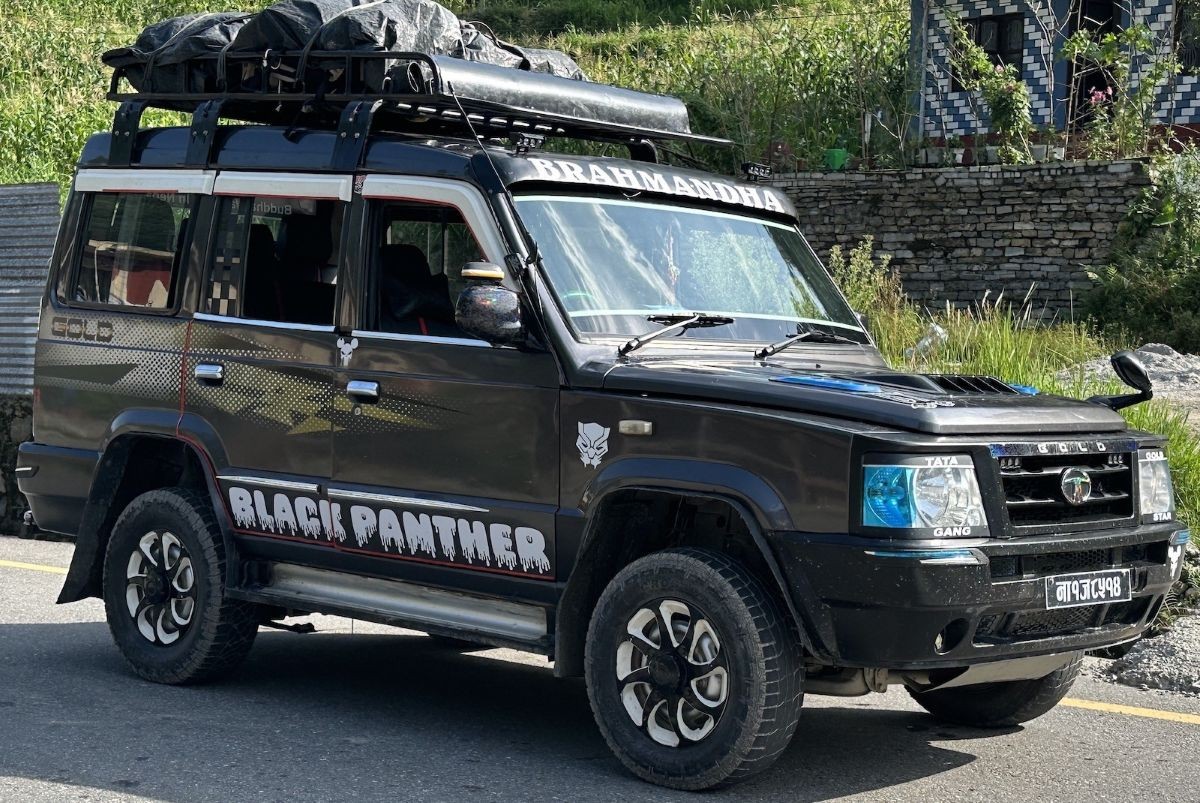
Here, Haven Holidays Pvt. Ltd.'s professional trekking experts often suggest this overland route to their clients as it offers extra flexibility, cultural experiences, and value for those with more time on their hands but also want to avoid the uncertainties of the Lukla flight.
Trek Overview :
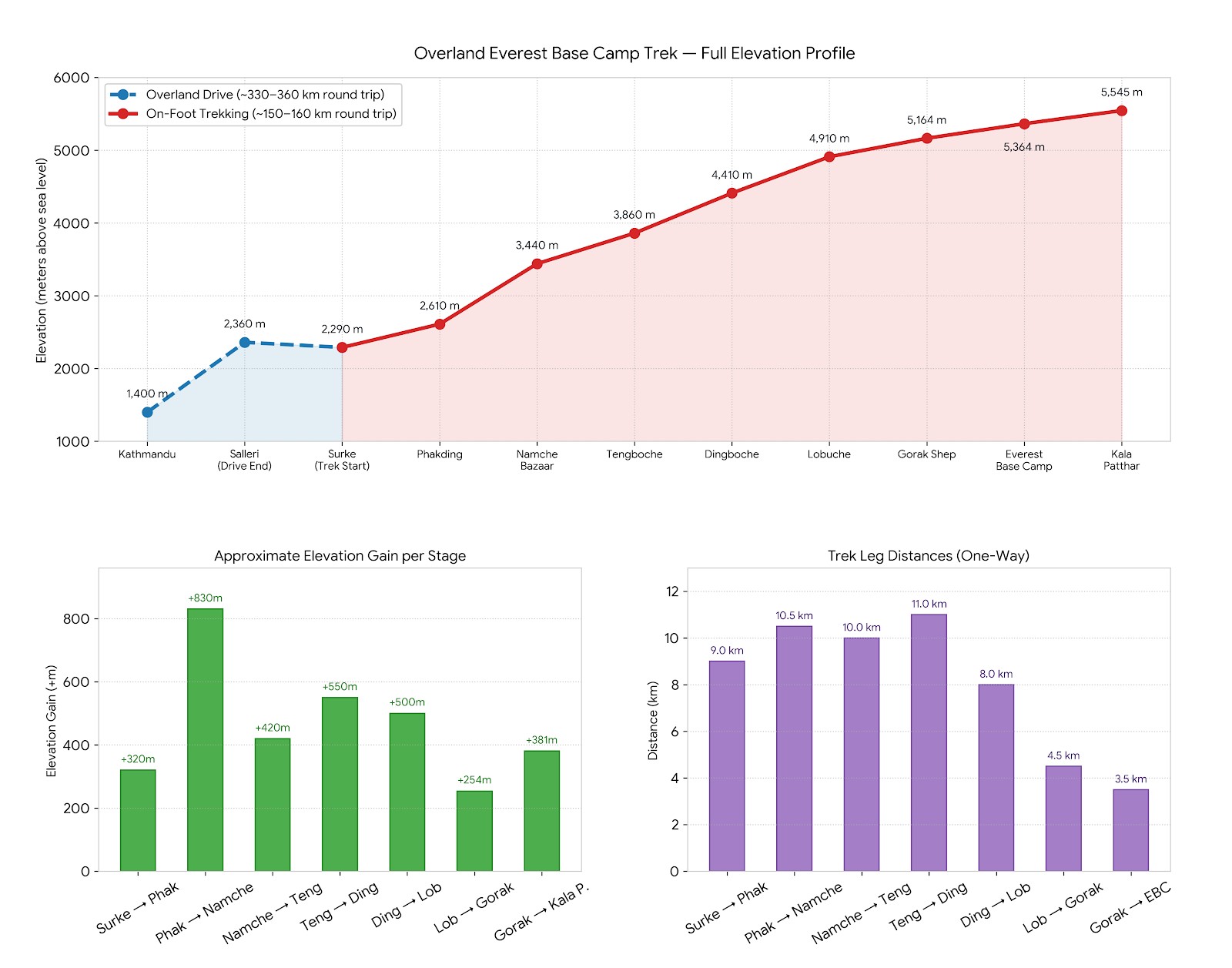
Day 1: Drive Kathmandu to Salleri,
Beautiful countryside views while driving through rolling hills, terraced farmland, and traditional villages dot the landscape. Cross numerous rivers and mountain passes on the way to Salleri, the administrative headquarters of the Solukhumbu district. Overnight in Salleri.
Highlights :
Day 2: Drive Salleri to Surke and Trek to Phakding,
Highlights :
Day 3: Trek Phakding to Namche Bazaar,
Cross several suspension bridges including the famous Hillary Bridge. Enter Sagarmatha National Park in Monjo before finally reaching the bustling mountain trading post of Namche Bazaar.
Highlights :
Namche Bazaar,
Day 4: Acclimatization Day in Namche Bazaar,
Highlights :
Day 5: Namche Bazaar to Tengboche
Mountain Views :
Day 6: Tengboche to Dingboche,
Day 7: Acclimatization Day in Dingboche
Day 8: Dingboche to Lobuche
Day 9: Lobuche to Everest Base Camp and Gorak Shep
Day 10: Kala Patthar and Trek to Pheriche
Walking: 6-7 Hours,
Retrace your steps back to Namche Bazaar via Pangboche and Tengboche
Day 12: Trek Namche Bazaar to Phakding
Day 13: Trek Phakding to Surke
Day 14: Drive Surke to Kathmandu via Salleri
Day 15: Departure
Drive to Tribhuvan International Airport
| Location | Elevation |
|---|---|
| Kathmandu | 1,338 m |
| Salleri | 2360m |
| Surke | 2290m |
| Phakding | 2610m |
| Namche Bazaar | 3440m |
| Tengboche | 3867m |
| Dingboche | 4410m |
| Lobuche | 4910m |
| Gorak Shep | 5164m |
| Everest Base Camp | 5364m |
| Kala Patthar | 5545m |
Why Choose the Land Route?
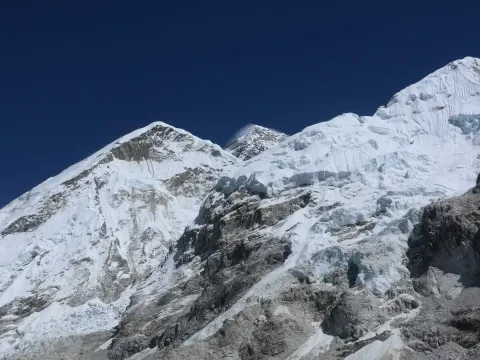
The Everest Base Camp Trek Itinerary by Flight is the most popular and convenient option for getting to the Everest region. This tour involves an awe-inspiring 30-35 minute flight from Kathmandu (or Ramechhap during peak season) to Lukla followed by a classic trek to Everest Base Camp (EBC). This itinerary is most suited for those with limited time who nevertheless want to acclimatize sufficiently before going to EBC and Kala Patthar.
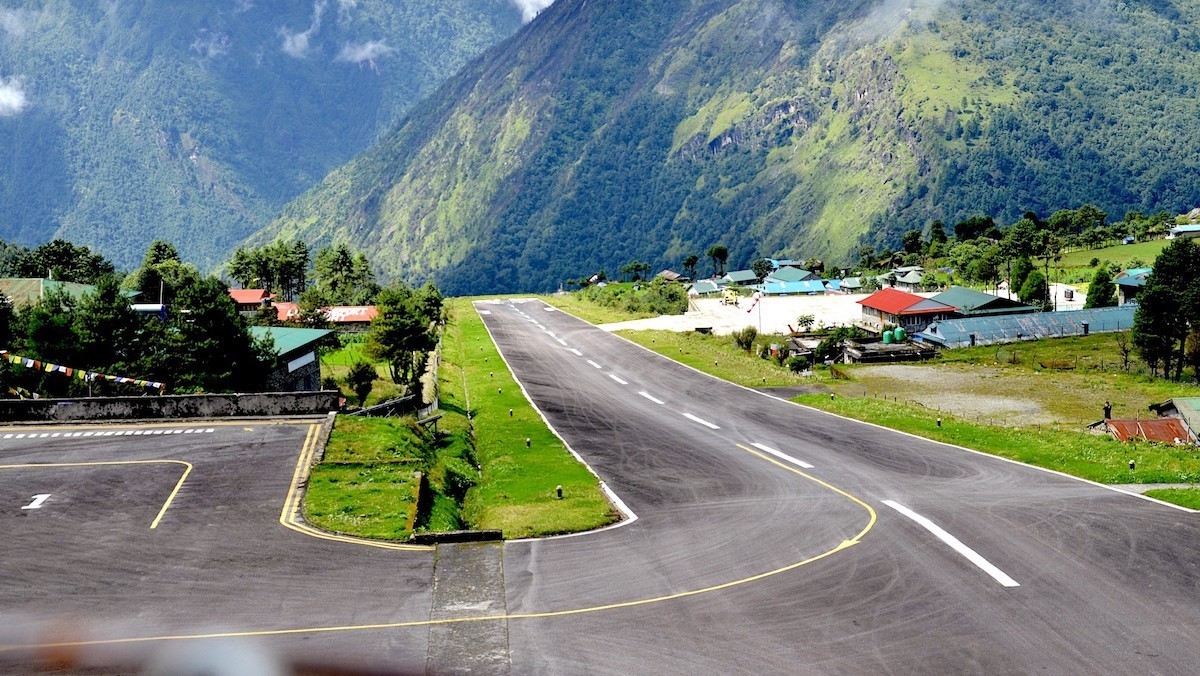
According to Haven Holidays Pvt. Ltd.'s professional trekking experts, the flight itinerary is by far the most popular due to the combination of spectacular mountainous trekking trails and iconic Sherpa villages. However, it is not uncommon for the Lukla flight to be cancelled due to weather conditions, particularly during the shoulder seasons, so it is a good idea to plan one or two extra days in case of delays.
Trek Overview :
Day 1: Fly Kathmandu to Lukla and Trek to Phakding,
The flight to Lukla is one of the most popular adventures in Nepal before trekking on to Phakding through Chheplung and Ghat.
Highlights :
Day 2: Trek Phakding to Namche Bazaar,
Day 3: Acclimatization Day in Namche Bazaar,
Day 4: Trek Namche Bazaar to Tengboche,
Day 5: Trek Tengboche to Dingboche,
Day 6: Acclimatization Day in Dingboche
Day 7: Trek Dingboche to Lobuche,
Day 8: Trek Lobuche to Everest Base Camp and Gorak Shep
Day 9: Hike to Kala Patthar and Trek to Pheriche
Day 10: Trek Pheriche to Namche Bazaar,
Day 11: Trek Namche Bazaar to Lukla,
Day 12: Fly Lukla to Kathmandu,
Important Notes for Flights:
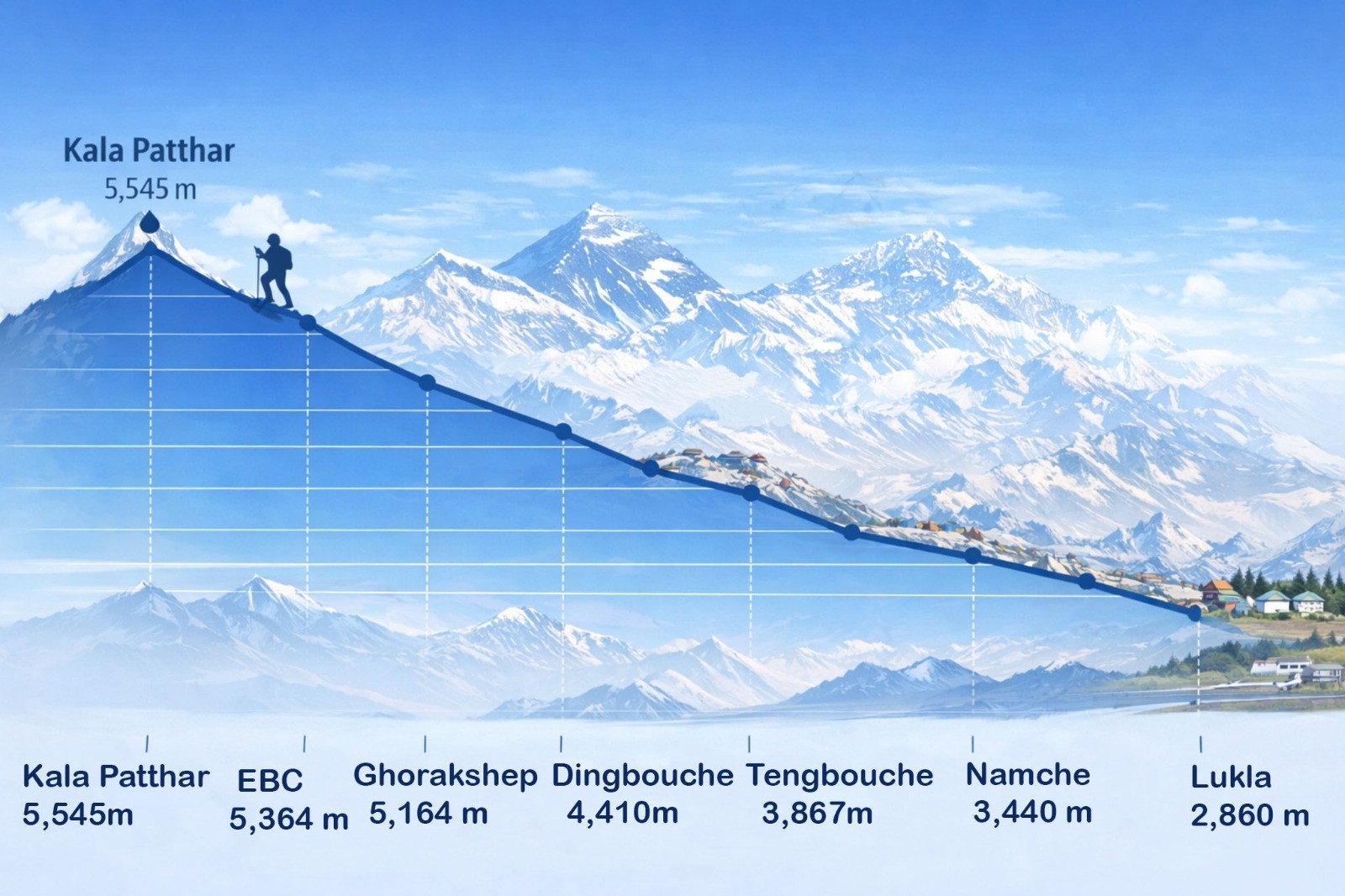
| Location | Elevation |
|---|---|
| Kathmandu | 1,338 m |
| Lukla | 2860m |
| Phakding | 2610m |
| Namche Bazaar | 3440m |
| Tengboche | 3867m |
| Dingboche | 4410m |
| Lobuche | 4910m |
| Gorak Shep | 5164m |
| Everest Base Camp | 5364m |
| Kala Patthar | 5545m |
Advantages of the Flight Itinerary :
| Feature | Land Itinerary | Flight Itinerary |
|---|---|---|
| Total Duration | 15 Days | 12 Days |
| Start | Kathmandu by Jeep | Kathmandu by Flight |
| Cost | Lower | Higher |
| Acclimatization | Better | Moderate |
| Lukla Flight Risk | Nil | Possible |
| Scenic Road | Available | NA |
| Best For | Budget travelers | Time-constrained travelers |
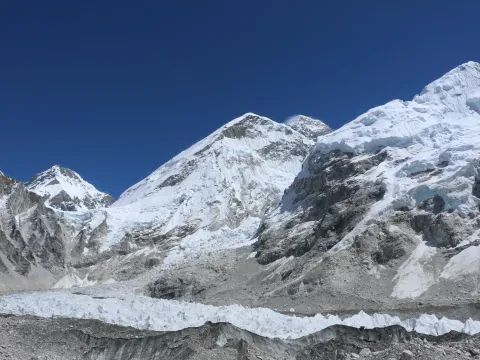
Here, Everest Base Camp Trek by flight is the most popular option for reaching the Everest region. The 30 to 35-minute scenic flight from Kathmandu or Ramechhap to Lukla Airport (2,860 m) is the ultimate gateway to the Everest Base Camp Trek. It is the most common way to shorten several trekking days and finish the adventure in about 12 days. However, the flight option does have its disadvantages, such as weather delays and higher transportation costs.
Based on the years of experience of our professional guides at Haven Holidays Pvt. Ltd., we suggest opting for the flight if you have a short vacation in Nepal. Still, we recommend leaving an extra day or two as mountain weather can be unpredictable.
Quick Overview :
Advantages of Everest Base Camp Trek by Flight,
Flying to Lukla has several advantages.
1. Saves Valuable Time :
2. Follow the Classic Everest Trail
The Lukla flight route is the most popular and offers iconic views of the Everest region. It is the preferred option for millions of hikers and trekkers worldwide. Your adventure will include all the famous and remarkable sights of the Everest region. Some of the most popular destinations on the trail are:
3. Spectacular Mountain Flight
The flight to Lukla is an excellent opportunity to enjoy the spectacular Himalayan views. The 30 to 35-minute ride offers a unique vantage point of snow-capped mountains and beautiful valleys. The most challenging and iconic part of the flight is the landing strip in Lukla. However, most hikers and trekkers consider it an adventure worth experiencing.
4. Less Fatigue Initially
You begin your trek with much-needed energy as you do not have to worry about long jeep rides. Your first few days of hiking will not be as strenuous as they would be if you drove to Surke.
5. Perfect for Short Holidays
Many hikers and trekkers only have two weeks for their adventure in Nepal. The flight option is perfect for short trips as it saves time. It also helps reduce the number of travel days.
6. Excellent Trekking Infrastructure
The Lukla trail has remarkable teahouse accommodations, professional trekking guides, bakeries, medical services, helicopter services, and communication facilities.
7. Easier Emergency Evacuation
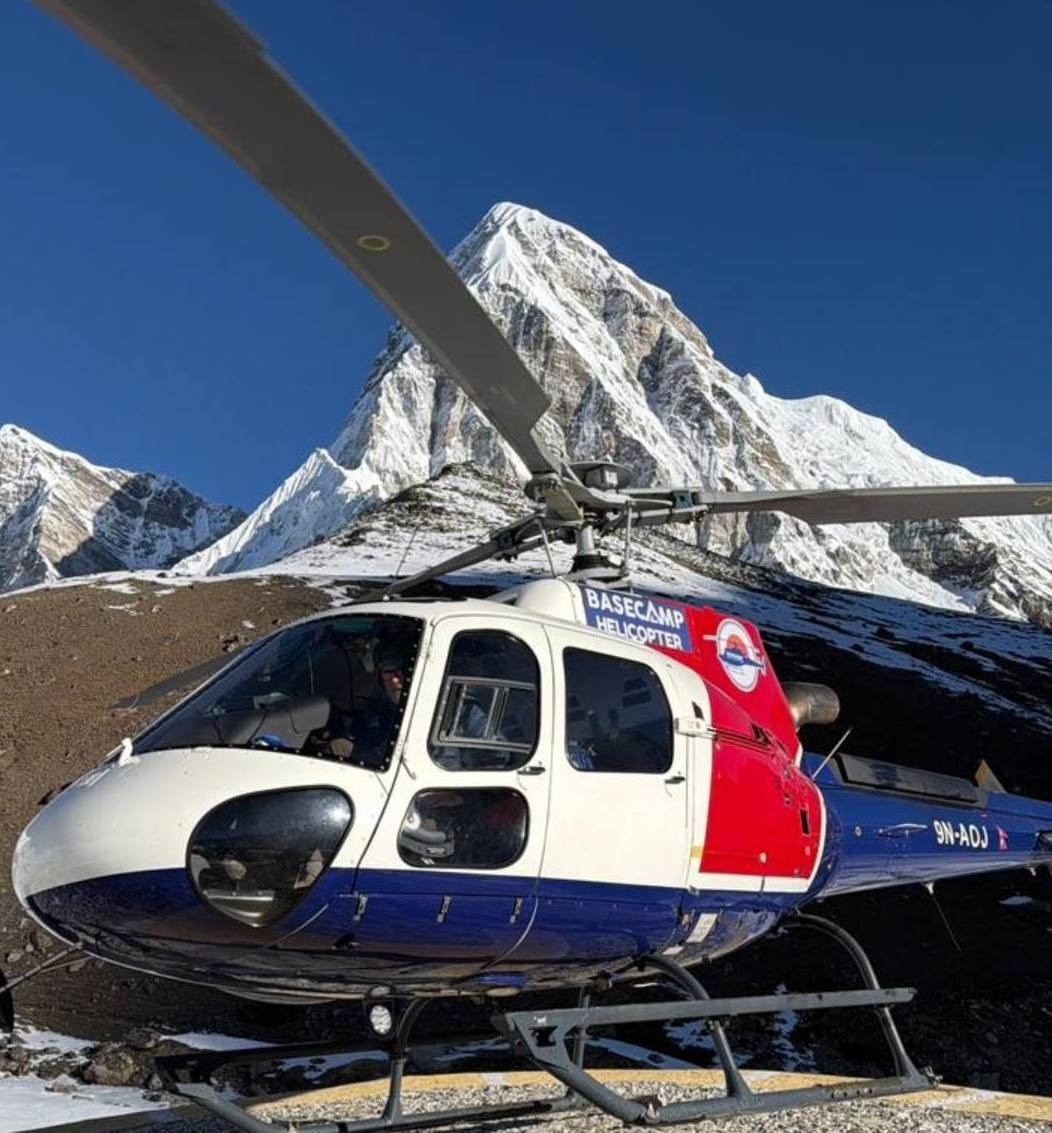
Helicopter services help provide faster emergency evacuations for hikers and trekkers. This advantage is especially vital for those who want to explore the Everest region.
Summary of Advantages :
1. Flight Delays and Cancellations
The most notable disadvantage of the flight option is the possibility of delays and cancellations. The weather in the Himalayas is unpredictable, and mountain weather often changes rapidly. You may have to spend additional days in Kathmandu if your flight is canceled.
2. Higher Transportation Cost
The flight option is often more expensive than the road option. This disadvantage can be especially challenging for budget travelers. Helicopter services are also much more costly.
3. Limited Flight Capacity
There are only a limited number of flights available. It is essential to book well in advance, especially if you are traveling during the peak season.
4. Weather Dependency
Good weather is necessary for all flights. Morning flights are common as afternoon weather is often cloudy. Afternoon departures are rare, and flights can be canceled suddenly.
5. Rapid Altitude Gain
You will gain significant altitude as you travel from Kathmandu (1,400 m) to Lukla (2,860 m) within 35 minutes. The sudden elevation gain may cause altitude sickness for some hikers and trekkers.
6. Flight Anxiety
Lukla Airport is famous worldwide for its short runway. While many hikers and trekkers have no issues with the flight, some may find it challenging. However, you should know that all pilots are professional and have extensive mountain experience.
7. Fewer Cultural Experiences Before Lukla
The drive from Kathmandu to Lukla usually passes through many local villages and offers unique cultural experiences. However, the flight option eliminates the possibility of exploring the Solu region.
| Disadvantages | Impact |
|---|---|
| Weather Delays and Cancellations | Possible itinerary changes |
| Higher Transportation | Cost Extra expense |
| Fewer Available Seats | Essential to book in advance |
| Sudden Altitude Gain | Increased risk of altitude sickness |
| Flight Anxiety | Some travelers may find it unsettling |
| Fewer Cultural Experiences | Limited cultural interactions |
Is Flying to Lukla Worth It?
For most hikers and trekkers, flying to Lukla is the preferred option. It is the fastest way to reach the Everest region and begin your trek. However, our professional mountain guides at Haven Holidays Pvt. Ltd. suggest leaving an extra day or two for unforeseen circumstances. This way, you will not have to worry about your international flight back if the Lukla weather turns out to be poor.
Everest Base Camp Trek by Flight is best for:
Everest Base Camp overland trek benefits
Everest Base Camp Trek by land has become an increasingly popular option among hikers and trekkers who want to experience a more flexible, affordable, and immersive Himalayan adventure. Instead of flying to Lukla, you can drive from Kathmandu (1,400 m) to Salleri (2,360 m) and then to Surke (2,290 m) before beginning your trek to Phakding (2,610 m). The overland route gradually merges with the traditional Everest Base Camp Trek and provides spectacular views, better acclimatization, and fewer transportation-related hassles.
Here, our trekking experts at Haven Holidays Pvt. Ltd. often recommend the road option to hikers and trekkers who want to avoid the unpredictability of the Lukla flight and enjoy a more authentic Himalayan experience.
| Feature | Everest Base Camp Trek by Land |
|---|---|
| Transportation | Jeep + Trek |
| Trek Duration | 15 Days |
| Starting Point | Kathmandu |
| Highest Point | Kala Patthar (5,545 m) |
| Road Destination | Surke (2,290 m) |
| Best For | Budget and adventure travelers |
Advantages of Everest Base Camp Trek by Land :
1. No Lukla Flight Delays
The most significant advantage of the road option is the elimination of Lukla flight delays. Road transportation is often more reliable, and you can avoid the stress of waiting at the airport.
2. Better Natural Acclimatization
The drive from Kathmandu to Lukla allows for better natural acclimatization. Your body will have more time to adjust to the higher altitude as you gradually move from one elevation to another:
3. Lower Transportation Cost
Jeep transportation is generally more affordable than flights. You can also share a jeep with other hikers and trekkers to reduce costs even further.
4. Scenic Road Views
The road to Lukla offers spectacular views of:
Many of these cultural and natural highlights are often inaccessible to those who fly to Lukla.
5. More Cultural Experiences
The Solu region is famous for its unique cultural heritage. The road option allows you to experience it first-hand.
6. More Flexibility
The road option offers more flexibility as you can easily adjust your itinerary according to your preferences and the availability of jeeps.
7. Extra Adventure
Many hikers and trekkers enjoy the extra adventure that comes with the road option. You will also get to experience different landscapes as the terrain gradually changes throughout the drive.
| Advantages | Benefits |
|---|---|
| No Lukla Flight Delays | Reliable transportation |
| Better Natural Acclimatization | Avoids rapid altitude gain |
| Lower Transportation Cost | Budget-friendly |
| Scenic Road Views | Expansive vistas |
| More Cultural Experiences | Explore Solu region |
| More Flexibility | Easier itinerary adjustments |
| Extra Adventure | More complete trekking experience |
Disadvantages of Everest Base Camp Trek by Land :
1. Longer Itinerary
The road option takes about 3 additional days compared to the flight option. You will also need extra days for return travel.
2. Long Jeep Ride
The road to Lukla can be exhausting, especially for those who are not used to long drives. Some road sections are also unpaved and can cause motion sickness.
3. More Initial Fatigue
Long drives can be tiring for some hikers and trekkers. They may also prefer to start their trek with more energy.
4. Unpredictable Road Conditions
The road to Lukla can be affected by severe weather, such as heavy monsoon rains. Landslides can also make the road inaccessible at times. Road conditions are generally better during dry seasons.
5. Less Time for Extra Trips
The road option takes more time, which means you have fewer days for optional adventures.
6. Additional Logistics,
The road option often involves more logistics, such as:
| Disadvantages | Impact |
|---|---|
| Longer Itinerary | Extra travel days |
| Unpredictable Road | Conditions Can cause delays |
| Long Jeep Ride | Can be exhausting |
| More Initial Fatigue | Some hikers may find it challenging |
| Less Time for Extra Trips | Reduced flexibility |
| Additional Logistics | Higher planning and management demands |
Is Driving to Everest Base Camp Better?
The choice between the flight and road options ultimately depends on your preferences, budget, and time constraints. The road option is often a better choice if you:
However, the flight option is more convenient if you have a shorter itinerary and want to save time. It also offers spectacular mountain views that many hikers and trekkers enjoy.
Based on the professional insights of our mountain guides at Haven Holidays Pvt. Ltd., both itineraries lead to the same destination - the Everest Base Camp (5,364 m) under the towering Mount Everest (8,849 m). The decision between the road and flight options depends on your preferences, time, and budget.
The differences between Everest Base Camp Trek by land and by flight can help trekkers to decide which itinerary is best for them according to their budget, available time, comfort, and adventure. Both routes reach the classic trail from Phakding (2,610 m) and lead to Everest Base Camp (5,364 m) and Kala Patthar (5,545 m), but the way to the starting point differs significantly.
According to the professional trekking agency Haven Holidays Pvt. Ltd., it is impossible to say which option is better, as it depends on the preferences and budget of the traveler. The flight to Lukla is often chosen by those who have a limited amount of time for the holiday, while the road trip to Surke is popular among hikers who want to experience a local adventure and have a moderate budget.
Quick Comparison Table :
| Feature | Everest Base Camp by Land | Everest Base Camp by Flight |
|---|---|---|
| Starting point | Kathmandu → Salleri → Surke | Kathmandu → Lukla |
| First Trekking Point | Surke (2,290 m) | Lukla (2,860 m) |
| Means of transportation | Jeep + Trek | Flight + Trek |
| Duration of the Trek | 15–17 Days | 12–14 Days |
| Maximum Height | Kala Patthar (5,545 m) | Kala Patthar (5,545 m) |
| Distance of Trekking | Longer | Shorter |
| Cost | Lower | Higher |
| Acclimatization | Moderate | Rapid |
| Weather Risks | Minimal | High |
| Long-Distance Travel | Roads | Flights |
| Scenery | Road + Trek | Mountain Flight + Trek |
Detailed Differences Between the Two Itineraries,
1. Starting Point
The overland trek starts with a road adventure. The main difference between the two itineraries is that the one starting from Lukla has a flight, while the other has a long drive.
| Land Route | Flight Route |
|---|---|
| Kathmandu (1,400 m) | Kathmandu (1,400 m) |
| Salleri (2,360 m) | Lukla (2,860 m) |
| Surke (2,290 m) | Phakding (2,610 m) |
| Phakding (2,610 m) | Everest Base Camp (5,364 m) |
| Everest Base Camp (5,364 m) | Kala Patthar (5,545 m) |
2. Duration of the Trek
| Duration | Land Route | Flight Route |
|---|---|---|
| Average Duration | 15–17 Days | 12–14 Days |
3. Cost :
| Feature | Everest Base Camp by Land | Everest Base Camp by Flight |
|---|---|---|
| Transportation | Lower | Higher |
| Overall Budget | More Affordable | More Expensive |
The overland trek is cheaper because it does not include domestic flights from Kathmandu to Lukla.
4. Acclimatization,
| Feature | Land Route | Flight Route |
|---|---|---|
| Increase in Elevation | Moderate | Rapid |
| Risk of Altitude Sickness | Lower | Higher |
5. Scenery,
| Land Route | Flight Route |
|---|---|
| Solu Villages | Mountain Flight |
| Rice Terraces | Lukla Airport |
| Real views | Ariel Views |
6. Transportation Risks
| Land Route | Flight Route |
|---|---|
| Long-Distance Travel | Weather Delays |
| Road Delays Landslides (Monsoon) | Weather Dependent |
| More Predictable in Autumn | Buffer Days Recommended |
7. Comfort,
| Land Route | Flight Route |
|---|---|
| No Airport Waiting | Less Stressful |
| Flexible Departure Time | Shorter Travel Time |
| Long-Distance Jeep Ride | Airport Waiting |
| Dusty Roads | Possible Delays |
8. Cultural Experience,
The road trip to Surke is much more diverse in terms of culture :
9. Adventure,
Both itineraries have unique adventures, but the overland trek is much more exciting.
Many experienced trekkers consider the overland route to Everest Base Camp a more complete Himalayan adventure.
Who Should Choose the Everest Base Camp Trek by Land or by Flight?
Choose the Land Route If:
Expert Advice from Haven Holidays Pvt. Ltd.
The professional team at Haven Holidays Pvt. Ltd. with years of experience in organizing and leading Everest expeditions believes that the overland trek is a more affordable and comfortable way to acclimatize gradually and enjoy a local cultural adventure on the way to Everest Base Camp. The flight itinerary is perfect for those who want to have a traditional Everest experience without spending much time on the journey.
Both routes lead to the same point near Mount Everest (8,849 m) through the most popular places such as Namche Bazaar (3,440 m), Tengboche (3,867 m), Dingboche (4,410 m), Gorak Shep (5,164 m), Everest Base Camp (5,364 m), and Kala Patthar (5,545 m).
The Everest Base Camp Trek by land is generally more affordable than the classic itinerary with a flight from Lukla because it replaces the expensive domestic flight with a road adventure. Depending on the preferred means of transportation, level of comfort, group size, and other factors, the price for the Everest Base Camp Trek by land can vary from US$900 and US$1,900 for a complete overland journey.
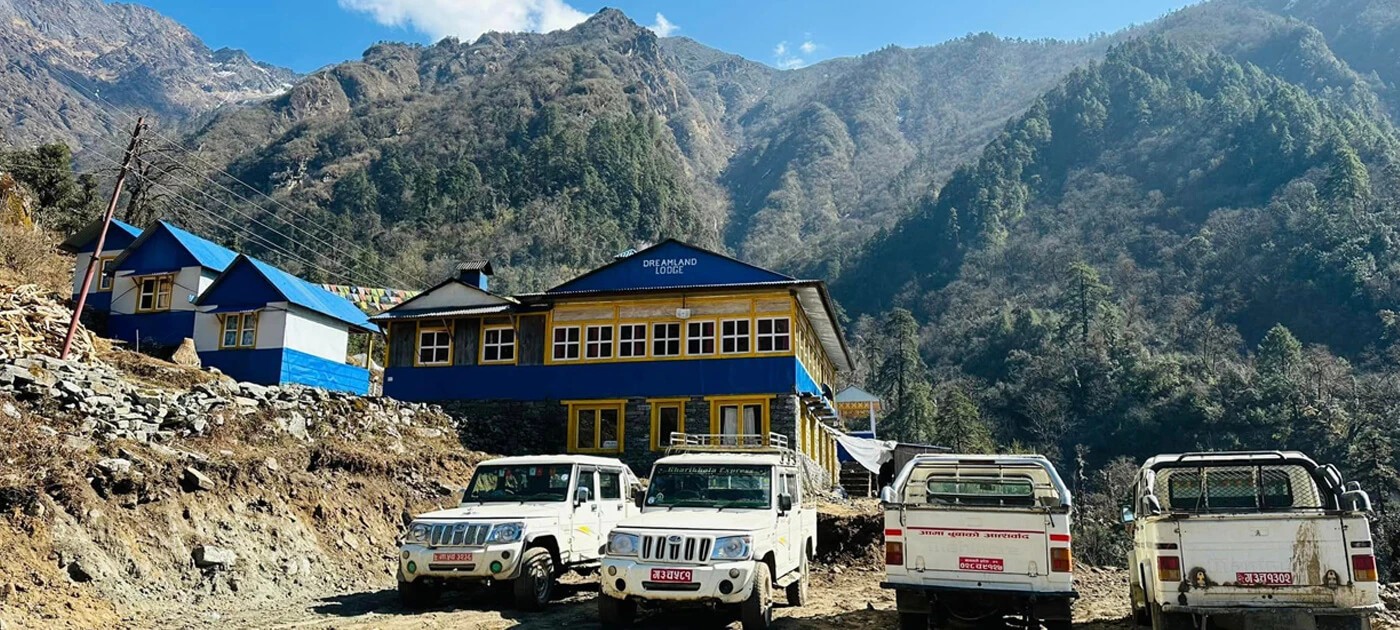
In fact, the professional team at Haven Holidays Pvt. Ltd. advises its clients to calculate the cost of the Everest Base Camp Trek by land considering the following expenses:
Transportation from Kathmandu to Surke and back :
Estimated Total Cost of the Trek,
| Travel Style | Estimated Cost |
|---|---|
| Budget Trek | $900–1,150 |
| Standard Trek | $1,150–1,500 |
| Premium Trek | $1,500–1,900+ |
Transportation Cost,
The biggest difference in the overall price of the Everest Base Camp Trek by land and by flight is the cost of transportation.
Transportation Cost :
A private jeep ride is a great option for a group of friends because it is much cheaper per person than a shared one.
Permit Cost :
There are two permits that every trekker has to obtain before starting the journey to Everest Base Camp.
Permit Cost :
Accommodation Cost :
Accommodation Cost :
Food Cost ;
Food in the mountain village is much more expensive than in Kathmandu because it has to be transported to a high altitude.
Meal Average Cost :
Guide Cost :
Guide Service Cost :
The guide service usually includes route finding, accommodation arrangement, safety and health supervision, altitude assessment, and cultural guidance.
Porter Cost :
A trekking porter can carry a 20–25 kg backpack and is a great help to a trekker who wants to minimize the load.
Porter Service Cost :
Travel Insurance :
It is vital to have travel insurance that covers helicopter evacuation, altitude sickness, medical costs, and trip interruption.
Travel Insurance Cost :
Personal Expenses,
| Personal Expenses | Estimated Cost |
|---|---|
| Hot Shower | $3–6 |
| Battery Charging | $2–5 |
| Wi-Fi | $3–6 |
| Drinking Water | $1–4 |
| Snacks | $2–8 |
| Bakery | $3–8 |
Daily Budget for Personal Expenses,
| Budget | Daily Cost |
|---|---|
| Budget | $40–50 |
| Comfortable | $50–70 |
| Premium | $70–100+ |
Estimated Cost Breakdown,
| Category | Estimated Cost |
|---|---|
| Transportation | $65–300 |
| Permits | $50 |
| Accommodation | $150–220 |
| Food | $300–450 |
| Guide | $360–600 |
| Porter | $300–450 |
| Insurance | $100–200 |
| Personal Expenses | $100–250 |
| Estimated Total | $900–1,900+ |
What Is Usually Included in Trek Packages?
Most professional trekking agencies offer a wide range of services for an additional fee. The standard packages from Haven Holidays Pvt. Ltd. usually include:
Airport transfer :
What Is Usually Excluded from Trek Packages?
Most local trekking agencies do not include the following expenses in the final price:
How to Save Money on the Everest Base Camp Trek by Land?
The professional team at Haven Holidays Pvt. Ltd. recommends several money-saving tips for those who want to have an unforgettable trekking experience without spending a lot of money on unnecessary expenses:
According to the professional guides at Haven Holidays Pvt. Ltd., the overland trek to Everest Base Camp is an affordable and exciting adventure that allows a trekker to enjoy a local cultural experience and save money on domestic flights while still reaching the iconic Everest Base Camp (5,364 m) and Kala Patthar (5,545 m).
The price range for an Everest Base Camp trek by flight depends on the travel season, Lukla flight cost, guiding services, accommodation, and personal expenses. Unlike an overland Everest Base Camp trek, which is a bit cheaper, but consumes extra days, the flight itinerary spares extra travel days. Thus, this Everest Base Camp trekking package by flight is suitable for adventure enthusiasts with a short vacation.
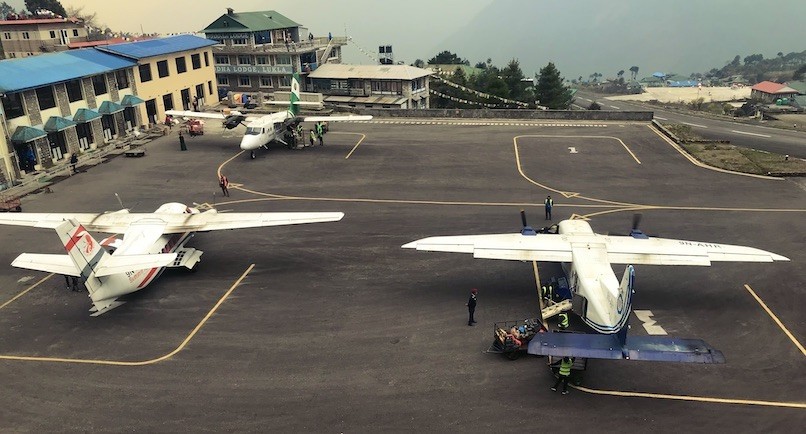
According to our experienced team of Haven Holidays Pvt. Ltd., most of our clients spend an average of US$1,250 and US$3,300 for a complete 12-day Everest Base Camp Trek with flights included. This mountain hiking tour is relatively expensive than a standard trek due to additional airfare from Kathmandu to Lukla and vice versa. Furthermore, the price of this popular hiking expedition varies depending on the time of the year as it is considered a high season for most of this year in Nepal. For instance, the price range for an Everest Base Camp trek during the peak season (March–May and September–November) is relatively expensive than other months of the year due to flight demand and availability.
| Travel Style | Estimated Cost (USD) |
|---|---|
| Budget Trek | $1,250–1,500 |
| Standard Trek | $1,500–1,900 |
| Premium Trek | $1,900–2,300+ |
Lukla Flight Cost :
Flights account for the largest portion of transportation expenses.
Most of the trekking tours offer a variety of flight options including:
Prices for both flight options change depending on the time of the year.
| Flight Category | Estimated Cost (USD) |
|---|---|
| Kathmandu/Ramechhap → Lukla | $215–250 |
| Lukla → Kathmandu/Ramechhap | $215–250 |
| Round Trip | $430–500 |
| Flight Category | Estimated Cost (USD) |
|---|---|
| Kathmandu/Ramechhap → Lukla | $215–250 |
| Lukla → Kathmandu/Ramechhap | $215–250 |
| Round Trip | $430–500 |
Factors Affecting Flight Price,
The following factors usually affect the pricing of domestic flights:
Permit Cost,
| Permit Category | Estimated Cost |
|---|---|
| Sagarmatha National Park Entry Permit | Approximately $30 |
| Khumbu Pasang Lhamu Rural Municipality Permit | Approximately $20 |
| Total | Approximately $50 |
Note: Most of the time TIMS (Trekkers’ Information Management System) is not mandatory for the Everest region.
Accommodation Cost :
Most of the teahouse accommodations provide standard twin-sharing rooms.
| Accommodation | Cost Per Night |
|---|---|
| ------------------------- | ------------- |
| Standard Twin Room | $5–15 |
| Higher Elevation Lodges | $10–20 |
Note: Prices gradually increase after Namche Bazaar (3,440 m).
Food Cost :
Since food has to be hauled up on a yak, horse, or even a helicopter, food prices increase with every altitude gained.
| Meal | Average Cost |
|---|---|
| Breakfast | $5–9 |
| Lunch | $6–10 |
| Dinner | $7–12 |
| Daily Food Budget | $25–40 |
Local food delicacies that you can enjoy on your Everest Base Camp Trekking tour include:
| Service | Cost Per Day |
|---|---|
| Licensed Trekking Guide | $30–40 |
A trekking guide provides a wide range of services such as:
Porter Cost :
| Service | Cost Per Day |
|---|---|
| Porter | $25–30 |
A porter can carry the backpack of two people.
Travel Insurance :
Personal Expenses,
| Personal Expense | Estimated Cost |
|---|---|
| Hot Shower | $3–6 |
| Battery Charging | $2–5 |
| Wi-Fi | $3–6 |
| Drinking Water | $1–4 |
| Snacks | $2–8 |
| Bakery Items | $3–8 |
| Budget Level | Daily Cost |
|---|---|
| Budget | $45–55 |
| Comfortable | $55–75 |
| Premium | $75–110+ |
| Category | Estimated Cost (USD) |
|---|---|
| Lukla Flights | $430–500 |
| Permits | $50 |
| Accommodation | $120–200 |
| Food | $300–450 |
| Guide | $360–480 |
| Porter | $300–420 |
| Travel Insurance | $100–200 |
| Personal Expenses | $120–250 |
| Estimated Total | $1,250–2,300+ |
What Is Included In Mostly Everest Base Camp Trek Packages?
Here is a list of services that are mostly included in an Everest Base Camp Trek Package:
What Is Not Included In Most of the Everest Base Camp Trek Packages?
Here is a list of some of the most common exclusions in an Everest Base Camp Trek Package:
| Feature | Flight Route | Land Route |
|---|---|---|
| Transportation Cost | Higher | Lower |
| Total Trek Cost | $1,250–2,300+ | $900–1,900+ |
| Duration | 12 Days | 15–17 Days |
| Time Saved | 3–4 Days | --- |
| Weather Risk | High | Low |
Professional Advice From Our Trek Experts
Based on our vast experience of operating trekking and climbing expeditions in the Everest region, the professional guide staff at Haven Holidays Pvt. Ltd. recommends an Everest Base Camp trek by flight for a short but fulfilling adventure travel experience. However, it is always advisable to keep an extra day or two in case of a flight delay in Lukla.
Packing is one of the most crucial tasks before departing on your Everest Base Camp Trek. This mountain hiking trail starts from Lukla (2,860 m) and takes you through the challenging slopes up to Everest Base Camp (5,364 m) and Kala Patthar (5,545 m), where temperatures can drop below -15°C (5°F). Therefore, it is advisable to pack wisely and use a layering system for warm weather in the Everest region, which experiences drastic weather changes.
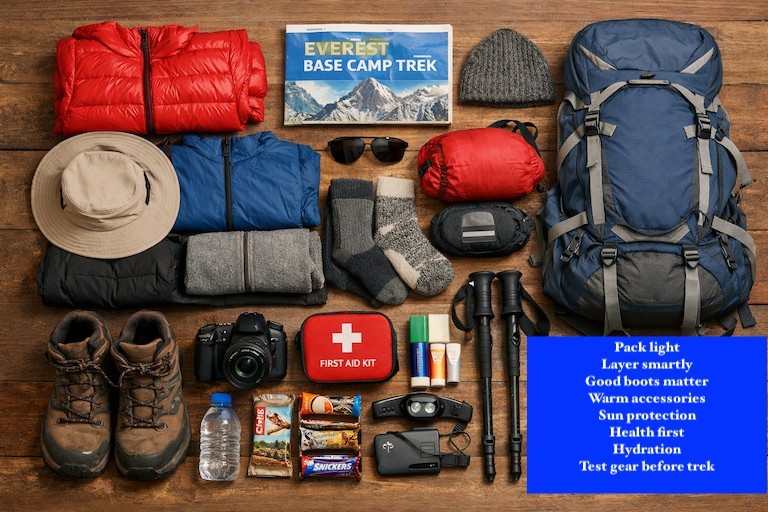
Our professional guides at Haven Holidays Pvt. Ltd. suggest having lightweight yet high-quality gear and clothing. A bag of around 10-15 kg (22–33 lbs) is manageable if you hire a porter, whereas a daypack that can hold 5-7 kg (11–15 lbs) is perfect for daily adventures.
Quick Packing Checklist,
| Category | Essential |
|---|---|
| Clothing | ✓ |
| Footwear | ✓ |
| Trekking Gear | ✓ |
| Electronics | ✓ |
| Documents | ✓ |
| First Aid | ✓ |
| Toiletries | ✓ |
| Snacks | ✓ |
1. Clothing
It is advisable to use a layering system while packing clothing as the temperature fluctuates drastically and unpredictably on this Himalayan trail. There are four main layers of clothing that you should include in your Everest Base Camp Trek packing list.
Base Layer,
The base layer should be light, warm, and moisture-wicking to protect your skin from sweat and harsh cold in the Everest region.
Things to Pack Include:
b) Mid Layer :
Things to Pack Include:
(c) Outer Layer,
Things to Pack Include:
d) Accessories,
Things to Pack Include:
| Item | Quantity |
|---|---|
| Thermal Tops | 2 |
| Thermal Bottoms | 2 |
| Trekking Shirts | 3 |
| Trekking Pants | 2 |
| Fleece Jacket | 1 |
| Down Jacket | 1 |
| Waterproof Jacket | 1 |
| Waterproof Pants | 1 |
2. Footwear,
High-quality and comfortable mountain trekking boots are mandatory for a safe and injury-free walking experience on rocky trails. You should also consider:
Things to Pack Include:
3. Trekking Gear
4. Electronics
| Item | Recommended |
|---|---|
| Power Bank | 20,000 mAh |
| Headlamp | LED |
| Camera Batteries | 2–3 |
| Charging Adapter | Universal |
5. Documents
6. First Aid
7. Toiletries
8. Snacks
Things to Pack Include:
| Season | Extra Packing Items |
|---|---|
| Spring | Light gloves and sunglasses |
| Summer/Monsoon | Rain cover, gaiters, and quick-drying clothing |
| Autumn | Warm clothing and windproof jacket |
| Winter | Heavy-duty down jacket, thick gloves and thermals |
Other Optional Items,
Things to Pack Include:
Packing Tip From Our Trek Experts,
According to our pro guides at Haven Holidays Pvt. Ltd., here are some crucial packing tips that all Everest Base Camp Trek adventurers should consider:
Pack only essential items.
Store your belongings in a waterproof dry bag, inside your duffel bag :
A smart and well-organized packing list for an Everest Base Camp Trek ensures an extraordinary mountain experience while preventing the risk of carrying unnecessary or hazardous items. This way, you can enjoy the magnificent Himalayan views, remote rural villages, and a breathtaking sight of Mount Everest from the Everest Base Camp (5,364 m).
There is no definitive answer to the question of which EBC itinerary is worth it – land or flight - depends on the preferences, time, budget, and risk appetite of the traveler. Both itineraries offer the same epic Himalayan adventure to Everest Base Camp (5,364 m) under the shadow of Mount Everest (8,848.86 m). And both include unique opportunities to explore the local treasures like Namche Bazaar (3,440 m), Tengboche (3,867 m), Dingboche (4,410 m), Lobuche (4,910 m), Gorak Shep (5,164 m), and Kala Patthar (5,545 m).
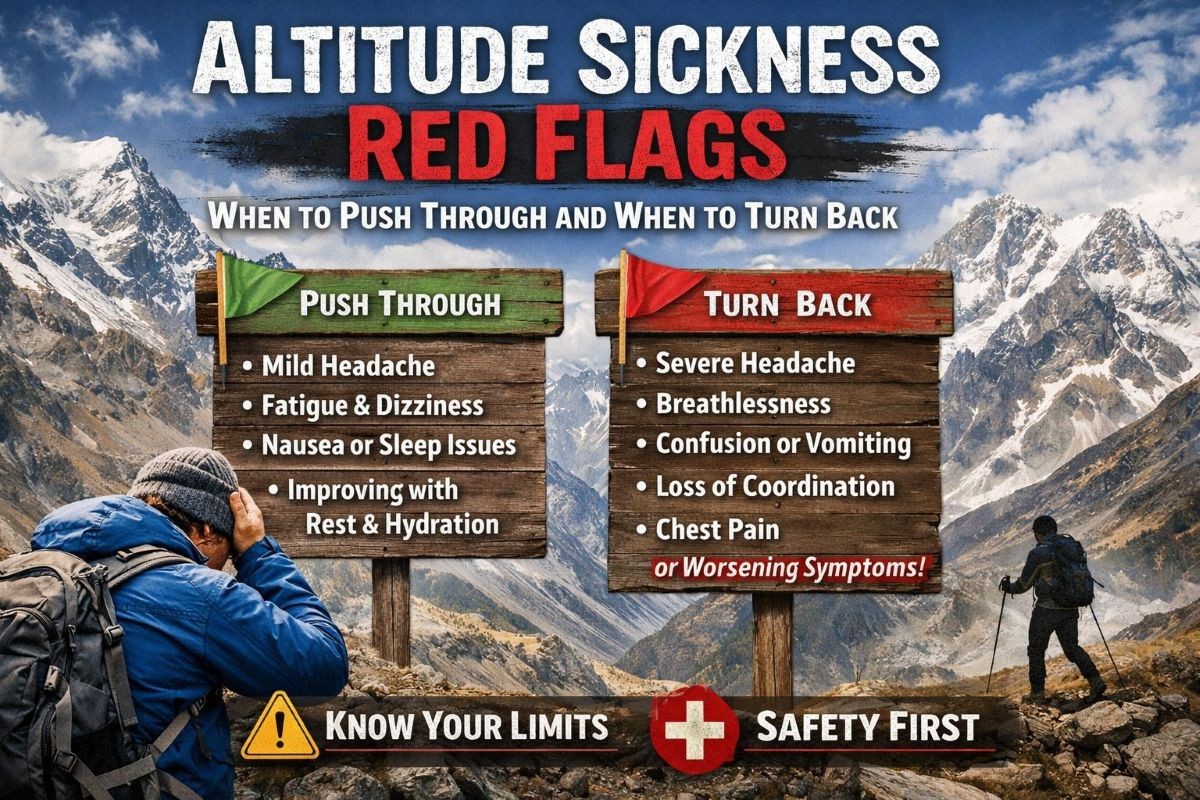
Meanwhile, the only difference between the itineraries is a means of getting to the Himalayas. After decades of organizing hundreds of Everest treks, the professional mountain experts and guides at Haven Holidays Pvt. Ltd. understand that there is no best option but the most appropriate one for each trekker.
Whether you opt for the overland Himalayan adventure or the classical Lukla flight, both trips provide an opportunity to enjoy the beauty of the Himalayas, get close to the Everest region locals, and conquer Everest Base Camp.
| Feature | Land Route | Flight Route |
|---|---|---|
| Duration | 15-17 days | 12-14 days |
| Start | Kathmandu – Salleri – Surke | Kathmandu – Lukla |
| Means of Transport | Jeep+Trek | Flight+Trek |
| Highest Altitude | Kala Patthar (5,545 m) | Kala Patthar (5,545 m) |
| Budget | Low | High |
| Acclimatization | Easy | Rapid |
| Adventure Level | High | Medium |
| Weather Risk | Low | High |
| Scenic Beauty | Excellent | Excellent |
| Best For | Budget & Adventure | Shorter Trips |
Choose Land Itinerary If,
The EBC trek by land is an extraordinary adventure that lets you witness breathtaking views of the Himalayas and enjoy the comfort of road travel. This itinerary is suitable for the following types of travelers:
In conclusion, the overland trek from Salleri (2,360 m) to Surke (2,290 m) is followed by a scenic drive and trek to Phakding (2,610 m), a gateway to the Everest trail. In contrast to the flight itinerary, the land route offers a close look at traditional Nepali Rai and Sherpa villages rarely seen by trekkers who prefer the Lukla airport.
Why Many Travelers Prefer the Land Itinerary ?
Everest Base Camp trek by flight is the most popular option for international trekkers seeking to explore the Everest region. It is preferred by many travelers who want to experience the iconic mountain adventure within a short period.
This EBC trek is appropriate for the following types of travelers:
Flying to Lukla (2,860 m) is a great way to reduce the total trip duration to 12 days and enjoy the full view of the Himalayas while descending to the Everest region.
Why Travelers Prefer the Flight Itinerary ?
Which Itinerary Offers Better Value?
| Land Itinerary | Flight Itinerary |
|---|---|
| Lower cost | More adventure |
| Better acclimatization | Extra cultural experiences |
| Saving time | Short holiday |
| Iconic mountain flight | Traditional EBC experience |
Recommended Traveler Categories
Budget Travelers
Recommended Itinerary: Land Itinerary
The trip via Salleri and Surke is much cheaper and equally rewarding as the Lukla flight itinerary. The overland route gives you a chance to save some money while enjoying the full mountain-viewing experience.
First-Time Everest Trekker
If you have enough time, the land route offers better acclimatization for first-time Everest trekkers. However, if you have a short holiday, consider the flight itinerary as a good alternative.
Adventure Seekers
Driving across the middle hills of Nepal and exploring the hidden beauty of the rural villages enriches your Everest trek adventure. It also offers extra miles of thrill for those who love Himalayan road travel.
Luxury Travelers
Most luxury Everest Base Camp trek packages offer domestic flights, upscale lodging options, and helicopter transfers on selected itineraries.
Family & Small Group
The private vehicle option makes the overland trek a family-friendly and affordable adventure.
Time-Poor Professionals
The flight itinerary is a perfect option for busy professionals with limited annual leave. It offers a shorter journey that still delivers a traditional EBC trek experience.
Professional Recommendations from Haven Holidays Pvt Ltd.
The experienced mountain guides and trekking experts at Haven Holidays Pvt. Ltd. have been facilitating Everest treks for many years. Their professional recommendations based on years of first-hand experience are given below.
Both itineraries are rewarding and offer excellent trekking opportunities under the shadow of Everest peaks such as Mount Everest (8,849 m), Lhotse (8,516 m), Nuptse (7,861 m), Ama Dablam (6,812 m), Pumori (7,161 m), and Thamserku (6,608 m).
You cannot go wrong with both itineraries as they all deliver spectacular views of the Himalayas, professional tea house services, and an unforgettable EBC trek.
Regardless of the chosen itinerary, the ultimate EBC trek reward is an unparalleled experience of seeing the sunrise over the Everest massif from Kala Patthar (5,545 m).
Final Saying,
If you are wondering which EBC trek itinerary is worth your time and money, consider the following insights.
Opt for the overland route if you have extra time, want to save money, enjoy road travel, and prefer a slower acclimatization process. Choose the flight itinerary to cut costs in case of a short holiday and desire the fast track to the iconic Everest Base Camp Trek. Whichever option you choose, consider hiring professional mountain guides and porters to make your journey smooth and memorable.
In conclusion, Haven Holidays Pvt. Ltd.’s expert mountain guides and porters team is available to help you select the most appropriate itinerary. Whether you want the traditional 12-day EBC trek via Lukla or a more extended 15-17-day overland adventure through Salleri and Surke, our agency offers trusted travel assistance for all categories of Himalayan trekkers.
Contact us and book Everest Base Camp Trek with us. Our team will take care of rest of the things safely.
1. Which EBC Itinerary Is Better: Land or Flight?
Both are great EBC trek options, but the land itinerary is better for budget travelers, gradual acclimatization, and cultural experiences. The flight itinerary is more appropriate for short-holiday vacationers.
2. How Many Days Does the Everest Base Camp Trek Take?
The EBC trek via Lukla flight normally takes 12-14 days, while the overland trek itinerary requires 15-17 days.
3. Is the Land Route Cheaper Than the Flight Route?
Yes, the land route is cheaper than the flight itinerary. The overland trek replaces the expensive domestic flights with jeep rides, thus reducing the overall trip costs.
4. Are Lukla Flights Reliable?
Lukla airport is known for its unpredictable weather, which often causes flight cancellations and delays. It is better to add 1-2 extra days to your itinerary to allow for possible delays.
5. Is Altitude Sickness Prevention Different for These Two Itineraries?
There is no difference in altitude sickness prevention between the two itineraries.
6. What Is the Best Time of the Year for These EBC Treks?
The best time to do the EBC trek via Lukla or the overland route is during spring (March-May) and autumn (September-November).
7. Can Beginners Do This Trek, and What Should They Consider?
Yes, beginners can do the EBC trek by choosing either itinerary. However, they should seek professional trekking assistance, get proper acclimatization, and invest in quality trekking equipment to ensure safety.
8. Should I Hire a Guide for This Trek?
A professional guide can be helpful in many ways, and you should seriously consider hiring one. A licensed Everest guide will help you navigate the trails, prevent altitude sickness, manage logistics, and maximize trekking benefits for a successful EBC adventure.
1. What is the best-ever itinerary for the Everest Base Camp Trek?
The best-ever itinerary for the Everest Base Camp Trek is commonly 14 days, which allows trekkers to gradually acclimatize and safely navigate the region’s high altitudes. The most common route comprises Lukla, Namche Bazaar, Tengboche, Dingboche, Lobuche, Gorakshep, Everest Base Camp, and Kala Patthar. It is one of the best and reliable itineraries for a hassle-free Himalayan adventure.
2. Why is the 14-day Everest Base Camp Trek itinerary the most recommended?
The 14-day Everest Base Camp Trek itinerary is the most recommended since it provides the best acclimatization and minimizes altitude sickness. It also facilitates a short exploration of the local culture and scenery, which makes the adventure more enjoyable. Besides the sightseeing component, a 14-day trip is safer and more comfortable than other options.
3. How many days do I need for the best Everest Base Camp Trek itinerary?
In general,12 to 14 days is enough for the best Everest Base Camp Trek itinerary. However, 14 days is the most common option since it allows for two acclimatization days while still having enough time to enjoy the Everest region’s beauty.
4. What is the safest Everest Base Camp Trek itinerary?
The safest Everest Base Camp Trek itinerary is the one with adequate acclimatization days in Namche Bazaar and Dingboche. Since these two days are essential in the body’s adaptation to high altitudes, skipping them would increase the risk of altitude-related illness substantially. Altogether, a slow-paced ascent is also vital in reducing AMS chances.
5. Which Everest Base Camp Trek itinerary is best for a beginner?
A beginner should choose the most common 14-day Everest Base Camp Trek itinerary since it allows for a good balance between an adventurous yet comfortable pace. This option is more appropriate for less experienced trekkers due to two acclimatization days and reliable guided support throughout the tour. Hence, this tour’s overall quality is also perfect for first-timers.
6. Is the 12-day Everest Base Camp Trek itinerary worth it?
The 12-day Everest Base Camp Trek itinerary is suitable for more experienced trekkers who want to minimize their time in the region. Compared to the 14-day option, it lacks an extra acclimatization day, which makes it slightly more challenging. However, it is worth considering by those with ample trekking experience who want to avoid altitude-related problems.
7. What is included in the classic Everest Base Camp Trek itinerary?
The classic Everest Base Camp Trek itinerary usually comprises Lukla, Phakding, Namche Bazaar, Tengboche, Dingboche, Lobuche, Gorakshep, Everest Base Camp (5,364 m), and Kala Patthar (5,545 m). Altogether, it provides a variety of spectacular views, including mountainous landscapes, Sherpa villages, and Buddhist monasteries.
8. Which Everest Base Camp Trek itinerary has the best acclimatization?
The Everest Base Camp Trek’s best acclimatization is found in the 14-day itinerary. This option features two extra days in Namche Bazaar and Dingboche, which facilitate physiological adaptation to high altitudes. Therefore, the 14-day itinerary makes it possible to reduce the risk of altitude sickness substantially.
9. Can I do an Everest Base Camp Trek itinerary without the flight to Lukla?
An Everest Base Camp Trek itinerary without the flight to Lukla is possible. In this case, vehicles can take you to Salleri or Thamdanda and provide an alternative to the flight. Although it makes the trek longer, it reduces your dependence on the Lukla-Pokhara flight and gives you more time for your adventure.
10. What is the best Everest Base Camp Trek itinerary with helicopter return?
The Everest Base Camp Trek with helicopter return usually comprises 10 or 11 days, depending on your preferences. In general, the tour consists of hiking to Everest Base Camp and then returning via helicopter from Gorakshep. This option can be considered if you want to shorten your adventure and enjoy spectacular views of the region.
11. What is the best season for the Everest Base Camp Trek itinerary?
The best season for the Everest Base Camp Trek itinerary is spring (March to May) and autumn (September to November). These conditions are drier and warmer than during the monsoon season, providing more pleasant temperatures and clear views. Altogether, spring and autumn offer the best trekking conditions and spectacular views.
12. What are the typical hours of walking in the best Everest Base Camp Trek itinerary?
The typical hours of walking in the best Everest Base Camp Trek itinerary comprise five to seven hours per day. Nonetheless, the Everest Base Camp and Kala Patthar days can take anywhere between seven to nine hours. On the other hand, a steady pace throughout the tour will facilitate the acclimatization process.
13. Does the best Everest Base Camp Trek itinerary include Kala Patthar?
The best Everest Base Camp Trek itinerary includes Kala Patthar (5,545 m), which offers unparalleled views of Mount Everest. In fact, many trekkers consider the sunrise from Kala Patthar to be the highlight of the EBC Trek. Hence, this iconic viewpoint is part of virtually every EBC Trek itinerary in Nepal.
14. Is a guide recommended for the best Everest Base Camp Trek itinerary?
A guide is recommended for the best Everest Base Camp Trek itinerary since they significantly improve the quality and safety of your adventure. Guides provide invaluable assistance throughout the tour, including navigating the trail, communicating with locals, and managing altitude sickness. Altogether, a guide can make your journey more comfortable stress-free.
15. How difficult is the best Everest Base Camp Trek itinerary?
The difficulty of the best Everest Base Camp Trek itinerary can be characterized as moderate. Every trekker must adequately prepare for this adventure by building sufficient stamina for the tour. However, once well-prepared, most people find that the most challenging parts of the trek are rewarding and conquerable.
16. What permits are needed for the best Everest Base Camp Trek itinerary?
The best Everest Base Camp Trek itinerary requires the Sagarmatha National Park Entry Permit and the Khumbu Pasang Lhamu Rural Municipality Permit. These permits are necessary for all trekkers who wish to explore the Everest region and must be presented at checkpoints along the way.
17. What is the highest altitude for the best Everest Base Camp Trek itinerary?
The highest altitude for the best Everest Base Camp Trek itinerary is Kala Patthar at 5,545 meters above sea level. While Everest Base Camp is also a high point at 5,364 m, Kala Patthar offers even better and closer views of Mount Everest. Therefore, it is part of virtually every Everest Base Camp Trek itinerary.
18. What should I pack for the best Everest Base Camp Trek itinerary?
For the best Everest Base Camp Trek itinerary, you should pack warm clothes, waterproof gear, trekking shoes, and hiking sticks. Additionally, it is essential to bring sleeping bags, water bottles, and medications. Sunscreen lotions and first-aid kits are also necessary to ensure a safe and comfortable journey.
19. How much does the best Everest Base Camp Trek itinerary cost?
The best Everest Base Camp Trek itinerary costs between US$1,200 to US$2,000. It depends on the company and the specific itinerary, but the price usually covers permits, guides, accommodation, and other expenses. Nonetheless, personal expenses are often excluded and must be budgeted separately.
20. Who offers the best Everest Base Camp Trek itinerary in Nepal?
The best Everest Base Camp Trek itinerary in Nepal is provided by the most trustworthy and professional agencies. Hence, it is crucial to do your research and choose only established companies that offer safe and comfortable tours. In general, the best agencies provide reliable guides, competitive pricing, and excellent customer support.
Our travel experts are ready to assist you with any questions.
Send us a message.Have a question before you book? Send your enquiry below and our travel experts will get back with the required information.