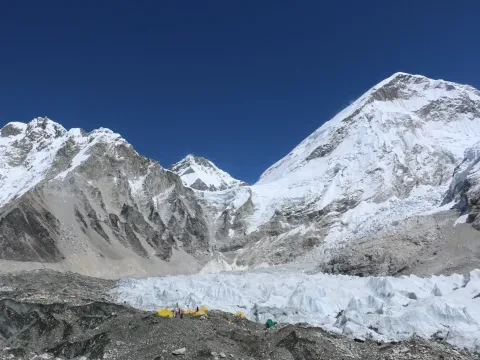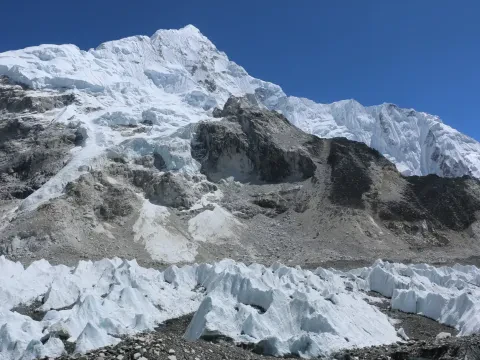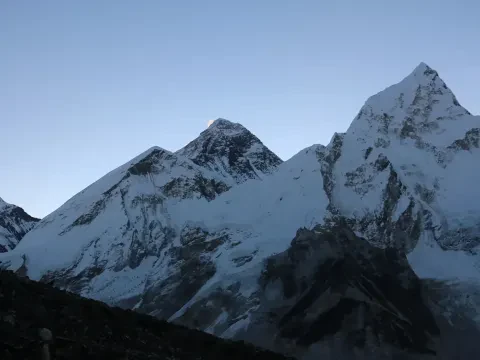
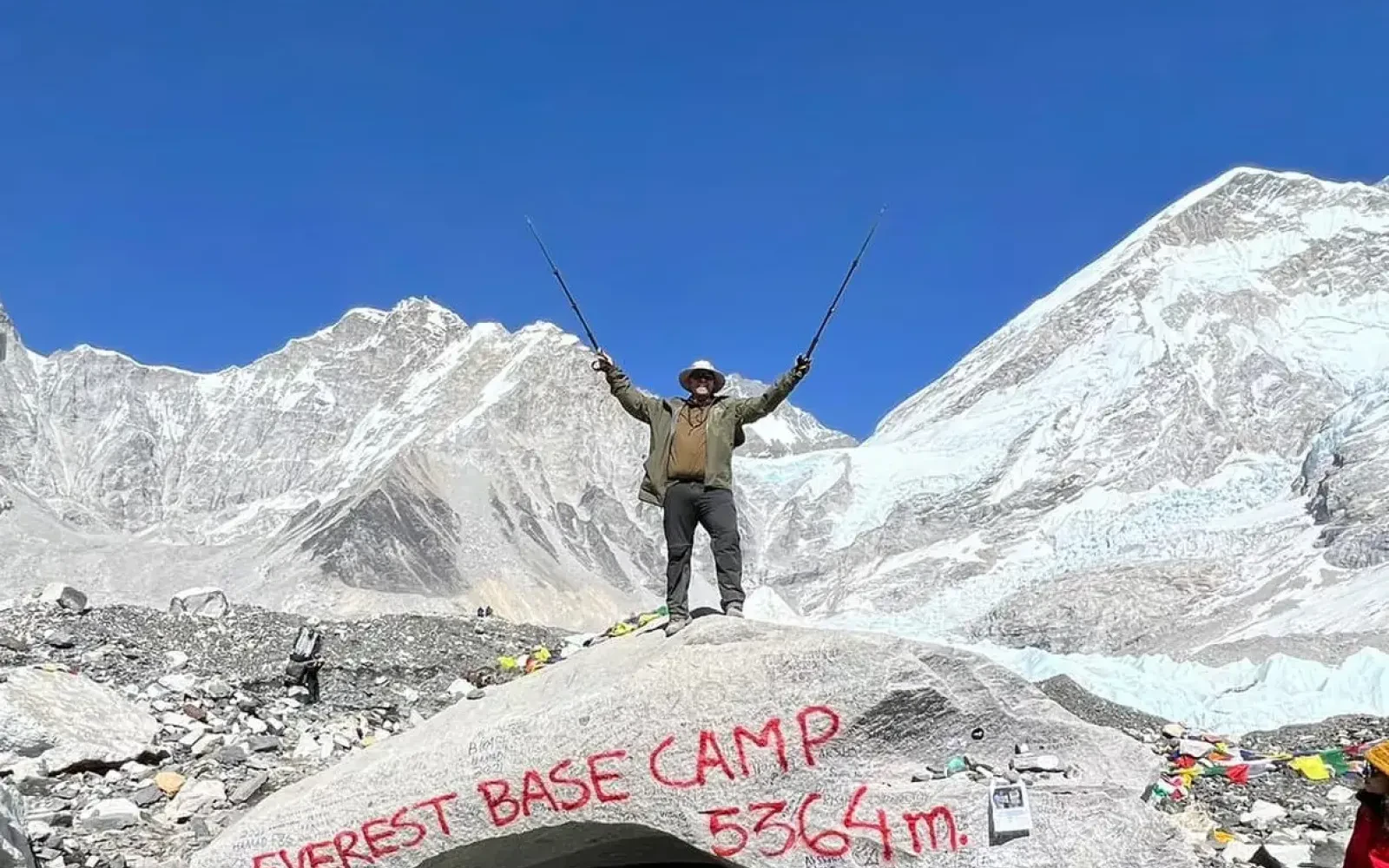
The sheer fact of standing at the foot of the world’s highest mountain is a dream that pulls thousands of intrepid souls to the Khumbu each year. But realizing this dream demands the skillful negotiation of time, physical output and the acclimatization to thinning air. The classic 14-day route to EBC is widely recognized by expedition guides and medical practitioners worldwide as the definitive, uncompromised Gold Standard for the trip. The reason for this time frame is specific: it is geared perfectly to match human high-altitude physiology.
In fact, trying to "cut time" on the Everest Base Camp trek itinerary by squeezing it into fewer than 14 days is arguably the biggest blunder of trekking there. Do so and you exponentially increase your risk of Acute Altitude Mountain Sickness (AMS) and significantly decrease your probability of even reaching your goal. The 14-day EBC Trek itinerary gives you sufficient time for the human system to naturally adjust to the environment as you slowly make your way higher, ultimately enabling you to complete the expedition on sturdy legs and with clear lungs.
Why Two Weeks?
| Trekking Phase | Standard Duration | Initial Trail Stage | Target Destination | Physiological Focus |
|---|---|---|
| Phase I: Low Valley Entry | Days 01-02 | Lukla Trailhead | Phakding to Namche | Gently stretching leg muscles, making your first big move to go over the 3000m line. |
| Phase II: Upper Valley Push | Days 03-07 | Namche Bazaar | Tengboche to Dingboche | Gradually and systematically gaining elevation, crucial adjustment phase for your blood composition. |
| Phase III: High Alpine Apex | Days 08-10 | Dingboche Hub | Lobuche to Gorak Shep / EBC | Ultimate, peak physical challenge. Navigating the difficult 5000m+ terrain and the vital Base Camp landmark. |
| Phase IV: Fast Escape Track | Days 11-14 | Gorak Shep Apex | Pheriche down to Lukla | Fast descent, immediately letting the body absorb a greater quantity of oxygen. |
Here, a spectacular aviation experience marks the start of your high-mountain adventure. To access the trailhead of your expedition, you'll need to catch a small, sturdy Twin Otter plane to land on a very steep mountain runway. Depending on your trek's date, you may be leaving directly from the Tribhuvan International Airport (TIA) domestic terminal in the capital, or you may be heading to a small rural airport an hour's drive outside of Kathmandu in the pre-dawn darkness to take off.
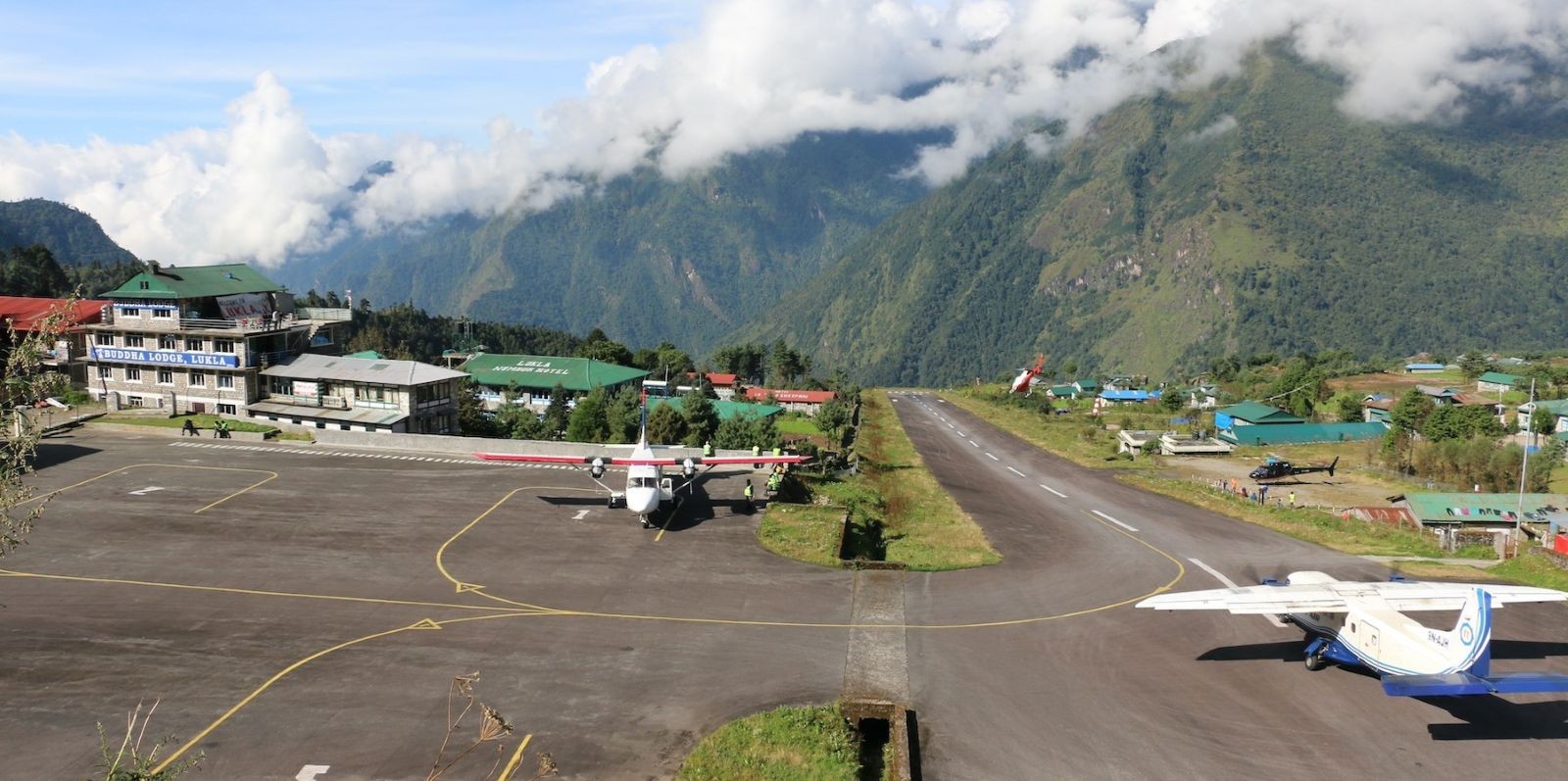
Navigating the Lukla Gateway :
| Transit | Kathmandu Domestic Terminal (KTM) | Manthali Airport, Ramechhap (RHP) |
|---|---|---|
| Pre-flight travel | 20-30 minutes from central Thamel | 4 to 4.5 hours via a private, midnight drive |
| Flight duration | Approximately 35 minutes | Just 12-15 minutes |
| Susceptibility to delays | High - prone to morning fog and airport congestion | Low - clearer weather, better traffic flow |
| Traveler comfort | Standard airport facility | Very basic; requires a challenging road trip |
First Night Altitude Matrix: Lukla to Phakding
Lukla Tenzing-Hillary Airport :
Cheplung Village Intersection :
Ghat Riverside Settlement :
Phakding Lodge Baseline :
First Night Sleep Safety Rule: Arriving at Lukla airport (2,846 meters) creates immediate, albeit minor, stress on the respiratory system. Sleeping at 2,610 meters in Phakding is a crucial, safety-oriented practice of the 14-day EBC itinerary. The brief initial drop provides a comfortable oxygenated zone for your system to recover from the flight before you ascend towards Namche Bazaar on day two.
Here, your second day on the trail represents your full entry into the realm of high altitude trekking. Following the raging Dudh Koshi River from Phakding you’ll walk through pine forests and small farming hamlets before arriving at Monjo – the entrance to Sagarmatha National Park where your permits will be checked. Here the easy, valley floor trekking will end, and the mountains begin to call for real.
In fact, the biggest challenge of this segment begins where the Bhote Koshi and Dudh Koshi Rivers merge. You will see a pair of suspension bridges swinging high over the chasm, the bottom one abandoned to the elements, and the higher one the famous Hillary Suspension Bridge suspended a dizzying height above the raging water. Crossing the latter means you’ll be at the base of the steep climbing trail to Namche Bazaar, a taxing uphill grind that will test your lungs and legs.
Ascending the Entrance Hill :
Trail Stage Breakdown: Phakding to Namche Bazaar
The River Flat Section :
The High Air Suspension Crossing :
The Forest Staircase Wall :
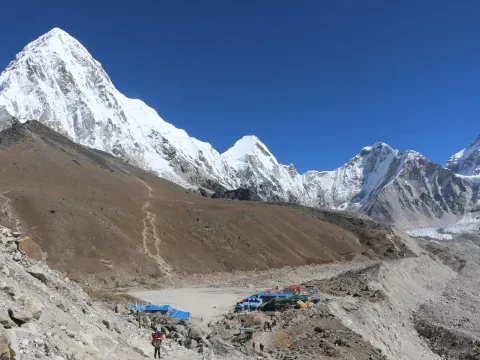
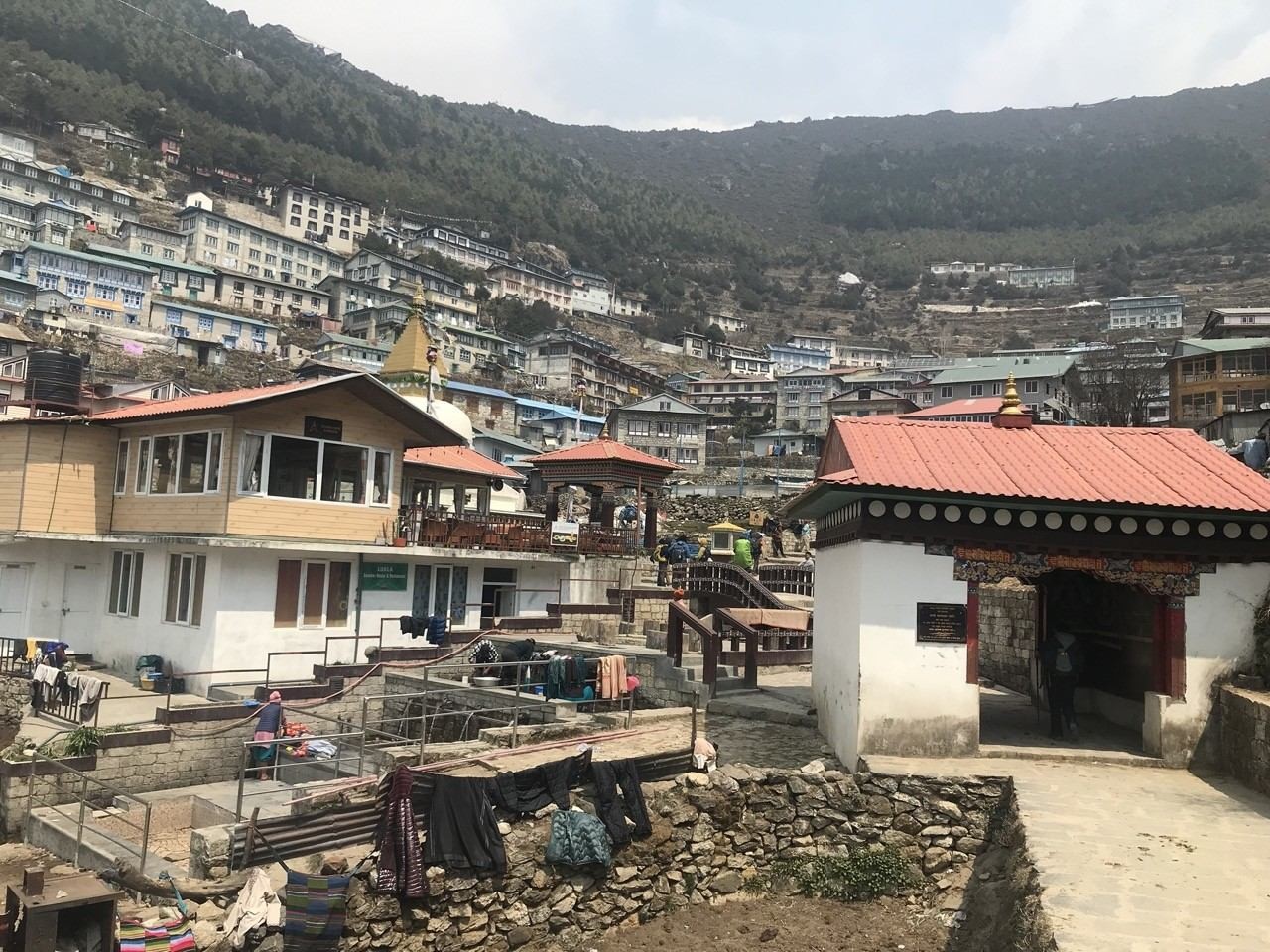
Actually, arriving at Namche Bazaar (3,440 meters) is a significant moment on your trek. At this altitude, the atmospheric pressure is about two-thirds that of sea level and your body will not have the ability to fully adjust to the oxygen deficit overnight. This is precisely why a 14-day trekking itinerary dedicates an entire day to rest and acclimatization right here.
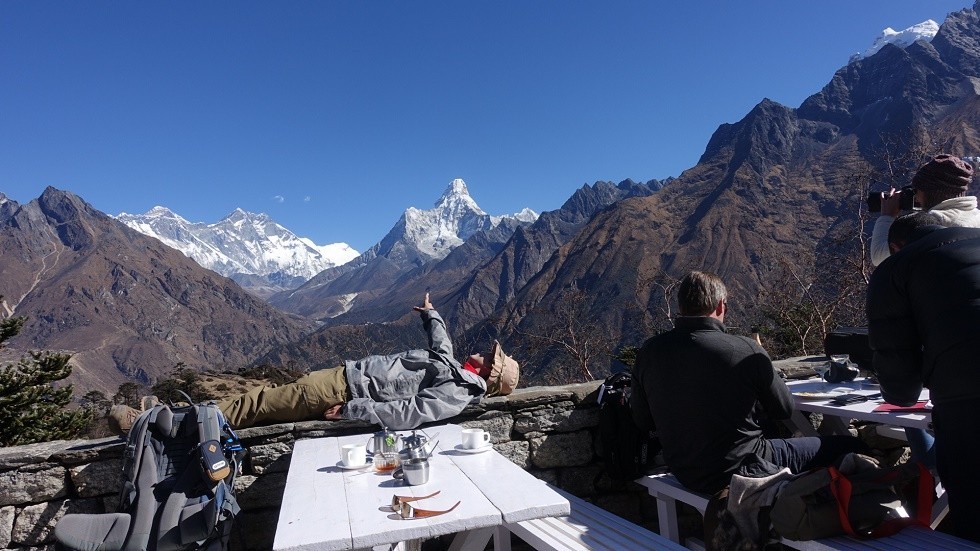
Quick Facts:
In fact, this rest day at Namche is not designed to be spent lounging around your teahouse; instead, it requires active recovery. Using a standard mountain strategy, you will stress your body with a carefully calibrated dose of high altitude throughout the day, then descend to a lower altitude to sleep. This process prompts your kidneys to release more erythropoietin (EPO) which in turn tells your bone marrow to produce more oxygen-carrying red blood cells.
The Active Recovery Method :
Namche Acclimatization Hike Comparison: Bowl vs. Ridge
Atmospheric Pressure & Air Density:
Daily Exposure Time :
Cardiovascular Exertion Level :
The Slow Pace Rule of Acclimatization: Regardless of how strong you may feel, stick to the advice of your guide: "Bistari, bistari." Rushing to the Everest View Hotel will not boost your acclimatization; instead, keep your heart rate at a low, steady rhythm, wear light layers to regulate your body temperature, and make an extra effort to stay hydrated by drinking at least a liter more water than usual.
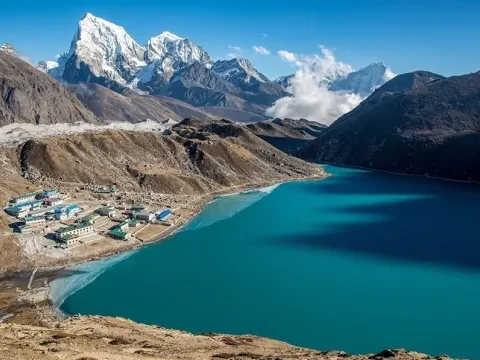
Just imagine standing at a place in Everest region where ancient spirituality is interlaced with awe-inspiring Himalayan views. The trek from Namche to Tengboche offers just that and is one of the most magical aspects of the Everest Base Camp trek, offering nature, culture and serenity in one satisfying experience. You will descend from Namche Bazaar through pine forests towards Phunki Tenga at 2,860 m (9,383 ft). From here, it is a rewarding, steep climb through rhododendron groves towards the holy Tengboche Monastery perched at 3,860 m (12,664 ft).
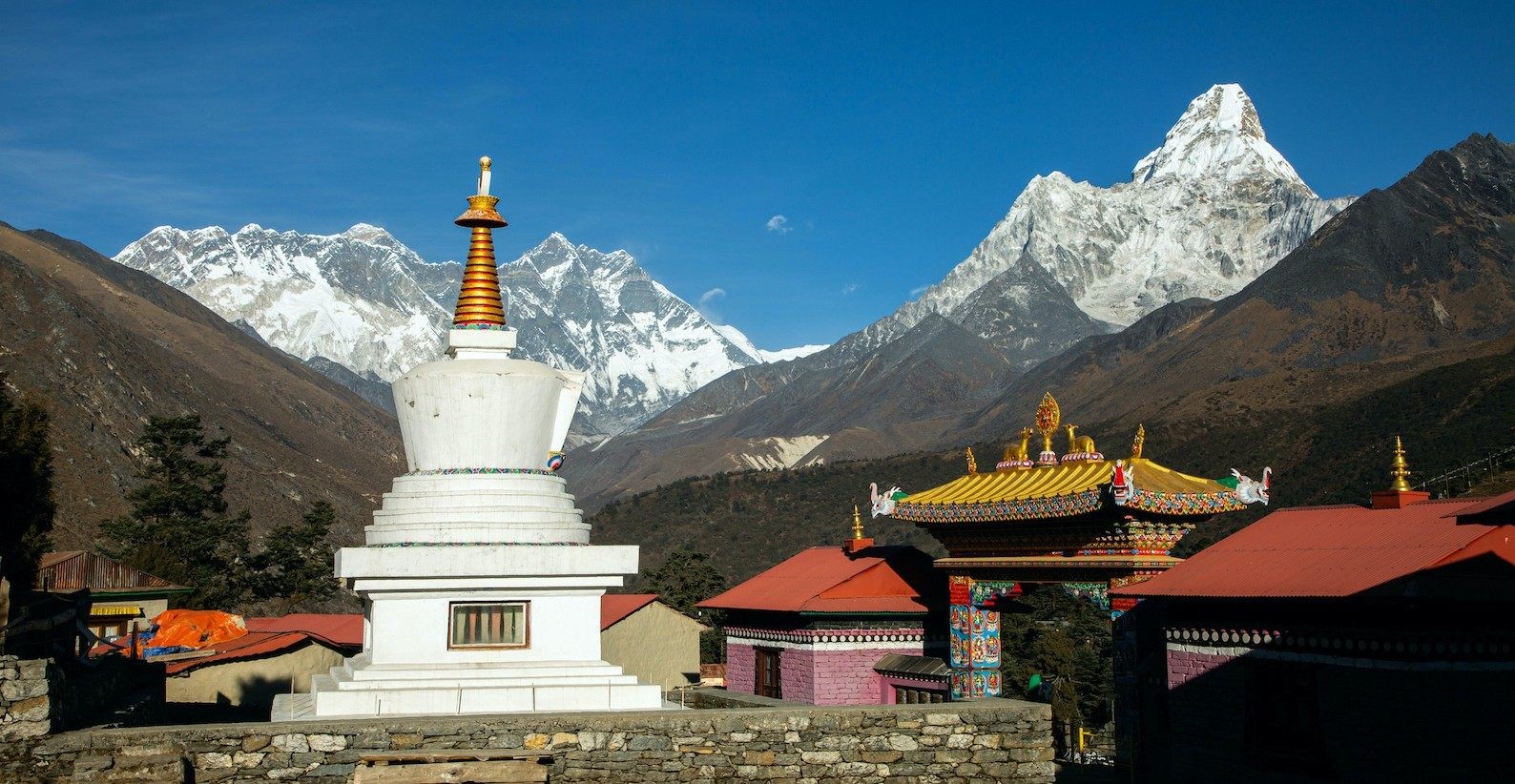
Actually, this part of the trek is remarkable because of the perfect mix between a physical challenge and spiritual awareness. The path from Namche to Tengboche gradually unwraps the profound Buddhist culture of the Khumbu region. You will cross suspension bridges and enjoy the gradually unfolding Khumbu panorama with the majestic Ama Dablam looming at 6,812m (22,349 ft). The Tengboche monastery hike truly stands out and makes for a profoundly fulfilling trek segment.
Tengboche monastery: spiritual significance :
Namche to Tengboche: trail highlights :
| Trail section | elevation | key highlights | walking time |
|---|---|---|
| Namche to Phunki Tenga | Descent to 2,860 m (9,383 ft) | Forest paths and river crossing | 2-3 hours |
| Phunki Tenga to Tengboche | Ascent to 3,860 m (12,664 ft) | Rhododendron climb and monastery visit | 3-4 hours |
| Tengboche Exploration | 3,860 m (12,664 ft) | Panoramic views and monastery grounds | 1-2 hours |
Advantages of the Tengboche hike :
In essence, the trek to the holy Tengboche Monastery from Namche serves as a magnificent spiritual peak on your Everest Base Camp journey, combining breathtaking scenery, rich culture, and deep tranquility into an unforgettable experience. To make sure this sacred pilgrimage is part of your bespoke Everest Base Camp trek package, please contact Haven Holidays today.
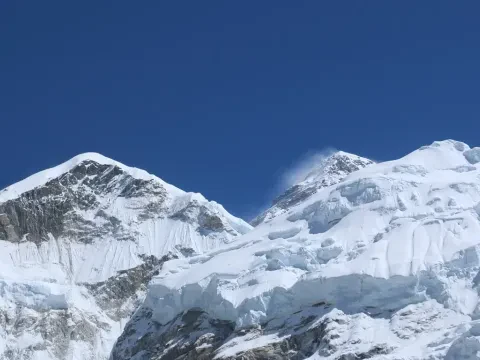
Here, feel the terrain drastically shift and the last vestiges of trees fade into the vast, raw alpine wilderness. This stage on the Everest Base Camp trek is where you truly enter the realm of high altitude adventure. After Tengboche, you will make your way toward Dingboche village, traversing through Pangboche and crossing the Imja Khola before ascending into the expansive Imja Valley to reach Dingboche at an altitude of 4,410 m (14,469 ft).
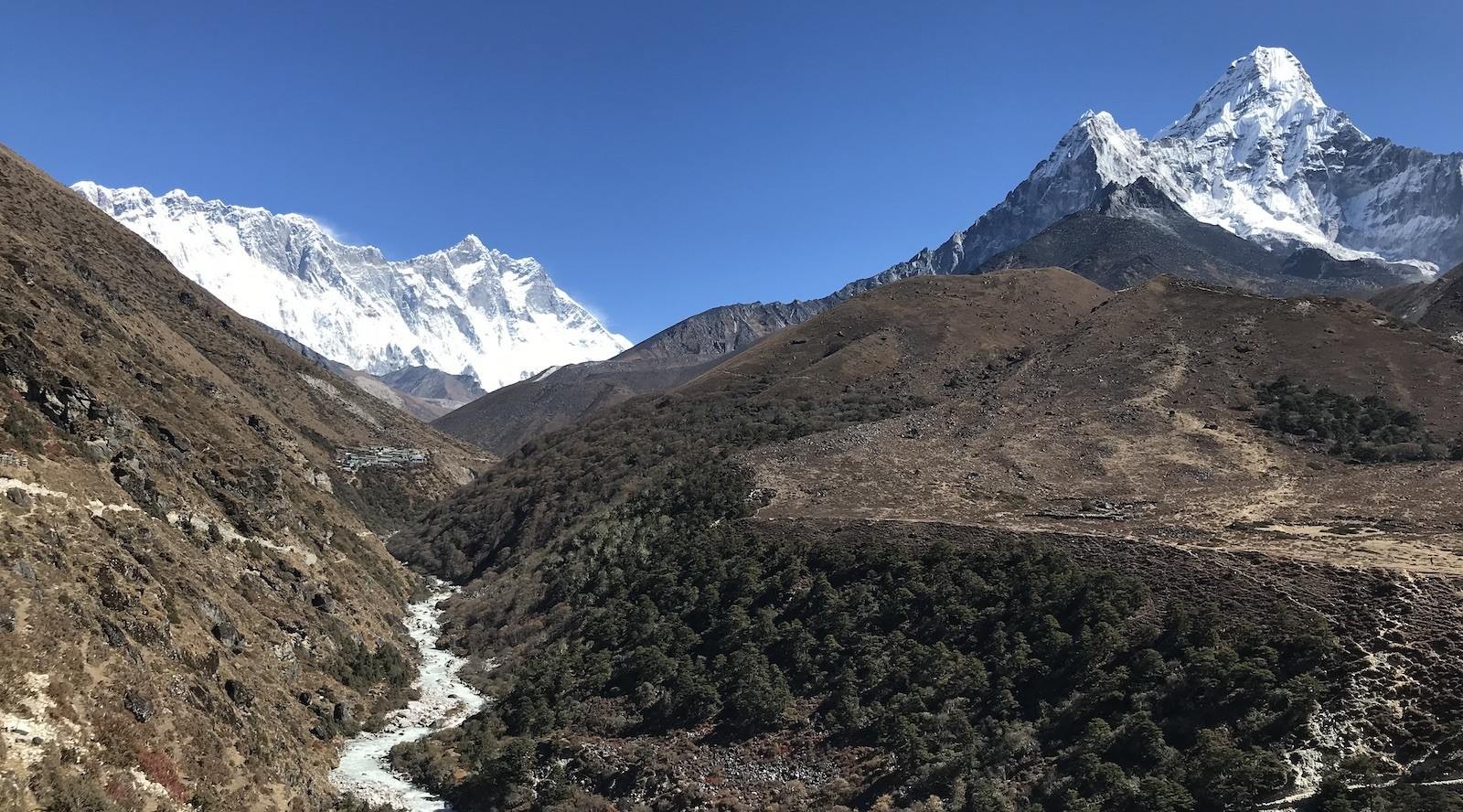
Likewise, the striking transformation of the landscape to high-altitude terrain brings you face-to-face with towering giants and exposed terrain subject to strong mountain winds. Stone-walled terraced fields and humble potato crops stand as a testament to human resilience and ingenious adaptation. Dingboche is a perfectly located and comfortable acclimatisation outpost that is equipped with a good network of teahouses. It significantly builds both your stamina and your confidence before the ultimate ascent.
Dingboche village route: characteristics :
High-altitude landscape shift: features :
| Trail segment | Elevation change | landscape feature | walking time |
|---|---|---|
| Tengboche to Pangboche | 3,860 m to ~3,985 m (13,074 ft) | forest thinning to open valley with views | 2-3 hours |
| Pangboche to Dingboche | ascent to 4,410 m (14,469 ft) | Imja Khola crossing and terraced fields | 3-4 hours |
| Dingboche Acclimatization | 4,410 m (14,469 ft) | high-altitude farming and peak vistas | rest days |
Advantages of a Dingboche stop :
In conclusion, the trek to Dingboche from Tengboche outpost signifies a truly exciting shift in your Everest Base Camp journey, deepening your connection with the Himalayas and laying the groundwork for the challenging days ahead. Book your comprehensive Everest Base Camp trek package with Haven Holidays and experience every single transformative segment on this iconic trail.
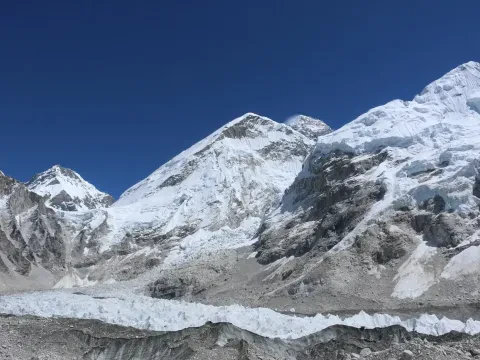
Find out why the second rest day in Dingboche often determines success on the Everest Base Camp trek. The strategic stop at 4,410 m (14,469 ft) allows you to acclimate properly, greatly reducing the chance of altitude sickness, and prepare your body for the days at higher altitudes ahead. Many trekkers on a shorter itinerary skip this day, which proves detrimental later in the trek. Therefore, a well-planned Dingboche acclimatization strategy helps ensure that you reach the Everest Base Camp both safely and without any major trouble.
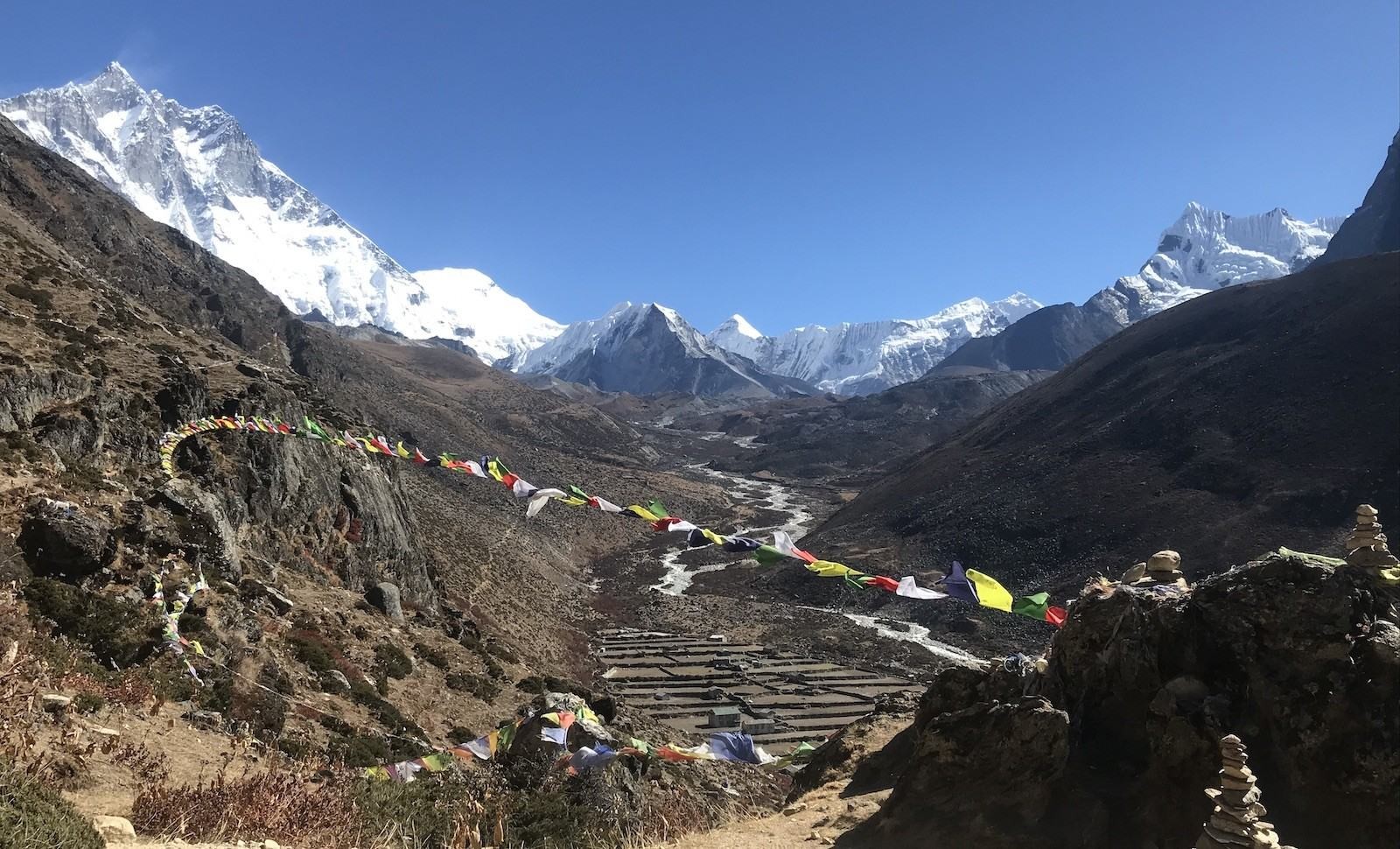
Actually, the beautiful valley that Dingboche is nestled in is surrounded by awe-inspiring peaks. You utilize the rest day to both rest and undertake a highly rewarding day trek up to Nangkartshang Peak (5,083 m/16,677 ft). Climbing up this peak and returning for the night to sleep lower down in Dingboche, is a perfect way to gain altitude efficiently while not causing your body to suffer too much of a shock. From the top of Nangkartshang, you also gain some spectacular views of some of the world's highest peaks such as Ama Dablam and Makalu, which is another positive aspect of this acclimatization hike.
Dingboche acclimatisation strategy - benefits :
Nangkartshang peak day hike - highlights :
Why skipping the Dingboche rest day leads to failure :
| Activity | Altitude | Purpose | Duration |
|---|---|---|
| Rest and gentle walk in Dingboche | 4,410 m (14,469 ft) | Recovery and easy movement | 1-2 hours |
| Day hike to Nangkartshang Peak | up to 5,083 m (16,677 ft) | Sleep low climb high principle | 5-7 hours |
| Relax in Dingboche | 4,410 m (14,469 ft) | Relax and prepare for next day | Free time |
In conclusion, this strategic second rest day, and day hike to Nangkartshang Peak in Dingboche, plays a vital role in guaranteeing that you have a successful trek to Everest Base Camp. It helps to avoid altitude sickness and enhances your enjoyment of the journey. Book a 14 day guided Everest Base Camp trek through Haven Holidays today.
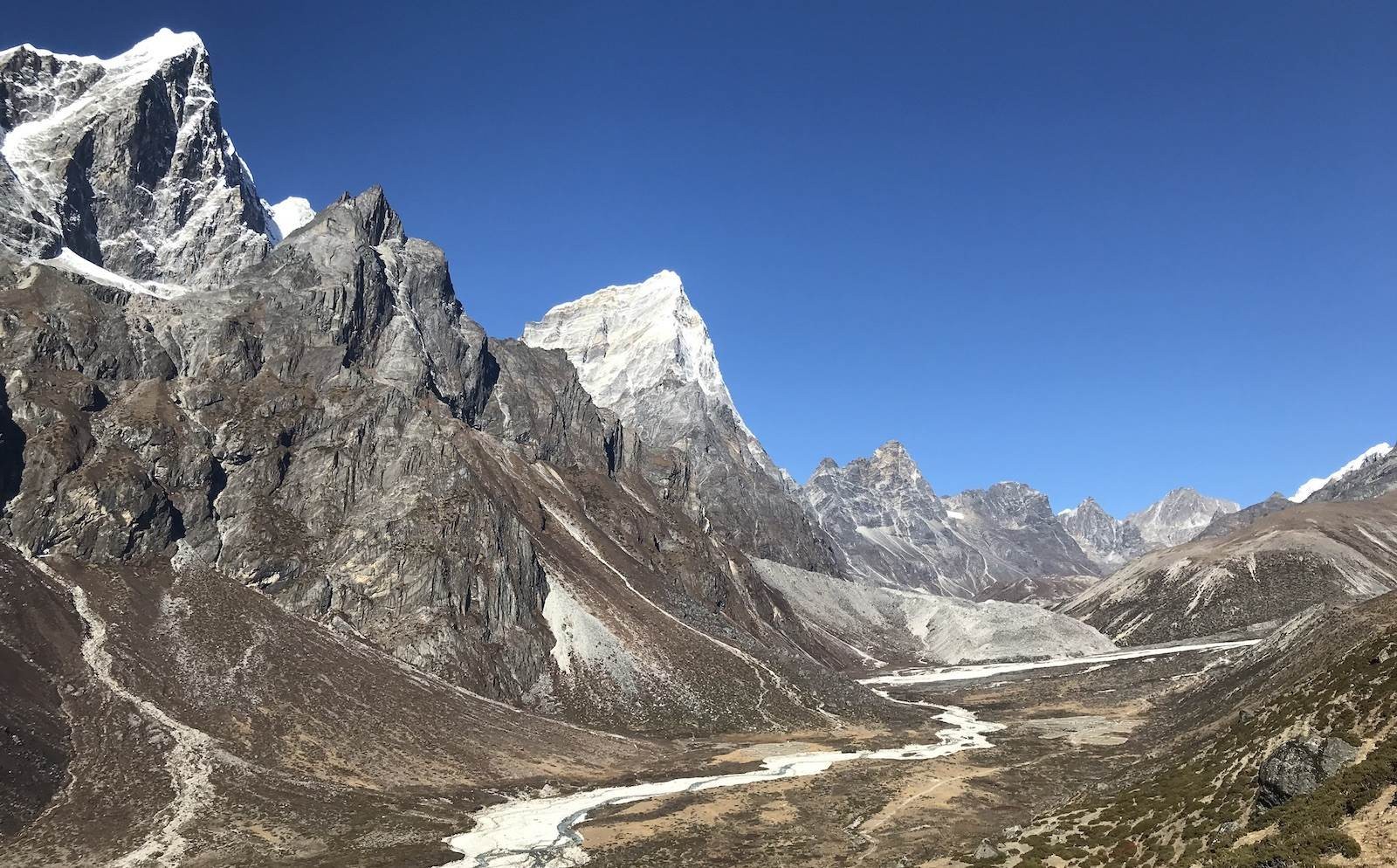
Here, you walk past the legends on an emotional and physical climb from Dingboche to Lobuche. The segment from Dingboche to Thukla Pass is an emotional part of the trek as you walk up through countless memorial stones and chortens built to remember people lost trekking to the highest mountain on Earth and other peaks.
Actually, the Thukla Pass is at 4,830 m (15,846 ft) and the entire path is lined with these memorial pieces, making it an extremely emotional and reflective part of your trek. After passing through the memorials, you then descend to follow the Khumbu Glacier’s rocky moraine edge, which takes you to Lobuche at 4,910 m (16,109 ft). This section is rocky, and demands full focus from the trekker, but is definitely rewarding for you both physically and emotionally.
The memorials at Thukla Pass :
Arrival at Lobuche village :
| Trail | Altitude | Notable features | Walking time |
|---|---|---|
| Dingboche to Thukla Pass | Up to 4,830 m (15,846 ft) | Climbing pass with memorials | 3-4 hours |
| Thukla Pass to Lobuche | Up to 4,910 m (16,109 ft) | Rocky Khumbu Glacier moraine | 2-3 hours |
A journey that is both physically and emotionally fulfilling :
In conclusion, the segment of your Everest Base Camp trek from Thukla Pass to Lobuche is perhaps the most emotionally charged of the whole journey. The physical and emotional demands make this an exceptionally rewarding and memorable experience. Book a guided trek today through Haven Holidays to experience it yourself!
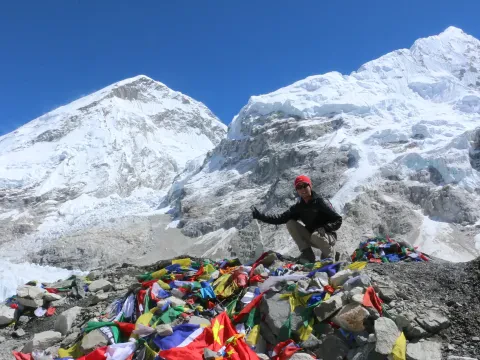
Here, the anticipation will build until you are standing at the base of the world's highest mountain. Gorak Shep and Everest Base Camp are the ultimate destination of this trek. After hiking up the rolling, rocky path to Gorak Shep, the final settlement at 5,164 m (16,942 ft), you'll push on across the glacier towards the official marker for Everest Base Camp at 5,364 m (17,598 ft).
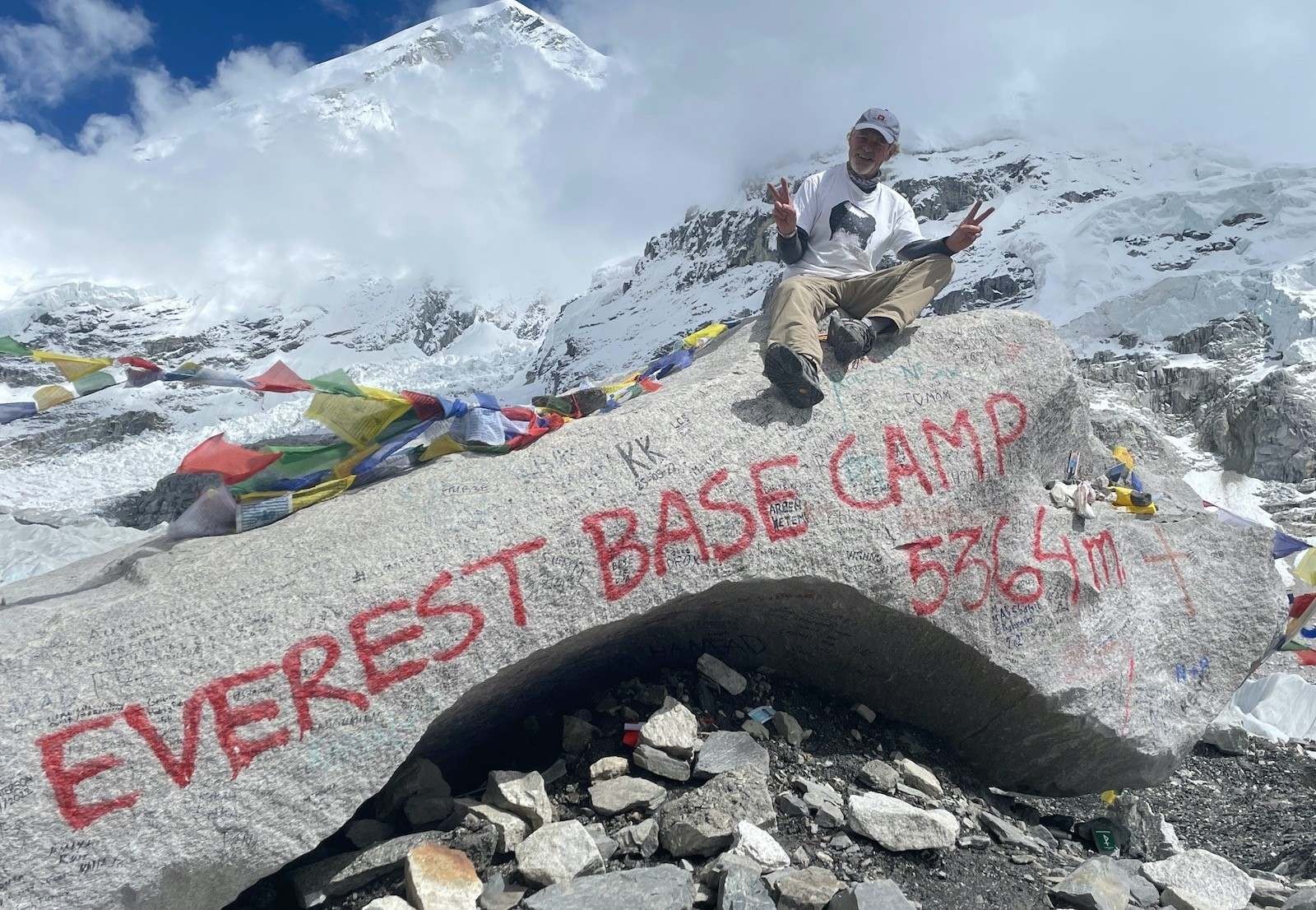
Likewise, this is the monumental day and will certainly test your endurance but will reward your efforts with an incredible sense of accomplishment. The path from Lobuche to Gorak Shep consists of bleak moraine with dazzling glacier views to one side of the path. The trail from Gorak Shep to Everest Base Camp is electrically charged, as you traverse across the Khumbu glacier itself, the experience of standing at Everest Base Camp will be one that every trekker remembers for life.
Gorak Shep Final Outpost :
Everest Base Camp :
| Itinerary | Altitude | Description | Time |
|---|---|---|
| Lobuche to Gorak Shep | To 5,164m (16,942ft) | Rocky undulating moraine path | 3-4 hrs |
| Gorak Shep to EBC | To 5,364m (17,598ft) | Shifting ice and rock glacier | 2-3 hrs |
| EBC to Gorak Shep | Return to 5,164m | Same trail, generally a quicker descent | 2-3 hrs |
Significance of This Day :
In conclusion, standing at Everest Base Camp after trekking from Gorak Shep provides an unparalleled feeling of triumph. It's a challenging yet ultimately achievable goal that rewards your dedication with the raw beauty of the Himalayas. Contact Haven Holidays today to book your guided Everest Base Camp trek and experience this once-in-a-lifetime destination!
Before the sun even rises, you will begin to ascend toward what is arguably one of the most breathtaking viewpoints in the Himalayas. Climbing Kala Patthar is the most rewarding Everest Base Camp trek viewpoint, offering the most spectacular sunrise views. After hiking up the steep incline in the pre-dawn dark, you will reach the summit of Kala Patthar, a peak sitting at 5,545 m (18,192 ft), making it the highest point you will reach in the entire EBC trekking journey.
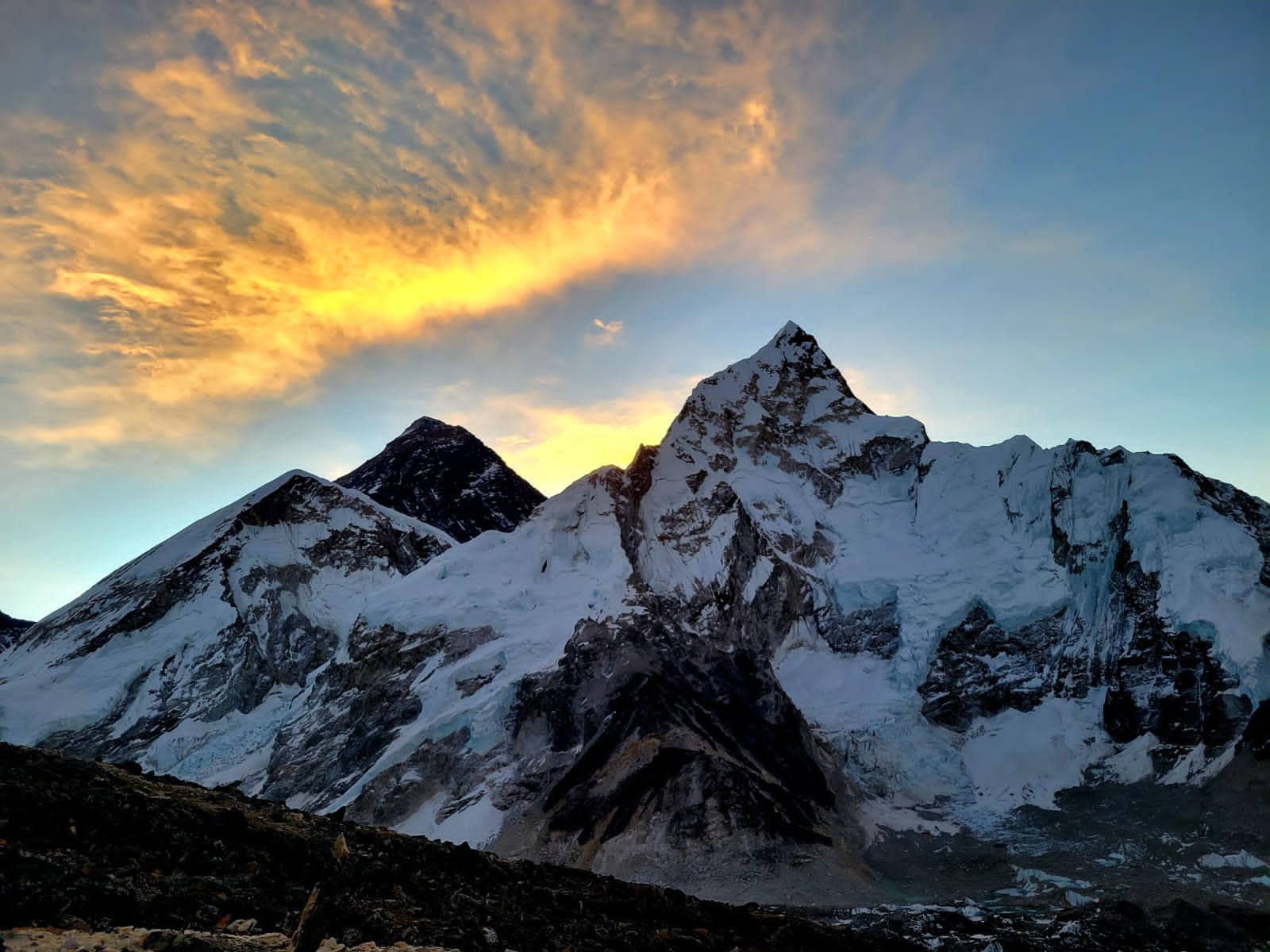
Actually, the actual Everest Base Camp (5,364 m / 17,598 ft) does not allow you to directly view the entire Mount Everest summit because it's tucked away in a low-lying valley, so you have to make your way up the Kala Patthar peak in order to catch the most unobstructed view of Mount Everest (8,848m / 29,029ft), as well as Nuptse and Lhotse. The pre-dawn hike to the summit is quite magical, as the first light will begin to streak across the sky, and the peak of Mount Everest, as well as its neighboring peaks, will slowly turn from the dull gray of the night to a vibrant golden-pink color. The Mount Everest sunrise photographs taken from this vantage point have to be some of the most iconic in all the Everest Base Camp trek.
Kala Patthar climb Advantages :
Why Kala Patthar Viewpoint is Crucial :
| Itinerary | Altitude | Difficulty | Time |
|---|---|---|
| Gorak Shep to Kala Patthar | To 5,545m / 18,192ft | Steep slope, pre-dawn start | 2-3 hrs |
| Kala Patthar Summit | 5,545m / 18,192ft | Sunrise viewing and photography | 30-60 mins |
| Kala Patthar to Gorak Shep | Back to 5,164m | Easier downhill return | 1.5-2 hrs |
Photography and Enjoyment Tips :
In conclusion, climbing to the summit of Kala Patthar is a magical moment that perfectly caps off your Everest Base Camp trek. This pre-dawn adventure promises unparalleled mountain vistas. Book your full guided trek with Haven Holidays today and witness the breathtaking beauty of Mount Everest from Kala Patthar!
Once you have stood at the highest base camp on Earth and witnessed the sunrise paint the jagged ridge of Kala Patthar, the trek officially begins its homestretch. This is the rapid EBC trek return route, a fast- paced scramble back down the valley. Due to your body's recent hyper- production of red blood cells to combat oxygen deprivation above 5,000 m (16,400 ft), the decline feels like walking into an incoming tide of energy.
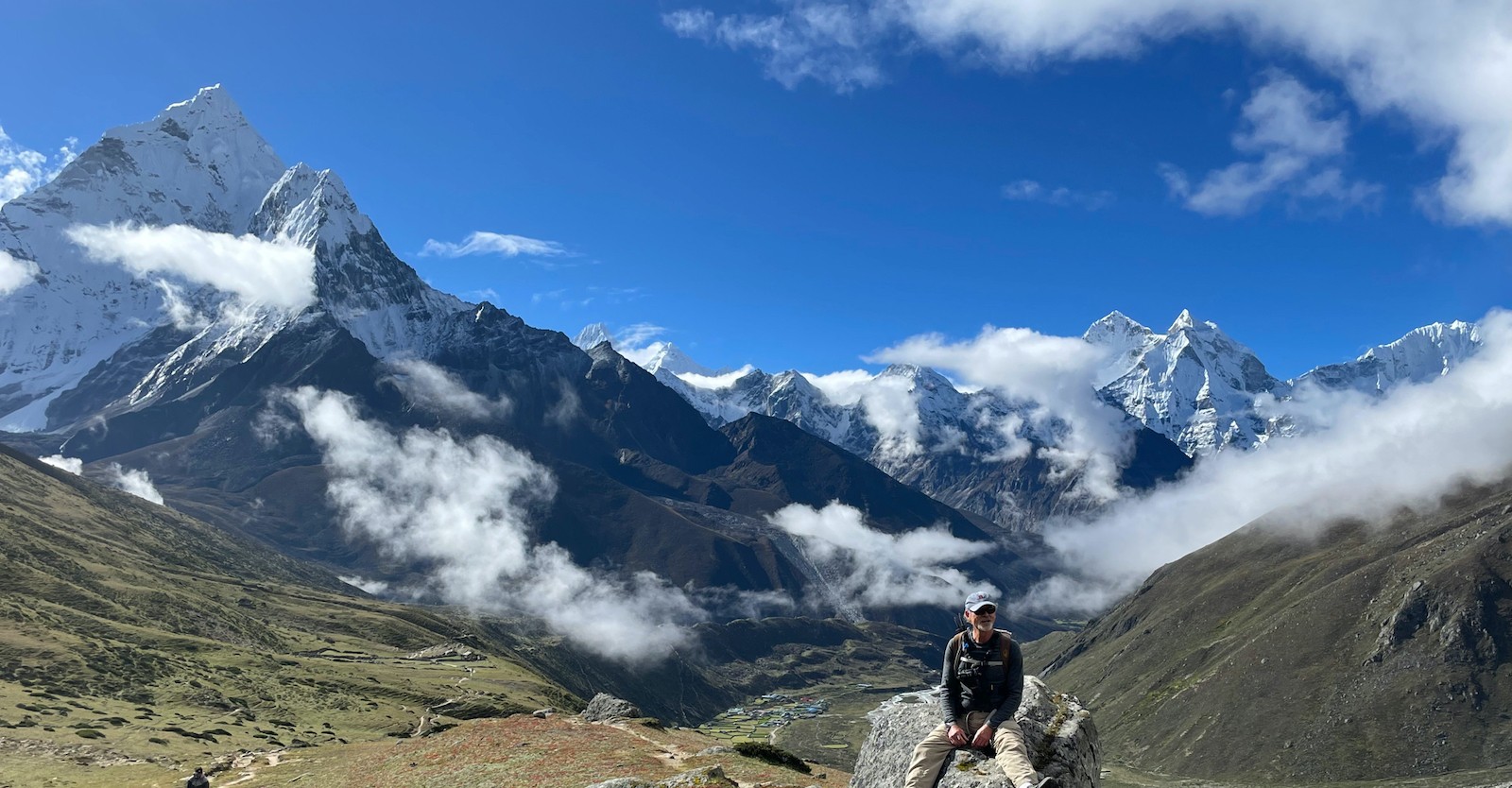
[Gorak Shep Apex: 5,164 m] (Sharp drop in altitude: -793 m) [Pheriche Flat Valley: 4,371 m] Breathing becomes easier, oxygen thickens (Forest & River Walk: -511 m) [Tengboche Ridge: 3,860 m] (Final Push: -420 m) [Namche Bazaar Bowl: 3,440 m] lungs relieve and showers abound
The focus of this stage is fast-track downhill trekking. In one afternoon you will accomplish in walking distance what took two days to ascent. As the landscape morphs from dry alpine slopes back to wide, wind-battered alpine meadows, you arrive at the valley floor of Pheriche at 4,371 m (14,340 ft). With every hour that passes your lungs feel less strained, your sleep deepen and muscles recover.
The return trip's mechanics:
Downhill trekking differences in terrains:
Average Walking Speed :
Lung Effort :
Joint and Muscle Strain :
Temperature and Environment :
To cut a few days off of your trekking to the world's highest peak is a highly dangerous compromise. Rushed 10-11-day itineraries offered by commercial outfitters, often forgoing the necessary rest days at Namche or Dingboche, are the primary cause of failure and med-evacs. Planning for a 14-day optimum acclimatization itinerary is hands-down the safest, surest way to make your trek successful. The schedule aligns itself with your body's natural chemistry, insuring a higher success rate and a completely enjoyable experience. Study this detailed EBC trek itinerary summary to plan your trip.
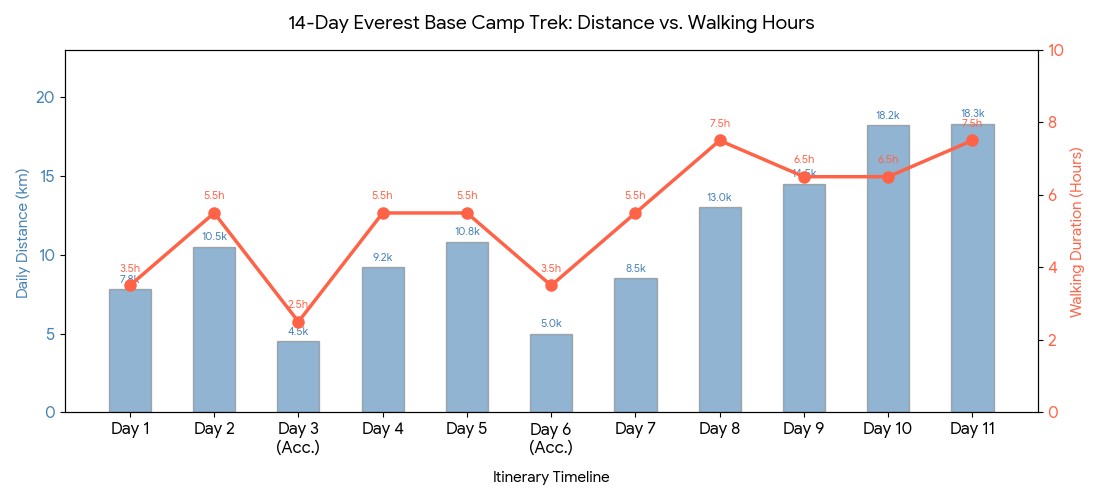
| Itinerary Day & Trekking Location | Altitude (m) / (ft) | Daily Distance | Walking time (Hours) | Trekking Style and Focus |
|---|---|---|
| Day 1: Fly into Lukla, trek to Phakding | 2,610 | 8,562 | 7.8 km | 3-4 | Gentle walk along the river. |
| Day 2: Phakding to Namche Bazaar | 3,440 | 11,286 | 10.5 km | 5-6 | Significant uphill trek through rhododendron forests. |
| Day 3: Acclimatization Rest in Namche Bazaar | 3,440 | 11,286 | 4.5 km | 2-3 | Active rest day. Hike to Everest View Hotel (3,880 m). |
| Day 4: Namche to Tengboche Monastery | 3,860 | 12,664 | 9.2 km | 5-6 | Pleasant ridge walks with a short downhill descent to the monastery. |
| Day 5: Tengboche to Dingboche | 4,410 | 14,468 | 10.8 km | 5-6 | Moving out of the forests and into wider valleys. |
| Day 6: Acclimatization Rest in Dingboche | 4,410 | 14,468 | 5.0 km | 3-4 | Mandatory hike to Nangkartshang Peak (4,960 m). |
| Day 7: Dingboche to Lobuche | 4,910 | 16,108 | 8.5 km | 5-6 | Steady climb to Lobuche, passing the Everest memorial at Thukla Pass. |
| Day 8: Lobuche to Gorak Shep and Everest Base Camp | 5,364 | 17,598 | 13.0 km | 7-8 | Rough, rocky, glacier moraine trekking; reaching EBC. |
| Day 9: Climb Kala Patthar and descent to Pheriche | 5,545 | 18,192 | 14.5 km | 6-7 | Early morning ascent of Kala Patthar for sunrise, then a rapid descent to Pheriche. |
| Day 10: Pheriche to Namche Bazaar | 3,440 | 11,286 | 18.2 km | 6-7 | Fast-track downhill walking through forests. |
| Day 11: Namche Bazaar to Lukla | 2,846 | 9,337 | 18.3 km | 7-8 | Final long downhill day to the trailhead at Lukla. |
| Day 12: Fly Lukla to Kathmandu / Ramechhap | 1,400 | 4,593 | N/A | 35 min | Mountain flight back to the city. |
| Day 13: Reserve Day in Kathmandu | 1,400 | 4,593 | N/A | N/A | A full rest day in case of Lukla flight delays. |
| Day 14: Departure | N/A | N/A | N/A | N/A | Final pack up and transfer to the airport. |
A Professional's Word of Advice: Before booking your Everest Base Camp trek, pay close attention to the day-by-day itinerary of your guiding company, not just the price tag. A reputable operator will never skimp on the mandatory rest days in Namche Bazaar or Dingboche, and instead opt for the optimal 14-day trek that will allow you to reach Everest Base Camp safely.
In conclusion, choosing the best itinerary for Everest Base Camp trek planning is the most important choice that any trekker would make. With an appropriately phased plan, trekkers can comfortably acclimatize while trekking the most dramatic mountain trails in the world.
1. Why is a 14 day itinerary the best itinerary for Everest Base Camp trek?
The 14-day itinerary is the best itinerary for Everest Base Camp trek because it includes vital acclimatization days. The acclimatization breaks prevent any risk of Altitude Sickness, and allow you to enjoy the highest altitude mountain ranges with ease.
2. Where does the Everest Base Camp trek itinerary officially commence?
The conventional Everest Base Camp trek itinerary begins at the Tenzing-Hillary Airport in Lukla (2,860m) after a captivating flight from Kathmandu. From Lukla, the actual walking trail descends into the deep river valley until Phakding where the first overnight stay occurs.
3. How many miles does a complete Everest Base Camp trek route traverse?
A total of 130km or 80 miles makes up the round trip Everest Base Camp trek route. You will walk approximately 10-15 km on an average per day at a steady pace.
4. What is the highest altitude on the standard Everest Base Camp trek itinerary?
The apex geographic point on any typical Everest Base Camp trek itinerary is Kala Patthar, situated at a height of 5,550m (18,208ft) that overlooks the Everest Base Camp itself. The Base Camp footprint lies slightly down the glacial valley at an elevation of 5,364m.
5. Why two acclimatization stops on the Everest Base Camp trek route?
Two acclimatization stops are an integral component of the well designed Everest Base Camp trek route. They serve a critical purpose of helping the body slowly adapt to the atmospheric changes at high altitudes. This makes them crucial on your trek in the Himalayas.
6. Describe the first difficult ascent along the Everest Base Camp trek itinerary.
The trek begins with a rigorous vertical hike to Namche Bazaar. It follows crossing the high suspension bridge of Hillary after which you must conquer an imposing, steep 700m dirt path which demands every bit of physical effort from you.
7. What cultural and natural attractions lie on the Everest Base Camp trek route?
The Everest Base Camp trek route passes through several fascinating cultural and natural attractions including the vibrant Sherpa capital of Namche Bazaar, the historical Tengboche Monastery, the climbers memorials at Thukla Pass, and the vast Khumbu Glacier with its immense, creaking presence.
8. Is a 10-day Everest Base Camp trek itinerary safe?
No, a 10-day Everest Base Camp trek itinerary is quite fast and highly increases the chances of contracting Altitude Sickness. A minimum 12-14 day itinerary is the safest option to let your body recover, rest and acclimatize sufficiently to the terrain.
9. How difficult is the Everest Base Camp trek route in its final approach?
The last few kilometers to the Everest Base Camp from Gorakshep or Lobuche are one of the most challenging segments of the entire trek. This part consists of an arduous, rocky, upward path with scree, glaciers and an overwhelming moraine wall that will drain you both physically and mentally.
10. What is the 'climb high, sleep low' technique adopted on the Everest Base Camp trek route?
The 'climb high, sleep low' concept is the key training principle for any standard Everest Base Camp trek itinerary. You trek to an higher elevation in the daytime, then descend to a lower altitude in the evening and sleep there overnight, which boosts red blood cell generation.
11. Can my Everest Base Camp trek itinerary bypass trekking back to Lukla?
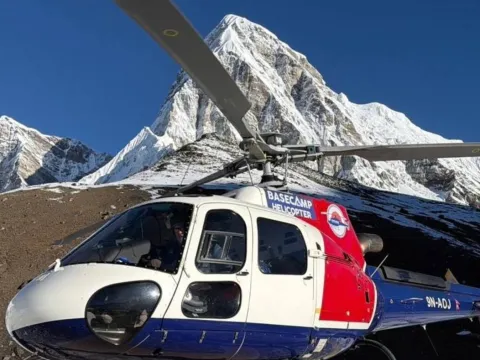
Yes, you can opt to customize your Everest Base Camp trek itinerary into a lavish heli out variation. This premium package permits you to trek only up to the Everest Base Camp over 9 days. Thereafter, you will board a scenic helicopter back to Kathmandu.
12. What mountain is the summit that is ascended for the greatest vistas on the Everest Base Camp trek route?
Climbing Kala Patthar for the most impressive views of Mount Everest is the highlight on most standard Everest Base Camp trek itinerary. Trekkers often embark on this steep climb very early in the morning to witness the magical spectacle of the sun kissing the Himalayan peaks.
13. How long do trekkers linger at the actual Everest Base Camp?
Trekkers often linger at the Everest Base Camp only for about 30-60 minutes to capture the moments. They can hardly walk around since there are no teahouses at the Base Camp footprint. The journey back to Gorak Shep takes up much time and effort.
14. What type of lodging is on offer along the Everest Base Camp trek route?
All trekkers lodging on the Everest Base Camp trek route stays in local family run teahouses. All teahouses on this trail are double sharing, contain two single beds. They have separate common dining halls where most of the food is served.
15. How must I train my body for the Everest Base Camp trek itinerary?
Focusing on building endurance will greatly aid you in traversing the terrain of your Everest Base Camp trek itinerary. Start jogging or cycling and also participate in hiking with weighted backpacks 2-3 months before your departure.
16. Which permits are essential to finish the Everest Base Camp trek route?
Two main permits are required to complete the Everest Base Camp trek route. These are the Khumbu Pasang Lhamu Rural Municipality Permit and Sagarmatha National Park Entrance permit, both arranged by the tour operator.
17. What is the finest time for my Everest Base Camp trek itinerary?
The ideal months for scheduling your Everest Base Camp trek itinerary are from March to May and from September to November. This period is considered to have pleasant climate and stunning clear views.
18. How much more cash should I carry for the Everest Base Camp trek route?
Besides the pre-paid tour price, carry at least NPR 40,000 to NPR 60,000 per person in cash. The teahouses do not accept card payments for daily expenditures like warm showers, battery charging, internet and purified water along the Everest Base Camp trek route.
19. Why is weather at Lukla crucial for the Everest Base Camp trek itinerary?
Lukla Airport is famous for being unpredictable due to rapid mountain climate changes which can indefinitely delay your flight. The best itinerary for Everest Base Camp trek plans a few buffer days to avoid missing your onward flights in the event of unavoidable delays.
20. What is the typical success rate for a 14 day Everest Base Camp trek route?
Fact to consider: The general success rate of the standard 14 day Everest Base Camp trek route is roughly 85 to 90 percent. If any trekker fails, they fail to complete their trek in a shorter itinerary due to their physical inability to adjust to the extreme heights.
Our travel experts are ready to assist you with any questions.
Send us a message.Have a question before you book? Send your enquiry below and our travel experts will get back with the required information.