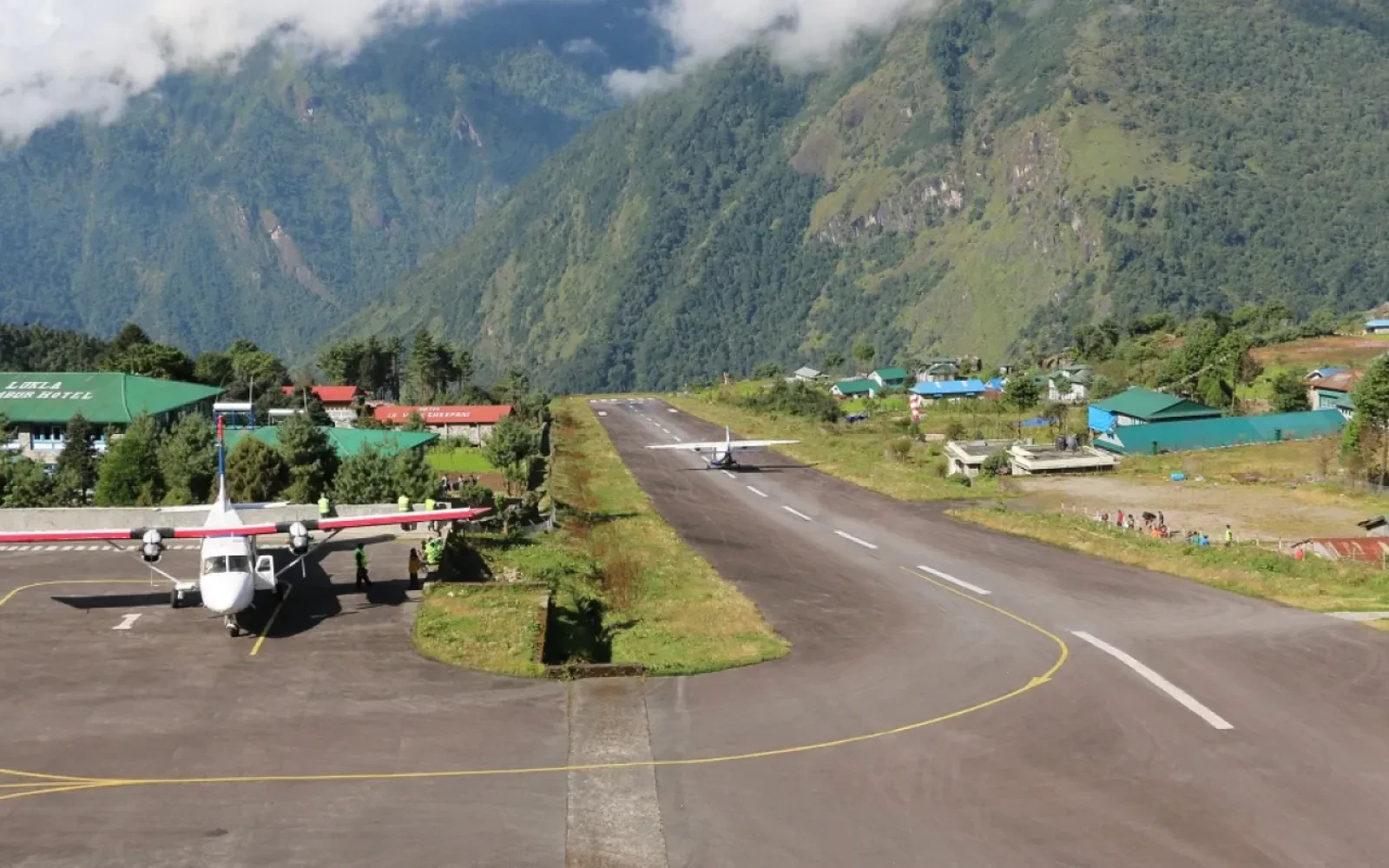
Yes, one can go to Everest Base Camp without flying. There are two options for this: sharing jeep or private jeep ride and public bus ride to and from Thamdanda or Surke. Actually, the jeep ride from Kathmandu to Thamdanda passes through Salleri. A large number of people want to avoid Lukla flights as they are either postponed or cancelled frequently which spoils their entire Everest Base Camp Trek. Moreover, the trekkers who are planning to escape flights, especially, Lukla flights can simply go with either jeep ride or public bus ride from and to Thamdanda or Surke. Surke and Thamdanda are the villages located just below Lukla and one can directly get into the main trail to EBC without ascending Lukla Town. If you use jeep ride or bus ride from Kathmandu and while returning from Kathmandu, you don’t need to go Lukla. More importantly, you can find bus/jeep from Salleri to Thamdanda during dry months like in October, November, December, January, February, April and June. Check weather condition and move accordingly.
Summing up, those who are looking for Lukla Flights Alternatively, one can find this Everest Base Camp Trek by Land via Salleri and Thamdanda best. Similarly, those who might be thinking of ' How to Avoid Lukla Flight' also will be rewarded with this EBC Trek by Jeep. This way, you don't need to rely on ustable Lukla Flights either from and to.
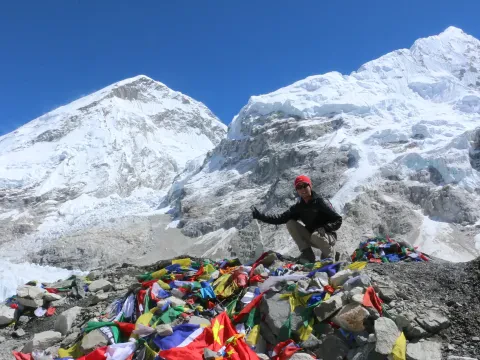
For trekkers who don't want to take flights to Lukla and those who want to trek to EBC by road, the Everest Base Camp (EBC) trek overland from Kathmandu is an excellent alternative. The trip goes on an overland journey to the trailhead, which is more convenient and reduces the risk of Lukla's unpredictable weather.
The drive for Surke or Thamdanda begins with a long drive from Kathmandu (1,400m) to Salleri (2,390m) or Thamdanda (2,900m), taking approximately 10–12 hours by jeep. The Solukhumbu district center of Salleri is the most common start point. Using the normal lower Everest region trek route from it through villages including Ringmo (2,720m) and Nunthala (2,220m) to reach Phakding (2,610m) in order to follow the main EBC route from there. A road alternative brings one to Thamdanda in order to continue to Surke (2,290m) and Lukla (2,860m).
Actually, in the dry seasons like in Winter( Dec-Feb) and Spring( Mar-May), one can directly drive to Surke, just below Lukla and in other rainy seasons and other unfavorable times of the year, the jeep goes only up to Thamdanda.
Meanwhile, the EBC trek by land from Salleri adds 3–4 days to the normal EBC trekking trail from Phakding. The longer trek has a slow acclimatization process, passing through diverse landscapes, Sherpa villages, and lush forests. Trekkers experience the rich Solu culture before merging with the normal route at Namche Bazaar (3,440m). From Namche, the trek passes through Tengboche (3,860m), Dingboche (4,410m), Lobuche (4,940m), and Gorak Shep (5,164m) before arriving at Everest Base Camp (5,364m).
To sum up, the return journey from Everest Base Camp by road is the same route to Thamdanda or Salleri, where jeeps drive back to Kathmandu. This is a budget-friendly and scenic way to EBC without the hassle of Lukla flight cancellations. It is for those who prefer a more gradual ascent, cultural immersion, and a safer, more dependable means of transport.
You may like to research more about your upcoming Everest Base Camp Trek. If you like to do so, Haven Holidays Nepal Team Suggest you to read the following blog posts. If you spare some time to go through these blog articles, you can plan your Everest Base Camp Trek in more relaxed and convenient way.
One can trek to Everest Base Camp (EBC) without flying by using the old overland route through Jiri or Salleri instead of flying to Lukla. This option avoids the risk of flight cancellations owing to weather and also provides a gradual walk-in to higher altitudes, reducing the risks of altitude sickness.
Starting from Salleri or Jiri, mostly, people begin from Salleri, trekkers pass through diverse landscapes, traditional Sherpa settlements, and less crowded trails before meeting the standard EBC route at Phakding. The Jiri route, used by the early Everest expeditions, takes around 22–24 days, while the Salleri route shortens the trek to 18–20 days.
The trek involves more ups and downs and is thus physically more demanding than the Lukla alternative. It does, however, offer a more intense cultural experience of rural Nepali life with the opportunity to explore villages like Bhandar, Junbesi, and Nunthala. Teahouses along the way offer food and accommodation.
This route via Salleri and Thamdanda is ideal for individuals with time to spare, looking for a less busy, more adventurous journey to Everest without flight. While it extends the trip, the natural scenery, cultural experiences, and acclimatization benefits provide a valuable alternative to the flight itinerary.
You should avoid Lukla flights for the following reasons:
Unpredictable Weather – Lukla's high altitude (2,860m) means regular weather disruption, delays, and cancellations. Sudden fog, wind, and rain cause poor visibility, making flights unpredictable.
Short and Dangerous Runway – Tenzing-Hillary Airport has a 527m runway with a steep slope. Pilots need to make precision landings, and errors are fatal, as past accidents testify.
High Accident Rate – Lukla is ranked among the world's most dangerous airports. Several crashes, including fatalities in 2008, 2017, and 2019, bear witness to the risks.
Limited Flight Capacity – It is only served by small aircraft (DHC-6 Twin Otters), which restrict passenger and cargo weights, contributing to travel uncertainty.

Better Alternative Itineraries – Treks from Phaplu, Salleri or Thamdanda/Surke or Jiri are safe and allow gradual acclimatization, with minimal danger of altitude sickness compared to a rapid flight to Lukla. Most popularly, people begin their Everest Trek from Thamdanda or Surke without Lukla flight these days to make it smoother and less expensive.
Very Costly: The Lukla Flights are very costly comparing it to jeep ride or bus ride to and from Surke or thamdanda. The flights cost from Ramechhap is USD 180 and the direct flight from Kathmandu to Lukla USD226. Aren’t these costly? Yes, they are. If you want to avoid this expensive Lukla flights cost during Everest Base Camp Trek, you can go with either jeep ride or bus ride to and from Surke/Thamdanda.
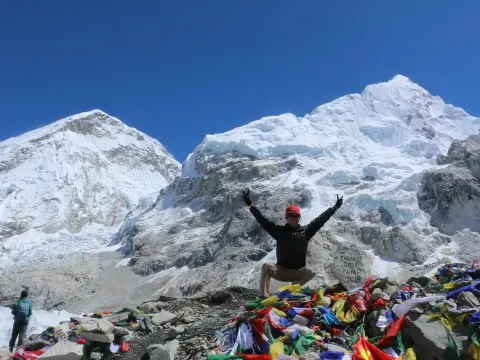
Day 1: Arrival and Orientation (1,338 m/4390 ft) and transfer to hotel.
Day 2: Drive to Salleri (2362 m / 7749 ft) 7 hrs.
Day 3: Drive to Thamedanda and trek to Paiyu/Surke (2,290 meters (7,513 feet) ) 6 hrs. ( can drive to Surke directly in dry seasons)
Day 4: Trek to Monjo (2880m/9449 ft) - 06 hrs.
Day 5: Trek to Namche ( 3440 m/11,286 ft) 5 hrs
Day 6: At Namche, Acclimatization and Rest (3880 m/12,730 ft) 4 hrs
Day 7: Trek to Tengboche Monastery (3,867 m/12,687 ft) - 05 hrs.
Day 8: Trek to Dingboche (4,410 m / 14,470 feet) -05 hrs.
Day 9: At Dingboche rest day for acclimatization(4410 m) Nagarjuna Peak(5080 m/16,667 ft)
Day 10: Trek to Lobuche (4,960 m/16,273 ft) - 05 hrs.
Day 11: Trek to Everest Base Camp (5,364 m/17,598 ft) and back to Gorakshep(5190m/17,027 ft) - 07 hrs.
Day 12: Climb Kalapathar( 5,545 m/18,192 ft) trek to Periche( 4,200 m/13,779 ft)-08 hrs.
Day 13: Trek to Namche Bazaar (3,440 m/11,286 ft) via Tengboche - 07 hrs.
Day 14: Trek back to Surke (2535m) 6 hrs
Day 15: Trek back to Themedanda and drive back to Salleri ( 2362 m),06 hours) ( can drive directly to Salleri from Surke in dry seasons)
Day 16: Drive back to Kathmandu- 1338 m ( 8 hrs)
The Kathmandu to Thamdanda jeep ride is a popular but challenging one for trekkers on their way to the Everest region without flying. The Kathmandu to Thamdanda distance is approximately 335 km, and the journey passes through Salleri and Surke. The journey is an alternative to flying to Lukla and is a less expensive but time-consuming option. The distance between Kathmandu to Salleri is 268 km.
The first section of the jeep drive from Kathmandu to Thamdanda is a drive from Kathmandu to Salleri, a distance of approximately 268 km that takes around 8 to 10 hours by jeep. The journey follows the BP Highway and merges with the Mid-Hill Highway before reaching Salleri, the administrative headquarter of the Solukhumbu district. The road is mostly on blacktopped roads until Phaplu, where the road becomes rough and bumpy.

From Salleri, the EBC Jeep Ride continues to Thamdanda, 5 to 7 hours more. It is a rough, unsealed, and weather-sensitive path, so traveling is not easy. The final leg from Thamdanda to Surke is a short 2 to 3 hours' walk downhill to Surke, which is situated in the main Lukla trail. One can drive to Surke in dry seasons ( Winter and Spring) from Thamdanda.
The jeep fare from Kathmandu to Salleri ranges from NPR 2,500 to NPR 3,500 per person in a shared jeep. The cost of a private jeep ranges from NPR 2,0000 to NPR 25,000 depending on the season and availability. The jeep fare from Salleri to Thamdanda is approximately NPR 2,000 to NPR 2,500 per person in a shared jeep, and hiring a private jeep costs NPR 15,000 to NPR 20,000.
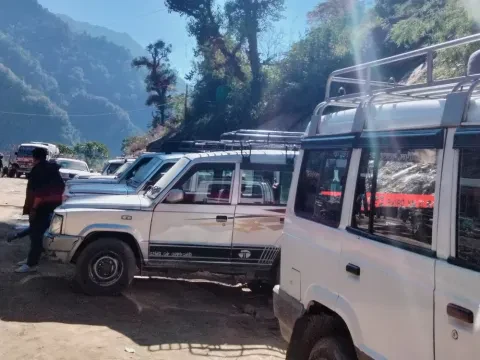
The jeeps used for the journey are mostly 4WD vehicles such as Toyota Land Cruisers, Mahindra Boleros, and Tata Sumos that are capable of off-road travel. However, roadblocks, landslides, and unpredictable weather can cause delays, especially during monsoon and winter.
Proper preparation makes the Everest Base Camp Trek without Lukla Flight easier and safe. Actually, you must arrange extra trekking days like 3-4 days. Bring a detailed topographical map and arrange a guide if available. Similarly, bring enough cash for extra days. As remote villages lack ATMs, it is very necessary. Also, carry energy foods and a water bottle that can be refilled. Acclimatize your body by walking on hills weeks before the trek. Moreover, carry lightweight but warm clothes. Unlike the trekkers flying to Lukla for their Everest Base Camp Trek, you will have both heat and cold. Therefore, dress in layered clothing beforehand. Do not miss essential medicines and a headlamp. Thus, get properly prepared for a hassle-free and successful Everest Base Camp Trek without Lukla Flight.
Major Preparations
Meanwhile, Travelers should prepare themselves for rough, lengthy journeys and potential discomfort. Bringing motion sickness tablets, snacks, and warm clothing is recommended. Pre-booking of the jeep from Kathmandu to Salleri and then to Thamdanda, especially during peak trekking season like in Spring and Autumn, is also preferable to avoid time and effort. Check the weather forecast and possible weather extremes during this long jeep drive from Kathmandu to Thamdanda/Surke.
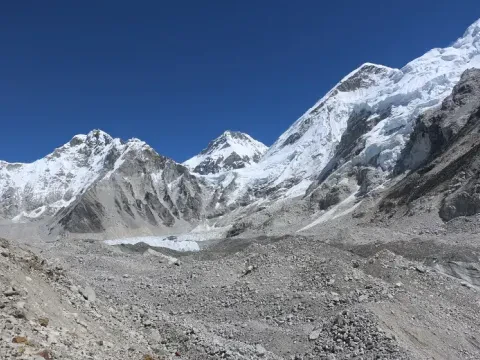
Traveling from Kathmandu to Thamdanda by bus offers a trekking option to the regular flight to Lukla for those who want to visit the Everest region. The trip begins with a drive from Kathmandu to Salleri, the district headquarters of the Solukhumbu District. The distance is approximately 335 kilometers and takes between 10 to 12 hours to reach. Travelers can either take jeeps or buses, and the more favored of the two is the jeep, considering it can handle the various road types more effectively. A jeep ride ranges from NPR 4,500 to NPR 5,000 per person, while buses charge NPR 3,000 to NPR 3,500.
The bus ride to Thamdanda from Kathmandu begins along the BP Highway, passing through Dhulikhel and Khurkot, before linking with the Madhya Pahadi Highway to Okhaldhunga. From Okhaldhunga, the road becomes more rugged, traveling to Salleri. This section of the trip allows travelers to view the diverse scenery of Nepal, which is comprised of river valleys, terraced fields, and small villages.

Having reached Salleri, the bus ride extends to Thamdanda. The distance from Salleri to Thamdanda is approximately 63 kilometers and involves off-road driving, making driving challenging yet exciting. It takes between 6 to 9 hours driving from Salleri to Thamdanda, subject to weather and road conditions. Along the drive, travelers pass through the villages of Jubing, Kharikhola, and Bupsa, which provide an understanding of Sherpa culture and life.
For trekkers who want to go as far as Surke, the road continues past Thamdanda. It takes about 10 kilometers to reach Paiya from Thamdanda and another 15 kilometers from Thamdanda to Surke. It may take between 4 to 5 hours depending on the condition of the roads and the vehicle. Surke is near Lukla and is one of the starting points for Everest region treks.
Moreover, trekkers need to be prepared to encounter several challenges on this road. The roads, especially after Salleri, are likely to be unsealed and could be at the mercy of the weather, making for muddy or slippery paths during the monsoon season. Landslides and blockages of the road are likelihood, and the journey can be physically strenuous due to the long hours of travel on rough roads.

For a more pleasant trip, it's ideal to undertake the trip during the dry seasons between October and May and Dec-Feb when roads are less problematic. Booking through reputable agencies can provide more reliable service and the ability to customize the trip to provide rest stops and acclimatization time. Visitors should also be prepared for basic accommodations and reduced amenities at some of the remote villages along the route.
In sum, the bus ride from Kathmandu to Thamdanda and onward to Surke offers a unique overland adventure into the lower Everest area. Although it requires careful planning and one must be ready for the rigors of rural travel in Nepal, the scenic and cultural rewards are more than worth the effort for intrepid travelers. The bus ride to Thamdanda/Surke is a perfect escape to Lukla flights for your smooth EBC Trek.
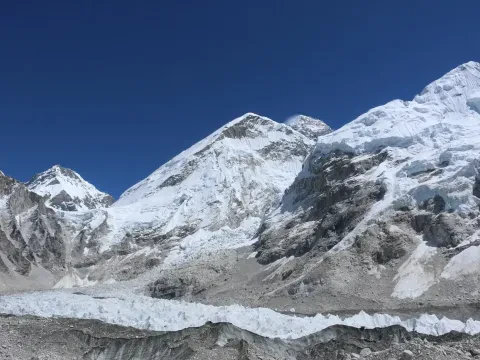
Actually, the Everest Base Camp trek without flight is an affordable option. Instead of flying to Lukla, the trip begins with a jeep or bus ride to Salleri or Tham Danda from Kathmandu. The Everest Base Camp Overland journey costs $30–$60 per person, depending on the vehicle and season. Further, the EBC Trek Overland route includes 3–4 extra days of walking, which contributes to food and accommodation costs to some extent. Food and accommodation costs per day generally range from $25 to $40 per person. Most importantly, it provides better opportunity to explore and acclimatize the lower Everest region. In fact, it helps you to ascend the higher elevation in a more relaxed way.
Similarly, you need pay the same permit fee as you pay for Everest Base Camp Trek with Flying. You need to get two permits: the Khumbu Pasang Lhamu Rural Municipality Permit ($20) and the Sagarmatha National Park Permit ($30). Guides for Everest Base Camp Trek are paid between $25–$35 per day, and porters between $20–$30 per day. Therefore, for a 14 to 18-day Everest Base Camp trek without Flying, the guide and porter charge can be $600 or above. Compared to flying, road travel needs an extra budget for extra nights and foods.
In total, then, the Everest Base Camp Trek by land costs $900 to $1,400. Actually, the price depends on group size, guide/porter usage, and your own spending habits. You can economize by joining a group or going without a guide. Using a porter is handy for large walking days, though. So, overland travel saves you money and shows you scenery. In fact, Everest Base Camp Trek by land is best for those on a budget and individuals who avoid flying. Though It is a longer but more peaceful journey. Indeed, it is a more concentrated Himalayan experience in Everest region.
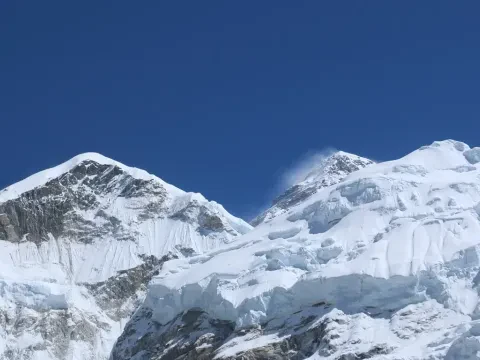
Hiking to Everest without a flight to Lukla involves some serious challenges. To be honest, the trek would be longer and tougher. The trekkers must start from Jiri, Phaplu, or Salleri. And again, from Salleri, you will drive to Thamdanda spending another 7-8 hours. Compared to the direct path to Lukla, this path takes 4 to 7 extra days. Moreover, the trail involves many steep ups and downs. The starting section is through low hills with hot and humid weather. Similarly, good lodges are hard to find at far-off villages. Food is limited at some places. Likewise, physical tiredness is a real issue after long days of walking. You may also suffer from pain in your legs or knee strain. Fewer trekkers may be available as the trail is less populated. Therefore, you may feel isolated at some places while doing Everest Base Camp Trek without Lukla Flight.
Major Challenges
Yes, and one can actually get to Everest Base Camp without a flight, by taking a land drive via Salleri and Thamdanda. Instead of the risky and unpredictable flight to Lukla, tourists can have the choice of traveling by jeep or bus from Surke or Thamdanda from Kathmandu. Jeep or bus ride from Kathmandu to Surke/Thamdanda offers a consistent and scenic route, bypassing the often unpredictable and risky Lukla flights.
An 8-10 hour jeep or bus ride to Surke or Thamdanda from Kathmandu is undertaken. The total distance from Kathmandu to Thamdanda varies but stands at about 250-300 km. The journey can range from $40 to $60, depending on the means of transport and route on sharing basis. The private hire will rise higher than this.

Trekkers in EBC may avoid flights to Lukla due to the numerous risks involved, such as weather disruptions and safety concerns. The jeep drive from and to Thamdanda/Surke provides for a relaxed experience, where the trekkers can gradually acclimatize to the altitude before embarking on the trek to Everest Base Camp. The jeep or bus ride from and to Thamdanda/Surke also provides a clearer view of rural Nepal.
If you go to EBC by road without flying, your EBC Trek will be smoother and cheaper as well without any interruptions of unpredictable and costly Lukla flights. Therefore, EBC without flying is also popular as EBC Budget Trek. If you are a budget seeker and willing to avoid Lukla flight during your Everest Base Camp Trek, the jeep drive from and to Thamdanda is the best option.
1. Can I reach Everest Base Camp without flying to Lukla?
Yes, you can completely avoid flying to Lukla. You can travel by road from Kathmandu to Surke or Thamdanda by jeep or bus and then start trekking. This road option is becoming very popular as it removes flight risks and provides better acclimatization.
2. What is the best way to reach EBC without flying?
The best and most practical way is taking a private or shared jeep from Kathmandu to Surke via Thamdanda. From Surke, you begin your trek and join the classic Everest Base Camp route. We have successfully used this route for many years.
3. Why should I avoid Lukla flights?
Lukla flights are frequently cancelled due to bad weather. Delays and uncertainty can ruin your trekking schedule. The road option gives you peace of mind, better acclimatization, and a more adventurous experience.
4. How long does it take to reach Surke by road from Kathmandu?
The jeep ride from Kathmandu to Surke via Thamdanda takes 9 to 11 hours. Although the road is long and bumpy, it is reliable and scenic. We use comfortable 4WD jeeps for a safer journey.
5. How much does the jeep ride from Kathmandu to Surke cost?
A private jeep from Kathmandu to Surke usually costs between US$ 280 to 380 (depending on group size). Shared jeeps are cheaper. This is a one-time cost that saves you from expensive flight risks.
6. What type of jeep is used for Kathmandu to Thamdanda/Surke?
We use strong 4WD jeeps such as Toyota Land Cruiser or similar models. These vehicles are well-maintained and perfect for the rough mountain roads. Our experienced drivers know every turn of this route.
7. Is there a bus option from Kathmandu to Surke?
Yes, you can take a local bus from Kathmandu to Salleri and then another bus or shared jeep to Surke. This is the cheapest option, but it is slower and less comfortable than a private jeep.
8. What is the total duration of Everest Base Camp Trek without flying?
The full trek by road usually takes 16 to 18 days. This includes 1-2 days of driving and 12-14 days of trekking with proper acclimatization. We design safe and comfortable itineraries.
9. Is trekking from Surke more difficult than from Lukla?
No, it is actually easier for acclimatization. You gain altitude gradually by road, which reduces the risk of altitude sickness. The trekking distance is only slightly longer than the flying option.
10. What are the main challenges of EBC Trek without flying?
The main challenges are the long and bumpy jeep ride (9-11 hours) and 2 extra days on the itinerary. However, these are easily manageable and worth it for the reliability and better acclimatization.
11. How is acclimatization on the road option?
Acclimatization is much better when you travel by road. You gain altitude slowly, which helps your body adjust naturally. This is one of the biggest advantages of avoiding Lukla flights.
12. Is the road to Surke safe?
Yes, the road is safe when using experienced drivers and good vehicles. We regularly monitor road conditions and choose the safest possible route for our clients.
13. Can beginners do Everest Base Camp Trek without flying?
Yes, beginners can comfortably do this route. The gradual altitude gain by road actually makes it safer and easier for first-time trekkers.
14. What should I prepare for the jeep ride to Surke?
Carry motion sickness medicine, snacks, water, warm clothes, neck pillow, and a power bank. The road is adventurous, so light preparation makes the long drive much more comfortable.
15. Can I return without flying after the trek?
Yes, you can return by jeep from Surke or Thamdanda to Kathmandu. Many trekkers prefer this option to avoid last-minute flight problems from Lukla.
16. How much can I save by choosing the road option?
You can save US$ 150 to 400 per person by avoiding Lukla flights. Although the road option adds 1-2 days, it is more economical and stress-free.
17. Is the road option suitable for solo trekkers?
Yes, many solo trekkers choose this option. We can arrange shared jeeps or private transfers according to your preference and provide full support throughout the journey.
18. What is the best season for Everest Base Camp Trek by road?
The best seasons are March to May and September to November. Roads are in better condition and weather is more stable during these months.
19. Why is the road to Surke becoming more popular?
Because it removes the uncertainty of Lukla flights, offers better acclimatization, and gives trekkers a real adventure experience. Many of our clients now specifically request this option.
20. Why choose Haven Holidays Nepal for Everest Base Camp Trek without flying?
With over 10 years of experience, we know the current road conditions perfectly. We provide safe jeep arrangements, experienced guides, and well-planned itineraries so you can enjoy a smooth and successful trek to Everest Base Camp.
Our travel experts are ready to assist you with any questions.
Send us a message.Have a question before you book? Send your enquiry below and our travel experts will get back with the required information.