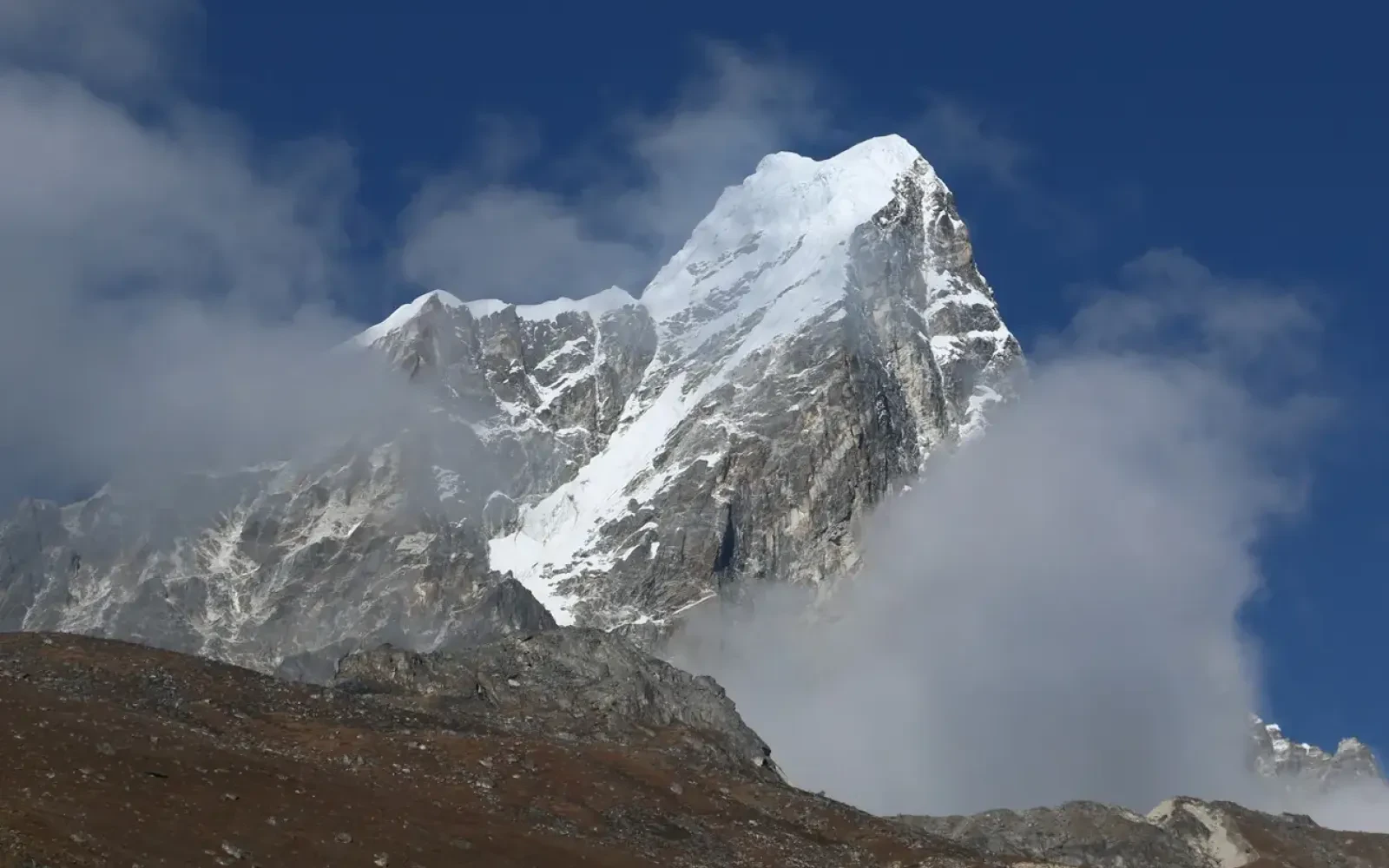
An experienced trekker can expect to spend USD 875–1,225 on a budget Everest Base Camp Trek, depending on the exact group size, means of transport, days of trekking, food, accommodation, and incidental expenses. Prices vary considerably and are currently dominated by rising market rates. This figure is usually lower than a standard guided Everest Base Camp Trek but could easily be lower than an overland group-style trip.
Meanwhile, the single most impactful expense is the Lukla flight: a shared road trip from Kathmandu to Salleri and Surke followed by a walking route to Everest Base Camp and return could save hundreds of dollars. And same strategy is applied for EBC Budget Trek.
| Budget approach | Expense |
|---|---|
| Kathmandu accommodation | USD 30–70 |
| Kathmandu–Salleri–Surke return | USD 80–150 |
| Teahouse accommodation | USD 80–150 |
| Food during trek | USD 250–350 |
| Permits | USD 50–60 approx. |
| Guide/group contribution | USD 200–300 |
| Porter | USD 0 |
| Water/snacks/personal expenses | USD 80–120 |
| Approximate total | USD 875–1,225 |
Note: This approximate total cost assumes that you share transportation, do not need a porter, stay in basic teahouses, and minimize personal expenses. This is not necessarily an all-inclusive rate.
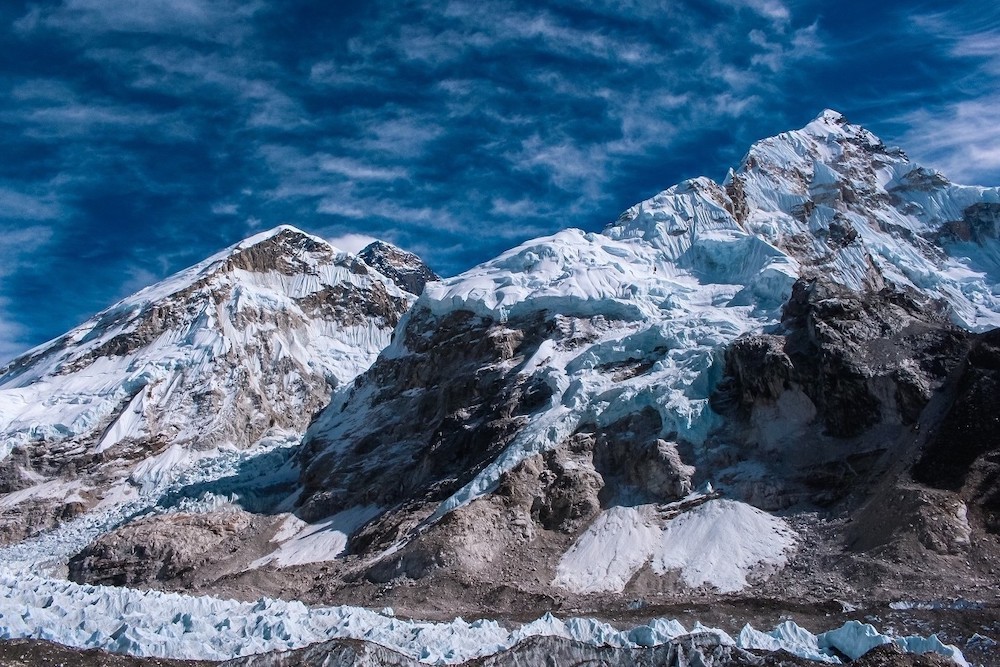
The way to minimize your Everest Base Camp Trek cost is to avoid the Lukla flight and take the road to Surke instead. Further savings can be made by joining a group, carrying your own backpack, staying in basic teahouses, eating local foods, and hiring gear in Kathmandu.
1. Use the Road to Surke Instead of Flying to Lukla
This option will almost certainly save the most money.
Instead of purchasing a return flight, consider :
Kathmandu → Salleri → Surke → trek → EBC → trek → Surke → Salleri → Kathmandu
While shared jeep prices fluctuate, the cost from Kathmandu–Salleri and Salleri–Surke shared transport substantially lies below the price of return flight from Lukla.
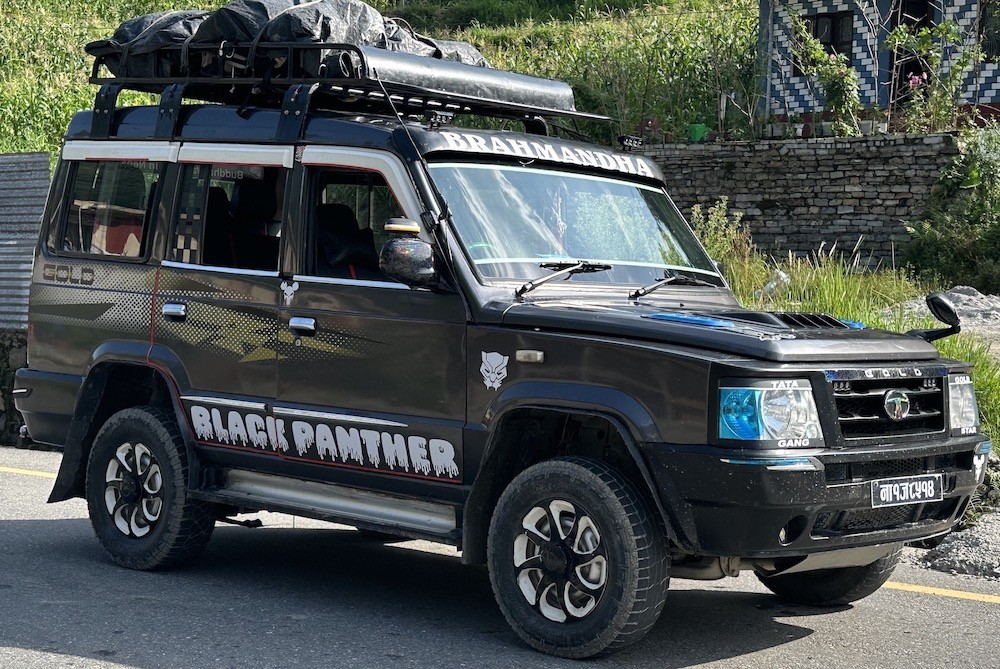
Meanwhile, the road is rough and travel time depends upon the road and weather conditions, which makes this a slower and less reliable option.
2. Travel Both Ways by Road
Do not consider flying back from Lukla if you want to save money.
Use:
Kathmandu → Salleri → Surke → EBC → Surke → Salleri → Kathmandu
This eliminates the cost of the Lukla flight.
3. Do Not Hire a Porter
If you are physically prepared to do so, carrying your own backpack eliminates this expense.
Here, light backpacks become increasingly vital above Namche Bazaar (3,440 m) and particularly at Gorak Shep (5,164 m) and Everest Base Camp (5,364 m).
4. Join a Group
A group trek can reduce the cost of :
Generally speaking, larger groups receive lower individual rates from trekking agencies. Current published EBC prices demonstrate substantial reductions at higher group sizes.
5. Choose Shared Accommodation
6. Eat Dal Bhat
Dal bhat is arguably the most budget-friendly food on the Everest trail.
It provides rice, lentils, vegetables, and sometimes more, making it one of the most nourishing foods on the menu. It is also a good trekking food because it provides carbohydrates and protein that fuel your body.
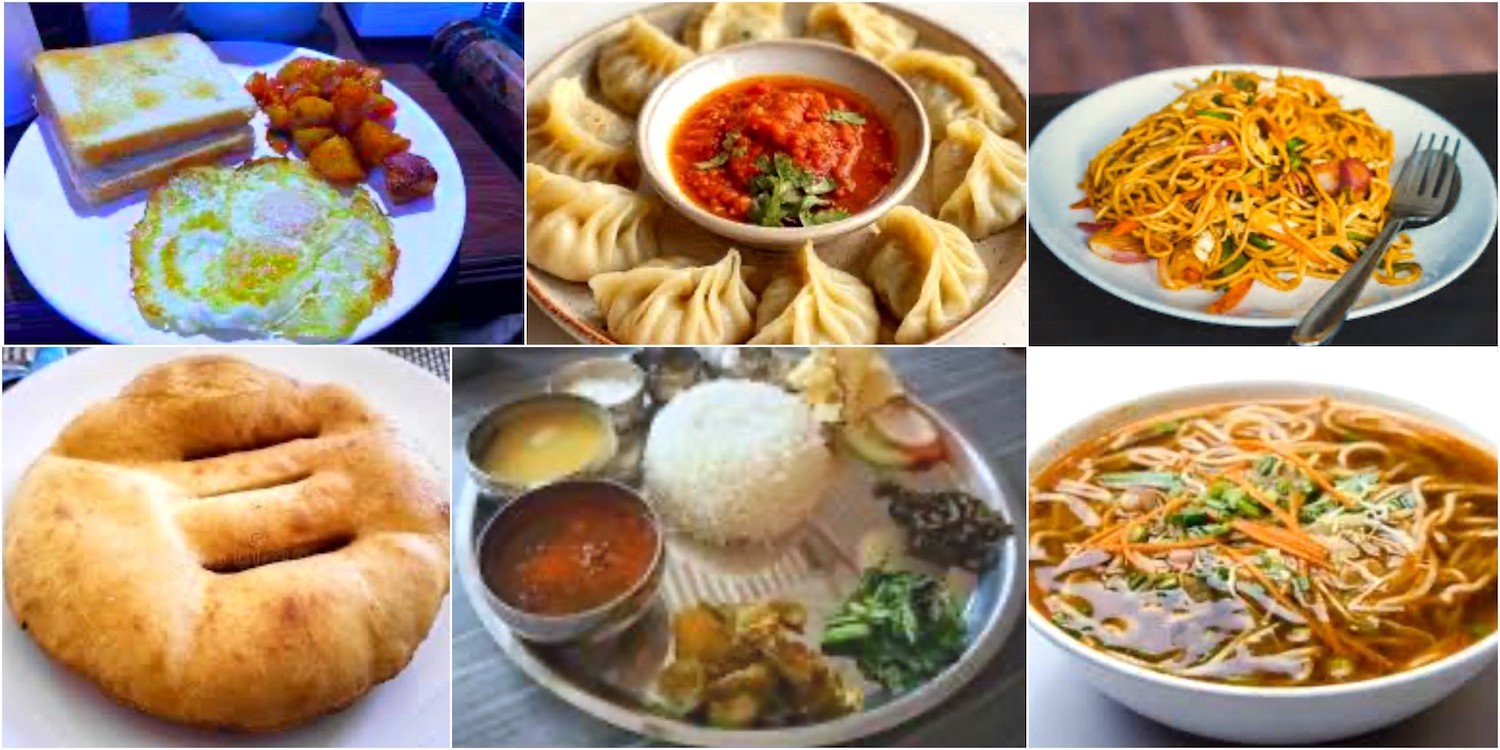
Instead of ordering expensive imported foods, consider :
As you gain altitude, food becomes more expensive because it has to be transported into the mountains by porters, helicopters, planes, mules and yaks. Current published estimates put food and accommodation together at roughly USD 35–45 per day for budget travelers.
7. Carry Snacks From Kathmandu
You can afford to buy cheap snacks in Kathmandu rather than buying expensive imported snacks in the Everest region. Consider :
Snack weight should not be excessive: Carrying extra junk food defeats the purpose of budget packing.
8. Purify Your Own Water
Buying water every day can be both expensive and wasteful.
Instead, carry a reusable bottle and use:
Here, the estimate cost of drinking water at between USD 2-5 dollars per liter at higher altitudes, making water purification a potentially important expense.
9. Hire Trekking Gear in Thamel
Do not purchase new trekking gear if you will seldom or never use it again.
You can rent many useful items from Thamel, Kathmandu, including:
In fact, this is a good way to substantially reduce your equipment costs.
10. Stay in a Hostel in Kathmandu
A budget traveler does not have to stay in a tourist standard hotel.
Choose a clean hostel or guesthouse in Kathmandu. A hostel stay can reduce your accommodation costs considerably before and after the trek.
However, prioritize cleanliness, security, location, and reviews rather than simply choosing the cheapest option.
| Saving method | Potential benefit |
|---|---|
| Kathmandu → Salleri → Surke by road | Very high |
| Return to Kathmandu by road | Very high |
| Join a group | High |
| Carry your own backpack | High |
| Basic teahouse accommodation | Moderate |
| Eat dal bhat/local food | Moderate |
| Purify drinking water | Moderate |
| Carry snacks from Kathmandu | Moderate |
| Rent gear in Thamel | High upfront saving |
| Stay in Kathmandu hostel | Moderate |
Road instead of flights + group instead of private trek + no porter + basic teahouses + local food + purified water + rented gear + Kathmandu hostel = a low-cost EBC Trek.
Caution: Do not sacrifice safety for the sake of the budget. A licensed guide, appropriate permits, suitable insurance, appropriate clothing, and emergency planning should remain priorities. The road to Surke is rough and seasonal; current road conditions should be considered before departure.
In short, a cost of USD 875–1,225 is achievable for a well-managed budget-style trek but requires discipline and a willingness to sacrifice comfort and convenience.
The Everest Base Camp Budget Trek costs about USD 875 -1225 per person depending on the group size. Because the larger the group, the more that transportation, guide service, and other operating costs get split up.
For a truly budget EBC experience, the Kathmandu- Salleri- Surke overland route is a good option as it avoids the cost of the flight from Katmandu to Lukla. This route is already a budget option offered by Nepal trekking companies.
| Number of Trekkers | Cost per Person |
|---|---|
| 1 Person | USD 1,225 |
| 2-4 People | USD 958 |
| 6-10 People | USD 925 |
| 12-16 People | USD 875 |
In fact, the larger the group, the cheaper a trek becomes per person. That's why joining a small group is one of the best ways to save money on the EBC Trek.
Important: Note that the numbers above are for reference only because the final price depends on what is included. Food, accommodations, permits, transport, guide and porter service, insurance, personal and equipment expenses, and other costs can vary by package.
For reference, here's an estimate of the independent or Guided EBC trekking costs for 2026: USD 1000-1300. Fully guided standard packages can be significantly more expensive.
Budget Breakdown :
So, USD 875-1225 is a reasonable target for a well-managed Everest Base Camp Budget Trek, especially for those who arrive by road with a large group.
You can cut the costs on the Everest Base Camp Trek considerably without sacrificing some important safety measures. Transportation, group size, accommodations, food, and equipment can all help lower trip costs.
Instead of flying from Kathmandu to Lukla, drive via Salleri and Surke. The road to Surke begins the trek below Lukla and can be significantly cheaper than the flight. It also provides extra acclimatization time before entering the higher Khumbu region.
se the same route:
However, if you're carrying gear, keep the weight low. The trekking gets significantly more challenging as you approach Gorak Shep (5164 m) and Everest Base Camp (5364 m).
| Group Size | Reference Price |
|---|---|
| 1 | USD 1,225 |
| 2-4 | USD 958 |
| 6-10 | USD 925 |
| 12-16 | USD 875 |
Here, the difference in price reflects shared operating costs that lower the package price for everyone.
5. Use Sharing Accommodation
Book accommodation that involves sharing. For example, a twin sharing room at a teahouse instead of a private room.
At higher altitudes, lodging can become expensive due to limited supply. That's why it's a good budget strategy to consider sharing a room if it's available.
[trip:everest-base-camp-budget-trek-cost]
6. Eat Dal Bhat
Dal bhat is one of the best-value meals on the Everest trail. It is filling and provides carbohydrates and protein.
Instead of eating expensive imported meals, eat local food like:
Food can become more expensive as you go higher because of higher supply costs.
7. Carry Snacks From Kathmandu
Purchase snacks before leaving Kathmandu. Some good options to consider are:
It's usually cheaper to buy these types of snacks in Kathmandu than in high altitude mountain lodges.
8. Purify Your Own Water
Don't buy water during the trek.
Instead, carry a refillable bottle and purify the water with one of the following:
This is a good way to spend less money and reduce environmental impact by reducing plastic waste.
9. Rent Trekking Gear in Thamel
You don't have to buy trekking equipment.
You can rent most of the essential gear from Thamel, Kathmandu, including a:
Sleeping bag
Down jacket
Trekking poles
Duffel bags
Other trekking accessories
It's a good idea to rent gear if you don't normally go trekking at high altitudes.
10. Stay in a Kathmandu Hostel
Look for a clean and safe hostel or guesthouse in Kathmandu instead of an expensive hotel before and after the trek.
While it might not seem like much, the savings add up if you stay more than one night.
| Saving Method | Benefits |
|---|---|
| Kathmandu → Salleri → Surke by road | Very high |
| Return by road | Very high |
| Join a larger group | Very high |
| Carry your own backpack | High |
| Share teahouse rooms | High |
| Eat dal bhat/local food | Moderate |
| Purify drinking water | Moderate |
| Carry snacks from Kathmandu | Moderate |
| Rent gear in Thamel | Low upfront saving |
| Stay in a Kathmandu hostel | Moderate |
Road transportation + group trekking + no porter + shared teahouses + local food + purified water + Kathmandu snacks + rented equipment + hostel accommodation = a budget Everest Base Camp Trek.
However, don't sacrifice some essential safety needs to save money. Make sure to have appropriate insurance, permits, clothing, emergency funds, and trekking support where required.
Here, the current 2026 independent sources also agree that the overland alternative to the EBC trek is a known option to flying and the cost of standard budget packages for the EBC Trek can fall around the USD 900 -1300 range depending on services and itinerary.
The 16-day Everest Base Camp (EBC) budget trek via Salleri and Surke offers a cost-effective alternative to the standard EBC route that involves a thrilling, but potentially expensive flight to Lukla.
Here, this itinerary replaces the Lukla option with a shared jeep journey to Salleri and Surke followed by the familiar Khumbu EBC trail and return via the same road route.
Likewise, the EBC budget trek retains essential acclimatization stops at Namche Bazaar (3,440 m) and Dingboche (4,380 m) recommended by Nepal Tourism. They advise spending adequate time at high altitude rather than hurrying along the trek.
| Day | Route | Elevation (Approx.) |
|---|---|
| 1 | Kathmandu → Salleri → Surke by shared jeep | 2,290 m |
| 2 Surke → Phakding | 2,610 m |
| 3 Phakding → Namche Bazaar | 3,440 m |
| 4 Acclimatization at Namche Bazaar | 3,440 m |
| 5 Namche → Tengboche | 3,860 m |
| 6 Tengboche → Dingboche | 4,410 m |
| 7 Acclimatization at Dingboche | 4,410 m |
| 8 Dingboche → Lobuche | 4,910 m |
| 9 Lobuche → Gorak Shep → Everest Base Camp → Gorak Shep | 5,164 m / 5,364 m |
| 10 Gorak Shep → Kala Patthar → Pheriche | 5,545 m / 4,371 m |
| 11 Pheriche → Namche Bazaar | 3,440 m |
| 12 Namche → Phakding | 2,610 m |
| 13 Phakding → Surke | 2,290 m |
| 14 Surke → Salleri by jeep | 2,390 m |
| 15 Salleri → Kathmandu by shared jeep | 1,320 m |
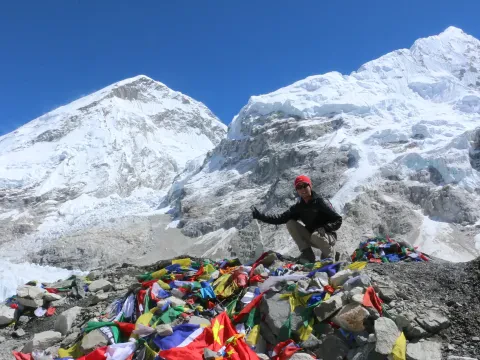
Note: The itinerary above should remain flexible depending on road conditions, season, availability of jeeps etc.
In fact, the high altitude (up to 5,364 m) part of this route follows the standard Everest route through Phakding, Namche, Tengboche, Dingboche, Lobuche and Gorak Shep. The Nepal Tourism Board specifically mentions Namche and Dingboche as major acclimatization stops with Gorak Shep marking the final village before EBC.
Why Choose the 16 Day Budget Route?
Note: The rough road to Surke should be considered before finalizing the itinerary.
Preparation is vital for a budget Everest Base Camp trek because the cost-cutting measures should never compromise your safety.
Meanwhile, the EBC budget route reaches Everest Base Camp (5,364 m) and Kala Patthar (5,545 m), so it is essential to invest adequately in physical as well as mental preparation.
Preparation should start ideally 6-8 weeks before the trek.
| Training | Recommended approach |
|---|---|
| Walking | 4-5 days/week |
| Hiking | 1-2 times/week |
| Stair climbing | 2-3 Times/week |
| Strength Training | 2-3 Times/week |
| Long hike | Gradually build up to 5-7 hour hikes |
| Backpack practice | Start with a light pack |
Meanwhile, pay particular attention to walking upstairs and downstairs - the Everest trail includes numerous ups and downs even though it generally slopes upward.
Exercises such as squats, lunges, step-ups, calf raises, stair climbing, glutes and core workouts will build strong and enduring legs.
Remember, you do not have to be an athlete, but regular endurance workouts are more beneficial than a short-term, intense fitness bootcamp.
The altitude is one of the most important factors in EBC trek. Your altitude range during this particular route will be from Surke (2290 m) to Namche (3440 m),
Dingboche (4410 m) and finally Everest Base Camp (5364 m).
Therefore:
In conclusion, Nepal Tourism Board specifically advises trekkers to not rush the acclimatization process as rapid altitude gain can lead to altitude sickness.
As a budget trekker, you might want to avoid buying any gear. Consider renting a down jacket, sleeping bag, trekking poles, duffle bag or other equipment.
Thamel has plenty of trekking gear stores where you can buy or rent most of the essential items.
Your budget preparations should start before you even reach the mountains. Some useful tips include:
The Salleri-Surke road journey from Kathmandu is one of the main compromises you make by avoiding the Lukla flight.
You must prepare yourself for:
Essential documents to carry include:
This is the most important tip for a budget trek. Do not compromise on:
| Preparationa | Priority |
|---|---|
| Cardiovascular training | ⭐⭐⭐⭐⭐ |
| Hill and stair training | ⭐⭐⭐⭐⭐ |
| Leg strength | ⭐⭐⭐⭐⭐ |
| Altitude awareness | ⭐⭐⭐⭐⭐ |
| Proper trekking boots | ⭐⭐⭐⭐⭐ |
| Warm clothing | ⭐⭐⭐⭐⭐ |
| Water purification | ⭐⭐⭐⭐ |
| Backpack practice | ⭐⭐⭐⭐ |
| Snacks | ⭐⭐⭐ |
| Gear rental | ⭐⭐⭐ |
| Budget planning | ⭐⭐⭐⭐ |
In short, prepare your body, pack light, acclimatize well, and spend wisely. The 16-day Salleri-Surke route is particularly good for budget trekkers who have ample time and want to avoid the expensive, but exciting flight to Lukla. The classic Khumbu trail offers the same breathtaking views of Namche Bazaar (3440 m), Tengboche (3860 m), Dingboche (4410 m), Everest Base Camp (5364 m) and Kala Patthar (5545 m).
The primary distinction between standard and budget itineraries is the level of comfort experienced during transit and accommodation. The trail route and end destination — Everest Base Camp (5,364 m) remain the same. Only the amount of optional comfort and the type of transportation are adjusted to create a larger gap between budget and standard Everest Base Camp cost.
| Feature | Standard EBC Trek | Budget EBC Trek |
|---|---|---|
| Typical cost | Higher | USD 875 – 1225 |
| Kathmandu – Lukla flight | Usually flight | Road to Salleri / Surke |
| Return transportation | Usually flight | Road |
| Trek duration | 12-16 days | 16 days |
| Guide | Usually included | Included |
| Porter | Often included | Usually not included |
| Accommodation | Standard teahouses | Basic / shared teahouses |
| Room | Twin / private options | Twin / shared |
| Food | Standard menu | Local + budget-friendly |
| Kathmandu hotel | Tourist-class | Hostel / budget |
| Trekking gear | Usually personal / rented | Rent where practical |
| Group size | Private / small group | Join a large group |
| Comfort | Higher | Basic |
| Flexibility | Higher |
A standard Everest Base Camp trek package is ideal for those who value the convenience, comfort, and flexibility of travel. By choosing a standard tour, one is likely to pay more, but receive numerous advantages such as the ability to fly near the trail, hire a porter for some of the trekking, and enjoy higher overall comfort.
Likewise, the standard EBC Trek is a perfect option for those who have very little free time for travel and prefer to complete the EBC trek quickly and comfortably.
Alternatively, the EBC budget itinerary is excellent for travelers who have a limited budget and prefer a slower, more comfortable way of exploring the Himalayas.
On a budget EBC tour, the main expenses that should be taken into consideration include spending more time on the road, fewer comforts during accommodation, carrying one’s own backpack, and a larger number of shared services.
Regardless of the tour type, the experience of trekking through Namche Bazaar (3,440 m), Tengboche (3,860 m), Dingboche (4,410 m), Lobuche (4,910 m), and Gorak Shep (5,164 m) before reaching the Everest Base Camp remains the same.
In other words, both itineraries allow one to experience the true Himalayan trekking adventure but with different levels of comfort.
Despite one’s best efforts to choose a cheaper tour, there are hidden extra costs involved in an Everest Base Camp trek that may affect a person’s overall budget.
Although the additional spending should not break the bank, these minor expenses can add up.
| Extra expense | Affordable alternative |
|---|---|
| Bottled water | Use a water filter |
| Snacks | Buy them in Kathmandu |
| Hot shower | Minimize the number of hot showers |
| Wi-Fi | Do not use it regularly/ Use local SIM |
| Charging | Charge only your most essential devices |
| Drinks and coffee | Avoid buying them often |
| Gear | Rent rather than buy |
| Porter | Pack and Carry your bags yourself |
| Accommodation | Stay in twin-sharing rooms |
| Kathmandu hotel | Stay in a hostel |
| Transportation | Share a jeep with others |
| Lukla flight | Take the road route |
| Souvenirs | Set a spending limit |
1. Purify Water Yourself
As the altitude increases, the cost of water increases substantially. Therefore, the most affordable option is to carry your own filtered or purified water in areusable bottle. It will save you money and reduce waste.
2. Carry Snacks From Kathmandu
One of the easiest ways to reduce the everyday expenses on an EBC trek is to purchase some inexpensive healthy snacks in Kathmandu to eat during the trail. Nuts, candy, biscuits, and energy bars are some of the most affordable and healthy options.
In any case, the prices for most goods during the mountain trip increase substantially due to their transportation cost from Kathmandu to the mountain trail.
3. Do Not Pay for Hot Showers Often
While taking a hot shower after a day of trekking may seem appealing, it is one of the most expensive activities during an Everest Base Camp trek.
If the temperature is not extremely low, one may decide to limit the use of hot showers and buy wet wipes to freshen up and maintain hygiene.
4. Limit the Use of Wi-Fi and Charging
There is no need to be connected to the internet constantly while trekking on the challenging mountain trail. It would be a good idea to download maps, music, books, and any other useful information before leaving Kathmandu.
5. Eat Local Food
Trying local food is one of my favorite things to do when I travel. Having said that, I usually control the expenses by purchasing some cheap and healthy Nepalese food such as dal bhat or tukpa.
Some of the most common and affordable local delicacies in Nepal include dal bhat, sherpa stew, noodles, potatoes, eggs, and chapati. While choosing to eat locally may seem counterintuitive to eating healthy, dal bhat is an incredibly healthy and hearty meal that can keep one satisfied for a long time.
6. Do Not Pay for Unnecessary Luxury
Another affordable alternative is to avoid paying for unnecessary luxury and extra comfort. Sometimes these options seem appealing but cause extra spending.
This tip especially applies to:
7. Rather than Buying, Rent Expensive Gear
If one is not sure they will go trekking often, the most budget-friendly option is to rent a high-quality sleeping bag, down jacket, trekking poles, and duffel bag instead of buying them.
8. Share a Jeep With Other Travelers
An additional way to reduce the overall cost of an Everest Base Camp trek is to share a jeep with other tourists. This option is primarily available for those who choose the Kathmandu – Salleri – Surke route to avoid paying for the Lukla flight.
9. Only Carry Necessary Equipment
Having a heavier bag encourages one to hire an additional porter to carry some of the gear on the mountain trail. Moreover, reducing the overall weight of the bag may be an excellent motivator to exercise more frequently and reduce body weight.
10. Set Some Money Aside for Emergencies
It is essential to leave some money unspent in case of an emergency. Sometimes unforeseen circumstances require additional funds to alter the travel plans.
For example, if there is a sudden change in weather forecast, one may need additional money to extend the stay at Everest Base Camp or invest in special equipment to avoid altitude sickness.
Some of the most common emergency expenses include:
Smart Budget Tip: Do not spend your entire budget before reaching Everest Base Camp. It is essential to leave at least a small amount of money for emergency situations. Always set aside some funds for altitude sickness medication, extra accommodation, and other unplanned activities.
| Save money on | Spending money on |
|---|---|
| Luxurious meals | Emergency medication |
| Bottled water | Alternative travel arrangements |
| Expensive hotels | Comfortable accommodation |
| New gear | Suitable outdoor equipment |
| Private room | Individual travel |
| Wi-Fi | Personal safety |
| Lukla flight, if conditionally possible | Emergency expenses |
| Souvenirs | Porter, if physically possible |
Now, let me share my final thoughts on how to cut costs on an Everest Base Camp trek.
Meanwhile, the most sensible way to minimize the overall EBC trek cost is to reduce the number of recurring expenses. Paying a little bit more for flights, accommodation, and other services that are used only once might be a good investment.
On the other hand, one may avoid overspending by minimizing the daily expenses on snacks, drinks, and other goods. Using the alternative mode of transport and carrying more food from Kathmandu are two examples of such actions.
All in all, the best way to enjoy trekking on a budget is to keep the overall EBC cost in mind and control the minor recurring expenses. Following the tips above will help one keep the EBC trek price range within USD 875 – 1225 depending on the type of tour, its inclusions, and the group size.
However, it is necessary to leave some money unspent for emergency situations. In the end, a low-cost Everest Base Camp tour should be enjoyable, comfortable, and safe.
Everest Base Camp Budget Trek idea is perfect for those of you who want to explore the Khumbu region while keeping your expenses in check. A well-planned budget trip may cost around USD 875-1225 per person, depending on the size of your group, services, and transportation.
Here, the most significant expense you can avoid when organizing a budget-friendly Everest Base Camp trek is the flight to Lukla. You can opt for a shared jeep from Kathmandu to Salleri and Surke, get down towards Everest Base Camp, and return by road.
You can save more money by:
However, even while trying to stick to a budget, it is essential to keep in mind that EBC Trekking requires proper gear, travel insurance, permits, and high altitude trekking experience with enough time for acclimatization at Namche Bazaar (3,440 m), Dingboche (4,410 m), and Everest Base Camp (5,364 m). Remember that a well-planned Itinerary must include a day for exploring Kala Patthar (5,545 m) on a suitable acclimatization day.
A trip of this magnitude always entails numerous expenses in relation to the time and effort it takes.
However, there are several ways to significantly reduce these expenditures. Here’s a brief summary.
Quick Checklist for a Budget Everest Base Camp Trek :
Here, I hope I convinced you that doing the Everest Base Camp budget trek is entirely feasible and realistic. Even on a limited budget, you can experience the wonder and majesty of Everest region at lower cost. Remember to think about how to organize your EBC trek so that you have enough time to acclimatize and invest in the best possible gear.
If you need any help for Everest Base Camp Budget Trekking, you can contact us and also book EBC Budget Trek with us. Our team is always there to help you make your trip safe and exciting.
a. How much is Everest Base Camp Budget Trek?
Everest Base Camp Budget trek cost around USD 875 to USD 1,225. The price depends on group size, accommodation, transport, guide, and porter. The budget EBC usually takes the 16-day Everest base camp route via Salleri and Surke that saves you money on expensive flights to Lukla but covers most of the trekking services.
b. How can I make my EBC Trek Budget-Friendly?
The best way to make this EBC trek budget-friendly is to trek via Salleri and Surke instead of spending a lot of money on a flight to Lukla. You can also trek in a group and share the guide, porter, and jeep fare. Opt for teahouse accommodations and eat local foods. You can bring a reusable water bottle to save additional money on drinks during the Everest base camp trek.
c. What are the best ways to make my EBC Trek cheaper?
The best ways to make EBC trek cheaper are to take a shared jeep from Kathmandu to Salleri and trek through Surke. You can also opt for a group tour to share the cost of guides, porters, tea house accommodations, and other activities offered. It is better to have meals in teahouses and avoid extra spending on snacks or other non-essential items. Choosing the Everest base camp budget package is another good way to make the trek cheaper.
d. Is it necessary to hire guide and porter for Everest Base Camp Trek?
Hiring a guide and porter is recommended for first-timer trekkers on the Everest base camp trail. A guide has vital expertise about the local area, including how to keep safe at high altitudes and other safety measures. A porter helps you carry your heavy luggage throughout the trek. These expenses may be reduced by getting a guide and porter for a group.
e. How long is EBC Budget Trek?
The EBC budget trek usually lasts for 16 days, including arrival and departure dates in Kathmandu. It involves a drive from Kathmandu to Salleri and Surke and a trek from Surke to Phakding, Namche Bazar, Tengbuche, Dingbuche, Lobuche, and Everest Base Camp.
f. How much does accommodation cost on EBC Trek?
The cost of accommodation varies depending on the camping or teahouse you choose. The higher the altitude of your teahouse cabin, the more expensive the accommodation will be. Double occupancy teahouse accommodations are cheaper than single occupancy. Rates also differ depending on the season, availability, and other extras like attached bathrooms.
g. How much do meals cost on Everest Base Camp Trek?
A meal costs around USD 5 to USD 15 on an EBC trek, depending on the place and the type of food ordered. As we climb higher during the Everest base camp trek, the cost of food increases due to the supply-demand gap. Noodles and pasta are some of the most affordable meals trekkers can order. Dal bhat, soups, momo, and Tibetan bread are other favorite meals among the trekkers.
h. How much is the jeep cost from Kathmandu to Surke via Salleri?
The jeep fare from Kathmandu to Surke via Salleri costs around USD 40 to USD 60 per person for a shared jeep. The price of private jeeps depends on the road conditions, the type of jeep, and the time of the year. A lower fare is charged for a group of people who rent a jeep compared to those who hire a private jeep.
i. How much do the permits cost for Everest Base Camp Trek?
The Sagarmatha National Park entry permit and the Khumbu Pasang Lhamu Rural Municipality Permit are required to trek to the Everest base camp. The cost of these permits depends on the authority and the type of permit. Hence, it is advisable to check the entry permit fees before finalizing the Everest base camp trip.
Our travel experts are ready to assist you with any questions.
Send us a message.Have a question before you book? Send your enquiry below and our travel experts will get back with the required information.