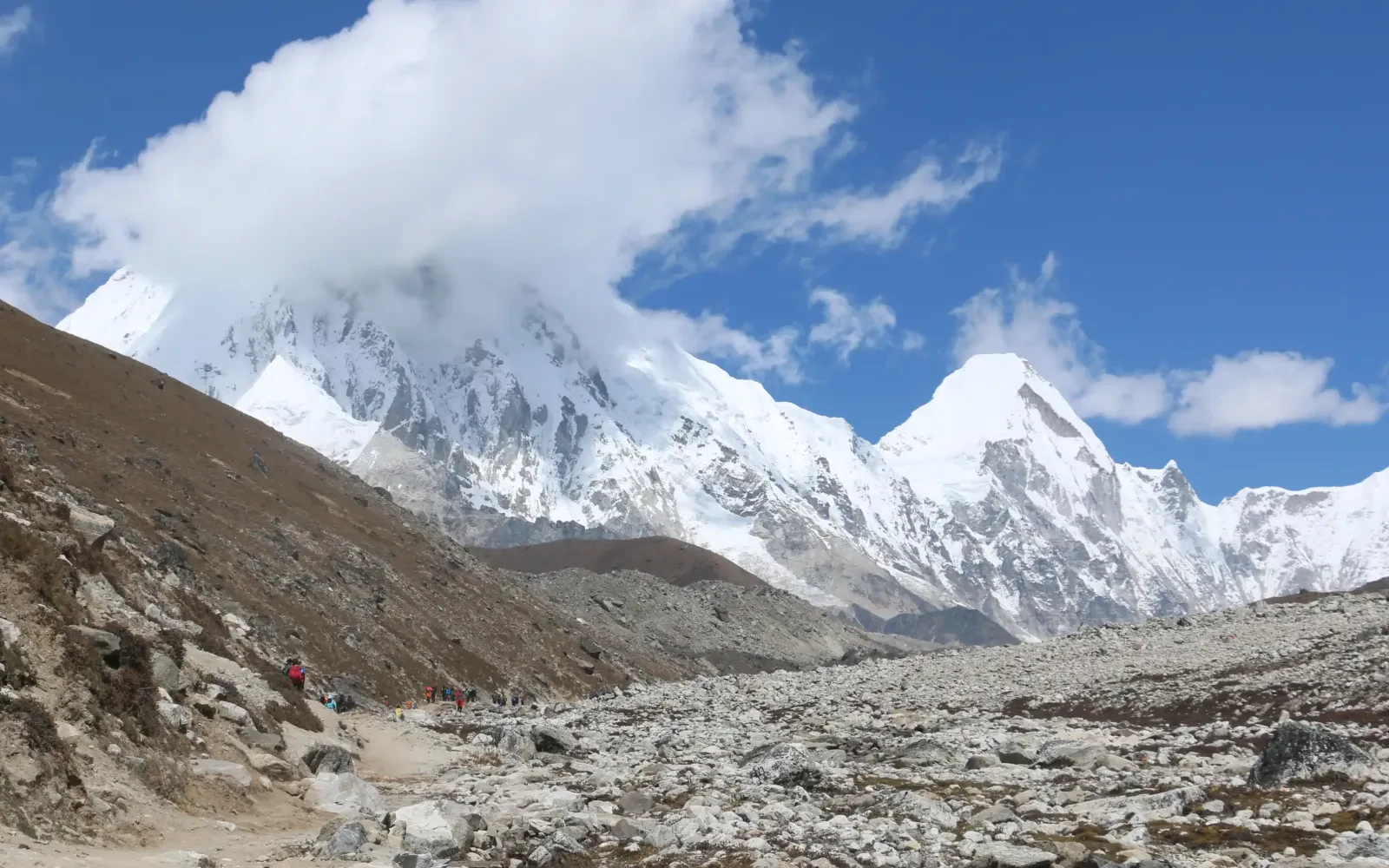
Meanwhile, Everest Base Camp isn’t just a trek—it’s a real adventure. Imagine winding your way through the heart of Nepal, surrounded by the world’s tallest peaks and the vibrant traditions of the Sherpa people. That’s what draws so many explorers here: the chance to stand at the base of Mount Everest, gazing up at 8,848 meters of legend, and to soak in the raw beauty of the Himalayas.
Likewise, most people start this journey with a short, scenic flight from Kathmandu to Lukla. Touch down, and suddenly you’re in the thick of it. Day one, you’ll trek to Phakding. The next stop is Namche Bazaar—a bustling market village where trekkers catch their breath and get used to the altitude. From there, the route winds through Tengboche, home to a famous monastery, and up to Dingboche for more acclimatization.
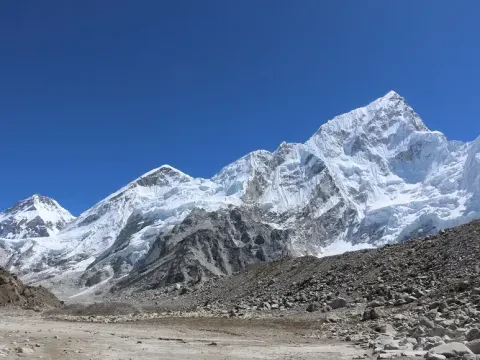
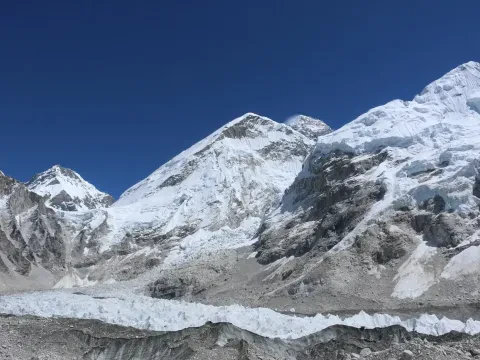
As you climb higher, things get even more dramatic. Glaciers surround Lobuche. Then comes Gorak Shep, the last little outpost before you reach Everest Base Camp at 5,364 meters. If you want the best mountain views, don’t skip the side hike to Kala Patthar. It’s tough, but the payoff is a panorama you’ll never forget.
Moreover, the whole trek usually takes about 12 to 14 days—enough time to move at a safe pace and avoid altitude sickness. Costs run from $1,200 to $1,500 per person. That covers your permits, flights, and guides. You can keep it simple with basic lodges and local food, or go for comfort with upgraded rooms and even helicopter rides. Either way, planning ahead smooths the path.
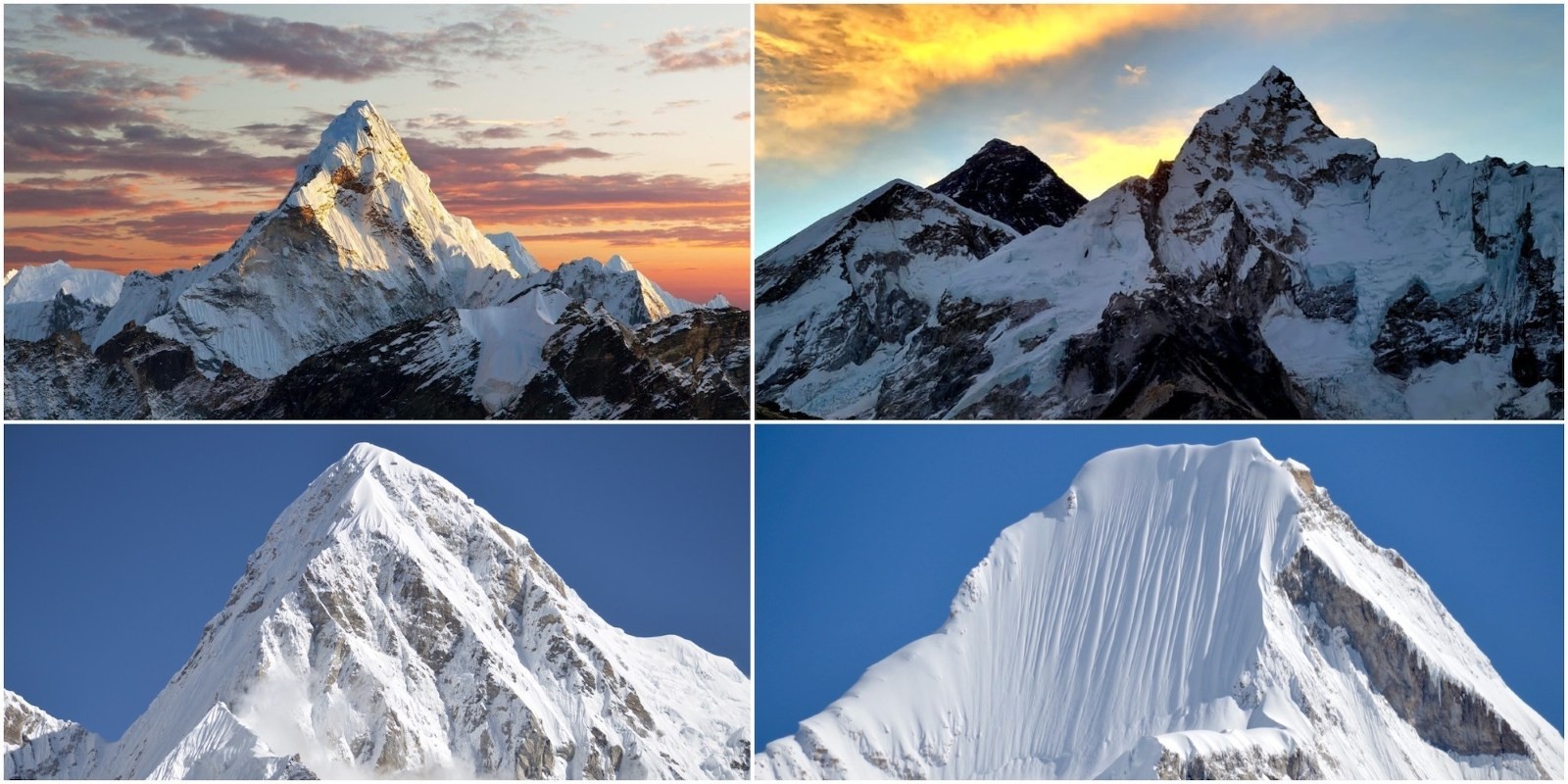
In fact, every step takes you deeper into Sagarmatha National Park, where rhododendrons bloom and yaks graze. The Sherpa people welcome you with genuine warmth, and centuries-old monasteries dot the trail, adding a sense of history and spirit. Keep your eyes open—you might spot rare wildlife along the way. More than just a physical challenge, the trek has a way of changing you.
Actually, it helps to get your body ready before you go. Cardio and strength workouts make the climb easier. Pack warm clothes—nights get cold fast. Drink plenty of water, eat well, and you’ll have more energy for the journey.
Further, guides are more than just leaders; they know these mountains inside out and keep you safe when the terrain gets tricky. Porters handle the heavy lifting, so you can focus on the view. And, honestly, trekking with a group makes the whole experience richer—there’s something about sharing the effort and the awe.
Further, people come from all over the world for this trek. It’s hard, but that’s part of what makes it worthwhile. You’ll push your limits, see jaw-dropping sights, and come home with stories you’ll tell for the rest of your life. Everest Base Camp isn’t just another trek—it’s a journey into Nepal’s soul and one of the best adventures the Himalayas have to offer.
Here is a outlining a standard 14-day EBC Trek itinerary with elevations and daily highlights :
| Day | Destination | Elevation (m) | Distance (km) | Highlights |
| 1 | Kathmandu to Lukla to Phakding | 2860 to 2610 | 8 | Scenic flight, easy riverside walk. |
| 2 | Phakding to Namche Bazaar | 2610 to 3440 | 10.5 | Cross suspension bridges, enter national park. |
| 3 | Acclimatization in Namche Bazaar | 3440 | - | Hike to viewpoint, explore Sherpa market. |
| 4 | Namche Bazaar to Tengboche | 3440 to 3860 | 10 | Visit Tengboche Monastery (3860m). |
| 5 | Tengboche to Dingboche | 3860 to 4410 | 11 | Views of Ama Dablam (6812m). |
| 6 | Acclimatization in Dingboche | 4410 | - | Side hike for adaptation. |
| 7 | Dingboche to Lobuche | 4410 to 4910 | 8 | Pass Thukla Pass memorial. |
| 8 | Lobuche to Gorak Shep to EBC | 4910 to 5164 to 5364 | 12 | Reach Everest Base Camp (5364m). |
| 9 | Gorak Shep to Kala Patthar to Pheriche | 5164 to 5545 to 4240 | 13 | Sunrise views from Kala Patthar (5545m). |
| 10-14 | Descent back to Lukla and fly to Kathmandu | Various Various Relaxed return with reflections. |
Actually, March just feels right for the Everest Base Camp trek. The weather’s mild—days are comfortable for hiking, and the nights, while chilly, aren’t unbearable. You’ll get loads of sunshine and those famous clear Himalayan skies. The trails aren’t crowded yet, which means you can actually enjoy the peace and quiet of the Khumbu region. It’s the perfect way to kick off spring.
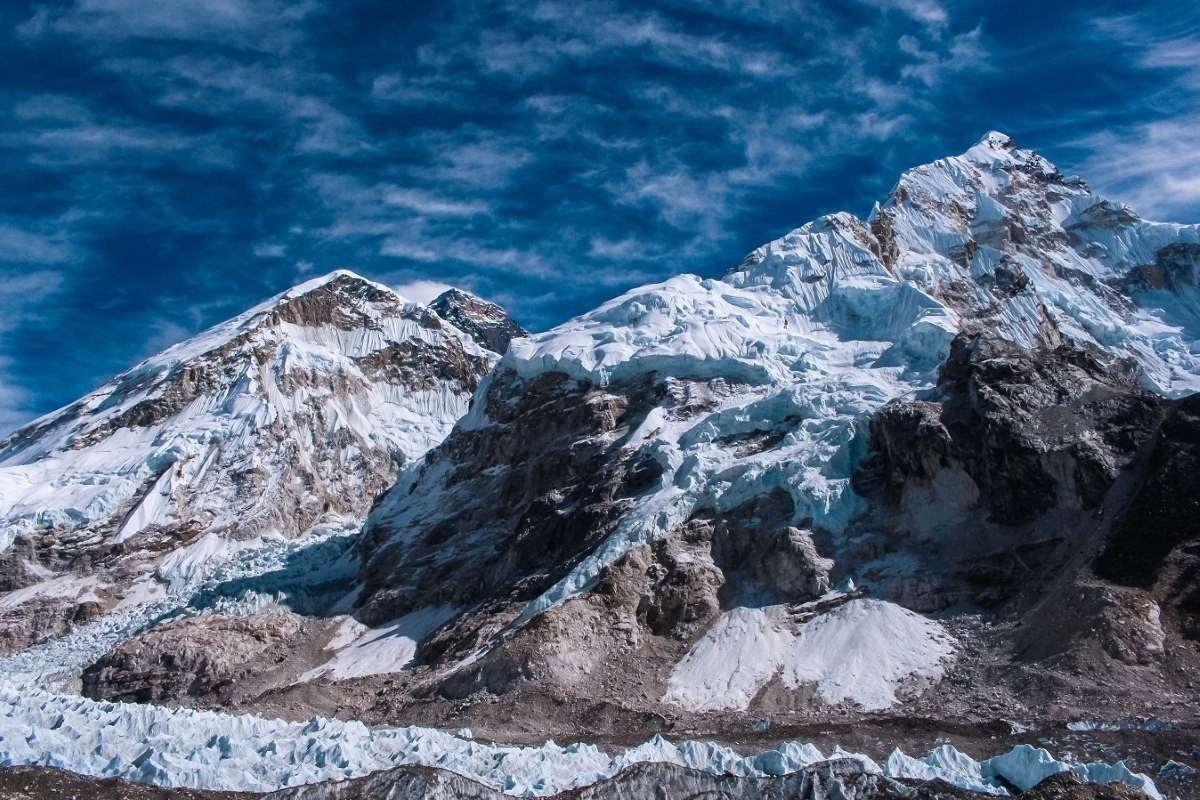
Here, during March, daytime temperatures at higher altitudes sit around 5–10°C, and while nights can dip to -10°C, the afternoons warm up fast. The air is dry, so rain isn’t much of a worry, and you’re less likely to run into weather problems that could mess up your plans. It’s just more reliable all around.
And then there’s the scenery. Rhododendrons start to bloom and splash color across the hillsides, especially below 4000 meters. Forests wake up, glacial lakes glint in the sunlight, and everything just looks fresh and new. If you’re into photography—or just want to soak up some incredible views—March won’t disappoint.
Another bonus: fewer people means quieter teahouses in places like Namche Bazaar. You don’t have to fight for a bed, and it’s easier to strike up real conversations with the Sherpa hosts. The whole atmosphere feels calm, with none of that peak-season chaos. You actually get to connect with the place and its people.
Likewise, March also marks the beginning of the climbing season. Everest Base Camp starts buzzing as expeditions roll in, and there’s this contagious energy in the air. You’ll see mountaineers prepping for their big push. It’s inspiring, and honestly, it adds something special to your own journey.
Similarly, the crisp, clear air makes acclimatization hikes—like the one up to Kala Patthar—something to remember. Peaks like Ama Dablam look razor-sharp against the sky, and with gentler winds, it’s safer up high. The steady pace in March helps your body adjust, so your chances of a successful trek go up.
On the practical side, March is still affordable. Prices for packages and permits are lower than they’ll be in April. Budget travelers can score good deals, and flights to Lukla tend to run smoothly. Planning is just less stressful.
And every now and then, you might stumble on a local festival. Sherpa villages celebrate spring with open arms, and it’s easy to join in. You get a dose of culture mixed in with your adventure, and those moments stick with you long after you’ve left.
All in all, March brings together everything that makes the Everest Base Camp trek unforgettable—great weather, stunning views, a quieter trail, and a chance to really be part of the local scene. It just works.
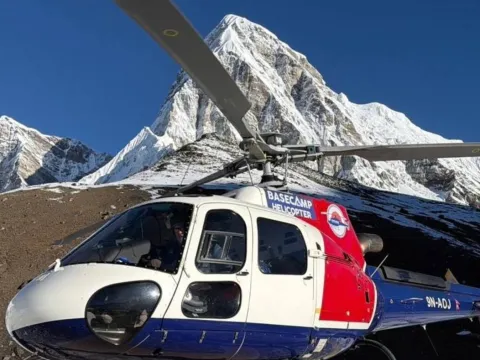
Here are key advantages for the Everest Base Camp Trek in March:
Meanwhile, March really sets the stage for a classic Everest Base Camp trek. The weather’s stable, skies stay mostly clear, and you don’t have to worry much about rain. It’s spring in the Khumbu, and you can feel it right away—crisp mornings, sunshine that warms up fast, and barely any clouds until later in the day. You get those wide-open views of Everest and peaks like Ama Dablam, perfect for photos and just soaking it all in.
Rainfall? Not much at all. You’re looking at maybe 30–40mm, and if you get snow, it’s usually just a dusting above 4,000 meters early in the month. The air feels dry and fresh, and wind isn’t really a problem—maybe a breeze or two on the more exposed ridges, but nothing that’ll slow you down.
Likewise, visibility is another big win. From Namche Bazaar onward, you see those mountain panoramas in sharp detail. Longer daylight hours mean you can keep a nice pace without rushing, and weather delays are rare. March really lets you move steadily toward Base Camp.
Moreover, high passes like Thukla might throw a gust your way now and then, but it’s nothing major. Stable pressure helps with acclimatization, and you avoid that messy monsoon weather altogether. All this adds up to a safer, more predictable trek.
As the days go by, spring starts to show itself. Rhododendrons pop out below Tengboche, and there’s this burst of color in the landscape. The air feels clean, even invigorating, and you’ll probably spot more wildlife in the valleys too. It makes the whole walk feel lively and new.
In fact, teahouses are open and cozy in the evenings, and the calm outside means people actually hang out together before turning in. Guides keep an eye on the weather, but surprises are rare if you’re prepared. All that steadiness builds real confidence as you go.
Honestly, March brings out the best of the Himalayas. The scenery stuns, the risks stay low, and the whole trek just feels smoother and more memorable. If you want the classic EBC experience, this is the time to go.
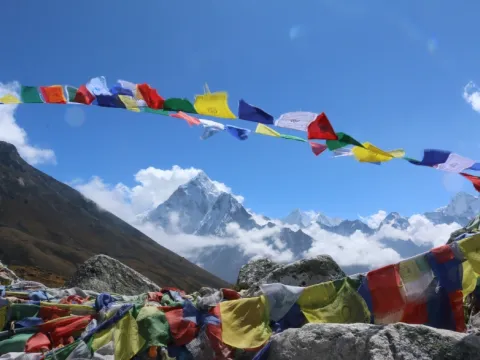
To enhance understanding of Everest Base Camp trek weather in March, here is a key weather patterns:
Let’s talk about the Everest Base Camp trek in March. The weather out there? Honestly, it’s all over the place. As you climb higher, you feel it—days start out almost mild, but things get cold fast once you gain altitude.
At the lower trails, say between Lukla (2860m) and Namche Bazaar (3440m), the days feel pretty comfortable. Highs hit around 8 to 15°C. If the sun’s out, you’ll warm up on the path, especially in the morning. Nights are a different story though—temperatures drop to -2°C or -5°C, but with a decent sleeping bag and some light layers, you’ll be fine. Early on, it’s actually pretty pleasant.
Once you reach mid-elevations near Tengboche (3860m), things cool down. Highs hover between 5 and 10°C, and if the sun’s shining, the afternoons still feel nice. But as soon as the sun dips, the cold sets in. Nights often sink to -8°C or even lower. You start to notice the altitude, too. Warm jackets and a good hat go from “nice to have” to “must-have.”
Likewise, push on to higher spots like Dingboche (4410m), and the weather gets even trickier. Daytime temperatures only reach about 3 to 8°C. The sun still packs a punch, so you might actually feel warm when it’s out, but as soon as it’s gone, you’re looking at -10°C to -12°C at night. The air feels colder, and you can’t get away with thin layers anymore.
Moreover, the upper stretch—Lobuche (4910m) and Gorak Shep (5164m)—really tests you. Highs barely touch 0 to 5°C. Wind picks up and makes it feel even colder. At night, the mercury drops to -12°C, sometimes -15°C. You can feel your body working harder to stay warm. Thick insulation and smart layers aren’t optional up here.
At Everest Base Camp itself (5364m), days sometimes sneak up to 5°C if you catch the sun, but it’s just as likely to be below freezing. Nights? -15°C or even colder. You have to keep an eye on the changing weather and pace yourself, or you’ll run into trouble.
Then there’s Kala Patthar (5545m). If you’re heading up before sunrise for those famous views, be ready—the cold bites hard. But honestly, the sunrise makes it worth every shiver. The wild swings in temperature up here also mean you’ve got to stay hydrated and keep layering smart.
In the end, EBC trek in March is all about adapting. The altitude throws new weather at you every day. With the right gear and a bit of grit, you’ll handle the highs and lows—and that’s what makes the trek such a wild, rewarding experience.
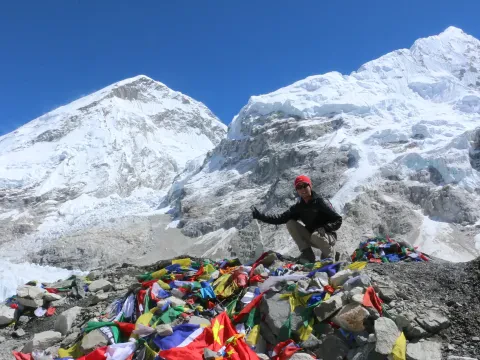
Average March temperatures by key locations on the Everest Base Camp trek :
| Location | Elevation (m) | Average Daytime High (°C) | Average Nighttime Low (°C) | Key Impact Notes |
| Lukla | 2860 | 12 to 15 | -2 to 0 | Mild start, comfortable hiking. |
| Namche Bazaar | 3440 | 8 to 12 | -5 to -8 | Acclimatization spot, cooler nights. |
| Tengboche | 3860 | 5 to 10 | -8 to -10 | Monastery views, increasing cold. |
| Dingboche | 4410 | 3 to 8 | -10 to -12 | Strong altitude effects begin. |
| Lobuche | 4910 | 0 to 5 | -12 to -15 | Harsh winds, heavy layering needed. |
| Gorak Shep / EBC | 5164 / 5364 | -5 to 5 | -12 to -15 | Extreme variations, peak challenge. |
Temperature variations and altitude impacts for effective planning on the Everest Base Camp trek in March.
Actually, March is a great time to trek to Everest Base Camp. Most of the paths stay dry and easy to walk, though once you get above 4000 meters, you’ll hit some snow and ice here and there. Bring micro-spikes. You’ll want that extra grip for the high-altitude stretches.
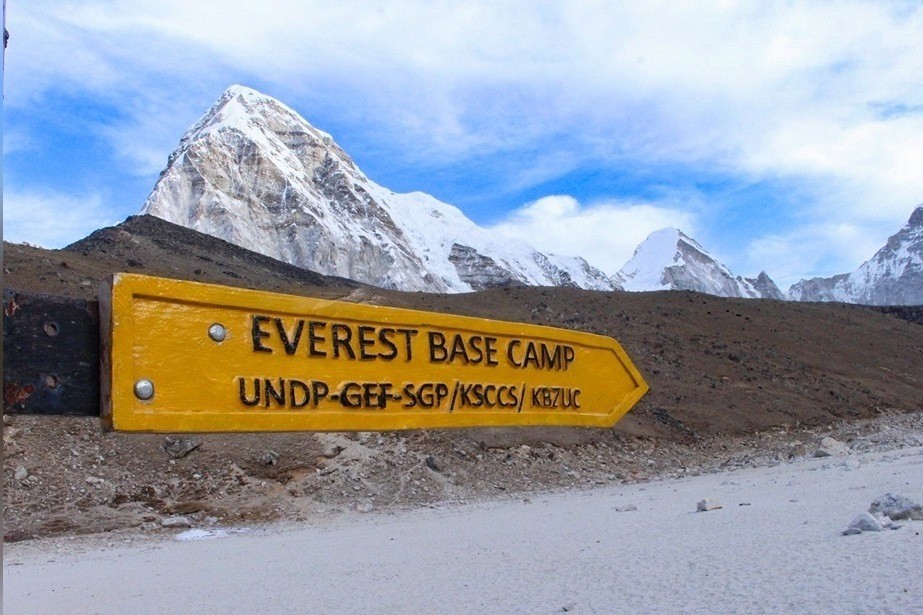
Starting out, the lower trails from Lukla up to Namche Bazaar usually stay clear—maybe a bit of morning frost in the shade, but almost no mud since it hardly rains. You can move along these sections without much trouble. The paths are well-worn, so you settle into the rhythm of the trek right away.
As you climb from Tengboche to Dingboche, you might spot a little snow, but spring sunshine melts it off pretty quickly. Sometimes you’ll see a light frost on the colder, north-facing slopes in the morning, but nothing that blocks your way. Steady progress feels easy, so you acclimatize at a comfortable pace.
Once you get higher, between Lobuche and Gorak Shep, patches of old snow stick around. Early in the month, ice pops up in the shaded spots or where lots of boots have packed the trail down. There are a few slick sections near Base Camp—so again, micro-spikes save the day. Up here, you’ve got to watch your footing, but it’s all manageable if you pay attention.
Actually, the final walk to Everest Base Camp throws in some icy moraine crossings, but by mid-March, the snow is packed down and the trail is clear enough. The route up Kala Patthar gets easier later in the month, so most trekkers reach their goals without too much trouble.
Likewise, avalanche danger stays low in March, and the weather holds pretty steady. Guides keep a close eye on daily trail conditions, and as long as you’ve got the right footwear, even the icy patches don’t slow you down. Knowing this, you can just focus on the adventure.
In fact, March also means blooming rhododendrons brighten the lower trails, and you’ll spot wildlife roaming around. Teahouses are open as usual, so you’ve always got a place to rest. It’s a mix of challenge and comfort—adventure with some breathing room.
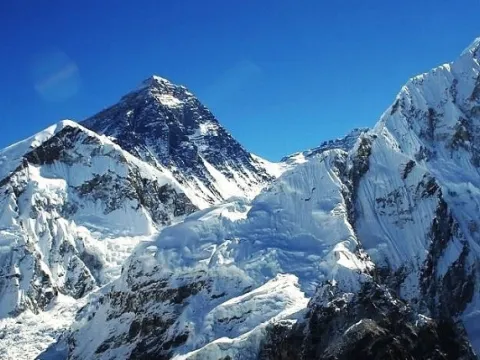
Further, with clear trails and steady weather, more trekkers show up in spring. You can soak in the mountain views, and the touch of snow and ice makes it feel like a real Himalayan journey—without things getting sketchy. March brings out the best of the Everest Base Camp trek.
Here is a list of key snow, ice, and accessibility factors by elevation :
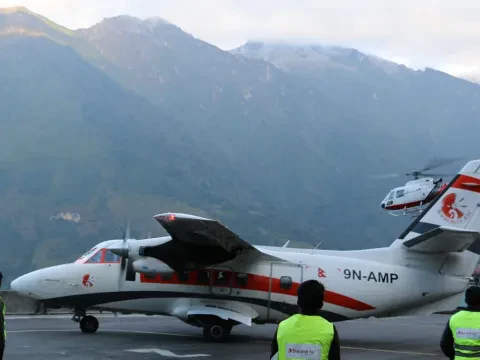
If you're heading to Everest Base Camp, the flight to Lukla is your real starting line. These flights are short, scenic, and honestly, pretty essential—most trekkers wouldn’t get far without them. But you’ve got to plan ahead, especially during peak trekking months, because tickets go fast and the weather doesn’t always cooperate.
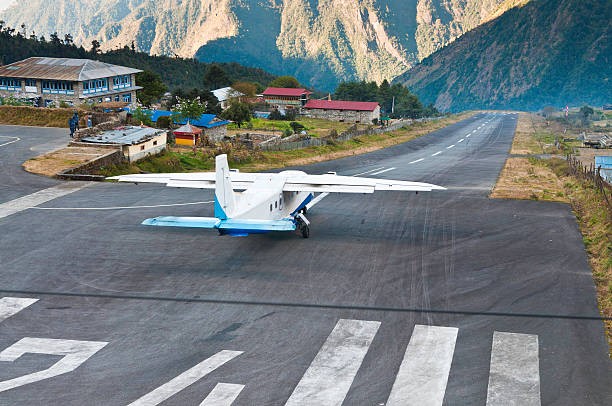
Here’s how it works: domestic airlines fly to Lukla (2,860 meters) every day, usually early in the morning between 6 and 9 AM. The flight itself only takes about half an hour, so you’ll get to the trailhead quickly. During busy seasons, though, flights shift to Ramechhap airport, which means you’ll need to drive four or five hours from Kathmandu before you even board. That’s a bit of a trek before the real trek, but it’s just how things go during spring.
Likewise, ticket prices run between $150 and $200 one way, depending on which airline you pick and what time of year you go. Booking early—at least a month or two out—is smart. You can do it online or through a trekking agency, and getting your seat locked in ahead of time is a huge stress saver.
Now, let’s talk about weather. March is notorious for delays: fog, clouds, and winds can shut down Lukla’s tiny mountainside runway with almost no warning. Sometimes flights get canceled or rerouted after the early morning window closes. If you’re trekking in spring, build in two or three buffer days so you don’t miss your shot at Everest. Flexibility really matters here.
When flights shift to Ramechhap, you leave Kathmandu in the middle of the night for that long drive, then fly out at dawn. Some people skip the headache and book a helicopter straight to Lukla—much more expensive, but way more reliable if you’re short on time. Guides are used to these last-minute changes and help sort things out if plans go sideways.
Here, airlines in Nepal take safety seriously. They’ll cancel or delay flights if visibility isn’t good enough, and morning flights usually have the best shot at decent weather. Afternoons are riskier, so keep an eye on the forecast and grab an early flight if you can—less chance you’ll be stuck waiting around.
In fact, flying back from Lukla is pretty much the same story. Weather windows open and close fast. If you get stuck, helicopters are your backup, but expect to pay $300-$500 for a seat. The Everest Base Camp trek isn’t just about the mountains; it’s about rolling with whatever comes your way. Go in with realistic expectations, and you’ll enjoy the experience a lot more.
Al in all, getting an early flight to Lukla gets your adventure off to a good start. The most reliable airlines keep you posted on any changes, and if you’ve booked early and built in some wiggle room, you’re set. The journey to Everest starts with this flight—plan smart, and you’ll be ready for whatever adventure throws at you.
Here is a table summarizing key booking, schedule, and delay information :
| Aspect | Details | Tips for March EBC Trek |
| Booking Time | 1-2 months in advance for peak spring | Book early to secure seats |
| Flight Cost | $150-$200 one-way (plane); $300-$500 helicopter | Compare airlines for best rates |
| Departure Airports | Kathmandu (off-peak); Ramechhap (peak March-May) | Prepare for 4-5 hour drive if Ramechhap |
| Daily Schedules | Multiple flights 6-9 AM; 25-30 min duration | Aim for earliest slots. |
| Weather Delays | Common due to fog/wind; 20-50% affected days | Add 2-3 buffer days in itinerary. |
| Alternatives | Helicopter charters for reliability | Use as backup if plane delays occur. |
If you’re heading out on the Everest Base Camp trek, ground transportation opens up a bunch of solid options. Instead of gambling on flights to Lukla—especially in March when weather loves to mess with you—you can drive from Kathmandu to various trailheads. Some folks go to Ramechhap (Manthali Airport) to catch a Lukla flight, but plenty of trekkers skip the flights altogether and head straight to Salleri, Phaplu, Surke, or even Thamdanda by road. Prices go from $15 for a public bus up to $400 for a private jeep, and the trips take anywhere from 4 to 14 hours, depending on your route and how you travel.
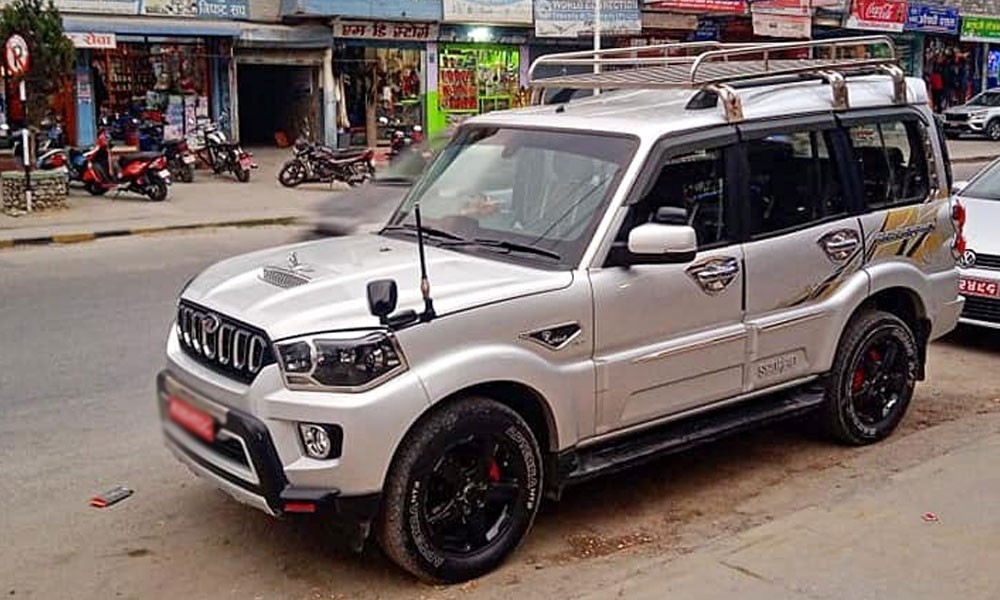
Let’s break it down. The drive from Kathmandu to Ramechhap covers about 132 to 145 kilometers. That’s a 4-6 hour ride by jeep or shared bus, and you’ll pay between $20 and $110 per person. This route keeps things running smoothly for people following the classic EBC start, just with a bit less drama (and fewer canceled flights).
Or you can just hit the road all the way to Salleri or Phaplu, skipping Lukla entirely. The drive is longer—think 9-12 hours over 266 to 300 kilometers, maybe with a stop for the night—but you get to start your hike from a lower elevation. That’s great for acclimatization, and the road is pretty scenic, winding through valleys and tiny villages.
If you want to shave off more trekking days, jeeps can take you even closer to the trail, up to Surke or Thamdanda, where the roads get rough and only the sturdy vehicles go. Shared jeeps run $25 to $60 per person. These routes drop you right onto the classic trail, so you save time and skip the flight costs.
Likewise, public buses are the cheapest way to go—just $15 to $30 to Salleri or Phaplu. Sure, the ride can get bumpy and twisty, but it does the job. If you’ve got a group, a private vehicle gives you more control over your schedule and stops.
The best part? These drives give you a real taste of rural Nepal. You’ll see terraced fields, rivers, and mountain villages the whole way. Guides usually handle pick-ups and logistics, so it’s pretty smooth. Plus, starting lower helps your body adjust to the altitude, making the trek safer and more comfortable.
After your trek, you’ll head back to Kathmandu the same way you came. Costs for the return are similar, and reliable drivers help you make your flights home without too much stress. It’s smart to plan for occasional road delays, but most trips go off without a hitch.
All in all, ground transportation makes the Everest Base Camp trek way more affordable, especially in March when flights can be unreliable. The long, scenic drive builds excitement and gives you the chance to see parts of Nepal you’d miss from the air. If you’re nervous about flying, or just want a different kind of adventure, these road routes open up a whole new side of the Himalayas.
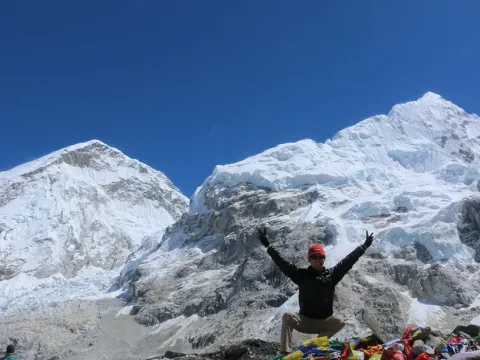
Ground transportation options for the Everest Base Camp trek, comparing key drives from Kathmandu :
| Option | Destination/Trailhead | Distance (km) | Time (hours) | Cost (USD per person) | Best For |
| Drive to Ramechhap | Manthali Airport | 132-145 | 4-6 | $20-$110 (shared/private) | Lukla flight connection, quick start. |
| Public Bus/Jeep to Salleri/Phaplu | Salleri (2390m)/Phaplu | 266-300 | 9-12 | $15-$40 | Budget EBC trek by road, no flight. |
| Private/Shared Jeep to Surke/Thamdanda | Surke/Thamdanda (2326m-2900m) | 270-345 | 10-14 | $50-$400 (shared/private vehicle) | Closer trailhead, shorter trek days. |
| Overnight Stop Option | Salleri then onward | Varies | Split days | Additional $20-$50 | Comfort on long bumpy roads. |
If you’re heading to Everest Base Camp in March, you’ll want to nail down your timeline and budget early. Most people spend 12 to 16 days on the trek, and you’re looking at $1200 to $1800 per person for the whole thing—permits, flights, the works. That covers your basic expenses in Nepal during spring, including packing, training, and all the nitty-gritty costs that pop up along the way.
Actually, getting organized is everything. When you plan your trek carefully, you set yourself up for a much smoother adventure. March is a sweet spot for weather, so you get great views and fewer crowds, but you still need to keep your plans tight. A solid game plan means you dodge most of the common headaches.
Now, here’s how a typical trip breaks down: You’ll spend 12 to 16 days on the trail, but set aside a couple of days in Kathmandu for permits and maybe a little sightseeing. You’ll need acclimatization stops—think Namche Bazaar at 3,440 meters and Dingboche at 4,410 meters. Hitting Everest Base Camp (5,364 meters) usually falls right in the middle of the trek. If you’re smart about pacing, you sidestep altitude sickness.
Let’s talk money. Most guided EBC treks cost between $1200 and $1800 a person. That covers flights from Kathmandu to Lukla (about $350–$450 round trip), permits ($42–$60), guides, porters—the whole package. Meals and teahouse stays usually run $25–$40 a day, so it adds up, but a little planning keeps things on track.
Don’t forget gear and insurance. You’ll need travel insurance that covers high altitudes, which goes for around $100–$200. Kathmandu is full of places to buy or rent warm clothes and boots. Snacks, tips, and other odds and ends? Budget another $200–$300. When you’ve got your finances sorted, you can focus on the trek itself instead of stressing about expenses.
In fact, training matters, too. Start building your stamina a couple of months before you go—think cardio and long hikes. Work on your legs and core, and practice with a loaded backpack so you know what you’re in for. Good fitness makes all the difference when you’re pushing up to Kala Patthar at 5,545 meters.
As for packing, keep it light but thorough. Layered clothing helps you handle the wild temperature swings. Trekking poles save your knees on rough ground. Don’t skimp on hydration systems and basic meds. When your pack isn’t weighing you down, you’ll actually enjoy the trail.
Here, book your permits and flights as early as you can—March gets busy. You’ll need a TIMS card and Sagarmatha National Park entry, so handle those ahead of time. Secure your flights and teahouse bookings through trustworthy agencies. Guides are worth it for the stories and local knowledge they share along the way.
Finally, get your head in the game. Imagine yourself standing at Everest Base Camp—let that motivate you when things get tough. Take in the Sherpa culture and the mountain hospitality. This trek isn’t just about reaching a point on a map; it’s about the experience. With the right prep, you’ll come home with stories you’ll never forget.
For essential preparations, here is a list of key timeline and budget elements for the Everest Base Camp trek in March:
Getting ready for the Everest Base Camp trek? You’ll need stamina, and that means real training—cardio, strength, and a bit of high-altitude prep, too. The climb to 5364 meters isn’t just a walk in the park. Start training about two or three months before you go. Cardio works wonders for endurance, and sticking to a routine pays off big when you’re trudging those endless trails in Nepal.
At first, keep it simple. Walk or hike every day, then slowly push your distance up to 10 or 15 kilometers. Add some hills to your route so your legs get used to the ups and downs of the Khumbu region. Mix in strength training, especially for your legs and core—you’ll thank yourself later when the air gets thin.
Actually, running or cycling helps your lungs work harder, so try for 30 to 45 minutes, five days a week. Throw in some interval training to really get your heart pumping. Yoga is great, too; it keeps you flexible and helps with breathing, both of which matter more than you’d think when you’re climbing to Namche Bazaar and higher.
Want to get closer to the real thing? Climb stairs or use a treadmill on an incline. If you can, load up a backpack while you train. Track your progress—it’s motivating to see how far you’ve come. And don’t skip rest days; it’s easy to overdo it and end up injured. Stick with a plan, and you’ll be ready for whatever the EBC trek throws at you.
Here, don’t forget about what you eat. Balanced meals with plenty of protein and carbs fuel your training. Drink water—lots of it—to help your body adjust to the altitude. If you need iron, take a supplement; it helps your blood carry oxygen, which gets harder the higher you go.
Likewise, training your mind matters, too. Picture yourself reaching Kala Patthar at 5545 meters. Use mindfulness when you start to feel tired. Training with a group keeps you motivated—no one likes to go it alone.
Before you jump in, talk to your doctor. If you have access to altitude simulation masks, give them a try. Track your heart rate during workouts to see real progress. March is prime time for the EBC trek, and you want to be in top shape.
In fact, budget-wise, gyms or personal trainers can cost $50 to $200 a month, but there are plenty of free online guides if you’d rather work out at home. Good shoes are worth every penny. When you finally stand at the foot of Mount Everest, you’ll realize all that effort was worth it. Building stamina doesn’t just get you to base camp—it changes the whole journey for the better.
To guide physical fitness training for the Everest Base Camp trek, here is a list of key exercises and tips for high-altitude journey preparation:
Here, let’s talk about what you actually need to pack for the Everest Base Camp trek in March. The weather? It’s all over the place—warm sun one minute, snow the next. You’ll hike from Lukla’s relatively mild 2,860 meters all the way up to the icy, windy heights of 5,364 meters. Your packing list needs to handle it all, but you don’t have to break the bank. For $200–$500, you can put together solid gear for a safe and comfortable trek in Nepal.
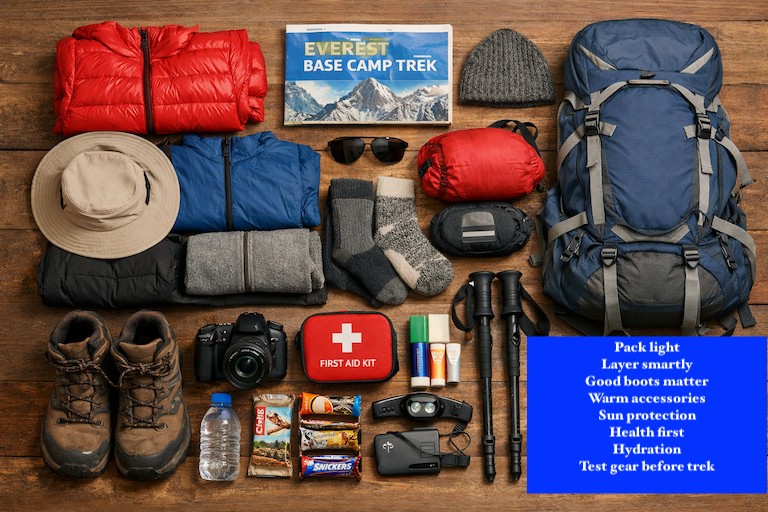
Start with multiple layers. This is non-negotiable. Base layers pull sweat away while you hike, so you stay dry—no one wants to freeze in damp clothes. Over that, you’ll want a warm fleece or something similar. And yes, bring a waterproof jacket. Snow can show up out of nowhere, especially as you climb higher.
Next, don’t skimp on footwear. Good trekking boots are a must—break them in before you go, or you’ll regret it. The paths get icy and rough, especially above Dingboche, so pack gaiters to keep snow out of your boots. Wool-blend socks keep your feet warm and healthy. Trust me, your feet will thank you later.
Likewise, accessories matter too. Nights get cold, so bring a beanie that covers your ears. During the day, the sun’s intense, so a wide-brimmed hat helps. Gloves? Bring at least two pairs—one light, one insulated. These little things make a big difference when the weather turns.
Moreover, trekking poles are lifesavers on rocky, uneven ground. Your knees will appreciate them, especially on the way down. Sunglasses with UV protection are a must for the glaring snow, and headlamps come in handy for early starts or late arrivals.
In fact, a good sleeping bag rated to -10°C is essential for those frigid nights. Pack a down jacket—it’s warm and squashes down small. Quick-dry towels and basic toiletries fit easily in your bag. Don’t forget water bottles or a purifier—staying hydrated at altitude is key.
For carrying everything, a 40–60 liter backpack does the job. If you’ve got a porter, they’ll handle the heavier stuff. Toss in a basic first-aid kit with altitude meds, and keep your electronics (and their chargers) protected in waterproof bags.
Further, think green, too. Reusable bottles and bags help cut down on waste. Test your gear on a few practice hikes before you go—better safe than sorry. The Everest Base Camp trek in March is an adventure, no question, but packing smart takes a lot of the stress out of it. Choose your equipment carefully, and you’ll be set for whatever the trail throws at you.
To detail packing essentials for the Everest Base Camp trek, here is recommended gear for variable March weather and terrain:
| Category | Items | Purpose | Estimated Cost (USD) |
| Clothing | Base layers, fleece, down jacket, waterproof shell | Layering for temps -15°C to 10°C | $100-$200 |
| Footwear | Trekking boots, gaiters, wool socks | Grip on snow/ice, comfort on rugged paths | $80-$150 |
| Accessories | Beanie, sun hat, gloves, sunglasses | Protection from cold, wind, UV | $30-$60 |
| Equipment | Trekking poles, headlamp, sleeping bag (-10°C) | Stability, illumination, warmth | $50-$100 |
| Essentials | Backpack (40-60L), water purifier, first-aid kit | Carrying, hydration, health | $40-$80 |
If you’re heading to Everest Base Camp, getting the right permits isn’t just a box to check—it’s what makes the trek legal and smooth. For most travelers, it starts when you land in Kathmandu. You grab a Nepal tourist visa right at Tribhuvan International Airport. The prices are pretty clear: $30 for 15 days, $50 for 30 days, or $125 for 90 days. Since the Everest Base Camp trek usually fits into a two- or three-week window, the 30-day visa is the sweet spot. If your plans change and you want to stay longer, you can extend it, but that costs a bit extra.
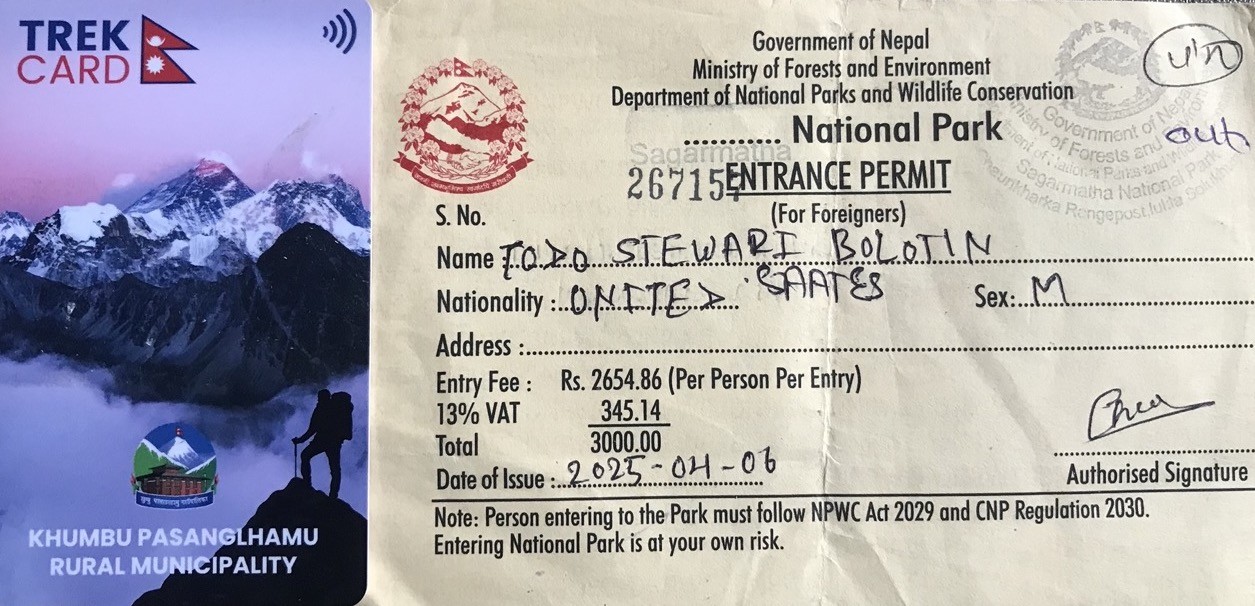
Next up, you need the Sagarmatha National Park Entry Permit. This one lets you into the protected area around Everest. For most foreigners, it’s about $23 to $30 (NPR 3000, including VAT). If you’re from a SAARC country, it’s half that, and for Nepali citizens, it’s basically symbolic. You can pick up this permit in Kathmandu or right at the Monjo checkpoint on the way in. The fee goes toward wildlife protection and conservation, so it actually helps keep the place special.
Here, there’s also the Khumbu Pasang Lhamu Rural Municipality Permit. This one’s newer—it replaced the old TIMS card for this region. It’s around $15 to $20 (NPR 2000) per person for foreigners, and you can get it in Lukla or through a trekking agency. You’ll show it at a few checkpoints along the trail. The money supports local development, which means your trek gives back to the communities you pass through.
Moreover, you might have heard about the TIMS card, but skip it for Everest Base Camp now. Since 2018, the government dropped this requirement for EBC, so it’s one less thing to worry about. If you’re on a guided trek, your agency usually sorts all these documents for you. If you’re independent, it’s still pretty easy—just stop by the Nepal Tourism Board office or get them along the way.
More importantly, don’t forget to bring a few passport-sized photos and copies of your passport for the applications. Agencies can handle your paperwork quickly for a small fee. All in, permits usually cost $40 to $50 per person, and most trekking packages include these fees.
In fact, rules sometimes change, so it’s smart to check official sources or ask your trekking company before you fly. Reliable operators stay up-to-date and can save you a lot of hassle. Honestly, the whole process is straightforward for most people—just plan ahead to avoid any last-minute surprises.
In the end, these permits don’t just keep things organized and legal. They help protect the mountains, support local communities, and actually make the entire experience better and safer. Get your paperwork sorted, and you’re free to focus on the adventure ahead.
To clarify permits and logistics for the Everest Base Camp trek, here is a current requirements and costs (2025-2026):
| Permit/Requirement | Description | Cost (Foreigners) | Where to Obtain | Notes |
| Nepal Tourist Visa | On-arrival entry visa | $30 (15 days), $50 (30 days), $125 (90 days) | Tribhuvan Airport or online | 30-day recommended for EBC trek. |
| Sagarmatha National Park Entry Permit | Access to park area including Everest Base Camp (5364m) | NPR 3000 (~$23-$30 incl. VAT) | Kathmandu office or Monjo | Mandatory for all trekkers |
| Khumbu Pasang Lhamu Rural Municipality Permit | Local entry fee for Khumbu region | NPR 2000 (~$15-$20) | Lukla or agencies | Replaces TIMS in Everest region |
| TIMS Card | Trekkers' Information Management System | Not required | N/A | Exempt for standard EBC trek |
This table summarizes essential permits and logistics for successful Everest Base Camp trek planning.
Here’s a day-by-day guide to the classic 14-day Everest Base Camp trek, perfect for a March adventure in Nepal. You’ll start in Kathmandu, climb all the way to Base Camp at 5,364 meters, and even reach Kala Patthar at 5,545 meters for that famous Everest sunrise. The plan builds in time to acclimatize and gives you a taste of Sherpa culture, mountain life, and jaw-dropping Himalayan views.
Here, kick things off in Kathmandu (1,400m). You get a day to rest, shake off the jet lag, and sort out permits. Take it easy—maybe wander through a few temples, meet your guides, and get briefed on what’s ahead. Day one is all about laying a good foundation for the trek.
Next, you hop on a short, scenic flight to Lukla (2,860m). The tiny plane bounces over endless mountains—right away, you know you’re somewhere special. From Lukla, start walking to Phakding (2,610m), about 8 km along riverside trails. The hike’s gentle, with plenty of cozy teahouses waiting at the end.
From Phakding, the real climb begins as you head to Namche Bazaar (3,440m). You’ll cross those famous suspension bridges over the Dudh Koshi River and enter Sagarmatha National Park. It’s a steady 10-11 km uphill, but you finally catch your first glimpses of snow-capped peaks. The excitement starts to build.
Likewise, you spend the next day in Namche Bazaar to acclimatize. Take a side hike up to Everest View Hotel for sweeping mountain panoramas. Wander the markets, check out the museum, and let your body adjust. This rest day is key for making it higher up the trail.
Then it’s on to Tengboche (3,860m), through forests that open up to Ama Dablam’s postcard-perfect summit. The Tengboche Monastery offers a bit of peace and local culture amid the clouds. It’s about 10 km with some solid climbs, but the scenery makes it all worthwhile.
After Tengboche, you head for Dingboche (4,410m), following the Imja Khola valley and passing through Pangboche village. The trees fall away as the landscape turns wild and alpine. Short hikes help with acclimatization, and slow, steady progress becomes more important than ever.
Moreover, you get another acclimatization day in Dingboche—use it to hike up to Nangkartshang Peak for even bigger views. Rest, hydrate, and let your body get ready for the highest sections. These easy days are what help you reach the top safely.
From Dingboche, trek on to Lobuche (4,910m) via Thukla Pass. You’ll pass memorials to climbers lost on Everest—a sobering reminder of what the mountains demand. It’s just 8 km, but the altitude and cold really kick in here. Make sure you’ve got your warm layers handy.
In fact, Gorak Shep (5,164m) is next, and from there you finally reach Everest Base Camp (5,364m). The landscape is stark, icy, and unforgettable. You’ll wander among the colorful tents, snap photos, and try to take it all in before heading back to Gorak Shep for the night. It’s a dream come true for a lot of trekkers—expect some big emotions.
Before heading down, hike up Kala Patthar (5,545m) before sunrise. The view of Everest at dawn is one you’ll remember forever. Then start your descent to Pheriche or another lower village, working your way back to Lukla over the next couple of days. Finally, catch your flight back to Kathmandu.
All in all, this trek packs every kind of adventure—thrilling flights, tough climbs, friendly teahouses, and the wildest mountain views imaginable—into two weeks you’ll never forget.
Outlining the standard 14-day Everest Base Camp trek with elevations and key activities:
| Day | Route/Activity | Elevation (m) | Distance (km) | Trek Time (hrs) | Highlights/Key Notes |
| 1 | Arrive Kathmandu | 1400 | - - Rest, permits, briefing |
| 2 | Fly to Lukla, trek to Phakding | 2860 to 2610 | 8 | 3-4 | Scenic flight, easy walk |
| 3 | Phakding to Namche Bazaar | 2610 to 3440 | 10-11 | 6-7 | Suspension bridges, park entry |
| 4 | Acclimatization in Namche Bazaar | 3440 | - - Hike to viewpoint, market visit |
| 5 | Namche to Tengboche | 3440 to 3860 | 10 | 5-6 | Monastery, Ama Dablam views |
| 6 | Tengboche to Dingboche | 3860 to 4410 | 10-11 | 5-6 | Valley trek, acclimatization prep. |
| 7 | Acclimatization in Dingboche | 4410 | - - Side hike to peak |
| 8 | Dingboche to Lobuche | 4410 to 4910 | 8 | 5 | Thukla Pass, memorials |
| 9 | Lobuche to Gorak Shep, to EBC | 4910 to 5164 to 5364 | 12 | 7-8 | Reach Everest Base Camp |
| 10 | Gorak Shep to Kala Patthar, to Pheriche | 5164 to 5545 to 4240 | 13-16 | 7-8 | Sunrise views, descent |
| 11-13 | Descent to Lukla (via Namche/Phakding) | Various | Varies | Varies | Relaxed return |
| 14 | Fly Lukla to Kathmandu | 2860 to 1400 | - - Departure or buffer |
This table provides a clear step-by-step guide for the Everest Base Camp trek itinerary in March.
Meanwhile, the Everest Base Camp trek isn’t just about hiking—it’s about the moments that stick with you long after you’re home. You get these jaw-dropping views from places like Kala Patthar (5,545m), wander through Sherpa villages like Namche Bazaar (3,440m), and soak up the local culture in ways that feel real, not staged. The Khumbu region just knows how to deliver on unforgettable experiences.
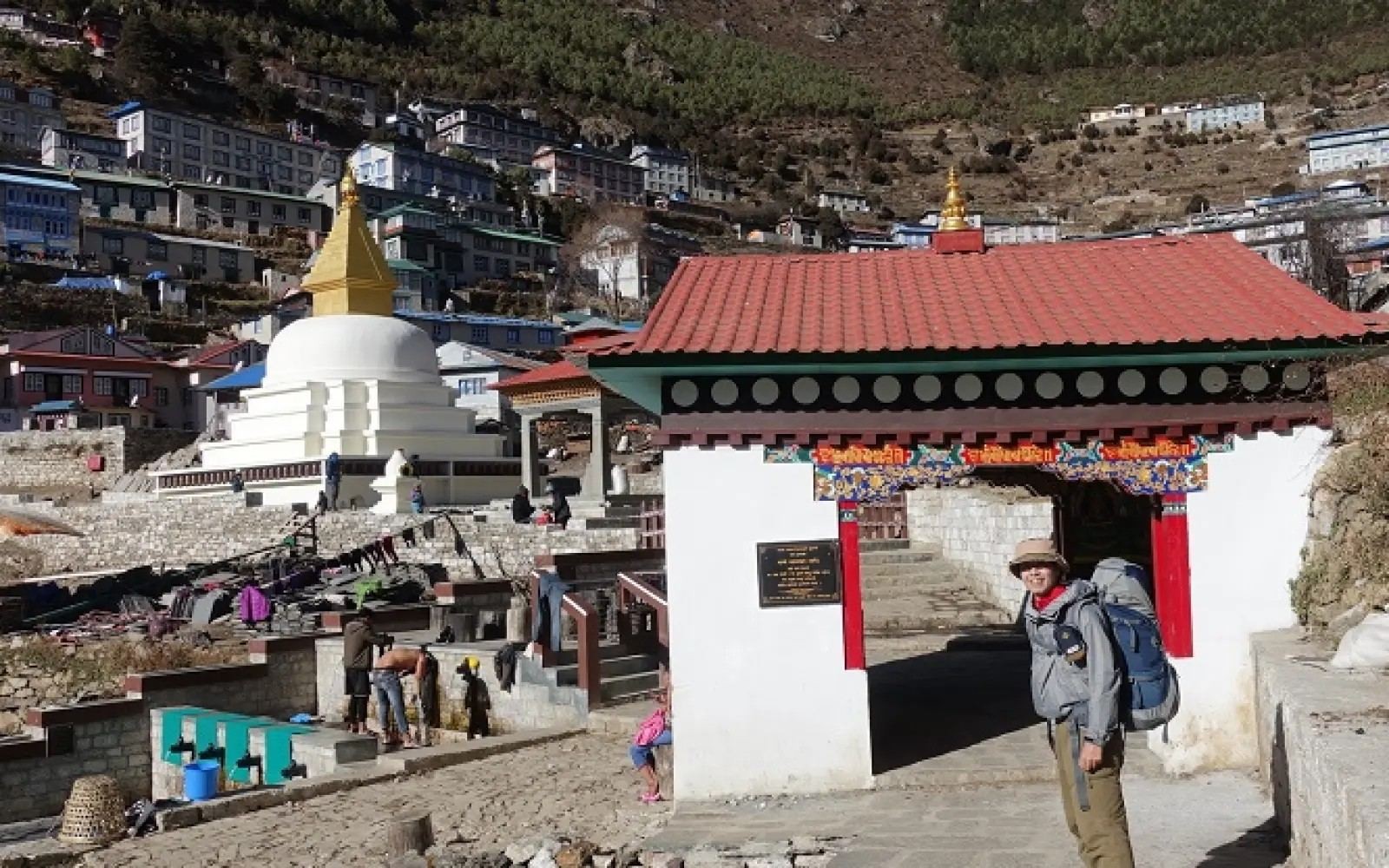
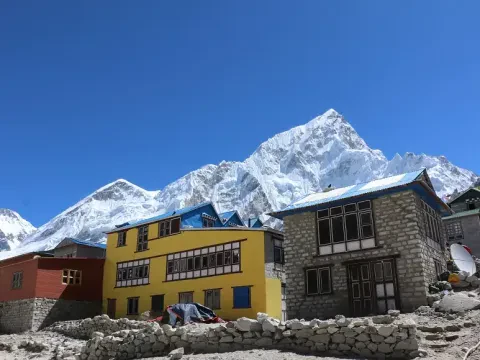
Now, let’s start with Namche Bazaar. This lively Sherpa town buzzes with markets and small museums. For most trekkers, it’s the first place you catch a real glimpse of Everest itself. You’ll feel the altitude here, but the views and the energy of the place make up for it. Namche is where the adventure really starts to feel personal.
Then there’s Tengboche Monastery. Tucked at 3,860 meters, it’s surrounded by mountains and thick with the sound of monks chanting. You’ll watch ancient rituals, breathe in the incense, and see Ama Dablam rising in the distance. The warmth and tradition of Sherpa culture really hit home here. Tengboche leaves a mark.
Similarly, Khumjung village sits a little higher, at 3,790 meters, with its old stone houses and a monastery that supposedly houses a Yeti scalp—something you don’t see every day. You’ll run into locals, maybe visit the Hillary School, and get a feel for daily life here. The vibe is genuine, and you’re never far from a cup of tea and a story.
Now, Kala Patthar is the big viewpoint. Sunrise here is something else—Everest, Lhotse, Nuptse, Pumori, all turning gold in the early light. There’s nothing quite like standing there, catching your breath, and realizing you’re looking at the highest point on earth. It’s the kind of moment that makes the whole trek worth it.
More importantly, don’t skip Pangboche Monastery, either. It’s the oldest in the region, with ties to Guru Rinpoche. You’ll spin prayer wheels, watch locals practice their beliefs, and feel a real spiritual pull. These encounters go deeper than just sightseeing—they connect you to something ancient.
And then come the suspension bridges. Every time you cross one over the Dudh Koshi River, you get a rush—part nerves, part awe at the river roaring below and prayer flags fluttering in the wind. Along the way, Sherpa villages open up with stories, tea, and a sense that you’re part of something bigger than yourself.
In fact, Sagarmatha National Park wraps it all together. The forests, wildlife, and wild mountain scenery remind you that this place is special—and that the Sherpa way of life is all about living in balance with nature. Every step teaches you something, whether it’s about the land, the people, or yourself.
Honestly, these highlights aren’t just stops on a map—they’re what make trekking in Nepal so rich and unforgettable.
Here is a list of key iconic views, villages, and cultural encounters:
Actually, Everest Base Camp isn’t just another hike—it’s a real test, and the challenges start stacking up as soon as you hit 3,000 meters. Altitude sickness? That’s the big one. Then you’re dealing with freezing temps, exhaustion, and the need to be ready for anything. Staying safe out here is about more than just luck.
Likewise, let’s talk altitude sickness first. Almost everyone feels it, at least a little. It usually starts with a headache, maybe some nausea or dizziness. Sleep gets rough, and you feel wiped out. If you push through and ignore it, things can get dangerous—think fluid in your lungs (HAPE) or swelling in your brain (HACE). So spotting symptoms early isn’t just smart, it’s crucial.
Here, the best way to prevent AMS is simple: go slow. Don’t race up the trail. Stick to the “climb high, sleep low” rule. Take those rest days, especially in Namche Bazaar and Dingboche. Drink a ton of water—four or five liters a day. These steps make a real difference.
But if things get worse—like a pounding headache or trouble breathing—turn around and go down. Don’t try to tough it out. Guides carry oxygen and meds like Diamox, and that helps, especially if you know you’re sensitive to altitude. But in the end, descending is the only real cure for serious altitude sickness.
Furthermore, the cold is no joke either. Nights in March can drop to -15°C, so you need proper layers. Frostbite’s a risk if you don’t cover up. And the sun hits hard at this altitude, so sunscreen isn’t optional. Good gear keeps you warm and protected.
Moreover, there’s the physical grind, too. Sore muscles, blisters—you’ll feel it, trust me. Trekking poles help your knees, and eating right keeps your energy up. Skip the booze and cigarettes. They just make things harder.
Most importantly, don’t forget your emergency plan. Get insurance that covers helicopter rescues. Carry a first-aid kit. Let someone at home know your route. These steps take some stress off your mind.
Additionally, weather in March is usually pretty good, but mountain weather loves surprises. Check the forecast every day with your guide, and stick with reputable trekking operators. Everest Base Camp is unforgettable—but only if you respect the risks. Play it smart, and you’ll come home with stories, not regrets.
here is a list of key altitude sickness, health, and emergency preparation advice:
Here, let’s be honest—trekking to Everest Base Camp changes you. It’s not just a long walk in the mountains; it gets under your skin and stays with you. The challenge is real, and so is the reward. You find out what you’re made of. You push yourself, climbing higher than you thought possible, and somewhere along the way, you start to notice a strength inside you that you didn’t know was there. The warmth and generosity of the Sherpa people, the wild beauty of the Himalayas—these things leave a mark.
When you think back on the trek, the first memories that hit are usually the tough ones. Thin air. Aching legs. That slow, steady grind up to places like Kala Patthar, where the air is thin but the views are pure magic. The sunrise over Everest is something you don’t just see—you feel it. In those quiet moments, surrounded by glaciers and giants of stone and ice, everything else falls away. You get perspective. You get clarity.
So, what should you know before you go? First, preparation matters. Pick a guide you trust—don’t cut corners. Respect the local culture and the environment. There’s no rush; take your time acclimatizing in places like Namche Bazaar and Dingboche. That patience pays off. It keeps you safe and lets you actually enjoy the experience instead of just surviving it.
And pack smart. In March, weather can go from mild to freezing in a few hours, so bring layers that work for anything. Drink lots of water. Listen when your body asks for a break. Don’t stress if you’re slow; that’s part of the journey. Budget honestly—between $1200 and $1800 covers most things if you plan well.
But the real reason this trek sticks with you? It’s the little moments. Crossing those swaying suspension bridges with a grin you can’t wipe off. Standing at Everest Base Camp, realizing you made it. Sharing tea and laughter with Sherpa families. These are the memories you’ll carry for the rest of your life.
Likewise, the mountains themselves leave an impression you can’t shake—Ama Dablam, Lhotse, and all those impossible peaks. Reaching those heights changes how you see yourself. And it’s not just about the landscape; it’s the people you meet, the stories you share, the culture you soak in.
Honestly, people call the Everest Base Camp trek life-changing for a reason. It teaches you resilience. You come home and suddenly appreciate the little things so much more. You’ll catch yourself telling stories, maybe even inspiring someone else to go.
And if you’re trekking in March? You get clear skies, blooming rhododendrons, and a bit more peace and quiet on the trail. Spring brings its own kind of magic—everything feels fresh and full of possibility.
In the end, this isn’t just another trip. It’s an adventure that leaves its mark on your soul. You’ll never forget it.
To capture the essence of the Everest Base Camp trek conclusion, here is a list of key reflections, final advice, and unforgettable reasons:
1. Is March the best time for Everest Base Camp Trek in March?
The Everest Base Camp Trek in March is really great. You get skies, fewer people and amazing views when spring starts. It can be cold in the mornings. It gets warmer during the day. You might even see some snow at higher places. This 14-day trip is perfect for adventure. It helps your body get used to the high altitude for an unforgettable trip to the Himalayas.
2. What weather patterns to expect on Everest Base Camp Trek in March?
The weather on the Everest Base Camp Trek in March is usually stable and sunny. You get views of the mountains and the trails are dry at first. During the day it is pleasant. It gets really cold at night. You need to be ready for changing conditions like wind and occasional snow to stay safe on this high-altitude adventure.
3. How cold does it get during Everest Base Camp Trek in March?
The Everest Base Camp Trek in March can be very cold. During the day it can be 10-15°C in lower places but it drops to -10°C or even lower near the base camp. The high altitude makes it even colder at night. You need to dress in layers and have the gear to stay comfortable during the 14-day trip.
4. Are trails accessible with snow on Everest Base Camp Trek in March?
The trails on the Everest Base Camp Trek in March are mostly okay to walk but there can be some snow and ice in higher places like above Namche. As spring starts the conditions get better every day. Guides help you navigate safely. You need to be physically fit and have the boots to handle the trail conditions on this amazing journey.
5. What about Lukla flights for Everest Base Camp Trek in March?
Flights to Lukla for the Everest Base Camp Trek in March are available often. They can be delayed because of the weather. You should book early. The package includes planning for unexpected things with other options ready to minimize disruptions to your adventure.
6. How to reach the trailhead for Everest Base Camp Trek in March?
The Everest Base Camp Trek in March usually starts with a drive from Kathmandu to Manthali or a direct flight to Lukla. There are ways to get there if the weather is bad. This helps you get into the 14-day trekking trip smoothly through the Sherpa villages.
7. What is the total cost and budget for Everest Base Camp Trek in March?
The Everest Base Camp Trek in March package includes permits, guides, teahouse stays and meals. You need to budget around $1400-$1800 per person for 14 days including getting ready for the trip. You also need to think about gear, tips and unexpected things for a stress- high-altitude experience in the Himalayas with cultural highlights.
8. How fit do I need to be for Everest Base Camp Trek in March?
The Everest Base Camp Trek in March needs you to be in shape for 5-7 hours of walking every day and going up to higher places. You need to train focusing on cardio, strength and hiking. The 14-day trip includes rest days to help trekkers get to the base camp safely.
9. What gear is essential for Everest Base Camp Trek in March?
You need to pack essentials like a jacket, trekking boots, layers for cold weather a sleeping bag and a rain cover for the Everest Base Camp Trek in March. You need to be ready for changing weather and tough trails. Good gear keeps you comfortable across temperatures and trail conditions during the adventure.
10. Which permits are needed for Everest Base Camp Trek in March?
You need permits and logistics for the Everest Base Camp Trek in March, Sagarmatha National Park entry and a visa. The package takes care of all the arrangements. These permits ensure you can legally enter protected areas and support tourism on your 14-day iconic trek.
11. What is the day-by-day itinerary for 14-day Everest Base Camp Trek?
The 14-day Everest Base Camp Trek in March starts in Kathmandu flies to Lukla and goes through Phakding, Namche, Dingboche to the base camp with rest days. It comes back the way with rest days offering major highlights and cultural encounters safely.
12. What are the major highlights of Everest Base Camp Trek in March?
The major highlights of the Everest Base Camp Trek in March include views of Everest, Sherpa villages like Namche Bazaar, monasteries and rhododendron forests. There are people, which makes the experience even better. The 14-day trip maximizes sights and authentic cultural encounters in the Khumbu region.
13. How to prevent altitude sickness on Everest Base Camp Trek in March?
One of the challenges on the Everest Base Camp Trek in March is sickness. You need to get used to the altitude slowly drink plenty of water go up slowly and follow safety tips. The trip plan helps you get used to the altitude gradually. You should talk to doctors. Carry medications as part of your health and emergency preparations for safe trekking.
14. Is Everest Base Camp Trek in March suitable for beginners?
The Everest Base Camp Trek in March is suitable for beginners who're physically fit and prepared. The moderate difficulty, guided support and rest days in the 14-day trip make it accessible. You need to focus on training and packing essentials to overcome challenges successfully.
15. What food and accommodation are available on Everest Base Camp Trek in March?
Teahouses on the Everest Base Camp Trek in March offer beds and varied meals like dal bhat, pasta and vegetarian options. The quality of food and accommodation is better in places. The package ensures comfortable stays that match the trail conditions and weather expectations.
16. Do I need a guide for Everest Base Camp Trek in March?
You really need a guide for the Everest Base Camp Trek in March for navigation, safety and cultural insights. The package includes guides who handle logistics, permits and emergency support throughout the 14-day trip for a worry-free adventure.
17. What are the risks and safety tips for Everest Base Camp Trek in March?
The challenges include weather, high altitude and trail hazards. Safety tips for the Everest Base Camp Trek in March include trekking with a group monitoring your health using gear and following guide instructions. You need to be prepared for emergencies. Have insurance for this high-altitude journey.
18. How many hours do I walk daily on Everest Base Camp Trek in March?
You walk for 5-8 hours daily on the Everest Base Camp Trek in March depending on the segment. The 14-day trip plans the walks with rest days. Physical fitness training helps you manage your energy across terrain and altitude impacts effectively.
19. What happens if flights are delayed in Everest Base Camp Trek in March?
Weather delays can affect flights to Lukla for the Everest Base Camp Trek in March. The package includes planning and other ways to get there. Extra days or changes in the trip plan ensure you complete the trek with all highlights intact
20. Why will I never forget Everest Base Camp Trek in March?
The Everest Base Camp Trek in March gives your lifetime memories of mountains, peaceful monasteries, warm Sherpa hospitality and personal achievement. Despite the challenges the clear views, cultural encounters and sense of accomplishment, in the 14-day journey create reflections you will cherish forever.
Our travel experts are ready to assist you with any questions.
Send us a message.Have a question before you book? Send your enquiry below and our travel experts will get back with the required information.