Actually, training for the Everest Base Camp trek takes more than just enthusiasm—you need real preparation. Focus on building up your stamina, strength, and endurance. Hike often, mix in uphill walks with a loaded backpack, and don’t skip leg days at the gym. Cardio matters, too. Run, cycle, or swim to get your heart and lungs ready for those long days at altitude. The better you train, the more you’ll enjoy the journey—and the more confident you’ll feel when the trail gets tough.
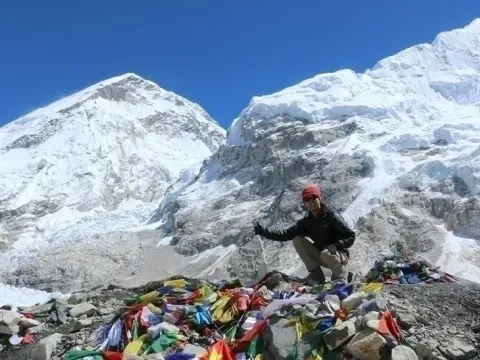
Here, before you start training for the Everest Base Camp Trek, it helps to know exactly what you’re up against. Each day throws tough hikes at you—some days harder than others—and you’re always gaining altitude, carrying your pack over rocky, uneven trails. Your body needs to be ready for that kind of punishment. You want to build real resilience, not just to make it to Everest Base Camp at 5,364 meters, but to actually enjoy getting there.
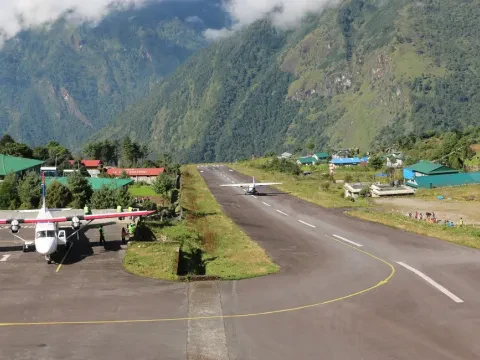
Actually, the Everest Base Camp trek itself covers anywhere from 5 to 15 kilometers a day, and the terrain doesn’t cut you any slack. You start in Lukla at 2,860 meters, head up through Namche Bazaar at 3,440 meters, and just keep climbing. Once you get above 4,000 meters, the air thins out fast, and you really feel it. Some days, you’ll face climbs of up to 1,000 meters in one go. If you haven’t done the work, that’ll hit hard.
Here, every bit of elevation gain pushes your heart and lungs to the limit. And it’s not just going up—coming back down, like from Tengboche at 3,860 meters, works your legs in a different way. Solid physical prep keeps you from burning out, especially when you’re dealing with mixed terrain and a loaded backpack. If you train right, you give yourself the best shot at enjoying the trek, all the way to Kala Patthar at 5,545 meters, without running out of steam.
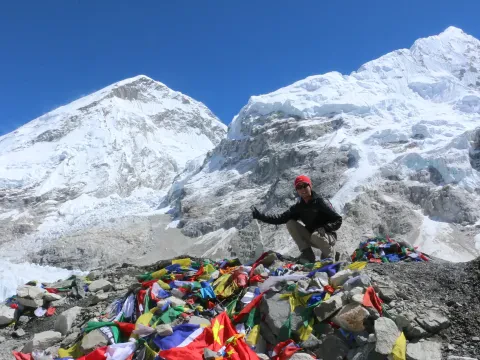
Key Physical Demands of Everest Base Camp Trek:
You master these demands through focused EBC physical training. You turn challenges into rewarding achievements on the iconic trek.
Here, before you dive into training for the EBC trek, take a real look at where you stand right now. Get out and do some basic tests to see how your endurance and strength measure up. This isn’t about impressing anyone—it’s about spotting any weak spots before you get serious about high-altitude prep. If you’re honest with yourself, you’ll set up a plan that actually works for you and dodge injuries along the way.
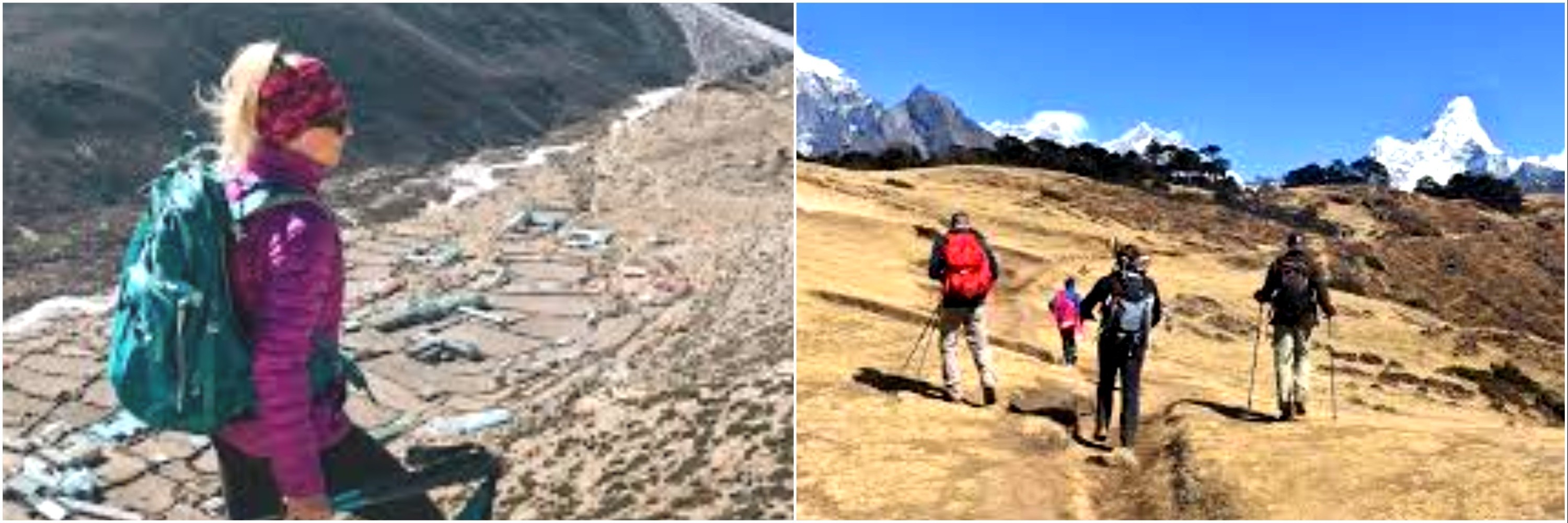
So, here’s what you do: head out for a brisk one-hour hike with a light pack. Pay attention to your heart rate and how you feel when you finish. Feeling wiped out? That’s good info. At home, try a simple step test to get a rough idea of your VO2 max. Track how quickly you recover after climbing stairs a few times in a row. All this gives you a solid baseline to build on for EBC training.
Meanwhile, a lot of experts suggest taking a full fitness test to nail down your heart rate zones. If you can, visit a gym or a trainer who can help measure those zones accurately. Most of your training should land in zone 2—that’s where you build real endurance. As you get stronger, you’ll work your way up to zone 3 in time. Step by step, you’ll be ready for the daily grind from Phakding (2610m) and beyond.
Simple Fitness Tests for Everest Base Camp Trek :
| Test | How to Perform | What It Measures | Target for EBC |
| 1-Hour Hike | Walk briskly with 5kg pack | Basic endurance | Complete comfortably |
| Step Test | Step up and down for 3 minutes | O2 max estimate | Good recovery in 1 minute |
| Stair Climb | 10 flights with pack | Leg strength | No excessive fatigue |
| Heart Rate Check | Monitor during hike | Training zones | Stay in zone 2 mostly. |
You use these results to tailor your Everest Base Camp Trek plan. You begin training with confidence and clear goals ahead.
Here, if you want to crush the Everest Base Camp Trek, you need solid cardio endurance. There’s no way around it—you have to train your heart and lungs to handle the thin air and those long, relentless hiking days. Aerobic workouts geared toward the trek help your body use oxygen better, so you don’t run out of steam halfway up the trail. That’s how you keep going, all the way from Lukla at 2,860 meters to Base Camp at 5,364 meters.
More importantly, start simple. Jog or speed walk for 30 to 60 minutes, three to five times a week. As the weeks roll by, stretch those sessions longer or push the pace. Hop on your bike and tackle some hills to get used to the kind of climbs you’ll face. This is how you boost your VO2 max, which is key for handling altitude. It means you can hike for days without burning out.
Likewise, mix in stair climbing or stairmaster sessions—wear a light backpack to get your body used to carrying gear. Most days, keep your heart rate in zone 2, that steady, sustainable effort. Later, throw in some short bursts of speed for a bit of extra power. Bit by bit, you’re building the aerobic engine you need for the trek. You’ll notice the difference when you’re above 4,000 meters and breathing comes easier than you expected.
As you get closer to your departure date, try doing two long cardio sessions back-to-back. It’s tough, but it gets your body ready for the real thing—those demanding days from Namche Bazaar (3,440 meters) onwards. Don’t ignore recovery, though. Watch for signs of overdoing it, and rest when you need it. All this work pays off when you’re climbing toward Tengboche (3,860 meters), still feeling strong, and can actually enjoy those jaw-dropping views instead of just gasping for air.
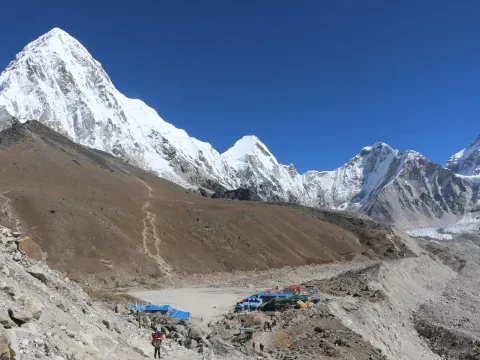
Recommended Cardio Workouts for EBC Trek Endurance
You establish solid cardiovascular endurance through dedicated EBC physical training. You conquer high altitude challenges confidently and reach Kala Patthar (5545m) strong.
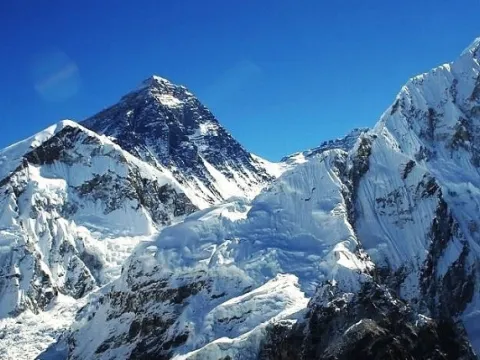
If you want to handle the Everest Base Camp Trek, you’ve got to train the right way. Focus on your legs, core, and upper body—those muscle groups do the heavy lifting. Picture yourself carrying a 10 to 15 kg backpack up rough trails. You need solid endurance and strength to keep moving from Phakding (2610m) up to Gorak Shep (5164m) without burning out.
Here, get into a routine: squats and lunges with moderate weight, three times a week. Aim for 12 to 15 reps per set to build up your muscular endurance. Add step-ups too—they mimic the constant uphill grind of the trek and really fire up your quads and glutes. This pays off big time during those long climbs, especially when you’re pushing toward Dingboche (4410m).
Likewise, don’t skip your deadlifts and Romanian deadlifts. These moves work your posterior chain, so your back stays strong and protected when you’re hauling your pack every day. Planks and side planks are your friends here, too. They’ll shore up your core, help you keep good posture, and save you from those all-too-common lower back aches on the trail.
Moreover, upper body training matters, too. Rows and shoulder presses toughen up your shoulders and traps, making your backpack feel lighter and more comfortable. As your trek gets closer, crank up the reps to shift your focus from raw strength to pure endurance. That way, you’ll have the stamina to power through those rocky stretches all the way to Everest Base Camp (5364m).
Essential Strength Exercises for Everest Base Camp Trek :
| Exercise | Sets x Reps | Primary Muscles | Trek Benefit |
| Squats & Lunges | 3-4 x 12-15 | Quads, glutes, hamstrings | Uphill power and stability |
| Step-Ups | 3 x 12 per leg | Legs and glutes | Simulates elevation gains |
| Deadlifts | 3 x 10-12 | Back, hamstrings, core | Load-bearing endurance |
| Planks & Variations | 3 x 45-90 sec | Core muscles | Posture and balance on uneven trails |
| Rows & Shoulder Press | 3 x 12-15 | Upper back, shoulders | Backpack comfort and arm support |
You gain functional strength through consistent EBC physical training. You tackle every ascent and descent with confidence and minimal strain.
To really get ready for the Everest Base Camp trek, you need to practice hiking on actual trails. Nothing builds your stamina and confidence for EBC like getting out there and moving over rough ground. Your muscles and joints get used to uneven surfaces, which cuts down your risk of injury when you’re finally out there at altitude. You start to move and feel like a real trekker—from Lukla all the way up to Everest Base Camp.
Start small. Head out for local hikes, maybe an hour or two, and carry a daypack loaded with about 5kg. Pick routes with some hills. That’s how you build your base. Once that feels easy, take it up a notch. Go for 4 to 6 hours on the trail each week, and look for paths that change up the terrain. Add in more elevation—try to gain 300 to 600 meters every session if you can. That’s how you train for the kind of daily climbs you’ll face on the trek.
On weekends, go bigger. Plan full-day hikes with a heavier pack, maybe 8 to 10kg, and don’t shy away from steep climbs or rocky stretches. Later in your training, stack your workouts. Do two tough days in a row—that’s the kind of back-to-back effort you’ll need from Namche Bazaar onward. When you hit the higher villages like Dingboche, you’ll be ready to push through the fatigue.
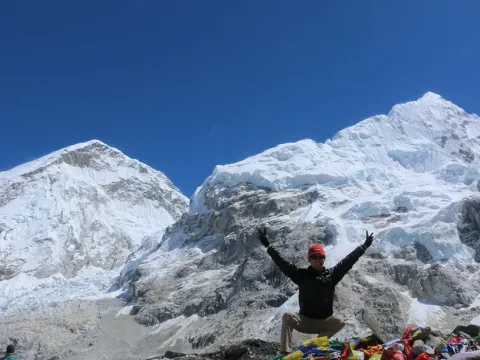
If you can, find local trails that feel like the Himalayas—narrow, rocky, unpredictable. Practice pacing yourself and get comfortable using trekking poles. This isn’t just about fitness; it’s about handling the little things—like balance and foot placement—that keep you safe. You’ll also build mental grit, which matters just as much as strong legs. By the time you reach Kala Patthar, you’ll feel ready—and strong.
Progressive Hiking Practice Plan for EBC Trek Training :
You master hiking-specific practice through consistent EBC physical training. You conquer the iconic trail with ease and enjoyment.
Want to avoid nagging injuries on your trek? Put in some time with flexibility and mobility workouts. These sessions help your joints move better and speed up muscle recovery. You’re also less likely to hunch under your backpack every day, so your posture holds up. All of this goes a long way toward keeping your training on track and letting you move easily from Phakding (2610m) up to Gorak Shep (5164m) without feeling stiff.
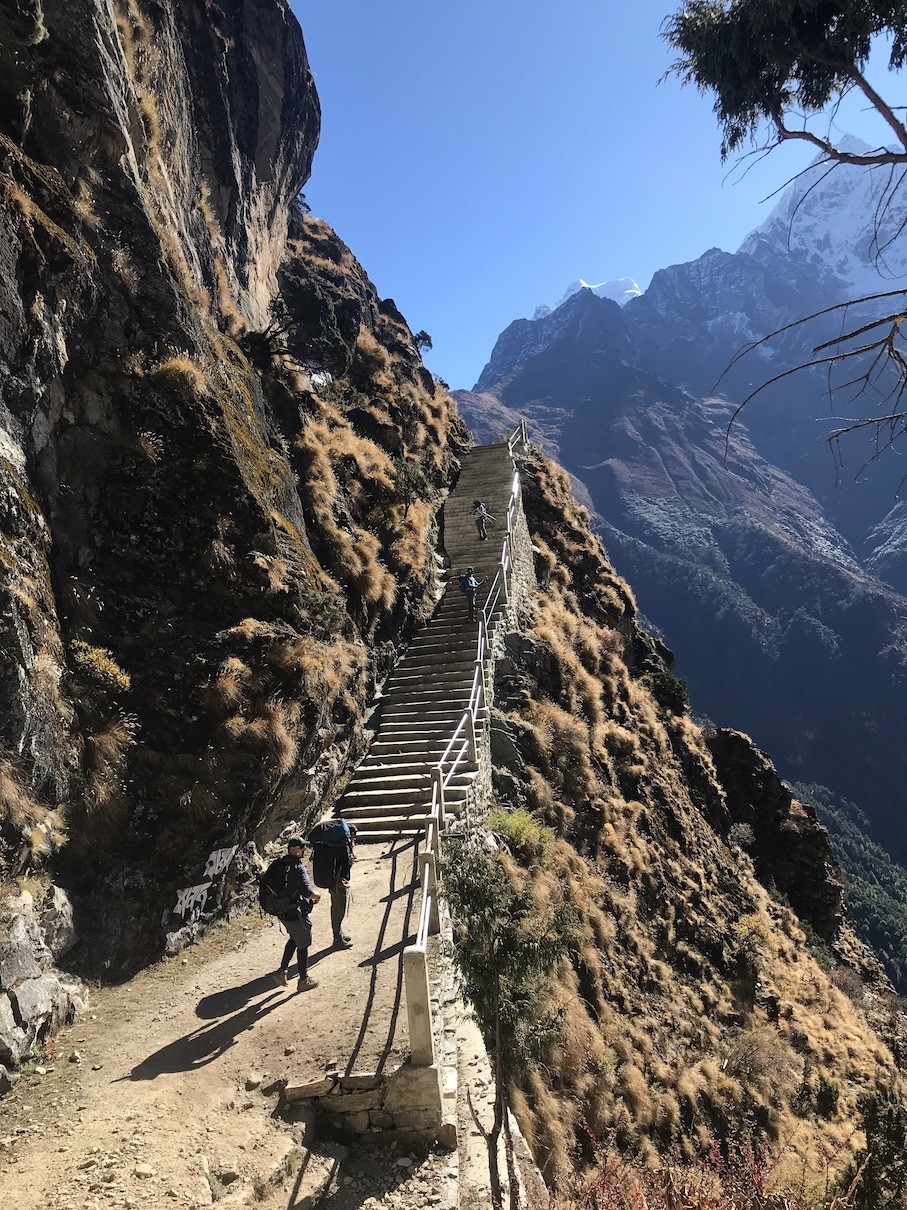
Meanwhile, try working in yoga or dynamic stretching two or three times a week. Focus on your hips, hamstrings, calves, and lower back—those spots take a beating on the trail. Cat-cow, downward dog, pigeon pose; keep those in the mix. Foam rolling helps too, especially for tight IT bands and quads. This stuff cuts down your risk of strains, especially on those steep descents into places like Tengboche (3860m).
Likewise, add some mobility drills to your routine—leg swings, hip circles, that kind of thing. Do them every day if you can, and always warm up before strength or cardio workouts. After long hikes, stretch it out gently to help your body bounce back. You’ll notice less soreness and keep your muscles loose, even on those uneven trails all the way to Everest Base Camp (5364m).
Moreover, don’t forget your ankles and knees. They need attention if you want to handle rocky ground without trouble. Go for dynamic moves, not just static stretches, before you get moving. That way, your joints are ready for all the climbing and descending. You’ll deal with fewer aches while training at altitude and, by the end, you’ll finish your journey feeling strong and injury-free.
Key Flexibility and Mobility Exercises for EBC Trek :
| Exercise | Frequency | Target Areas | Benefit for Trekking |
| Downward Dog & Variations | 2-3x/week | Hamstrings, calves, back | Improves forward bend and recovery. |
| Pigeon Pose & Lunges | 2-3x/week | Hips and glutes | Enhances hip flexibility for ascents. |
| Foam Rolling Quads/IT | After hikes | Legs and thighs | Reduces tightness and soreness. |
| Ankle Circles & Swings | Daily | Ankles and hips | Better balance on rocky trails. |
| Cat-Cow & Child’s Pose | 2-3x/week | Spine and core | Maintains posture with heavy pack. |
You integrate flexibility and mobility work into your EBC physical training routine. You trek confidently, avoid setbacks, and savor every Himalayan moment.
Actually, getting your body used to high altitudes is key for the Everest Base Camp Trek. Start slow. Work up to those heights with gradual training and real hikes, not just wishful thinking. Some trekkers use hypoxic masks or altitude chambers if they can get their hands on them. These tools help your body get better at using oxygen by boosting your red blood cell count, which is handy for those thin-air moments
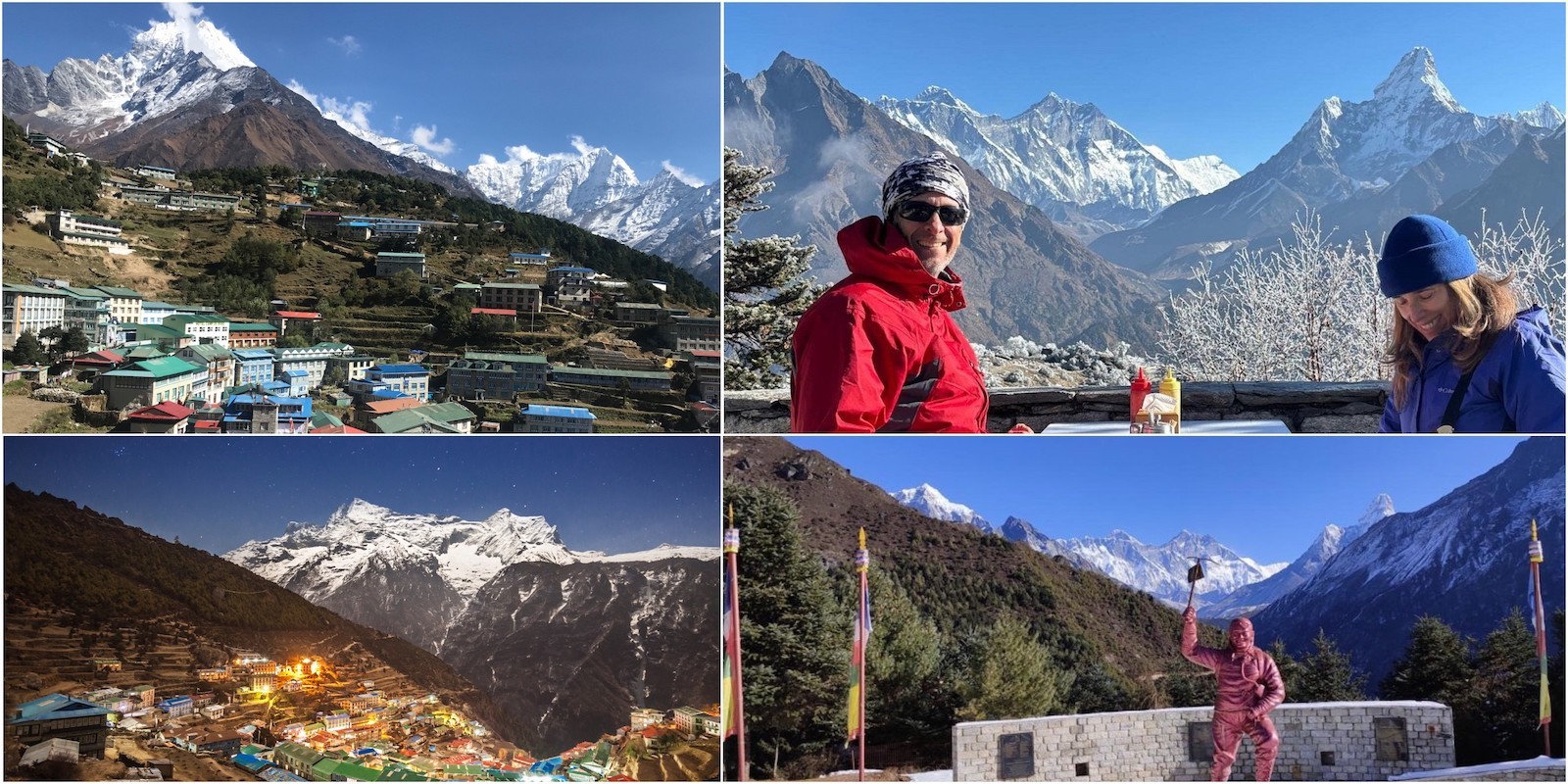
.Here, don’t just climb up and stay there—follow the “climb high, sleep low” rule. Plan hikes that push you 400 to 800 meters higher, then head back down to recover. Start on local hills or smaller mountains, slowly aiming for the 3,000-meter mark. This way, your body learns to handle altitude changes before you even set foot on the trek from Namche Bazaar (3,440m) to Dingboche (4,410m).
Likewise, drink a lot of water—around four liters a day during your training. Pace yourself. Steady, slow hiking helps your body adjust without burning out. Take full rest days after big climbs to let your body catch up. This keeps you from overdoing it and builds your confidence for the higher sections like Lobuche (4,940m) and Gorak Shep (5,164m). Real preparation makes the difference when you finally reach Everest Base Camp (5,364m).
Proven Altitude Acclimatization Strategies for EBC Trek Training :
You apply effective altitude acclimatization strategies through focused EBC physical training. You reach Kala Patthar (5545m) strong and symptom-free.
Here, when you’re training for the Everest Base Camp trek, nutrition and recovery matter just as much as the workouts themselves. You need to feed your muscles with the right mix—plenty of carbs, solid protein, and steady hydration. Rest isn’t optional either. Taking real rest days gives your body a chance to repair and recharge, so you’re actually ready for those long climbs and thin air.

Now, let’s talk foods on Everest Base Camp Trek. You go for complex carbs at every meal—think oats, rice, fruit. Most days, about half to two-thirds of your calories come from carbs. Then there’s protein: eggs, chicken, lentils, nuts, all in the mix. You aim for at least 1.6 to 2.2 grams of protein for every kilo you weigh. That’s what helps your muscles bounce back after tough training sessions.
Likewise, drinking water—lots of it—really matters here. Three to five liters a day, with some electrolytes thrown in, keeps you hydrated and ready for the next round. And don’t skip sleep. Seven to nine hours every night gives your body the time it needs to recover. You also make sure to take at least one full rest day each week. No workouts, just letting yourself recover. This is how you avoid burning out, especially when you’re gearing up for days of trekking from places like Phakding, where the altitude already starts to climb.
Moreover, timing your meals helps too. Eating something carb-heavy within half an hour after a hike gets your energy stores back up fast. That way, you’re set for the next push—to Tengboche, higher camps, and eventually all the way to Everest Base Camp. With the right fuel and enough rest, you show up strong, ready for whatever the mountain throws at you.
Daily Nutrition Guidelines for EBC Trek Training :
| Nutrient | Daily Target Best Sources | Benefit for Training |
| Carbohydrates | 50-65% of calories | Oats, rice, bananas, potatoes | Sustained energy for long hikes. |
| Protein | 1.6-2.2g per kg body weight | Eggs, chicken, lentils, yogurt | Muscle repair and recovery. |
| Hydration | 3-5 liters plus electrolytes | Water, herbal tea, coconut water | Combat dehydration at altitude. |
| Healthy Fats | 20-30% of calories | Avocados, nuts, olive oil | Hormone support and joint health. |
| Recovery Meals | Post-workout within 30 min | Banana with peanut butter | Quick glycogen replenishment. |
You follow smart nutrition and recovery habits in your EBC physical training. You build unbreakable energy and arrive at base camp fully fueled.
Actually, here’s a straightforward 12-week training plan to get you in shape for the Everest Base Camp trek. The goal? Build up your stamina the smart way—no shortcuts, no burnout. You’ll mix cardio, strength workouts, and plenty of hiking, so when you finally set foot at 5,364 meters, you’re ready for it.
Here, let’s break it down. The plan runs for 8 to 12 weeks, split into three phases. First, lay the groundwork. Then ramp things up, and finally, peak before you leave for Nepal. This way, you boost your endurance and avoid wearing yourself out before you even hit the trail. By the time you’re hiking from Lukla (2,860m) to Namche Bazaar (3,440m), you’ll feel solid.
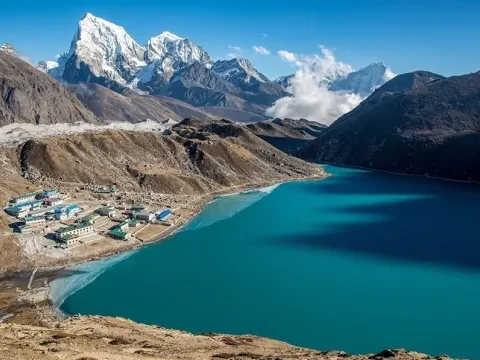
Likewise, weeks 1-4 are all about building your base. Three cardio sessions and two strength workouts each week keep things balanced. On weekends, toss on a 5kg pack and head out for a two-hour hike. Keep your heart rate in zone 2—steady and aerobic. This sets you up nicely for the early trek to Phakding (2,610m).
Now, weeks 5-8, things get real. Your hikes get longer and heavier, and you’ll train on back-to-back days to get used to trekking day after day. Each outing should climb 600-800 meters—just like you’ll do on the way to Dingboche (4,410m) and higher. Your body learns to handle tougher trails and steeper climbs.
Finally, weeks 9-12, you hit your peak and then ease off right before you go. Schedule full-day hikes with a 10kg pack, but don’t forget those rest days—they matter. This last phase is about dialing in your pace and recovery, so you arrive strong and ready for Gorak Shep (5,164m) and Kala Patthar (5,545m).
Stick with it, and you’ll show up at Everest Base Camp in your best shape—ready for the adventure of a lifetime.
12-Week EBC Training Plan Overview :
| Phase | Weeks | Focus Areas Weekly Highlights | Pack Weight. |
| Foundation | 1-4 Base cardio & strength | 3x cardio 45 min, 2x strength, 2h hikes | 5kg. |
| Build Intensity | 5-8 Weighted hikes & endurance | 4x cardio 60 min, back-to-back hikes | 7-8kg. |
| Peak & Taper | 9-12 Long hikes & recovery | Full-day hikes, reduce volume last week | 8-10kg. |
You follow this sample 8-12 week training plan with dedication. You complete your EBC physical training ready to enjoy every step.
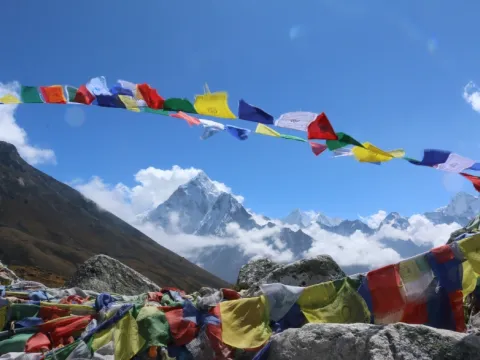
Here, let’s wrap this up with a few last tips for your Everest Base Camp trek. Listen to your body every time you train. Talk to your doctor before you jump into intense EBC workouts—staying safe is key when you’re preparing for high-altitude adventures. When you finally hit that trail to Base Camp at 5,364 meters, you want to feel ready and confident.
Actually, stay consistent with your plan; don’t chase perfection. Celebrate the little wins—maybe you hiked a bit farther this week, or maybe you just felt stronger. Keep drinking water and don’t skimp on sleep. These small things help your body recover. Picture yourself standing on Kala Patthar at 5,545 meters every day. That image builds your mental grit just as much as all those squats and lunges.
Likewise, pack your gear early and get used to it before you leave. Train on real trails when you can, and adjust your pace for those long stretches from Tengboche to Lobuche. Don’t forget to enjoy the journey. Trust the work you’ve put in. The tough parts turn into the stories you’ll remember forever.
Moreover, you’re joining thousands of people who take on this trek every year. When you reach Base Camp, feel proud—you earned it. Let the views push you forward. Start your EBC training now, with real excitement. This dream trek isn’t just possible. It’s yours for the taking.
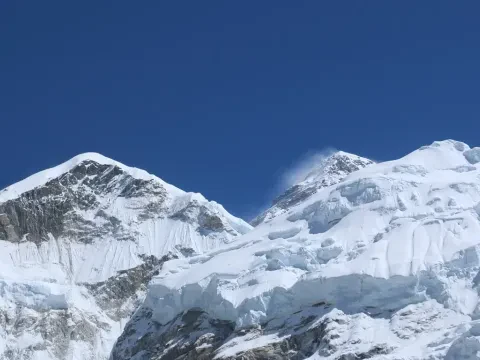
Final Tips for Everest Base Camp Trek Success :
You apply these final tips and stay motivated throughout. You conquer the Everest Base Camp Trek with confidence and joy.
1. How fit do I need to be for Everest Base Camp Trek?
You need to be pretty fit for the Everest Base Camp Trek. It is really important to know how fit you are before you start training. You will need to have cardiovascular endurance, leg strength and core stability to handle long days of walking. If you are just starting out you can still do it if you train regularly and follow the plan.
2. How long should I train for Everest Base Camp Trek?
You should train for the Everest Base Camp Trek for 8 to 12 weeks. This is an amount of time to get your body ready for the trek. You will start with some exercises and then move on to more challenging ones. This will help you build up your endurance and strength.
3. What cardio exercises are best for EBC training?
The best cardio exercises for Everest Base Camp training are things like walking, running, cycling and swimming. You should do these exercises 4 or 5 days a week. You will start with sessions and then increase the time as you get fitter. This will help your body get used to working for long periods.
4. Which strength exercises should I do for Everest Base Camp?
You should do strength exercises that target your legs, core and upper body. This includes things like squats, lunges and step-ups. You should also do exercises that strengthen your back and shoulders like planks. You will use weights or a backpack to make these exercises more challenging.
5. How do I simulate EBC trekking during training?
To simulate the Everest Base Camp trek, you should go on hikes with a backpack. You should try to find trails that go up and down hills. This will help you get used to walking on terrain and carrying a heavy pack. You will start with hikes and then increase the distance as you get fitter.
6. Why is flexibility and mobility important for EBC?
Flexibility and mobility are important for the Everest Base Camp because they help prevent injuries. You should do things like yoga, stretching and foam rolling to help your body stay flexible. This will also help you recover from hikes and get ready for the next day.
7. How can I prepare for altitude on Everest Base Camp?
To prepare for the altitude on the Everest Base Camp you should try to train at elevations if possible. You can also use interval training to help your body get used to working at high altitudes. When you are on the trek make sure to take rest days and drink plenty of water.
8. What nutrition is best during Everest Base Camp training?
The best nutrition during Everest Base Camp training is a diet that includes plenty of carbohydrates, protein and healthy fats. You should also make sure to drink plenty of water and get sleep. This will help your body recover from training and get stronger.
9. Can beginners do the Everest Base Camp Trek?
Yes, beginners can do the Everest Base Camp Trek if they train properly. You should start by assessing your fitness level. Then follow a training plan. You will need to be consistent and listen to your body. With the right training you can do it.
10. What gear should I use while training for Everest Base Camp?
You should use hiking gear while training for the Everest Base Camp. This includes things like hiking boots, a backpack, trekking poles and comfortable clothes. Make sure to break in your boots before the trek to avoid blisters.
11. How much elevation gain should I train for weekly?
You should aim to accumulate significant elevation gain through hikes and stair workouts. Try to mimic the elevation gain of the Everest Base Camp Trek, which is 300-600m. Gradually increase the intensity of your workouts to build leg strength and endurance.
12. Is gym training enough for Everest Base Camp Trek?
Gym training is not enough for the Everest Base Camp Trek. You need to combine gym training with hiking- practice. Outdoor trails will help you develop balance, downhill control and mental toughness that you cannot get from gym sessions alone.
13. How do I prevent injuries during EBC training?
To prevent injuries during Everest Base Camp training you should make sure to warm up before each workout. You should also stretch after each workout. Take rest days as needed. Make sure to listen to your body and not push yourself hard.
14. What is the daily walking time on Everest Base Camp Trek?
The daily walking time on the Everest Base Camp Trek is usually 5-7 hours. You will need to be prepared for days of walking with a heavy pack. The training plan will help you get ready for this type of activity.
15. How important is core strength for EBC?
Core strength is very important for the Everest Base Camp. You need to have a core to help you stay stable on uneven terrain. You can do exercises like planks and Russian twists to help strengthen your core.
16. Can I train for EBC at sea level?
Yes, you can train for the Everest Base Camp at sea level. You will need to focus on building your endurance and strength. You can use interval training. Weighted hikes to simulate the high altitude.
17. What recovery strategies work best in training?
The best recovery strategies during training are things like getting plenty of sleep stretching and foam rolling. You should also make sure to listen to your body and take rest days as needed. Proper recovery will help you avoid injury and get stronger.
18. Should I train with a backpack for Everest Base Camp?
Yes, you should train with a backpack for the Everest Base Camp. This will help you get used to carrying a pack and simulate the real conditions of the trek. Start with a pack and gradually increase the weight as you get stronger.
19. How does mental preparation fit into physical training?
Mental preparation is very important for the Everest Base Camp. You will need to build your toughness by pushing yourself outside of your comfort zone. You can do this by doing hikes and simulating the conditions of the trek.
20. What final tips ensure success on Everest Base Camp?
The final tips for success on the Everest Base Camp are to follow the training plan stay consistent and listen to your body. Make sure to focus on building your endurance, strength and flexibility. Also make sure to stay positive and motivated. You will be ready, for the adventure of a lifetime.
Our travel experts are ready to assist you with any questions.
Send us a message.Have a question before you book? Send your enquiry below and our travel experts will get back with the required information.