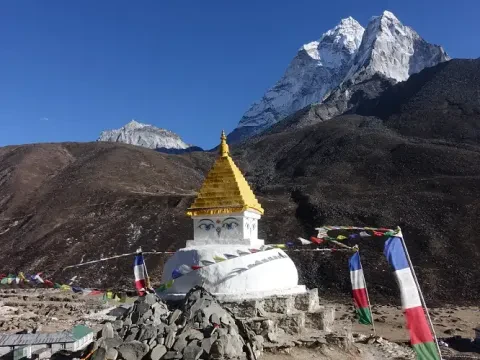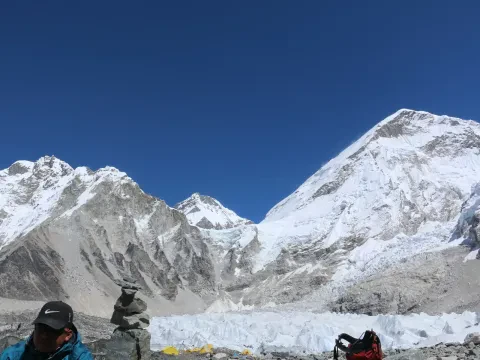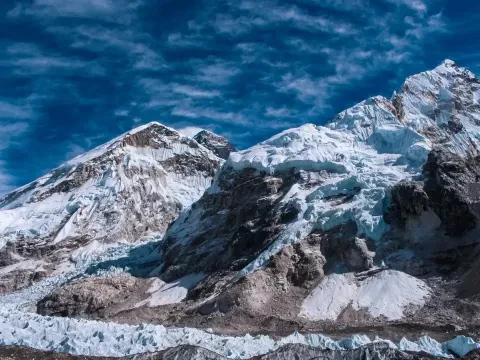
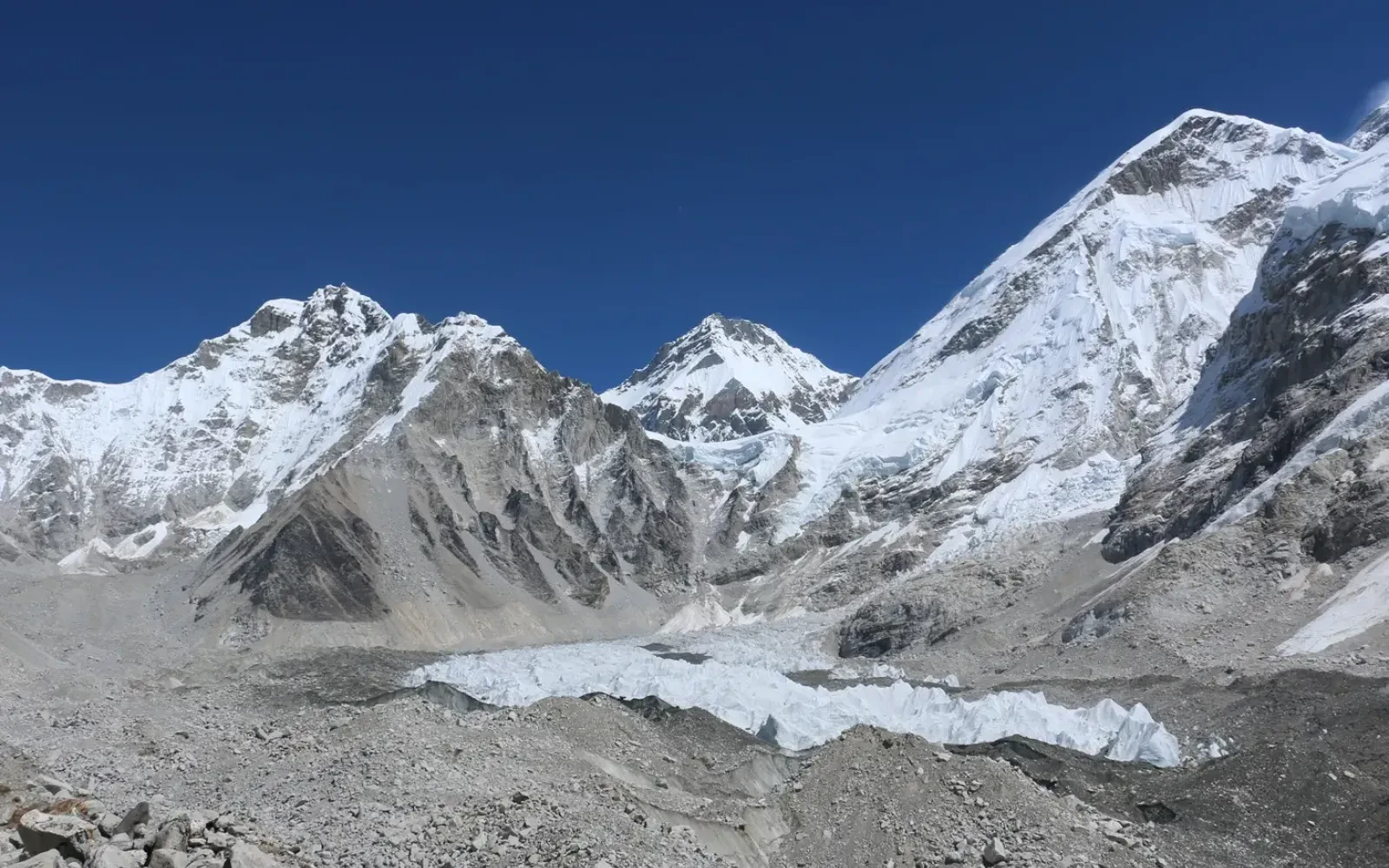
The Everest Base Camp Trek is really a great in November. You get clear skies; dry trails and the Himalayan scenery is just amazing. The monsoon is over by this time, so you have excellent weather almost every day.
Actually, November is one of the best months to experience the Everest Base Camp Trek weather. The weather for the Everest Base Camp Trek in November is usually very good. You have deep blue skies and dry and solid trails which makes it perfect for trekking.
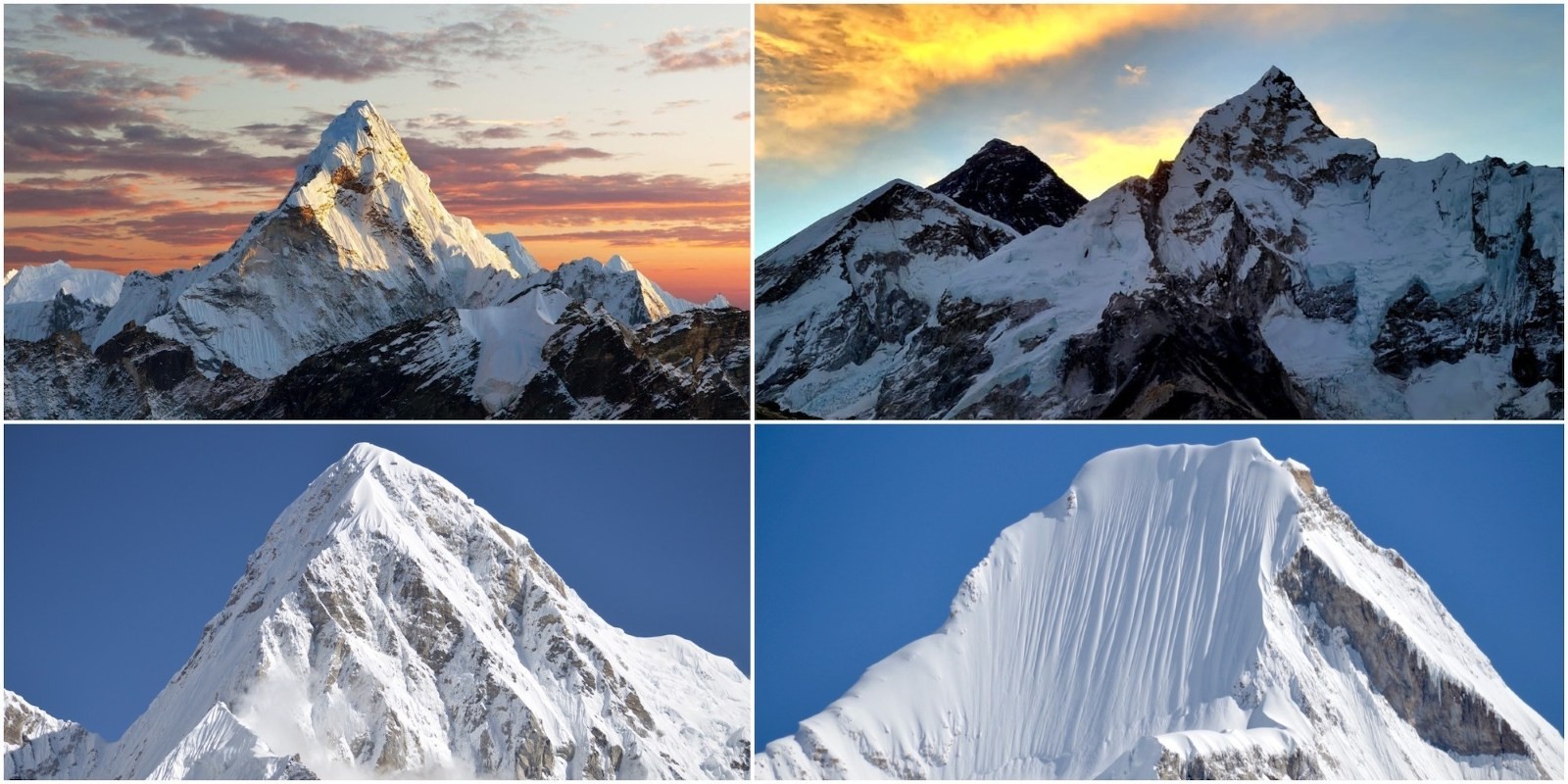
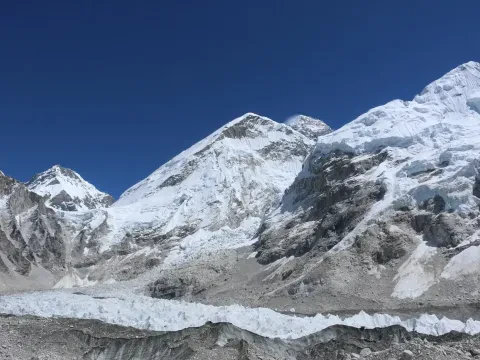
Likewise, the Everest Base Camp Trek in November offers some of the best mountain views of the year. You can see Mount Everest, Lhotse, Nuptse Ama Dablam, Pumori and Thamserku standing sharply against blue skies. This is a dream season for photographers and nature lovers who want to experience the Everest Base Camp Trek weather for November.
Moreover, there are less trekkers in November compared to October so the trails are quieter and the teahouses feel more relaxed. You can enjoy mornings, better service and more comfortable accommodation choices throughout the Khumbu region. The Everest Base Camp Trek weather for November is perfect for a trek.
However, it gets very cold above Dingboche and Lobuche. Nights can be freezing so you need to pack clothing, a good sleeping bag and layer your clothes properly. The autumn trekking Nepal experience is great. You need to be prepared for the cold.
Fortunately, it rarely rains in November. The walking trails are dry, firm and safe. River crossings, suspension bridges and rocky paths are all in condition throughout the month. The Everest Base Camp Trek weather for November is perfect for trekking.
In fact, local guides love November because the weather forecasts are usually very reliable. This means that Lukla flights are more consistent than during the monsoon season. The best month to visit EBC is November and the Everest Base Camp Trek weather for November is just perfect.
| Advantage | What You Can Expect |
|---|---|
| Sky Conditions | Crystal-clear blue skies |
| Rainfall | Very little or none |
| Mountain Views | Outstanding throughout the trek |
| Trail Conditions | Dry, stable and safe |
| Photography | Excellent. Vibrant colors |
| Crowds | Moderate after early November |
| Wildlife | chances to spot Himalayan birds and musk deer |
| Overall Rating | Excellent |
Highlights of November Trekking :
Local Expert Tips :
The temperature for the Everest Base Camp Trek in November varies a lot with altitude. Lower villages are pleasantly cool during the day. Higher elevations are much colder. You need to understand the temperature changes to pack correctly and stay comfortable. The Everest Base Camp temperature in November is quite cold.
Around Lukla and Phakding, the daytime temperatures are usually between 10°C and 15°C. It feels comfortable when you are walking in the sunshine. The mornings can be chilly. The Nepal mountain weather is cold. It is perfect for trekking.
Likewise, higher up at Namche Bazaar and Tengboche, the daytime temperatures are around 8°C to 12°C. At night it can get as cold as -2°C to -6°C. The high-altitude climate is cold. The scenery is just amazing.
Moreover, at Dingboche and Lobuche daytime temperatures are usually between 3°C and 8°C. After sunset it can get very cold, often below -8°C. The Everest Base Camp temperature in November is quite cold at night.
Similarly, near Gorak Shep and Everest Base Camp daytime temperatures are around 0°C to 5°C. At night it can get as cold as -10°C to -15°C. The temperature for the Everest Base Camp Trek in November is cold. It is worth it for the scenery.
Fortunately, the dry air makes the cold conditions more predictable. Sunny afternoons can feel warmer than you think. The Everest Base Camp Trek weather for November is perfect for trekking.
| Location | Elevation | Day Temperature | Night Temperature |
|---|---|---|
| Lukla | 2,860 m | 10°C–15°C | 2°C–6°C |
| Phakding | 2,610 m | 11°C–16°C | 3°C–7°C |
| Namche Bazaar | 3,440 m | 8°C–12°C | -2°C–3°C |
| Tengboche | 3,867 m | 6°C–10°C | -4°C–0°C |
| Dingboche | 4,410 m | 3°C–8°C | -6°C–-10°C |
| Lobuche | 4,940 m | 2°C–6°C | -8°C–-12°C |
| Gorak Shep | 5,164 m | 0°C–5°C | -10°C–-15°C |
| Everest Base Camp | 5,364 m | 0°C–4°C | -10°C–-15°C |
| Time | Typical Weather |
|---|---|
| Early Morning | Frosty |
| Mid-Morning | Comfortable |
| Afternoon | Sunny with pleasant hiking temperatures |
| Evening | Rapid temperature drop |
| Night | Very cold with frost |
Essential Clothing for November :
Expert Trekking Tips :
Local Planning Tip: November offers some of the best trekking conditions but it can get very cold at higher elevations. Booking a local trekking agency like Haven Holidays Pvt. Ltd. and an experienced guide will help ensure flexible itineraries, proper acclimatization, updated weather information confirmed Lukla flights and comfortable teahouse reservations throughout the Everest Base Camp Trek.
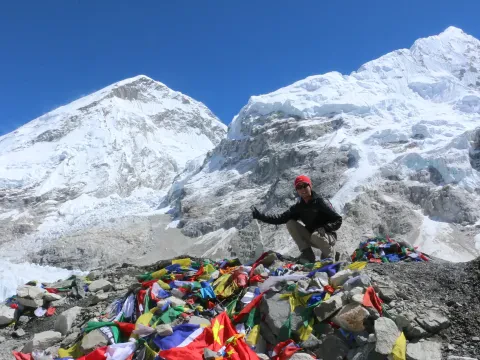
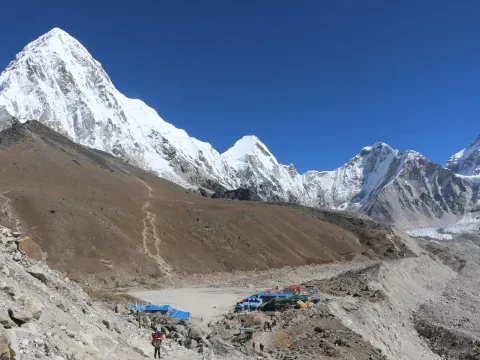
The EBC night temperature in November is one of the biggest challenges trekkers face. While sunny afternoons feel pleasant, temperatures fall rapidly after sunset. Therefore, you must prepare for freezing nights, especially above Dingboche (4,410 m).
At Namche Bazaar (3,440 m), nighttime temperatures in November usually range between -2°C and 2°C (28°F–36°F). However, higher villages become much colder. At Dingboche, temperatures often drop to -6°C to -10°C (21°F–14°F). Likewise, Lobuche (4,940 m) experiences -8°C to -12°C (18°F–10°F) during clear nights.
Here, the coldest overnight stay is usually Gorak Shep (5,164 m). Here, temperatures regularly fall between -10°C and -15°C (14°F–5°F). Frost forms before sunrise, and water bottles left outside often freeze. Fortunately, daytime sunshine quickly warms the trails.
Another important fact is that teahouse bedrooms are not heated. Dining halls stay warm during dinner because of a yak-dung stove. However, the stove is extinguished before bedtime, leaving bedrooms extremely cold throughout the night.
Therefore, every trekker should bring a 4-season sleeping bag rated to -15°C or colder. Wearing thermal base layers, warm socks, a fleece jacket, and a wool beanie while sleeping also improves comfort.
| Overnight Stop | Elevation | Average Night Temperature | Bedroom Heating |
|---|---|---|
| Lukla | 2,860 m | 2°C to 6°C | No |
| Phakding | 2,610 m | 3°C to 7°C | No |
| Namche Bazaar | 3,440 m | -2°C to 2°C | No |
| Tengboche | 3,867 m | -3°C to 0°C | No |
| Dingboche | 4,410 m | -6°C to -10°C | No |
| Lobuche | 4,940 m | -8°C to -12°C | No |
| Gorak Shep | 5,164 m | -10°C to -15°C | No |
How to Stay Warm at Night during November :
Local Expert Tips :
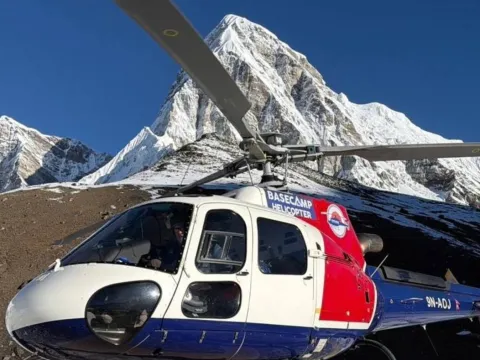
The Everest Base Camp Trek weather for November is among the driest of the entire year. By early November, the summer monsoon has completely ended across the Everest region. Therefore, trekkers enjoy long periods of sunny, stable weather with almost no rainfall.
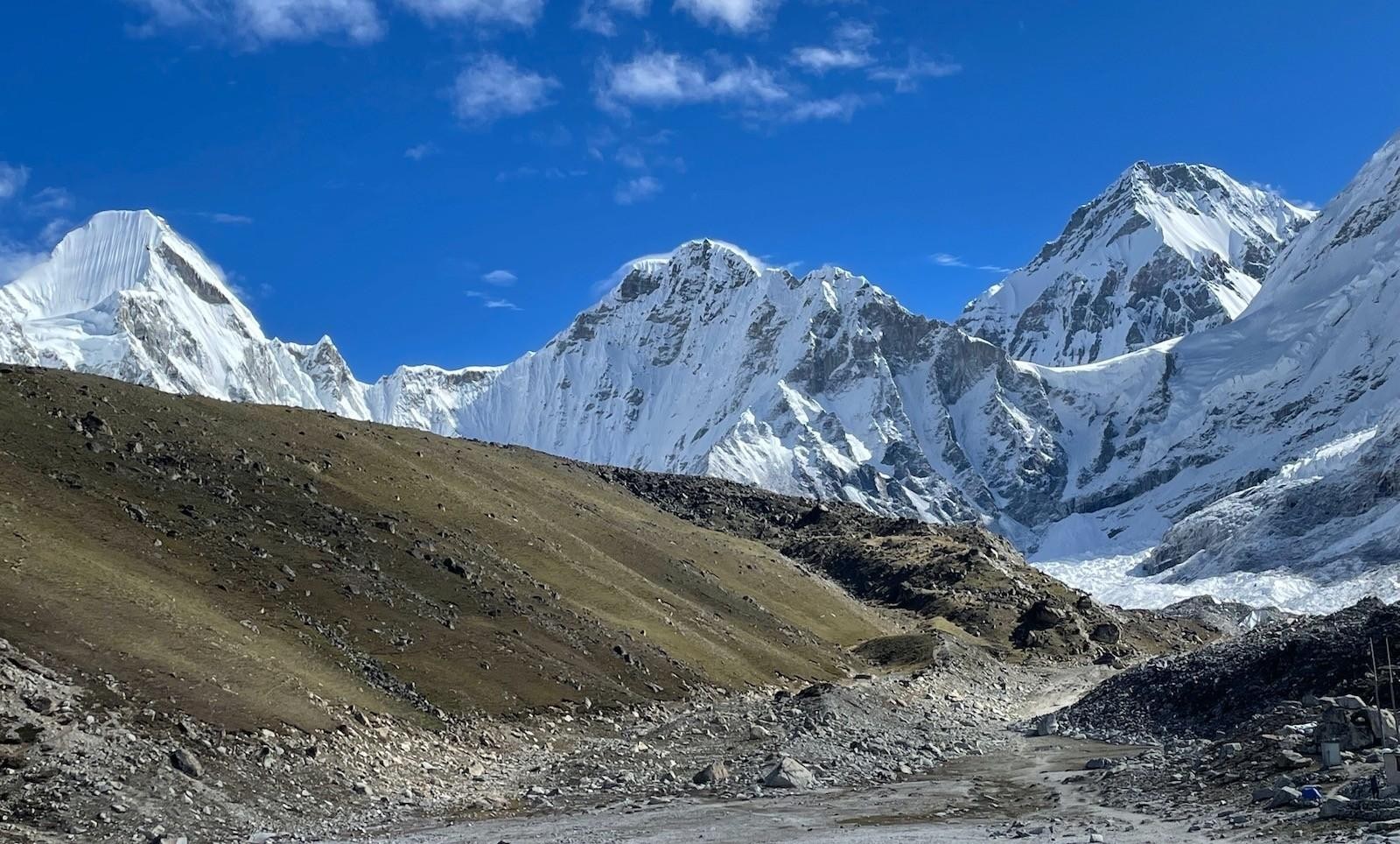
Unlike July, August, or early September, November rarely experiences afternoon showers during Everest Base Camp Trek. Instead, days are generally bright with deep blue skies and excellent mountain visibility. Low humidity also makes hiking more comfortable and improves long-distance views of Mount Everest (8,848.86 m), Lhotse (8,516 m), Ama Dablam (6,812 m), and many surrounding peaks.
Although rain is extremely uncommon, mountain weather can always change quickly. Occasionally, light clouds may build during the afternoon, but they rarely develop into significant rainfall. Consequently, most trekking days remain dry from morning until evening.
Because rainfall is so limited, trails become firm, rocky, and easy to walk. River crossings remain stable, and muddy forest paths almost disappear. This makes November one of the safest months for trekking in the Khumbu region.
Here, you can also simplify your packing for EBC during November. A lightweight waterproof shell is usually enough for unexpected weather, while your main focus should be on warm clothing to handle freezing temperatures at higher elevations.
| Weather Factor | November Conditions |
|---|---|
| Rainfall | Very low |
| Humidity | Low |
| Afternoon Showers | Rare |
| Trail Condition | Dry and stable |
| Cloud Cover | Minimal |
| Mountain Visibility | Excellent |
| Trekking Comfort | Outstanding |
| Item | Recommended | Reason |
|---|---|---|
| Lightweight waterproof shell | Yes | Wind and unexpected weather |
| Backpack rain cover | Yes | Keeps gear dry |
| Waterproof pants | Optional | Usually unnecessary |
| Heavy poncho | Not needed | November is very dry |
| Dry bags | Yes | Protect electronics and clothing |
Benefits of Dry November Weather :
Local Expert Tips :
Local Planning Tip: November is one of the most reliable months for the Everest Base Camp Trek. Stable weather, dry trails, and outstanding visibility make it ideal for trekking. Booking with a licensed local trekking agency or experienced guide helps secure Lukla flights, teahouse accommodation, permits, and up-to-date weather information before your adventure begins.
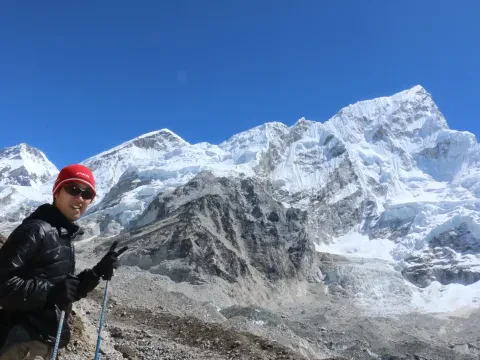
The snow at Everest Base Camp in November is usually not a major concern for trekkers following the standard Everest Base Camp route. November is one of the driest months in the Himalayas. Therefore, the main walking trails are generally dry, firm, and easy to follow.
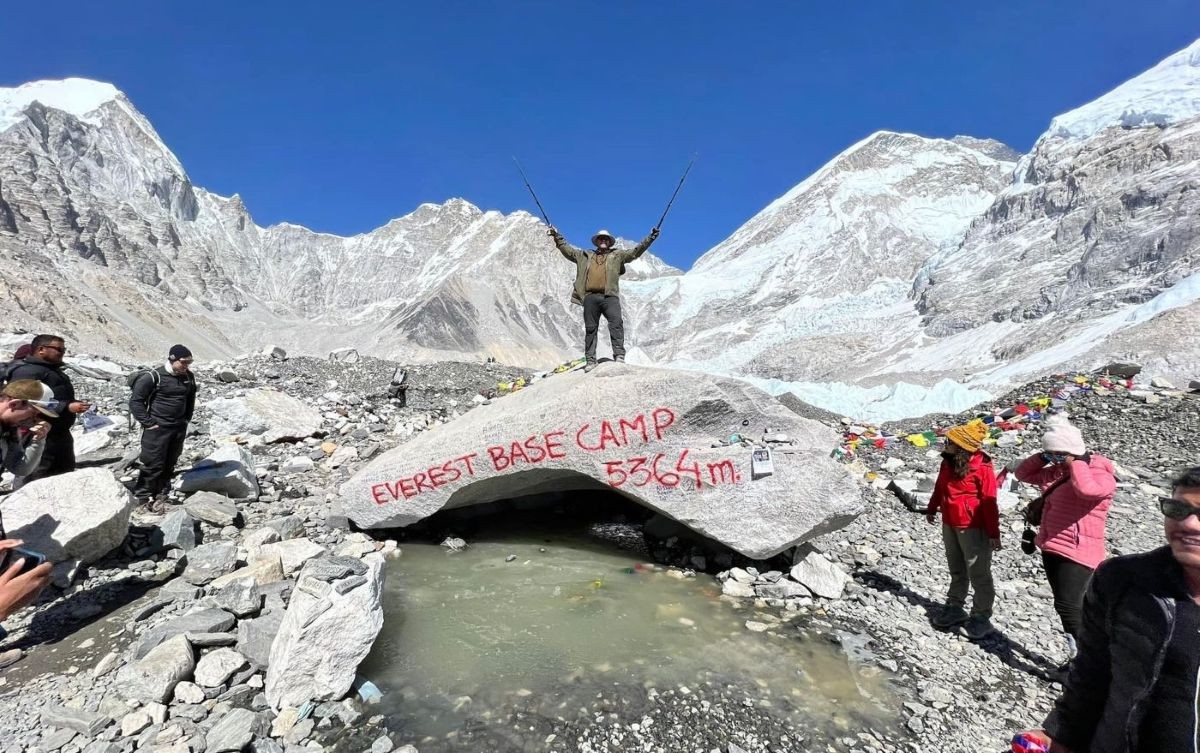
Most sections between Lukla (2,860 m), Namche Bazaar (3,440 m), Tengboche (3,867 m), Dingboche (4,410 m), and Lobuche (4,940 m) remain free of snow. Likewise, the trail to Everest Base Camp (5,364 m) is normally clear throughout most of November.
However, light snowfall can occasionally occur during late afternoons or overnight at higher elevations. Usually, this is only a thin dusting that melts quickly under the strong Himalayan sun. Heavy snowstorms blocking the main Everest Base Camp trail are uncommon during November.
Meanwhile, the surrounding mountains become even more spectacular. Fresh snow beautifully covers the upper slopes of Mount Everest (8,848.86 m), Lhotse (8,516 m), Nuptse (7,861 m), Pumori (7,161 m), Ama Dablam (6,812 m), and Lingtren (6,749 m), creating unforgettable scenery.
Although snow rarely creates problems, morning frost is common above Dingboche. Wooden bridges, rocks, and shaded paths may become slippery before sunrise. Therefore, walking carefully during early mornings is always recommended.
Here, trekkers planning side trips over technical high passes such as Cho La Pass (5,420 m) should expect more snow and occasional icy sections. In those cases, lightweight microspikes can be useful.
| Trek Section | Elevation | Typical November Snow Condition |
|---|---|---|
| Lukla – Namche | 2,860–3,440 m | No snow |
| Namche – Tengboche | 3,440–3,867 m | Dry trails |
| Tengboche – Dingboche | 3,867–4,410 m | Occasional morning frost |
| Dingboche – Lobuche | 4,410–4,940 m | Light frost; isolated snow patches |
| Lobuche – Gorak Shep | 4,940–5,164 m | Possible light overnight snow |
| Everest Base Camp | 5,364 m | Occasional light snow dusting |
Snow Safety Tips :
Why November is Still Excellent :
Local Expert Tip: Fresh overnight snow often creates the most spectacular mountain scenery. Start your hike early after sunrise to enjoy sparkling white peaks while allowing the trail surface enough time to soften naturally.
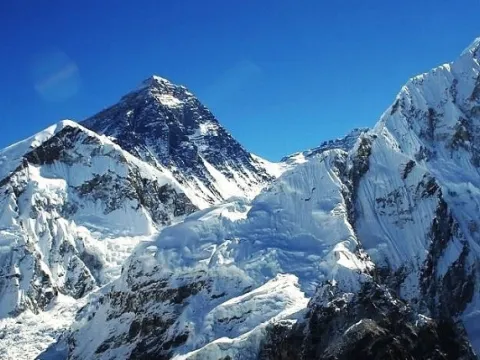
The Everest Base Camp mountain view in November is widely considered the finest of the entire year. Dry autumn air removes nearly all dust, haze, and humidity from the atmosphere. Therefore, trekkers enjoy breathtaking Himalayan panoramas almost every day.
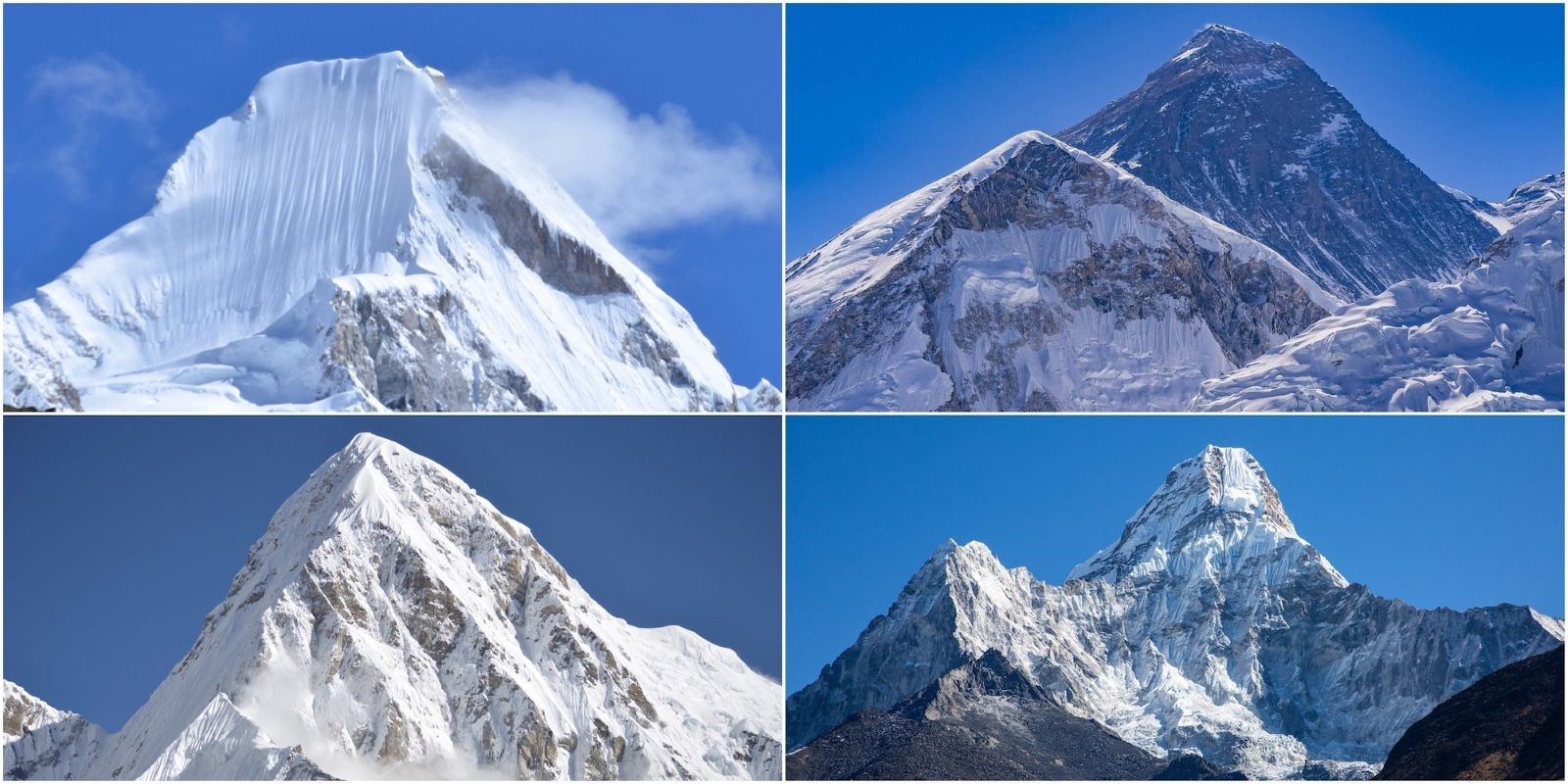
Here, morning skies are especially spectacular. Before clouds develop, visibility often stretches for more than 100 kilometers. Consequently, photographers capture incredibly sharp images with deep blue skies and brilliant white snow-covered peaks.
Throughout the trek, magnificent mountains dominate the landscape. Mount Everest (8,848.86 m), Lhotse (8,516 m), Ama Dablam (6,812 m), Nuptse (7,861 m), Pumori (7,161 m), Thamserku (6,608 m), Kangtega (6,782 m), and Cho Oyu (8,188 m) appear exceptionally clear during November.
In fact, the best viewpoints include Namche Bazaar Viewpoint (3,880 m), Hotel Everest View (3,962 m), Tengboche Monastery (3,867 m), Nangkartshang Peak (5,083 m), Kala Patthar (5,545 m), and Everest Base Camp (5,364 m). Each location offers unique perspectives for unforgettable photographs.
Because November has very low humidity, sunrise and sunset colors become richer and more vibrant. Golden light illuminates the Himalayan giants, while crisp evening skies reveal brilliant stars and the Milky Way.
Although afternoons may develop a few light clouds, mornings consistently provide the clearest visibility. Therefore, most experienced guides recommend beginning hikes early to enjoy the best photographic conditions.
| Location | Elevation | Photography Highlight |
|---|---|---|
| Lukla | 2,860 m | Mountain village scenery |
| Namche Bazaar Viewpoint | 3,880 m | First panoramic Everest view |
| Hotel Everest View | 3,962 m | Everest and Ama Dablam panorama |
| Tengboche Monastery | 3,867 m | Monastery with Himalayan backdrop |
| Dingboche | 4,410 m | Wide alpine valley landscapes |
| Kala Patthar | 5,545 m | Best close-up view of Everest |
| Everest Base Camp | 5,364 m | Khumbu Icefall and glacier scenery |
| Time | Visibility | Best Subjects |
|---|---|---|
| Sunrise | ⭐⭐⭐⭐⭐ | Everest, Lhotse, Ama Dablam |
| Morning | ⭐⭐⭐⭐⭐ | Landscapes and trekking trails |
| Afternoon | ⭐⭐⭐⭐☆ | Glaciers and villages |
| Sunset | ⭐⭐⭐⭐⭐ | Golden Himalayan peaks |
| Night | ⭐⭐⭐⭐⭐ | Milky Way and star photography |
Photography Tips for November :
Local Expert Tips :
Local Planning Tip: November combines crystal-clear skies, fresh snow-capped peaks, and low humidity, making it one of the world's best months for Himalayan photography. Trekking with an experienced local guide helps you reach the best viewpoints at the perfect time for sunrise and sunset while staying informed about daily mountain weather conditions.
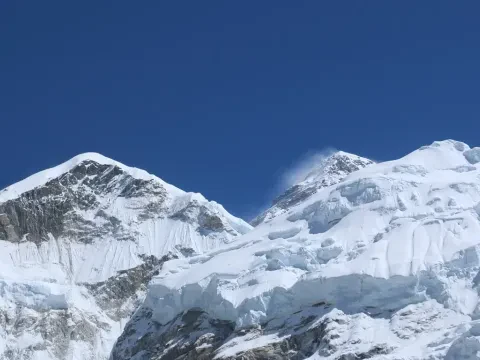
The sun on the Everest trek in November is much stronger than many people think. Even though the air feels cold the sun in the Himalayas is extremely powerful because the air gets thinner as you go higher. This means that your skin and eyes get more ultraviolet exposure than they would at sea level.
In fact, November is one of the driest months in the Everest region. The dry air, clear skies and fresh snow on the surrounding peaks reflect sunlight onto your face. So, you can get sunburned fast especially between 10:00 AM and 2:00 PM.
Moreover, the sun is strongest above Namche Bazaar (3,440 m) around Dingboche (4,410 m) Lobuche (4,940 m) Gorak Shep (5,164 m) Everest Base Camp (5,364 m) and Kala Patthar (5,545 m). At these points the ultraviolet radiation can be extreme even when it is freezing outside.
Here, you need to protect yourself from the sun throughout the trek. Apply a high-SPF sunscreen every morning. Put more on every two to three hours. Also protect your lips with SPF lip balm because the cold dry air can make them crack quickly.
Mainly, good-quality sunglasses that block UV rays help protect your eyes from the sunlight and snow glare. A brimmed hat or a cap with a neck cover also reduces direct sun exposure.
| Trek Section | Elevation | UV Level | Protection Needed |
|---|---|---|
| Lukla | 2,860 m | High | Sunscreen and sunglasses |
| Namche Bazaar | 3,440 m | Very High | Hat high-SPF sunscreen, sunglasses |
| Tengboche | 3,867 m | Very High | Full sun protection |
| Dingboche | 4,410 m | Extreme | Put sunscreen on often |
| Gorak Shep | 5,164 m | Extreme | Protect your whole face |
| Kala Patthar | 5,545 m | Extreme | Use UV protection |
| Item | Recommendation | Purpose |
|---|---|---|
| Sunscreen | High-SPF | Prevent sunburn |
| Lip Balm | SPF 30+ | Protect lips from cracking |
| Sunglasses | UV-blocking | Reduce UV and snow glare |
| Sun Hat | Wide-brim or cap with neck cover | Shade face and neck |
| Neck Buff | UV-protective fabric | Shield neck and cheeks |
| Long-Sleeve Shirt | Quick-dry fabric | Reduce skin exposure |
Tips for Safe Sun Exposure :
Local Expert Tips :
Local Planning Tip: Cold temperatures often make trekkers underestimate the sun in the Himalayas. Good sun protection prevents burns and helps you stay comfortable throughout your Everest Base Camp Trek in November.
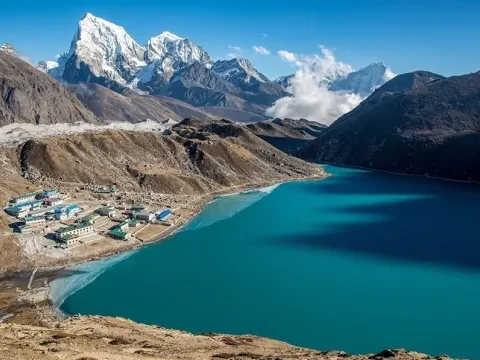
The wind on the Everest Base Camp Trek in November is generally okay in the morning but gets much colder as the day goes on. November has weather with not many storms. However freezing mountain winds are common at elevations especially in the afternoon.
Meanwhile, most trekking days start with clear conditions. Early mornings often have light winds making sunrise hikes comfortable despite the freezing temperatures. So, guides usually recommend starting each days walk after sunrise.
As the sun warms the valleys cold air starts moving across slopes and glacial terrain. So, stronger winds often develop from morning into afternoon. These winds are most noticeable above Dingboche (4,410 m). Around Lobuche (4,940 m) Gorak Shep (5,164 m) Kala Patthar (5,545 m) and Everest Base Camp (5,364 m).
In fact, Kala Patthar is particularly exposed because it stands above the surrounding ridges. Although the views are amazing the wind chill can make the temperature feel 5°C to 10°C than the actual air temperature.
Fortunately, November rarely brings windstorms. Most winds are dry, predictable and manageable with clothing. A good windproof shell jacket, gloves and a fleece-lined beanie provide excellent protection throughout the trek.
| Location | Elevation | Typical Wind | Best Time to Visit |
|---|---|---|
| Lukla | 2,860 m | Light | Morning |
| Namche Bazaar | 3,440 m | Light to moderate | Morning |
| Tengboche | 3,867 m | Moderate | Morning |
| Dingboche | 4,410 m | Moderate | Morning |
| Lobuche | 4,940 m | Moderate to strong | Early morning |
| Gorak Shep | 5,164 m | Strong afternoon breeze | Morning |
| Kala Patthar | 5,545 m | Strong and cold | Sunrise |
| Gear | Why It Matters |
|---|---|
| Windproof shell jacket | Blocks cold mountain winds |
| Fleece mid-layer | Adds insulation |
| Down jacket | Keeps you warm during stops |
| Warm beanie | Prevents heat loss |
| Neck buff | Protects face from cold air |
| Windproof gloves | Keeps fingers |
| Trekking poles | Improve balance on exposed trails |
Tips for Windy Conditions in November :
Local Expert Tips :
Local Planning Tip: Novembers stable weather makes the Everest Base Camp Trek very enjoyable. Cold mountain winds are a normal part of high-altitude trekking. An outer shell, warm accessories and an early morning hiking schedule will keep you comfortable while enjoying the amazing Himalayan views.
The Kathmandu to Lukla flight in November is usually very reliable. November is a good time to fly because the weather is stable the air is dry and you can see for miles across the Everest region. This means there are not many flight delays and cancellations as there are during the monsoon or spring months.
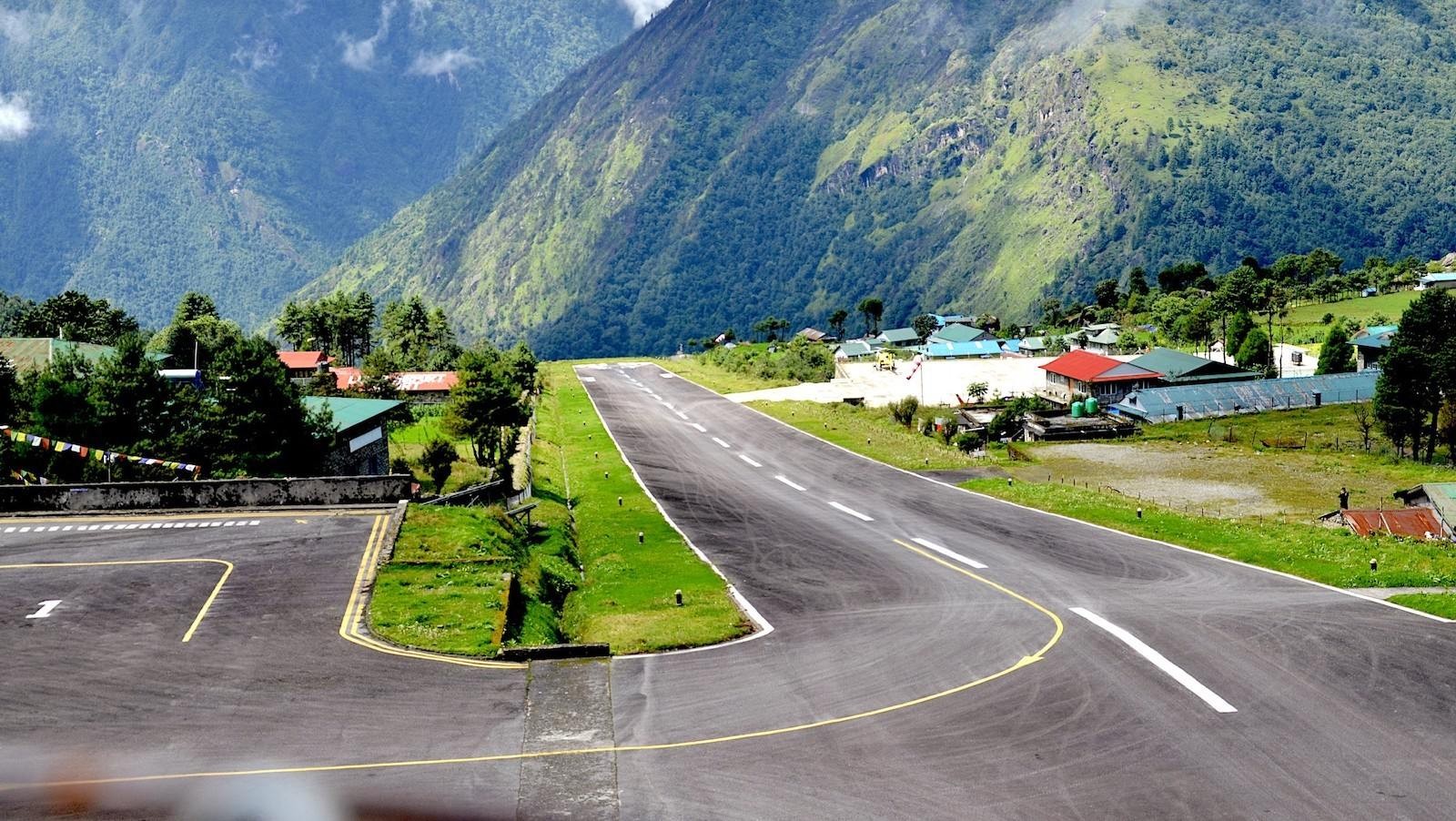
Here, most flights take off early in the morning when the wind is calm and the sky is clear. During the autumn season flights may leave from Ramechhap Airport instead of Kathmandu to reduce air traffic congestion. So, it is an idea to check which airport you will be flying out of before your trekking holiday.
Even though November is a good time to fly Lukla Airport (2,860 m), it is still one of the most challenging mountain airports in the world. Sometimes, fog can roll in the wind can pick up or visibility can become poor causing flights to be delayed for hours. However, it is rare for flights to be cancelled for days in a row during November.
In fact, trekking companies that have a lot of experience usually book the available flights because the weather is more predictable in the morning. It is also an idea to add one or two buffer days to the end of your itinerary before you leave the country.
Importantly, you should book your flights well in advance because November is one of the best months for trekking in Nepal. Seats on flights often sell out weeks or months before departure.
| Flight Factor | November Conditions | What It Means |
|---|---|---|
| Morning Visibility | Excellent | You can see the mountains clearly |
| Rainfall | Very low | There is not much rain |
| Wind Conditions | Usually light | The wind is not too strong |
| Flight Delays | Low | Most flights leave on time |
| Flight Cancellations | Rare | Flights are not often cancelled |
| Passenger Demand | Very high | You should book your flight early |
| Tip | Benefit |
|---|---|
| Book morning flights | The weather is usually better |
| Add 1–2 buffer days | You will have time to spare |
| Pack essentials in your day-pack | You will be prepared if your flight is delayed |
| Confirm departure airport | You will know which airport to go to |
| Keep travel insurance | You will be covered if something goes wrong |
| Charge devices | You will have power when you need it |
Why November is Excellent for Lukla Flights :
Local Expert Tips :
Local Planning Tip: November is a good time to fly to Lukla. However, the weather in the mountains can be unpredictable. It is an idea to plan for extra days at the end of your Everest Base Camp Trek.
To stay comfortable on the Everest Base Camp Trek in November, you need to know what to wear. The temperature changes a lot throughout the day. It is cold in the morning, warm in the afternoon and cold again in the evening. The best way to stay comfortable is to dress in layers.
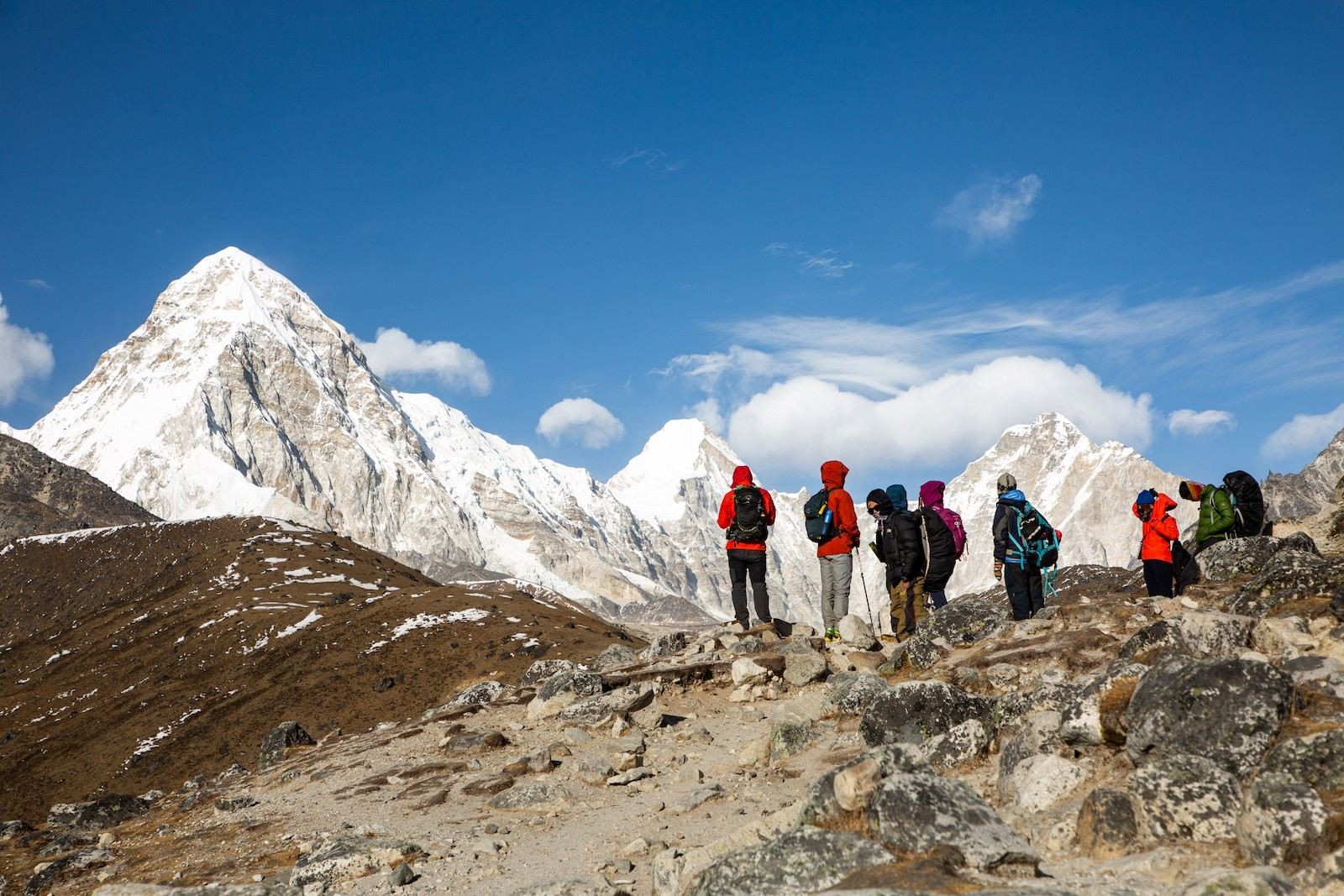
Meanwhile, the three-layer clothing system works well for the Everest Base Camp Trek in November. You start with a base layer that keeps you dry then add a layer and finally a waterproof layer. This way you can adjust your clothes as the temperature changes.
Likewise, you should wear a hat and gloves and carry a waterproof jacket. Although it is dry in November, the wind can be strong above Dingboche (4,410 m) Lobuche (4,940 m) Gorak Shep (5,164 m) and Kala Patthar (5,545 m).
Soon as you stop hiking, put on a warm jacket. Your body temperature drops quickly when you stop moving in cold teahouses. A down jacket will keep you warm.
| Layer | Recommended Clothing | Main Purpose |
|---|---|---|
| Base Layer | Thermal top and bottom | Keeps you dry |
| Mid Layer | Fleece jacket or light insulated jacket | Keeps you warm |
| Outer Layer | Waterproof windproof shell | Keeps you dry and warm |
| Clothing Item | Quantity |
|---|---|
| Thermal tops | 2–3 |
| Thermal bottoms | 2 |
| Trekking shirts | 2–3 |
| Trekking pants | 2 |
| Down jacket | 1 |
| Waterproof shell jacket | 1 |
| Warm hat | 1 |
| Neck buff | 1–2 |
| Gloves | 2 pairs |
| Socks | 4 pairs |
| Time | Recommended Clothing |
|---|---|
| Early Morning | Base layer + fleece + shell + gloves + hat |
| Sunny Afternoon | Base layer + trekking shirt; shell if windy |
| Rest Stops | Add down jacket immediately |
| Evening in Teahouse | Thermal layers + fleece + jacket |
| Sleeping | Clean thermal base layer and warm socks |
Extra Packing Tips :
Local Expert Tips :
Local Planning Tip: The weather changes in November on the Everest Base Camp Trek. You should be prepared for warm temperatures. Dressing in layers will keep you comfortable and safe.
The Everest Base Camp Trek in November has some nice teahouses that are comfortable and welcoming. However, these teahouses are not warm enough for you to sleep without the gear. In the evening most teahouses use a yak-dung or wood-burning stove in the shared dining room. This is where trekkers gather to enjoy meals, warm drinks and conversations before heading to bed.
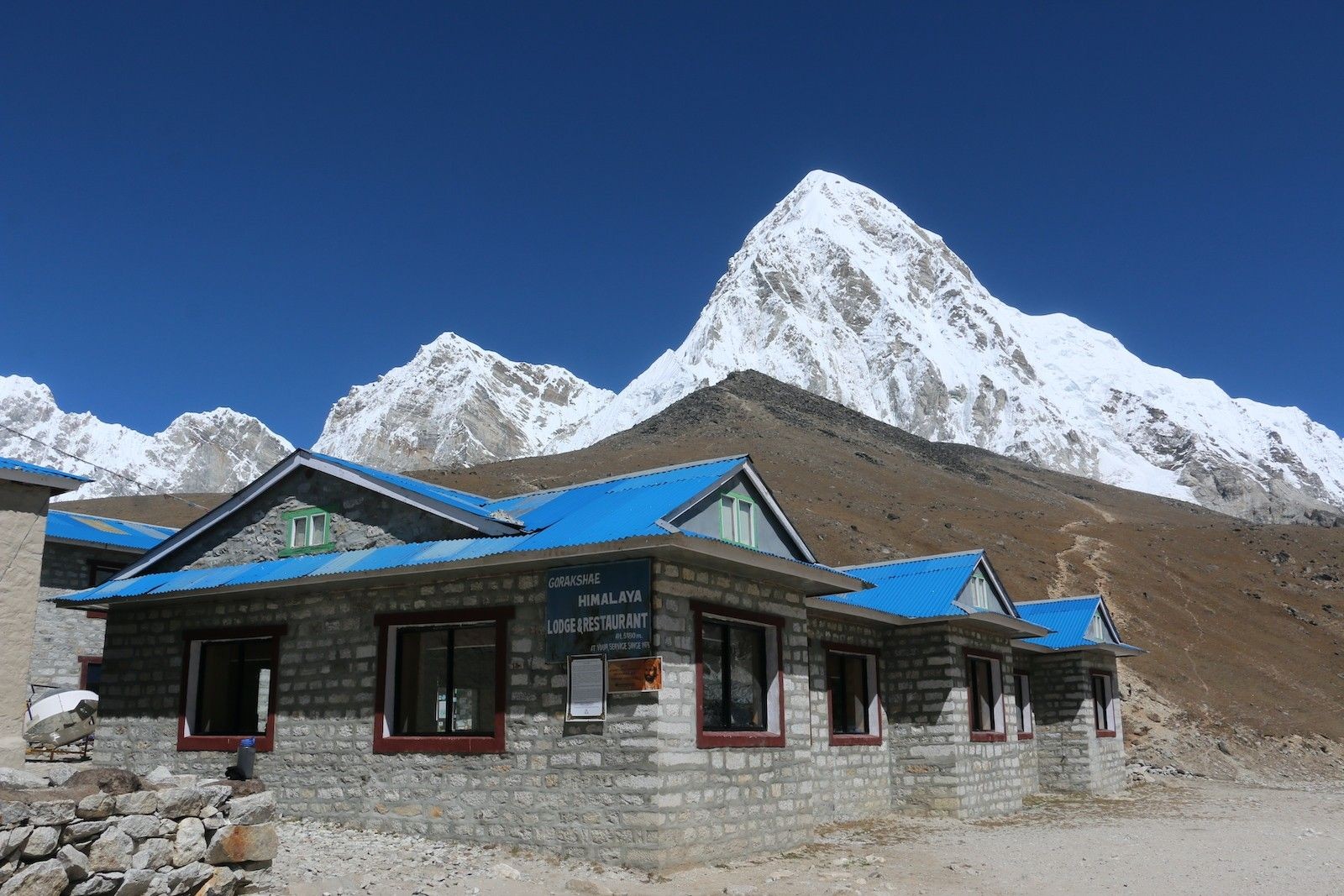
Once the stove is turned off the temperature inside the lodge drops quickly. The bedrooms are completely unheated and usually have wooden walls with limited insulation. So, the temperature inside the rooms is often close to the temperature especially in higher villages such as Dingboche at 4,410 m Lobuche at 4,940 m and Gorak Shep at 5,164 m.
Likewise, you will need a 4-season sleeping bag that can keep you warm in temperatures as low as -15°C or 5°F. Many trekkers also use a fleece or silk sleeping bag liner for warmth and better hygiene. Wearing thermal clothing, wool socks and a warm beanie while sleeping makes a big difference during the cold November nights.
Although teahouses along EBC Trail provide blankets, they are not always thick enough for the temperatures in late autumn. During the trekking season extra blankets may also be limited. So, it is best to rely on your sleeping bag for a comfortable and warm sleep.
Despite the bedrooms, the warm hospitality of the Sherpa families, freshly prepared meals and cozy dining rooms create a memorable mountain experience every evening.
| Trek Location | Elevation | Dining Room | Bedroom | Recommended Sleeping Bag |
|---|---|---|
| Phakding | 2,610 m | Warm stove | Cool | -5°C to -10°C |
| Namche Bazaar | 3,440 m | Warm stove | Cold | -10°C |
| Tengboche | 3,867 m | Warm stove | Cold | -10°C to -15°C |
| Dingboche | 4,410 m | Warm stove | Very cold | -15°C |
| Lobuche | 4,940 m | Warm stove | Freezing | -15°C |
| Gorak Shep | 5,164 m | Warm stove | Extremely cold | -15°C. Lower |
| Item | Why You Need It |
|---|---|
| 4-season sleeping bag (-15°C) | Comfortable sleep |
| Sleeping bag liner | Extra warmth and hygiene |
| Thermal base layer | Retains body heat |
| Wool socks | Keeps feet warm |
| Fleece beanie | Reduces heat loss |
| Hot water bottle (optional) | Adds warmth |
Tips for Staying Warm at Night :
Local Expert Tips :
Local Comfort Tip: November nights are cold. They are completely manageable with the right equipment. A quality -15°C sleeping bag, thermal layers and a welcoming teahouse make every overnight stay comfortable during the Everest Base Camp Trek.
Yes, November is one of the best months to trek to Everest Base Camp. Although nights become freezing, as winter approaches the rewards far outweigh the temperatures. November combines crystal- skies, outstanding mountain visibility, dry trails and fewer trekkers than in the busy month of October.
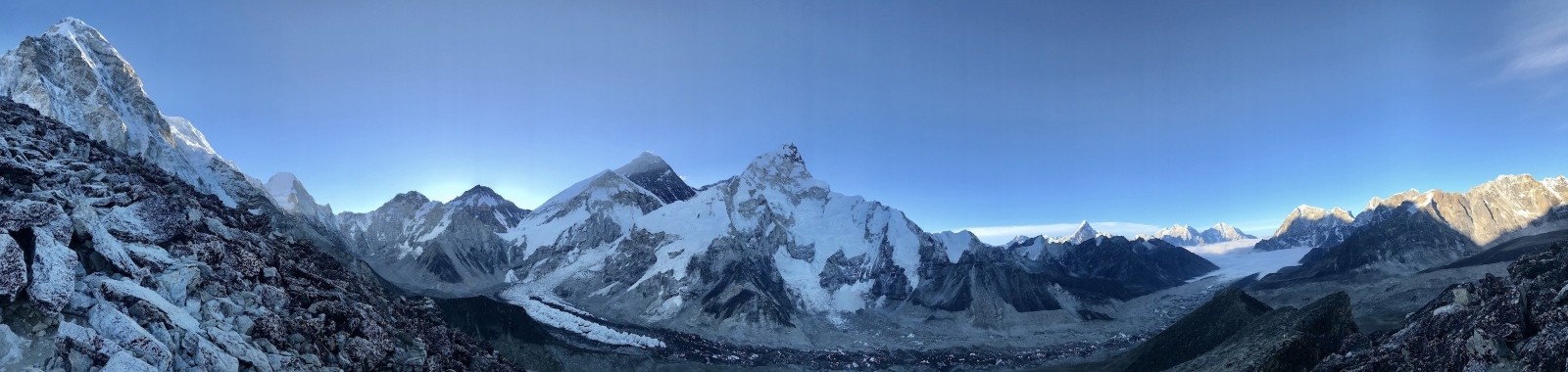
Here, one of Novembers advantages are its exceptional weather stability. Rain is extremely rare, humidity is very low and the trails remain dry and easy to walk. Consequently, trekkers enjoy hiking conditions from Lukla at 2,860 m to Everest Base Camp at 5,364 m and Kala Patthar at 5,545 m.
Likewise, photographers especially love November because the cold dry air removes dust and haze from the atmosphere. Every morning offers views of Mount Everest at 8,848.86 m Lhotse at 8,516 m Nuptse at 7,861 m Ama Dablam at 6,812 m Pumori at 7,161 m and many other Himalayan giants.
Similarly, another major benefit is the atmosphere. Since October crowds have begun to decrease trails feel more peaceful teahouses are less crowded and service is often quicker and more personal.
In fact, the only real challenge is preparing for nights. However, with layering, a quality down jacket insulated boots and a warm sleeping bag most trekkers remain comfortable throughout the journey.
For travelers who value mountain scenery, reliable weather, peaceful trails and unforgettable Himalayan sunrises November is one of the finest times to experience the Everest Base Camp Trek.
| Region & Elevation | Avg Day Temp | Avg Night Temp | Sky & Trail Conditions |
|---|---|---|
| Lukla / Namche (2,800–3,440 m) | 10°C–14°C (50°F–57°F) | 0°C–4°C (32°F–39°F) | Bright sunshine, crisp air, dry trails. |
| Dingboche / Lobuche (4,410–4,910 m) | 4°C–8°C (39°F–46°F) | -5°C to -10°C (23°F–14°F) | Sunny days with heavy morning frost. |
| Everest Base Camp (5,364 m) | -2°C–4°C (28°F–39°F) | -10°C to -15°C (14°F–5°F) | Freezing alpine conditions and clear skies. |
Why November is an Excellent Choice :
Q: Is November too cold to trek to Everest Base Camp?
No. November is cold but very manageable with clothing. Daytime temperatures remain comfortable for hiking at 8°C to 12°C while nighttime temperatures at elevations can fall to -10°C to -15°C. A warm sleeping bag, jacket and layered clothing provide excellent protection throughout the trek.
Q: Does it snow at Everest Base Camp in November?
Heavy snowfall is uncommon during November. Occasionally light afternoon snow flurries may occur around Everest Base Camp at 5,364 m or Gorak Shep at 5,164 m. The main trekking trail usually remains open, dry and safe throughout the month.
Q: Do I need microspikes for an EBC trek in November?
For the Everest Base Camp route microspikes are generally unnecessary because the trails are usually dry. However, if you plan to cross Cho La Pass at 5,420 m or encounter icy conditions lightweight microspikes are a useful safety backup.
| Topic | Recommendation |
|---|---|
| Best start time for hiking | Begin hiking before 8:00 AM |
| Clothing | Dress, in a three-layer system |
| Sleeping bag | Rated to -15°C or lower |
| Water | Carry insulated reusable bottles |
| Flights | Keep 1–2 buffer days for Lukla |
| Sun protection | SPF 50+ sunglasses lip balm |
| Trekking support | Hire a licensed guide and porter |
| Travel insurance | Include high-altitude evacuation |
Pro Logistical Note: November marks one of the best months of Nepal’s famous autumn trekking season. Booking your Everest Base Camp Trek through a local trekking agency helps secure Lukla flights, permits, experienced guides, reliable porters and comfortable teahouse accommodation before winter conditions become more challenging.
1. What is the Everest Base Camp Trek weather like in November. Why is November the best time for Everest Base Camp Trek?
The Everest Base Camp Trek weather in November is usually very stable and dry. This makes it a great time to go on the Everest Base Camp Trek. The days are sunny. The temperatures are not too cold at lower elevations. They range from 5°C to 12°C. At night it can get very cold at Everest Base Camp and Gorak Shep. The temperature can even drop below -15°C.
2. How cold is the Everest Base Camp Trek in November at higher elevations?
When you are on the Everest Base Camp Trek in November it gets much colder as you go higher than Namche Bazaar. At night the temperature at Lobuche and Gorak Shep can be as low as -10°C to -15°C. During the day when the sun is out it is comfortable to trek. You need to have clothes and a good sleeping bag to keep you warm.
3. Does it snow during the Everest Base Camp Trek in November?
Yes, it can snow a little during the Everest Base Camp Trek weather in November. It does not snow heavily in the early and middle parts of November. The higher parts of the trek like near Kala Patthar and Everest Base Camp might get some snow.. The trails are usually open and safe to walk on.
4. Is November the best month for Everest Base Camp Trek?
Yes, November is the best time for the Everest Base Camp Trek. The skies are clear the mountains look beautiful. It does not rain much. This makes it perfect for trekking. You can see Mount Everest Lhotse, Ama Dablam very clearly.
5. How cold are the days during the Everest Base Camp Trek in November?
When you are on the Everest Base Camp Trek in November the daytime temperatures are usually between 10°C and 15°C at lower elevations. At elevations like above Dingboche the temperature is around 0°C to 8°C. Wearing clothes in layers keeps you comfortable while trekking.
6. How cold are the nights on the Everest Base Camp Trek in November?
At night the temperature drops a lot as you go higher on the Everest Base Camp Trek in November. At Lukla it is around 0°C. At Lobuche and Gorak Shep it can be as low as -10°C to -15°C. So, you need to have jackets and sleeping bags to keep you warm.
7. How clear are the mountains during the Everest Base Camp Trek weather in November?
The Everest Base Camp Trek weather in November is great for seeing the mountains. The air is dry which makes the views very clear every morning. You can see Everest Nuptse Pumori. Thamserku very clearly throughout the trek.
8. Is November good for photography during the Everest Base Camp Trek?
Yes, November is best time for photography on the Everest Base Camp Trek. The skies are clear and the sun shines brightly. The mountains have snow on them making the scenery look amazing. Watching the sunrise from Kala Patthar is one of the photography experiences in Nepal.
9. What clothing do I need for the Everest Base Camp Trek in November?
For the Everest Base Camp Trek weather in November, you need to wear warm clothes in layers. Pack underwear, fleece jackets, warm down jackets, waterproof coats, gloves, hats and warm trekking pants. Also take socks and insulated boots to keep your feet warm at higher elevations.
10. Is a sleeping bag needed for the Everest Base Camp Trek in November?
Yes, you need a sleeping bag for the Everest Base Camp Trek in November. The bedrooms in the teahouses are not heated even though the dining halls are warm. So, a sleeping bag that can keep you warm in temperatures low as -15°C is necessary for comfortable nights at higher elevations.
11. Are the Lukla flights are operated smoothly during Everest Base Camp Trek in November?
The Everest Base Camp Trek weather in November is usually stable, which means the morning flights to Lukla operate smoothly. There are cancellations compared to the monsoon season. Sometimes fog or strong winds can delay flights. So, it is an idea to have a few extra days in your travel plan.
12. Are teahouses open during the Everest Base Camp Trek in November?
Yes, the teahouses are open during the Everest Base Camp Trek in November. The dining rooms are heated in the evenings. The bedrooms are not. So, you need to have clothes and a good sleeping bag to stay comfortable.
13. Is altitude sickness common during the Everest Base Camp Trek weather in November?
The Everest Base Camp Trek weather in November does not directly cause altitude sickness. The cold weather can make you dehydrated, which increases the risk of altitude sickness. So, you need to drink plenty of water trek slowly and have rest days at Namche Bazaar and Dingboche.
14. Is November crowded on the Everest Base Camp Trek?
Yes, the Everest Base Camp Trek in November is one of the best times and the good weather attracts trekkers from around the world. So, it is an idea to book your flights, guides and teahouses early to have a smooth trek.
15. Can beginners do the Everest Base Camp Trek in November?
Yes, beginners can complete the Everest Base Camp Trek in November if they prepare well. The stable weather and dry trails make it easier to trek. You need to be physically fit, trek slowly and have an experienced guide to help you.
16. Is November better than December for the Everest Base Camp Trek weather?
Yes, many trekkers prefer the Everest Base Camp Trek weather in November over December. November is not too cold. The visibility is great. December can be very cold at higher elevations. So, November is a better time for trekking.
17. How is the weather at Everest Base Camp (5,364 m) in November?
At Everest Base Camp (5,364 m) the weather in November is cold and dry. The daytime temperature is around -2°C to 5°C. At night it can drop below -15°C. The clear skies often give you great views of Everest.
18. Is travel insurance compulsory for the Everest Base Camp Trek in November?
Yes, travel insurance is very important for the Everest Base Camp Trek in November. You need to have insurance that covers altitude trekking and emergency helicopter evacuations above 5,000 meters. This protects you financially in case of weather or medical emergencies.
19. How should trekkers prepare for the Everest Base Camp Trek weather in November?
To prepare for the Everest Base Camp Trek weather in November you need to train physically pack warm clothes and have good trekking gear. You also need to have rest days for acclimatization and check the weather forecast. Booking a guide also helps to ensure a safe and enjoyable trek.
20. Why should I choose Haven Holidays Nepal for Everest Base Camp Trek in November?
Choosing the Everest Base Camp Trek in November with Haven Holidays Nepal ensures that you have local guides, well-planned acclimatization, reliable logistics and comfortable teahouse arrangements. The guides monitor the weather daily, which helps you to have an enjoyable trek, with great views of the Himalayas.
Our travel experts are ready to assist you with any questions.
Send us a message.Have a question before you book? Send your enquiry below and our travel experts will get back with the required information.