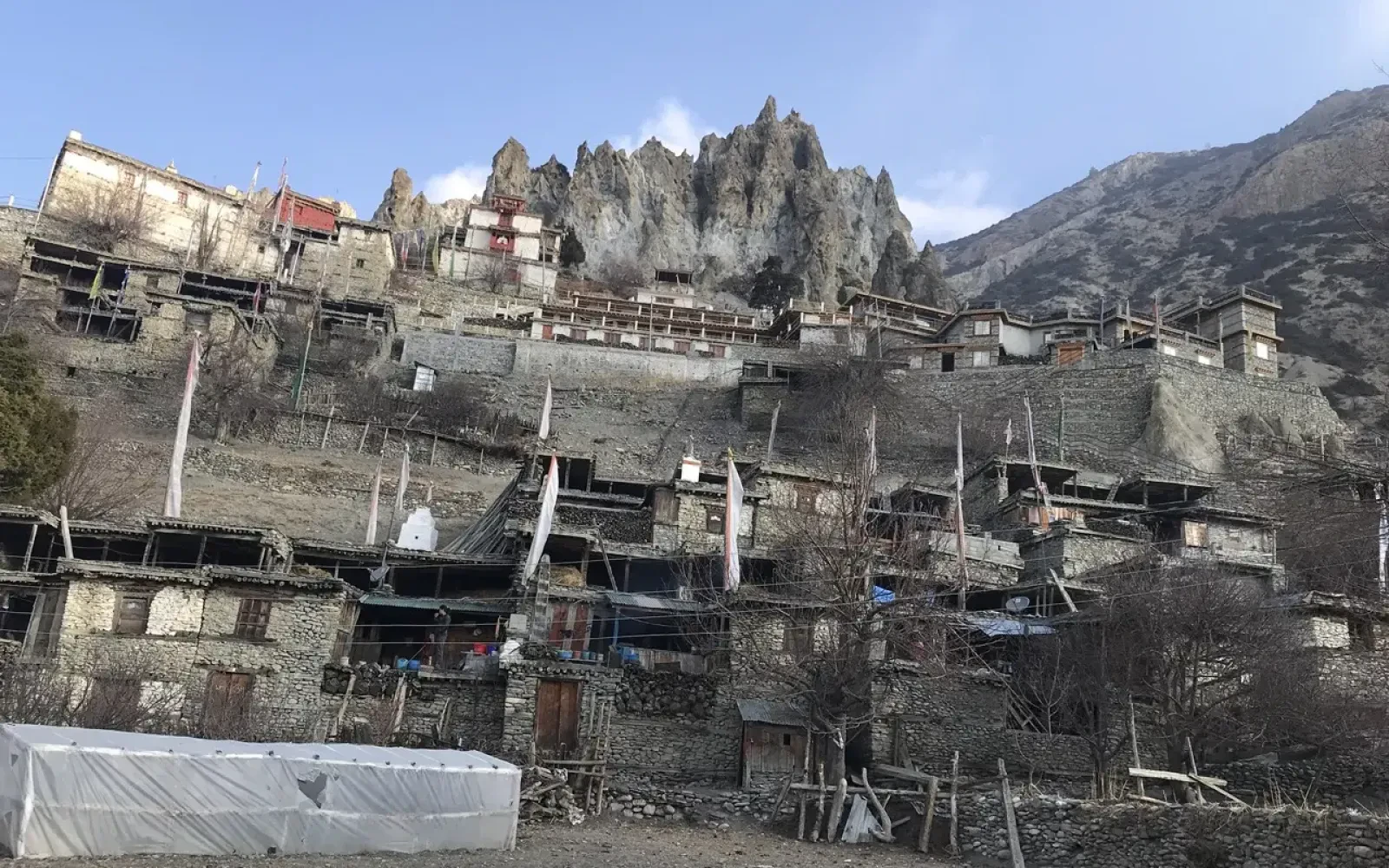
Dream of one trekking in Nepal that encompasses all that the Himalayas have to offer? A journey through dramatic landscapes, rich culture, and unmatched adventure as you trek around the majestic Annapurna Massif – that's the Annapurna Circuit Trek.
Unlike other treks like Annapurna Base Camp, Langtang Valley and Everest Base Camp, Annapurna Circuit Trek offer unique landscapes from deep gorges to arid landscapes to freshwater lakes to high mountains.
Actually, you'll begin your trek near Besisahar at 820 meters (2,690 feet). The trail meanders through lush sub-tropical forests, vibrant rhododendron blooms, and alpine meadows before you conquer the highest point on the trek at Thorong La Pass (5,416 meters / 17,769 feet).
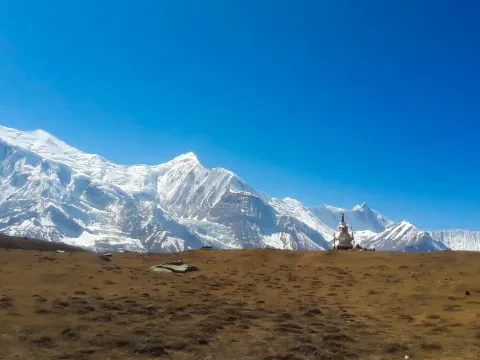
Following this achievement, you'll descend through the world's deepest gorge, the Kali Gandaki Valley, enjoying breathtaking views of giants such as Annapurna I at 8,091 meters (26,545 feet) and Gangapurna at 7,455 meters (24,459 feet).
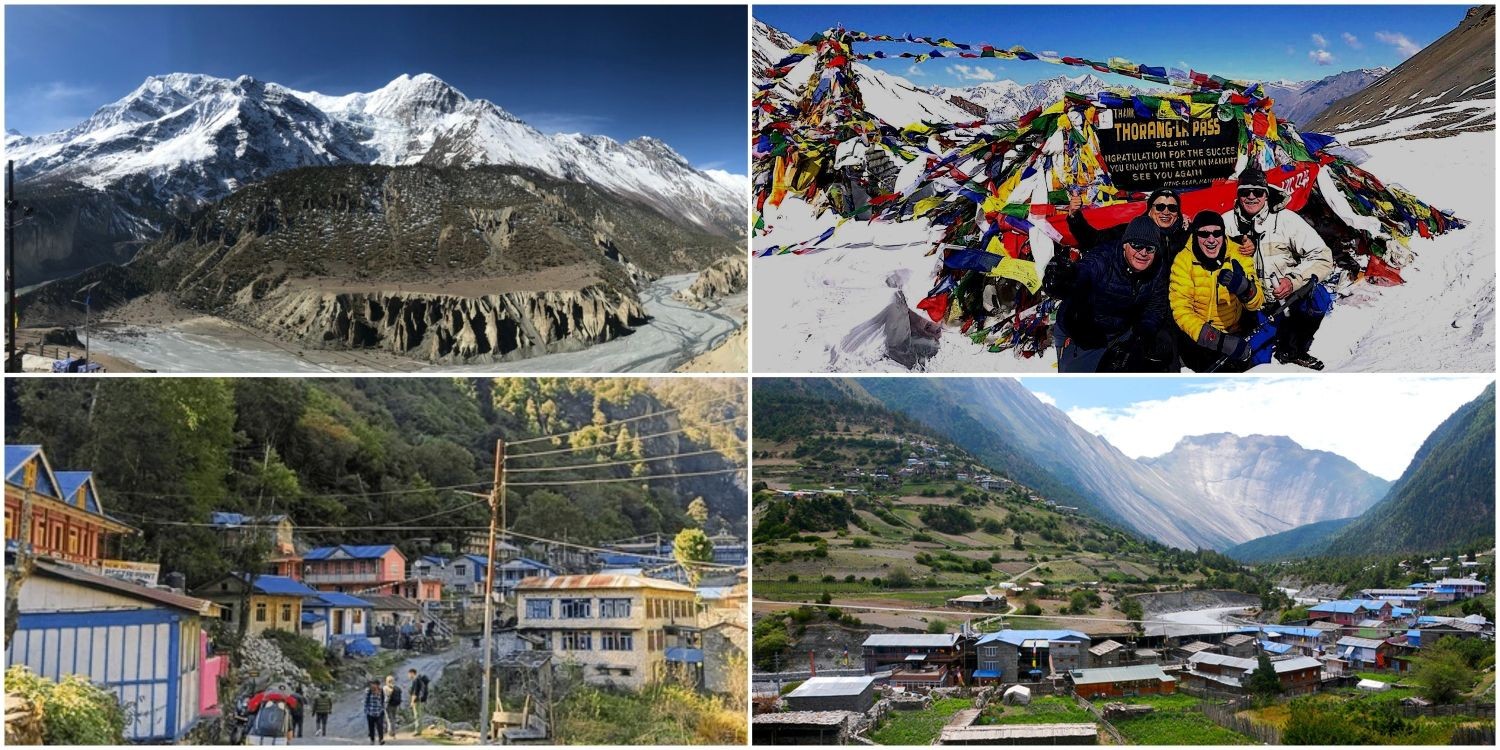
Why This Trek is Still a Top Choice among the trekkers?
| Section | Elevation | Highlights |
|---|---|---|
| Besisahar / Dharapani | 820 - 1,860 m (2,690 - 6,102 ft) | Subtropical forests, riverside trails |
| Manang Valley | 3,540 m (11,614 ft) | Acclimatization, serene alpine lakes |
| Thorong La Pass | 5,416 m (17,769 ft) | Highest point, vibrant prayer flags |
| Kali Gandaki Descent | Down to 1,200 m (3,937 ft) | Deep gorge, wind-swept valleys |
Annapurna Circuit Trek Highlights :
In fact, the Annapurna Circuit Trek is an ideal choice for both first-time Himalayan trekkers and seasoned adventurers alike. With adequate acclimatization and a steady pace, this classic route is entirely achievable and incredibly rewarding.
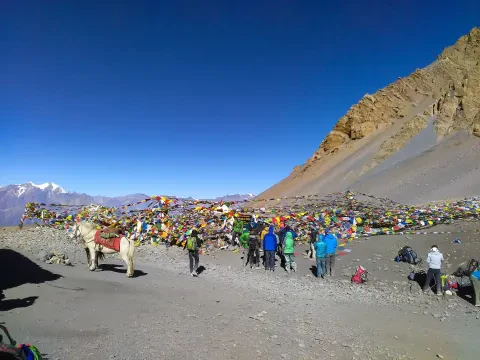
Curious about the actual budget for the Annapurna Circuit Trek? The cost varies based on whether you choose for a guided or semi-independent journey, but you can plan effectively with these breakdowns.
Guided Trek Cost (Highly Recommended)
For a typical 14-18 day guided Annapurna Circuit trek, you can expect to spend between USD 900 and 1,600 per person. This comprehensive price covers professional support, essential permits, meals, and comfortable accommodation, ensuring a safe and enjoyable experience.
Independent / Semi-Independent Cost
If you prefer to manage your own logistics (a licensed guide is actually not mandatory but recommended for permits and easy logistics), you're looking at an expenditure of USD 650 to 1,200 per person. Daily expenses for accommodation and food along the trail will typically range from USD 30-50.
| Trek Style | Total Cost (USD) | What's Included |
|---|---|---|
| Budget Independent | 650 - 900 | Permits, teahouses, meals, basic transport. |
| Mid-Range Guided | 900 - 1,400 | Guide, permits, meals, teahouses, transport. |
| Comfort/Premium Guided | 1,400 - 2,000+ | Better lodges, porter, private options. |
Factors Influencing the Price :
What's Typically Included in Guided Packages :
| Category | Daily Cost (USD) | Notes |
|---|---|---|
| Accommodation | 5 - 15 | Shared rooms, more expensive at higher altitudes. |
| Meals | 15 - 25 | Locally sourced dishes like dal bhat and snacks. |
| Permits & Transport | - | This is a one-time cost, approximately 40-55 USD. |
| Extras (WiFi, Hot Shower) | 5 - 10 | Increasingly available in higher villages. |
"Proper planning will help trekkers manage their budget and avoid unexpected expenses on higher sections like Thorong La," notes our guide Narayan Khadka, who has led countless successful circuits.
Ultimately, the best trekking style for you will depend on your budget, experience level, and desired level of comfort. A good guided package often represents excellent value, offering both convenience and added safety. For a personalized quote for your Annapurna Circuit Trek, consider reaching out to a reputable operator such as Haven Holidays Pvt. Ltd.
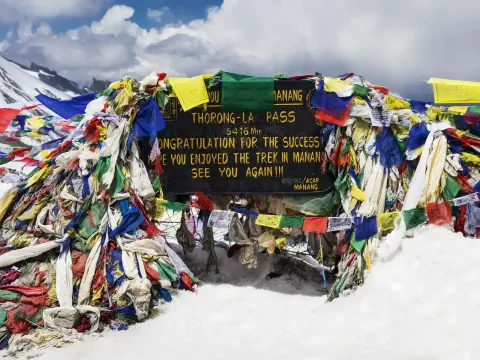
Are you wondering how much it actually costs to trek the Annapurna Circuit? Costs vary hugely depending on whether you book a guided package or go semi-independent or independent but definitive ranges will help you plan well.
Actually, a standard 14-18 days Annapurna Circuit Trek usually costs between USD 900 and USD 1,800 per person for the guided options. For semi-independent/ Independent trekking (better hire a licensed guide required to acquire permits for Annapurna circuit trek), the price range is USD 650-1,200 per person.
| Trek Style | Total Cost (USD) | Best for |
|---|---|---|
| Budget semi-independent/Independent | 650 - 900 | Experienced trekker with basic comforts. |
| Standard guided | 900 - 1,400 | Most trekkers; a balance of comfort and value. |
| Comfort/premium guided | 1,400 - 2,000+ | Upscale teahouses, enhanced private services. |
Factors influencing cost :
| Item | Daily cost (USD) | Details |
|---|---|---|
| Accommodation | 5 - 15 | In shared rooms, or private rooms at higher altitudes. |
| Food (3 times daily) | 15 - 25 | Including local fare like Dal Bhat. |
| Snacks, tea, extras | 5 - 12 | Such as bottled water, Wi-Fi, hot showers etc. |
Comparison with other popular treks :
Annapurna Base Camp (ABC) Trek: It is generally cheaper ($600-1,200) due to its shorter duration (7-12 days) and lower maximum altitude.
Everest Base Camp Trek: It is typically more expensive ($1,200-2,500+) primarily because of the flight costs to Lukla and overall higher expenses within the Khumbu region.
In conclusion the Annapurna Circuit Trek represents good value for money with its long, diverse duration.
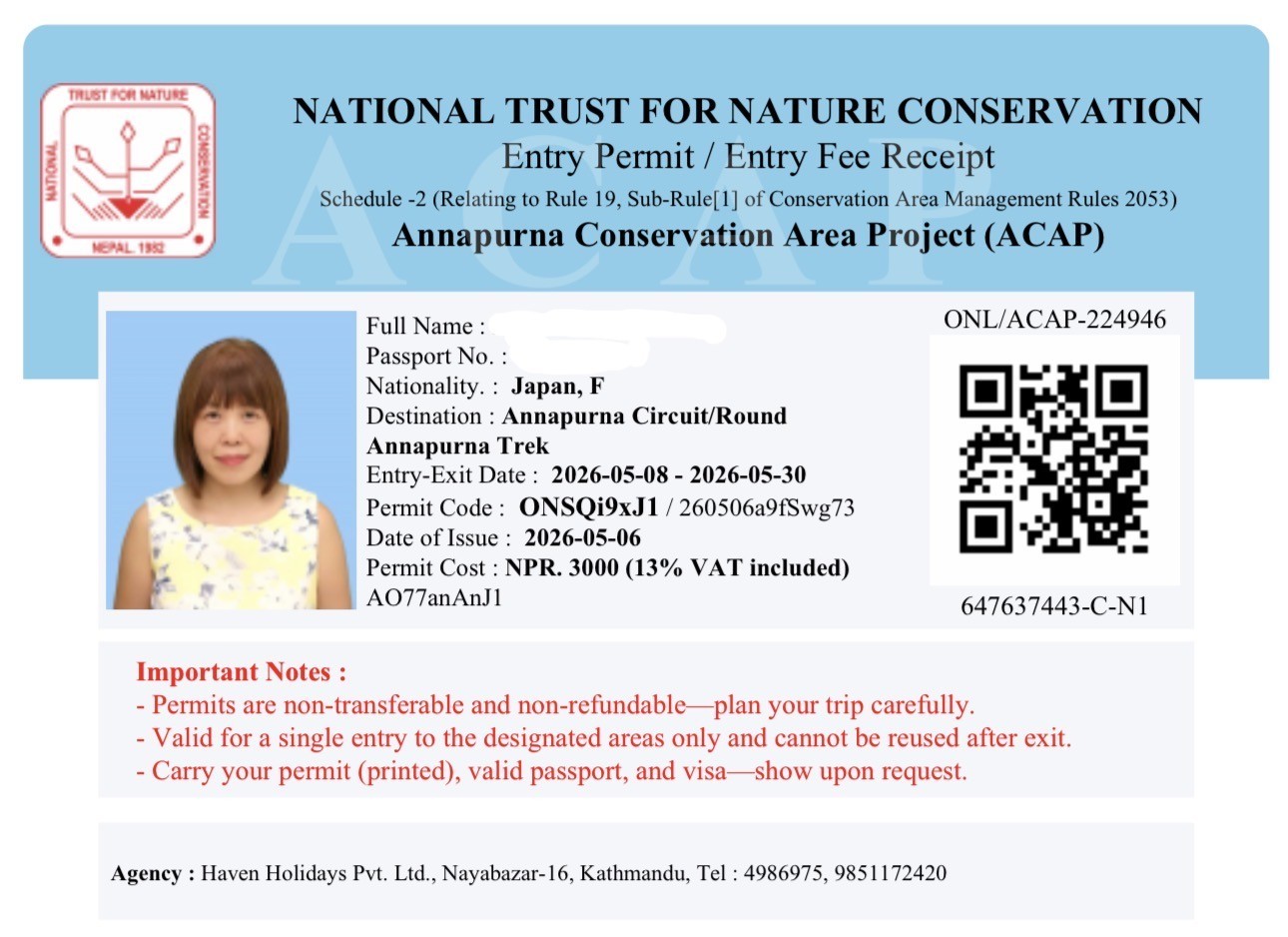
Here, the mandatory permits for the Annapurna Circuit trekking region cost the following amounts. There are two main types:
| Permit | Cost (USD) | Cost (NPR) | Note |
|---|---|---|
| ACAP (Annapurna Conservation Area) | 25 | 3000 | To aid conservation efforts and local development of the region. |
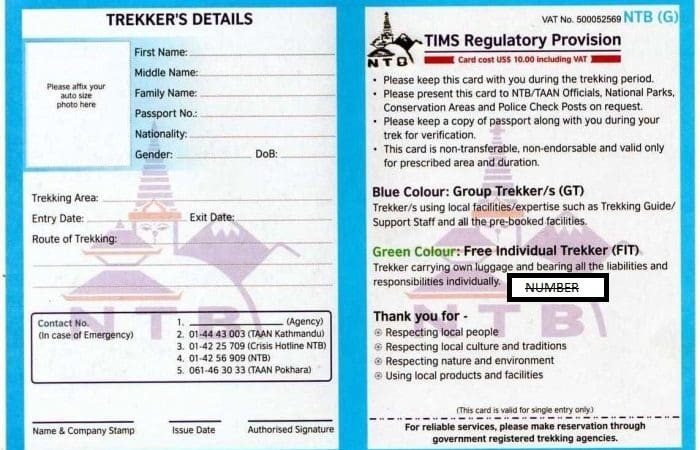
| TIMS Card | 20 | 2000 | Reduced rate of 1000 for those using an agency for group trekking. |
| Total Permits | 45 | 4000-5000| All trekkers require both permits to traverse the entire Annapurna Circuit. |
Notes on Permits :
The ACAP permit is instrumental in the maintenance and preservation of the trail, its ecosystems and the welfare of local communities.
| Trek | Main permits | Approximate permit cost (USD) |
|---|---|---|
| Annapurna Circuit | ACAP + TIMS | 40 - 45 |
| Annapurna Base Camp | ACAP + TIMS | 40 - 45 |
| Everest Base Camp | Sagarmatha NP + Khumbu + TIMS | 60 - 80+ |
| Langtang Valley Trek | Langtang NP + TIMS | 40 - 50 |
Compared with other famous trekking routes, permits for Annapurna Circuit are one of the most affordable available in Nepal. The permits are valid for the entire duration of the trek and you'll be asked to present them at various check-points.
"Make sure you get permits arranged through a trekking agency – it saves you time and stress when it comes to checkpoints," recommends guide Ram Sharan Simkhada with his years of experience trekking Annapurna.
In fact, these costs give you a good idea and should aid you in budgeting for your trek. Whether guided or independently the Annapurna Circuit trekking is one of the best-value treks on offer in Nepal.
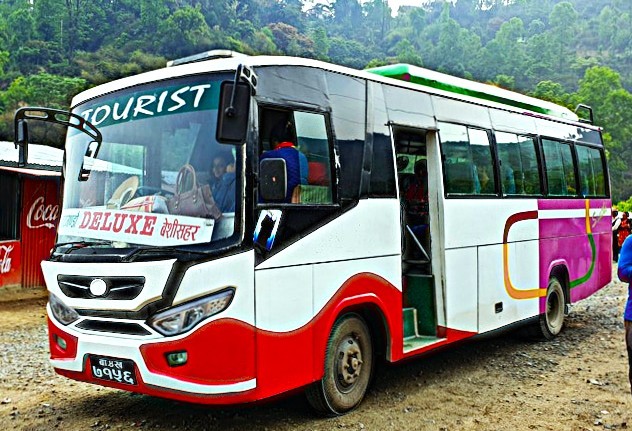
Did you ever wonder how to get to Annapurna Circuit Trek starting point easiest and cheapest way? On top of that, riding a bus from Kathmandu to Besisahar saves money and is scenic at the same time.
Bus options and prices,
Actually, you have an option of local and tourist bus with better service and comfort. In addition, prices are different for locals and foreigners so be sure to check out carefully when you are booking.
| Bus Type | Foreigners (USD) | Nepali (NPR) | Time duration |
|---|---|---|
| Local/Public Bus | 10 - 12 | 1200 - 1500 | 7-9 hours. |
| Tourist Deluxe Bus | 10 - 15 | 1200 - 2000 | 6-8 hours. |
| Private Jeep/Van | 110 - 160 (per car) | - | 5-7 hours. |
What are the main benefits?
In fact, it's cheap and scenic to ride along rivers and hills. Multiple departures everyday from Kathmandu. You arrive at the trailhead (Besisahar: 820m / 2,690ft) at Besisahar by bus and directly begin your trekking journey. This bus can be easily part of your trek itinerary.
Pro Tips
Also, tourist buses have more comfort and have fixed seating; thus, majority of trekkers prefer them even for an extra price to arrive at Besisahar in full condition to start trekking.
After an adventure hike on Annapurna Circuit you must go back to Kathmandu safely and cheaply. Luckily for you, Pokhara to Kathmandu bus trip has still remained the number one preference of the most trekkers for being the best budget and scenic option.
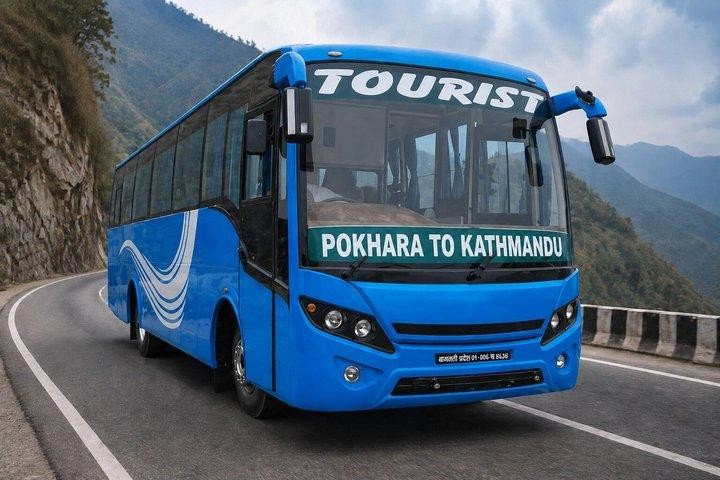
Enjoy a relaxed trip along the Trishuli River and verdant green hills. Buses leave regularly every day from Pokhara Tourist Bus Park so you can plan the departure at your convenient time. Save a great amount of money in your trip and enjoy one last sightseeing trip.
Other alternative options,
Flight: $55 - $120 (30 minutes trip). Expensive and weather dependent. Private car/jeep: $120 - $160 per vehicle.
Our final suggestion,
Thus, most of the trekkers choose the tourist buses as they offer perfect blend of convenience and price to make their journey smooth. Book a ticket to tourist bus from Pokhara to Kathmandu in advance if it's off season or peak season (from March to May and from September to November) otherwise, there might not be seat available for your ticket.
Are you already done with the higher parts of the Annapurna Circuit Trek and seeking a convenient ride to Pokhara? Additionally, travelling from Jomsom to Pokhara by bus/jeep is the most convenient and scenic overland mode of transport after crossing the Thorong La pass which is 5,416 meters (17,769 ft) above sea level.
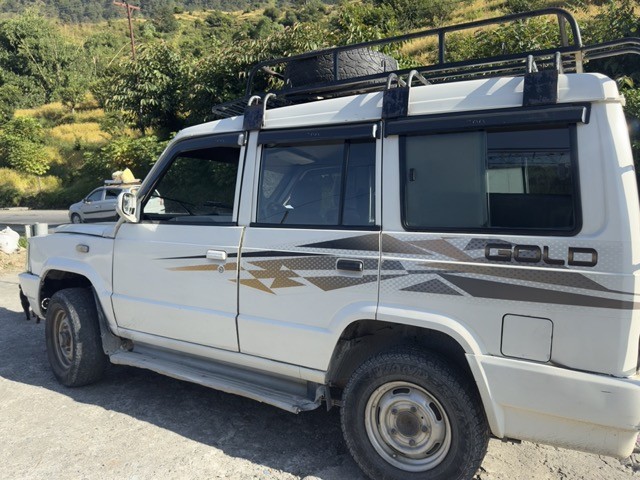
Moreover, it follows along the Kali Gandaki Gorge, which is one of the deepest in the world, with gorgeous views of the mountains. Thus, instead of flying, many trekkers opt to travel via road as it is inexpensive and very adventurous.
| Transport type | Cost per person (USD) | Duration | Details |
|---|---|---|
| Local Bus | $ 9-15 | 8-10 hrs | Cheap but has basic comfort. |
| Shared Jeep | $ 20-35 | 6-8 hrs | The most popular choice; fastest and comfortable. |
| Private Jeep (full) | $ 180-280 per Jeep | 5-7 hrs | Ideal for 6-7 people traveling as a group. |
Things You Should know,
Also, shared jeeps mostly leave Jomsom in the morning, and the time taken along with the fare make them popular with trekkers. However, sometimes the road is extremely bumpy, particularly after rain or during monsoon season.
Apart from that, buses are cheaper but slow and bumpy, so if comfort is what you need after the long trek, shared jeeps are definitely more suitable.
Useful Information :
Final Recommendations,
Most importantly, budgeting about USD 20 to 35 per person on a shared jeep would be sufficient to comfortably reach Pokhara, enjoying the last glimpses of the Annapurna region. Plan according to your group size and your idea of comfort.
So, how much will it cost to hire a porter to help you on your Annapurna Circuit Trek? Have you considered hiring a porter, so you can walk with less weight and truly appreciate the amazing Annapurna Circuit views more comfortably? In addition to lightening your load, porters ensure you can enjoy the scenic beauty while taking photos.
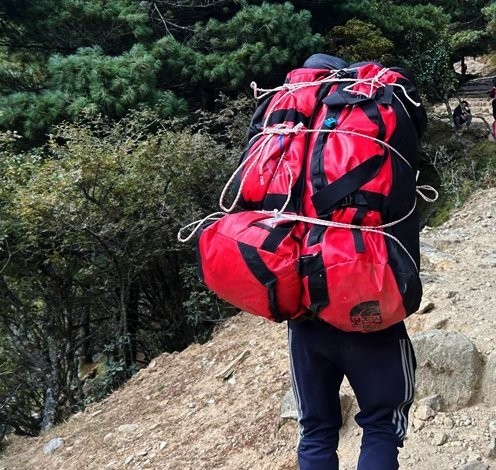
Also, porter hire charges for Annapurna Circuit Trek are relatively low and the hire helps support local families in the regions the porter is employed in. Many trekkers choose for this service that greatly aids them in their trek that can last for a duration of 14-18 days.
| Type of Porter | Daily Rate (USD) | For 14 - 18 days (USD) | Notes |
|---|---|---|
| Normal Porter | 18 - 22 | 252 - 396 | Takes up to 20-25kg. |
| Porter plus Guide Assistant | 20 - 25 | 280 - 450 | Has both assistance and safety. |
| Solo Trekkers Porter | 22 - 28 | 308 - 504 | The trekker gets a porter solely for themselves |
Details on porter hire,
Actually, the trekkers have to keep in mind that porters are locals that are physically capable of crossing high altitudes like Thorong La at 5,416 m (17,769ft) with their heavy loads. They are familiar with the terrain and know exactly what to do, so they do not face any hardship. However, trekkers must pack smartly, for porters do have limitations regarding their weight limit.
By hiring a porter for the Annapurna Circuit, trekkers not only get comfort but also support local communities in Manang and Mustang. So it is a win-win scenario for both parties.
Are you keen on knowing the daily teahouse charges you are going to incur while doing the Annapurna Circuit Trek? Accommodation in the trek route is reasonable enough, but charges get increased as and when the trekker ascends to higher altitudes. Also the rooms that the trekkers have to settle for may not have an attached bathroom but will be clean and comfortable enough with hot meals being available in all locations. You do get attached baths in most of the higher altitude villages like Manang at 3,540 m (11,614ft).
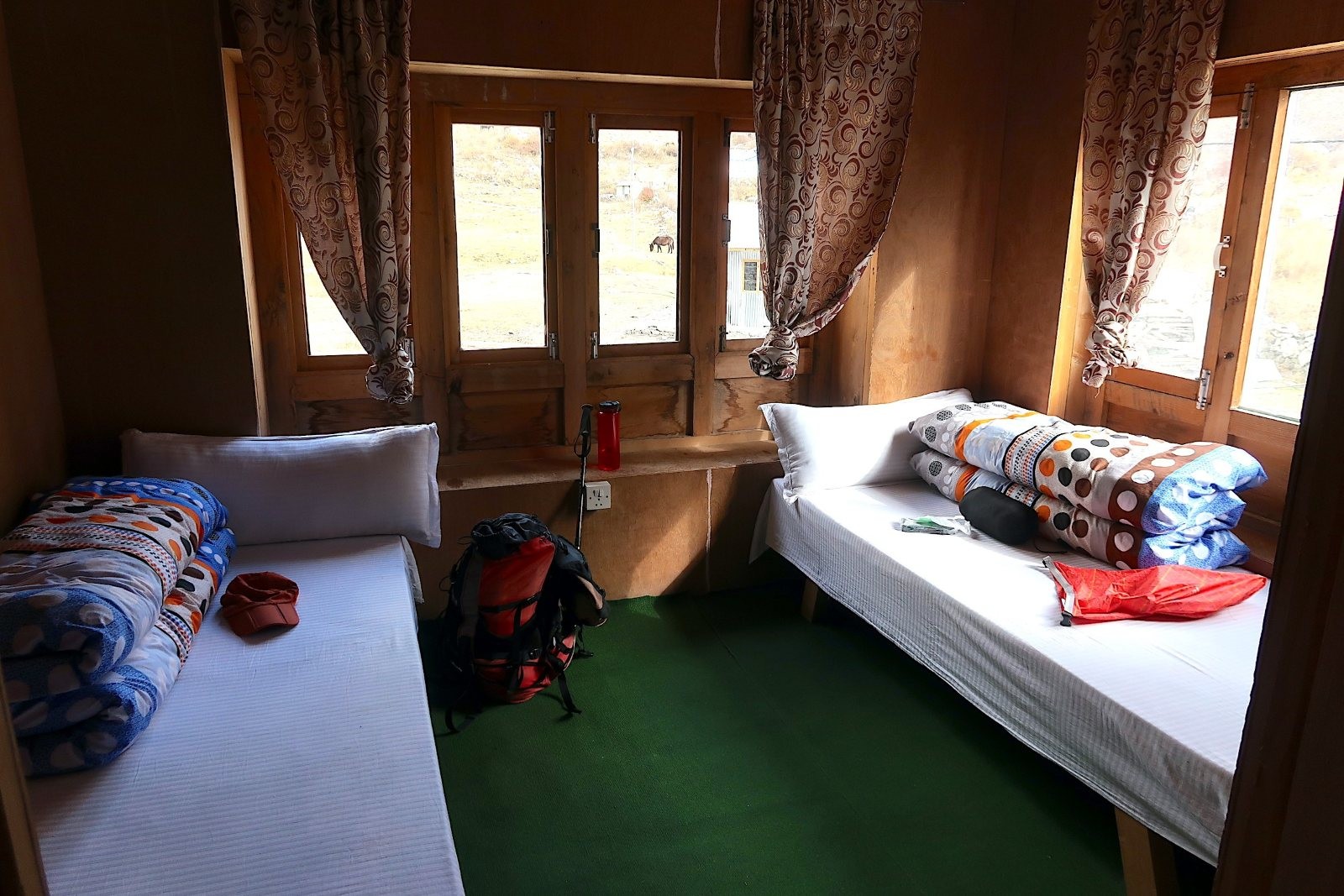
| Location / Elevation | Room costs (USD) | Attached baths | Notes |
|---|---|---|
| Lower villages <2500 m | 5 - 8 | Unlikely | rooms at a good rate with no extras. |
| Manang Valley at 3,540m | 8 - 15 | Often | Higher room cost due to quality and location. Good for acclimatization. |
| High sections>4000m | 10 - 15 | Limited | Cost goes higher due to supply difficulties. |
| Jomsom / Muktinath | 10 - 20 | More common | Almost town-like experience with better comfort. |
Other expenses,
Likewise, you also have to factor in expenses for hot showers (3-8 USD), device charging facilities (2-5 USD) and internet access(3-7 USD). Overall nightly accommodation costs can range from 8 to 25 USD per person, according to your choice of teahouse and the facilities available. The costs are considerably lower than what most trekker's pay in similar trekking destinations and offer you great value along with cultural exposure in Gurung and Thakali villages.
Budget advice,
Meanwhile, budgeting for about 10-18 USD per night on average is generally considered appropriate for trekkers. It will not be hard to manage your trek budget. Trekkers can always economize by staying in simpler teahouses while getting a pleasant mountain experience at the same time.
Have you ever wondered how much you are going to spend on food during the Annapurna Circuit Trek? The food on Annapurna Circuit is not expensive, and they slightly increase with increasing altitude due to transportation challenges.
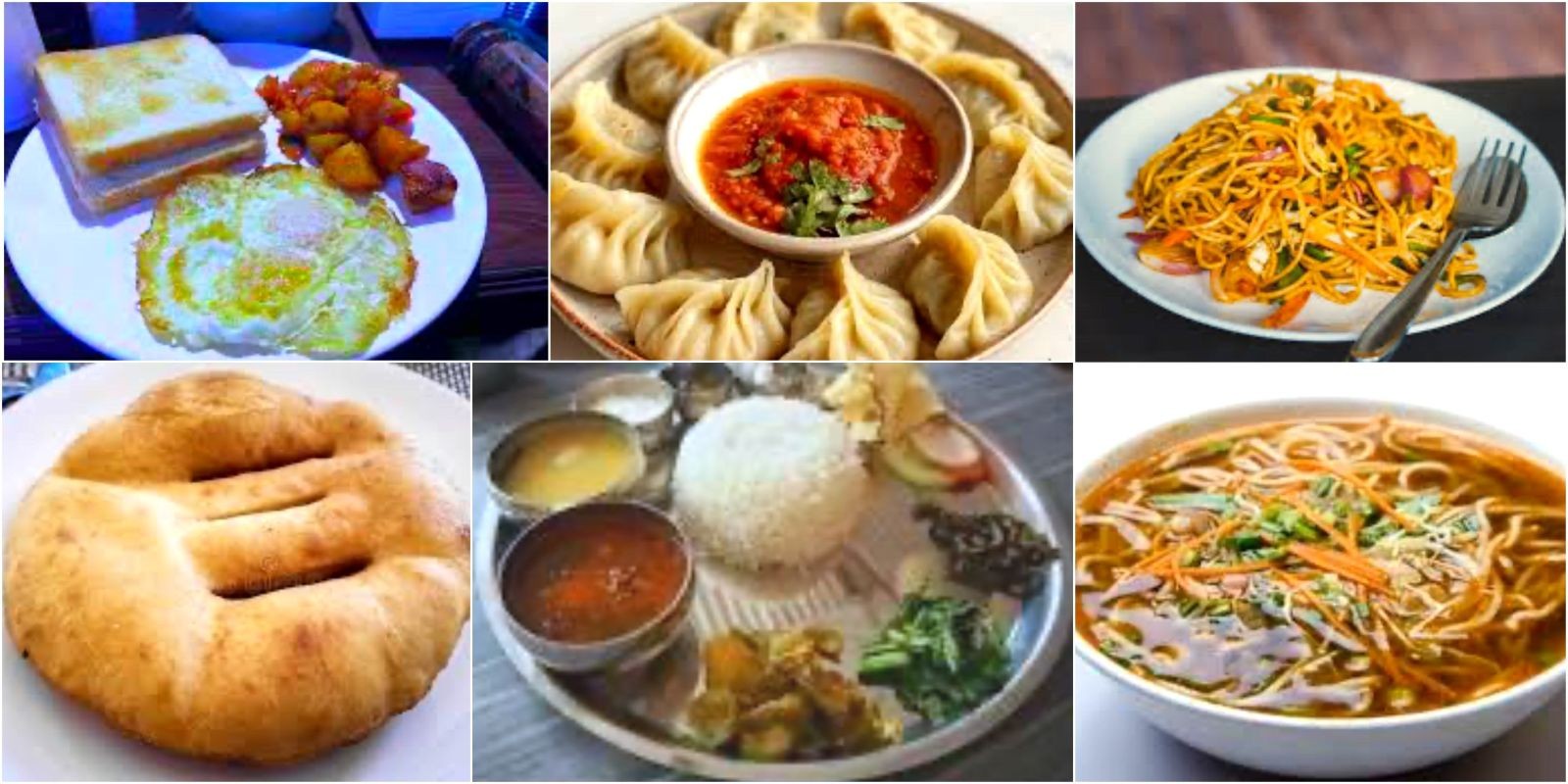
Actually, food offered on teahouses are simple but sufficient for day long treks. The food on Annapurna circuit trek is generally found to be delicious and energy rich by most trekkers.
| Food Type | Low altitude (USD) | Manang and Above (USD) | Comments |
|---|---|---|
| Breakfast | 5 - 7 | 7 - 10 | Pancake, Eggs, Porridge. |
| Dal Bhat (Lunch/Dinner) | 5 - 8 | 8 - 12 | Unlimited refiles, famous meal. |
| Noodles / Fried Rice | 5 - 9 | 7 - 11 | Fast meals to have for energy. |
| Soup / Pasta / Pizza | 6 - 10 | 9 - 15 | Generally found in bigger villages. |
Daily food expenses
Actually, you will need to spend about USD 15-30 per day on your food along with drinks and snacks. Budget of about USD 20-25 per day will be suitable for most trekkers. It will be expensive around the Thorong La Pass as supplies would be difficult to transport. It is one of the highest mountain passes with 5,416 meters (17,769 feet).
Importantly, Dal Bhat is the most popular meal due to unlimited refills, and this ensures that the body is sufficiently fed throughout the trek, thereby saving money.
Are you planning on how you will be managing your expenses on Annapurna Circuit Trek for other services like hot showers, internet connectivity, laundry, drinking water etc? These are essential facilities and you will have to pay a small amount of money for them, and especially when you ascend higher the cost of these facilities will go up.
Actually, you need to be well-informed about the approximate cost so that you can have a well-planned trip with the additional expenses you might need to carry for these.
| Service | Lower altitude (USD) | Higher altitude (USD) | Comments |
|---|---|---|
| Hot Shower | 2 - 4 | 4 - 7 | Heated by gas or solar, charged per use. |
| Wi-Fi | 2 - 4 | 3 - 6 | Per hour or per day, internet speed will be slow. |
| Laundry(per item) | 2 - 3 | 2 - 5 | Hand wash by lodge people, takes a day or two. |
| Drinking Water (1 Ltr) | 1 - 2 | 3 - 4 | Price increase at higher altitudes. |
Important tip to save money on the Annapurna Circuit Trek :
Actually, it is always a good idea to carry water purification tablets or water filters with you rather than buying water every day as it is expensive.
Likewise, hot showers feel a little luxury after a long trekking day so people take about 2-3 showers a week and this will help you in saving a good amount of money. Similarly, Wi-Fi is better in bigger villages such as Manang (3,540 meters (11,614 feet)) and Jomsom where you can share pictures with your family and friends at cheap cost. Laundry services can be expensive in Annapurna circuit trek, thus it is advised to hand-wash your small clothes.
Most importantly, you will have to spend an extra amount of USD 8-15 per day for these extra services according to your needs and requirement. You can enjoy the trek more if you save enough for other small comforts.
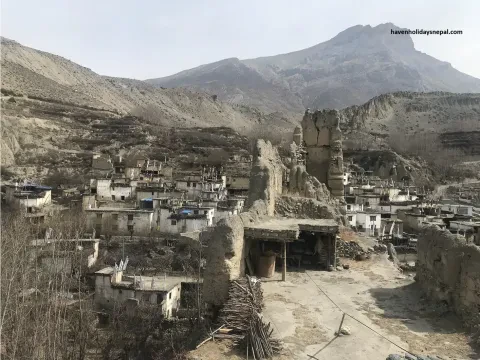
Do you already have your estimated budget sorted for your Annapurna Circuit Trek but still have concerns about additional or unexpected costs that can increase over time? Most trekkers are unaware of these hidden expenses as the cost seems minimal on a daily basis but significant when factored in over the 14-18 days of the trek. In fact, prices can jump considerably at higher altitudes and understanding them is key to a stress-free experience.
Most Frequent Hidden Expenses :
| Expense Item | Lower Elevations (USD) | Higher Elevations (USD) | Notes |
|---|---|---|
| Charging Devices | 1 - 3 | 3 - 6 | per device, per hour. |
| Hot Shower | 2 - 4 | 5 - 8 | 2-3 times a week is sufficient. |
| Wi-Fi Internet | 2 - 4 | 4 - 7 | per hour or per day. |
| Laundry (per item) | 1 - 3 | 3 - 6 | 1 - 2 days to dry. |
| Bottled/Boiled Water | 1 - 1.5 | 2 - 5 | prices can increase drastically post Manang. |
| Snacks and drinks | 3 - 7 | 5 - 10 | chocolate bars, tea, sodas. |
| Room Upgrade | 3 - 8 | 6 - 15 | heater or attached bathroom |
Additional Potential Hidden Costs :
Meanwhile, the additional side treks such as a trek to Tilicho Lake or the Ice Lake can cost around $50-150 per person. It can also become very expensive to arrange emergency medical treatment or an early exit from higher altitude points, though this is usually very rare if you are properly prepared.
Tips for Reducing Hidden Costs :
In conclusion, it's always a wise idea to add an extra $150 - $350 per person to your Annapurna Circuit Trek budget for hidden costs on a standard 14-18 day trek. This can give you peace of mind, especially when reaching challenging passes like the Thorong La Pass (5,416 m / 17,769 ft), and ensure you enjoy your journey without financial worries.
Have you wondered how much Nepalese currency you should carry on the Annapurna Circuit trek? Moreover, carrying plenty of cash is necessary because of the near absence of ATMs after Besisahar and absolutely none at all above Manang. Also, almost all teahouses and small shops on the trail only accept cash, so be well-prepared from the time you start your journey from Besisahar (altitude of 820 meters / 2,690 feet).
Money You Should Carry on the Annapurna Circuit Trek :
| Purpose | Amount (NPR) | Amount (USD) | Details |
|---|---|---|
| Meals & accommodation | 40,000 - 60,000 | 300 - 450 | Main daily expense. You’ll eat and sleep in teahouses along the trail. |
| Shower/WiFi and extra services | 10,000 - 18,000 | 75 - 135 | For hot water, charging devices, and internet access (where available). |
| Snacks & drinks | 8,000 - 12,000 | 60 - 90 | Water, tea, energy bars, and other small purchases. |
| Tips for guide & porter | 15,000 - 35,000 | 110 - 260 | A cultural practice to show appreciation for the service of your guide and porter. Group and individual tips are both common. |
| Emergency fund & misc. | 10,000 - 20,000 | 75 - 150 | For donations to monasteries or unexpected expenses like medication or additional transport if needed. |
Important tips to carry cash on Annapurna Circuit Trek:
In addition to the recommended amounts, take cash in smaller denominations as teahouses may not be able to provide change for larger bills. Always carry your cash in separate, secure locations. Withdrawal is not possible beyond Chame; consider withdrawing cash in Kathmandu or Pokhara before commencing the trek.
Beyond the basic trekking cost, how much extra buffer do you need on the Annapurna Circuit trek? While a package may cover many things, carrying additional cash is crucial for managing unexpected expenses and enjoying some added comfort throughout your 14-18 day journey. The extra cash acts as a safety net for hidden costs on the trail and can enhance your overall experience.
Recommended Extra Cash Buffer :
| Category | Suggested Extra Amount (USD) | What it covers |
|---|---|---|
| Hidden Trail Expenses | 100 - 200 | Showers, WiFi, charging fees, and laundry services, which can add up. |
| Snacks & Upgrades | 50 - 100 | Higher quality meals at teahouses, local snacks like apples, or a bottle of local apple brandy in Manang. |
| Tips (Guide + Porter) | 150 - 300 | A thoughtful gesture to show your gratitude for your trekking team’s efforts and expertise. |
| Emergency Fund | 100 - 200 | Medical needs, a premature descent from the trail due to illness or injury, or side trips not included in your main package. |
| Miscellaneous | 50 - 100 | Donations at monasteries, minor gear repairs, a different mode of transport back to the starting point, or small souvenirs. |
Why extra cash is important:
Actually, it’s worth noting that costs can increase significantly at higher altitudes, especially above 3,500 meters (11,483 feet), and prices near the Thorong La Pass (altitude 5,416 meters / 17,769 feet) can be steeper. Having an extra money cushion gives you peace of mind and flexibility. If you opt for a comprehensive guided package, the need for this buffer might be less pronounced.
Have you always been thinking about undertaking the Annapurna Circuit Trek with friends, family members, or colleagues? Additionally, embarking on a trek as a group not only ensures a more fun and enjoyable experience but also proves significantly cost-effective due to attractive group discounts.
Furthermore, trekking agencies provide such discounts because guide, porter, transportation, and other logistic costs are distributed among the members. Thus, you benefit from maximum savings in the largest groups while experiencing high-quality service.
| Number of travelers | Price Per-person(USD) | Amount saved vs solo trekker(%) |
|---|---|---|
| 1 (solo) | 1,100 - 1,400 | - |
| 2 - 4 | 900 - 1,100 | 15 - 25% |
| 5 - 8 | 800 - 950 | 25 - 35% |
| 9 - 12 | 750 - 880 | 30 - 40% |
| 13+ | 650 - 800 | 35 - 45% + |
Why group trekking is advantageous for budget :
Other advantages of trekking in groups :
Additional points to consider :
Here, discounts might differ based on season, services offered, and amenities. Thus, although peak trekking seasons (March-May and September-November) may see a slight increase in base price, you still benefit significantly with group discounts. It is recommended to book early to ensure the best price and preferred trek departure dates.
Conclusion :
Therefore, trekking the Annapurna Circuit in a group of four or more people can assure you a balanced blend of cost savings, safety and enjoyment. You will be able to conquer the high passes without fatigue and with memories of a lifetime with your friends and family. Reach out to your preferred trek agency today for your personalized group trekking package and get your incredible journey to the Himalayas booked ! If you need any help, contact us.
Do you want to tick the Annapurna Circuit trek off your bucket list without burning a hole in your pocket? There is always a way to lower your cost while maintaining comfort and quality with Haven Holidays Pvt. Ltd.
Here, making careful plans and some smart choices allows you to lower your overall expenses without compromising the quality of the trek experience.
Cost-Saving Strategies:
| Group Size | Cost per person (USD) | % of discount | Advantages. |
|---|---|---|
| 1 - 2 persons | 1,100 - 1,400 | - | Private attention. |
| 3-5 persons | 850 - 1,050 | 20-30% | Good for all members. |
| 6-10 persons | 750 - 920 | 30-40% | High discounts |
| 10+ persons | 650 - 850 | 35-45% | Best rates |
Smart Spending Strategies:
| Package type | Price range (USD) | What is included | Recommended for |
|---|---|---|
| Full Comfort Guided | 1,400 - 1,800 | Porter for a person, quality teahouses | For the maximum comfort. |
| Standard Guided | 900 - 1,200 | Shared Porter, teahouses in average quality | For most trekkers. |
| Semi-Guided (Budget) | 750 - 950 | Guide + permits, few support facilities | For experienced trekkers. |
Further Tips:
Booking 3 to 6 months ahead can offer substantial discounts and better choices of departure dates from Haven Holidays. This way, you are certain to receive reasonable prices while having the most capable guides. However, always inquire about the inclusions to avoid unforeseen costs.
Going during April or October not only provides you with the lowest possible prices but also minimizes crowds while giving you excellent weather. This ensures a worthwhile experience as you traverse Thorong La pass at an elevation of 5,416m.
Final Advice:
If you are traveling as a group of 4 to 8 people, selecting the standard guided package with the aforementioned tips will allow you to complete your Annapurna Circuit trek through Haven Holidays at just USD 750 to 950. You not only save money but als 650 - 950 get a professional guiding team, proper acclimatization in Manang at 3,540m, and memories that last a lifetime.
Start your planning and booking early!
You've read about the costs of cash, the buffer amount, and the daily expenses; now let's consolidate everything for a clear final cost estimate for the Annapurna Circuit Trek. This guide will help you plan confidently for your ultimate Himalayan adventure.
Remember, the overall cost of your Annapurna Circuit trek will depend greatly on your chosen trekking style and whether you opt for a guided package or independent travel. However, most trekkers will find that this diverse route offers excellent value for an unforgettable experience.
| Trek Style | Estimated Cost (USD) | What's Included (Typical) |
|---|---|---|
| Budget Semi-Independent | 650 - 950 | Permits (TIMS card, ACAP), accommodation in basic teahouses, meals. (Guide and porter hired separately). |
| Standard Guided | 900 - 1,400 | Guide, porter, permits, accommodation, and all meals. |
| Comfort/Premium Guided | 1,400 - 2,000+ | Better lodges/teahouses, experienced guide, porter, all meals, often includes things like hot showers or extra services. |
Realistic Final Budget Recommendation:
For most trekkers aiming for a standard guided experience or a well-planned semi-independent trip, a realistic average budget should be around USD 1,000 - 1,500 per person. This includes the core trek package along with extra money for hidden expenses, tips, and personal purchases. If you are a budget traveler, you might be able to do it for less, while those seeking higher levels of comfort or opting for more exclusive services will likely spend more.
Pro Tip for Your Total Trek Budget:
To ensure a stress-free Annapurna Circuit Trek, add an extra 20-25% to your base trekking package cost. This buffer will help cover any unexpected expenses, allow for some spontaneity, and ensure you can fully immerse yourself in the breathtaking landscapes and unique culture of Nepal. Book Annapurna Circuit Trek with us for safety and enjoyable trip. Happy Trekking!
1. How much does the Annapurna Circuit Trek cost in 2026?
The Annapurna Circuit Trek usually costs between $700 and $2,500+ per person for a 14-18 day trip. Budget independent trekkers spend $600-$1,000, standard guided packages $1,000-$1,800, and luxury trips higher. Costs depend on your travel style, group size, and services included.
2. What is the cost difference between guided and independent Annapurna Circuit Trek?
Independent trekking costs $600-$1,000 (mostly food, accommodation, permits, and transport), while guided treks are $1,000-$2,000+ (including guide, porter, food, lodging, and permits). Guided treks offer convenience and safety but at a higher price, while independent is more budget-friendly but requires self-management.
3. What permits are needed and how much do they cost?
You'll need an Annapurna Conservation Area Permit (ACAP) which costs $23-$30 USD, and a TIMS card ($15-$20 USD for independent trekkers, cheaper for groups). The total cost for permits is usually around $40-$50 USD. Agencies can arrange these for you.
4. How much does food and accommodation cost per day on the trek?
expect to spend $20-$35 per day on basic teahouse accommodation and meals. Rooms cost $4-$12 per night, while a meal like dal bhat is $5-$8, with other dishes $4-$10. Prices increase with altitude.
5. Is the Annapurna Circuit Trek expensive for solo travelers?
Solo trekking independently can cost between $700-$1,000 total, depending on your expenses. However, if you hire a guide or porter, the daily rate ($25-$35 for a guide, $18-$25 for a porter) will add significantly to your budget. Group treks are more economical.
6. What is included in a standard guided Annapurna Circuit package?
Standard guided packages (typically $1,000-$1,800) usually cover licensed guide, porter, teahouse accommodation, three meals a day, permits, and transportation to/from the trek starting point. Check if your package includes a Kathmandu hotel, airport transfer, and what personal expenses are excluded.
7. How much does a guide and porter cost?
A licensed guide costs around $25-$35 per day. A porter, who can carry 20-25kg, costs approximately $18-$25 per day. Many package tours include them, but if hiring independently, factor this significant expense into your budget.
8. What are the hidden costs on Annapurna Circuit Trek?
Be prepared for additional costs like hot showers ($2-$5), device charging ($1-$3), Wi-Fi, bottled water, snacks, and tips ($50-$100+ for guide/porter per trek). Medication, gear rental, and travel insurance are also extra expenses.
9. How much should I budget for transportation to the trek?
Expect to pay $10-$30 for bus/jeep transport from Kathmandu to the trek start, and $15-$50 for return transport from the trek end. Private vehicles or flights from Jomsom will significantly increase this cost, budgeting $100-$250 for round-trip transportation is wise.
10. Does the trek cost more in peak season?
Peak seasons (Spring and Autumn) usually see slightly higher teahouse and meal prices due to increased demand. However, permit costs remain fixed. Guided package prices might also be higher. Off-season trekking (Winter/Monsoon) is cheaper but can be riskier due to weather.
11. What is the daily cost breakdown for independent trekking?
Independent trekkers can expect daily expenses of $25-$45 for basic teahouse accommodation ($5-$12) and meals ($15-$25), plus minor incidentals. Over 15 days, this amounts to $400-$700 on the trail, not including permits or transport to the start.
12. Are there budget options under $1,000 for Annapurna Circuit?
Yes, budget options for under $1,000 are available. These typically involve basic group treks, independent trekking with public transport, simple accommodation, and minimal porter support. Careful planning and experience are crucial for safety and enjoyment on these trips.
13. How much does gear rental cost?
Rental costs vary; a sleeping bag is $1-$2/day, and down jackets or crampons (for Thorong La) $1-$3/day. Renting a full set of gear for 15 days could cost $100-$300. Buying some basics in Kathmandu might be more economical long-term.
14. What factors most affect the total cost?
The most significant factors influencing cost are whether you choose a guided or independent trek, the length of your itinerary and any side trips (like Tilicho Lake), your chosen transportation, accommodation standard, and the season of travel.
15. Is travel insurance mandatory and how much does it cost?
While not mandatory, travel insurance is highly recommended ($50-$150 for three weeks). Ensure it covers high-altitude trekking up to 5,500m, helicopter evacuation, and medical emergencies. Cheap policies often exclude adventure activities.
16. How much tipping is expected for guides and porters?
A standard tip for guides is $50-$100+ and for porters $30-$70 per trek. These are shared by the group if applicable and are a vital part of their income, greatly appreciated for good service.
17. Can I reduce costs by shortening the trek?
Yes, shortening the trek to 9-12 days by utilizing jeep or flight transfers can reduce costs to $650-$1,200. However, the classic full circuit offers better acclimatization and a more immersive experience at a higher on-trail cost.
18. What is the cost for luxury or private Annapurna Circuit Trek?
Luxury or private treks range from $1,800-$3,500+ and include high-end hotels, private transport, experienced guides, and enhanced comfort. They're ideal for those prioritizing convenience and a premium experience without budget constraints.
19. How do food prices change along the route?
Food prices increase with altitude. In lower villages, Dal Bhat costs $5-$7, while in higher areas like Manang or Muktinath, it can be $8-$12+. Extra snacks and hot drinks also add to the daily expenses.
20. Is the Annapurna Circuit worth the cost?
Absolutely. For $700-$2,000, you experience one of the world's most varied Himalayan treks, offering stunning mountain scenery, cultural immersion, and the challenge of Thorong La Pass. With proper budgeting, it's an incredibly rewarding and accessible adventure.
Our travel experts are ready to assist you with any questions.
Send us a message.Have a question before you book? Send your enquiry below and our travel experts will get back with the required information.