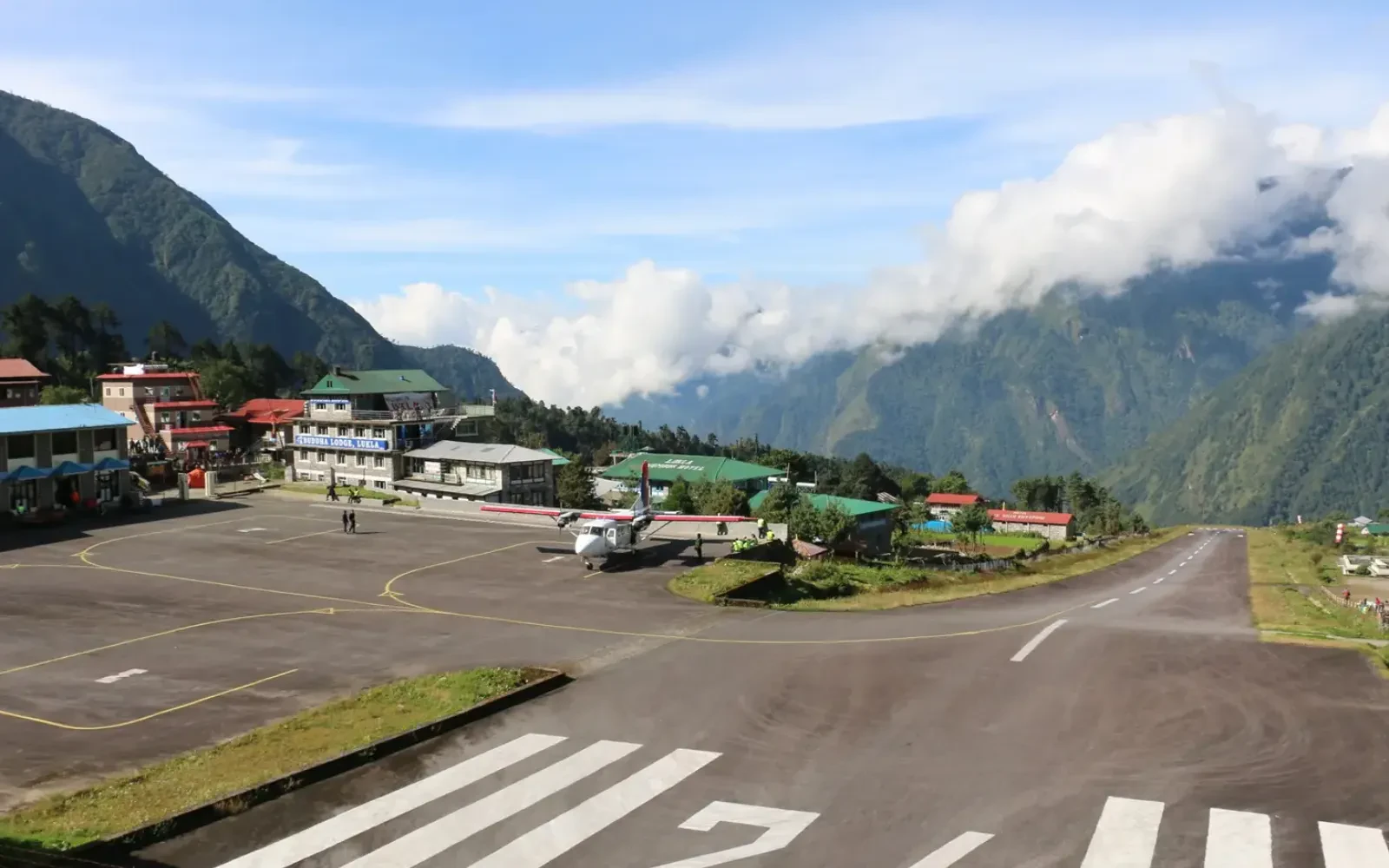
When setting out on an EBC trek, cash is absolutely key, especially Nepali rupees. After you fly into Lukla there are virtually very few ATMS ( in Lukla and in Namche Bazaar) card machines almost always don't work due to lack of satellite service, and even a warm shower or extra blanket comes with a price that needs to be paid in cold, hard cash.
Actually, the precise amount of Nepalese Rupees (NPR) that you need to bring for your Everest Base Camp Trek depends directly on the circumstances of your travel. Are you with an all-inclusive agency, or are you an independent trekking pro?
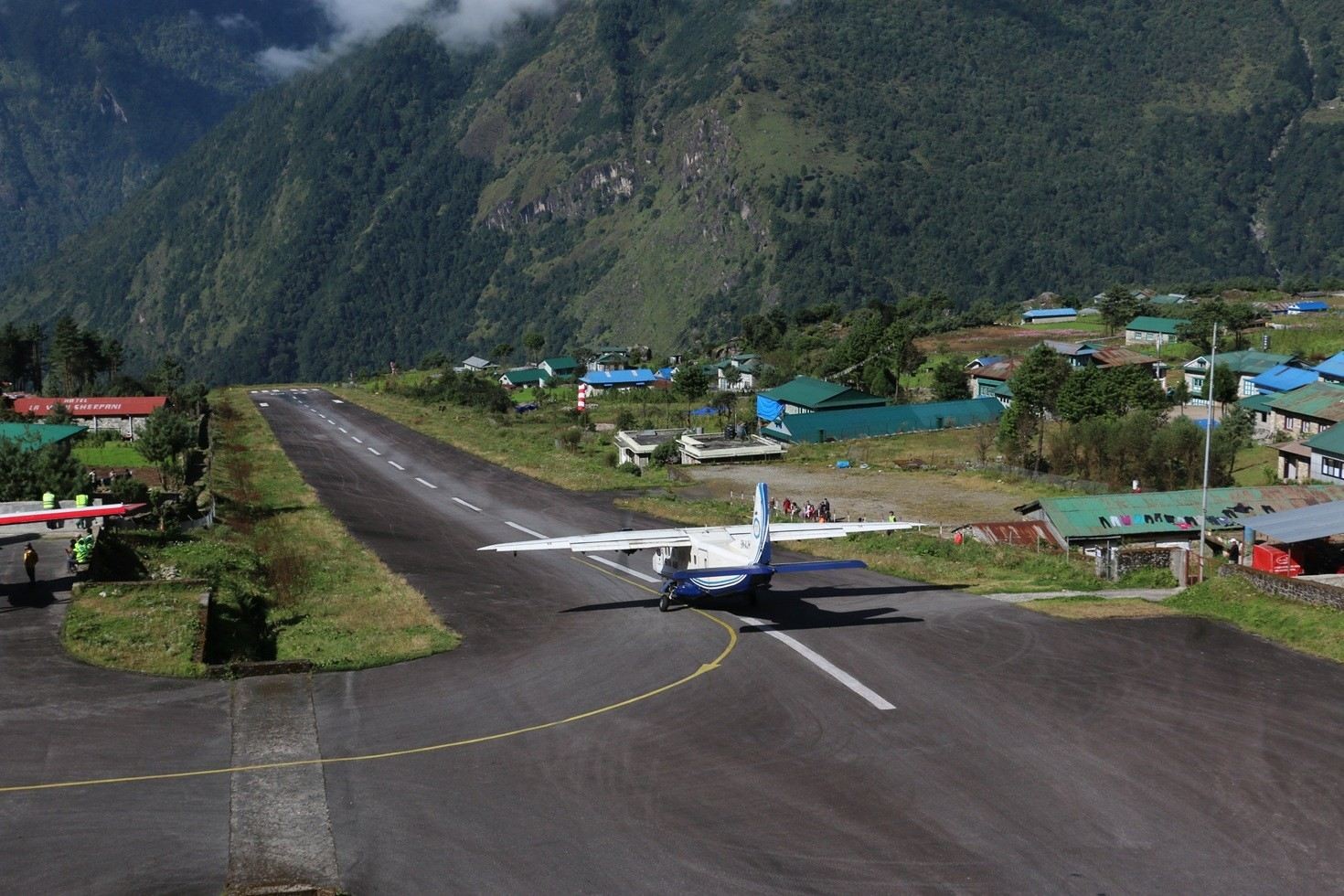
In fact, if you are with full-inclusive package for Everest Base Camp Trek, you need less budget to carry in your pocket, otherwise, need to carry a comprehensive Nepali cash almost full of your pocket.
The Breakdown (In Nepalese Rupees)
If You Are Part of an All-Inclusive Agency Guided Trek:
Bring an additional NPR 4,000 to 5,000 per day (around NPR 50,000 to 70,000 total for a 12–14-day trek). Because your primary meals and accommodations are already paid for, the cash you bring with you should primarily be used for "extras" on the trail, such as Wi-Fi access, charging your electronics, taking a warm shower, purchasing extra snacks, and tipping your guide and porter at the end.
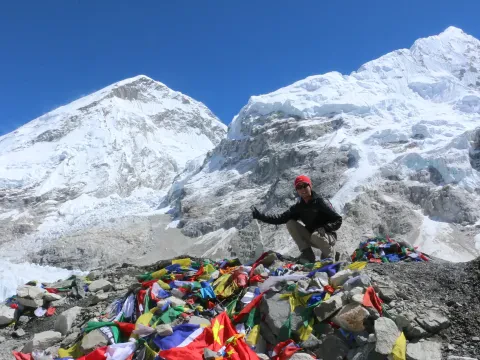
If You Are Traveling Independently and Paying-As-You-Go:
Bring at least NPR 7,000 to 10,000 per day (around NPR 100,000 to 140,000 total). This amount should cover your entire day’s expenses in out-of-pocket funds, which will go towards food, lodging at teahouses, permit fees, and basic amenities.
Here, planning an Everest Base Camp trek involves routes, elevations and packing lists – but there's one critical survival component that catches the vast majority of trekkers completely by surprise: the high altitude cash economy. The second that twin otter hits the runway in Lukla Airport (2,860m / 9,383ft) the second you realize that your credit and debit cards, tap-to-pay app and e-wallet are absolutely worthless chunks of plastic and code.
In conclusion, cash is absolute king up here in the remote Khumbu valley; the lodges are run entirely on physical paper notes because satellite internet is an unreliable mess and there is no banking infrastructure present among the rocky moraines. In order to buy anything – a bottle of water, a hot shower, or pay a porter for assistance – you need physical Nepali Rupees (NPR) stuffed in your day pack.
The harsh reality of the high altitude cash economy on Everest Base Camp :
The quantity of physical paper money you'll need to carry from Kathmandu will vary wildly, depending upon the booking style you choose for your Everest Base Camp trek. Whether or not you go on an all-inclusive guided package or plan an entirely independent journey will affect how thick your wallet needs to be when you leave the capital city.
Package trekkers' daily cash profile
If you have signed up for a comprehensive, all-inclusive guided tour with us here at Haven Holidays Pvt. Ltd., the majority of the most costly components of your trip have been completely paid for already. The package price will cover your essential flight tickets, national park permits, standard teahouse rooms, and 3 meals per day.
Thus, your daily in-country out-of-pocket needs will be relatively minimal, covering mostly personal luxuries, and teahouse services not included in the package. We recommend package trekkers carry around NPR 3,000-NPR 4,500 ($22-34 USD) per day to account for extras like wi-fi cards, portable device chargers, hot showers, and your extra afternoon coffees/teas/snacks.
Independent trekkers' daily cash profile :
Independent trekkers, meaning hikers who go without an agency, will have infinitely higher cash demands. They will need enough paper money on them at all times to pay for all their food, accommodations, permits and emergencies to lodge owners directly. Your wallet has absolutely no safety net, so make sure it is thick enough.
Independent trekkers should plan for at least NPR 7,000-NPR 10,000 ($53-75 USD) per day, knowing that a single meal at the higher altitudes (Lobuche 4,910 m, Gorakshep 5,164 m) could cost upwards of $40 USD, leaving very little breathing room with cash shortages.
| Expense on the Trail | Guided Package Trekker (Haven Holidays) | Fully Independent Trekker |
|---|---|---|
| Recommended Daily Cash | NPR 3,000-4,500 ($22-34 USD) | NPR 7,000-10,000 ($53-75 USD) |
| Teahouse Room Night | Included in package | NPR 500 - NPR 1,500 (higher altitude) |
| 3 Daily Main Meals | Included in package (choose free) | NPR 4,500 - NPR 7,000 per day |
| Hot Boiling Water | Included in package | NPR 200 - NPR 500 per liter |
| Hot Boiled Shower (Gas) | Paid out of pocket (NPR 500-1,000) | Paid out of pocket (NPR 500-1,000) |
| Device charging and High-Altitude Wi-Fi | Paid out of pocket (NPR 400-1,000) | Paid out of pocket (NPR 400-1,000) |
Important Safety Information: Make sure your travel insurance explicitly covers emergency helicopter rescue up to 6,000 m; standard insurance normally only covers up to 3,000 m.
Here, let Haven Holidays Pvt. Ltd. Take away the headache of carrying colossal amounts of cash to remote areas. With us handling your permits, accommodation, and all main meals on your trek, you are worry free in terms of the money logistics of your Everest Base Camp trip.
Give our travel consultants a call today and secure an all-inclusive beginner's package and let us help you have a safe, hassle free, and utterly unforgettable experience trekking to Mount Everest!
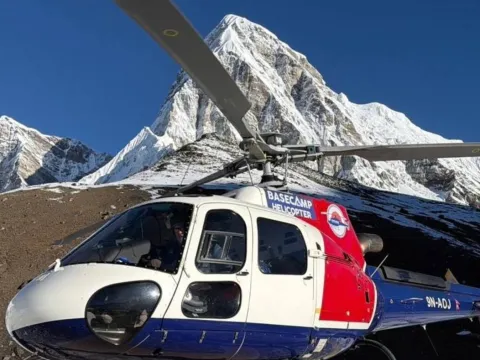
Here, it's one of the great Himalayan money phenomena; the higher up the mountain you go, the more the price of everyday comforts escalates. A simple plate of Dal Bhat (lentils, rice and vegetables) or a standard bottle of drinking water which appears cheap in Phakding (2,610 m / 8,562 ft) will have soared considerably by the time you arrive at Gorakshep (5,164 m / 16,942 ft).
In fact, this isn't just a matter of local vendors exploiting trekkers but an essential manifestation of the extreme, incredible logistics that it takes to keep the high-altitude trail going.
The Two-Legged and Four-Legged Supply Chain in Everest region :
Meanwhile, there are absolutely no roads anywhere above Lukla in the upper Khumbu. Everything you eat, sleep on or use must get there through sheer, brutal manpower.
Due to the nature of the journey, transportation costs are dictated by the kilogram. When a lodge owner in Gorakshep serves you a cup of hot tea, that tea comes with it's accompanying bag of sugar and gas cylinder that a porter or yak carried up the mountain for at least seven days across a grueling alpine landscape.
| Item | Price in Phakding (2,610m / 8,562ft) | Price in Gorakshep (5,164m / 16,942ft) |
|---|---|---|
| 1L Sealed Drinking Water | NPR 100-150 | NPR 400-500 |
| Plate of Dal Bhat | NPR 500-600 | NPR 900-1200 |
| Roll of Toilet Paper | NPR 150-200 | NPR 400-600 |
| Snickers / Candy Bar | NPR 200-250 | NPR 500-700 |
| 1 Hour Battery Charging | Free/NPR 100 | NPR 400-600 (or Flat Power bank fees) |
To get a sense of how quickly expenses can escalate, here's a rough idea of how common trail expenses will increase throughout your trek:
If you are booking a trekking package through a local agency, your guide will automatically take care of your all permit paperworks for EBC Trek and payments for you. However, if you are traveling independently you will need to personally arrange all the necessary documentation from specific checkpoints along the way.
Likewise, the federal TIMS (Trekkers' Information Management System) card used elsewhere in Nepal is not valid in the Everest region. The local government itself collects all the permit fees, to go directly towards funding local development, trail maintenance and waste disposal.
1. Khumbu Pasang Lhamu Rural Municipality Permit :
This is the regional entry permit, allowing access into the entire valley. All fees directly benefit local health posts, road development, and trail maintenance services in the area.
Sagarmatha National Park Entry Permit :
The fee required to enter the UNESCO World Heritage site containing Mount Everest. The revenue goes to the Department of National Parks and Wildlife Conservation for maintaining and protecting the precious fragile environment.
If you choose to book EBC trek with Haven Holidays Pvt. Ltd. All complicated local permit paperwork, local taxes and logistics have already been taken care of. Our fully guided trekking packages mean that you arrive at Lukla without a care in the world about sorting the crucial local payments that allow entry into the Khumbu Pasang Lhamu Rural Municipality, and the Sagarmatha National Park.
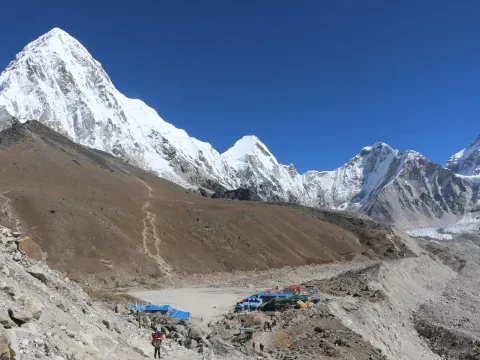
At sea level, we rarely think about the cost of a simple glass of water. But here in the Khumbu, water becomes a significant expense in your daily budget. Your body adapts to the altitude by accelerating its breathing rate and producing additional red blood cells, which dramatically increases your daily liquid requirements. Medical experts recommend that you drink up to 4 liters of water per day in order to proactively prevent AMS.
Considering you will be trekking for 12 to 14 days, water management will be an integral part of your planning.
The Realities of Hydration Costs :
Actually, the cost of 1 liter of water varies greatly as you gain elevation. Teahouses typically offer two types of clean water: pre-packaged bottled water in plastic and boiled local stream water from a large pot or thermus.
| Location | Altitude | 1L Bottled Water | 1L Boiled Water |
|---|---|---|
| Phakding | 2,610 m / 8,562 ft | NPR 100-150 | NPR 150-200 |
| Namche Bazaar | 3,440 m / 11,286 ft | NPR 150-200 | NPR 200-250 |
| Dingboche | 4,410 m / 14,468 ft | NPR 250-300 | NPR 300-350 |
| Gorakshep | 5,164 m / 16,942 ft | NPR 400-600 | NPR 400-450 |
Pro tip: Independent trekkers can drastically reduce their costs by carrying a high-quality insulated flask and a reliable water purifier (UV or Chlorine Dioxide). You can fill up on fresh water from local taps and streams at teahouses, and then treat the water yourself.
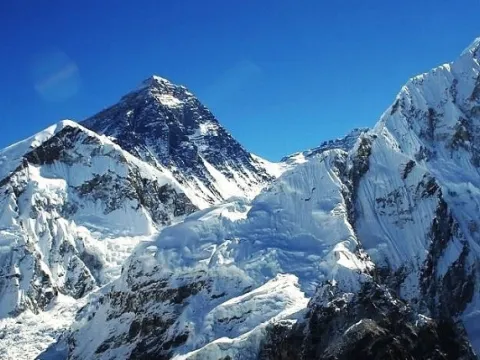
Here, the struggle for battery power in the Himalayas is a real one. The upper region has no access to the national power grid, and instead relies on solar or micro-hydro powered electronic grids from local sources. Due to limited resources and daylight hours, electrical power is treated as a premium resource.
Understanding Charging Costs :
Once you move above Phakding, most lodges will switch from wall outlets to shared charging stations in the main dining hall. Travelers will be charged a fee for each electronic device per hour they wish to charge.
Here, the days of a complete digital blackout on the path to the highest base camp on Earth seem to be long gone. While the Khumbu is more connected than you might imagine, moving data up steep, shadowed valleys and over massive, rocky ridges requires an impressive feat of engineering.
In fact, the best way to plan and to avoid ridiculous data roaming charges or being caught in outrageously expensive connection traps on the trail is to have a grasp of how it all works.
The 2 Main Ways To Get Online:
Whether you’re checking in with loved ones, uploading photos to your blog or just Googling the name of that mountain that you keep seeing, you'll likely have two ways to communicate on the trek: local mobile data or pre-paid regional Wi-Fi.
| Internet Package Option | Price Range (approx.) | Best For | Expected Speed |
|---|---|---|
| Ncell/NTC Mobile Data | NPR 500-1,200 | Lukla-Tengboche | Reliable messaging, light photo upload, easy browsing. |
| Everest Link (10GB Card) | NPR 2,500-3,000 | Dingboche-Gorakshep | Emails, WhatsApp messaging, occasional slow uploads. |
| Everest Link (20GB Card) | NPR 3,500-4,000 | Heavy upload users/creators | Same speed limitations, but provides safety buffer for entire trip. |
Pro-Tip: Don't plan on streaming high-definition video. The bandwidth at high altitudes (above 4,000m) is shared among many users. While you can comfortably send texts and upload photos of reasonable size, streaming any kind of media will be incredibly frustrating, and video uploads will eat your data in seconds.
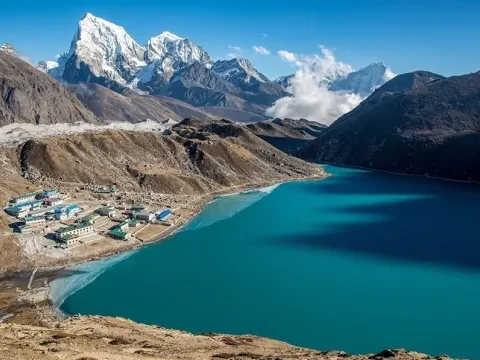
A long day on the trail, walking through dry, dusty terrain to a high, cold altitude, and what feels like a pure, unadulterated luxury is a hot shower. However, producing hot water at temperatures well below freezing takes enormous effort.
Since teahouses are forced to carry gas canisters up the trail on the backs of yaks, or to burn precious wood or their solar power reserves to heat the water, they pass on the cost to you.
Showers At Various Altitudes:
In the lower regions of the trek, you might find that modern lodges already have hot water included in the price of the room, or charge only a small fee. But as you climb
Hot Shower Details in Everest region:
Because of these inflated prices, combined with the increased risk of catching a chill, which will exacerbate acclimatization, most trekkers choose to limit showers to once or twice for the entire trip.
Pro-Tip: Pack a very large supply of thick, wet wipes, and dry shampoo. These are essential for keeping clean while keeping your expenses in check and avoiding hyperthermia from freezing, drafty bathrooms in communal settings.
Skip the Stress With a Package Deal: When you book your Himalayan adventure through Haven Holidays Pvt. Ltd., you can say goodbye to the day-to-day worries and petty expenses of the trail. Our expertly crafted itineraries already account for the intricacies of high-altitude operations, so you can simply enjoy the breathtaking views without checking your wallet every step of the way. Get in touch with our team to personalize your Everest experience!
Even when you choose for an all-inclusive, full board deal where breakfast, lunch, and dinner are all covered, the reality is that you'll be burning an incredible number of calories, and your body and mind will start craving little pick-me-ups of sugar and salt.
Whether it's a Snickers bar at the bottom of a steep ridge or a slice of apple pie at the world's highest bakeries, you'll want to make sure you have some physical cash on you to support these urges.
The Appeal of Khumbu bakeries and cafés:
Meanwhile, the trading center of Namche Bazaar is legendary for its altitude café culture. Walking past Irish pubs and German bakeries at an altitude of 3440m and breathing in the smell of fresh coffee and brownies is an unmissable experience for first-time trekkers.
However, these extras are completely separate from your package deal and require ready cash:
Actually, tipping is considered an integral part of trekking culture in the Himalayas. The trekking guides and porters dedicate themselves to your safety, comfort, and overall journey in incredible ways, physically carrying your baggage, keeping track of your oxygen levels, securing good accommodation, and supporting you when needed.
As tipping takes place only on the last evening in Lukla, you need to have the adequate amount calculated and ready in Nepalese rupees before you ever depart Kathmandu.
The Rule of Thumb for Tipping,
Here, the generally accepted guideline for tipping trekking crew is between 10% to 15% of your total trekking package cost reserved specifically for tips. For groups, the tip pool is collected from everyone and then divided among the leader guide, assistant guide(s), and porters.
| Role of Team Member | Tipping Rate Per Day (Standard) | Total cash to have ready (average of a 12 day trek) |
|---|---|---|
| Lead guide | NPR 1,500-NPR 2,500 ($12 - 25 USD) | NPR 18,000 – 30,000 from the whole group |
| Local Porter | NPR 1,000-1,500 ($9 - 15 USD) | NPR 12,000 – 18,000 per trekker |
| Assistant guide | NPR 1,200-1,800 ($10 - 14 USD) | NPR 14,400 – 21,600 from the group |
[Total trek package: $1,500] --> 10% - 15% tip amount
> $150 - $225 USD equivalent
> roughly NPR 20,000 - 30,000 cash
Actually, the icons on modern trekking maps showing ATMs in Lukla and Namche Bazaar can be deceptive, making it seem as though you can simply dip into your wallet and replenish your cash as needed on your trek. This, however, is a rookie mistake.
Up here, everything is run by cash, and your bank card will quickly become a useless piece of plastic.
The Realities of Mountain ATMs :
While there are ATMs to be found in both Lukla and Namche Bazaar (Standard Chartered, Nabil Bank), they are entirely subject to the whim of unpredictable alpine conditions.
Tips for cash for Everest Base Camp Trek:
The Lukla flight contingency fund: Apart from your general expenses, you should have a dedicated fund specifically to cover any logistical issues. Tenzing-Hillary Airport in Lukla is famous for having days and days of canceled flights due to adverse weather. If your plane can't fly, you will only be able to get down to the city to catch your international flight with a private helicopter, and the operators will likely demand payment on the spot, or at least a substantial deposit, even though you may have insurance. Pull out all your cash money in Kathmandu, and add an emergency separate stash of NPR 20,000-NPR 30,000 (~$150-$225 USD).
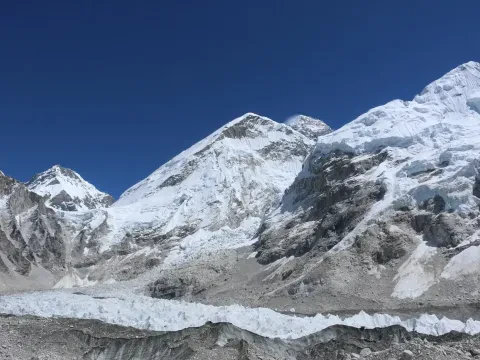
Just like selecting your down jacket or buying new boots, the financial preparation aspect of an Everest Base Camp trek needs to be carefully planned. When you are at 5,000m in Gorakshep facing the challenges of the altitude, you want to feel at ease knowing that you have enough rupees to pay for your basic hot meal, or even an emergency internet connection to call home.
Here, increasing your day-to-day cash needs on the trail by an additional NPR 15,000-NPR 20,000 (~$110-$150 USD) would not break the bank but would put your mind at ease during the trek. Keep your money organized, budget for the porters and guides, and every bakery cookie in Namche would be a much-deserved reward!
The Teahouse Rule: Unless you are traveling independently and making a specific effort to 'rough it', in the Himalayas it is customary to dine and sleep at the same teahouse. They are set up to make profit from food and drink, which offsets the extremely low room rates; at other establishments, the room price at a teahouse can jump by a factor of three if you try to sleep somewhere but eat elsewhere.
| Category | Lower trail (Lukla to Namche) | High Altitude (Tengboche to Gorakshep) | Budget Recommendation |
|---|---|---|
| Sagarmatha Permit | NPR 3,000 (~$30 USD) | Not required (Paid in Monjo) | Pay at the park entrance in cash. |
| Khumbu Rural Permit | NPR 3,000 (~$30 USD) | Not required (Paid in Lukla) | Local government tax; cash only. |
| Regular meal | NPR 500 - NPR 700 per dish | NPR 1,000 -NPR 1,400 per dish | The higher you trek, the more expensive the meals are due to porter and yak transportation of supplies. |
| 1-L Bottled water | NPR 150 - NPR 200 | NPR 300 - NPR 500 | Avoid single use plastic. Purification tablets would be a more eco-friendly option. |
| Battery charging | Free to NPR 200 | NPR 400 - NPR 500 per device | Best to bring a power bank with the highest capacity possible. |
| Hot Shower | NPR 400 - NPR 600 | NPR 700 - NPR 1,200 | Limit hot showers to save money, and be mindful that at high altitude one is less inclined to shower anyway due to the weather and risk of catching cold. |
| Internet access | Local 4G Data (NPR 1,200 packet) | Everest Link (NPR 3,000 10 GB packet) | Take advantage of mobile networks when you have them; as you climb higher, there will be little to no signal and Everest Link scratch cards will need to be purchased. |
A rough idea of cash that needs to be withdrawn before leaving Kathmandu for each part of the trek:
1. How much total Nepalese currency do I need for the Everest Base Camp trek?
If you book a guided, all-inclusive Everest Base Camp trek package, you will need about NPR 40,000 to NPR 60,000 (about $300 to $450 USD) in cash. Independent trekkers paying for their food and lodging from their own pockets will need about NPR 80,000 to NPR 100,000.
2. Can I withdraw money using an ATM while on the Everest Base Camp trek?
The very last location to have functional ATMS on the Everest Base Camp trek is Namche Bazaar (3,440m). These ATMs regularly run out of cash, lose network connections, or don't accept international cards. Make sure you withdraw all your cash in Kathmandu prior to your flight to Lukla.
3. Do teahouses accept credit cards during the Everest Base Camp trek?
No or very rarely, the Everest Base Camp trek economy operates primarily on a cash-only basis. Shops and remote mountain teahouses will not accept any credit cards for daily purchases; you'll need to pay using Nepalese Rupees (NPR) along the trail.
4. Are everyday trail luxuries covered by the upfront Everest Base Camp trek price?
Usually, even an all-inclusive Everest Base Camp trek package cost will not cover all personal trail luxuries. You'll need extra cash every day to pay for things like hot showers, electronic device charging, Wi-Fi access cards, drinking water, and other snacks.
5. How much does a hot shower cost on the Everest Base Camp trek?
Hot showers are considered a luxury and are available as an out-of-pocket purchase on the Everest Base Camp trek. The cost of a shower can range from NPR 500 to NPR 1,000, depending on your altitude, due to limited energy resources at high altitudes.
6. What is the price to charge my electronic devices during the Everest Base Camp trek?
Charging your electronics on the high reaches of the Everest Base Camp trek is not free. Teahouses charge anywhere between NPR 300 and NPR 800 per device (phones, cameras, power banks) as their electricity comes from limited solar power sources or micro-hydro plants.
7. How much should I budget for internet or Wi-Fi during the Everest Base Camp trek?
To stay connected during the Everest Base Camp trek, you'll need to purchase local satellite internet cards. I recommend setting aside about NPR 600 to NPR 1,000 per prepaid Wi-Fi access card, which lasts for a set amount of time or data usage.
8. Why do food and water prices increase significantly at higher altitudes on the Everest Base Camp trek?
Prices increase substantially with Everest Base Camp trek elevation due to the extreme logistics of transporting goods. There are no roads on the trail, meaning that every item is flown to Lukla and then physically carried by yaks, mules, or humans to its destination.
9. How much will a bottle of water cost near Everest Base Camp?
A single bottle of water, which costs only NPR 30 in Kathmandu, will rise significantly in price due to transport expenses on the Everest Base Camp trek. Expect to pay NPR 300 to NPR 400 per bottle as you get closer to Everest Base Camp.
10. Can I use USD (US dollars) on the trail for the Everest Base Camp trek?
Foreign currencies like the USD are rarely accepted by smaller shops and teahouses on the Everest Base Camp trek. Make sure to exchange all your foreign currency into Nepalese Rupees (NPR) while you are still in Kathmandu.
11. What kind of money denominations should I carry for the Everest Base Camp trek?
It's best to carry your money in mixed, smaller denominations, mainly NPR 500 and NPR 1,000 notes. Teahouses and remote stores on the Everest Base Camp trek will have trouble making change for larger bills on small purchases.
12. Do I need to carry any emergency cash on the Everest Base Camp trek?
Yes, you should always have a separate, untouched emergency fund of NPR 15,000 to NPR 20,000 stored safely. This backup cash is crucial in case of unexpected situations, flight delays at Lukla, minor medical needs, or the need for additional porter assistance.
13. Are tips for guides and porters included in the Everest Base Camp trek cost?
No, tipping is a customary tradition on the trail and is never part of the standard Everest Base Camp trek cost. You will need to have separate local cash ready to tip your hardworking guides and porters at the end of your journey.
14. How much cash does an independent trekker need per day for the Everest Base Camp trek?
An independent trekker facing the full Everest Base Camp trek difficulty without a package should plan to spend approximately NPR 7,000 to NPR 10,000 per day. This amount will comfortably cover three daily meals in mountain restaurants, accommodation in teahouses, and any permit fees.
15. How much money is needed for extra food and drinks while on the trail?
If you want to enjoy extras such as specialty coffee drinks, bakery items, or beer and snacks in the evenings during your Everest Base Camp trek itinerary, I suggest adding another NPR 1,500 to NPR 2,500 per day. These treats are pricier because they have to be carried up by porters.
16. Where is the safest place to keep extra cash and valuables in Kathmandu?
Most legitimate trekking companies will offer free and secure storage for your luggage and baggage in Kathmandu. Only bring the money you'll need for your trek and leave the excess amount securely at your hotel in the city.
17. Do I have to pay for permits in cash during the Everest Base Camp trek?
If you're trekking independently, you'll need to pay for your Khumbu regional permit and national park entry fees in cash at the designated check points along the trail. If you book with a guided tour operator, these necessary arrangements are already included in your upfront Everest Base Camp trek cost.
18. Will the price of medicine also increase with altitude during the Everest Base Camp trek?
Yes, even basic over-the-counter medications and rehydration salts will be more expensive on the trail. While your guide will carry a first-aid kit with general medicines, having a bit of extra cash on hand will allow you to purchase specific items from local mountain clinics if needed.
19. What happens to my money if Lukla flights are delayed during the Everest Base Camp trek?
Flight delays at Lukla are very common on the Everest Base Camp trek due to weather conditions. If you have an emergency cash cushion of NPR 15,000 to NPR 20,000, you can easily cover any additional expenses for food and lodging at Lukla.
20. What is the most common financial mistake made by beginners trekking to Everest Base Camp?
The most significant mistake beginners make is assuming that their high-end credit cards or mobile payment apps will function beyond Namche Bazaar. Because the infrastructure at higher altitudes is limited, carrying crisp physical Nepalese Rupees (NPR) is the only reliable way to ensure a smooth trip.
Our travel experts are ready to assist you with any questions.
Send us a message.Have a question before you book? Send your enquiry below and our travel experts will get back with the required information.