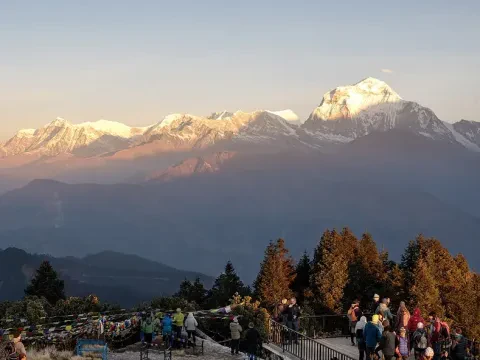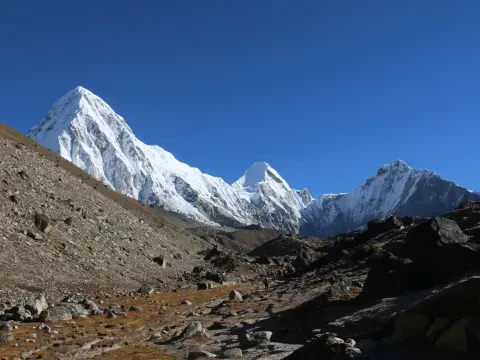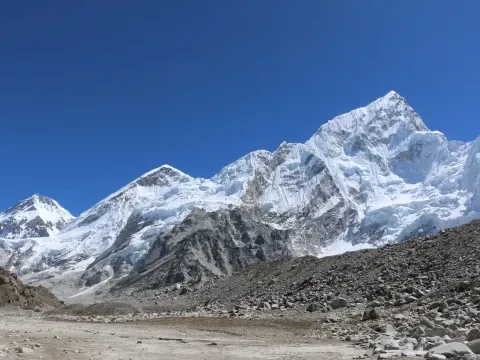
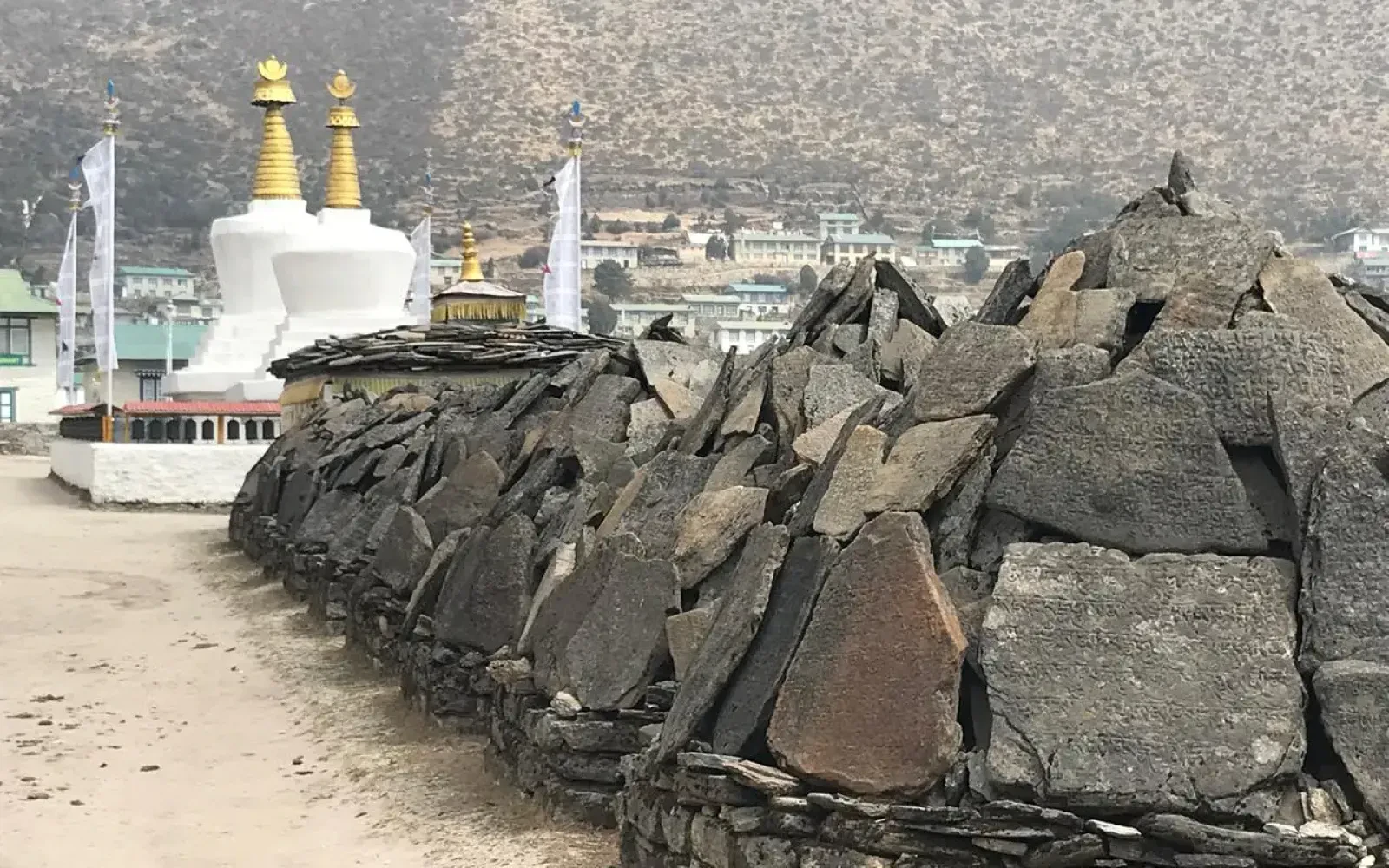
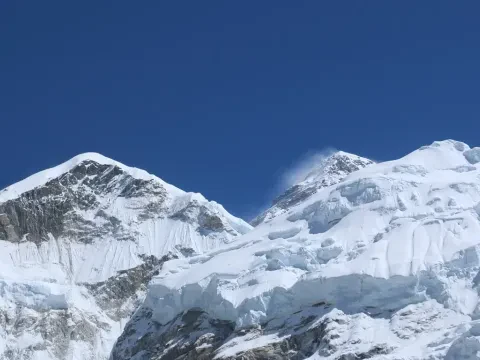
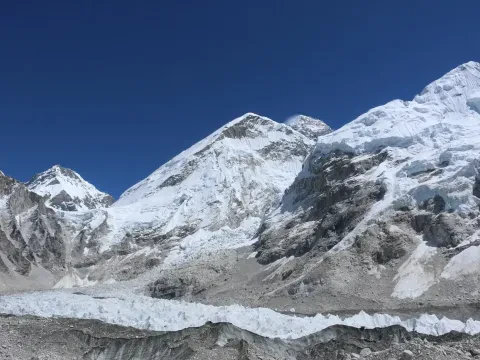
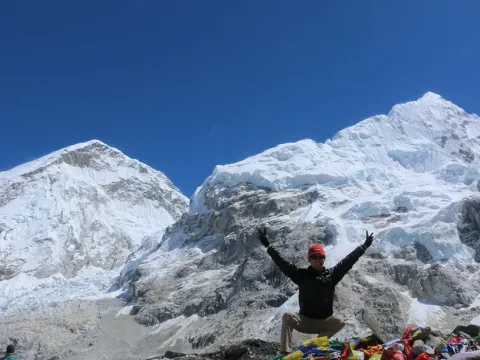
Get ready for the Everest Base Camp Trek—a journey packed with dramatic Himalayan trails, deep dives into Sherpa culture, and those jaw-dropping views all the way up to EBC at 5,364 meters. This isn’t just any hike. People are drawn to the Everest Base Camp Trek because it’s a real adventure, a challenge that pulls you through Nepal’s Khumbu region straight to the foot of Mount Everest, the world’s highest peak.
Likewise, you’ll move through everything from thick, green forests to barren, icy landscapes. Along the way, you’re not just walking—you’re soaking up the rhythm of Sherpa life in the mountain villages. The trip kicks off in Lukla, after a heart-pounding flight from Kathmandu. On your first day, you’ll trek to Phakding, and then push on to Namche Bazaar, which buzzes with activity and Sherpa culture. Every day, you climb higher, and the excitement just keeps building.
In fact, some moments really stick with you. Imagine swaying across suspension bridges over wild rivers, or standing in the silence of Tengboche Monastery, perched at 3,860 meters. You’ll stop in villages like Dingboche to catch your breath and let your body adjust to the altitude. It all adds up to a connection with nature that’s hard to describe until you’ve lived it.
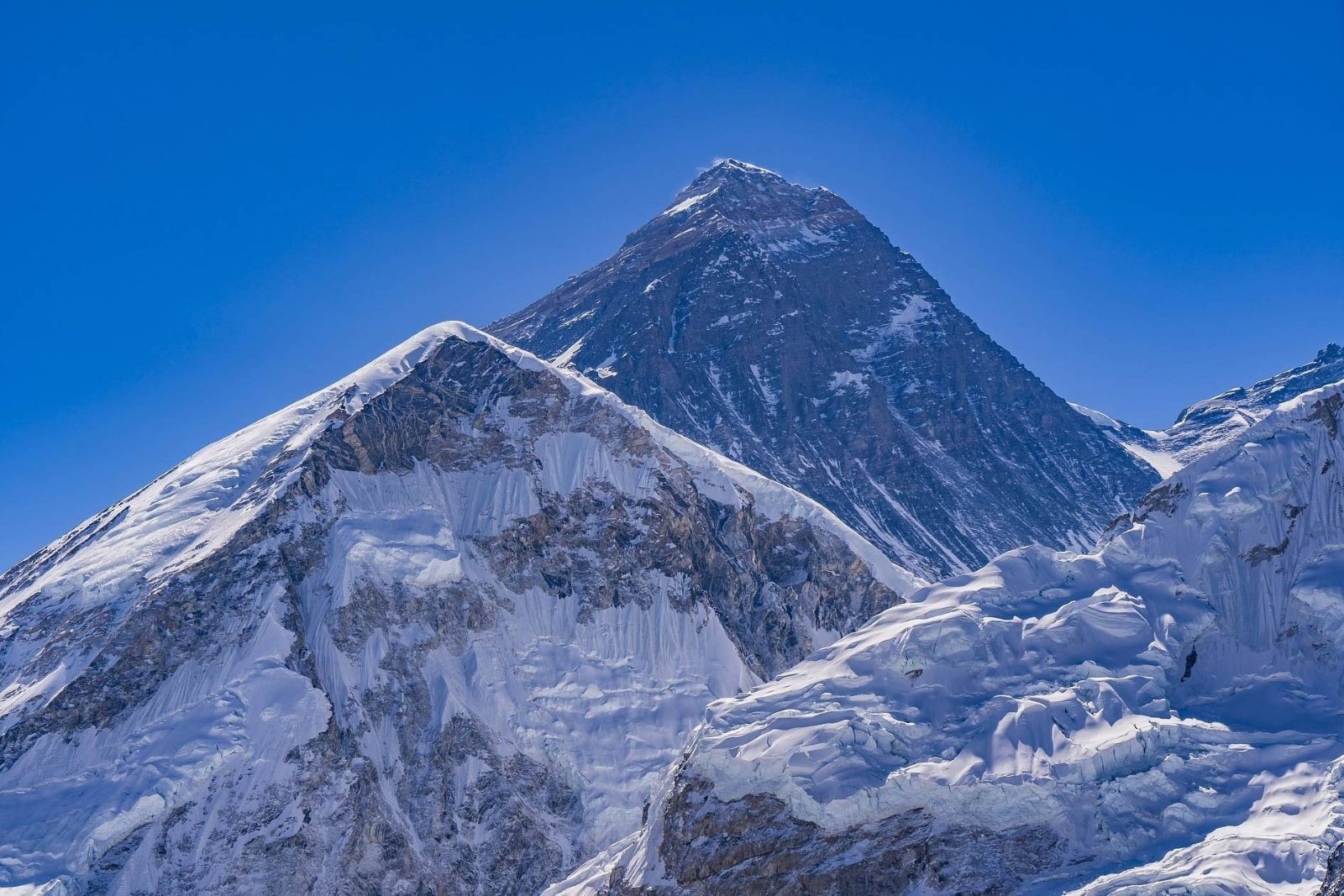
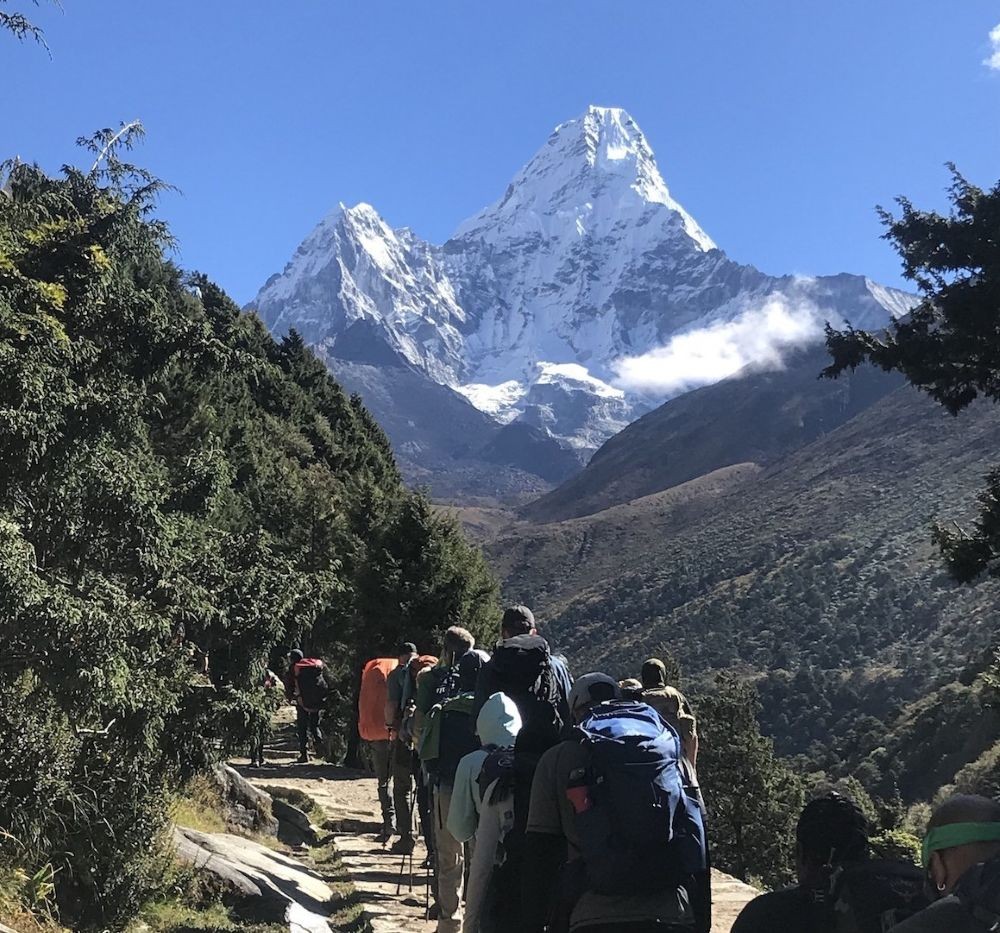
But make no mistake—the Everest Base Camp Trek is tough. You need to get your body ready for the altitude and long days on the trail. Most people train for months, and the guides watch out for everyone, keeping things safe as the paths get rougher. The reward? Insane mountain views, including Ama Dablam rising like a jewel at 6,812 meters.
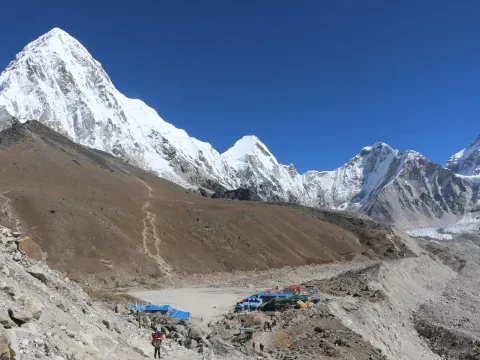
Moreover, the whole adventure usually takes 12 to 14 days, giving you plenty of time to acclimatize. You’ll reach Gorak Shep at 5,164 meters, and from there, it’s the final push to Base Camp. If you’re up for it, climb Kala Patthar at sunrise—the view is pure magic. In the end, the Everest Base Camp Trek isn’t just a trek. It shakes something loose inside you.
Furthermore, timing matters, too. Spring and autumn are the best, with clear skies and comfy weather. That’s when the trails fill up, which makes for a lively, social vibe. Planning well really sets you up for the best experience.
In fact, costs run from $1,200 to $5,000 per person, depending on what you want. If you’re counting every dollar, you can bunk in shared teahouses and stick to simple meals. Want to go big? Think helicopter rides and plush lodges. Pick what fits your style, and get ready for one of the world’s great adventures.
Key Elevations and Distances in the Everest Base Camp Trek Itinerary :
| Day | Destination | Elevation (m) | Distance (km) | Duration (hours) |
| 1 | Lukla to Phakding | 2,860 to 2,610 | 8 | 3-4 |
| 2 | Phakding to Namche Bazaar | 2,610 to 3,440 | 11 | 5-6 |
| 3 | Acclimatization in Namche | 3,440 - - |
| 4 | Namche to Tengboche | 3,440 to 3,860 | 10 | 5-6 |
| 5 | Tengboche to Dingboche | 3,860 to 4,410 | 11 | 5-6 |
| 6 | Acclimatization in Dingboche | 4,410 - - |
| 7 | Dingboche to Lobuche | 4,410 to 4,940 | 9 | 4-5 |
| 8 | Lobuche to Gorak Shep to EBC | 4,940 to 5,164 to 5,364 | 12 | 6-8 |
| 9-12 | Descent back to Lukla | Varies | Varies | Varies |
Al in all, this table outlines the standard 12-day Everest Base Camp Trek route with elevations, aiding in preparation. It highlights gradual ascent to prevent altitude sickness. Use it for training and gear selection.
If you want your Everest Base Camp trek in 2026 to go smoothly, nailing your budget is a must. It’s not just about pinching pennies. Planning your spending means you can actually enjoy the Himalayas instead of stressing over every rupee. You won’t get blindsided by hidden fees or weather delays either.
Now, let’s break down the basics. The flight from Kathmandu to Lukla? That’s about $400-500 round trip. Permits for Sagarmatha National Park and the Khumbu Pasang Lhamu area add another $50-60 per person. If you hire a guide or a porter, you’re looking at $25-30 a day for each. Sorting out these essentials from the start makes everything easier later.
Where you sleep and eat matters, too. Teahouses along the route will cost anywhere from $5 to $20 a night. Meals—think lots of dal bhat—run $20-30 per day. Travel insurance is non-negotiable up here, and that’s another $100-200, but it’s worth every cent when you’re hiking at altitude.
Moreover, group size changes everything. Trekking solo? Expect your total to hit $1,700 or more. If you go with a group of four to six, your share drops to around $1,200 each. Want a bit of luxury—maybe a helicopter ride? That bumps the price up to $3,000-5,000. It all depends on how you want to experience the mountain.
In fact, timing matters, too. Spring is busy, and prices jump by 10-20%. Go in the off-season, and you’ll save some cash, but the weather’s tougher. Picking the right time can make a real difference for your wallet.
More importantly, don’t forget the extras. Gear rentals, souvenirs, and little splurges can add $200-500. Tips for guides—$100-150—is just part of showing thanks. Adding these costs to your plan helps you actually enjoy the trek, not just survive it.
Here’s the bottom line: If you cut your budget too close, you risk your safety or miss out on what makes the EBC trek special. If you give yourself some breathing room, you can take an extra rest day or treat yourself along the way. A solid budget isn’t just about money—it’s your ticket to a better adventure.
Breakdown of Typical Everest Base Camp Trek Cost Components
This list details core Everest Base Camp Trek expenses for 2026. It helps in creating a realistic budget. Adjust based on group size and luxury preferences.
Here, let’s get straight to the point: if you’re heading to Everest Base Camp in 2026, you’ll want to know exactly where your money goes. Here’s what you’re looking at for a classic 12-14 day trek, without any financial surprises along the way.
Now, start with flights—Kathmandu to Lukla and back. These tickets eat up a big chunk of your budget, running about $350 to $450 per person. Weather delays are common, so it’s smart to set aside a little extra in case you need to reschedule.
When it comes to sleeping arrangements, teahouses are the standard. Expect to pay between $300 and $500 for the entire trek. In places like Namche Bazaar, a bed runs $5 to $15 a night, depending on how basic or cozy you want it. Meals—think loads of dal bhat and noodles—will cost another $400 to $600 for the journey. Food and shelter really make up most of your daily expenses.
Now, if you want the trek to be safer and a lot less stressful, hiring a guide or porter is the way to go. Guides charge about $25 to $35 per day, porters around $20 to $25. If you’re trekking with friends, you can split these costs, so it’s pretty reasonable. It’s money well spent—not just for peace of mind, but for navigating the trail and learning about the region.
Likewise, permits and insurance are non-negotiable. You’ll pay $50 to $70 for the necessary trekking permits, and travel insurance (which you really do need up here) lands between $150 and $250. If you’re renting or buying extra gear, add another $100 to $300.
Don’t forget the little stuff: tipping your guides and porters is expected—budget $100 to $200 for tips. Add another $100 to $150 for snacks, charging your phone, or a quick Wi-Fi check-in back home. These extras sneak up fast if you’re not watching.
Add it all up, and a solo trekker usually spends $1,200 to $1,800, while group trekkers pay about $1,000 to $1,500 each. If you’re after luxury—think helicopters or fancier lodges—expect to pay over $3,000. Knowing these details helps you plan smart and actually enjoy your Himalayan adventure without money stress tagging along.
Standard EBC Trek Cost Breakdown :
| Category | Estimated Cost (USD) | Details |
| Flights (Kathmandu-Lukla) | 350-450 | Round trip, potential weather surcharges |
| Permits and Fees | 50-70 | TIMS, national park, local entry |
| Guides and Porters | 400-600 | Daily rates for 12-14 days |
| Accommodation | 300-500 | Teahouse stays along route |
| Meals | 400-600 | Three meals daily |
| Insurance and Gear | 250-550 | Coverage plus rentals |
| Miscellaneous (Tips, Snacks) | 200-350 | Extras for comfort |
| Total | 1,000-3,000 | Varies by group size and luxury |
All in all, this table summarizes Everest Base Camp Trek expenses for planning. Adjust based on personal needs for an optimal budget.
If you’re planning to trek to Everest Base Camp, you’ll need to sort out a few key permits: the TIMS card, the Sagarmatha National Park entry ticket, and the local Khumbu permit. These aren’t just paperwork—they’re your ticket into the region, and they help protect both the land and the people who call it home.
Let’s start with the TIMS card. This one’s all about safety. It helps officials keep track of trekkers in the Khumbu, which is a big deal if anything goes wrong. Solo hikers pay $20, while those in groups pay $10. Most people just let an agency in Kathmandu handle it—makes life easier. And if you ever need a rescue, this is the permit that helps make it happen.
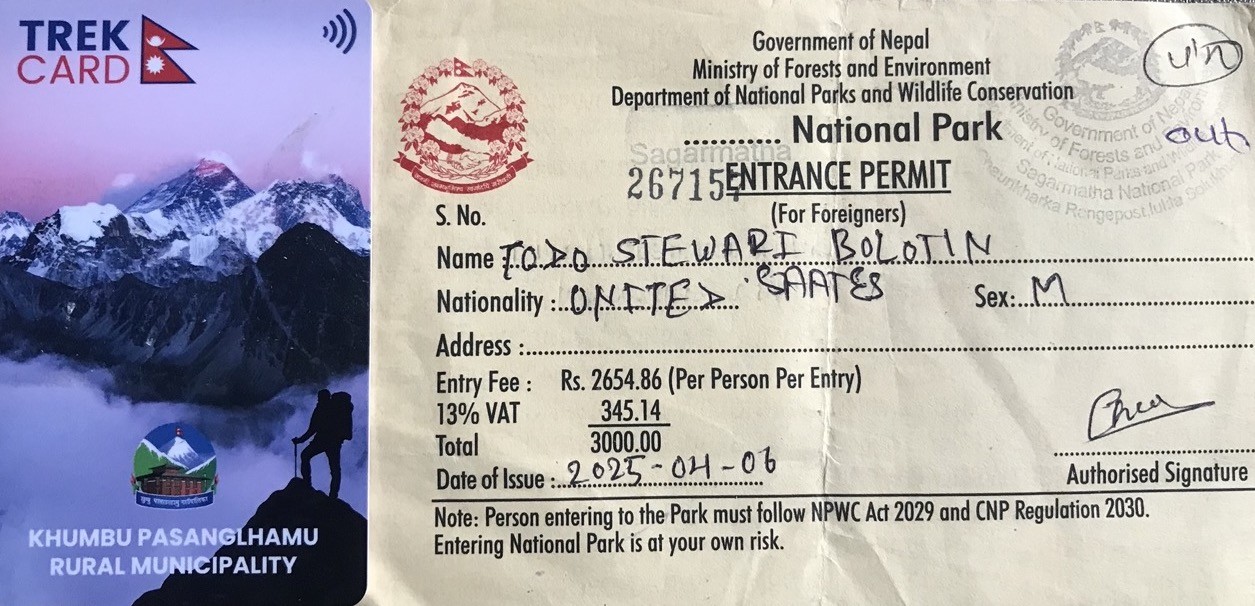
Next, there’s the Sagarmatha National Park fee. This area is a UNESCO World Heritage Site—basically, it’s world-famous for a reason. Foreigners pay $30, which covers you for all the trails from Lukla up to Base Camp. This isn’t just an entry fee; it goes straight into protecting wildlife and the stunning environment around Everest.
Likewise, don’t forget the local Khumbu Pasang Lhamu Rural Municipality permit. It’s $20 for the first four weeks, and you’ll need to show it at checkpoints like Monjo. That money goes directly to the Sherpa communities, funding schools, health care, and other local projects.
All up, expect to spend about $50–70 on permits for the EBC trek. Prices should stay steady in 2026, but it’s smart to double-check before you go. Bring your passport and some photos for the paperwork. Sorting this out ahead of time saves a ton of hassle once you’re on the trail.
If you’re with an organized tour, chances are the company will handle all of this for you. If you’re trekking independently, head to the Nepal Tourism Board office. By 2026, there might even be digital permit options—watch this space. Either way, budget for these permits. They’re non-negotiable.
Most importantly, skip the permits, and you’re looking at fines or being turned around at a checkpoint—not fun. But with everything in order, you support conservation, help local communities, and make your trek smoother. That’s how you keep the Everest Base Camp experience memorable and sustainable.
Essential Everest Base Camp Permit Fees Breakdown :
This list details Everest Base Camp permit fees for easy reference. Use it to prepare documents for a hassle-free adventure.
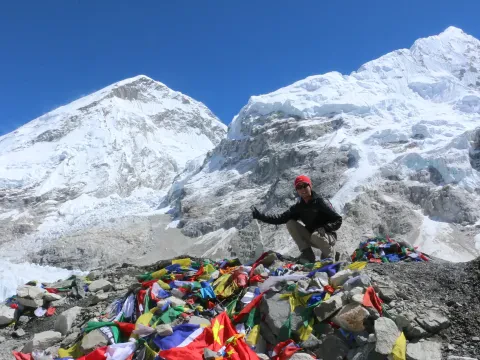
Thinking about trekking to Everest Base Camp? Most people hire a professional guide—and for good reason. These guides don’t just lead the way through tough trails; they bring the Himalayas to life, sharing stories and insight about Sherpa culture, and making sure you stay safe at high altitudes like Base Camp itself (that’s 5,364 meters, by the way).
So, what’s it going to cost for your Everest Base Camp Trek? On average, expect to pay $25 to $40 per day for a guide. If your trek runs about 12 to 14 days, that’s somewhere between $300 and $560 in total. Sometimes, agencies roll this into their packages, but it’s smart to check, so you’re not hit with surprise bills later.
In fact, a good guide is worth every dollar. They keep an eye out for altitude sickness, line up your permits and places to stay, and give you the inside scoop on the mountains towering all around—Mount Everest itself (at 8,848 meters) included. Their support can really turn a tough hike into something unforgettable.
But don’t just pick anyone. Make sure your guide is licensed and speaks decent English. Look up reviews from people who’ve done the trek before. The right guide makes everything smoother and a lot more fun.
Likewise, experience matters too. You want someone who knows how to handle emergencies and can adjust your itinerary for acclimatization, especially on tricky stretches like the climb to Namche Bazaar (3,440 meters). Guides who’ve done this trek season after season are always a safer bet.
If you’re trekking with a group, you’ll split the guide’s fee, so it’s cheaper per person. Solo trekkers pay more for that one-on-one attention. It’s also worth comparing local agencies to international ones to get the best fit and value for your trip.
And honestly, a great guide does more than just keep you safe—they open doors to the local culture, especially in villages like Tengboche (3,860 meters), introducing you to people and traditions you might otherwise miss. Investing in a quality guide isn’t just about ticking off Everest Base Camp; it’s about coming home with stories and memories you’ll never forget.
Benefits of Hiring Guide for EB C Trek :
| Benefit | Description | Impact on Trek |
| Navigation Expertise | Guides know trails, shortcuts, and weather patterns | Reduces getting lost, saves time. |
| Safety Management | Monitor health, provide first aid, evacuation plans | Prevents altitude issues, ensures well-being. |
| Cultural Insights | Share Sherpa history, monastery visits. | Enhances educational value. |
| Logistical Support | Handle permits, bookings, translations | Stress-free planning. |
| Motivation | Encourage during tough ascents | Boosts morale for success. |
All in all, this table highlights EBC trek guide benefits for better preparation. Use it to weigh the Everest Base Camp guide cost against advantages.
Let’s talk about why porter services are such a game-changer on the Everest Base Camp trek. First off, porters carry your heavy stuff so you can actually enjoy the walk—no more trudging along with an aching back, just soaking in the views. They pick up your gear in Lukla (2,860m) and haul it up the trail, which makes the whole experience a lot more manageable. Plus, every trekker who hires a porter is putting money directly into the local Sherpa economy. That’s a win-win.
So, what does it cost? In 2026, you’re looking at around $20-30 per day for a porter. For a typical trek, that adds up to $240-420 total. A lot of group packages include a shared porter, which helps cut costs. It’s worth paying attention to load limits, too—most agencies cap porters at 18-30 kg each, and set a personal limit of 9-15 kg per trekker. This isn’t just about rules; it’s about protecting the porters and making sure no one gets pushed too hard.
In fact, porters don’t just lighten your load—they save your back and legs, especially at tough spots like Gorak Shep (5,164m). With someone else carrying the heavy stuff, you’re free to really enjoy the trek instead of counting every painful step. Honestly, that’s priceless.
But there’s more to it than logistics. Hiring a porter opens up real moments of connection. You’ll swap stories on the trail or during breaks in places like Dingboche (4,410m). Reputable trekking companies make sure their porters are insured and properly equipped, which keeps things fair and sustainable.
If you’re trekking in a group, splitting a porter makes things cheaper for everyone. Going solo costs a bit more, but you get more flexibility. Either way, check what each agency offers and make sure you’re clear on their load limits so you get the most out of the service.
At the end of the day, porters make this adventure possible for trekkers of all fitness levels. They handle the heavy gear, you carry just what you need for the day, and suddenly Everest Base Camp isn’t just a dream—it’s a real, unforgettable journey.
Key Aspects of EBC Trek Porter Services List :
This bullet list details porter services for informed decisions. It aids in understanding Everest Base Camp porter pricing and benefits.
If you’re heading to Everest Base Camp in 2026, you’ve got a range of places to stay—everything from simple teahouses to fancy lodges. Your choice really depends on what you want to spend and how much comfort you’re after.
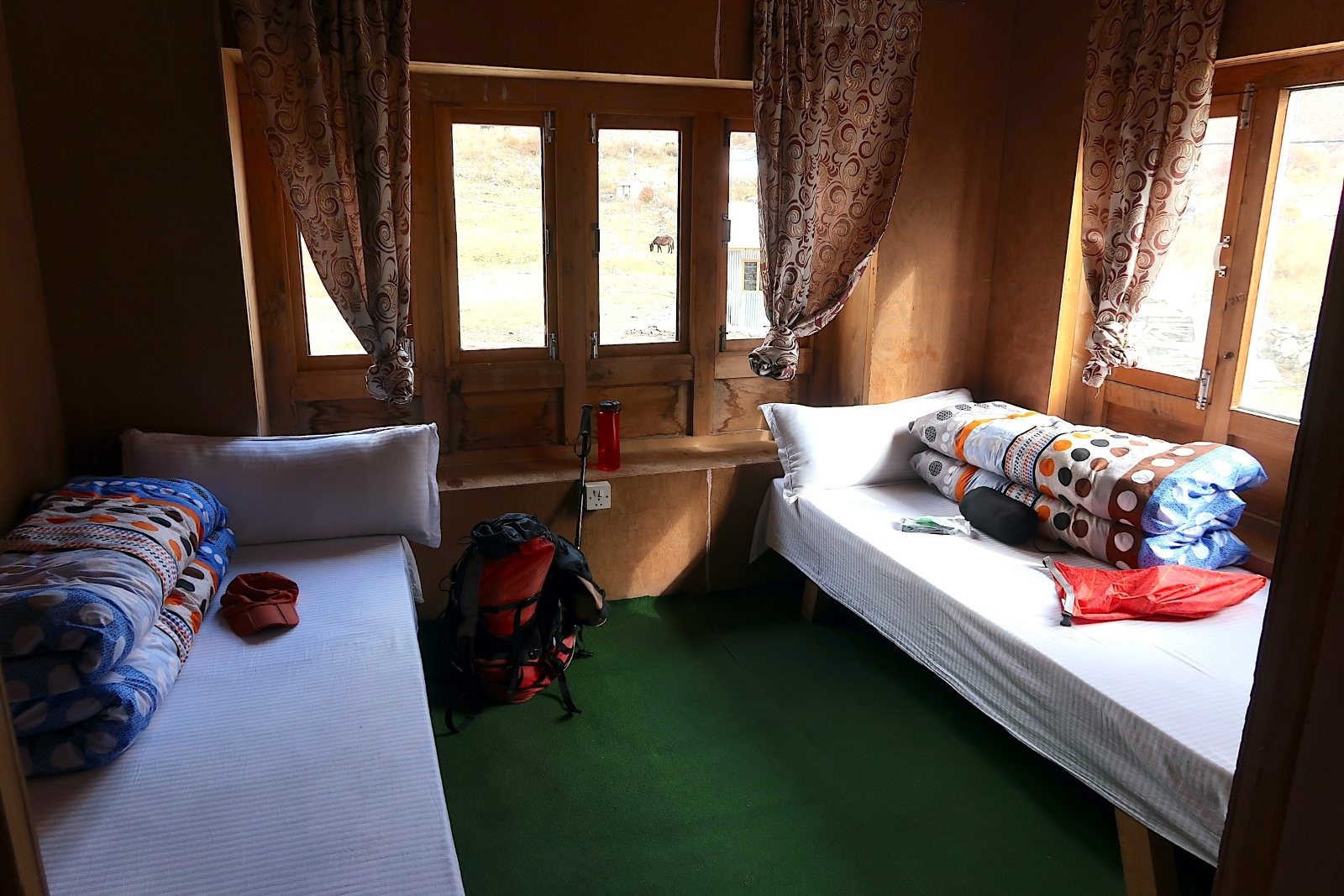
Actually, most trekkers go for teahouses. These are basic but affordable, with rooms that usually run $5 to $15 a night in lower villages like Lukla (2,860m). As you climb higher, prices go up—expect $10 to $30 per night in places like Gorak Shep (5,164m). Facilities are pretty simple and you’ll likely share bathrooms, but if you’re on a budget, it works.
If you want a bit more comfort, standard lodges in spots like Namche Bazaar (3,440m) cost about $20 to $40 per night. Here, you get perks like attached bathrooms and better heating. It’s definitely easier to rest and recover in these places, which helps with acclimatization.
For those who want to trek in style, there are luxury lodges—think Wi-Fi, hot showers, and cozy rooms. These usually cost $50 to $100 a night and are available in villages like Tengboche (3,860m). If you’re looking to treat yourself, these are the way to go.
Over the whole 12-14 day trek, you’ll probably spend $150 to $400 on accommodation, depending on where you stay, the route you take, and the time of year. Prices jump a bit in peak season, so plan ahead if you want the best rates.
Additionally, don’t forget about your stay in Kathmandu before you hit the trail. Hotels there typically cost $50 to $100 a night, and a three-star place usually includes breakfast. It’s a good way to start your adventure rested and ready.
One last tip: if you’re willing to share a room in teahouses, you can cut down costs. If you want your own space, expect to pay an extra $100 to $200 for the whole trek. In the end, picking the right accommodation is all about finding the balance between your budget and how comfortable you want to be on the trail.
Everest Base Camp Accommodation Cost Breakdown Table :
| Location | Type | Cost per Night (USD) | Facilities |
| Lukla/Phakding | Basic Teahouse | 5-15 | Shared bathroom, basic bed |
| Namche Bazaar | Standard Lodge | 20-40 | Attached bath, heater |
| Tengboche/Dingboche | Comfort Teahouse | 15-30 | Hot shower, Wi-Fi |
| Lobuche/Gorak Shep | High-Altitude Teahouse | 50-100 | Full services, views |
| Luxury Options | Premium Lodge | 50-100 | Full services, views |
| Total for 14 Days | Varies | 150-400 | Depends on choices. |
All in all, this table details EBC teahouse expenses and lodge options for planning. Adjust based on group and preferences for optimal comfort.
Getting from Kathmandu to Lukla is where your Everest Base Camp trek really begins. Most people take a domestic flight—it's quick, the views are incredible, and you skip the long, bumpy overland routes.
For 2026, round-trip flights between Kathmandu and Lukla usually run between $350 and $450. If you’re traveling during peak season, expect to pay $450 to $520. These prices often include airport transfers, but it’s smart to book early or you might get hit with extra fees.
Here, during busy trekking months, airlines sometimes use Manthali Airport instead. That means you’ll need to drive four or five hours out of Kathmandu, which adds another $50 to $100 to your budget. Don’t forget to add this to your EBC trip costs.
Actually, flights to Lukla are famous for weather delays. You could end up stuck in Kathmandu for an extra night or two, which might set you back around $50 to $100 per night. The good news? Most domestic flights come with some insurance for cancellations, so you’re not totally out of luck. But honestly, keeping your schedule flexible makes the whole thing a lot less stressful.
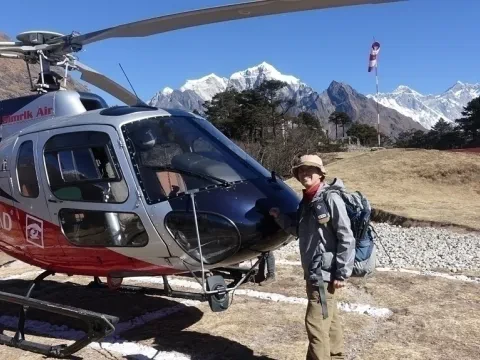
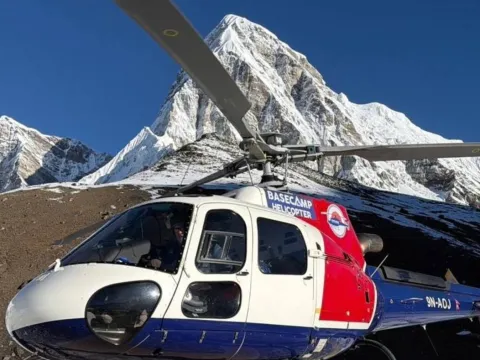
If you want something a bit fancier—or you’re short on time—helicopter rides are an option. Shared seats usually cost about $500 to $600 one-way. You get there fast and the ride itself is an adventure.
Likewise, getting back from Lukla is just as unpredictable, so build in a couple of buffer days. The ticket price covers taxes, and some tour packages roll everything together to make planning easier.
If you’re looking to save money, you can skip the flight and take a jeep to Phaplu instead. It’s a longer journey and adds a couple of days, but it costs only about $100 to $200 for transport. This route cuts down your flight expenses by quite a bit.
Key EBC Trek Transportation Options :
This bullet list outlines Kathmandu to Lukla flight cost and alternatives. Use it for efficient EBC trek transportation planning.
If you’re thinking about reaching Everest Base Camp without flying into Lukla, the overland route through Salleri is a solid pick—especially if you’re on a budget or just want a different kind of adventure. The journey kicks off with a jeep ride from Kathmandu to Surke, passing through Salleri. You’ll spend hours winding through mountain roads, catching local scenery, and getting a real feel for the villages along the way.
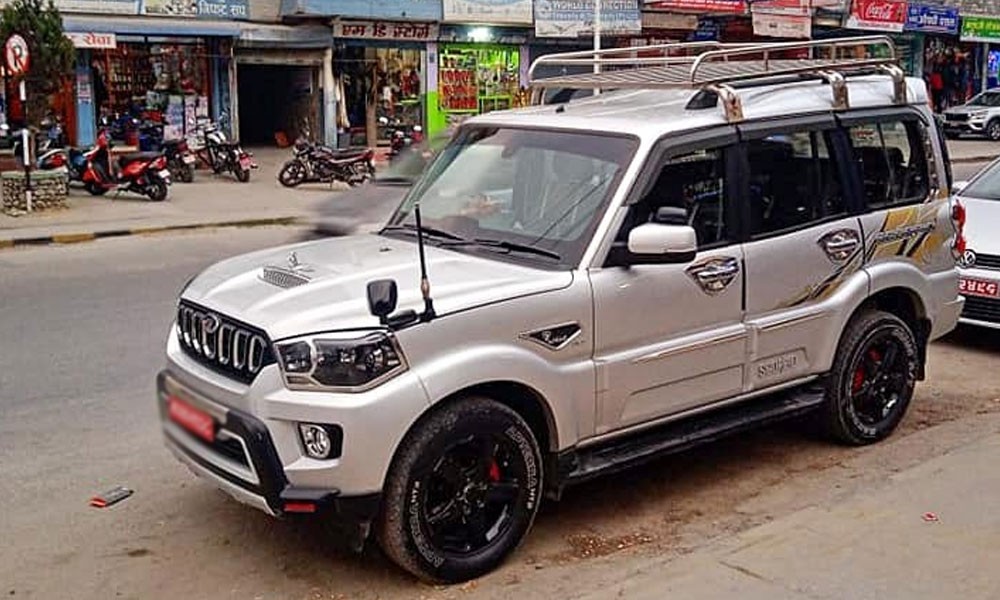
Actually, the drive from Kathmandu up to Salleri (2,390m) takes about 9 to 10 hours. Shared buses cost between $15 and $25 per person, but if you’re traveling with a group, private jeeps run about $200 to $300. Splitting the cost with friends seriously cuts down your expenses.
After Salleri, you’ve got another jeep stretch to Surke (2,290m). It’s a rough road, bumpy and slow—figure on 4 to 5 hours. Shared rides cost $20 to $35 per seat, and private jeeps usually add $100 to $150. You definitely want a sturdy vehicle; those roads don’t mess around.
All in, you’re looking at around $250 to $450 for the round trip. Weather sometimes slows things down, so having an extra $50 to $100 for unexpected costs helps. Keep in mind, fuel surcharges can pop up, so some flexibility in your budget pays off.
One thing to remember—this route adds two or three days to your trek. From Surke, you’ll walk to Phakding (2,610m) and join the main Everest trail, skipping the flight risks around Lukla. It’s a longer journey, but you get an even deeper taste of the Himalayas.
More importantly, don’t forget the permits. You’ll need them for the Salleri route, and together they cost about $50 to $70. Hiring a local guide who knows these roads is extra, but it’s worth it if you want everything to go smoothly.
Bottom line: compared to flying, taking the overland route saves you about $200 to $300 but adds more travel time. It’s a great choice if you’re nervous about flights or just want to make the adventure last a little longer. A bit of planning goes a long way to make the most of this route.
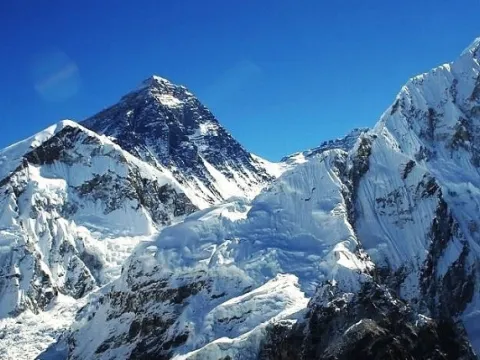
Everest Base Camp Overland Travel Cost Breakdown :
| Segment | Mode | Cost (USD) | Duration |
| Kathmandu to Salleri | Shared Bus/Jeep | 15-25 per person | 9-10 hours |
| Kathmandu to Salleri | Private Jeep | 200-300 for group | 9-10 hours |
| Salleri to Surke | Shared Jeep | 20-35 per person | 4-5 hours |
| Salleri to Surke | Private Jeep | 100-150 for group | 4-5 hours |
| Return Trip | Similar | 250-450 total | Varies |
| Extras (Delays, Fuel) | - - | 50-100 - |
In summary, this table details EBC jeep ride expenses via Salleri route. Use it for budgeting overland alternatives.
Let’s talk about what you’ll actually spend on food each day during your Everest Base Camp trek in 2026. You need to eat well out there, so budgeting for breakfast, lunch, dinner, and snacks isn’t just smart—it’s essential.
First thing you’ll notice: the higher you go, the pricier things get. That’s just how it works when everything has to come up the mountain, sometimes on someone’s back. Local teahouses line the route, each with their own set of options.
Here, down in places like Namche Bazaar (3,440m), breakfast runs about $5 to $8. You’re looking at eggs, toast, maybe porridge, always with tea. It’s simple, but after a cold night, that breakfast feels like a lifesaver.
Likewise, lunch usually costs $7 to $12—fried rice, noodles, that sort of thing. As you climb to towns like Dingboche (4,410m), prices inch up. Lunch is your mid-trek recharge, and you’ll want every bite for the afternoon ahead.
Dinner? Same price range, $7 to $12, with hearty plates like dal bhat or pasta. When you’re up in Gorak Shep (5,164m), just below base camp, dinner gets even more expensive. Still, after a day of hiking in the cold, hot food is worth every penny.
Moreover, snacks—energy bars, chocolate—add around $2 to $5 a day. Over the whole trek, you’ll spend an extra $50 to $100 just on these extras. Hot drinks are everywhere (and irresistible), usually $2 to $4 each. If you want to save a bit, bring some snacks from home.
Add it all up, and you’re looking at $25 to $40 a day per person for meals in 2026. Vegetarian? No problem—almost every teahouse has options, and dal bhat usually comes with free refills. Keeping snacks handy keeps you from flagging out on the trail.
If you book an Everest Base Camp trekking package, most meals are included, which makes budgeting way easier. But if you’re trekking independently, you’ll need to keep a close eye on spending. Either way, a little planning goes a long way to keeping you happy (and well-fed) on the mountain.
Typical EBC Trek Daily Meal Costs :
All in all, this list outlines EBC trek breakfast, lunch, dinner expenses. Adjust for personal needs on the journey
When you’re planning for Everest Base Camp, don’t just focus on the trek itself—think about your gear and how much you’ll need to spend. You want to be comfortable out there, so make sure you budget for the basics: a solid sleeping bag, a good down jacket, and the right layers. You can rent a lot of this stuff in Kathmandu, which usually saves money compared to buying everything new.
For a two-week trek, renting your gear usually runs $50 to $150. Trekking poles are cheap—about a dollar or two a day. If you want to buy your own equipment, expect to spend somewhere between $200 and $500 for decent quality. It’s worth thinking through what you actually need before you start shopping, so you don’t end up with stuff you’ll never use.
In fact, some things are just non-negotiable, like waterproof boots and warm clothes. When you get to Namche Bazaar (3,440m), try your gear out while you still have time to swap things. Many rental shops offer gear packages, which can make your life easier. Prepping like this makes a huge difference once you hit the trail.
For things you’ll use again—like boots—it makes sense to buy a good pair ($100–$300). Rent a sleeping bag rated to at least -15°C for about $1–$2 a day. Don’t forget smaller essentials like gaiters and gloves. Mixing rentals with a few good purchases keeps your costs down and your pack lighter.
If you’re just starting out, you might spend $300–$700 to buy everything you need. Thamel in Kathmandu has plenty of affordable options. Renting gear also means you’re not lugging extra weight up the mountain, which is a big plus.
Likewise, remember headlamps and water bottles—they’re easy to overlook but you’ll need them. As you climb to places like Dingboche (4,410m), you’ll be glad you chose reliable gear. When you buy equipment, you’re set for future adventures, so always favor quality over quantity.
If you don’t budget right, you’ll end up shivering through cold nights at Base Camp (5,364m). But if you over-prepare, you’ll just waste money. The trick is finding that balance—rent when it makes sense, buy what’s worth keeping, and always pack smart.
Essential Everest Base Camp Gear Checklist :
| Item | Rental Cost (USD/day) | Purchase Cost (USD) Purpose |
| Sleeping Bag (-15°C) | 1-2 100-200 | Warmth at high altitude |
| Down Jacket | 2-3 80-150 | Insulation against cold |
| Trekking Poles | 1-2 50-100 | Stability on trails |
| Waterproof Boots | 1-2 100-300 | Foot protection |
| Gaiters/Gloves | 1 -20-50 | Snow/dust shield |
| Total for 14 Days | 50-150 200-500 | Varies by needs |
This table outlines Everest Base Camp gear rental and EBC equipment purchase options. Use it for effective budgeting for essentials.
If you’re heading to Everest Base Camp in 2026, you need travel insurance that actually covers the risks up there—think high altitude, helicopter rescues, and the works. Start by making sure your policy covers trekking as high as 6,000 meters. You’ll also want medical emergencies included, since that’s non-negotiable for EBC.
Meanwhile, premiums depend on how long you’re trekking and a few personal details like age and health. For a basic 2-3 week trip, expect to pay somewhere between $100 and $300. That usually covers helicopter evacuations up to $100,000, which is essential. Just make sure your policy spells out trekking coverage—don’t skip the fine print.
Likewise, standard plans for about two weeks usually run $80 to $150. If you’ve got any health issues or you’re a bit older, costs go up. But honestly, this insurance is what protects you from problems like altitude sickness, which can get serious fast.
In fact, you need at least $100,000 in emergency medical coverage. Trip cancellation is a good idea too, especially with all the weather delays in the Himalayas. Premiums rise with age, so compare a few providers before you buy.
Moreover, helicopter rescue isn’t a luxury out here—it’s a must. Most policies include coverage for evacuations from places like Gorak Shep, which is about as remote as it gets. Average premiums land between $150 and $250, but this is money well spent. It saves you from massive out-of-pocket costs if things go sideways.
Furthermore, skip any policy that doesn’t specifically mention high-altitude trekking. You want coverage up to 6,000 meters, no less. If you want more comprehensive coverage, expect to pay $200 to $500. Go with insurers who know what they’re doing in the Himalayas.
All in all, traveling without proper insurance isn’t worth the risk. Pay for what you need, but don’t go overboard with extras you won’t use. The right Everest Base Camp travel insurance keeps you safe and lets you focus on the adventure.
Key EBC Travel Insurance Coverage Requirements (2026) :
All in all, this list details EBC coverage requirements and premium estimates. Use it to select suitable Everest Base Camp travel insurance.
Let’s talk about the extra expenses you’ll face on the Everest Base Camp trek in 2026—stuff like tips for guides and porters, souvenirs, and Wi-Fi. You want your budget to actually cover real life, not just the basics.
First off, tipping your guides and porters is a big deal. Most trekkers set aside $100 to $200 per person. It’s not just tradition—it’s the right way to say thanks for their hard work on those tough trails. Good tips keep the whole team motivated.
Likewise, souvenirs come next. Think prayer flags, hand-carved Sherpa trinkets, and other little things you’ll find in Namche Bazaar around 3,440 meters up. Set aside $50 to $100 for these. If you don’t plan ahead, it’s easy to overspend just because everything looks cool.
Likewise, staying connected isn’t cheap up there. Wi-Fi in teahouses usually costs $2 to $10 each time you log in, and the price goes up the higher you climb—places like Dingboche get pricey. You’ll probably want to budget for device charging too, which runs $1 to $5. And don’t forget hot showers—those cost extra as well.
All together, you’re looking at about $200 to $400 for these extras. Tips for guides and porters are usually $5 to $10 a day each, and souvenirs cost more if you want something really nice. Carry enough cash to avoid any hassles.
In fact, a good rule of thumb: tip about 10-15% of your total trek cost. Pick up souvenirs early, since the options get pretty limited the closer you get to Base Camp. And Wi-Fi? It’s worth it for those quick check-ins with home.
Bottom line—don’t underestimate these little expenses. Planning ahead means you can treat yourself, thank your crew properly, and stay connected without stressing about money. That’s how you make the most of your trek.
Everest Base Camp Extra Expenses Breakdown :
| Expense Type | Estimated Cost (USD) | Details |
| Tips for Guides | 100-150 | $5-10/day, based on performance |
| Tips for Porters | 50-100 | $3-5/day, for load carrying |
| Souvenirs | 50-100 | Crafts, flags in markets |
| Wi-Fi Charges | 50-150 | $2-10/use, higher altitudes |
| Device Charging | 20-50 | $1-5 per session |
| Total Extras | 200-400 | Varies by usage. |
All in all, this table details EBC tips for guides porters and other extras. Use it to refine your Everest Base Camp extra expenses budget.
Here, let’s talk about the real costs hiding behind an Everest Base Camp trek. Most people plan for the obvious stuff, but the surprises? They’ll hit your wallet if you’re not ready.
Meanwhile, weather delays are common, especially in Lukla (2,860m), and they’re not just a minor inconvenience. Every extra night there sets you back $30 to $50. It adds up fast if flights get grounded for days, so stash some buffer cash for when the weather turns.
Likewise, health issues on the trek are a whole different beast. Altitude sickness isn’t picky — anyone can get hit. If you need evacuation from Gorak Shep (5,164m), you’re looking at insurance policies that run $80 to $200 just for decent high-altitude coverage. Without it, evacuation costs can skyrocket to $3,000–8,000 out of pocket. Seriously, don’t risk it. Good insurance saves you from those nightmare bills.
Moreover, emergencies pop up in other ways too. Flights get canceled all the time, and rebooking usually costs another $50 to $100. There’s also a small “green fee” of $8 that often gets forgotten. Watch the weather and news before and during your trek. Strikes and natural events aren’t rare out here.
Similarly, budget for emergencies — set aside at least $200 to $500 for unexpected problems. That covers things like rescheduled flights, extra food if you get stuck, and maybe a doctor visit in Kathmandu. If you need meds along the trail, prices can spike too. Plus, if you forgot something important, you’ll probably have to buy extra gear at a premium.
In fact, skipping over this stuff only leads to stress. Planning for weather delays and health problems means you can actually relax and enjoy the adventure. Build a solid budget, stay flexible, and you’ll be ready for whatever the mountain throws at you.
Key EBC Contingencies and Hidden Costs :
This list highlights Everest Base Camp hidden costs and contingencies. Adjust for personal EBC contingencies weather delays and health issues trek.
Actually, getting your Everest Base Camp budget takes some real planning, but it’s totally doable. Start early. Spend a few months before your trip checking flight prices and permit fees. If you lock in bookings ahead of time, you’ll grab the best deals.
If you want to save money, join a group tour. When you split guides and porters with others, you can get daily costs down to $20-30 per person. Groups of four to six people cut down on accommodation costs, too. So, traveling together really pays off.
Here, book your flight to Lukla as soon as you can. Early tickets usually cost $350-400 for the round trip. Avoiding peak season helps keep prices down, and if you’re flexible on dates, you’ll save even more. Booking on time can easily save you hundreds.
Likewise, don’t forget to pack your own gear. Bring a solid sleeping bag and a good down jacket from home—don’t rely on Kathmandu rentals. That alone saves you $100-200. A little extra effort here really cuts expenses.
For food, stick to local teahouse meals—dal bhat is filling and cheap, around $20-30 per day. If you pack snacks in Kathmandu, you’ll avoid spending on overpriced treats on the trail. Drink filtered or boiled water instead of buying bottles. All these small choices keep your food budget tight.
Moreover, get your travel insurance sorted before you leave, and make sure it covers high altitudes. Policies usually run $150-250, and they can save you a lot if something goes wrong. Keep a little extra cash handy for delays or emergencies—having a buffer just makes sense.
Similarly, keep track of everything in a simple spreadsheet. For a solo trek in 2026, plan on spending $1,200-1,800. Watching your budget as you go means no ugly surprises. In the end, a bit of discipline and smart planning make your trek affordable and unforgettable.
Smart Tips for Everest Base Camp Budget Optimization :
This list provides actionable EBC trek planning tips for budget optimization. Apply these strategies to make your Everest Base Camp adventure both affordable and enjoyable.
1. How much does the Everest Base Camp Trek cost in total?
The cost of the Everest Base Camp Trek can be around USD 1,200 to 2,500. This is because the cost depends on the size of your group the services you need and how you travel. The cost includes things like permits a guide, a porter, where you stay, food and flights
2. What permits are needed for Everest Base Camp Trek?
To do the Everest Base Camp Trek you need a permit. These include, a permit to enter Sagarmatha National Park and a local permit for the Khumbu area. These permits cost around USD 50-80. They are important because they help take care of the environment and make sure you are allowed to trek in the area.
3. Is hiring a guide mandatory for EBC Trek?
It is not mandatory to hire a guide for the Everest Base Camp Trek. It is highly recommended. A guide can help keep you safe and make sure you do not get lost. They also know a lot about the area. Can help you in case of an emergency. The cost of a guide is USD 25-40 per day.
4. What are porter costs and load limits on EBC?
If you want to hire a porter to carry your bags it will cost around USD 20-25 per day. Each porter can carry up to 20-25kg. Porters are very helpful because they can carry your bags, which makes the trek easier for you. They also help the economy.
5. How much do teahouses and lodges cost on the trek?
The cost of staying in teahouses and lodges on the Everest Base Camp Trek varies. You can find teahouses for around USD 10-15 per night. The cost goes up as you go higher up the mountain. In total you should budget around USD 300-500 for your trip.
6. What is the cost of flights to Lukla for EBC?
To get to Lukla you need to take a flight from Kathmandu. The cost of the flight is around USD 200-350 per person return. You should also be prepared for changes in the weather which can affect your flight schedule.
7. How much does the overland jeep route to EBC cost?
If you do not want to fly you can take a jeep to Surke through Salleri. This costs around USD 80-150 per person. It takes a few days but you get to see some great views and have an adventure.
8. What are daily meal expenses during Everest Base Camp Trek?
The cost of food on the Everest Base Camp Trek is USD 30-40 per person per day. You can expect to eat things like dal bhat, pancakes and snacks. The cost of food goes up as you go higher up the mountain.
9. How much should I budget for gear rental on EBC?
If you need to rent gear like a jacket, sleeping bag or trekking poles it will cost around USD 50-150 in total. Renting is an option if you do not have the gear and do not want to buy it.
10. Is travel insurance required for Everest Base Camp?
Yes, you need to have travel insurance to do the Everest Base Camp Trek. The insurance should cover things like evacuation from altitude, which can cost a lot. The cost of insurance is around USD 100-300.
11. How much should I tip guides and porters on EBC?
It is customary to tip your guides and porters at the end of the trek. A good amount to tip is USD 150-300 in total per group. This shows that you appreciate their work.
12. Are there hidden costs in Everest Base Camp Trek?
There can be some costs on the Everest Base Camp Trek that you might not think about at first. These include things like nights in teahouses, Wi-Fi, hot showers and souvenirs. You should budget a 10-15% of your total cost for these things.
13. What is the best way to optimize EBC Trek budget?
To save money on the Everest Base Camp Trek you should travel in a group stay in teahouses and book your trip early. You should also try to avoid the peak season, which can be more expensive. Packing light is also an idea as it can save you money on flights and porters.
14. Can I do Everest Base Camp Trek independently?
While it is possible to do the Everest Base Camp Trek on your own it is not recommended. There are a lot of risks involved and having a guide and porter can help keep you safe. They also know a lot about the area. Can help you with things like permits and regulations.
15. How many days does the standard EBC Trek take?
The standard Everest Base Camp Trek takes around 12-14 days. This includes the time it takes to get to and from Lukla the days you spend trekking and some extra days in case the weather's bad or you need to rest.
16. What currency and cash should I carry for EBC?
You should carry some Nepali Rupees with you for things like food and accommodation. There are not ATMs in the area so it is a good idea to have some cash with you. You should budget around USD 200-400 extra for things like meals, tips and unexpected expenses.
17. Is altitude sickness a major concern on EBC?
Yes, altitude sickness is a concern on the Everest Base Camp Trek. You need to make sure you have time to acclimatize to the high altitude and you should also have insurance that covers evacuation in case of an emergency.
18. What is the best season for Everest Base Camp Trek?
The best time to do the Everest Base Camp Trek is in the spring (March-May) or autumn (Sept-Nov). The weather is usually good during these times. The views are great. However, it can be a bit more expensive to trek during these times.
19. Does the EBC package include international flights?
No, the Everest Base Camp Trek package does not include international flights to Nepal. You need to book these. The cost of flights can vary depending on where you are coming from.
20. Why choose Haven Holidays Nepal for EBC Trek?
Haven Holidays Nepal is a choice for the Everest Base Camp Trek because we are transparent, about their prices, we have experienced local guides and we pay our porters a fair wage. We can also help you plan your trip and make sure you have an enjoyable time.
Our travel experts are ready to assist you with any questions.
Send us a message.Have a question before you book? Send your enquiry below and our travel experts will get back with the required information.