Nepal is famous for its trekking routes, but not every traveler wants to follow the busy trails and crowded teahouses. Some explorers set their sight on less crowded options in Nepal that provide a more authentic Himalayan escape. Picture yourself standing on a remote ridge, taking in the views of a pristine forest while listening to the sound of birds and rustling prayer flags. It may seem hard to believe, but there are trails nearby that will provide a more peaceful Himalayan experience compared to the over-trodden paths of Everest Base Camp and Annapurna Base Camp.
Meanwhile, the popularity of classic trekking routes in Nepal has skyrocketed in recent years. It is not uncommon to spot hundreds of hikers at the same village on the same day during October and November. While these trails are undoubtedly worth experiencing, they are far from the only Himalayan adventure available in Nepal. Many trails tend to be much less busy due to their remote nature, conservation restrictions, or requirement for special permits.
Likewise, the hidden Himalayan trails allow trekking fans to discover breathtaking landscapes and unique cultures, uninterrupted by other travelers. The trails also allow for more unique wildlife and cultural encounters due to their more isolated and authentic status.
Similarly, trekking through less familiar trails in Nepal is also a wonderful way to witness the raw beauty of nature. Whether it is spotting sunrise over a local village or exploring the region's biodiversity, an under-the-radar trekking fan can enjoy the mountains in a much more meaningful way.
Regardless of if you are a seasoned trekker searching for new adventures or a returning visitor seeking more variety, Nepal has plenty of alternatives to the well-established trails in the Everest and Annapurna regions. In this ultimate guide, you will learn all about the five best less crowded treks in Nepal. You will gain insight into trail difficulty, duration, elevation, and what makes these particular adventures stand out from the rest.
There are many trails in Nepal that are less popular than the country's famous routes. However, not every lesser-known trail is automatically one of the best remote treks in Nepal.
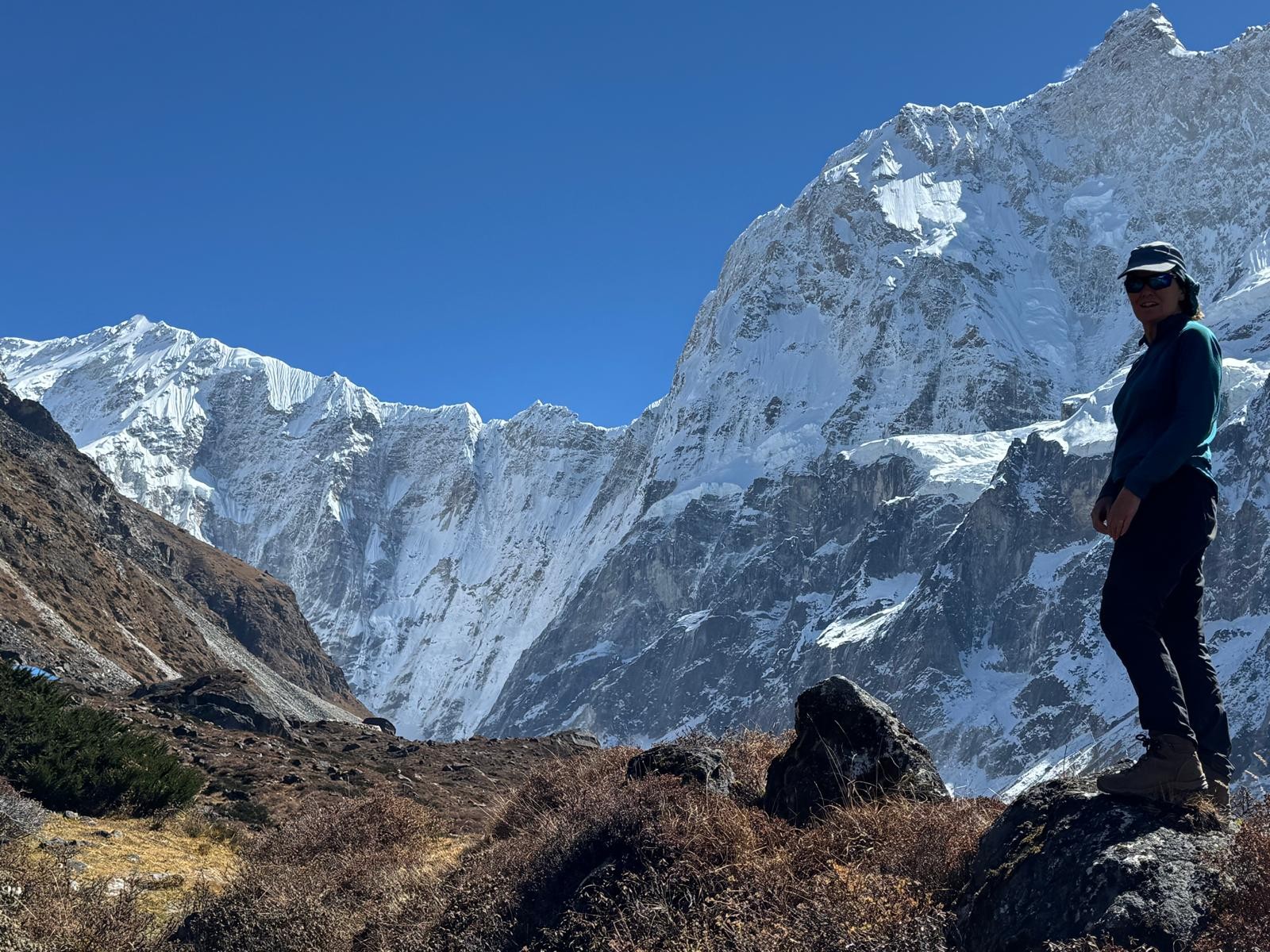
Meanwhile, there are different reasons why a trail is less crowded compared to the famous hiking trails in Nepal. Here is a list of characteristics that apply to most of the underrated mountain adventures that are featured in this ultimate guide.
| Feature | Why It Reduces Crowds |
|---|---|
| Remote location | Long distance makes it difficult to reach |
| Restricted area permits | Special permits limit overall hikers |
| Longer trekking duration | Most hikers prefer shorter trips |
| Less commercial development | Fewer amenities mean fewer tourists |
| Alternative routes | Other trails divert potential hikers |
Here, most of these trails that offer a more secluded trekking experience tend to follow a similar pattern. Many of these hidden gems take place in conservation areas or require specific special permits. These factors limit the overall number of hikers on the trails while also protecting local traditions and sensitive habitats.
Benefits of Offbeat Trekking Nepal :
In fact, the benefits of these unique trails are clear. The reduced number of hikers provides a more authentic Himalayan adventure for those who are seeking it. It is important to keep in mind that secluded treks require more flexibility when it comes to travel logistics.
Here, the trails might also offer more challenges on a daily basis, such as long hiking days or limited accommodation options. However, the breathtaking views will more than compensate for these minor inconveniences.
Similarly, many hikers have started to appreciate these isolated trails as a way to fully experience the Himalayas in a unique way while also helping to preserve local traditions and environments that are not overrun with tourists.
Nepal has many trekking destinations that are much less busy than the famous Everest and Annapurna trails. There are plenty of reasons why these alternative routes appeal to many hikers. The following five offbeat treks provide a wonderful mix of spectacular Himalayan scenery and unique cultural experiences with fewer crowds to share the trail.
| Trek | Duration | Maximum Elevation | Difficulty | Crowd Level | Major Highlights |
|---|---|---|
| Manaslu Circuit Trek | 14-16 days | Larke Pass (5,106 m) | Challenging | Very Low | Remote valleys, Tibetan culture, glaciers |
| Upper Mustang Trek | 12-14 days | Lo Manthang (3,840 m) | Moderate to Low | Desert, caves, monasteries |
| Upper Dolpo Trek | 18-24 days | Kang La Pass (5,350 m) | Very Challenging | Extremely Low | Shey Gompa, Phoksundo Lake, wilderness |
| Kanchenjunga Base Camp Trek | 18-24 days | Pangpema (5,143 m) | Challenging | Very Low | Remote base camp, biodiversity, giant peaks |
| Nar Phu Valley Trek | 10-12 days | Kang La Pass (5,320 m) | Challenging | Very Low | Hidden villages, ancient monasteries, alpine valleys |
Meanwhile, the top 5 less crowded treks in Nepal featured in this ultimate guide offer amazing alternatives to the country's most popular hiking trails. Every trek listed above allows hikers to enjoy the beautiful mountain scenery while being away from the busy trails and teahouses. These incredible adventures will certainly appeal to many different types of hikers.
In summary, the alternative trails in the Nepalese Himalayas featured in this ultimate guide will always be a great choice for hikers seeking more solitude and stunning mountain vistas. Each one of these incredible adventures will be explored in-depth throughout this ultimate guide. You will learn about itinerary options, elevation, permits needed, cost, difficulty level, and the best time to visit each region.
The Manaslu Circuit Trek is one of the best wilderness adventures in Nepal and an excellent alternative for those who prefer less crowded tracks and authentic mountain village vibes to the famous Annapurna Circuit. The trails are less traveled by trekkers due to the restricted area and the necessity to organize the trek with a licensed guide. The natural beauty, mountainous views, and unique cultural heritage of the region will astonish and captivate you throughout the entire route.
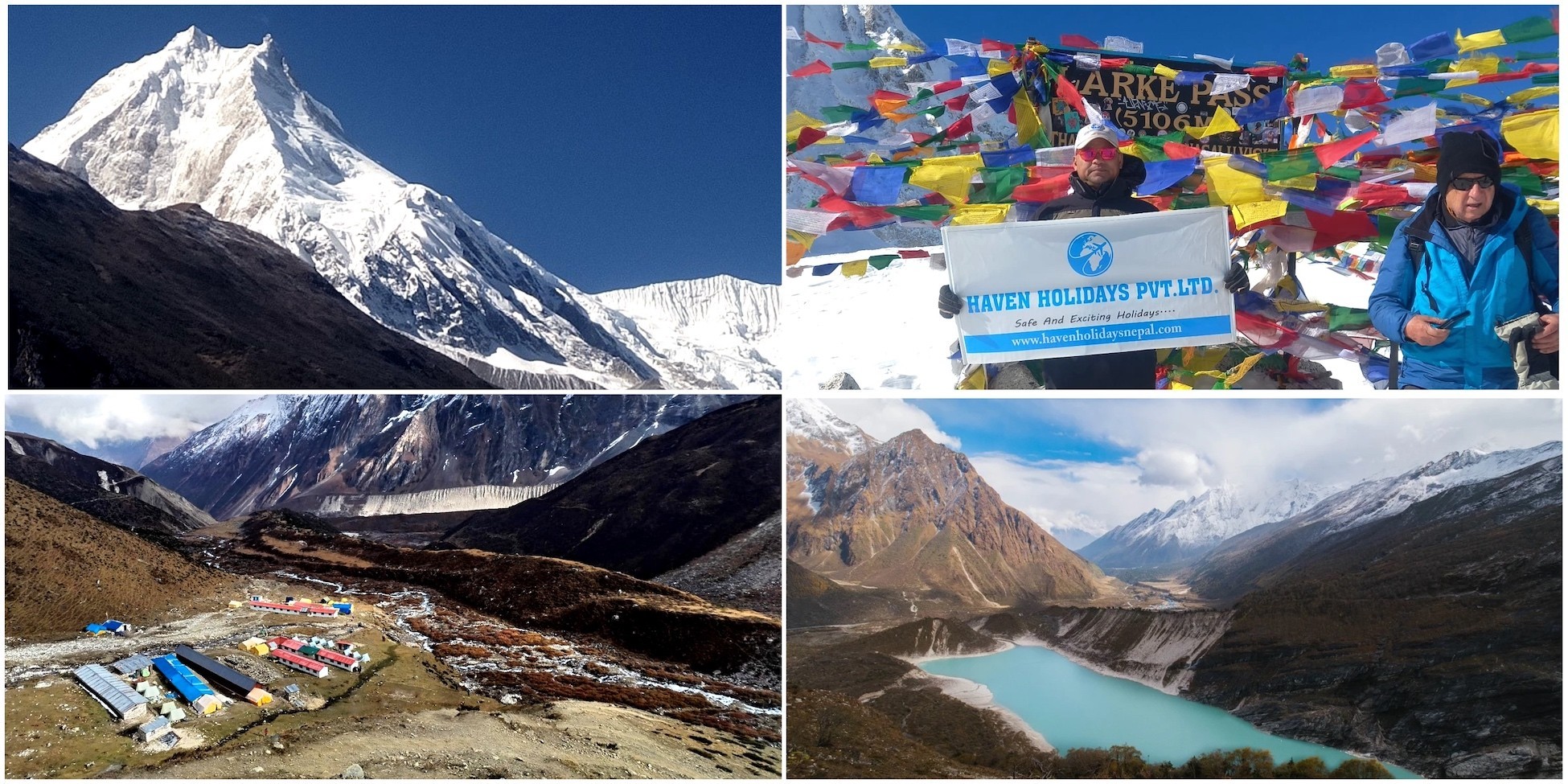
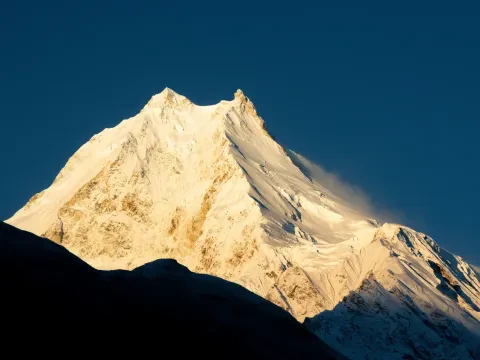
Meanwhile, the Manaslu Circuit Trek usually takes 14–16 days to complete and covers one of the highest peaks in the world, Mount Manaslu (8,163 m). Larkya La Pass (5,106 m) is one of the most spectacular high-altitude crossings in Nepal. It is essential to note that the Manaslu Circuit Trek is generally more challenging and requires good fitness and acclimatization. The good news is that you will be rewarded with fantastic photo opportunities and great views over the surrounding Himalayan peaks.
Key details of the Manaslu Circuit Trek at a glance :
In contrast to the Annapurna Circuit, the Manaslu Circuit Trail follows ancient trade routes along the Budhi Gandaki River. You will also enjoy the magnificent scenery of waterfalls cascading down sheer cliffs and wading through deep gorges. Dense forests of pine trees, rhododendrons, and bamboo gradually open up to alpine meadows and glaciers.
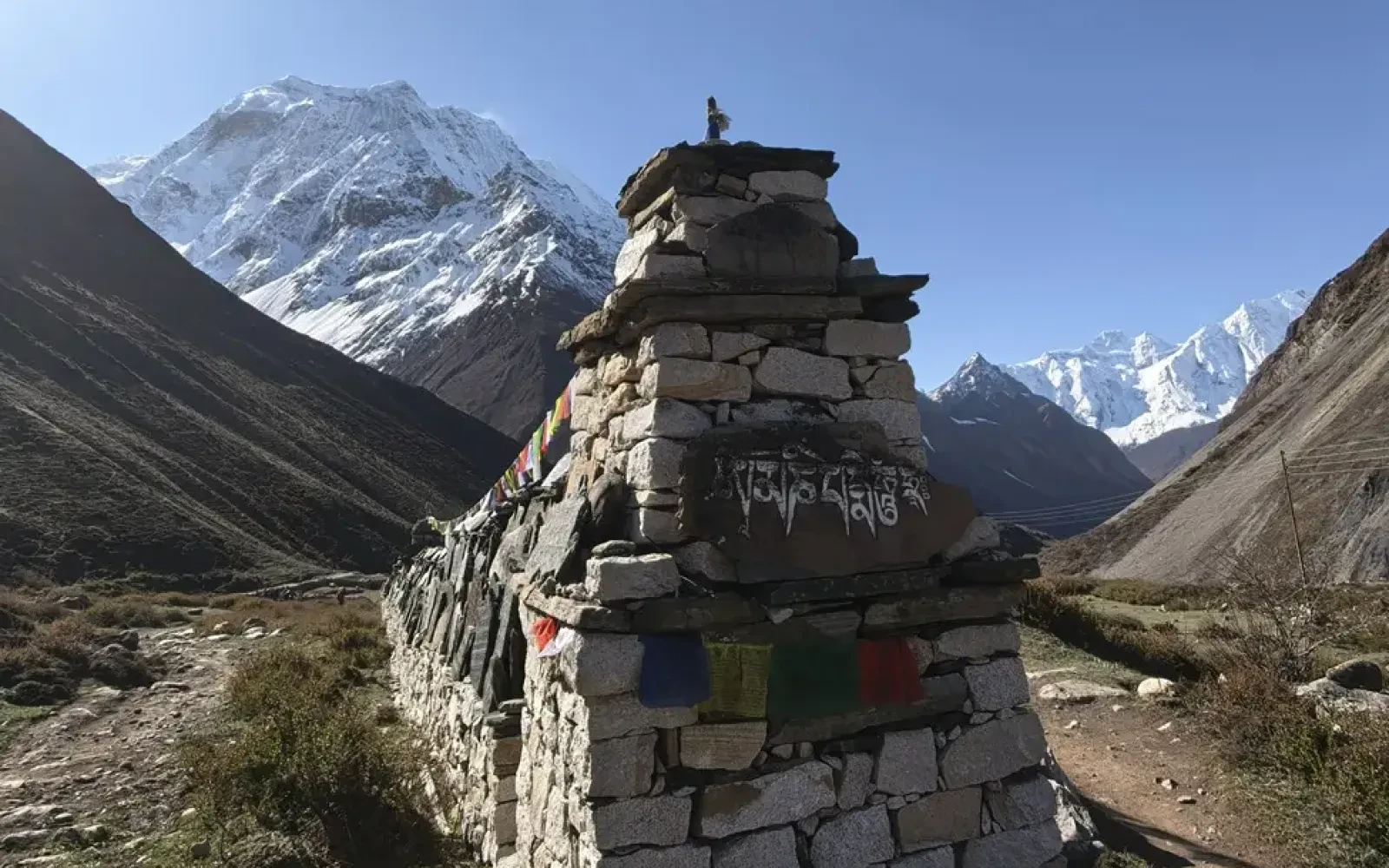
In fact, authentic Tibetan villages are another highlight of the Manaslu Circuit Trek. You will have a breathtaking view over the Himalayas while exploring the unique Tibetan Buddhist culture. The most picturesque villages to visit are Jagat (1,340 m), Deng (1,860 m), Namrung (2,660 m), Lho (3,180 m), Samagaon (3,530 m), and Samdo (3,875 m). Traditional mani walls, prayer flags, and prayer wheels can be seen everywhere. Monasteries cling to sheer mountain cliffs, and locals practice an ancient way of farming and Buddhist religion. This is one of the best ways to experience Tibetan culture in Nepal!
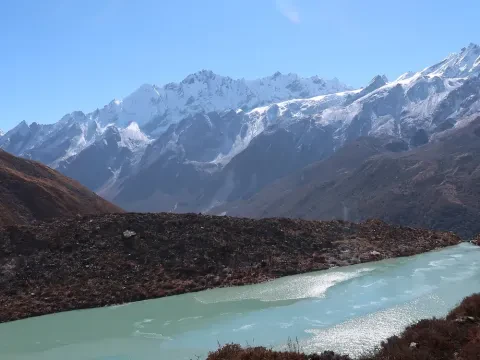
High above Samagaon, the trail offers spectacular mountainous views. Majestic peaks rise over deep gorges and snow-capped ridges. In front of you, from left to right, rise the Everest Range, Manaslu, Himalchuli, Ganesh Himal, Cheo Himal, Manaslu North, and Ngadi Chuli. The river flowing down from the glaciers mesmerizes with its clarity, while the wide ridges are dotted with yaks.
The Manaslu Circuit Trek offers more cultural diversity than the Annapurna Circuit and provides excellent opportunities for solitude and high-altitude Himalayan views. Fewer people make the trails less crowded and more enjoyable, despite the lack of tea houses compared to the Annapurna Circuit. Many are wondering whether Manaslu or Annapurna is better for a trekking adventure in Nepal. Both have their unique appeal, but the Manaslu Circuit Trek is becoming an increasingly popular choice among seasoned trekkers.
If you are looking for authentic cultural experiences and incredible wilderness, the Manaslu Circuit Trek is the one!
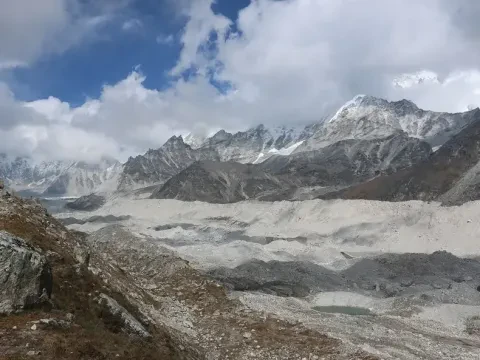
Crossing the Larkya La Pass (5,106 m) is arguably the highlight of the Manaslu Circuit Trek. Unlike other busy mountain passes in Nepal, the Larkya La crossing offers solitude, panoramic views of the surrounding snow-capped peaks, and miles of glaciers. This high-altitude trail has everything it takes to satisfy the most enthusiastic trekker! It is generally more challenging to hike than other passes in the region.
Larkya La Trek Details :
In fact, Larkya La Pass is the most spectacular pass in the Manaslu Circuit. Colorful flags flutter from the top of the pass, and beautiful views of the snow-capped peaks open up before your eyes.
The following mountains were visible from the pass:
Likewise, the Larke Pass crossing is one of the most unique experiences for any trekker in Nepal due to its dramatic beauty and remote and untouched location. Unlike other popular passes in Nepal, such as Thorong La in the Annapurna Circuit, Larke does not have any tea shops or crowded viewpoints. Fewer tourists venture to this pass, which makes the experience even more enjoyable. Imagine walking barefoot over a glacier while being surrounded by spectacular views of the Himalayas!
Moreover, the return journey to Bimthang (3,590 m) offers wonderful opportunities for photographs. The scenery is completely different from the way up to the pass. While walking down the slope, you will see massive glaciers, alpine meadows, and pine forests. The transition from one landscape to another takes place right before your eyes!
In conclusion, the Larke pass crossing is one of the most exciting highlights of the Manaslu Circuit Trek. Most trekkers consider it the pinnacle of their adventure due to the fantastic Himalayan scenery, unique cultural experiences, and spectacular high-altitude crossing. All these factors combined make the Manaslu Circuit Trek one of the best-kept secrets in Nepalese mountain travel.
Nar Phu is one of the hidden gems of Nepal that offer unique opportunities for trekking in the middle of Himalayas. Surrounded by high mountains on the north side of Annapurna Range, the valley was closed to the foreign trekkers for many years. It is still isolated from the rest of the world and offers fascinating experiences of medieval society and landscape of Tibetan style.
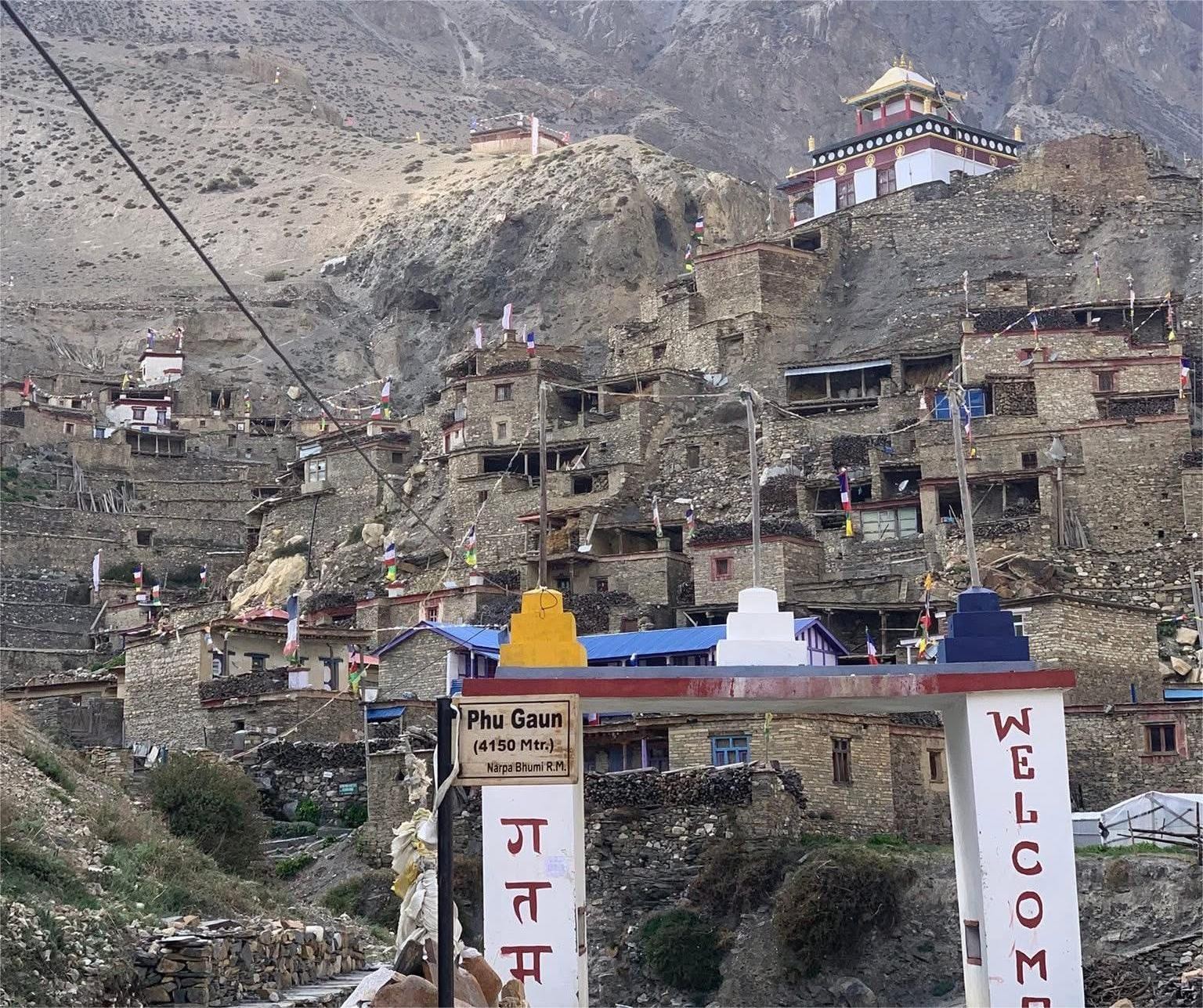
Meanwhile, Nar Phu valley trek is one of the exotic trekking trails of Nepal. This restricted area trek is an incredible adventure and offers an insight into the ancient culture and tradition of the mountain people. This trek usually takes a week to ten days if done as a solo expedition and about two weeks if you combine it with the Annapurna circuit. The trek reaches a maximum altitude of Kang La pass (5320 meters) linking the valley of Nar and Phu with the Annapurna region. It is a moderate to challenging trekking trail. Below are some of the important details about the Nar Phu valley trek.
Some Basic Info about Nar Phu Trek :
This trek starts from Koto (2610m) on Annapurna circuit trail and soon diverges from the main trail to reach the Phu khola valley through a narrow gorge. The landscape changes completely from the busy Annapurna circuit trail as we enter the narrow and deep gorge of the Phu valley.
Meanwhile, Nar Phu valley trek offers unique opportunities to explore the traditional Tibetan village. The ancient Tibetan style villages of Meta (3560 m), Kyang (3820m), Phu village (4080m), and Nar village (4110m) are well-preserved. The stone houses are built on the rocky cliffs while the local people are engaged in traditional farming activities. These unique villages are inhabited by people of Tibetan origin who lead a simple life.
Likewise, there are plenty of monasteries in these villages, and the locals follow the ancient Tibetan Buddhist traditions. You can also see the prayer flags, and long Buddhist prayer wheels at the monasteries. The local people carry out rituals of Tibetan Buddhism, and spin the prayer wheels at the mani walls with ancient inscriptions. You will also find the local people herding yaks, weaving woolen products, and growing barley at steep mountain slopes. All these are unique experiences offered by no other trekking trails in Nepal.
Moreover, the valley has beautiful Himalayan landscapes offering magnificent views of snow-capped peaks. Some of the prominent peaks in this region are Himlung Himal (7126m), Pisang peak (6091m), Annapurna II (7937m), Gangapurna (7455m), Tilicho peak (7134m), and (Chulu East 6584m) among others. There are also beautiful alpine meadows, glaciers, rivers, mountain ridges, yak pastures, and unique rock formations.
Here, the highlight of this trek is crossing the Kang La pass (5320m) to enjoy panoramic views of the Annapurna massif before descending down to the green valley of Ngawal. Altogether, this trek is a fantastic opportunity for nature lovers and photographers to capture the breathtaking views of the Himalayas.
Therefore, the Nar phu valley trek is highly recommended for those who want to explore the hidden medieval villages, and beautiful natural scenery of the Himalayas.
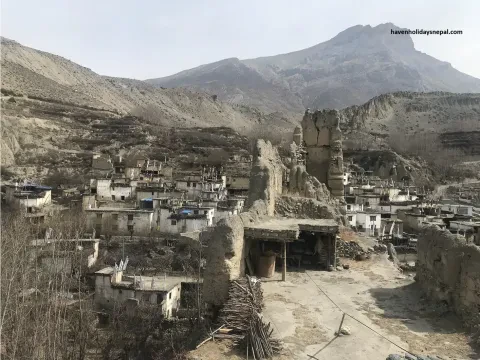
One of the reasons why most trekkers prefer the Nar Phu valley trek is that it is one of the most isolated trekking trails in Nepal where you can enjoy a great sense of solitude while trekking through breathtaking Himalayan landscapes. This trek is comparatively lesser known than the other popular trekking trails in Nepal. This trail also rarely gets crowded as compared to the other trails in the Himalayas. In a typical trekking season, there are rarely more than 500 trekkers in the valley at a time making it one of the least visited restricted trekking region in Nepal.
The fact that this valley hosts fewer number of trekkers per year is not surprising considering the following reasons.
| Factor | Impact |
|---|---|
| Restricted area permit | It is a restricted area requiring permit from the Nepalese government |
| Licensed guide | You have to hire a licensed guide from a trekking agency as independent trekking is not allowed. |
| Remote and isolated | It is a remote and isolated region accessible to only the determined trekkers. |
| High altitude | It involves high altitude trekking that demands good level of physical endurance. |
| Limited facilities | There are limited teahouse and other accommodation facilities compare to the other trekking trails. |
In fact, the most significant factor that limits the number of visitors in this region is the restricted area permit. This valley is a restricted area requiring special permit issued by the Nepalese government to all the trekkers and travelers. Independent trekking is not allowed in this region. This is the main reason that limits both local and foreign visitors in this region.
Another limiting factor is the availability of licensed guides. Licensed trekking guides are only available from the trekking agencies as independent guiding is not permitted by the government. Additionally, this trek is quite challenging and therefore requires professional and experienced guides.
Likewise, this trail is also remote and isolated and it involves crossing through a narrow gorge to enter the valley from the Annapurna circuit. This isolation factor also has an impact on limiting the number of tourists in the region.
Furthermore, this trek is a high-altitude trekking trail. The altitude reaches up to 5320 meters at Kang La pass. The high altitude makes this trek demanding and unsuitable for less fit trekkers. It also takes longer to trek up to the pass. Most trekkers prefer low altitude trekking trails that are easy and friendly to all ages and fitness levels.
Additionally, there are limited teahouse and accommodation facilities in the valley. The teahouse provide simple accommodation however, the facilities are not as good as compared to the other trekking trails in the Himalayas. Nevertheless, most trekkers appreciate the simple but comfortable stays offered in the region.
Furthermore, the remoteness, high altitude, fewer accommodation facilities, restricted area permit, and the need for professional guides combine together to limit the number of visitors in this beautiful region. You might even find yourself hiking for long hours with no signs of other trekkers on the trail. The only thing that will accompany you on this great adventure are the snow-capped peaks, mountain ridges, the ever-swooping eagles, and the little yaks wandering along the trail.
Therefore, if you wish to experience a spectacular trek through the remote mountainous region of Annapurna while avoiding the crowds of other trekkers, then Nar Phu valley trek is the best adventure for you.
The Kanchenjunga Base Camp Trek is one of the last wilderness adventures in Nepal. It takes you to the foot of the world’s third-highest mountain peak Kanchenjunga (8,586 m). While the Everest Base Camp trek attracts thousands of visitors every year only a few hundreds of hikers manage to make their way to Kanchenjunga Base Camp making this trek an adventurous one with a unique feel of isolation.
Additionally, this challenging trek takes you through untouched forests, offering a great view of the Himalayan mountain ridges as seen from the village at the foot of the mountain.
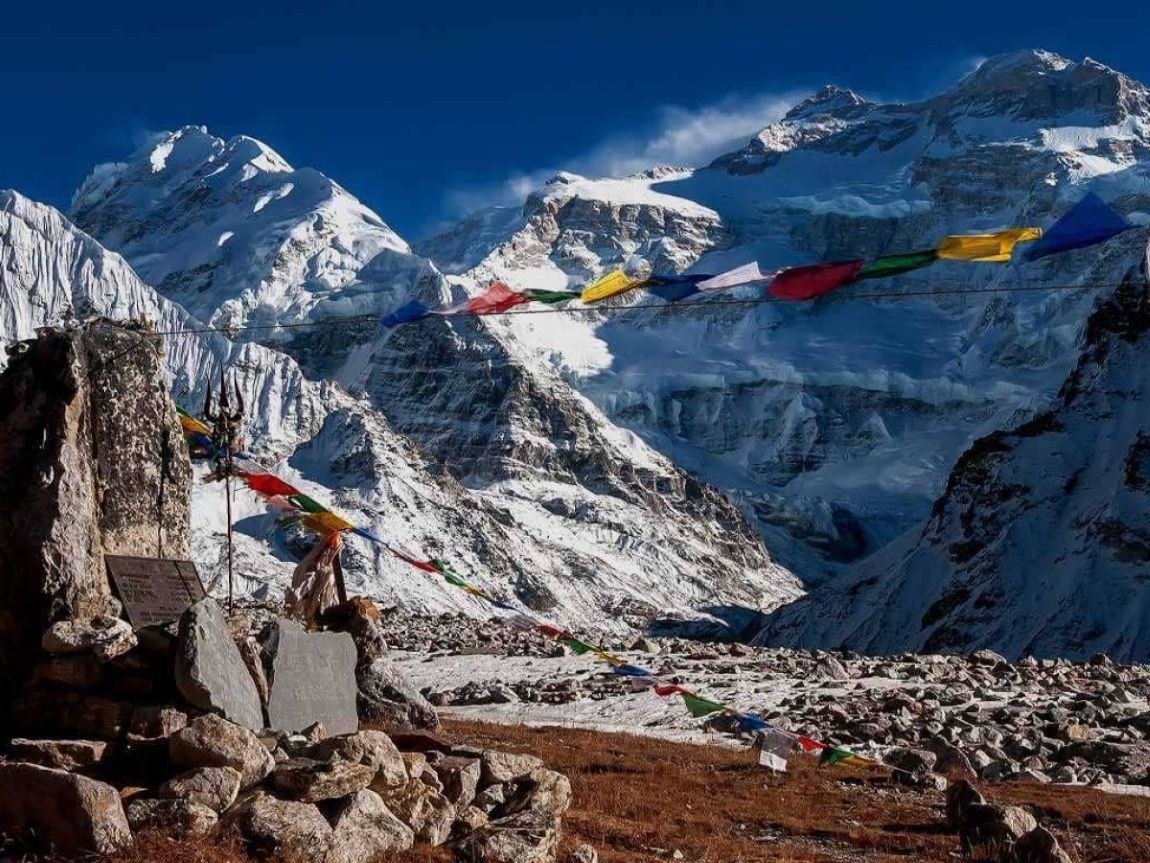
Meanwhile, Kanchenjunga Base Camp Trek normally takes 18 to 24 days to complete and passes through one of the largest protected areas in Nepal. The trail usually covers North Base Camp at Pangpema (5,143 m) and, if time allows, the South Base Camp at Oktang (4,730 m). This trek is suitable for hikers who desire a true wilderness adventure and have an interest in visiting isolated eastern Himalayan villages.
Kanchenjunga Base Camp Trek Facts :
Here, the Kanchenjungha trail passes through a wide range of beautiful landscape from subtropical forests to alpine meadows, glaciers, and moraine valleys as we make our way to the foot of the world’s third highest mountain peak.
Likewise, the Kanchenjunga Conservation Area is one of the regions in Nepal with the highest biodiversity. The area has a habitats for endangered plant and animal species including the snow leopard, red panda, and the Himalayan black bear. Likewise, it is also a land of musk deer, blue sheep, Himalayan tahr, and various bird species that has been able to thrive in their natural habitat due to the conservation efforts in the region.
Similarly, the trail also winds through traditional mountain villages inhabited by the Rai, Limbu, Sherpa, and Tibetan communities. These people retain their ancestral customs, lifestyles, and religions. The villagers are welcoming and hospitable and are always ready to give you a warm cup of tea in their family-run teahouses located miles away from the main trails.
[tyrip:kanchenjunga-base-camp-trek]
Moreover, the Kanchenjunga Himalayas provide a magnificent backdrop with peaks piercing the sky while glaciers cascade down the valley. Apart from the majestic Kanchenjunga peak (8,586 m), other beautiful mountains to view while on the trek include Jannu (7,710 m), Kabru North (7,338 m), Kabru South (7,318 m), Yalung Kang (8,505 m), Tent Peak (7,365 m), and several other glaciers that stretch from the ridges of Kanchenjunga.
A stay at the beautiful Pangpema allows you to experience a breathtaking view of the vast wilderness of the lower Kanchenjunga under a clear sky. The glaciers surrounding the North Base Camp are an amazing sight while the silence that echoes from the eastern Himalayas can hardly be compared to any other trekking trail in Nepal.
| Kanchenjunga Base Camp Trek | Everest Base Camp Trek |
|---|---|
| Few trekkers | Very crowded |
| Remote wilderness | Popular trekking route |
| Biodiversity | Abundant alpine life |
| Traditional village life | More developed tea houses and city life |
| Long our adventure | Shorter classic trek |
Kanchenjunga is a trek for those who seek adventure, solitude, and a chance to witness some of the most beautiful sights in the Himalayas.
Upper Dolpo, also referred to as the Land of the Snow Leopard, is one of the most remote hiking regions in the Himalayas. Nestled in western Nepal, Upper Dolpo has breathtaking landscapes and vibrant Tibetan culture. Surrounded by high mountains and remote valleys, the Upper Dolpo region has a unique wilderness that few travelers get an opportunity to experience. If you are an avid trekker looking for an expedition adventure in the heart of the mountains, the Upper Dolpo trek is an excellent choice.
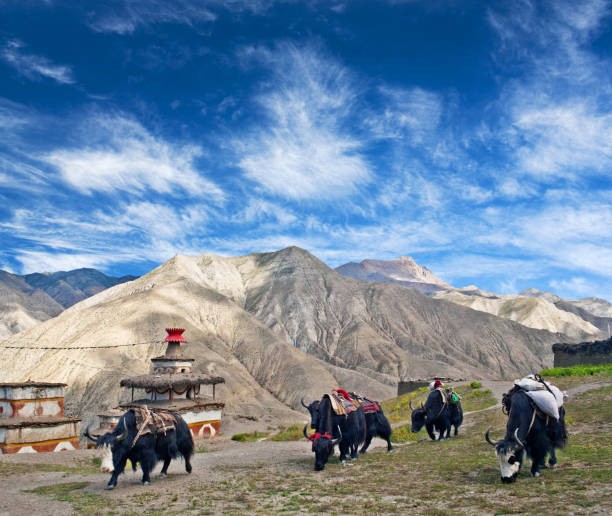
Meanwhile, Upper Dolpo is a region of extremes. The trek to the region’s remote hamlets and over high mountain passes is long and challenging and only open to travelers for a short window of time each year. Most trekking itineraries range between 18 and 24 days. In addition, Upper Dolpo has multiple high-altitude passes to cross, and its trans-Himalayan landscape is dotted with beautiful lakes, towering cliffs, and deep gorges.
Upper Dolpo Trek Facts :
Here, the highlight of the Upper Dolpo trek includes visiting the remote and beautiful Shey Phoksundo Lake (3,611 m). Surrounded by steep cliffs and snow-capped mountain ridges, Shey Phoksundo Lake is the deepest inland lake in Nepal. With its vibrant turquoise waters and stunning natural landscape, Shey Phoksundo Lake provides hikers with one of the most breathtaking views in the Himalayas.
Another fascinating aspect of Upper Dolpo is the ancient Shey Gompa (4,343 m), perched high in the Himalayas. Surrounded by prayer flags and mani walls, this heritage site is a major pilgrimage site for monks and is home to some of the most fascinating traditions in the region. Shey Gompa provides hikers with an insight into the spiritual and cultural practices of the local mountain community. In addition to the spectacular views and cultural heritage sites, Upper Dolpo trek offers hikers an opportunity to discover the region’s unique wildlife.
Moreover, the Upper Dolpo trail traverses some of the most spectacular mountainous landscapes in the world. Some of the natural wonders include the towering Dhaulagiri I (8,167 m), Kanjiroba Himal (6,883 m), Putha Hiunchuli (7,246 m), Churen Himal (7,385 m), and many other unnamed snow-capped peaks.
In fact, Upper Dolpo is also home to some of the rarest wildlife in the world, including the endangered snow leopard, blue sheep, Himalayan wolf, musk deer, Himalayan griffon, and golden eagle. While spotting a snow leopard in Upper Dolpo is an incredible experience, it is a rare occurrence. Nevertheless, the trails in Upper Dolpo take hikers through the natural habitat of these elusive feline creatures, giving them a once-in-a-lifetime wildlife experience.
Why Upper Dolpo is an Expedition Trek :
Similarly, the Upper Dolpo trek is an extraordinary wilderness experience that is best suited for hikers with extensive trekking and climbing experience. However, this high-altitude trek requires exceptional endurance and can only be undertaken by physically fit adventurers. As such, it is essential to hire a licensed and certified guide who can lead you through the remote mountain trails of Upper Dolpo while keeping you safe.
If you are an enthusiastic trekker interested in exploring one of the last great wilderness areas in the world, the Upper Dolpo trek is a must-do. From visiting the beautiful Shey Phoksundo Lake to experiencing the vibrant tradition of the region’s locals and spotting rare wildlife species like snow leopards and Himalayan wolves, Upper Dolpo is an incredible region to explore.
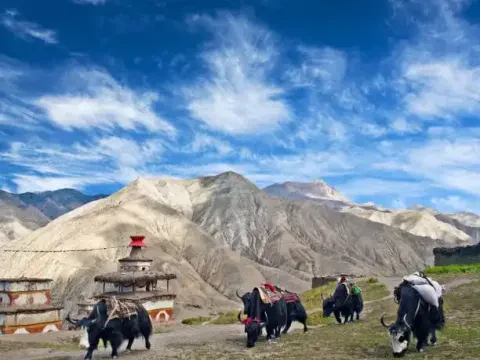
The Pikey Peak Trek is one of the ultimate hidden gems in Nepal that offers a chance to witness the Everest panorama (8,848.86 m) from a less crowded and challenging trail than the famous Everest Base Camp hike. The trek takes you through the Lower Solukhumbu region, immersing you in the beauty of mountainous landscapes, local Sherpa culture, dense forests, and cozy teahouses.
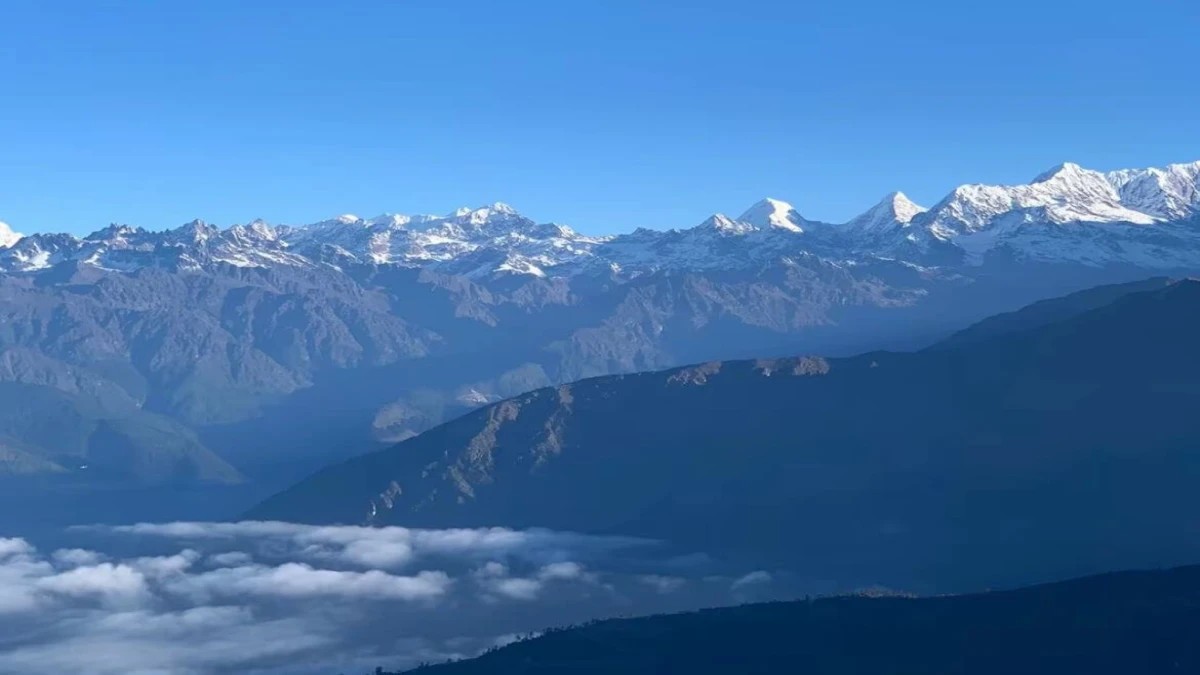
Here, you will find an incredible mix of Himalaya’s charm and comfort on your short Himalayan adventure. Pikey Peak Trek is a fantastic option for those who want to enjoy the Everest views and have only a short time to explore the region as the trek usually takes 5-7 days to complete. The highlight of the trek is the short and easy climb to the summit of Pikey Peak (4,065 m) offering one of the best sunrise views in Nepal. On a clear day, you can witness the Everest panorama spanning from Dhaulagiri (8,167 m) on the west to Kanchenjunga (8,586 m) on the east.
Pikey Peak Trek Facts :
Meanwhile, a short and easy teahouse trek without the hassle of the Lukla flight is one of the most enticing aspects of this trek. Instead of taking a risk-filled and often canceled Himalayan Air flight from Lukla to Kathmandu, you will be driving to Dhap (2,850 m) or Phaplu (2,413 m) and enjoying the breathtaking scenery en route. This trek also hosts a wide variety of cultural heritage sites such as ancient monasteries, family-run guesthouses, colorful prayer flags, fascinating chortens, and authentic Sherpa culture. You will pass through traditional Sherpa villages of Jhapre (2,815 m), Pikey Base Camp (3,640 m), Junbesi (2,700 m), and many more. The view on top of the Pikey Peak, however, steals the show as the sunrise gently paints the sky in bright colors, revealing a stunning panorama of the world’s highest mountain peaks.
With an elevation of 4,065 meters above sea level, the summit of Pikey Peak offers an unparalleled sight of the Everest massif, including Everest (8,848.86 m), Lhotse (8,516 m), Makalu (8,485 m), Cho Oyu (8,188 m), Numbur (6,958 m), Gaurishankar (7,134 m), and other peaks. Pikey Peak’s viewpoint has been popular among hikers due to Sir Edmund Hillary’s claim that it was his favorite place to view the Everest range.
Similarly, it is also a great alternative for those who desire an unforgettable short Everest trek without the long, tiring, and expensive Everest Base Camp expedition. Compared to the overcrowded trails and teahouses in the Everest region, the short and less-crowded hikes around the Pikey Peak are more enjoyable throughout the trekking season. You can also expect to have stunning views of the Himalayas while being surrounded by only a few other trekkers. The lower altitudes of the trail also ensure that you will have nothing but comfortable stays in local guesthouses.
Reasons to Choose Pikey Peak Trek :
If you are looking for the best viewpoint of the Everest without spending too much time and money on domestic flights and long hikes, the Pikey Peak Trek is most likely one of the best short and easy Himalayan adventures waiting for you in Nepal. This trek is a fantastic alternative for those who want unparalleled views of the Everest without the long, tiring, and expensive Everest Base Camp expedition. The Pikey Peak Trek immerses you in beautiful landscapes and authentic Sherpa culture while keeping you away from the chaotic trails and busy teahouses of the Everest region. The local guesthouses are comfortable, the trails are easy on your legs, and you will have an incredible sight of snow-capped mountains for most of your journey.
Even though the trek is short, it provides you with an unforgettable Himalayan experience and is perfect for families and inexperienced trekkers who seek adventure and an authentic cultural experience.
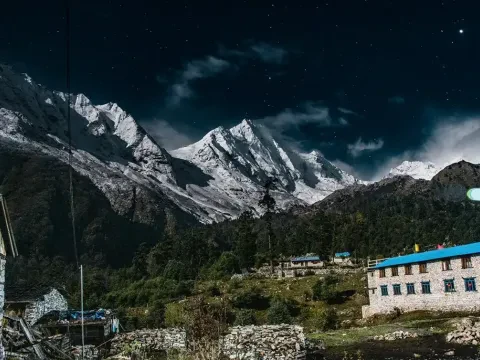
As mentioned earlier, there are plenty of fantastic lesser-known trekking routes in Nepal. However, most trekkers have limited time and resources, so they cannot afford to embark on multi-week long adventures. For example, while the Manaslu Circuit offers some of the best Himalayan scenery, it requires 14-18 days of intense trekking. In contrast, the Pikey Peak Trek is perfect for budget-conscious travelers with only a week to spare.
Before choosing less-crowded hiking trails, you should ask yourself the following four questions:
| Trek Name | Duration | Highest Altitude | Difficulty | Best For |
|---|---|---|
| Manaslu Circuit Trek | 14-18 days | Larke Pass (5,106 m) | Challenging | Cultural and adventure-seeking trekkers. |
| Nar Phu Valley Trek | 10-18 days | Kang La (5,320 m) | Challenging | Unique Tibetan-style villages. |
| Kanchenjunga Base Camp Trek | 18-24 days | Pangpema (5,143 m) | Very Challenging | Wildlife and nature lovers. |
| Upper Dolpo Trek | 18-24 days | Kang La (5,350 m) | Wild Adventure | Remote mountainous wilderness. |
| Pikey Peak Trek | 5-7 days | Pikey Peak (4,065 m) | Easy-Moderate | Short Himalayan adventure and Everest views. |
5-7 Days: Choose the Pikey Peak Trek if you want a short Himalayan adventure with tremendous Everest views without the hassle of domestic flights, challenging trails, and exhausting crowds.
10-18 Days: Choose the Nar Phu Valley Trek or Manaslu Circuit Trek for a moderate challenge and a chance to witness both unique Tibetan-style villages and stunning views of the Himalayas.
18-24 Days: Pick the Kanchenjunga Base Camp Trek or Upper Dolpo Trek if you are searching for the ultimate wilderness expedition.
| Fitness Level | Best For |
|---|---|
| Beginner | Pikey Peak Trek |
| Moderate | Nar Phu Valley Trek |
| Good | Manaslu Circuit Trek |
| Excellent | Kanchenjunga Base Camp Trek |
| Expert | Upper Dolpo Trek |
Choose Based on Your Travel Interests,
Best for Cultural Experiences:
Best for Mountainous Views:
Best for Complete Wilderness:
Best for Short Adventure:
Quick Comparison Table,
| Less-Crowded | Options |
|---|---|
| Everest views without crowds | Pikey Peak Trek |
| Unique Tibetan culture | Nar Phu Valley Trek |
| Challenging high-pass trekking | Manaslu Circuit Trek |
| Complete wilderness expedition | Kanchenjunga Base Camp Trek |
| Ultimate Himalayan experience | Upper Dolpo Trek |
As you can see, each trek has its unique characteristics, and different travelers will have different preferences. If you are a family or a beginner-level trekker searching for a short and easy adventure, the Pikey Peak Trek is unquestionably the best choice for your Himalayan escape.
In contrast, if you are an experienced trekker searching for the ultimate wilderness expedition, you may want to consider the Kanchenjunga Base Camp Trek or Upper Dolpo Trek. The Manaslu Circuit Trek and Nar Phu Valley Trek are excellent options for those who desire challenging high-altitude passes and authentic Tibetan villages.
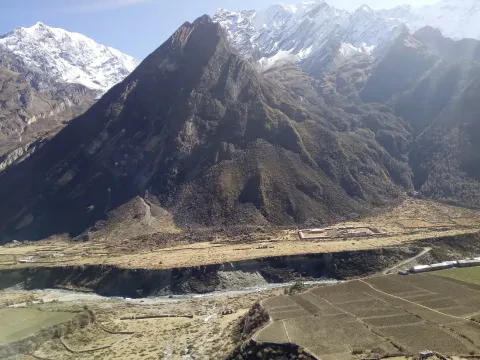
Planning ahead is crucial for exploring the remote trails of Nepal. From limited amenities to strict permit regulations and restricted transport options, the lesser-trodden paths of Nepal require more careful preparation than the established routes. However, the reward for venturing beyond the ordinary is a unique insight into the mountainous region and its culture, as well as spectacular Himalayan scenery.
Whether you are considering the Manaslu Circuit, Nar Phu Valley, Kanchenjunga Base Camp, Upper Dolpo, or Pikey Peak, here are a few essential planning tips to help you get the most out of your trek.
| Planning Item | Recommendation |
|---|---|
| Restricted Area Permits | Apply before the trek |
| Licensed Trekking Guide | Essential on restricted areas |
| Porter | Recommended for long Adventures |
| Travel Insurance | Essential with helicopter evacuation cover |
| Physical Preparation | 6–8 weeks training |
| Cash | Carry extra Nepalese Rupees |
| Buffer Days | 2–3 extra days for bad weather |
Get the Required Permits,
| Trek | Permits Required |
|---|---|
| Manaslu Circuit | Restricted Area Permit, Manaslu Conservation Area Permit, Annapurna Conservation Area Permit |
| Nar Phu Valley | Nar Phu Restricted Area Permit, Annapurna Conservation Area Permit |
| Kanchenjunga Base Camp | Kanchenjunga Conservation Area Permit, Restricted Area Permit |
| Upper Dolpo | Upper Dolpo Restricted Area Permit, Shey Phoksundo National Park Permit |
| Pikey Peak | No permit is required |
Always carry the printed copy of the permit since it needs to be shown at check posts.
Hire a Licensed Guide,
A licensed guide is mandatory for most of the restricted trekking regions of Nepal. Even for the routes that do not require a guide, hiring one can be a wise decision.
A trekking guide can assist you with:
A guide is mandatory for the restricted areas of Upper Dolpo, Nar Phu Valley, and Manaslu Circuit.
Pack Wisely for the High Altitude,
Packing the right equipment can make a huge difference at high altitudes.
Essential Gear Description :
Since there are limited shops in the remote mountainous region, it is essential to carry the necessary gear with you from Kathmandu or Pokhara.
Prepare Yourself for Limited Facilities
Compared to the Everest and Annapurna regions, most of the remote mountainous trails do not have the required facilities.
What to Expect :
Since most of the remote Himalayan trails do not have ATMs, it is essential to carry extra cash with you.
Allow Extra Days for the Contingency,
The mountainous weather is unpredictable, and there are frequent delays due to bad weather and road closures.
It is essential to have:
These contingency days can be utilized if there is a delay due to bad weather or any other emergency.
Respect the Local Culture
The local Himalayan village communities are traditional and conservative.
Responsible Trekking Etiquette :
Expert Tips for Remote Trekking in Nepal,
Tips Description :
With the right preparation, the remote Himalayan trails can be a fantastic adventure.
The best time to trek in Nepal’s less-traveled trails plays a significant role in deciding the kind of adventure you experience in the mountains. While Nepal is open for exploration all year, different seasons offer varying degrees of difficulty and different rewards. Fortunately, many remote trails in Nepal are less crowded throughout the year.
Here, most hikers find that the best time to trek in Nepal is during spring and autumn, which offer a combination of great weather and spectacular views of the Himalayas. If you are willing to embrace the challenges, the shoulder season can also be a fantastic time to explore the less-traveled trails of Nepal.
| Season | Months | Crowd | Weather | Recommendation |
|---|---|---|
| Spring | March–May | Moderate | Stable and warm | Excellent |
| Summer / Monsoon | June–August | Very Low | Wet except rain-shadow regions | Limited |
| Autumn | September–November | Moderate | Clear and dry | Best |
| Winter | December–February | Very Low | Cold but clear | Good for experienced trekkersCold but clear | Good for experienced trekkers |
Spring (March to May)
Spring is one of the best times to trek in Nepal, especially if you are looking for less-crowded trails.
During this season, the forest is covered with blooming rhododendrons, the temperature is pleasant, and the mountain views are clear. The wildlife is also at its best during this season.
| Day ( C) | Night C) | Elevation |
|---|---|
| 15–22 | 5–10 | 1,500–2,500 m |
| 8–15 | -2–5 | 3,000–4,000 m |
| -2–8 | -10–-15 | Above 5,000 m |
Benefits of Trekking in Spring :
Autumn (September to November)
Autumn is the best season for trekking in Nepal, especially for exploring the less-traveled trails.
Meanwhile, the skies are clear, the trails are dry, and the mountain views are at their best. Most high passes are free of snow, making it easier to cross them.
| Day | Night | Elevation |
|---|---|
| 16–23 | 6–10 | 1,500–2,500 m |
| 8–15 | -3–4 | 3,000–4,000 m |
| -5–5 | -10–-18 | Above 5,000 m |
Benefits of Trekking in Autumn :
Shoulder Seasons – The Hidden Secret,
If you are willing to embrace the challenges, the shoulder season can be an excellent time to explore the less-crowded trails of Nepal.
Early March,
There are fewer trekkers on the trails, fresh snow on the mountains, and gradually warming temperatures.
Late November,
The trails are less crowded, the weather is stable, and the views of the Himalayas are spectacular. This is an excellent time to enjoy cooler temperatures and clear mountain views.
Winter (December to February),
Nepal in winter is a land of silent beauty. While most of the lower trails such as Pikey Peak are perfect for winter trekking, the higher Himalayan trails such as Manaslu and Kanchenjunga can also be explored by the more experienced trekkers.
Benefits of Trekking in Winter :
Monsoon (June to August),
The rainy season in Nepal is not suitable for trekking, as most trails are washed away by heavy rains. However, some of the rain-shadow regions such as Upper Dolpo, Upper Mustang, Nar Phu Valley, and Manang are relatively drier and can be explored during the monsoon season.
| Trek | Best Time |
|---|---|
| Manaslu Circuit | Late September–November, March–May |
| Nar Phu Valley | October–November, April–May |
| Kanchenjunga Base Camp | April–May, October–November |
| Upper Dolpo | May–October |
| Pikey Peak | March–May, October–November |
Final Recommendation,
If you are looking for the best time to trek in Nepal’s less-traveled trails, consider visiting during the shoulder season of late September, early November, April, and early May. These months offer great weather, beautiful mountain views, and relatively fewer crowds than the peak season.
Choosing to pursue more peaceful trails in Nepal offers a unique opportunity to experience the mountains in a different way. Instead of rushing to popular trails to meet other hikers, you can relax and enjoy the local ecology and community. These experiences can leave a deeper impression on the traveler who is seeking something more than a standard Himalayan trekking circuit.
Whether it is the Manaslu Circuit, Nar Phu Valley, Kanchenjunga Base Camp, Upper Dolpo, or Pikey Peak, every remote trail offers a distinct opportunity to have a more authentic Himalayan experience.
| Benefits | Description |
|---|---|
| Peace and solitude | Discover a side of Nepal that is much less crowded. |
| Authentic culture | Get to know local communities in a more personal way. |
| Better photography | Get amazing pictures with fewer people in the background. |
| Rich wildlife | Enjoy unique Himalayan wildlife. |
| Adventure and satisfaction | Feel more accomplished by exploring less-trodden paths. |
| More flexibility | Avoid busy teahouses and overused trails. |
| Sustainable tourism | Support local communities in a meaningful way. |
One of the most important benefits of a less crowded trekking route is the opportunity to enjoy the peace and solitude of the Nepali mountains.
Instead of hearing the chatter of other hikers, you can listen to the sounds of nature:
This is a great opportunity to appreciate the beauty of the Nepali landscape in a more authentic way.
Connect with Authentic Local Culture,
Remote Himalayan trails are the perfect place to discover the cultural heritage of Nepal.
Importantly, you can visit traditional Tibetan Buddhist monasteries and admire the ancient mani walls. You can also get to know the local people and their centuries-old way of life. Because there are fewer tourists, the people you meet will have more time to share their lives with you.
Enjoy Better Mountain Photography
If you want to take amazing pictures of the Nepali mountains, a less popular trekking route is the best choice.
The advantages include:
Photographers tend to prefer remote trails because they offer the best Himalayan vistas that are not filled with other hikers.
Discover Untouched Himalayan Nature,
Many lesser-known trekking routes in Nepal lead through conservation areas.
You can enjoy the beauty of untouched nature while seeing rare wildlife:
Fewer visitors means that these delicate ecosystems are better protected from human impact.
Support Remote Communities,
When you choose a less popular trekking route in Nepal, your money will support local communities.
The people in these remote villages and towns benefit greatly from your visit:
This is a great way to enjoy authentic Himalayan adventures while contributing to the local economy.
| Popular Trek | Less-Crowded Alternative |
|---|---|
| Everest Base Camp | Pikey Peak |
| Annapurna Circuit | Manaslu Circuit |
| Annapurna Base Camp | Nar Phu Valley |
| Popular Everest Route | Kanchenjunga Base Camp |
| Popular Mustang Areas | Upper Dolpo |
Emotional Rewards of Quiet Trekking,
Many hikers who have chosen a remote trekking route in Nepal say that it is the most rewarding Himalayan adventure they have ever experienced. The opportunities for solitude and authentic cultural encounters can leave a deeper impression than a crowded trek to Everest Base Camp.
The highlights of a less popular trekking route often include:
These are the experiences that will stay with you long after you return from your Himalayan adventure.
Why Choose a Less-Crowded Trail?
In conclusion, the most important reward of a less crowded trek is that you can experience the Nepali mountains as they have been for centuries: authentic and untamed.
Nepal has much more to offer than the usual trekking routes. If you want to go beyond the ordinary and explore the lesser-known aspects of this spectacular Himalayan country, you can enjoy a more authentic adventure on a less crowded trekking route.
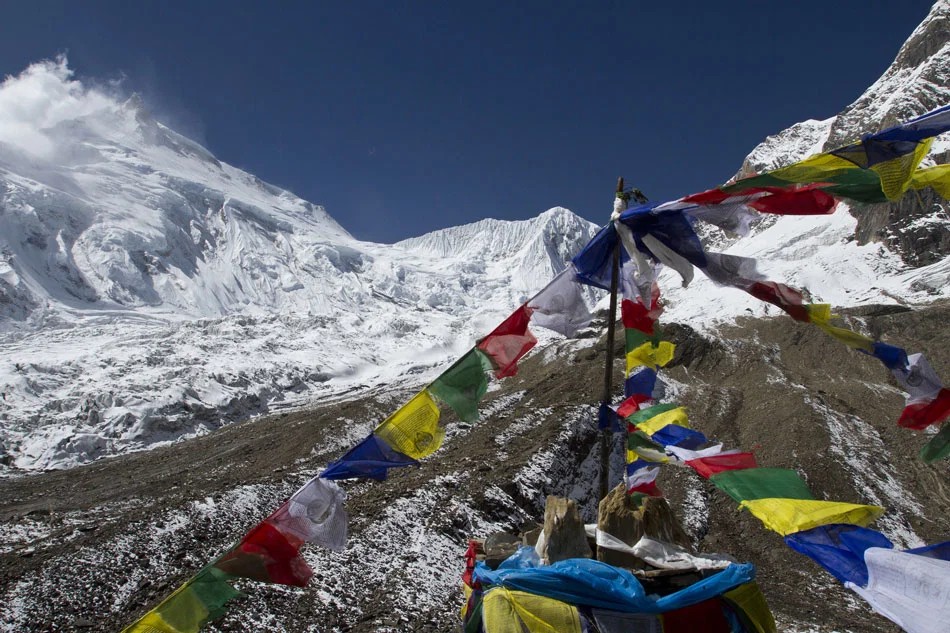
Whether you want to cross the challenging Larkya La Pass (5,106 m) on the Manaslu Circuit, discover the ancient culture of the Nar Phu Valley, view the towering peak of Kanchenjunga (8,586 m), explore the pristine wilderness of Upper Dolpo, or enjoy the sunrise from Pikey Peak (4,065 m), every remote trail in Nepal offers amazing opportunities to have an extraordinary Himalayan adventure.
| Wanderlust Goals | Best Trek in Nepal |
|---|---|
| Classic high-pass adventure | Manaslu Circuit Trek |
| Ancient Tibetan culture | Nar Phu Valley Trek |
| Ultimate wilderness | Kanchenjunga Base Camp Trek |
| Remote Trans-Himalayan landscapes | Upper Dolpo Trek |
| Short Everest views | Pikey Peak Trek |
Why Choose Hidden Himalayan Trails?
Before You Go,
Make sure you have everything you need for your remote Himalayan adventure.
Choose the right season :
Why Trek with Haven Holidays Nepal?
A local expert guide can make a big difference on your remote Himalayan trek.
With Haven Holidays Nepal, you will benefit from:
Start Planning Your Hidden Himalayan Adventure,
The world's most popular trekking trails will always be busy, but the remote trails in Nepal offer unique opportunities to have a more authentic Himalayan experience. If you are looking for a deeper cultural connection and breathtaking natural beauty, it is the perfect time to explore Nepal's hidden trails.
Your Next Steps :
Finally, the untouched beauty of the Nepali mountains is waiting for you. Plan your less-crowded Nepal trek and discover the authentic Himalayas. Contact us if you require anything more about less crowded trekking in Nepal at anytime.
1. What are the top 5 less-crowded treks in Nepal?
The top 5 less-crowded treks in Nepal include the Mardi Himal Trek, Khopra Danda Trek, Mohare Danda Trek, Nar Phu Valley Trek, and Ruby Valley Trek. These secluded hiking trails are famous for their remote beauty, cultural heritage, and majestic Himalayan views. The trails are less traveled, making it an ultimate destination for hikers who want to enjoy a tranquil Himalayan adventure and avoid the crowding of Everest Base Camp or Annapurna Base Camp trekking routes. Moreover, these trails are best explored during the spring and autumn seasons and offer unique cultural experiences and photo opportunities for nature lovers and wildlife photographers. Overall, these are the best hiking trails in Nepal for an authentic Himalayan trekking experience.
2. Why should I choose a less-crowded trek in Nepal?
Opting for a less-crowded trek in Nepal means embarking on a Himalayan adventure with minimal crowds, discovering cultural heritage, and capturing extraordinary mountainous views and wildlife photos. Isolated trails allow hikers and trekkers to interact with locals and have an authentic Himalayan travel experience. Additionally, these remote trails provide unrivaled photo opportunities and a chance to witness natural beauty and diverse wildlife. These lesser-known hiking trails are perfect for those who want to have a unique travel experience and explore Nepal’s hidden gems beyond the usual trails.
3. Which is the best less-crowded trek in Nepal for beginners?
The Mardi Himal Trek is one of the easiest less-crowded treks in Nepal, best-suited for first-time trekkers. This trail offers beautiful forest landscapes, spectacular views of Machhapuchhre, Annapurna South, and Hiunchuli peaks, and comfortable teahouses along the trail. Moreover, it provides a short trekking adventure with picturesque natural scenery and short but steep hikes, making it a fantastic short Himalayan trekking experience for novice adventurers.
4. Is the Khopra Danda Trek less crowded than Poon Hill?
Yes, the Khopra Danda Trek is less crowded than the famous Poon Hill Trek. The isolated trail offers spectacular panoramic views of the Annapurna range, including Dhaulagiri, Nilgiri, and Annapurna South peaks. Furthermore, it provides an incredible sightseeing opportunity over the sacred Khayer Lake and allows hikers to explore local culture, remote mountainous landscapes, and traditional teahouse hospitality. Hence, the Khopra Danda Trek is a perfect choice for nature lovers and those who seek remote trails and cultural interactions while trekking.
5. What makes the Nar Phu Valley Trek unique?
The Nar Phu Valley Trek encircles the breathtaking Himalayan landscape and takes hikers through remote Tibetan villages inhabited by locals who follow traditional lifestyles. This trail is less traversed, making it an excellent option for those who desire authentic cultural interactions while trekking. Moreover, Nar Phu Valley has dramatic canyons, mountain peaks, and ancient monasteries and crosses the Kang La pass at 5320 meters above sea level. Hence, it is one of Nepal’s best-kept secrets, providing an ultimate Himalayan trekking adventure.
6. Which season is best for less-crowded treks in Nepal?
The best seasons for less-crowded treks in Nepal are Spring (March to May) and Autumn (September to November). During these periods, hikers can witness splendid Himalayan landscapes and panoramic mountainous views without encountering heavy crowds. However, the trail can be even more deserted if one opts to trek during early spring or late autumn. Overall, these seasons provide fantastic opportunities for nature lovers and photographers while offering pleasant weather conditions for trekking in the Himalayas.
7. Are less-crowded treks in Nepal safe?
Yes, most isolated trails in Nepal are reasonably safe for hiking and trekking. However, hiring a professional and certified trekking guide can ensure a better Himalayan adventure. The guides offer valuable insights regarding weather forecasts, necessary gear, and appropriate acclimatization processes before commencing the trek. Moreover, professional guides and agencies provide emergency services and essential arrangements for remote Himalayan expeditions. Therefore, hiring a reliable trekking companion can make one’s adventure through the isolated trails of Nepal pleasant and safe.
8. Do I need permits for less-crowded treks in Nepal?
Permits are required for most of the lesser-known trekking trails in Nepal. Therefore, it is essential to carry all necessary documents for hassle-free and responsible trekking in the Himalayas. Additionally, permits help preserve Nepal’s pristine natural beauty and cultural heritage. Thus, it is crucial to apply for permits from relevant authorities to ensure a sustainable trekking experience in Nepal.).
9. Which less-crowded trek offers the best mountain views?
The Khopra Danda Trek offers the best views of the Himalayas among all less-crowded trekking trails in Nepal. The trail boasts magnificent panoramic views of the Annapurna range, including Annapurna I, II, and III and Nilgiri, Dhaulagiri, and Annapurna South peaks. Also, sunrise and sunset views from Khopra ridge are extraordinary, making this trek one of the best photography destinations in Nepal. Consequently, the Khopra Danda Trek is a must-trek for nature lovers and Himalayan range photographers.
10. Can beginners complete the Mohare Danda Trek?
Yes, the Mohare Danda Trek is suitable for everyone, including novice trekkers. The trail is relatively short and easy with spectacular views of the surrounding mountain peaks and beautiful dense forests. Moreover, the trek offers an ultimate cultural experience as hikers walk through traditional Magar villages on their way to the summit. Finally, the Mohare Danda Trek provides a chance to view splendid Himalayan landscapes without encountering heavy traffic. Thus, it is an amazing opportunity for first-time adventurers and culture enthusiasts.
11. How difficult are the top 5 less-crowded treks in Nepal?
The difficulty level varies for each of the top 5 less-crowded treks in Nepal. For instance, the Mardi Himal Trek and the Mohare Danda Trek are relatively easy compared to other isolated trails. In contrast, the Khopra Danda Trek entails a moderate level of difficulty, whereas the Nar Phu Valley Trek is considered strenuous and requires previous trekking experience. Hence, it is essential to evaluate one’s own trekking skills and conditions before embarking on a Himalayan adventure through less-crowded trails.
12. Are guides recommended for less-crowded trekking routes in Nepal?
Yes, guides are highly recommended for trekking through lesser-known trails in Nepal. First, expert guides offer valuable insights about the local culture and traditions and facilitate authentic cultural interactions with locals. Secondly, trekking guides ensure safety throughout the adventure, particularly on isolated trails that require professional guidance. Overall, guides are crucial for a pleasant and memorable Himalayan trekking experience through less-crowded routes.
13. What accommodation is available on less-crowded treks?
Most of the lesser-known trekking trails in Nepal offer traditional teahouses and community guesthouses as the primary accommodation options. Therefore, hikers and trekkers should expect a rustic and simple but comfortable stay in the Himalayan region. Moreover, the teahouses provide traditional local Nepalese cuisine. However, the community-run guesthouses may offer different meals, so it is advisable to carry necessary medication in case of special dietary needs. Finally, some of the isolated trails may have limited accommodations, so it is crucial to make appropriate arrangements before commencing the trek.
14. What wildlife can I see on less-crowded treks in Nepal?
Less-crowded treks in Nepal take hikers and trekkers through natural habitats and conservation areas, offering an unparalleled wildlife experience. Some of the rare wildlife species that can be spotted on these trails include the Himalayan Monal, musk deer, Himalayan Thar, and langur, among others. The trails also boast dense forests with vibrant flowers and diverse bird species, making these isolated paths perfect for nature lovers and wildlife photographers. Hence, these treks offer a unique opportunity to explore Nepal’s biodiversity and contribute to its conservation.
15. Are less-crowded treks more expensive than popular treks?
No, most of the lesser-known trekking trails in Nepal are comparably priced with popular hiking routes. However, some of the remote trails such as Nar Phu Valley Trek require special permits, making them slightly expensive than regular treks. Additionally, the cost of less-crowded treks depends on the duration of the hike or trek, which varies depending on the trail selected. For instance, the Mardi Himal Trek and the Mohare Danda Trek are relatively short and, therefore, cheaper than other isolated trails. Consequently, several less-crowded trekking routes in Nepal offer affordable Himalayan adventure.
16. Which less-crowded trek is best for photography?
The Mardi Himal Trek is renowned for its best scenic views, making it one of the best photography destinations in Nepal. This trek offers panoramic views of the Machhapuchhre peak and the surrounding ridges and valleys. In addition, hikers and trekkers can capture spectacular sunrise views over the Machhapuchhre range. Finally, the trail is relatively less-crowded, making it perfect for photography enthusiasts who want to explore the Himalayas while capturing incredible landscape photos. Hence, the Mardi Himal Trek is an excellent option for those who desire unparalleled Himalayan photography opportunities.
17. Can I do less-crowded treks independently?
Less-crowded trekking trails are accessible to independent adventurers who want to explore the Himalayas beyond the usual trails. However, some remote trails require a professional guide or have restricted access and can only be accessed with special permits. Therefore, independent hiking and trekking through less-crowded trails require prior research and knowledge of the specific trail’s conditions. Consequently, engaging a professional trekking guide can enhance one’s Himalayan adventure while providing better safety and cultural insights.).
18. How many days do the less-crowded treks in Nepal require?
The less-crowded trekking trails in Nepal vary in terms of duration. Most of these treks require between 5 to 14 days of hiking or trekking. For instance, the Mardi Himal Trek entails a 5-day adventure, whereas the Mohare Danda Trek spans 5 to 6 days. In contrast, the Khopra Danda Trek, Ruby Valley Trek, and Nar Phu Valley Trek require 7 to 10 days, 7 to 10 days, and 10 to 14 days, respectively. Therefore, hikers and trekkers need to consider the duration before selecting the most appropriate trail.
19. What should I pack for less-crowded treks in Nepal?
Hikers and trekkers should carry appropriate clothing, sturdy trekking gears, and equipment for an unforgettable Himalayan adventure on less-crowded trails in Nepal. Some of the essential items to consider include layered clothing, a reliable water bottle or hydration pack, trekking sticks, an electric kettle, a sleeping bag, a headlamp, and medications. Lastly, it is advisable to carry a reusable water bottle for drinking and cooking and a power bank for keeping electronic devices charged during the expedition.
20. Why are less-crowded treks becoming popular in Nepal?
The best less-crowded treks in Nepal are becoming popular because they offer authentic cultural interactions and unparalleled Himalayan vistas while providing a sustainable tourism alternative to the heavily-visited trails. These isolated trails allow hikers and trekkers to embrace traditional cultures and lifestyles and contribute to the conservation of the local environment. Additionally, these lesser-known trails offer a unique travel experience, helping minimize the adverse impact of tourism on the local ecosystem. Therefore, the popularity of less-crowded treks is rising as people become more conscious of the need to promote responsible and sustainable trekking practices in Nepal.
Our travel experts are ready to assist you with any questions.
Send us a message.Have a question before you book? Send your enquiry below and our travel experts will get back with the required information.