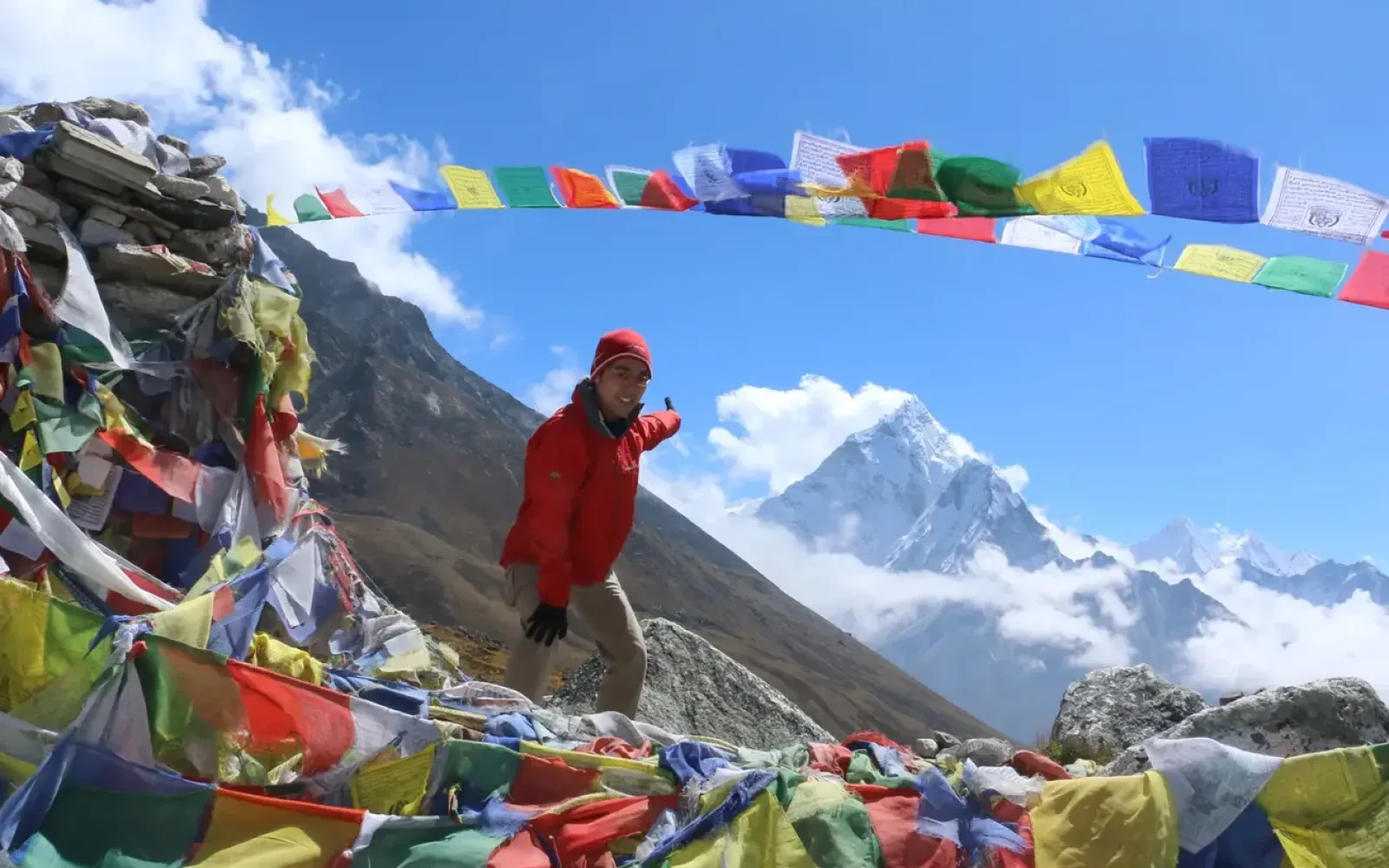
Trekking in Nepal 2027 will require more careful planning due to potential changes in permit systems, guide requirements, transportation arrangements, and local procedures, so it is worth checking the latest government rules before your departure instead of consulting older blogs or outdated trekking information.
Here, one of the significant changes is the growing use of digital e-TIMS, which trekking agencies will obtain online and issue with an electronic QR card. The Nepal Tourism Board currently lists a NPR 2,000 TIMS fee for non-SAARC trekkers and NPR 1,000 for SAARC trekkers, though 2027 fees should be reconfirmed.
Actually, the current system also requires licensed trekking guides on numerous major routes, including Everest Base Camp, Annapurna Circuit, Manaslu, Langtang, Mardi Himal, and several other protected-area routes, so independent trekking is no longer the easy option on many popular routes.
Key Nepal Trekking Updates to Watch for 2027 :
| 2027 Planning Area | What Trekkers Should Expect |
|---|---|
| e-TIMS | Digital card with QR code through agencies |
| Licensed Guide | Mandatory on designated routes |
| National Parks | Separate entry permits may apply |
| Local Areas | Municipality permits may apply |
| Restricted Areas | Special trekking permits required |
| Flights | Airport and schedule can vary seasonally |
| Safety | Acclimatization and insurance remain essential |
Meanwhile, Nepal has an enormous variety of trails, from accessible foothill walks to more challenging routes above 5,000 m, but elevation, weather, transportation, and regulations can significantly influence your Nepal Himalayas travel guide and overall trekking plan.
For planning a Nepal trek 2027, the official government information and a registered local trekking agency are the best references to use, and most importantly, confirm permits, guide requirements, flight arrangements, insurance, and trail conditions shortly before your trek.
Do you need a licensed guide for trekking in Nepal in 2027? For many major trekking routes, the current rule is yes, since Nepal Tourism Board requires trekkers on designated routes to travel with a licensed guide and get an agency-issued TIMS card.
Here, the current list includes Everest Base Camp, Gokyo, Three Passes, Annapurna Circuit, Poon Hill-ABC, Mardi Himal, Manaslu Circuit, Langtang Valley, Tamang Heritage, Kanchenjunga, Makalu, and several other routes, so travelers should check their exact itinerary instead of assuming that every trail has identical requirements.
What the Current Trekking Rules Require ?
| Requirement | Current Position | 2027 Advice |
|---|---|---|
| Licensed Guide | Required on designated routes | Confirm before booking |
| e-TIMS | Agency-issued digital card | Check latest procedure |
| National Park Permit | Required where applicable | Confirm current fee |
| Local Permit | Applies in several areas | Check route-specific rules |
| Restricted Permit | Required in designated zones | Arrange through authorized agency |
| Passport | Required travel document | Carry valid original |
Here, “Solo” does not necessarily mean “without a guide” under Nepal's current trekking framework, so if your chosen route falls under the mandatory-guide system, you may travel as a solo client with a licensed guide, but still need to follow the applicable agency and permit requirements.
Meanwhile, restricted-area trekking has additional controls since these regions are considered sensitive for security and management reasons, and the Department of Immigration currently states that restricted-area trekking permits are issued through registered trekking agencies, but its online system also provides an individual permit-request interface, so travelers should not interpret that interface as permission to trek independently.
For example, current restricted-area regulations cover destinations such as Manaslu, Upper Mustang, Upper Dolpo, Humla, and parts of Taplejung and Sankhuwasabha, and permit fees and documentation vary by region and season, so these should be checked directly with the Department of Immigration before a 2027 trek.
Ultimately, the safest approach is to book through a government-registered trekking agency that can verify the latest guide, TIMS, permit, and local registration requirements, which is especially important since Nepal trekking rules 2027 may be revised before the season begins.
Does it make more sense to choose teahouse or remote wilderness trekking in Nepal in 2027? This depends greatly on your preferred comfort level, trekking experience, budget, and desire for crowd interaction or isolated settings
Meanwhile, teahouse trekking in Nepal 2027 remains the easiest choice for most first-time visitors due to well-established trail infrastructures containing accommodations, dining facilities, and basic amenities at most stops.
In addition, classic trails like Everest, Annapurna, Langtang, and Upper Dolpo offer a variety of teahouse stays, mess halls, Wi-Fi availability, and even hot showers at many of their major settlements along the way (although these become sparser at higher altitudes).
| Feature | Teahouse Treks | Remote/Wilderness Treks |
|---|---|---|
| Accommodation | Lodges and guesthouses | Guesthouses or tents |
| Meals | Lodge restaurants | Cooked by local team |
| Wi-Fi | Available on popular routes | Limited or unavailable |
| Hot Showers | Often available for a fee | Usually limited |
| Electricity | Usually available | May require solar systems |
| Luggage | Porter-supported | Porter-supported |
| Crowds | Higher on classic routes | Much lower |
| Cost | Moderate | Usually higher |
| Support | Easier logistics | More self-contained |
Popular Teahouse Trekking Features :
In fact, remote Himalayan treks usually require more extensive preparation since settlements and amenities can be days of travel apart. This means that camping gear, fuel supplies, and even portable cooking stoves must often be transported along with you during your trekking adventure.
Likewise, Upper Dolpo, Kanchenjunga, Makalu, southern Manaslu, and other similar regions represent fantastic options if you want a true wilderness experience that involves fewer accommodations and amenities than classic teahouse trails.
At the same time, these particular remote Himalayan treks might also involve special permits, registered agencies, licensed local guides, and other unique considerations. In the end, both teahouse and remote trekking options possess their own distinct advantages and disadvantages.
Therefore, choose teahouse trekking Nepal 2027 for its accessibility and comfort or opt for a remote wilderness experience for its solitude and authenticity.
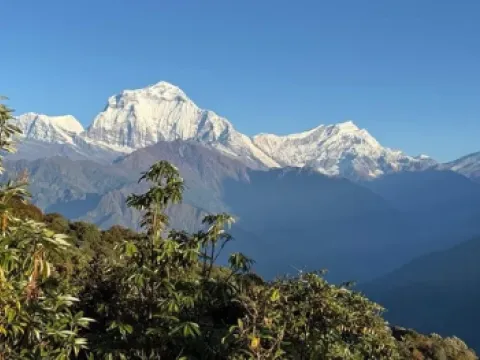
Is the Everest Base Camp Trek 2027 right for you? If you want incredible Himalayan views, Sherpa culture, Buddhist monasteries, and a true adventure reaching the foothills of the world’s highest peak, then this particular trekking adventure should definitely be on your bucket list.
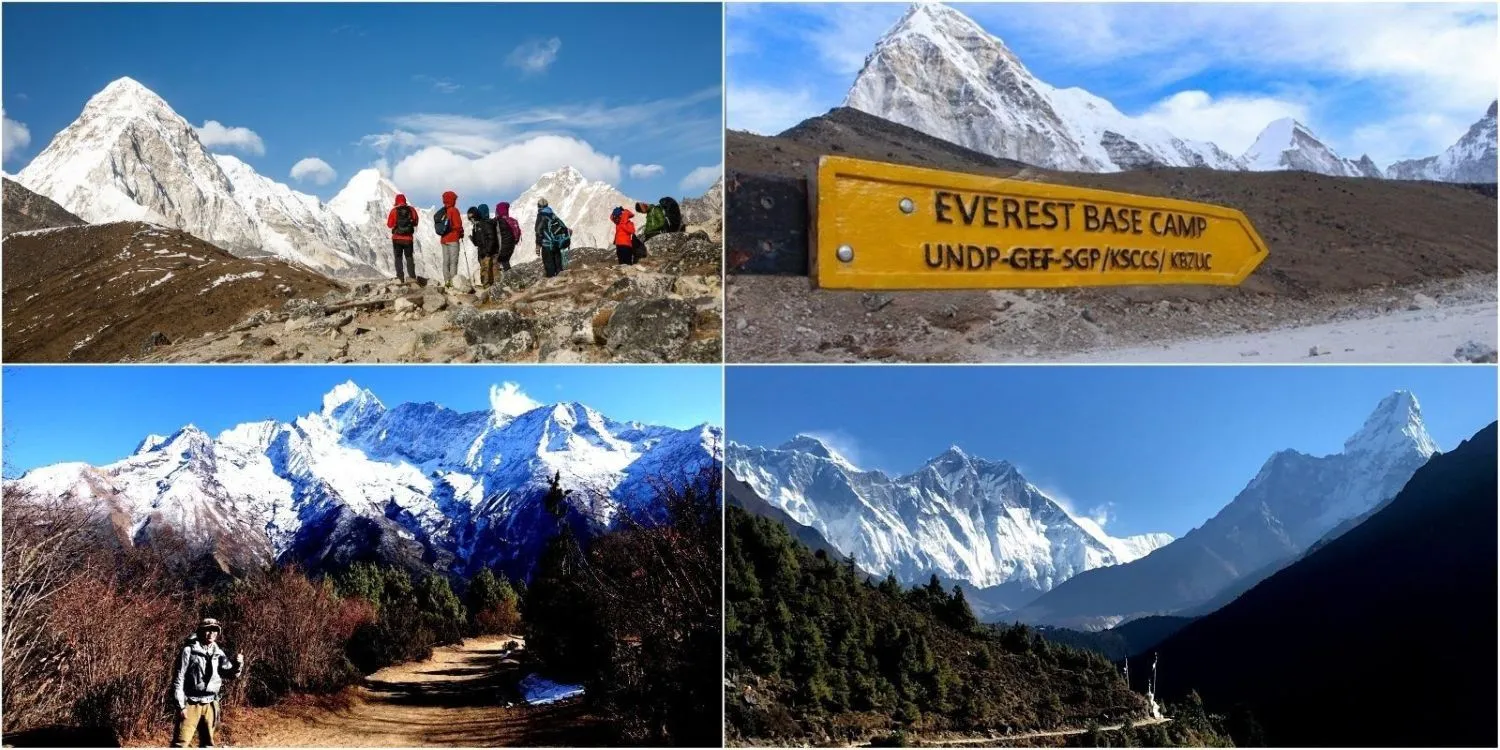
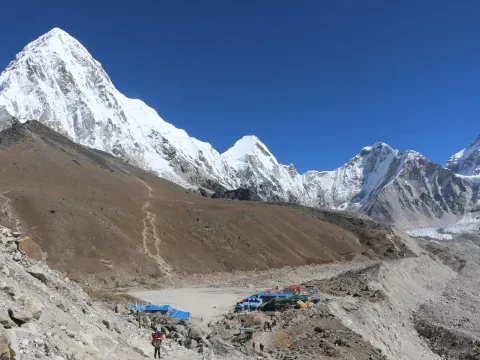
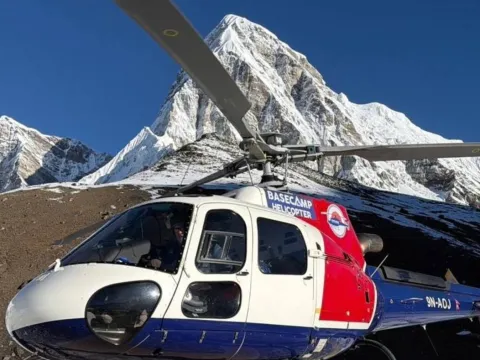
Here, the standard 14-day EBC trek usually involves a scenic flight to Lukla at approximately 2,860 m followed by Phakding, Namche Bazaar, Tengboche, Dingboche, Lobuche, and Gorak Shep before you finally reach Everest Base Camp at 5,364 m. Your return journey typically follows the same trail, although shorter itineraries and helicopter-return options also exist.
Key Stops on the Classic EBC Route :
| Section | Approx. Elevation | Purpose |
|---|---|
| Lukla | 2,860 m | Trek starting point |
| Phakding | 2,610 m | First night stay |
| Namche Bazaar | 3,440 m | Acclimatization |
| Tengboche | 3,860 m | Culture and mountain views |
| Dingboche | 4,410 m | Acclimatization |
| Lobuche | 4,910 m | High-altitude stop |
| Gorak Shep | 5,164 m | Base for EBC/Kala Patthar |
| Everest Base Camp | 5,364 m | Trek destination |
| Kala Patthar | 5,545 m | Panoramic viewpoint |
Meanwhile, peak-season transportation also requires additional planning since flights may originate from Ramechhap/Manthali rather than Kathmandu during certain times of the year. This means that you might need a very early morning transfer from Kathmandu to Manthali 1–2 extra days in case of inclement weather canceling potential flights to Lukla.
In the end, the EBC trek represents a demanding but achievable adventure that most adequately prepared but otherwise amateurish trekkers can complete successfully thanks to the relatively accessible nature of the Sagarmatha National Park route.
However, only the most serious and highly experienced mountaineers should consider a summit assault on Everest or any other major peaks during their EBC adventure. If you enjoy long hikes and want a combination of adventure and culture, the Everest Base Camp trek offers excellent value for money in 2027.
On the other hand, if you want a more authentic wilderness experience, you might prefer visiting some of the lesser-known Himalayan trails.
Although teahouse trekking remains much more accessible than remote wilderness camping, it does tend to involve more crowds on popular regions and trails.
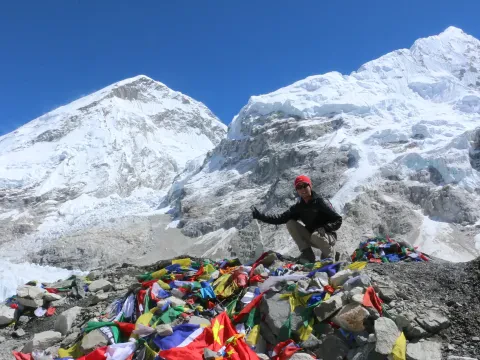
Annapurna Circuit Trek 2027 vs. Annapurna Base Camp: which is better for you? The Circuit is perfect for adventurous trekkers who want to experience dramatic altitude changes and cross the Thorong La Pass, while ABC is best for hikers who want to see a beautiful Himalayan amphitheater without a long Himalayan trek.
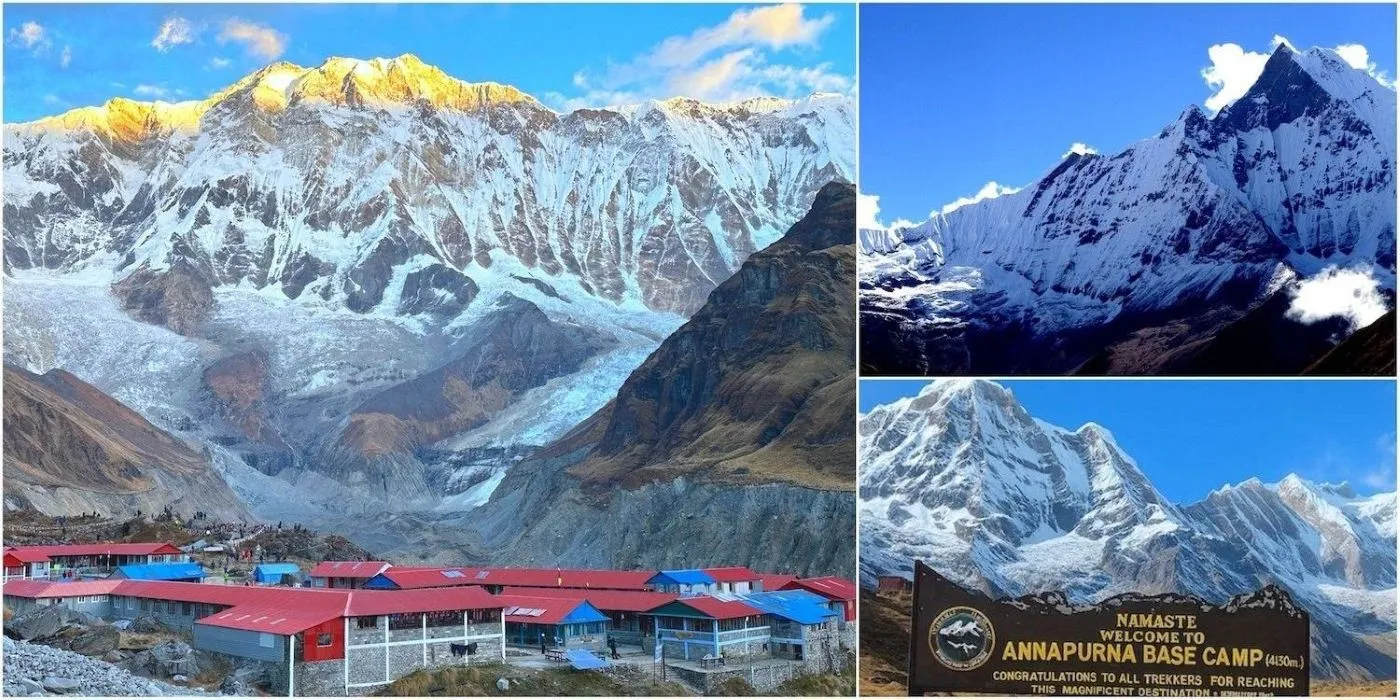
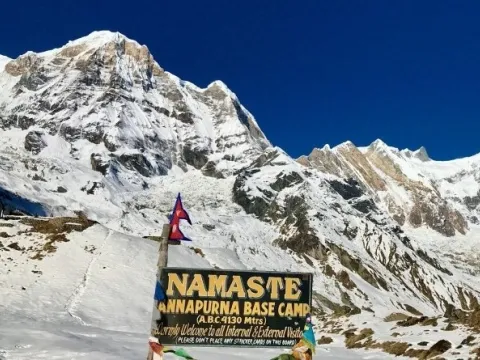
Actually, Annapurna Circuit Trek reaches the highest point at Thorong La Pass (5, 416 m), while Annapurna Base Camp is a 4, 130 m high mountain amphitheater surrounded by peaks. Most notable among these are: Annapurna I, Annapurna South, Hiunchuli and Machhapuchhre.
| Feature | Annapurna Circuit | Annapurna Base Camp |
|---|---|---|
| Highest Point | Thorong La – 5,416 m | ABC – 4,130 m |
| Typical Duration | 12-18 days | 4-15 days |
| Main Attraction | Thorong La Pass | Mountain amphitheater |
| Difficulty | Moderate-Hard | Moderate |
| Scenery | Diverse landscapes | Dramatic mountain views |
| Road Influence | Significant | More limited |
| Best For | Thorong La Pass adventure | Shorter Himalayan trek |
Annapurna Circuit: Why to Choose :
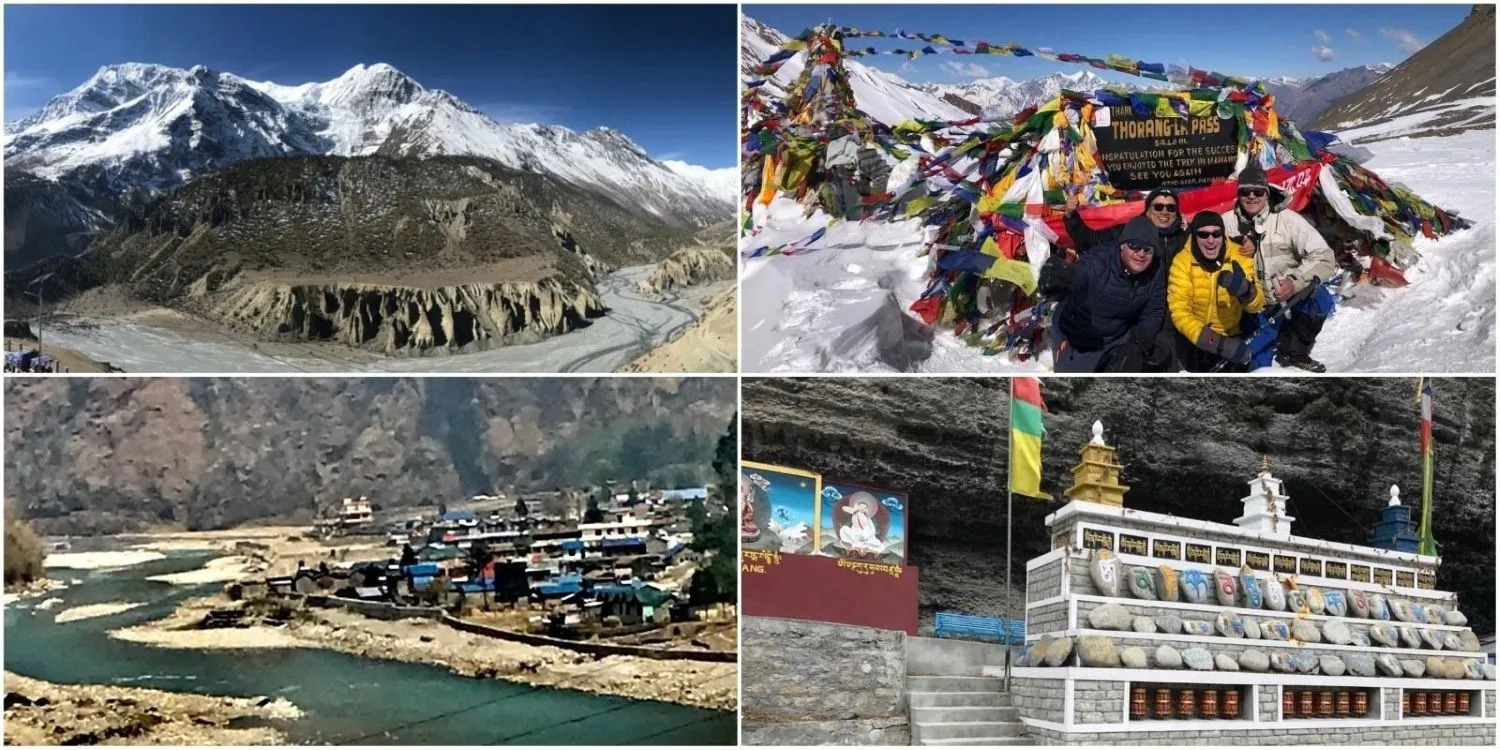
Here, due to recent road construction in Annapurna region, some lower altitude parts of the Annapurna Circuit Trek are now shared with road transport. Having said that, many hikers prefer side-tracks and alternative itineraries to optimize the Circuit trekking experience.
However, Annapurna Base Camp is a great option for hikers who want a shorter Himalayan trekking experience. Besides, Poon Hill (3,210 m) and Mardi Himal Trek also offer similar views of mountain peaks and beautiful sunrise without the challenge of a 5,000 metre pass.
So, which one is better: Annapurna Circuit or Annapurna Base Camp? It all depends on your preferences, level of fitness, available time, road conditions, and altitude experience.
Personally, I would go for the Circuit to experience the most unique trek in Nepal. But, the shorter ABC trek is also a fantastic Himalayan adventure!
The Manaslu Circuit Trek or Upper Mustang is the best choice for hikers who want to avoid the most crowded trails and experience the Himalayas’ beauty through different landscapes, cultures, and adventures.
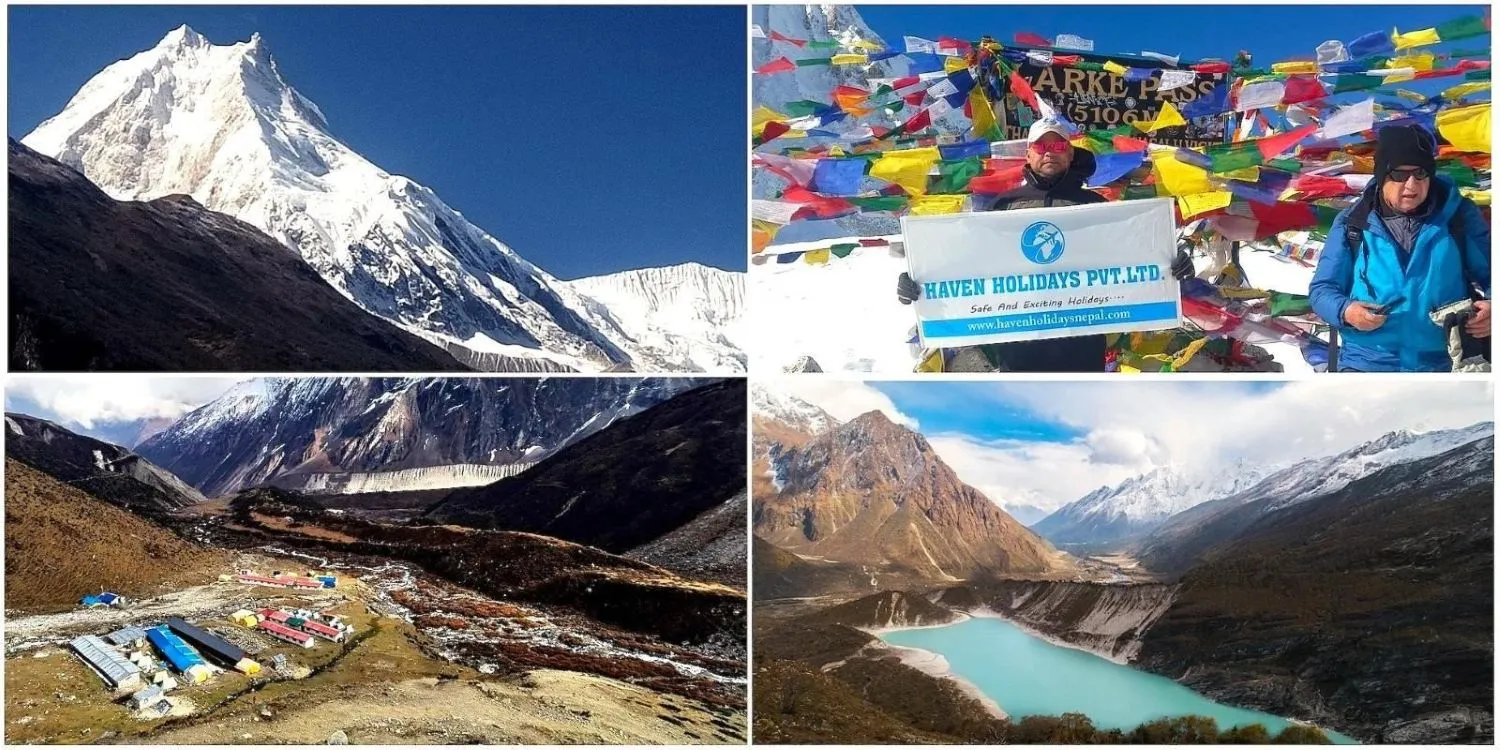
Here, the Manaslu Circuit’s highest point is at Larke Pass (5,106 m), while the trail goes through valleys and villages such as Namrung, Lho, Samagaon, and Samdo.
On the other hand, the Upper Mustang region has an arid trans-Himalayan landscape, ancient monasteries, caves, and rock fortresses. The local culture is strongly influenced by the Tibetan traditions.
| Feature | Manaslu Circuit | Upper Mustang |
|---|---|---|
| Highest Point | Larke pass – 5,106 m | Varies by itinerary |
| Landscape | Forests, glaciers, high passes | Arid Himalayan desert |
| Culture | Gurung and Tibetan influences | Strong Tibetan heritage |
| Crowds | Generally lower | Generally lower |
| Permits | Restricted-area rules apply | Restricted-area rules apply |
| Best For | High-pass trekking | Culture and landscapes |
Manaslu and Upper Mustang: Why to Choose :
Likewise, trekking in Upper Mustang and Manaslu requires more planning than regular teahouse treks. That said, make sure to get the restricted area permit from a licensed trekking agency and follow their guidelines and rules.
Moreover, the restricted area permit in Nepal is issued by the Department of Immigration (DoI). On the governmental portal, you can find the exact permit cost for the Upper Mustang region in 2027. It is important to note that these costs vary depending on the season and the duration of your trek.
In addition to, Manaslu Circuit has an advantage over Upper Mustang trek regarding high mountain passes and altitude ranges.
At the same time, the Upper Mustang region provides more unique cultural and landscape experiences. Both treks are fantastic options for adventurous hikers who want to explore Nepal’s Himalayas in 2027.
Before your trek, double-check the restricted area rules and regulations, permitted trekking agencies, permit costs, accommodation, and transportation. The conditions of these treks may vary from year to year.
The cost of trekking in Nepal is variable depending on the chosen routes, duration of the trek, comfort levels, and included services. A short teahouse trek can be significantly cheaper than a camping trek or restricted area expedition. Therefore, comparing what each package includes is important before selecting the "cheapest" option.
When budgeting for trekking in Nepal in 2027, it is important to estimate expenses such as permits, transportation, accommodation, meals, guides, porters, insurance, personal expenses, and tips.
While current official fees can be used as a basis for estimating costs, confirm all Nepal trekking permit fees 2027 before departure.
| Expense | Per 2027 Planning | Notes |
|---|---|
| TIMS | NPR 2,000+ | Current non-SAARC baseline; verify 2027 |
| Conservation/National Park fees | NPR 3,000+ | Varies by trekking region |
| Teahouse room | USD 5–15/night | Higher prices at remote/high areas |
| Meals | USD 15–30/day | Three meals per day |
| Guide | USD 30–50/day | Route and experience affect rates |
| Porter | USD 20–30/day | Load and route affect rates |
| Hot shower | USD 3–8 | Usually higher at altitude |
| Charging| | USD 1–5 | Depends on lodge and device |
| Wi-Fi | USD 2–8 | Availability varies |
| Personal expenses | USD 5–15/day | Snacks, drinks, laundry, etc. |
| Tips | USD 100–250+ | Depends on service and trek length |
Importantly, current NTB data shows NPR 2,000 for non-SAARC TIMS applicants and NPR 1,000 for SAARC applicants on listed routes. Sagarmatha National Park and several major conservation areas currently show NPR 3,000 for foreign visitors though 2027 fees should be reconfirmed.
An agency package can simplify first-time trekking in Nepal by bundling multiple services together. It can be easier to select an all-inclusive tour that covers permits, accommodation, transportation, guide services, meals, and other logistics.
Here, independent arrangements may appear cheaper but require negotiating each service separately. A licensed guide is mandatory in many popular trekking regions under the current TIMS rules, including Everest Base Camp and other key routes.
It is important to carry sufficient Nepali Rupees for daily expenses on the trail as card payments and ATMs become less reliable in remote areas. USD is useful for making payments to trekking agencies, while NPR is more practical for teahouse stays, meals, showers, charging, and small purchases.
Likewise, you require carrying extra cash for unexpected delays and changes to your itinerary. A reserve of around USD 100–200 in NPR equivalent is advisable for many standard treks.
Tipping is expected but should reflect the quality of service, difficulty of the trek, and personal assessment of the guide and porter performance. Many trekkers prefer to give a combined tip at the end of the trek rather than individual daily tips.
Meanwhile, guides and porters work in challenging conditions and should be tipped fairly according to their service and the difficulty of the route. Current industry estimates suggest guide and porter pay varies by route, responsibilities, and whether food, accommodation, and insurance are included.
2027 Budget Checklist :
In conclusion, the cost of trekking in Nepal in 2027 will remain similar to 2026. Most probably, the flights cost may slightly go higher.
Your trekking in Nepal packing list 2027 should be based on the specific conditions of your route, not a generic checklist. Layering is the most effective way to prepare for Himalayan trekking. A three-layer system of moisture-wicking base layer, insulating fleece or down layer, and waterproof/windproof outer layer allows flexible temperature management.
| Gear Category | Items of Interest |
|---|---|
| Clothing | Base layers, fleece, down jacket, waterproof shell |
| Lower body | Trekking trousers, thermal bottoms, waterproof trousers |
| Footwear | Broken-in trekking boots, camp shoes, warm socks |
| Sleeping | 0°F / -18°C sleeping bag for cold high-altitude routes |
| Headwear | Sun hat, warm hat, buff, gloves |
| Backpack | 40–50L trekking pack with rain cover |
| Protection | Sunglasses, sunscreen, lip balm |
| Electronics | Phone, camera, power banks, charging cables |
| Safety | First-aid kit, personal medicines, headlamp |
| Documents | Passport, permits, insurance details, emergency contacts |
What Should You Never Forget?
Importantly, a 0°F / -18°C sleeping bag provides substantial warmth for cold high-altitude treks but may be excessive for lower-altitude spring or summer treks. Its value depends on the specific route, season, lodge facilities, and your personal cold tolerance.
Responsible trekking in Nepal helps protect the mountains for future generations and supports local communities. Always follow Leave No Trace principles on the trail.
In addition to , carry reusable water bottles and reduce the use of single-use plastics. Pack out your trash, use designated toilets, respect local people and wildlife, and stay on established trails. Choose local guides, porters, and businesses where possible as responsible tourism can directly benefit mountain communities.
Before departure, confirm your itinerary, permits, insurance, guide, transportation, accommodation, weather, and emergency arrangements. Then, check your gear and test important electronics before leaving Kathmandu.
Here, Nepal offers teahouse treks, camping treks, and high-pass expeditions to suit different budgets and preferences. With proper planning, a licensed guide, appropriate equipment, and responsible travel practices, your 2027 Himalayan trek can be a safe and rewarding experience.
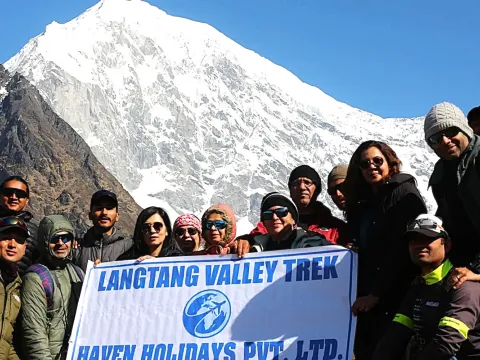
Ready to plan your trek in Nepal? Contact Haven Holidays Nepal for a personalized 2027 itinerary or request a detailed trek proposal based on your preferred route, duration, budget, and travel dates.
FQ. Is trekking in Nepal in 2027 safe?
Trekking in Nepal in 2027 will be safe on established trekking routes, but it is best to check the conditions in your desired region before setting out. The August 2026 floods have severely impacted parts of Rasuwa and the Bhote Koshi corridor, but they have left large areas unaffected, namely the popular trekking destinations of Everest and Annapurna. Weather, landslides, altitude, and trail conditions in Nepal should be considered potential hazards.
FQ. How will trekking in Nepal change after the August 2026 flood?
The August 2026 Nepal flood is expected to change things like route inspections, bridge repairs, weather, emergency communications, and other requirements. The Langtang access corridor was particularly badly damaged, with the road and bridges connecting it to Dhunche and Syabrubesi cut off. This means that trekkers should not necessarily expect all routes to be open simply because Nepal opened its doors to international tourism.
FQ, How can I make my trek in Nepal safe in 2027?
The following advice will make your trek in Nepal 2027 safer. First, you should choose a local trekking agency with good reviews. You should also hire a licensed guide where necessary, get the right permits, and take travel insurance that covers trekking and emergency medical care. It is also a good idea to check the weather forecast and road conditions before departure.
Additionally, you should leave extra days for emergencies and acclimatization, bring the necessary medications and equipment, and avoid damaged routes until they are declared safe.
According to the latest information from the Nepal Tourism Board , guides and TIMS cards issued by your trekking agency are mandatory on many popular hiking routes in Nepal, including the Everest, Annapurna, Manaslu, and Langtang trails.
FQ. How costly will trekking in Nepal be in 2027?
How costly trekking in Nepal will be in 2027 depends significantly on the route, trip duration, type of transport, accommodation, guide, porter, permits, and many other factors. Tea house trekking can be quite inexpensive, but it will definitely cost you more if you want to do an Everest, restricted area, or luxury trek. You should also budget for travel insurance, personal expenses, charging electronic devices, hot water, WiFi, tips, and emergency transportation.
For example, the cost of the Everest Base Camp Trek 2027 can be broken down into different packages rather than quoted as a single number. In addition, current permit prices and requirements should be reviewed before departure since they may change.
FQ. Is trekking in Nepal in 2027 worthwhile?
Trekking in Nepal in 2027 will be worthwhile since the country has much to offer, from the beauty of the Himalayas, mountainous landscapes, mountain villages, and Buddhist monasteries. The disaster in Nepal in 2026 cannot overshadow the splendor of the Himalayas. It would help if you did not cancel your trek and instead supported the local economy by visiting the areas least affected by the catastrophe.
FQ. What precautions should I take while trekking in Nepal in 2027?
The most important Nepal trekking precautions in 2027 include reviewing current trail and road conditions, traveling with the right guide and permits, having travel insurance, acclimatizing to higher altitudes, staying hydrated and walking at a comfortable pace, avoiding riverbanks when the weather permits, and avoiding damaged bridges and landslides.
In addition, you should always leave extra days in case of bad weather or emergency rescue. The floods in Nepal in August 2026 are an excellent example of why it is so important to research current trail conditions rather than, say, relying on an old blog post or article.
While a lot has changed in Nepal since the deluge, it has not changed that much, and many of your favorite routes are still open.
FQ. Which is the most popular trek in Nepal in 2027?
The Everest Base Camp Trek is the most popular trek in 2027. It is famous for its views of Mount Everest as well as the opportunity to experience Sherpa culture and visit intriguing places like Namche Bazaar, Tengboche Monastery, and the Khumbu Glacier. The Everest Base Camp Trek is considered Nepal’s iconic trek by the Nepal Tourism Board , and the mountains of Everest and Annapurna are still considered the most popular trekking destinations in the country.
FQ. Which is the most popular short trek in Nepal in 2027?
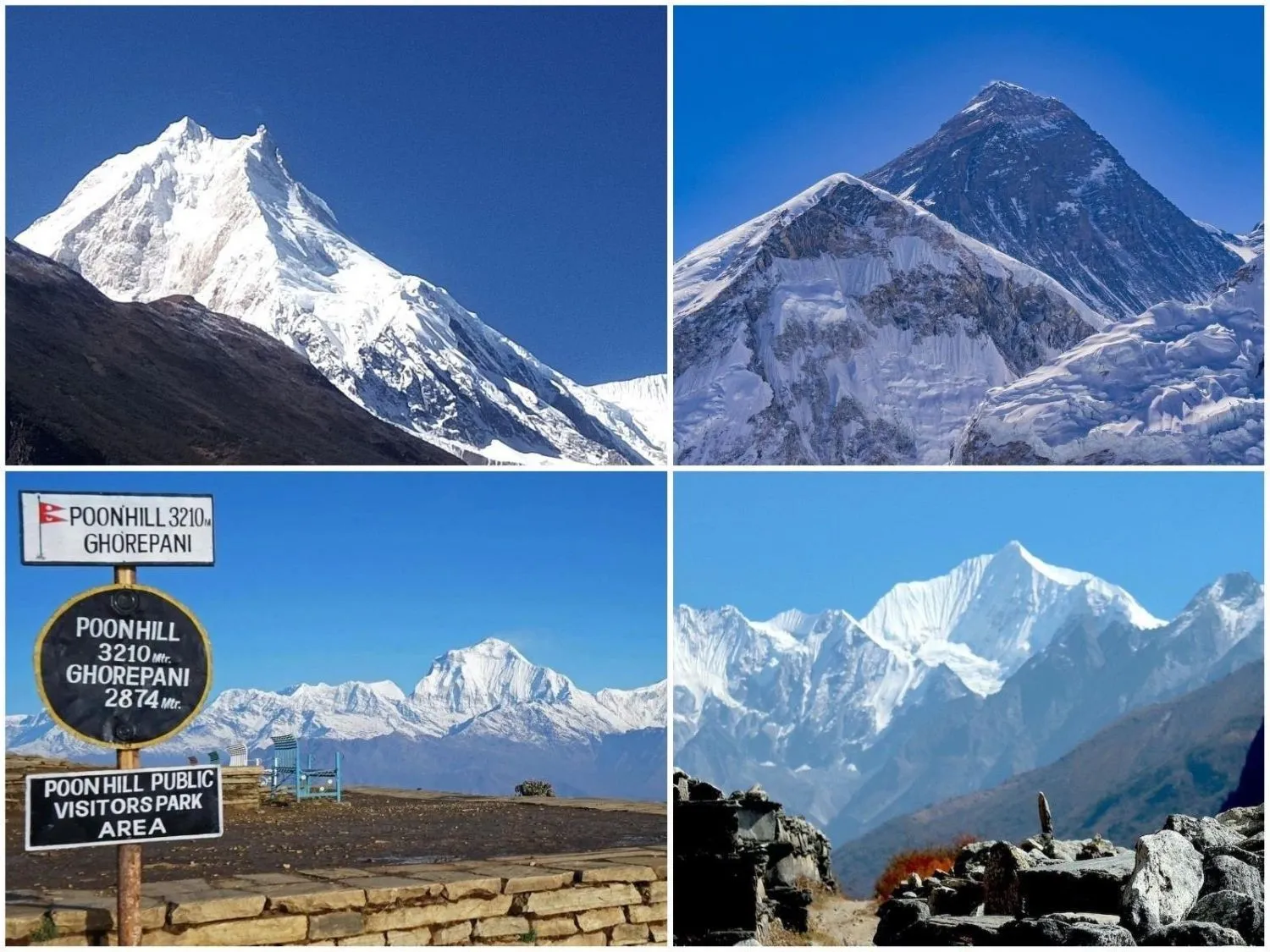
The Ghorepani Poon Hill Trek is one of the easiest and most popular short treks in Nepal in 2027. This family-friendly trek offers spectacular sunrise views over the Annapurna and Dhaulagiri ranges from Poon Hill (3,210 MAS). Day-hikes are an excellent way to experience Nepal without having to spend too much time or money. The trail is great for seeing rhododendrons and Gurung villages.
FQ. Which is the most popular classic and less crowded trek in Nepal in 2027?
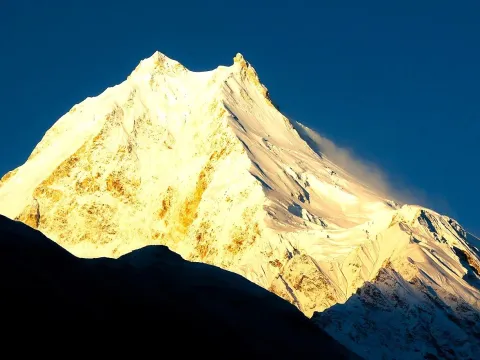
The Manaslu Circuit Trek is one of the best Himalayan trekking experiences in Nepal in 2027. This popular circuit trek is much less crowded than the Everest Base Camp Trek or the classic Annapurna Circuit Trek. It takes hikers around the beautiful Mount Manaslu (8,163 MAS) and over the Larkya La Pass (5,106 MAS). The trail offers fantastic views of the surrounding mountains and is a great option for those looking for a more remote trekking experience.
Our travel experts are ready to assist you with any questions.
Send us a message.Have a question before you book? Send your enquiry below and our travel experts will get back with the required information.