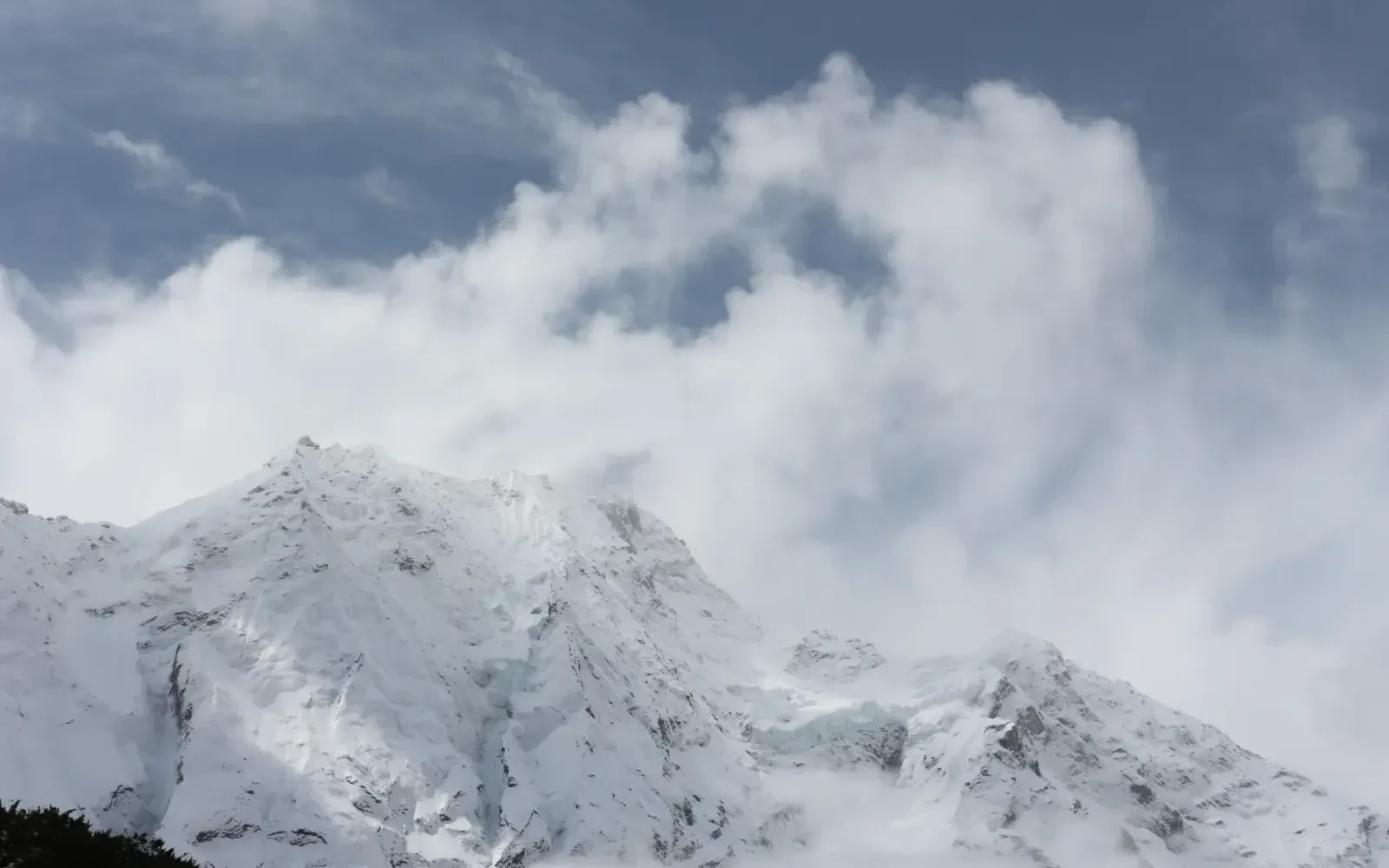
Everest Base Camp (EBC) Trek is one of the most popular treks in Nepal. It has the advantage of providing spectacular views of the Everest region while being relatively accessible.
However, if you are looking for even more dramatic mountain landscapes with a better opportunity to connect with local cultures, and enjoy less crowded trails, looking for some of the best alternatives to Everest Base Camp trek are good options.
According to media reports, the number of hikers and trekkers heading to Everest Base Camp between mid-July 2024 and 2025 reached nearly 59,000 people, with about 80% of all visitors arriving in the region during the peak seasons of spring and autumn.
Notably, the number of visitors to Sagarmatha National Park, which encompasses the Everest Base Camp, reached 49,372 foreign tourists in 2024 alone.
Having said that, the Everest region and its iconic Everest Base Camp are not devoid of advantages. The mountain vistas, Sherpa culture, monasteries, and proximity to the highest mountain in the world are significant draws for many adventure-seekers.
Some people, however, are looking for an alternative to the standard Everest trek. There are several reasons for this, including the desire to have more authentic cultural interactions, spend more time in local villages, and enjoy unique Himalayan scenery. There are also options that provide a less strenuous trail than EBC Trek.
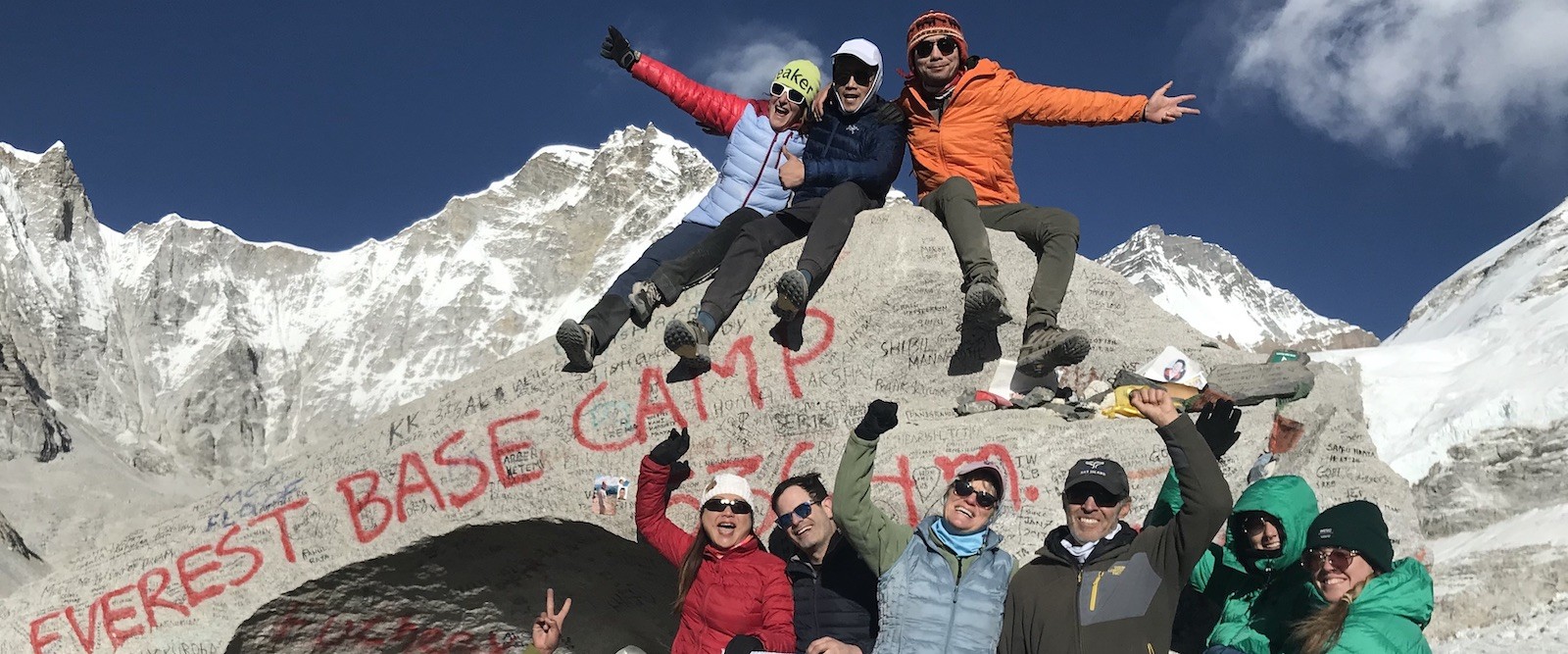
Meanwhile, the best alternatives to Everest Base Camp include the Manaslu Circuit, Annapurna Circuit, Nar Phu Valley, Kanchenjunga, and Upper Mustang treks. These are all excellent options for those looking for an alternative to the Everest region trekking. With that said, each option provides a different set of hiking conditions, including trail difficulty, altitude, and cultural interactions.
Note that although some of the alternatives to EBC mentioned here offer a less crowded experience than the Everest Base Camp trek, they are not significantly shorter or easier than the standard EBC Trek. Some of these options require permits and/or authorized guides due to restricted access.
For instance, the Manaslu, Upper Mustang, and Kanchenjunga regions are considered restricted and require special permissions from the Nepal Tourism Department to trek.
In summary, the primary reason for looking for an alternative to the Everest Base Camp trek is to select an option better suited to an individual’s or group’s specific preferences and needs.
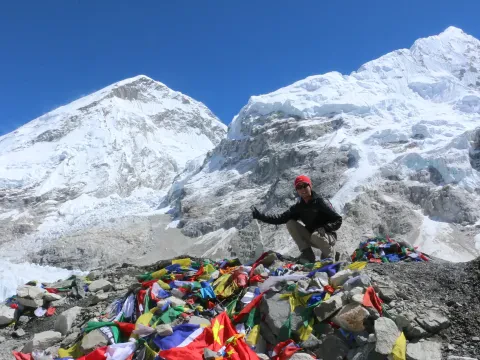
There is no single best alternative to the Everest Base Camp trek as different people have different preferences. Some of the best options include the Manaslu Circuit, Annapurna Circuit, Nar Phu Valley, Kanchenjunga, and Upper Mustang treks. Each of these options offers unique advantages over the EBC Trek.
| Feature | Manaslu Circuit | Annapurna Circuit | Nar Phu Valley | Kanchenjunga | Upper Mustang |
|---|---|---|
| Trek Duration | 14–18 days | 12–20 days | 9–14 days | 18–24 days | 10–17 days |
| Max. Altitude | Approx. 5,106–5,160 m | 5,416 m | 5,420 m (Kang La) | 5,468 m | 4,000–4,200 m |
| Difficulty | Challenging | Moderate–Hard | Challenging | Very Challenging | Moderate |
| Crowd Level | Low | Medium | Medium | Extremely Low | Low |
| Highlight| Remote Himalayan villages and Manaslu Mountain Views | Sub-alpine valleys, forests, and high-mountain vistas| High-altitude valleys, ancient Tibetan traditions | Wilderness and Kanchenjunga vistas| Ancient villages, culture, and high desert landscapes |
Note: the length of all these alternative treks, as well as their maximum altitude, may vary depending on the specific itineraries followed.
The Manaslu Circuit Trek is one of the best trekking options for those looking for a less crowded alternative to EBC. This trek winds around the beautiful Manaslu Mountain and passes through the Larkya La pass, which is usually between 5,106–5,160 m, depending on the specific route taken.
Meanwhile, the Manaslu Circuit passes through remote villages, Buddhist communities, valleys, forests, and high-altitude wilderness. The Manaslu Circuit also requires permits and authorized guides due to its restricted status; current permit guidelines are available at the Department of Tourism website for reference.
The Annapurna Circuit Trek is one of the best trails for trekkers seeking cultural diversity and breathtaking views of high mountains. It covers a vast area characterized by sub-tropical valleys, high-mountain glaciers, and the famous Thorong La pass at 5,416 m.
While the Annapurna Circuit Trail is an excellent alternative to the EBC with fantastic views of high mountains, it is not as isolated as some of the other options mentioned in this article.
In addition, because of its relative popularity, the Annapurna Circuit Trail can get moderately busy, especially during the peak season.
Best For: Solo hikers and groups seeking a trail with spectacular vistas of high peaks and diverse cultures.
The Nar Phu Valley Trek is a fantastic alternative to the Everest Base Camp trek for those seeking isolation and an introduction to Tibetan culture. The challenging trail reaches the Kang La pass at 5,309 m and takes hikers through the dramatic cliffs and narrow valleys of the Annapurna region.
Meanwhile, the narrow, isolated valleys of the Nar Phu Valley trek are home to unique Tibetan traditions. Note that special permits are required for this restricted-area trek, so it is best to check the latest permit guidelines from the Nepal Department of Tourism before departure.
Best For: Solo hikers and groups of experienced trekkers seeking cultural immersion in remote Himalayan valleys.
The Kanchenjunga trek is an excellent option for those looking for a wilderness adventure and spectacular views of Kanchenjunga Mountain. This high-altitude trail takes hikers through remote eastern Nepal to the base of the world’s third-tallest mountain.
While the Kanchenjunga trek is a fantastic alternative to the EBC, it is much more isolated and challenging than most of the other options on this list. Thus, this trail is best suited for experienced hikers and solo or small-group trekkers willing to spend up to a month on the trail.
Best For: Solo or small-group trekkers seeking a remote wilderness adventure.
Upper Mustang is the best option for those looking to experience the traditional Himalayan culture of Nepal. This trek takes hikers and trekkers through fascinating ancient villages, monasteries, and other-worldly landscapes to the high-altitude deserts of Mustang.
Actually, the Upper Mustang trek is less demanding in terms of altitude compared to the other options on this list since the maximum altitude varies between 4,000–4,200 m depending on the specific itinerary followed.
Additionally, Upper Mustang is currently a restricted area requiring a special permit. More information on trekking permits in Nepal is available at the Department of Tourism website.
Best For: Solo or small-group hikers and trekkers willing to explore the unique Himalayan culture of Upper Mustang.
Use the information in this guide to select an option that best suits your preferences and needs. Choose Manaslu if you want a less crowded high altitude trek in Nepal and Nar Phu if you seek total isolation. For a high-mountain adventure with authentic cultural interactions, Annapurna Circuit is the way to go. If you seek wilderness, Kanchenjunga is your best option. Finally, if you prefer unique Himalayan landscapes filled with ancient monasteries and villages, consider the Upper Mustang trek.
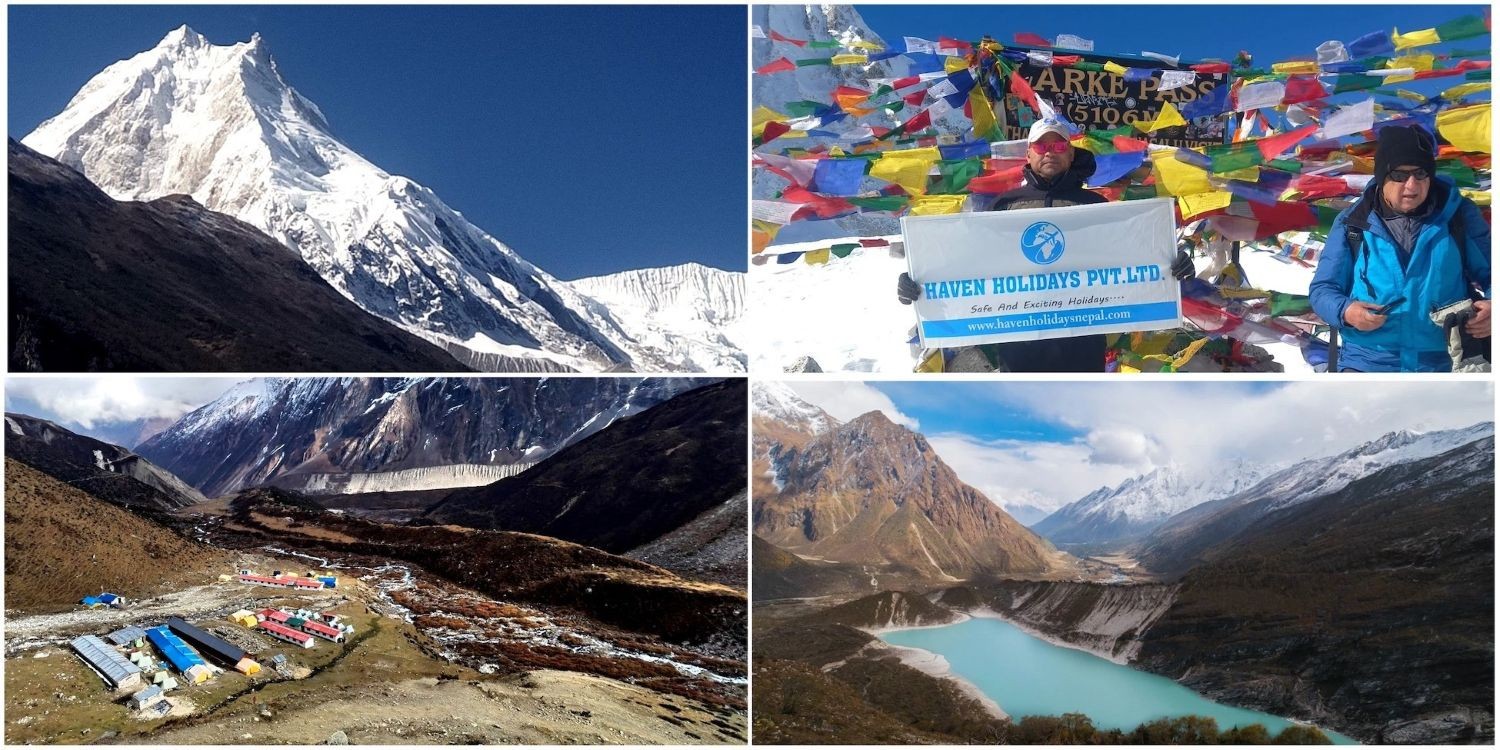
The Manaslu Circuit Trek is one of the premier alternative treks to EBC, offering less crowded trails, traditional Tibetan villages, and a spectacular high-mountain pass that EBC hikers never get to see. Manaslu Circuit is considerably more remote and adventurous but still approachable for most hikers who complete the EBC trek.
| Feature | Manaslu Circuit | Everest Base Camp |
|---|---|---|
| Typical duration | 14-18 days | Typically around 12-16 days |
| Highest point | 5,106-5,160 m (Larke La) | 5,364 m (EBC) |
| Difficulty | Challenging | Moderate-Challenging |
| Crowds | Fewer | Many (especially in peak season) |
| Main attraction | Manaslu mountain and Tibetan-style villages | Everest Mountain and Sherpa culture |
| Permits | Restricted area permits + conservation area permits | Regional and National Park permits |
| Guide | Required, licensed guides only | Varies with the region and regulations |
The Manaslu region is classified as a restricted area in Nepal, which means that most trekking companies cannot organize it due to the permits and guides’ licenses required.
If you plan to hike Manaslu Circuit, these are the documents you will need:
Here, the restricted permits usually cost around (75- 100 USD for the first 7 days plus an additional amount (10-15 USD for each following day. The exact cost depends on the season, so it is best to double-check with your trekking company around your intended travel date. Other permits in the region are generally not expensive compared to the ones required for the EBC trek.
The main advantage of the Manaslu Circuit trek is that it is less crowded, so you have more opportunities to enjoy the solitude of the wilderness.
In addition, this trek offers more cultural immersion than most other highland treks in Nepal, as you will walk through traditional villages inhabited by ethnic Tibetans. Manaslu Circuit is also much more adventurous than the EBC trek, but it can be taxing and strenuous. You need to prepare yourself for cold temperatures, challenging weather conditions, and long hikes.
Meanwhile, Manaslu Circuit is best suited for hikers seeking a challenging trek with spectacular views of the high mountains, unique cultural experiences, and an opportunity to enjoy a quieter trail than EBC.
Larkya La pass is the highlight of the Manaslu Circuit trekking as well as its toughest part. Hiking it takes a lot of effort, and most people who undertake the Manaslu Circuit describe the experience as extremely strenuous. It might even be more difficult than hiking the Everest Base Camp trail. However, the views from the top of this 5,106 m pass are worth the effort.
Here, most hikers begin their journey to Larke La from the early morning hours in Dharamsala. This time of day is ideal for starting since the weather is clear and cool enough to allow unhindered views of the surrounding peaks and valleys. The trail to Larke La is long and tedious.
Moreover, in some places, it can either be slippery or extremely rocky. It is crucial to take regular breaks throughout the hike and wear appropriate hiking shoes.
While most of the trails around Everest Base Camp are well-established and well-trodden, many areas near Manaslu Circuit have only been explored relatively recently.
Therefore, hiking Manaslu Circuit offers a unique adventure for nature lovers willing to embrace the challenge and rewards of hiking a lesser-known trail. Manaslu Circuit trek is generally more remote and wild than most of the trails in the Everest region.
Thus, it is best suited for wilderness-oriented hikers willing to invest extra time and effort into exploring this spectacular region.
In fact, Manaslu Circuit is best suited for hikers seeking a challenging trek with spectacular views of the high mountains, unique cultural experiences, and an opportunity to enjoy a quieter trail than EBC.
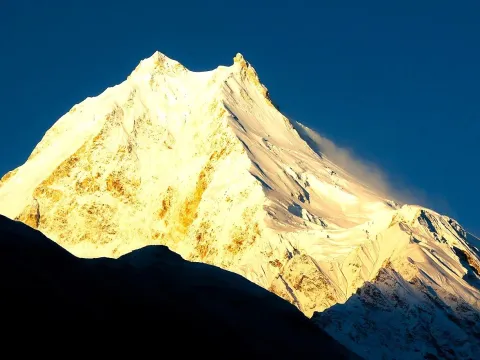
The Annapurna Circuit Trek is another great alternative to the Everest Base Camp. The Circuit’s main advantage over EBC is its variety. You can witness a stunning array of landscapes and climate conditions on this 200 km hiking trail.
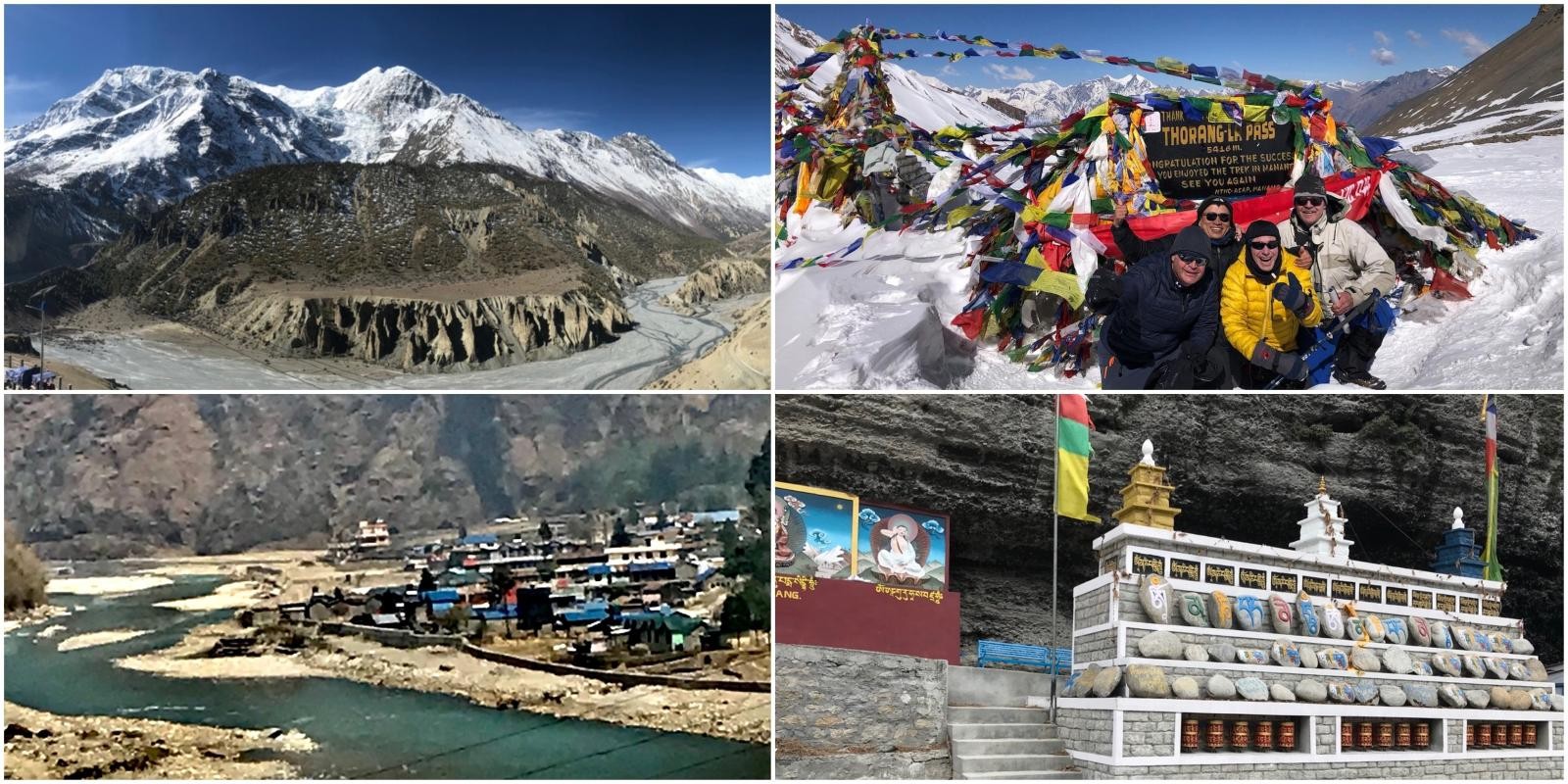
Throughout the Circuit, you will walk through subtropical forests, cross high mountain passes, and see alpine valleys, traditional villages, and unique rock formations in the desert landscape.
Here, many trekkers who did Manaslu Circuit with our Team agree that the Annapurna Circuit is a multi-faceted adventure because you will feel like you have gone through several different trekking trails during your journey.
Similarly, you will also have an opportunity to experience the culture and lifestyles of various ethnic groups inhabiting the region such as Gurung, Thakali, Manangi, and Tibetan communities. While the Circuit Trail is well-established, most of the road to Manang has been paved recently, and it is now possible to shorten the trek by using the road.
| Feature | Annapurna Circuit | Everest Base Camp |
|---|---|---|
| Typical duration | 12-20 days | Typically around 12-16 days |
| Highest point | 5,416 m (Thorong La) | 5,364 m (EBC)/5545m Kalapatthar |
| Difficulty | Moderate-Hard | Moderate-Challenging |
| Crowds | Medium | Many (especially in peak season) |
| Landscape | Extremely diverse | High Himalayan Mountains |
| Main attraction | Thorong La pass, Muktinath and Kali Gandaki Valley, Annapurna and Dhaulagiri peaks | Everest Mountain, Khumbu and Sherpa culture. |
| Permits | TIMS + Annapurna Conservation Area Permit (ACAP) | Khumbu and Sagarmatha National Park permit |
| Itinerary flexibility | High | Medium |
Annapurna Circuit trail takes you through the vast territory covered by a range of dramatically different landscapes. While lower parts of the trail are dominated by emerald forests and fields, the higher regions take on a dry and barren appearance.
Similarly, another notable characteristic of the Circuit is its steep elevation gain which can be physically taxing on some hikers.
Nevertheless, the views of the high peaks from the 5,416 m Thorong La pass and the cultural experiences gained in traditional villages will make the Circuit worthwhile for most hikers.
Some of the most popular attractions along Annapurna Circuit Trail include:
In summary, Annapurna Circuit is a flexible highland trekking option for people seeking a unique wilderness adventure. Some trails have road access, so it is now possible to customize the Annapurna Circuit to shorten the hiking time for people with tight schedules.
Annapurna Circuit trek has a much more flexible itinerary than most of the restricted area treks. Part of the trail leading to Manang has been paved recently, so it is now possible to shorten the hiking time for people with limited schedules. This flexibility makes Annapurna Circuit one of the most popular trekking adventures in Nepal, attracting thousands of hikers every year.
Although the Annapurna Circuit trail is well-established, there are only two main options for getting to Manang: either hiking the trail or using the road. If you want to minimize the road section as much as possible, you can plan your trip with a professional trekking company.
Compared to the restricted area permits required for Nar Phu, Manaslu, and Mustang, permits for Annapurna Circuit are generally quite simple to obtain. Nevertheless, it is important to understand the differences between permits applicable to your journey. The most common permits issued to hikers trekking the Annapurna Circuit are:
In fact, it is a good idea to remind yourself of the current permit requirements before planning your trip since these requirements can change.
The main advantage of the Annapurna Circuit trek is the variety of landscapes, high-mountain passes, and cultural encounters unique to this trail. Compared to the other high-altitude treks in Nepal, the Annapurna Circuit trail is the only one offering such a diverse set of wilderness experiences. The Circuit provides hikers with the unparalleled opportunity to see vast subtropical forests, high-mountain desert landscapes, and alpine valleys in a single trekking adventure.
Apart from being one of the most diverse highland trails in Nepal, Annapurna Circuit offers greater itinerary flexibility to hikers than most of the restricted region treks. You can customize your Circuit hiking trip to include road sections and complete your journey in around 12-15 days.
Having said that, if you are seeking a true wilderness adventure, you should consider minimizing the road section as much as possible.
Ultimately, Annapurna Circuit is best suited for hikers willing to explore diverse mountainous landscapes, gain altitude quickly, and enjoy cultural encounters in traditional villages.
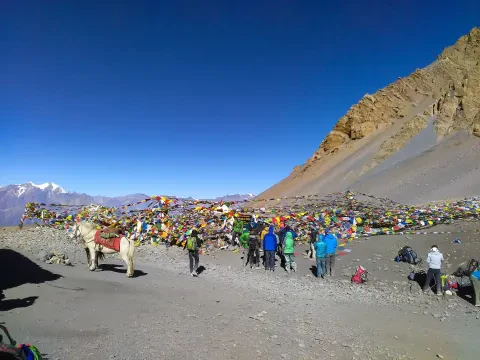
The Nar Phu Valley Trek is one of the best options for hikers who want to explore an alternative to Everest Base Camp. The route leads through lesser-known areas beyond the Annapurna massif, traversing isolated Tibetan-Buddhist villages and high mountain passes. As a matter of fact, Nar Phu Valley is a restricted area trek in Nepal. It requires special restricted area entry permit.
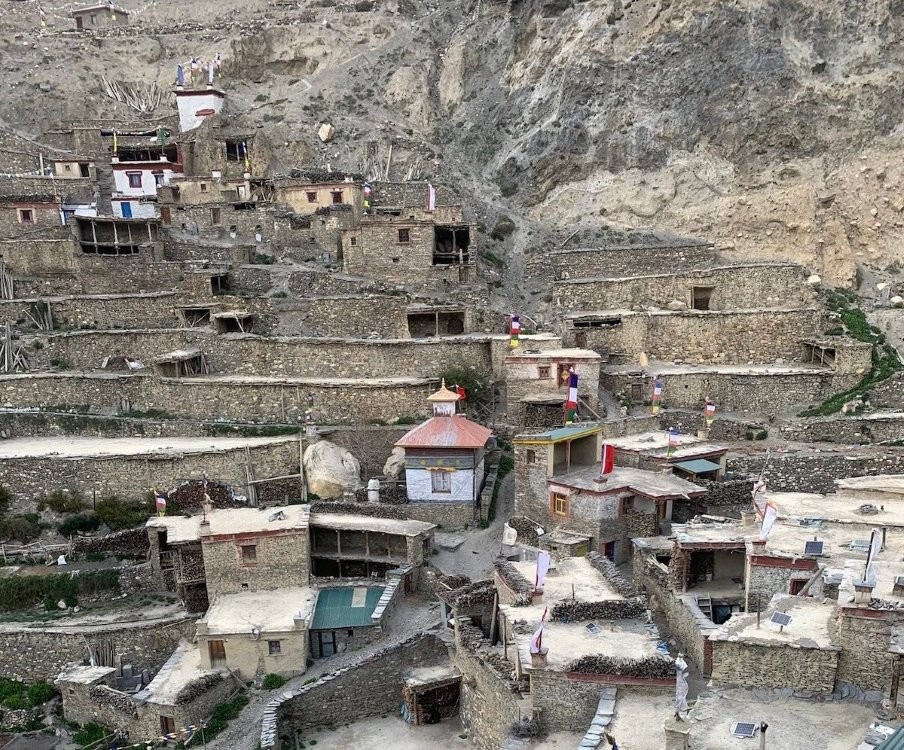
Meanwhile, this trek is much less crowded than the EBC trek and provides an authentic Himalayan experience of remote mountainous landscapes and unique Tibetan-like culture. The region was opened to hikers only in 2002 and remained closed for earlier explorations for a long time.
Here, this trek is suitable for those who like to feel the true Himalaya, discover exotic cultures, and go deep into the heart of the mountains, away from the busy trails of popular treks like EBC or the Annapurna Circuit. The Nar Phu Valley trek is more challenging than most moderate treks in Nepal, requiring a good level of fitness and proper acclimatization to altitude conditions.
Likewise, the highlight of the adventure is crossing the Kang La Pass, which is about 5,309 meters above sea level. However, with a professional guide, the trek is accessible to most people looking for an authentic mountain experience.
Also, the trail offers stunning views of towering peaks and beautiful landscapes of the Himalaya. The Nar Phu Valley trek provides a unique opportunity for hikers to visit isolated valleys and ancient villages and enjoy incredible views of the surrounding wilderness. Below are the critical features of this trek:
Nar Phu Valley Trek Overview :
Moreover, the most significant difference between the EBC trek and the Nar Phu Valley trek lies in the cultural and geographical uniqueness of the last one.
Unlike the highly developed trail infrastructure around Everest Base Camp, Nar Phu remains quite primitive.
Therefore, the hikers should expect some specific conditions, including:
In addition to another significant difference between these two treks lies in the challenging pass of Kang La, which is crossed during the Nar Phu Valley trek. The pass is located at 5,309 m, which requires excellent fitness and good acclimatization to altitude.
Nar Phu is a restricted area in Nepal, meaning that special permits and a guide are mandatory for this trek. While in the valley, hikers have only two options for overnight stays.
Thus, it is better to bring your supplies and equipment because the local tea houses and homestays provide only basic conditions, contrary to popular Nepal treks. The Nar Phu Valley trek is ideal for those who like to go deep into the heart of the Himalaya, discover ancient Tibetan-like cultures, and enjoy the wilderness of isolated mountainous valleys.
Here, it is more challenging, less developed, and much less crowded than the Everest Base Camp trek. This trail is suitable for experienced hikers seeking remote, high-altitude adventure and incredible views over the Himalayan Mountains.
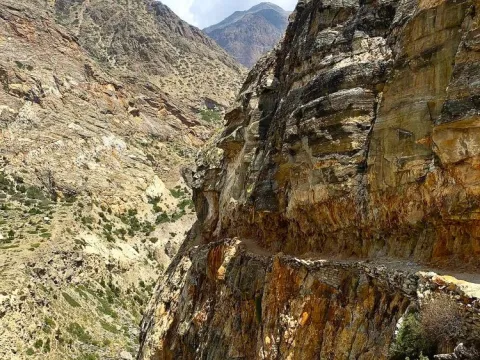
The Kanchenjunga Base Camp Trek is also a great alternative to the Everest Base Camp trek. It is one of the most remote routes leading to the third-highest mountain peak in the world, Mount Kanchenjunga. This trek is located in the far-eastern region of Nepal, close to the Tibetan border.
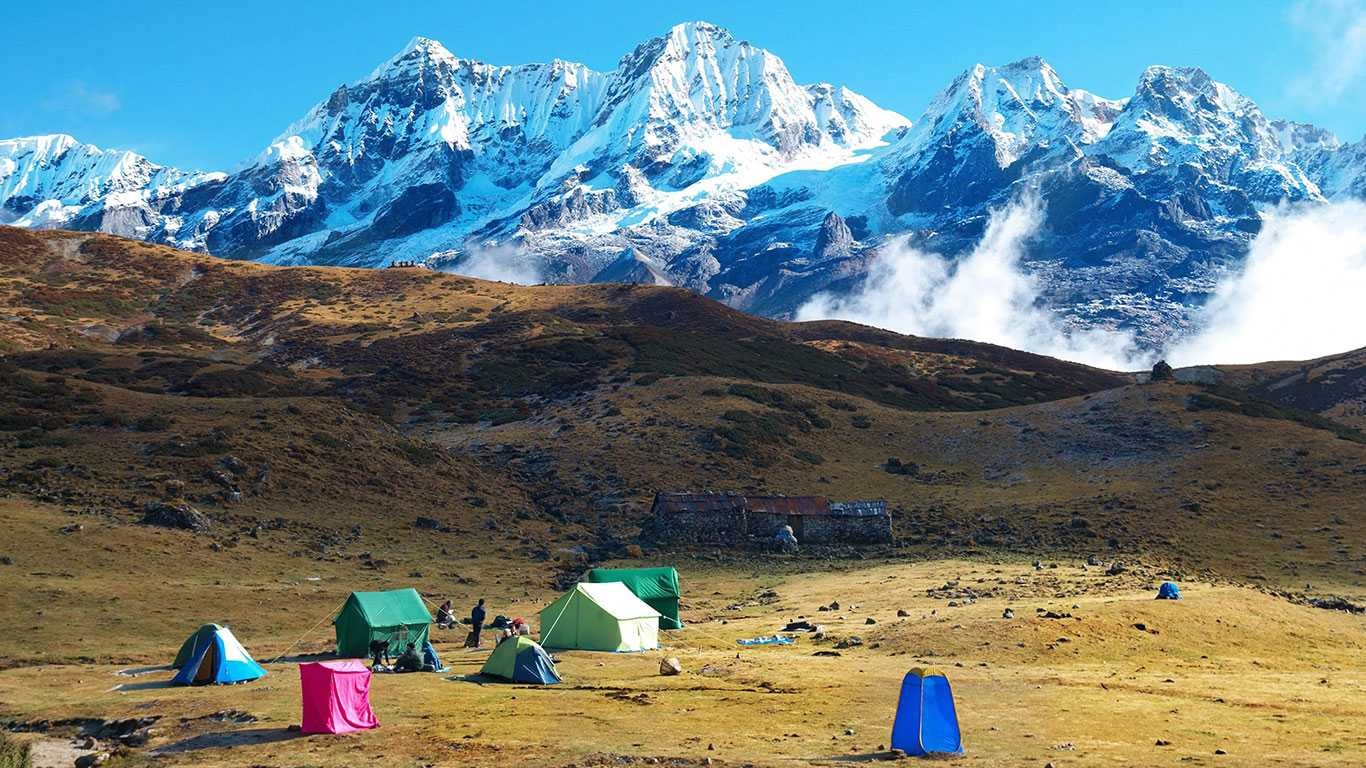
Unlike the EBC trek, which is well-established and offers various levels of trail conditions and accommodations, the Kanchenjunga Base Camp trek is more challenging and less developed. It winds through remote Himalayan wilderness, encountering dense forests, glaciers, valleys, and high mountain passes.
Here, it provides hikers with an unparalleled opportunity to seek solitude in the high mountains and enjoy the beauty of untouched nature.
Actually, the far-eastern region of Nepal is sparsely populated, with long trails separating local villages.
Therefore, hikers cannot expect the same level of comfort and convenience as on the EBC trek or other well-known routes like the Annapurna Circuit. The trail offers vast wilderness, fantastic landscapes, and incredible views of the Kanchenjunga Massif.
However, it lacks the infrastructure of teahouse accommodations and diverse dining options found on more popular trails.
Additionally, the Kanchenjunga trek route is much more distant and requires a good level of fitness and acclimatization to high altitudes.
Below are the primary features of this trek:
Kanchenjunga Base Camp Trek Overview
The primary difference between the Kanchenjunga trek and the Everest Base Camp trek lies in their locations. The Kanchenjunga trail starts in the far-eastern part of Nepal, in a region close to the Tibetan plateau.
Meanwhile, it is relatively more isolated and less accessible than the trail leading to Everest. Another crucial difference between these two iconic Himalayan routes is the view of the third-highest mountain in the world.
Even though both treks provide spectacular opportunities for breathtaking views, the scenery around Mount Kanchenjunga is more dramatic and wild than anything around Mount Everest.
Moreover, unlike EBC, the trail leading to Kanchenjunga Base Camp is much more remote and challenging. It crosses vast subtropical, rhododendron forests, alpine meadows, and high peaks of the Kanchenjunga Massif.
Thus, the Kanchenjunga trek is undoubtedly a more rewarding adventure for those willing to conquer one of the highest summits in the world.
The critical attractions of this trek include:
The Kanchenjunga trail is also very demanding and requires advanced hiking skills. Therefore, hikers must be prepared for such challenges as limited infrastructure, lack of accommodation and dining options, long days of walking, and high altitudes.
Furthermore, since Kanchenjunga is a restricted area, hikers must apply for the necessary permits or organize a trek with a licensed guide.
Thus, this trail is only suitable for experienced and well-prepared adventurers willing to have an expedition-style trek. The Kanchenjunga Base Camp trek offers remote wilderness, dramatic landscapes, and incredible solitude.
Importantly, it is perfect for those who want to enjoy the unspoiled beauty of nature while exploring one of the most challenging hiking trails in Nepal.
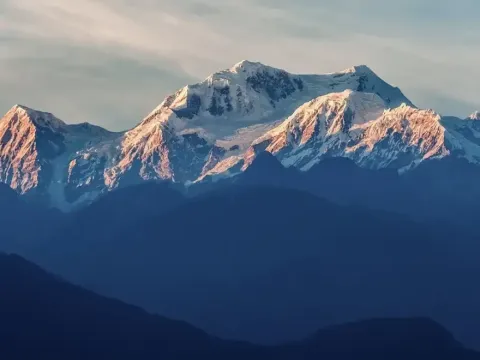
Upper Mustang Trek is among the best options when it comes to an alternative to the Everest Base Camp Trek. Compared to EBC, the adventure has a unique charm of exploring a former Himalayan kingdom of Tibetan culture, trade routes, monasteries, and a desert-like landscape.
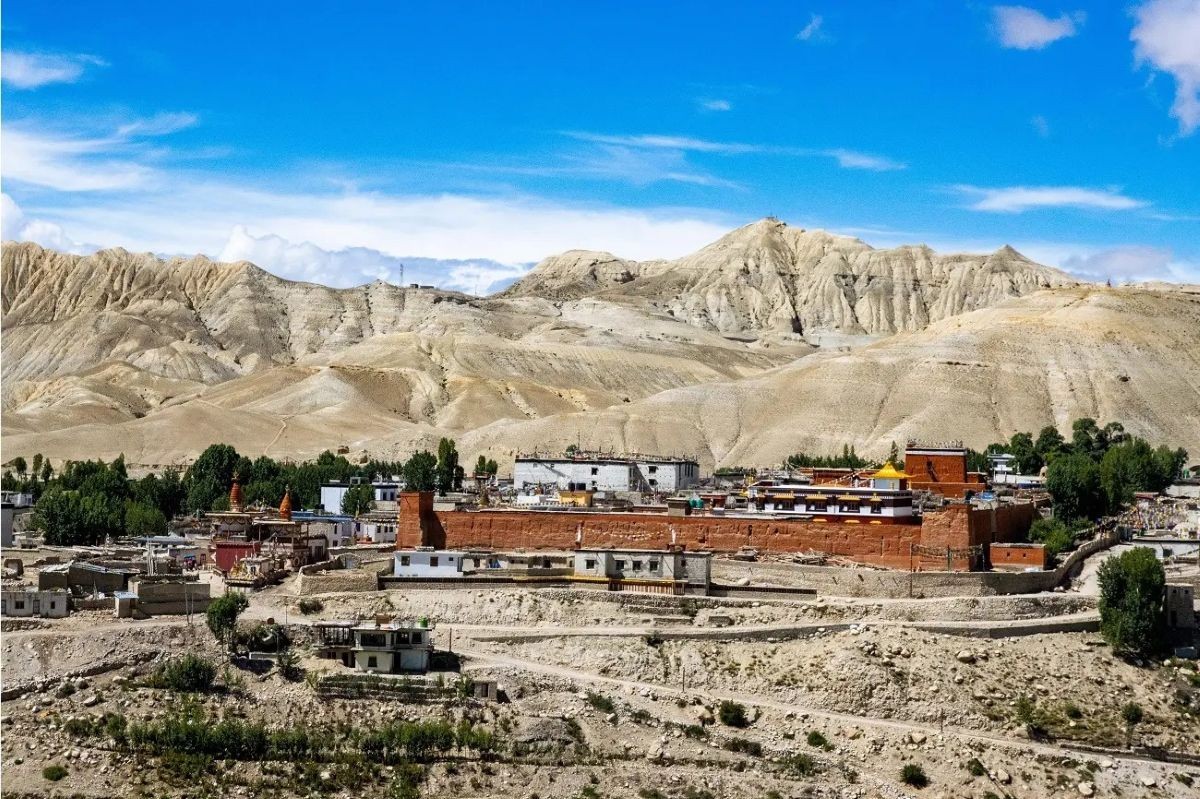
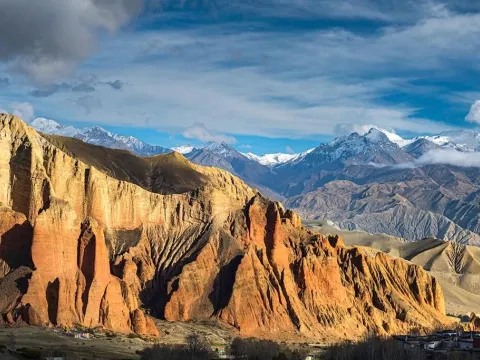
Upper Mustang region is the rain-shadow of the Annapurna and Dhaulagiri massifs. The area is relatively devoid of vegetation, and the landscape is primarily formed by wind-eroded sandstone of orange and reddish color.
Meanwhile, there are also numerous caves, chortens, monasteries, ancient fortresses, and walled-off villages. The intriguing cultural heritage site of Lo Manthang is also worth exploration. The region is described by the Nepal Tourism Board as a “Historic walled city at 4,000 m.”
Here, the primary difference compared to EBC is that instead of being a ‘base camp’ to a giant Himalayan massif, the cultural heritage and desert-like landscape of Upper Mustang attracts many trekkers willing to explore this lesser-known region of Nepal. Another significant advantage is that compared to the busy trails of EBC, the Upper Mustang Trek is considerably less crowded.
| Features | Description |
|---|---|
| Trek duration | 10 –17 days |
| Max altitude | 4,000 – 4,200 m |
| Difficulty | Moderate |
| Crowded | No |
| Restrictions | Yes |
| Cultural Interest | Yes |
| Major attraction | Tibetan culture |
| Accommodation | Teahouses available |
Upper Mustang Trek is much different from the EBC Trek both in terms of landscape and local culture.
More specifically, instead of encountering glacial peaks and valleys filled with snow, wind-eroded sandstone, desert, and caves are the hallmark features of this region.
Some of the best parts of Upper Mustang Trek include:
Here, due to the rain-shadow effect, the area has a much longer trekking season than many other regions in Nepal. The Nepal Tourism Board notes this advantage explicitly, noting that because of the rain-shadow, Upper Mustang can be explored even during the rainy season.
As a restricted area, Upper Mustang requires a specific trekking permit. According to the most recent Department of Tourism data, the cost is currently set at US$50 per person per day. Previously, it was USD 500 for one week and it has been replaced by USD 50 per day so that trekkers can stay as long as they want and pay USD 50 for the days they stay.
According to the Nepal Tourism Board, permits for restricted areas are required and issued at the appropriate government office.
Therefore, compared to trekking in ordinary regions, trekking in Upper Mustang has significantly higher permit costs.
Compared to EBC, trips to Upper Mustang involve a slightly lower altitude gain. However, it is not advisable to pursue this trek only because of the reduced maximum elevation. This is a fantastic opportunity for those willing to experience a more cultural and less crowded side of the Nepalese Himalayas.
Best for: The Upper Mustang Trek is best suited for those seeking a less crowded and more cultural Himalayan trekking adventure. Those looking for the typical high-altitude base camp experience of the Everest Massif may find this trek insufficient in this regard.
When it comes to choosing between different high-mountain treks in Nepal, it is not only the scenery that should matter. Rather, the individual preferences, experience, opportunities, and even the willingness to pay should affect the final decision.
Based on our experience with the clients we assist every year, it is always the personal circumstances that determine the best course of action.
Therefore, not only the opportunity to enjoy a less crowded and more cultural adventure should prompt a change from EBC.
If you already have ample trekking experience in the Himalayas or you specifically want a more cultural and less crowded experience in Nepal, an alternative to EBC is probably a better choice
Reasons to consider an alternative to Everest Base Camp Trek:
You are comfortable with the presence of a guide: Several of the alternatives to EBC are officially recommended to be done with a licensed guide, according to the Nepal Tourism Board.
| Trek | Highest Point | Difficulty | Permit & Formalities Complexity | Why it is Worth |
|---|---|---|
| Manaslu | 5,106 m | Challenging | High | Remote circuit with cultural heritage |
| Annapurna Circuit | 5,416 m | Moderate-High | Moderate | Great variety of landscapes |
| Nar Phu | 5,309 m | Challenging | High | Solitude with Tibetan culture |
| Kanchenjunga | 5,143 m | High | High | Wilderness |
| Upper Mustang | 4,000–4,200 m | Moderate | High | Cultural and desert-like landscapes |
| Everest Base Camp | 5,364 m | Moderate-High | Moderate | Easier access and the view of Everest, Sherpa culture |
Here, it is worth noting that the lack of crowding does not necessarily correlate with a lower altitude. For instance, while Upper Mustang is considerably lower than Everest, Kanchenjunga, Nar Phu, and Manaslu passes involve high-altitude trekking.
If your primary goal is to have a Himalayan trekking experience with minimal hassle, and your prime reason for visiting Nepal is seeing Everest, Kumbu Valley, and Sherpa villages; EBC Trek is the best option for you.
Here, it might also be the right choice if you seek better-developed trails with plenty of tea houses, as compared to the ones in restricted areas. You should consider your options carefully if you are an untested trekker, specifically if you have never been to the Himalayas before.
Reasons to consider Everest Base Camp Trek:
While there is no definitive right or wrong between these alternatives, it is still necessary to understand how EBC compares to other treks in Nepal. In particular, it is still worth noting that EBC is much better for those seeking to get close to the Everest and experience the Sherpa village culture.
By comparison, Manaslu and Kanchenjunga are much more challenging and remote, and Upper Mustang is focused on being an adventure through a desert valley.
Before making any final decision, make sure to check the entry requirements. In particular, the Nepal Tourism Board emphasizes that it is essential to understand whether you will need a licensed guide on your trekking adventure.
Choose EBC if you want to experience the Everest Massif and Kumbu Valley. Choose an alternative if the journey through a less crowded and more authentic trail is more important for you.
Choosing among the best alternatives to Everest Base Camp trek is not as simple as comparing mountain views.
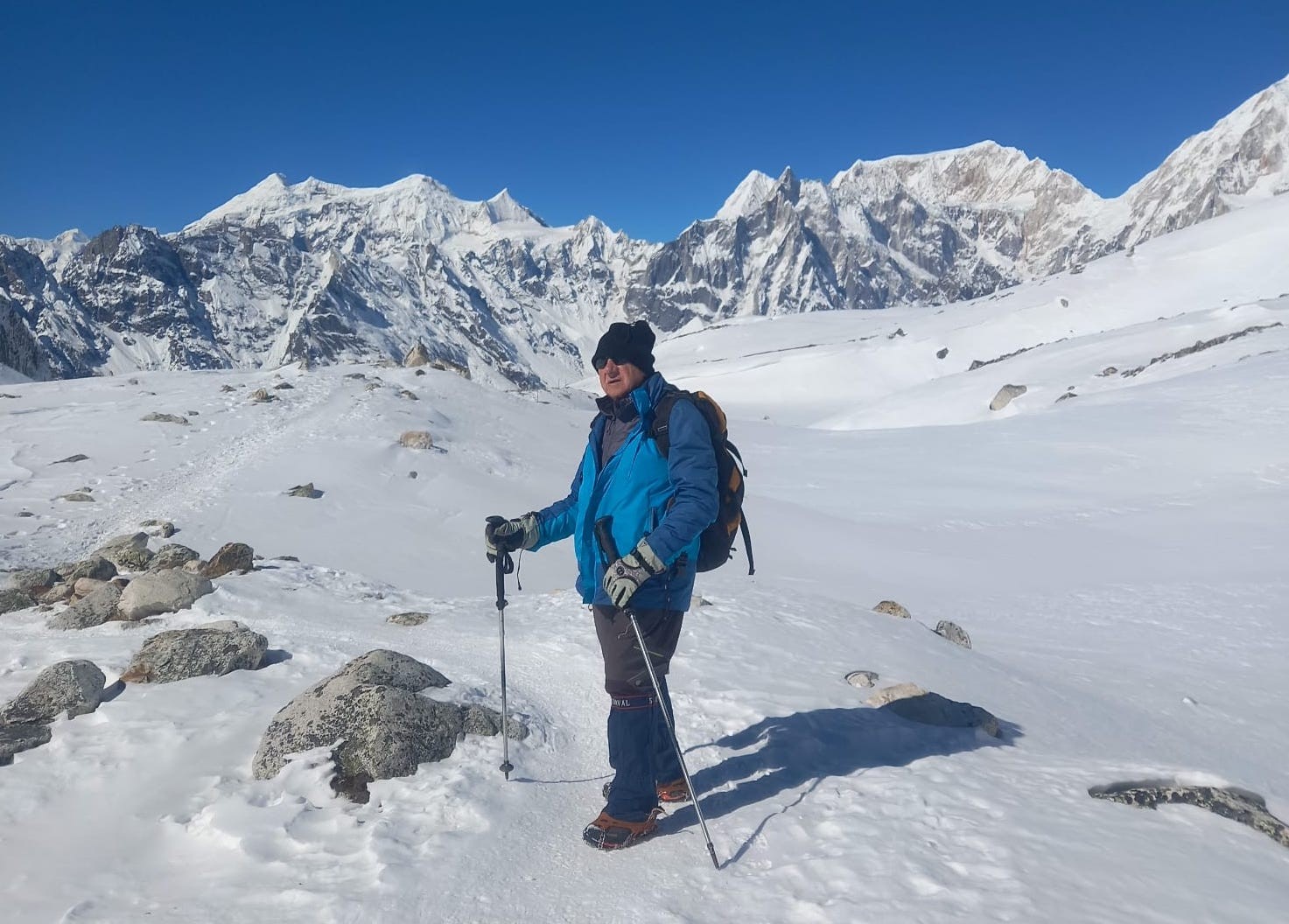
From our experience, operating these different trekking routes, we can say that the choice depends on your fitness and previous experience, budget and time, permits and guide, season, and the risk you are ready to undertake.
The first thing to evaluate is the difficulty level. Annapurna Circuit is suitable for moderately fit trekkers, while Manaslu and Nar Phu require more experience, and Kanchenjunga is the most challenging one of these five.
Think also about the altitude: several of these routes include crossing passes higher than 5,000 m, so a less strenuous trail does not necessarily means an easy one.
Your vacation’s duration can already rule out some options.
| Feature | EBC | Annapurna Circuit | Manaslu | Nar Phu | Upper Mustang | Kanchenjunga |
|---|---|---|
| Duration | 12-16 days | 12 - 20 days | 14 - 18 days | 9 - 14 days | 10 - 17 days | 18 - 24 days |
| Cost: | 1500 - 1700 | 1200 - 1500 | 1100 - 1400 | 900 - 1200 | 1200 - 1500 | 1700 - 2200 |
Note: These are only indicative figures: the final price depends on your nationality, group size, season, means of transportation, accommodation, and agencies. Remember that restricted trekking routes are more expensive and difficult since they require additional permits and a more organized guide.
For example, according to the Department of Tourism, the restricted area permit (RAP) for Upper Mustang costs US$50 per person per day, while Manaslu is US$100 per person per week in September – November, Mar-May and USD 75 per person per week in June-Aug, Dec-Feb.
Not all less popular routes are similar to EBC. According to the Nepal Tourism Board, currently, trekking in Manaslu, Nar Phu, Upper Mustang, and Kanchenjunga require a guide and TIMS card issued by an authorized agency according to the Trekking Information Management System.
Here, remember that restricted area permits are issued by the government through authorized agents. The Tourism Department also reminds that trekking in restricted areas is managed by authorized agencies.
Most of these routes are best explored in spring (March – May) and autumn (September – November).
Nevertheless, some of them are more popular and crowded than others, and the weather varies significantly.
Upper Mustang is the only region among the five that can be explored year-round since it is located in the rain-shadow. It means, even in the monsoon, you can do Upper Mustang trek. Also, the Upper Part of Annapurna Circuit is not affected by rain during Monsoon (June-Aug)
5. Choose Between Culture and Mountains
Ask yourself what you value most in a trek: cultural heritage or mountain views. If you want to see Everest and enjoy the traditional Khumbu landscape, EBC is the best option.
If you want to see remote villages and experience Tibetan culture, consider Manaslu or Nar Phu. Think of Upper Mustang to enjoy the scenery and cultural heritage of the region. Annapurna Circuit offers the most varied landscape, while Kanchenjunga is the wildest and most remote region.
6. Think of Your Risk Tolerance
Remote trekking routes imply a more challenging adventure. According to the Nepal Tourism Board, trekking in restricted areas may involve greater risks and difficulties, and rescue operations and other services may not be available.
Therefore, it is crucial to think about your risk tolerance and level of comfort. Ask yourself these questions:
If you seek comfort and less adventure, EBC or Annapurna Circuit are the best options. If you want to enjoy a cultural heritage and less crowding, consider Manaslu or Nar Phu.
Here, think of Upper Mustang if you want to see unique landscapes and ancient traditions.
Finally, Kanchenjunga is the wildest region and the most extreme trekking experience.
Actually, the best alternative to EBC depends on your preferences, experience, and budget. Nevertheless, the most important thing to remember is that the cheapest and least crowded option is not necessarily the best in terms of comfort, safety, and accessibility.
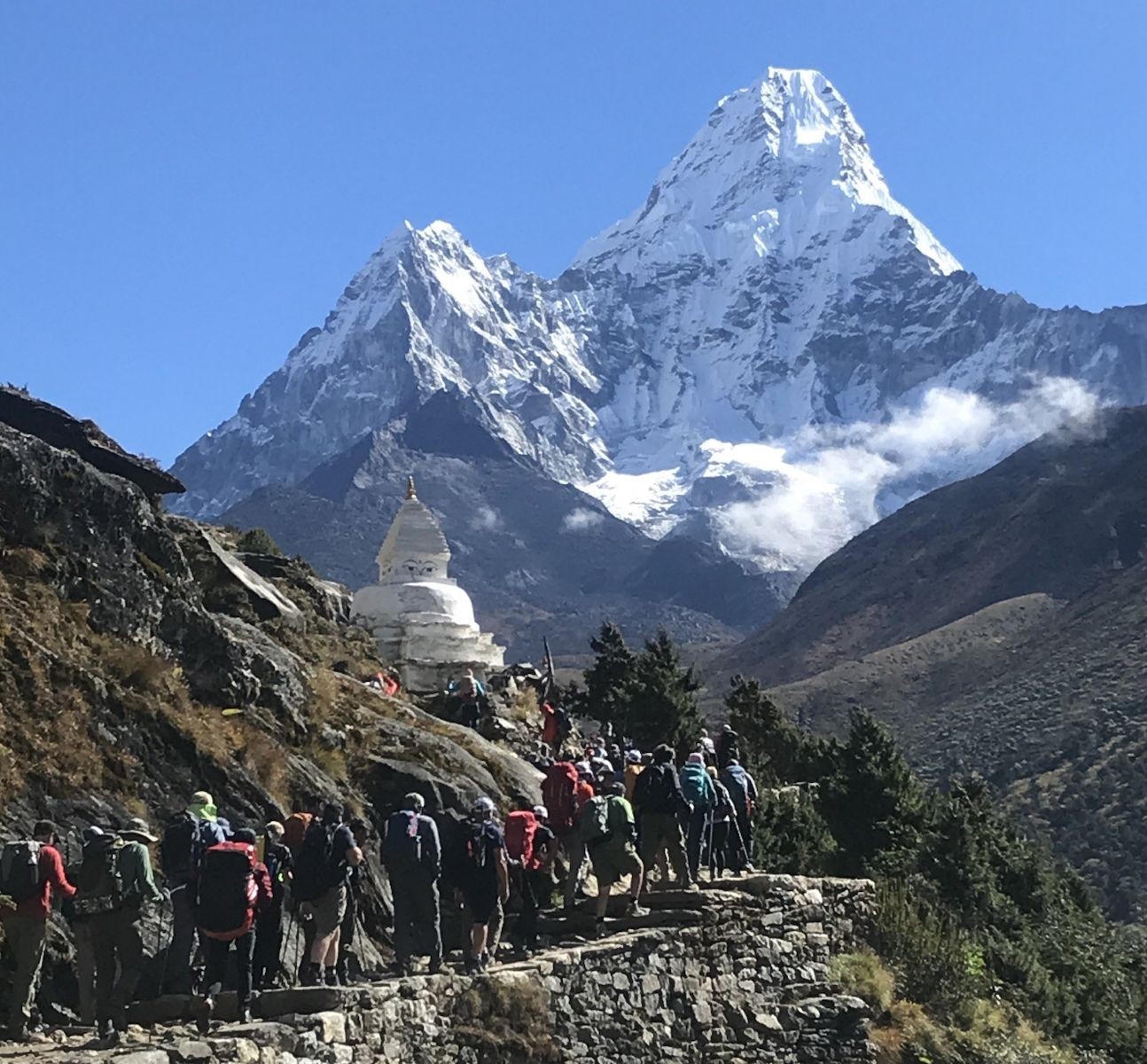
Everest Base Camp can be crowded, especially in peak seasons ( Spring and Autumn). Nevertheless, it is not the only factor to consider: the number of people varies depending on the month, the trail section, and the time of day.
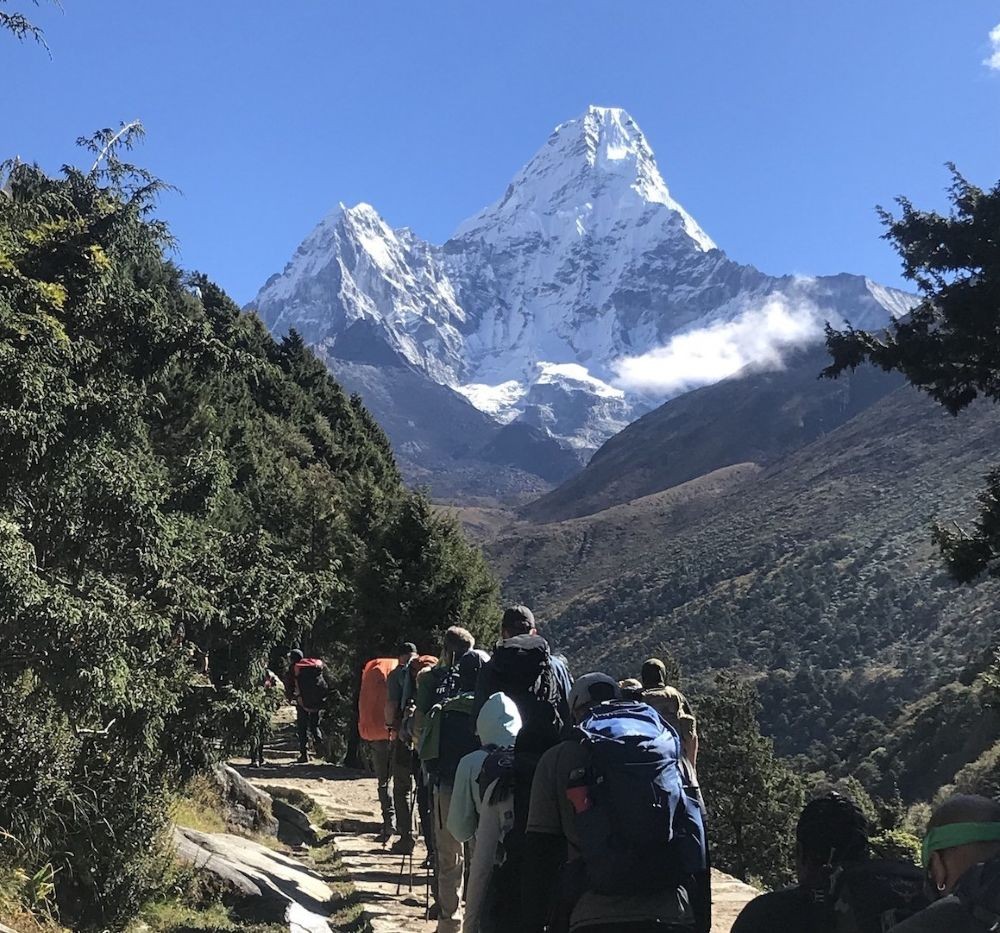
In any case, EBC is an exceptional trekking destination, but if you want to enjoy a less busy adventure, you should know that some of the alternatives to EBC are much less popular.
According to a recent estimate, nearly 59,000 people hiked to Everest Base Camp between mid-July 2024 and mid-July 2025. Out of these, approximately 80% of trekkers visited the region during the peak season (spring and autumn).
Another interesting figure comes from the protected area statistics. According to the government’s tourism department, in 2024, 49,372 foreign visitors explored Sagarmatha National Park. This number does not reflect the number of people who hiked to EBC since the national park covers a much larger area.
In fact, these statistics help explain why many people consider the Everest region to be overcrowded.
Nevertheless, it is crucial to keep in mind that most of these people are in the Solukhumbu district only for a short time: they are passing through on their way to EBC.
The crowds are the most prominent around popular attractions and accommodations. In particular, you may notice:
Likewise, it is not that the entire trail is busy at all times: some parts of the trail are more crowded than others, and some areas are virtually empty.
The high number of visitors inevitably puts stress on the local teahouse accommodations, food supplies, waste management, water resources, and trail conditions. Remember that Sagarmatha National Park is a protected area, so it is crucial to respect the local environment and follow the rules.
| Feature | Everest Base Camp | Manaslu Circuit | Annapurna Circuit | Nar Phu Valley | Kanchenjunga |
|---|---|---|
| Crowding | High | Low | Medium | Very low | Extremely low |
| Main advantages | Everest and Khumbu / Sherpa experience | Remote circuit and cultural immersion | Most varied landscapes | Isolation and cultural heritage | Wild and remote. |
Meanwhile, the difference can be quite significant: according to the government’s tourism department, Manaslu Conservation Area received 10,082 foreign visitors in 2024, while Sagarmatha National Park received 49,372. On the other hand, Kanchenjunga Conservation Area only had 1,290 foreign visitors in the same period.
If you want to enjoy a less busy trek, you can always plan your trip in the shoulder season. In particular, early spring and late autumn are much less crowded than the peak season.
Nevertheless, remember that the weather during these months is also not as good as during the peak season.
Likewise, another option is to avoid rush hours: some trails are much busier at certain times of the day than others.
More specifically, you can try to avoid the most popular viewpoints and hours when groups of hikers tend to arrive at the same time.
It depends on what you value most in a trekking adventure. If you want to enjoy the solitude of the Himalayas, the alternatives to Everest Base Camp are much better options.
On the other hand, if you want to see Everest and experience the local culture, EBC is the best choice.
In essence, the bottom line is that EBC is indeed more crowded than other trekking routes in Nepal. Nevertheless, this factor alone is not sufficient to dismiss EBC as an option. On the contrary, if you want to enjoy a less busy trekking adventure, you should consider other routes.
Finding the best alternative to Everest Base Camp is not as simple as opting for a lesser-known trail; the right trek should complement your fitness, time, financial, cultural, and adventure-seeking priorities.
Avoid overestimating your abilities - Manaslu, Nar Phu, and Kanchenjunga treks involve high-altitude trekking, which is physically demanding.
Here, Larke and Kang La passes in Manaslu and Kanchenjunga treks, respectively, are both over 5,000 meters, while Thorong La reach 5,416 meters. Annapurna Circuit is a much safer option for first-time Himalayan trekking than Kanchenjunga.
Condition your body for the most challenging route ahead and not the average day. A proper training regime should include:
Some of these routes have restricted areas with special permit guidelines. According to Nepal Tourism Board, “any of the restricted area routes will require a licensed guide and authorized trekking agencies as per the current government regulation.”
In other words, go through an authorized trekking agency when planning your Everest Base Camp alternative rather than trying to get away with cheaper local options.
Restricted area permits, accommodations, guides, and even domestic flights can get fully booked well in advance. It is advisable to book early, especially if you are traveling during peak seasons (March–May and September–November). This is even more important for restricted area treks where specific permits and guide arrangements need to be made in advance.
Do not waste your money on standard travel insurance policies. Ensure that your policy covers high-altitude trekking, emergency medical assistance, helicopter evacuation, and rescue operations. Ideally, it should also cover the maximum altitude you intend to trek.
Here, this is even more important for Kanchenjunga, Nar Phu, and Manaslu treks, where the nearest medical facilities may be days or even weeks away.
As a rule of thumb, the best trekking seasons in Nepal are autumn (February–March) and spring (April–June). Autumn offers mostly clear skies and good views, while spring has blooming rhododendrons and less wind. The Manaslu Circuit and Upper Mustang are relatively drier and warmer in the rainy season due to the rain-shadow effect.
Regardless, it is essential to double-check the weather in the weeks leading up to your trek.
Some of these treks can be combined into one comprehensive Himalayan adventure. Consider adding Nar Phu to the Annapurna Circuit, for instance - you get to explore isolated Tibetan-style villages in Nar Phu Valley before going through relatively more accessible and developed terrain in the Annapurna Circuit.
In fact, it is important to combine these routes only if you have the time and experience.
When comparing prices between different trekking agencies, ensure that you consider the overall package rather than just the quoted price.
Ask about the following and add them up to get the final price:
Some routes, such as Manaslu and Nar Phu, typically have higher costs due to restricted area permit costs, guide requirements, longer travel distances, and fewer facilities.
Ask yourself how far you can go in the wilderness before encountering a road or a hospital. In other words, how remote is too remote for you?
While trails such as the Everest Base Camp trek have developed trails and reasonably frequent teahouses, Kanchenjunga and Nar Phu Valley have few teahouses and are more remote and challenging. It is not that these treks are unsafe - it just means that you need to take extra precautions, have good insurance, and hire an experienced guide.
| Trek | Duration | Highest Point | Difficulty | Crowd Factor | Best For |
|---|---|---|
| Manaslu Circuit | 14–18 days | 5,106–5,160m | Challenging | Low | Remote mountainous culture |
| Annapurna Circuit | 12–20 days | 5,416m | Moderate-High | Medium | Landscape diversity |
| Nar Phu Valley | 9–14 days | 5,309m | Challenging | Very low | Isolation and Tibetan culture |
| Kanchenjunga | 18–24 days | 5,143m | Very high | Challenging | Extremely low | Wilderness |
| Upper Mustang | 10–17 days | 4,000–4,200m | Medium | Low | Tibetan landscapes |
On this point, it is essential to remember that the best alternative to Everest Base Camp is the one that fits your travel needs and expectations. The Manaslu Circuit and Nar Phu Valley offer remote mountainous culture, while the Annapurna Circuit offers the most landscape diversity. If you want a challenging trek through isolated wilderness, consider Kanchenjunga. Finally, Upper Mustang offers a relatively less strenuous trek with unique Tibetan influences.
Most importantly, avoid making decisions based on hype around a particular route. Think through all the critical factors above before committing to any of the alternatives to Everest Base Camp. That way, you stand a better chance of enjoying your adventure outdoors without risk or disappointment.
1. What are the 5 best alternatives to Everest Base Camp?
The 5 best alternatives to Everest Base Camp are Manaslu Circuit, Annapurna Circuit, Kanchenjunga Base Camp, Nar Phu Valley and Upper Mustang. Manaslu Circuit offers wilderness, Annapurna Circuit has variety, Kanchenjunga Base Camp is remote, Nar Phu Valley has Tibetan culture and Upper Mustang is arid.
2. Which is the best alternative to Everest Base Camp?
Manaslu Circuit Trek is one of the best alternative to Everest Base Camp for most trekkers. It is famous for crossing the high Larke pass (5,106m). The Manaslu Circuit offers a more remote wilderness experience than EBC.
3. Is Manaslu Circuit a good alternative to Everest Base Camp?
Manaslu Circuit is one of the best alternatives to Everest Base Camp for remote trekking. It includes high altitude trekking, mountainous views, Tibetan Buddhist culture and remote villages. It is good option for experienced trekkers who are looking for less crowded trail than Everest.
4. Is Annapurna Circuit better than Everest Base Camp?
Annapurna Circuit Trek is better alternative to Everest Base Camp for many trekkers who prefer less challenging and more variety of landscape. The Annapurna Circuit crosses Thorong La pass (5,416m) and passes through forests, valleys, mountain ridges, and Mustang.
However, for most of the trekkers, the Everest Base Camp remains the ultimate Himalayan trekking experience due to iconic views of the Everest.
5. Which Everest Base Camp alternative has the best mountain views?
The Manaslu Circuit and Annapurna Circuit offer some of the best alternative to Everest Base Camp for mountainous views. Manaslu Circuit provides close view of Mount Manaslu and other surrounding peaks. The Annapurna Circuit offers a panoramic view of Annapurna I, II, III, IV, Dhaulagiri, and other Himalayan peaks.
6. Is Kanchenjunga Base Camp a good alternative to Everest Base Camp?
The Kanchenjunga Base Camp Trek is a good alternative to Everest Base Camp for more remote wilderness trekking. It explores the eastern Himalayas and offers incredible views of Kanchenjunga. This trek is more demanding than Everest Base Camp as it takes longer time. Moreover, the Kanchenjunga Base Camp Trek is more isolated trek than most of the trek in Solukhumbu.
7. How difficult is Kanchenjunga Base Camp compared with Everest Base Camp?
Compared to Everest Base Camp, the Kanchenjunga Base Camp Trek is more demanding as it needs to acclimatize at higher altitudes. It is suitable for experienced and fit trekkers. Also, compared to Everest Base Camp, Kanchenjunga Base Camp offers more remote and isolated wilderness adventure with incredible views of Kanchenjunga.
8. What makes Nar Phu Valley one of the best alternatives to Everest Base Camp?
Nar Phu Valley Trek is one of the best alternatives to Everest Base Camp for remote villages and Tibetan culture. The Nar Phu Valley Trek offers a unique opportunity to explore Himalayan wilderness with amazing Tibetan Buddhist culture. This trek is more challenging than Everest Base Camp. The Nar Phu Valley is also a restricted area and requires special permit for trekking. This trek can be combined with Annapurna Circuit for more adventure.
9. Is Nar Phu Valley harder than Everest Base Camp?
Nar Phu Valley Trek is considered to be more challenging than Everest Base Camp due to its remote and isolated nature. Moreover, the trail is more difficult and less accessible than the trails in Solukhumbu. However, with proper preparation, it is possible to complete this trek safely.
10. Why is Upper Mustang an alternative to Everest Base Camp?
Upper Mustang is an option for trekkers who want to have different kind of adventure. The Upper Mustang Trek offers variety of landscapes including dramatic cliffs, caves, monasteries, and unique villages. The Upper Mustang Trek is a great alternative to Everest Base Camp for those who want to explore Himalayan landscape and culture.
11. Is Upper Mustang easier than Everest Base Camp?
Compared to Everest Base Camp, the Upper Mustang Trek is easier due to its lower altitude. The highest point in Upper Mustang is only 4,000 meters. However, trekking in Upper Mustang is more isolated than trekking in Solukhumbu.
12. Which Everest Base Camp alternative is best for fewer crowds?
The best alternatives to Everest Base Camp for fewer crowds are the Kanchenjunga Base Camp, Nar Phu Valley, Manaslu Circuit and Upper Mustang. All these four treks offer wonderful Himalayan views while exploring remote wilderness and local cultures. Another advantage of these treks is that they are less crowded than the Everest Base Camp Trek. The Manaslu Circuit is one of the most isolated trekking trails in the world.
13. Which alternative to Everest Base Camp offers the most cultural experience?
The Upper Mustang Trek and Nar Phu Valley Trek are two best alternatives to Everest Base Camp for cultural experiences. Both these treks offer wonderful opportunity to explore Tibetan Buddhist traditions, unique cultures, and ancient traditions of the Himalayas. The Upper Mustang Trek is famous for its walled cities, Tibetan culture and stunning landscape.
14. Which Everest Base Camp alternative is best for experienced trekkers?
For most of the experienced trekkers, the Kanchenjunga Base Camp Trek and Manaslu Circuit Trek are the best alternatives to Everest Base Camp. These treks are quite challenging and remote. For most of the trekkers, the Kanchenjunga Base Camp Trek offers incredible wilderness experience, while the Manaslu Circuit offers more adventure.
15. Do I need a guide for these Everest Base Camp alternatives?
Guide and TIMS permits are necessary for most of the trek in Nepal. As per the latest TIMS regulation, the Manaslu Circuit Trek, Kanchenjunga Base Camp Trek, Nar Phu Trek, and Upper Mustang Trek require guide and necessary permits. So, you should look for a reliable trekking agency and register with them before you start your journey.
16. Which alternative to Everest Base Camp has the highest pass?
Among all the alternative to Everest Base Camp, the Annapurna Circuit Trek has the highest pass Thorong La at 5,416m. The Manaslu Circuit Trek also has high pass Larke at 5,106m. Compared to these two, the highest point in Kanchenjunga Base Camp Trek, Upper Mustang Trek, and Nar Phu Trek are at lower altitude.
17. What is the best Everest Base Camp alternative for solitude?
The Kanchenjunga Base Camp Trek is one of the best alternative to Everest Base Camp for those who prefer solitude. This trek is quite isolated and suitable for those who want more remote wilderness exploration. Manaslu Circuit Trek and Nar Phu Valley Trek are also best option for more solitude during trekking holiday.
18. Which is better for scenery: Manaslu Circuit or Annapurna Circuit?
Both of these treks offer incredible Himalayan scenery; however, for most of the trekkers, the Manaslu Circuit is better for close view of the mountain. The Manaslu Circuit passes through beautiful river valleys, isolated Tibetan villages, and glaciers. On the other hand, the Annapurna Circuit offers a great variety of landscape. It provides wonderful views of the forest, valleys, ridges, and trans-Himalayan desert.
19. What is the best time for these Everest Base Camp alternatives?
The best time for all these alternative to Everest Base Camp are spring and autumn seasons, i.e., between March to May and September to November. For most of the trekkers, the autumn season is the best time for trekking to Upper Mustang and Nar Phu Valley. During this time, the weather is clear and mountains are visible. The spring season is also good for trekking as flowers are blooming during this season.
20. How do I choose the best alternative to Everest Base Camp?
The best way to choose the best alternative to Everest Base Camp is to consider your priorities. If you want a wilderness experience, you may consider the Manaslu Circuit Trek. Annapurna Circuit Trek is better option if you want to enjoy variety of Himalayan scenery. If you are looking for more adventure, the Kanchenjunga Base Camp Trek is the best choice.
Our travel experts are ready to assist you with any questions.
Send us a message.Have a question before you book? Send your enquiry below and our travel experts will get back with the required information.