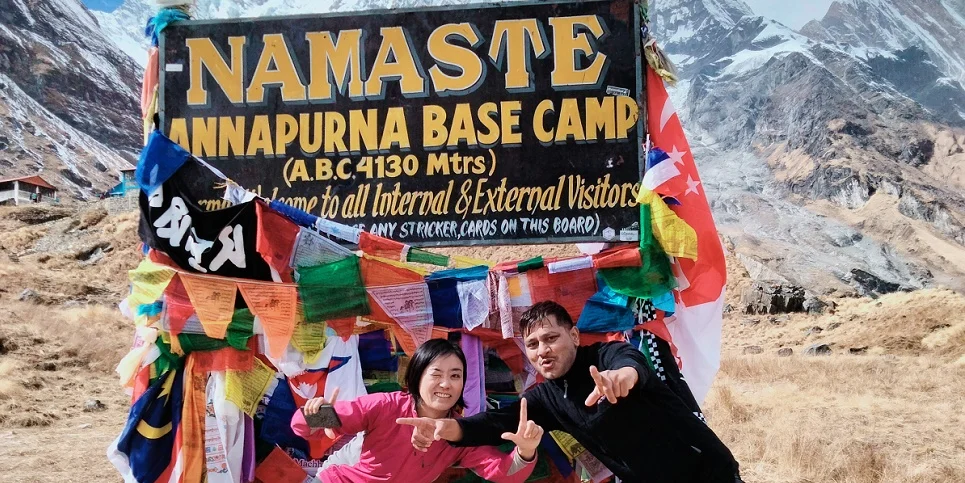
Annapurna Region is known for Annapurna Base Camp, Mardi Himal, Annapurna Circuit and most popular Poon Hill.
The Annapurna Region in Nepal is one of the globe's most popular trekking areas, renowned for its stunning scenery, diverse ecosystems, and panoramas of enormous mountain peaks like Dhaulagiri and Annapurnas. It encircles the Annapurna Massif, upon which lies the 10th tallest peak on Earth, Annapurna I (8,091 meters). The Annapurna region has a variety of treks ranging from short day treks to the famous Annapurna Circuit, Poon Hill Trek, and Annapurna Base Camp Trek. Trekking in Annapurna Region vary in elevation from 800 meters to over 5,000 meters, and thus the trekkers get to experience a variety of terrain, ranging from subtropical jungle to alpine grasslands, and witness the panoramic views of the Annapurna, Machapuchare, and Dhaulagiri ranges.
1. Ghorepani Poon Hill Jeep Ride
2. Ghorepani Poon Hill Trek Route
4. Ghorepani Poon Hill Trek in Winter
6. Annapurna Base Camp Jeep Ride
7. Where is the Best View of Annapurna Range?
9. Ghorepani-Poonhill Trek- A Complete Trekkers' Guide
14. How much does it cost to trek to Poon Hill?
15. How long does it take to trek Poon Hill?
16. How difficult is Annapurna Base Camp Trek?
17. Annapurna Base Camp Trek vs Everest Base Camp Trek
18. Annapurna Base Camp Trek in Winter
19. 10 Best Spring Treks in Nepal
20. Annapurna Base Camp Trek in Spring
21. Annapurna Base Camp Trek in April
23. 50 Facts about Annapurna Base Camp Trek
1. When is the best season to trek in the Annapurna region?
The best time to trek in the Annapurna region is the pre-monsoon (March to May) and post-monsoon (September to November) seasons. These seasons offer stable weather, clear skies, and moderate temperatures, ideal for trekking. Spring (March-May) season is wildflowers and pleasant weather, and autumn (September-November) season is crisp weather and clear vistas of the Annapurna range. Steer clear of the monsoon months (June-August) since heavy rain and dirty trails make the trekking in Annapurna region slippery and less comfortable.
2. How difficult is the Annapurna Circuit trek?
The Annapurna Circuit trek is moderately challenging. It takes about 12-14 days and involves crossing the Thorong La Pass (5,416 meters), which is one of the highest trekking passes globally. The Annapurna Circuit trek requires good physical fitness and acclimatization, but hikers gain significant altitude, since the gentle climb dulls the danger of altitude sickness. The trek covers diversified landscapes from subtropical jungles to alpine, offering hikers both a physical challenge and breathtaking landscape.
3. How high is Annapurna Base Camp?
Annapurna Base Camp (ABC) stands at an altitude of 4,130 meters (13,550 feet) above sea level. This mid-level trek offers trekkers close-up views of Annapurna I, Annapurna South, Machapuchare (Fishtail), and other Annapurna Massif peaks. The trek passes through villages with scenic countryside, rhododendron forests, and cultivated land along the way to the base camp, offering an actual opportunity to experience both cultural diversity and nature's beauty.
4. How long does the Annapurna Circuit take to complete?
Annapurna Circuit trek typically takes 12-21 days depending on your timing, rest, and route traveled. The original circuit is between Besisahar and Nayapul, passing through varying elevations and landscapes, and some highlights like the Thorong La Pass and villages of Manang, Pisang, and Jomsom. Some trekkers like to split the trek in two by having a vehicle traverse some parts, while others would prefer the entire trek of the circuit that provides them with a full experience.
5. What are the major mountain peaks one is able to view during the Annapurna trek?
The Annapurna range enjoys good views of some of the highest peaks on the planet. Key peaks observed during the Annapurna region trek include Annapurna I (8,091 meters), Annapurna South (7,219 meters), Machapuchare (6,993 meters), Dhaulagiri (8,167 meters), and Gangapurna (7,455 meters). Trekking in this region gives the trekkers an opportunity to observe panoramic vistas of these giant peaks, where the most popular views can be observed from Annapurna Base Camp and Poon Hill.
6. Is trekking in the Annapurna region safe?
Yes, Annapurna trekking is generally safe, with well-trodden trails and experienced guides available. As with any high-altitude trek, however, acclimatizing and not suffering from altitude sickness is important. A guide or porter is recommended to trek with, especially for inexperienced trekkers, as they can follow the trails, provide local information, and provide safety precautions. There are some teahouses in the area, and there is an emergency rescue service. It is also necessary to be prepared for unexpected weather and bring the appropriate gear.
7. Can you trek the Annapurna region independently?
Yes, it is possible to trek the Annapurna region independently without a porter or guide, especially for seasoned trekkers. But you have to obtain the required permits, such as the Annapurna Conservation Area Permit (ACAP) and TIMS (Trekkers' Information Management System) card. While some trails, like the Ghorepani Poon Hill trek, are clearly marked and simple to navigate, others like the Annapurna Circuit are more challenging and may require more planning and preparation.
8. What is the highest point of the Annapurna Circuit?
The top of the Annapurna Circuit is Thorong La Pass, at 5,416 meters (17,769 feet). This picturesque pass is the highlight of the circuit, offering breathtaking vistas of the Annapurna and Dhaulagiri mountains. The trek to the pass is arduous and requires proper acclimatization, as the trekkers usually spend a couple of days at lower altitudes to acclimatize to the high altitude before heading up to the pass. Thorong La climb is a great achievement for most of the trekkers.
Annapurna Base Camp Trek, Ghorepani Poon Hill Trek, Muldai Hill Trek, Mardi Himal Trek, Annapurna Circuit Trek and Upper Mustang Trek are the most exciting and popular trekking trips in Annapurna region. Do an extensive research on the trekking trip you like to enjoy and set your plan accordingly.
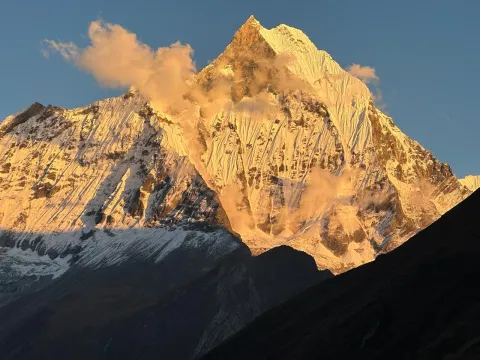
A 7 day trek to Annapurna Base Camp with Haven Holidays costs between USD $375 to USD $625. In fact, the total cost of your Annapurna Base Camp Trek will depend on your group size, trek duration, transport, accommodation and what is included in your package.
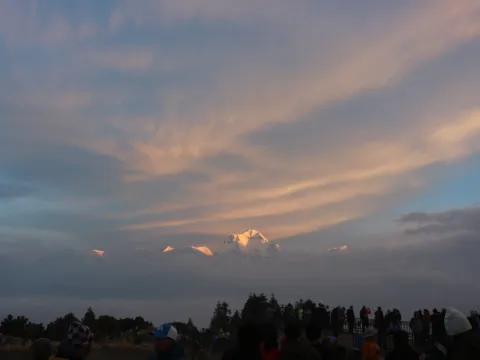
The 5 popular places to visit near Poon Hill are Tatopani, Kali Gandaki Gorge, Muldai Hill, Ghandruk and Jhinu Hot Spring. If you have around 8-10 days to spend near Pokhara and Poon Hill, you will truly enjoy the whole Annapurna region at once. Most importantly, the mountain views, sunrise and sunsets, deep gorges, natural hot springs, authentic Nepali culture and natural hot spring are the major highlights of this trip.
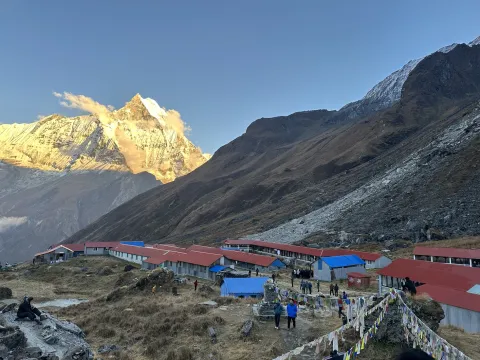
The cost of Annapurna heli tour will depend on where you are flying from, how many people are going, helicopter options and what is included. As of October 2026, the advertised prices from Pokhara to ABC helicopter start at approx. USD 550 per person for group flights. Private charters will cost around USD 2150-2400.
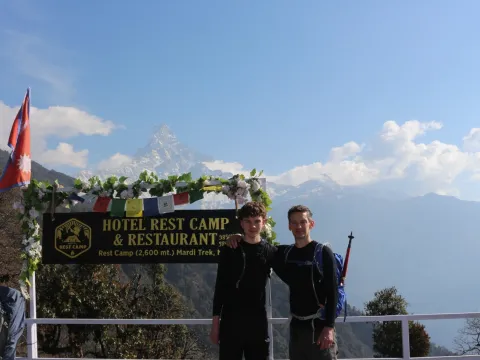
Unfortunately yes. According to the Nepal Tourism Board’s trekking guidelines, foreign trekkers will require a licensed trekking guide to trek the Mardi Himal route. Mardi Himal is listed on the official guidance as a route that require a licensed guide and TIMS Card from a government registered trekking agency. Meanwhile, foreign visitors should organise their guide and necessary documentation. However, some people may say they have trekked this route without a guide.
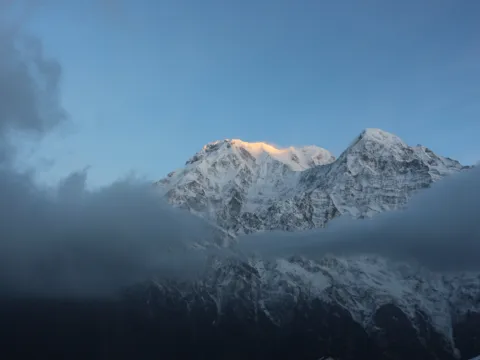
The Mardi Himal Trek in the winter offers a different flavour to hiking enthusiasts that are looking for adventure off the beaten track in Nepal's scenic Annapurna region. This medium level trekking experience includes forested paths, challenging mountain slopes awash with snow and outstanding views of Machhapuchhre (Fishtail).
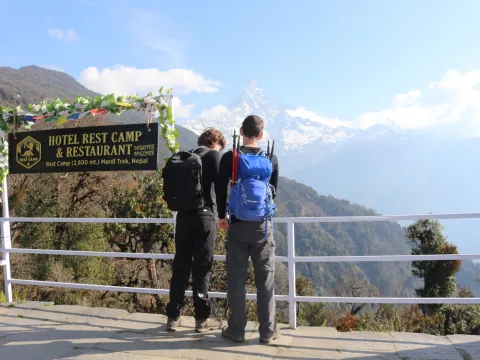
Packing for the Mardi Himal Trek involves preparing clothing, safety equipment, and comfort items. In addition, trekkers must be ready to brave the morning chills, strong sunshine during the day, sudden rainfall, and long walks along the trekking trail that spans up to five days.
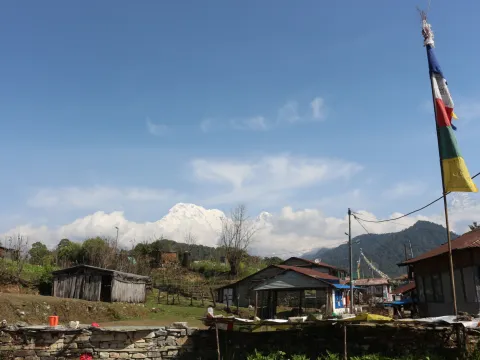
4-day Mardi Himal trek from Pokhara is a shorter Himalayan trail exploring the shadow of Machhapuchhre and the views of the Annapurna range. In addition to, the 4-day route offers forest paths, rhododendron woods and stays in traditional lodges as well as exposed ridges. While the Annapurna Base Camp trail is more crowded, the trek to Mardi Himal is quieter and closer to Machhapuchhre. Nevertheless, the latter route becomes steep, narrow and exposed after High Camp.
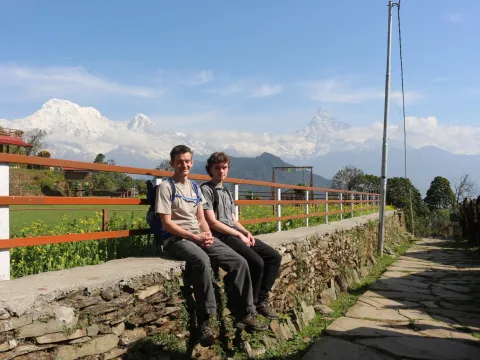
For a 4-day Mardi Himal Trek 2027, the rough price range is USD 165–320 per person and for a 5-day trip, the estimated cost is USD 195–360. These costs depends on group size and services included in the package. However, the final Mardi Himal price depends on the group size, transport, accommodation standards, included services and other factors. Guide and porter services, permits, meals and individual or shared transfers can affect the total cost of your Mardi Himal Trek package.
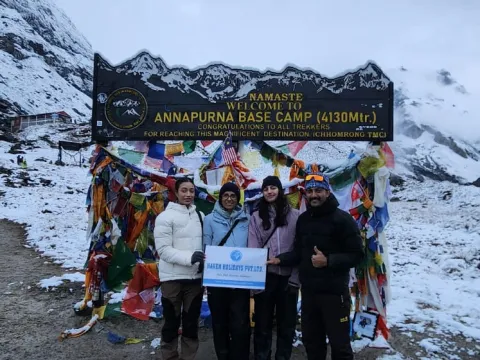
Choosing between Mardi Himal vs Annapurna Base Camp (ABC) trek depends on the type of experience you want to have. Here, Mardi Himal is a good choice, if you want a shorter Himalayan trek with views of Machhapuchhre. Annapurna Base Camp (ABC) trek is a good option, if you are looking for a longer walk in the Annapurna Sanctuary and spectacular views. On the other hand, Mardi Himal may suit you better, if you want a more leisurely and less demanding walk and stay in some luxury accommodations.