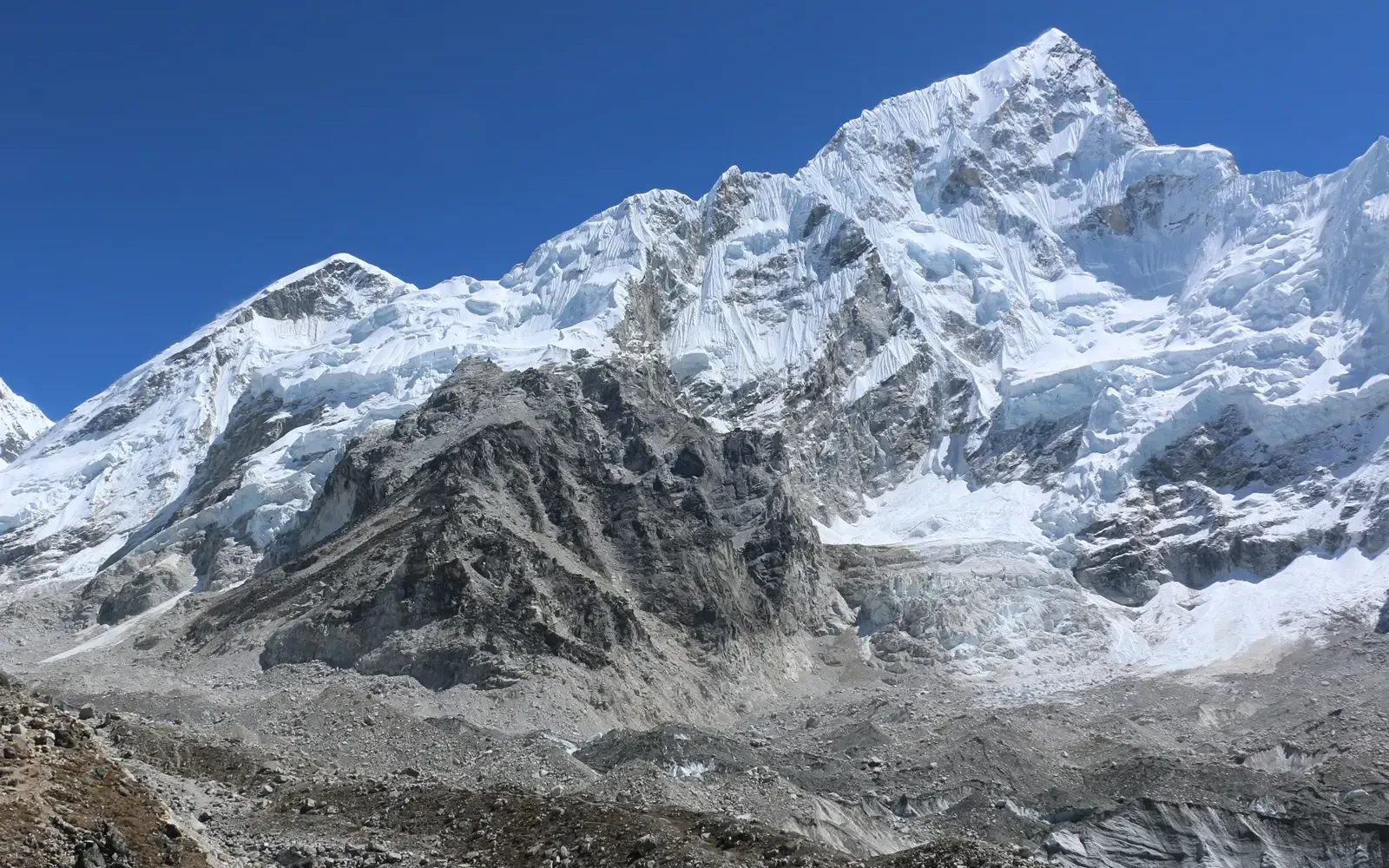
Explore Everest Base Camp Trek guided vs independent options. The EBC trek which reaches a height of 5,364m provides a comparison between costs and safety measures and logistical aspects and actual trek experiences. The ideal Himalayan adventure for you awaits your selection.
Meanwhile, the Everest Base Camp Trek exists as the perfect Himalayan expedition. The EBC trek route shows its main features through three elements which include track details and elevation data and the two different trekking options which include guided trekking and independent trekking for 2026.
Moreover, the Everest Base Camp Trek attracts trekkers from every corner of the globe. Trekkers pursue breath-taking vistas which include Mount Everest at 8848 meters and various other mountains. They trek through Sherpa villages until they arrive at Everest Base Camp which stands at 5364 meters. The EBC trek displays unspoiled Himalayan natural beauty which enables travellers to achieve personal success.
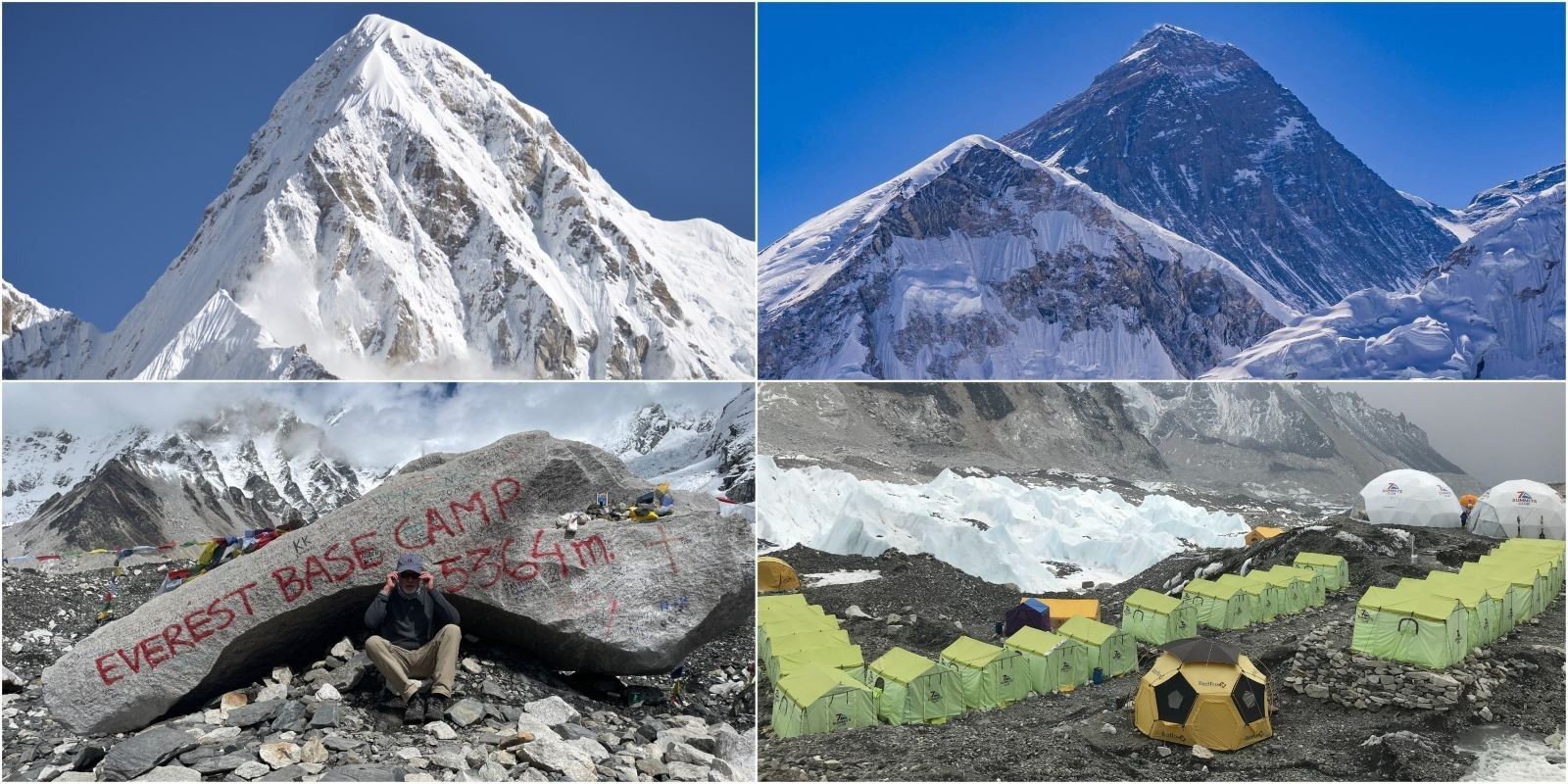
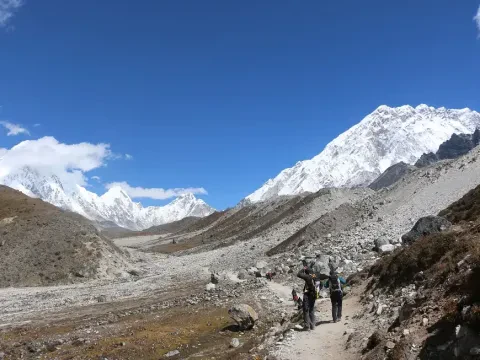
Additionally, the route begins at Lukla which has an elevation of 2860 meters and proceeds to Namche Bazaar which stands at 3440 meters. Hikers cross suspension bridges and acclimatize at higher elevations. The Everest Base Camp Trek tests endurance yet rewards with unforgettable sunrises. Many choose this path for life-changing memories.
However, the guided versus independent dilemma results in an early confrontation. Some trekkers require full support during the EBC trek while others prefer to explore freely. The existing Nepal regulations create distinct paths which people must follow. Trekkers assess various options which enable them to accomplish their goals.
Therefore, the comparison delivers results which enable you to choose wisely for your Everest Base Camp Trek. The study provides complete understanding of all details which occur throughout the process. The right approach turns your Himalayan dream into reality. Plan ahead and embrace the adventure safely.
Key Facts About the Everest Base Camp Trek :
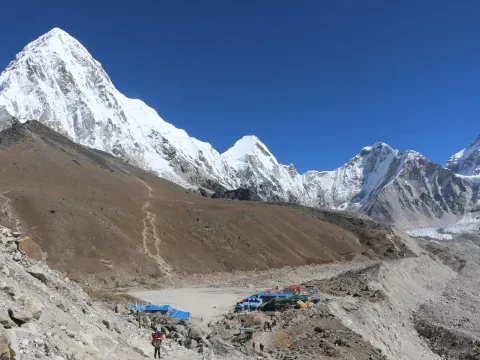
Actually, the regulations of require you to learn guided trekking EBC and independent trekking Nepal. The Everest Base Camp Trek requires trekkers to learn essential definitions and guide requirements and pathway distinctions.
Furthermore, the guided trekking EBC package requires trekkers to book through a licensed agency. You can choose to either join a trekking group or hire private guide and porter services. The team takes care of all travel arrangements from Kathmandu to Everest Base Camp which has an elevation of 5,364 meters. Trekkers concentrate only on walking the path and enjoying the scenery.
Moreover, independent trekking Nepal experience requires you to organize your own Everest Base Camp Trek. You book teahouses and arrange permits yourself in Lukla (2,860 m). Current rules require a licensed guide for foreigners in Sagarmatha National Park. The regulations restrict true solo hikes because they consider safety needs.
Additionally, guided options provide two choices which are group treks and private custom trips. The independent trekkers need only basic support while they take responsibility for their daily activities. The two methods allow travelers to reach Namche Bazaar (3,440 m) and Kala Patthar (5,545 m). The regulations for the area now require all guides to have valid licenses.
Therefore, you make your selection based on your current experience level and your individual preferences. The guided trekking EBC program provides structured activities while the independent trekking Nepal experience offers travelers flexible options. Most people create their ideal EBC trek balance by combining different elements. Select the option that most closely matches your outdoor adventure preferences.
| Aspect | Guided Trekking EBC | Independent Trekking Nepal |
|---|---|---|
| Agency Involvement | Full package with team | Self-planned with optional guide hire. |
| Guide Requirement | Included and mandatory | Required by regulations (2025). |
| Flexibility | Fixed itinerary | Custom daily pace. |
| Support Level | High (porter, meals, bookings) | Moderate (teahouse self-booking). |
| Typical Cost | $1,475–$2,500 | $1,000–$1,400. |
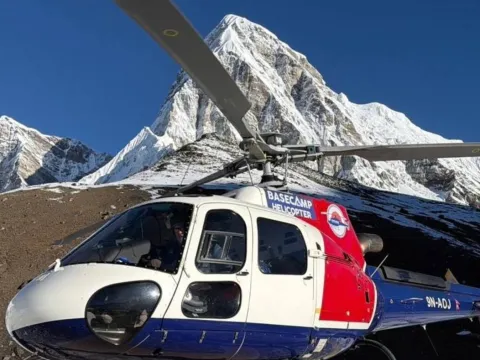
Actually, the Everest Base Camp trek route follows the traditional EBC trek itinerary which lasts from 12 to 14 days. The standard EBC trek which lasts 12 to 14 days in 2026 requires you to discover essential locations and their respective heights and daily activities which exist throughout the trek.
Moreover, the classic EBC trek itinerary begins with a thrilling flight to Lukla at 2,860 meters. The first day of the trek starts with trekkers making a gradual descent to Phakding which is located at 2,610 meters. The path leads you along the Dudh Koshi River while you traverse suspension bridges. The Everest Base Camp trek route creates excitement from its very first moment
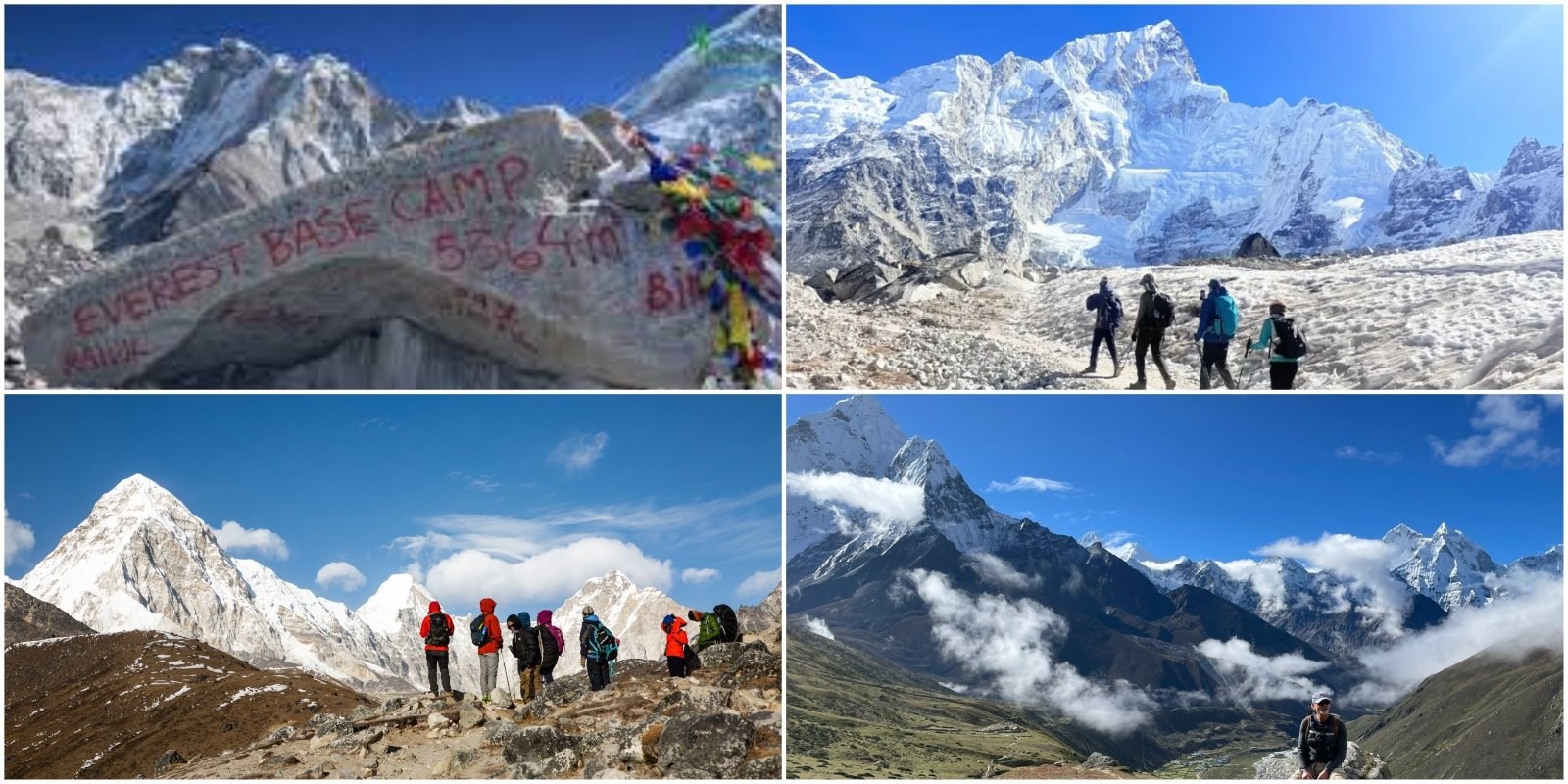
Additionally, the standard EBC trek 12-14 days reaches Namche Bazaar at 3 440 meters through its second day of climbing. The classic EBC trek itinerary requires travelers to spend an acclimatization day at this location which includes side hikes. The mountain views of Mount Everest 8 848 meters and vibrant Sherpa shops provide you with a beautiful experience. The trail leads upward which increases your energy levels.
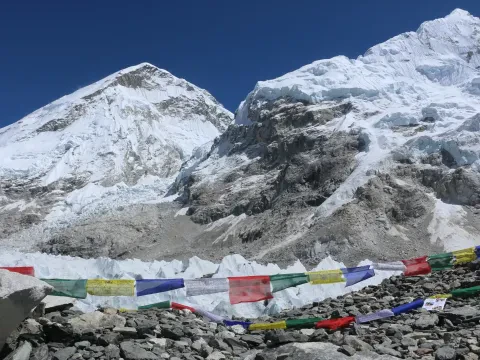
Furthermore, the route continues to Tengboche which is located at an elevation of 3860 meters and then goes to Dingboche which is situated at 4410 meters after you take another break. The Everest Base Camp trek route features monasteries and stunning mountain panoramas. The next destinations to visit are Lobuche which is situated at 4940 meters and Gorak Shep which has an elevation of 5164 meters. The stops assist your body in adapting to higher altitudes while maintaining safe conditions.
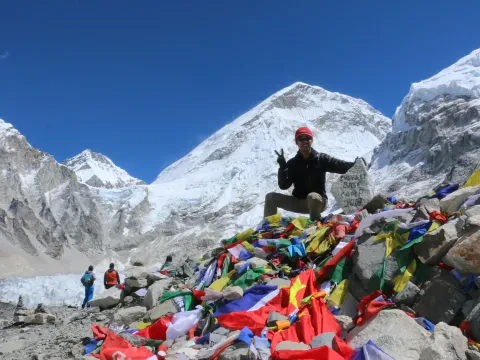
Therefore, the final push ascends to Everest Base Camp which has an altitude of 5364 meters and Kala Patthar which reaches 5545 meters for viewing the sunrise. The classic EBC trek itinerary then descends the same Everest Base Camp trek route back to Lukla (2,860 m). You create lasting experiences through the standard EBC trek which takes 12-14 days to finish. Proper pacing ensures you finish strong and satisfied.
| Day | Route | Highlights |
|---|---|---|
| 1-2 | Lukla (2,860 m) to Namche Bazaar (3,440 m) | Up and down, River views, acclimatization. |
| 3-5 | Namche to Dingboche (4,410 m) | Rest days, Monastery, side hikes. |
| 6-8 | Dingboche to Gorak Shep (5,164 m) | High alpine, Glacier trails. |
| 9-10 | Everest Base Camp (5,364 m) & Kala Patthar (5,545 m) | Summit push, Iconic views. |
| 11-14 | Descent to Lukla (2,860 m) | Easy return, Reflection time. |
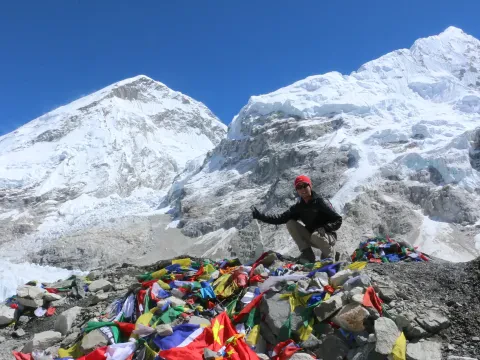
Meanwhile, the safety and risk management procedures for EBC treks show different results between guided treks and independent treks. The Everest Base Camp trek requires you to understand altitude sickness prevention methods and emergency situations and the duties of guides.
However, the main danger of all Everest Base Camp treks results from altitude sickness. Headaches and nausea develop at elevations above Namche Bazaar which stands at 3440 meters. The EBC trek requires trekkers to ascend at a slow pace while maintaining their hydration needs throughout the day. Trekkers assess their oxygen levels with precision as they reach higher altitude camps.
Moreover, guided EBC treks provide expert risk management through licensed professionals who operate under their guidance. The guides detect initial symptoms of acute mountain sickness and they immediately change the trekking speed. The team brings first-aid equipment and they manage rescue operations at Dingboche, which is situated at 4,410 meters. This support boosts confidence on the Everest Base Camp trek route.
Additionally, trekker needs to maintain constant personal safety vigilance during their independent trek through Nepal. You track weather changes and navigation challenges around Lobuche (4,940 m) yourself. Emergency response requires more time because there is no direct support from teammates. Many people choose to hire minimum staff because it gives them peace of mind.
Therefore, guided trekking EBC experience provides better safety than any independent EBC trek options. Professional monitoring prevents serious issues like HAPE or HACE effectively. The two methods both require the use of Diamox and rest days for their effectiveness. Your choice will determine the complete protection of your Himalayan adventure.
Guided vs Independent Safety Comparison :
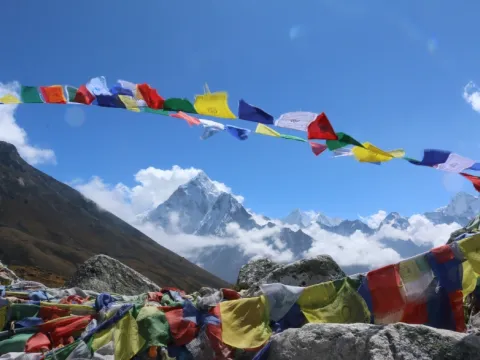
Get the full EBC trek cost breakdown for guided trek vs independent trek Nepal. Your Everest Base Camp trek planning for this year will benefit from comparing actual expenses which include permits and flights and teahouses to your total budget.
Moreover, the EBC trek cost breakdown shows clear differences between styles. Guided trek packages range from $1,300 to $2,500 per person for 12-14 days. The package includes Lukla (2,860 m) flights and permits and guide and porter services and most meals until Everest Base Camp (5,364 m). The service enables you to plan your trip from Kathmandu without any difficulties.
Additionally, independent trek in Nepal requires a guide which costs between $900 and $1,400. You are responsible for making teahouse reservations in the areas of Namche Bazaar which is located at 3,440 meters and Dingboche which is located at 4,410 meters. The EBC trek cost breakdown 2026 includes separate Sagarmatha National Park permit and Khumbu fees around $50. Basic options provide budget trekkers with their most affordable trekking solution.
Furthermore, the two methods include round-trip Lukla flights which cost between $400 and $470. The 2026 study of guided and independent trekking shows that both types of treks require customers to spend between $20 and $40 on their daily meals. The Everest Base Camp trek budget increases when trekkers choose to use private guides or stay in luxurious teahouses. You make your extra calculations which include tips through careful estimation.
Therefore, You establish your Everest Base Camp trek budget which matches your personal requirements. The study of guided and independent trekking shows that customers receive benefits through two different methods which include saving money and getting help with their activities. The smart planners need to examine the EBC trek cost breakdown during their initial planning stages. Select the style which best matches your adventure objectives.
| Expense Category | Guided Trek (Standard) | Independent Trek (with Guide) |
|---|---|---|
| Agency Package Fee | $1475 – $1,600 | $0 (self-planned) |
| Lukla Flights | Included ($450) | $450 (separate) |
| Permits | Included ($50) | $50 |
| Guide & Porter | Included | $500 – $700 (hired) |
| Teahouses & Meals | Mostly included | $300 – $500 |
| Total Estimate | $1,475 – $2,500 | $1,300 – $1,400 |
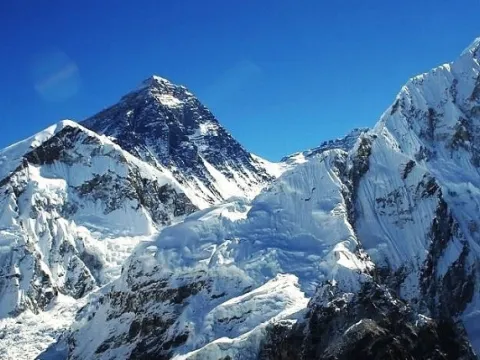
Discover guided Everest Base Camp trek pros and cons. The best choice for your EBC trek requires you to assess four factors which include convenience and safety net protection and group dynamics and your ability to change plans.
However, guided Everest Base Camp trek provides trekkers with two main benefits which include high levels of operational efficiency and complete safety throughout the journey. Professional teams manage all logistics from Lukla (2,860 m) to Everest Base Camp (5,364 m). You can concentrate on your hiking path because you will not need to think about teahouse accommodations and permit requirements each day. First-time trekkers will find this method to be their ideal solution.
Moreover, the safety net provides which major benefits which stand out as its most important advantage. The licensed guides use their knowledge about altitude sickness to oversee Namche Bazaar which is located at 3440 meters above sea level. The team delivers first-aid services together with emergency response capabilities at Dingboche which is situated at an elevation of 4410 meters. The guided Everest Base Camp trek provides advantages and disadvantages which demonstrate how trekkers receive reliable assistance during difficult situations.
Additionally, group dynamics establish bonds that lead to enduring friendships and motivate shared goals. The trek takes you to Kala Patthar which has an elevation of 5545 meters and Mount Everest which stands at 8848 meters. The fixed itineraries enable all trekkers to follow their scheduled times throughout the entire EBC trek. The social energy along the route brings enjoyment to many people who travel there.
Therefore, you make a wise decision about the guided Everest Base Camp trek because you have evaluated all its advantages and disadvantages. The busy parts of the route restrict your ability to choose your own speed because of the established time table. The majority of adventurers prefer to maintain their overall support because of minor flexibility problems. The guided options create a more convenient experience to explore the Himalayan region.
Guided Everest Base Camp Trek Pros and Cons :
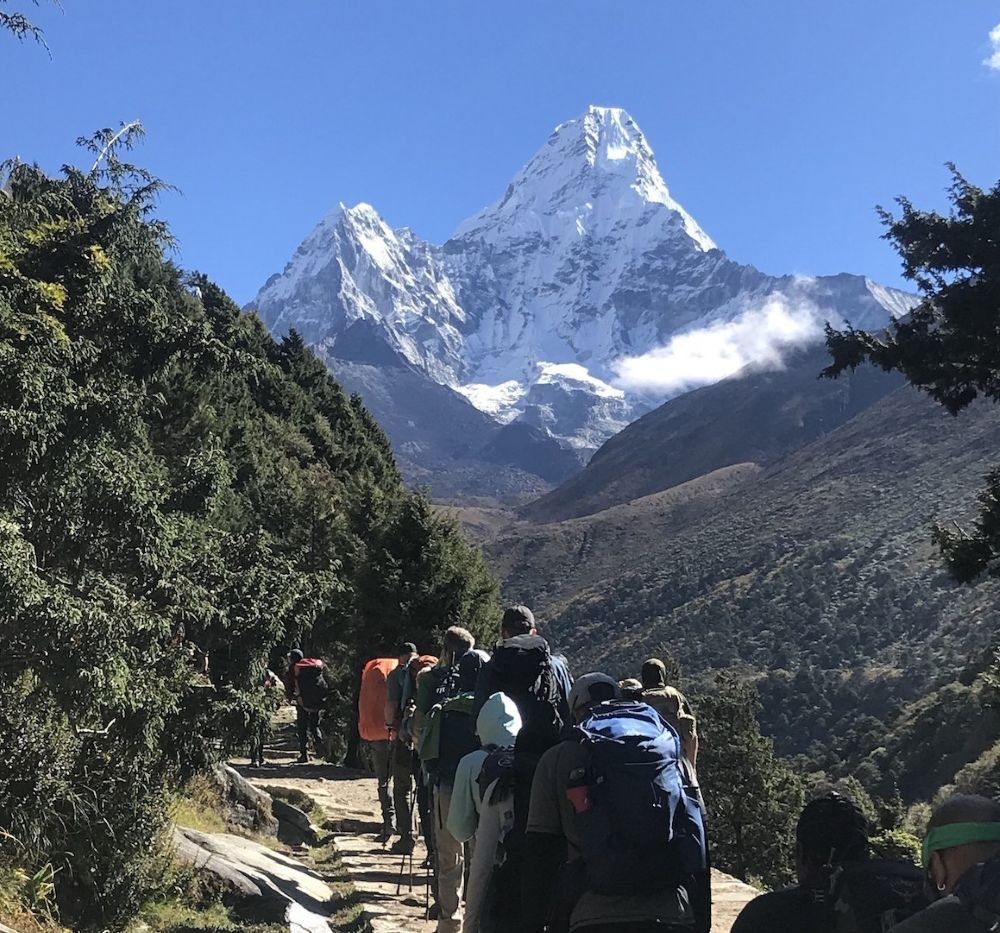
Explore pros and cons of independent Everest Base Camp trek. Your EBC trek Nepal adventure will provide you with freedom and customization options because you will manage all your trekking requirements.
Moreover, independent Everest Base Camp trek provides trekkers complete control over their trekking experience. You set your own pace from Lukla (2,860 m) to Everest Base Camp (5,364 m). Trekkers can easily set their rest periods according to their location which includes Namche Bazaar (3,440 m) and Dingboche (4,410 m). The EBC trek route provides experienced hikers who need to maintain their personal control with a flexible hiking option.
Additionally, independent Everest Base Camp trek attracts many adventurers who seek to save money through their trek. In 2026 you save between $400 and $700 when you choose to use teahouse accommodation instead of complete guided tours. The trekkers at Kala Patthar (5,545 m) manage their own accommodation and food needs during their trek to the summit. Budget-conscious hikers enjoy lower overall expenses on the Everest Base Camp trek.
Furthermore, higher personal responsibility creates real obstacles for people to handle. Your responsibility includes all aspects of logistics and navigation and emergency planning during times of changing weather. The Independent Everest Base Camp trek requires trekkers to demonstrate self-reliance skills which extend beyond the Lobuche (4,940 m) limit. The teahouse system experiences booking demand during peak season which creates additional booking pressure.
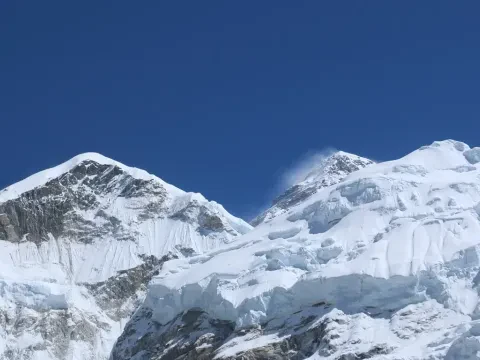
Therefore, you carefully examine the advantages and disadvantages which exist for your independent Everest Base Camp trek. Trekkers who prepare properly to face challenges can achieve both freedom and financial benefits. The added responsibility requires dedication from trekkers who possess experience at high altitudes. The Himalayas become yours to explore fully when you adopt this particular style of travel.
Independent Everest Base Camp Trek Pros and Cons :
Master EBC trek logistics and planning. The Everest Base Camp trek requires information about permits, teahouse bookings, Lukla flights, and porter options and it also explains the differences between guided and independent treks.
However, EBC trek logistics and planning process begins with permanent permit requirements. You need to obtain both the Sagarmatha National Park permit and the Khumbu Pasang Lhamu Rural Municipality permit before traveling to Lukla at 2860 meters. These documents which you obtained permit access to Everest Base Camp which is situated at 5364 meters. The permits establish proper legal pathways which allow safe movement throughout the trail.
Moreover, the essential support for trail hikers depends on teahouse accommodations which serve as their main source of assistance. During peak seasons, you must make advance reservations for basic rooms that exist near Namche Bazaar (3,440 m), Tengboche (3,860 m), and Dingboche (4,410 m). The independent trekkers either reach out to lodges or they use the available local networks. The guided teams complete all reservation tasks for their groups without any complications.
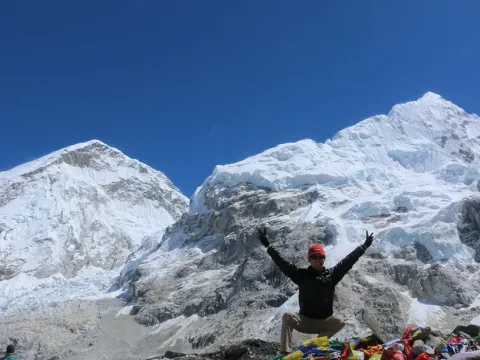
Additionally, travelers for Lukla flights need to make their reservations in advance because of the limited seating capacity and potential weather disturbances. In 2026, travelers can purchase round-trip tickets from Kathmandu at prices between $430 and $470. The porter services offer essential assistance to trekkers who need to transport their equipment to Gorak Shep (5,164 m). Many Everest Base Camp trekkers choose to hire porters for their trails to experience greater convenience.
Therefore, trek to EBC becomes easier for you to organize through your detailed planning. The guides handle all necessary permit and accommodation tasks together with support operations to create a stress-free experience. The independent trekkers handle all aspects of their journey while they discover more about the hiking route. The successful Himalayan trek requires both thorough planning and execution of the journey.
EBC Trek Logistics Checklist :
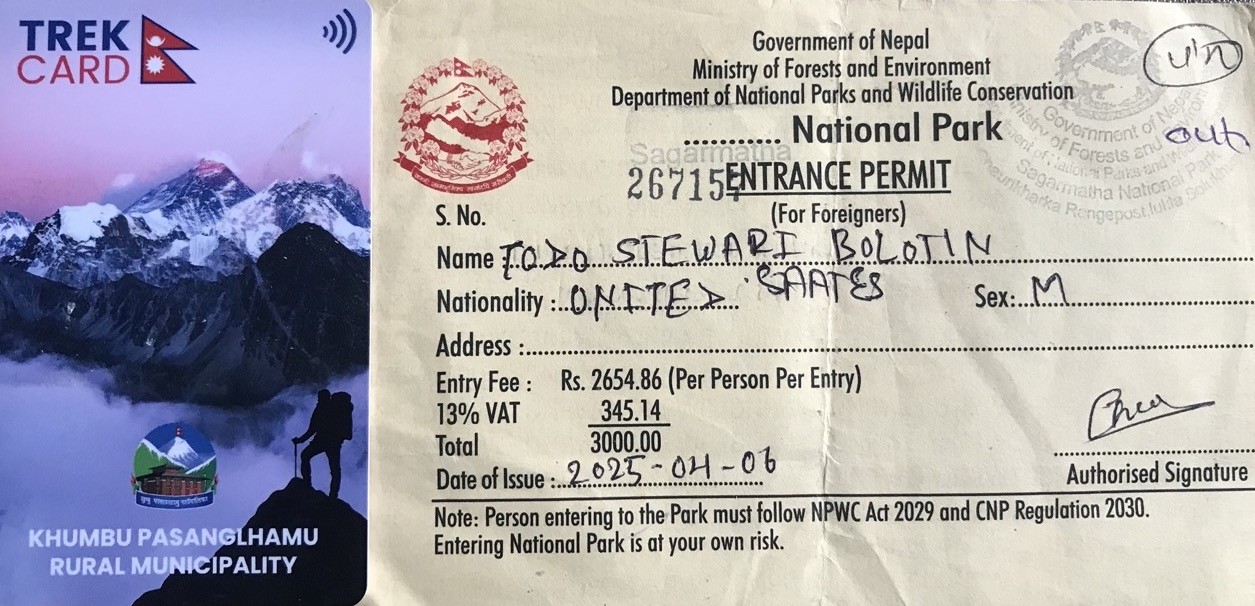
Master physical preparation and acclimatization for Everest Base Camp trek in 2026. The EBC trek requires specific training for fitness needs which two different styles show through their impact on pacing and recovery processes.
Moreover, Everest Base Camp trek requires trekkers to complete physical preparation and acclimatization as essential components. Trekkers build endurance through 8-12 weeks of targeted training before departure. You focus on cardio and leg strength development through daily efforts which include daypack hiking for up to 6-7 hours. The success of both guided and independent styles requires trekkers to maintain strong fitness levels.
Additionally, fitness requirements demand that individuals must walk steadily at Namche Bazaar (3,440 m) and Dingboche (4,410 m) through their entire course. The combination of strong legs and core strength enables climbers to handle steep slopes that lead to Lobuche (4,940 m). Your EBC trek training program uses stair climbing and hill repeats as essential practice exercises. The correct training methods protect climbers from exhaustion during their last ascent to Everest Base Camp (5,364 m).
Furthermore, acclimatization days function as essential components which support both physical training and acclimatization processes. The standard itineraries require trekkers to take rest days at Namche Bazaar (3,440 m) which include side hikes to higher points and return to sleep low. The team will spend another day at Dingboche (4,410 m) following the climb high sleep low principle. The implemented measures decrease the possibility of altitude sickness which occurs at Kala Patthar (5,545 m) location.
Therefore, your Everest Base Camp trek style determines how you adjust your pacing and recovery times. The guided groups follow their prearranged programs which experts track for safety. The trekkers who travel independently need to create their own path while following established guidelines. The climbers who prepare their physical fitness and acclimatize themselves will experience safe Mount Everest (8,848 m) viewings.
EBC Trek Training and Acclimatization Tips :
Meanwhile, the research compares cultural immersion and personal experience on two different trek routes to Mount Everest Base Camp. The EBC trek study investigates how Sherpas interacted with trekkers while trekkers balanced their need for solitude with their need to socialize and their achievement emotions.
However, cultural immersion experience together with personal experience from every Everest Base Camp trek leads to a different experience for each trekker. The Sherpa guides who lead guided treks provide detailed knowledge of their culture through their storytelling at Tengboche monastery which is located at 3860 meters. You join group interactions with communities near Namche Bazaar at 3440 meters and learn Buddhist traditions effortlessly. The method enables people to build relationships with others while they walk through the trail.
Additionally, the existence of independent viewpoints enables people to experience both deep personal time and their most genuine self. You establish direct contact with teahouse owners and locals at Dingboche (4,410 m) or Pangboche through unstructured exploration. Gorak Shep (5,164 m) and Everest Base Camp (5,364 m) provide trekkers with opportunities to experience peaceful thinking during their hike. This approach helps people develop their ability to work independently while they accomplish their personal goals.
Furthermore, the two styles create a powerful fulfillment experience which people achieve when they reach Kala Patthar (5,545 m) to see Mount Everest (8,848 m) at sunrise. Guided groups celebrate together and create shared memories. The Sherpa culture becomes accessible to independent trekkers who achieve personal victories and choose their own social activities. The EBC trek transforms participants through these varied experiences.
Therefore, you choose the style which best suits your required cultural immersion and personal experience. People who prefer social interaction but need assistance should choose guided options. Independent trekking appeals to adventurers who value freedom and introspection. The two paths people choose will result in everlasting Himalayan memories and their own personal development.
Guided vs Independent Cultural Experience Comparison :
Meanwhile, the EBC trek decision making guide provides the criteria which users must follow to select between guided trekking and self-guided Everest Base Camp trekking. The perfect Himalayan adventure experience needs you to match your three criteria which are experience level and budget and risk comfort and travel style.
Moreover, the EBC trek decision making guide starts with your experience level. Beginners with limited high-altitude hikes should choose guided trek for expert support from Lukla (2,860 m) to Everest Base Camp (5,364 m). Independent Everest Base Camp trek suitability becomes the preferred option for experienced trekkers who possess altitude management skills at Namche Bazaar (3,440 m). Your assessment of previous trips needs to be done before you make a reservation.
Additionally, budget determines which type of trek should be selected by travelers between guided treks and independent trekking. Travelers with higher funds select guided packages that cover everything up to Kala Patthar (5,545 m). Budget-conscious adventurers prefer to trek independently at Everest Base Camp because it allows them to save between $400 and $800 . Your financial limits determine the costs which you match to your spending capacity.
Furthermore, your EBC trek decision making process depends on your comfort level with risk. Hikers who avoid risks choose guided treks because they want continuous monitoring of their safety near Dingboche (4,410 m). Adventurous individuals support the Everest Base Camp trek because they want to face challenges which they will manage independently until they reach Mount Everest (8,848 m). You assess your personal limits through detailed examination.
Therefore, your decision about who should choose guided trekking depends on your travel preferences and group travel patterns. Social travelers enjoy guided group dynamics along the trail. Solo explorers select independent Everest Base Camp trek suitability for full freedom. This EBC trek decision making guide helps you choose confidently and enjoy the journey.
EBC Trek Decision Making Guide :
Here, the EBC trek decision between guided and independent trekking operations requires final evaluation. The EBC trek path selection process provides essential information and motivation to help you make your choice.
However, final assessment requires you to choose between two path options for your Everest Base Camp trek. The two options of guided and independent trekking enable trekkers to reach Everest Base Camp at 5364 meters and Kala Patthar at 5545 meters through proper preparation. You use the EBC trek decision making guide to evaluate all elements of the trek to find your best match. The Himalayas provide equal rewards to all trekkers who demonstrate dedication to their journey.
Moreover, your final decision requires you to evaluate three elements which are safety costs and personal fit. The guided trek from Namche Bazaar (3,440 m) provides you with convenient support while the independent Everest Base Camp trek enables you to explore at your own pace and reduce expenses. You evaluate the advantages and disadvantages according to your existing knowledge and financial resources. The insights help you decide between guided and independent EBC trekking for your journey.
Additionally, your Everest Base Camp adventure planning process automatically brings you to pursue your goals. The journey to Mount Everest (8,848 m) changes lives regardless of style. You take the first step today with clear knowledge of logistics and acclimatization. Every path leads to unforgettable Himalayan views and growth.
Therefore, you make your choice with confidence because you are ready to take on your future tasks. Every traveler has their specific path which leads them to their desired destination. You should book your EBC trek now because it will help you create memories that will last forever. The mountains wait for you with open arms.
Key Takeaways for Your EBC Trek :
1. What is the Everest Base Camp Trek?
The Everest Base Camp Trek is a hike in the Himalayas that takes you to 5,364m right at the foot of the worlds, highest mountain, Everest. You get to see views of Everest learn about Sherpa culture and experience high-altitude landscapes. When planning this adventure in Nepal you have to decide if you want a guided tour or to go independently.
2. What is the difference between guided and independent Everest Base Camp treks?
Guided treks mean you have a team that helps you, including guides, porters and a set plan. They take care of everything for you. If you choose to go you have more freedom to decide your pace and make choices but you have to plan and book everything yourself. Both ways will get you to Everest Base Camp safely.
3. How long is the classic Everest Base Camp Trek itinerary?
The usual Everest Base Camp Trek takes around 12-16 days. This includes flying to Lukla slowly going up through places like Namche Bazaar, Dingboche and Lobuche and making sure you get rest to avoid altitude sickness. If you're with a guided group you follow a set schedule. If you're on your own you can change your plans.
4. Is a guide mandatory for Everest Base Camp Trek?
Yes, the rules say you need a guide who is licensed if you're a foreign trekker in the Everest area. If you book a guided package they provide the guide. If you're going independently, you still need to hire a guide. You get to make more of your own decisions.
5. How much does the Everest Base Camp Trek cost?
Guided treks can cost between $1,475 and $2,500. This includes your guide, porter, food and permits. If you go independently it can cost between $1,000 and $1,400. This is mainly for staying in teahouses. The cost can vary depending on how many people're in your group how luxurious you want to be and whats included.
6. Which is safer: guided or independent Everest Base Camp Trek?
Guided treks are safer because you have professionals watching out for you for altitude sickness and emergencies. If you're going independently you have to take care of these risks yourself. You still have to follow the rules to avoid altitude sickness. Both can be safe if you're prepared.
7. What are the pros of a guided Everest Base Camp Trek?
With a guided trek everything is taken care of for you. You get advice on how to avoid altitude sickness learn about the culture make friends with your group and have a safety net. It's great for people who are doing this for the time or who want to enjoy the trip without worrying about the details.
8. What are the cons of a guided Everest Base Camp Trek?
The downside of guided treks is that you have to stick to a plan it can be more expensive. You have to go at a pace that works for the whole group. You also have freedom to make your own decisions compared to going independently.
9. What are the pros of an independent Everest Base Camp Trek?
Going independently gives you freedom to decide your own pace and make your own plans. It's also a chance to really experience the culture and can be less expensive. It's perfect for hikers who want the freedom to explore.
10. What are the cons of an independent Everest Base Camp Trek?
The downside of going is that you have to plan everything yourself navigate and take care of risks like altitude sickness and weather. You also have to book your accommodations, which can be challenging especially for beginners or in emergencies.
11. What permits are needed for Everest Base Camp Trek?
You need two permits: the Sagarmatha National Park permit and the Khumbu Pasang Lhamu Rural Municipality permit. If you're with a guided group they take care of these for you. If you're going independently you have to get them in Kathmandu or Lukla before you start.
12. How physically demanding is the Everest Base Camp Trek?
The trek is moderately difficult. You walk for 5-8 hours a day go up paths and are at high altitude. You need to be in shape have strong legs and have experience hiking before you start whether you go guided or independently.
13. How important is acclimatization on the EBC Trek?
Acclimatization is very important to avoid altitude sickness. Both guided and independent treks include rest days in places like Namche and Dingboche. Guided groups have professionals watching for symptoms while independent trekkers have to monitor themselves and know when to go down if needed.
14. What should I pack for Everest Base Camp Trek?
You need to bring layers of clothing, strong trekking boots, a down jacket, a sleeping bag, trekking poles, sunglasses and a first-aid kit. Guided groups often provide some of the gear while independent trekkers have to bring everything.
15. When is the best time for Everest Base Camp Trek?
The best times are in the spring (March-May) and autumn (September-November) when the weather is clear and stable. Both guided and independent treks are popular during these times. You should avoid the monsoon and deep winter for safety and visibility.
16. Can beginners do the Everest Base Camp Trek?
Yes, beginners can do it if they're in shape and prepared. Guided treks are best for beginners because they provide support. Independent trekkers need to be self-reliant. Have experience with high-altitude or multi-day hikes.
17. What cultural experiences can I expect on the EBC Trek?
You'll experience Sherpa hospitality visit monasteries like Tengboche see villages and learn about Buddhist culture. Guided treks provide explanations while independent trekkers get to have interactions with locals.
18. How do I choose between guided and independent EBC Trek?
Choose a guided trek if you want safety, ease and you're doing it for the time. opt for a trek if you want flexibility, adventure and you're experienced with hiking. Think about your fitness and what you prefer.
19. What happens in case of altitude sickness on the trek?
If someone gets altitude sickness they need to go down away. Guided treks provide oxygen, medication and quick support. Independent trekkers need to monitor themselves and have insurance for evacuation. Both styles prioritize safety with rest days.
20. Is the Everest Base Camp Trek worth it?
Absolutely it is. Reaching Everest Base Camp gives you views of the Himalayas, a sense of achievement and a rich cultural experience. Whether you go guided or independently the journey creates memories that last a lifetime, amid landscapes and friendly Sherpa people.
Our travel experts are ready to assist you with any questions.
Send us a message.Have a question before you book? Send your enquiry below and our travel experts will get back with the required information.