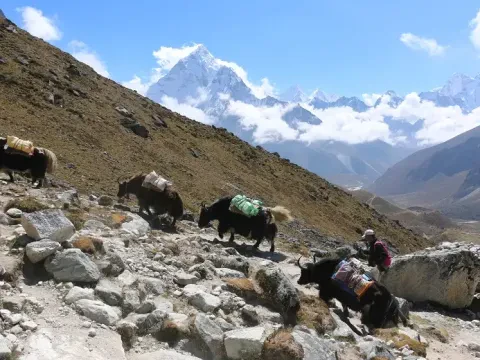
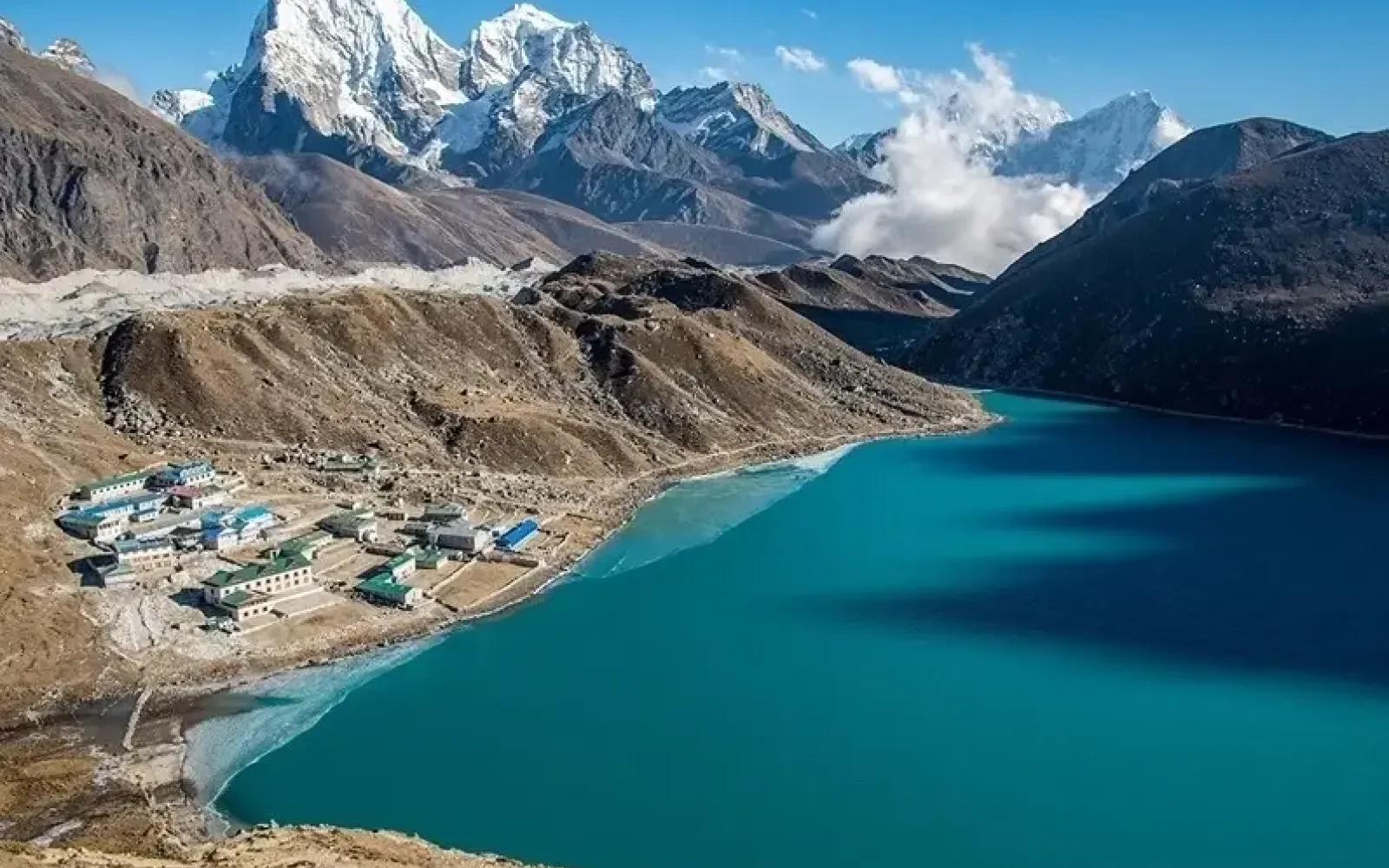
Why pick the Everest Base Camp and Gokyo Lake Trek? Honestly, it’s got everything an adventurer dreams of—massive Himalayan views, those unreal turquoise lakes, and the rush of crossing the Cho La Pass. If you want your EBC experience in 2026 to stand out, this is the route you take.
Actually, people go for this trek because it packs the best of both worlds: classic Everest Base Camp (5,364m) and the little-known but jaw-dropping Gokyo Lakes (between 4,700 and 5,000 meters). You get up close with Everest (8,848m), Lhotse (8,516m), and Cho Oyu (8,188m). And if you’re up for a challenge, Cho La Pass (5,420m) cranks up the adventure a notch beyond the regular EBC route. The scenery keeps changing, too—one day you’re walking through forests of blooming rhododendrons, the next you’re crossing wide-open glacial valleys. For anyone chasing the full Himalayan experience, this trek delivers.
In fact, Gokyo Ri (5,357m) is where things really get next-level. The views from up there actually beat what you see at Kala Patthar, and that’s saying something. Plus, the Gokyo Valley’s a lot quieter than the main Everest trail. You get these peaceful moments by the lakes, where the water looks almost too blue to be real—it’s pretty hard not to feel something spiritual out there. And the villages along the way, especially Namche Bazaar (3,440m), open a window into Sherpa culture that’s hard to find anywhere else. All in all, the route just feels richer, with more variety than the usual path.
Now, let’s talk highlights of Everest Base Camp Trek with Gokyo Lake. Standing at Everest Base Camp and staring at the Khumbu Icefall is something you don’t forget. You see climbers gearing up for the big summit push, and it’s impossible not to feel inspired. Gokyo’s lakes shine like gems against the snowy peaks—seriously, it’s like walking through a postcard. Getting over Cho La Pass is tough, but the view at the top? Worth every step. This trek really hooks you with its mix of challenge and jaw-dropping beauty.
Likewise, the route’s also smart. Built-in acclimatization days in places like Dingboche (4,410m) keep you healthy, and the sense of camaraderie is real—whether you’re taking off from Lukla or catching that first sunrise over Gokyo. You’re never bored; there’s always something new to see or do over the 15 to 19 days it takes. No wonder it’s a favorite for people chasing an unforgettable Himalayan adventure.
Moreover, compared to the standard EBC trek, this one adds all the Gokyo magic without dragging things out. From the top of Gokyo Ri, you spot four of the world’s highest peaks, and the story of crossing Cho La Pass is one you’ll tell forever. Sherpa guides keep things safe and share insights you’d never get on your own. Bottom line? The Everest Base Camp and Gokyo Lake Trek packs in more value, more stories, and bigger memories than anything else out there.
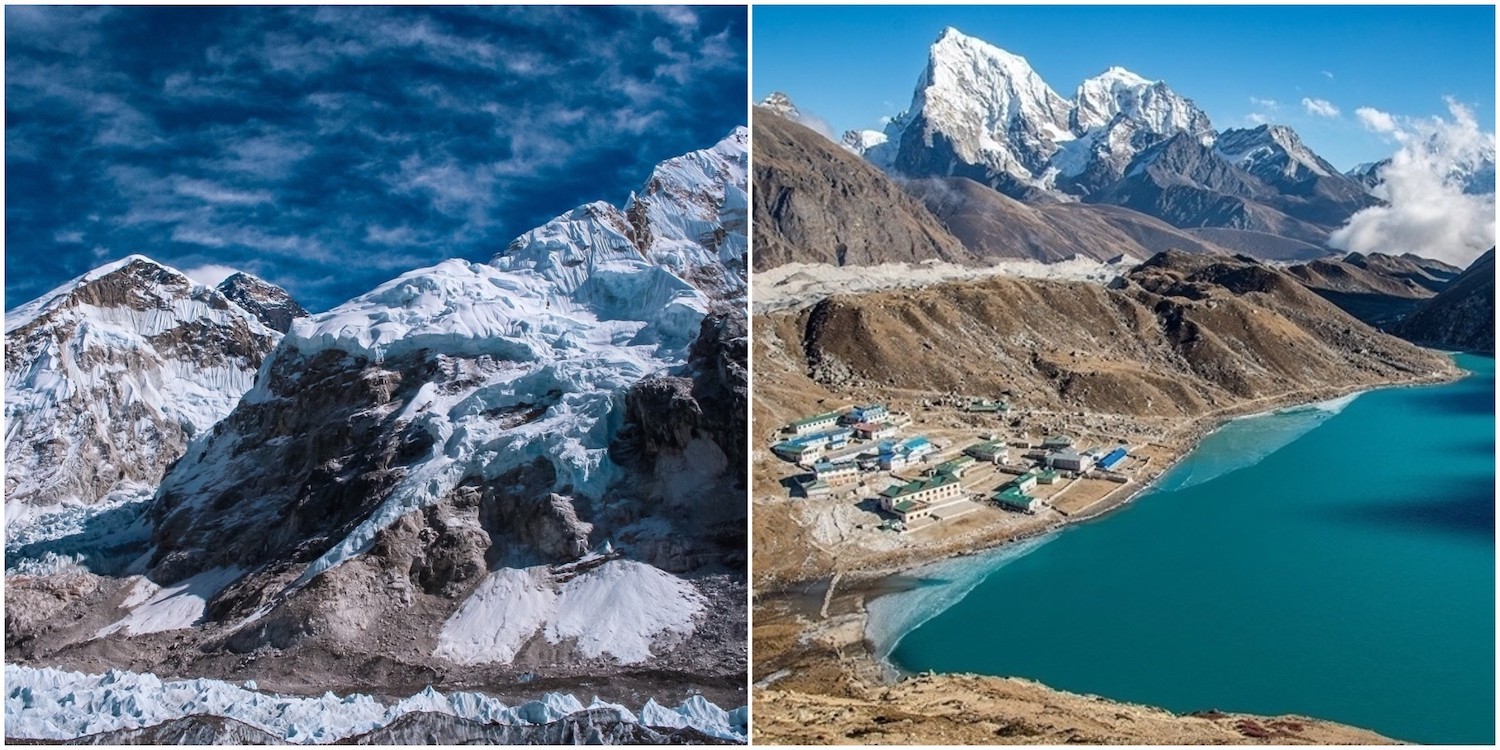
Key Highlights of Everest Base Camp and Gokyo Lake Trek :
Here’s what you need to know about the Everest Base Camp and Gokyo Lake Trek. Most people spend 15 to 19 days on this adventure, and you’ll push yourself—it’s no walk in the park. The hardest part? Kala Patthar, at 5,545 meters, where you get that famous Everest view. For 2026, you’ll want to plan things out, but don’t worry, I’ll break it down.
Actually, the trek starts in Kathmandu, sitting at 1,338 meters. Then, you’re off on a flight to Lukla, which already puts you up at 2,860 meters. From there, you’ll hike around 130 to 150 kilometers. You’ll hit Everest Base Camp at 5,364 meters, swing by the Gokyo Lakes—those sit between 4,700 and 5,000 meters—and take in even more epic scenery. The trail has its share of riverside strolls, rocky climbs, and high passes like Gokyo Ri (5,357 meters) and Cho La Pass (5,420 meters). If you’re going, bring solid boots—your feet will thank you.
In fact, most trekkers pay anywhere from $1,200 to $2,000, which usually covers permits, guides, and porters. Porters really help with the heavy lifting, so you can focus on the climb. A decent level of fitness is a must. Expect to walk five to eight hours a day, sometimes gaining up to a thousand meters in altitude. You’ll need to acclimatize, so stops in places like Namche Bazaar (3,440 meters) and Dingboche (4,410 meters) aren’t just for sightseeing—they’re a lifesaver.
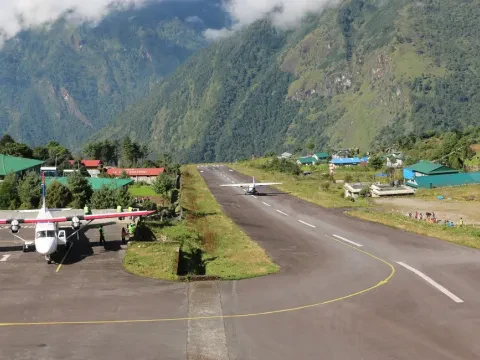
Here, the group sizes usually range from two to fifteen, which keeps things social but safe. You’ll need permits—Sagarmatha National Park entry costs about $30. Then there’s the famous flight to Lukla, which is both an adventure and a bit of a gamble because of unpredictable weather. Once you’re on the trail, teahouse lodges serve up hot meals and a warm place to sleep.
Now, you can tweak the itinerary—some people go for 17 days, while others stretch it out. You’ll stay in spots like Lobuche (4,940 meters) and Gorak Shep (5,164 meters) as you get ready for the high passes. The trek isn’t easy, but bigger groups can save a bit on costs, sometimes dropping the price down to $1,190 per person.
Bottom line: this is a challenging trek, but it’s doable and packed with rewards. If you’re ready for thin air, long days, and some of the best views on earth, you won’t regret it.
| Key Facts | Details |
| Duration | 15-19 days, typically 17 days from Kathmandu to Kathmandu. |
| Difficulty | Moderate-strenuous; requires fitness for 5-8 hour daily hikes. |
| Max Altitude | 5,545m at Kala Patthar; other highs: Gokyo Ri (5,357m), Cho La Pass (5,420m). |
| Distance | Approximately 130-150 km round trip. |
| Starting Point | Lukla (2,860m) after flight from Kathmandu (1,400m). |
| Cost Range | $1,200-$2,000 USD per person (includes permits, guides, meals; varies by group size). |
| Group Size | 2-15 people for optimal safety and support. |
| Permits Needed | TIMS card ($10 USD), Sagarmatha National Park ($30 USD). |
If you’re thinking about tackling the Everest Base Camp and Gokyo Lake trek in 2026, timing matters—a lot. Your best bet? Aim for spring (March to May) or autumn (September to November). These months bring clear skies, comfortable temperatures, and just enough fellow trekkers to keep things lively without clogging the trails. The monsoon season? Skip it. Heavy rain and tricky trails make for a risky adventure, not an epic one.
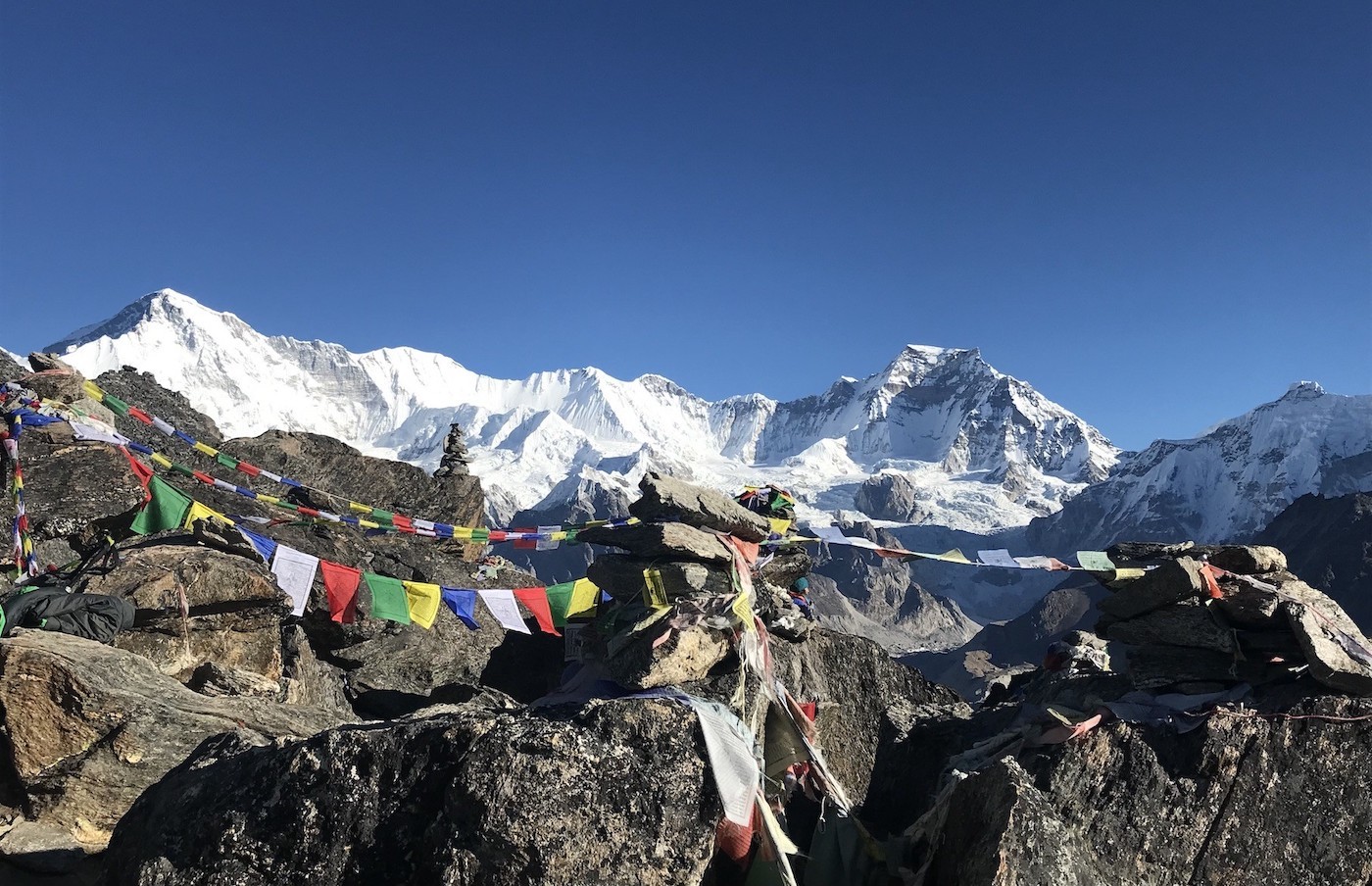
Here, let’s break it down. Spring (March to May) really brings the Himalayas to life. Rhododendrons bloom everywhere, and the sky stays clear, so you’ll get those famous mountain views. During the day, temps usually hover between 10°C and 20°C, but don’t let that fool you—it still gets cold at night, dropping to -5°C around the higher spots like Gokyo Ri. Expect more trekkers as April rolls in, but the paths are still totally doable. If you love color and a bit of buzz, spring’s your season.
Now, autumn (September to November) is a different story—think crisp air and the sharpest mountain views you’ll get all year. The monsoon’s packed up and gone, leaving stable weather behind. Days up here reach a cool 5°C to 15°C, and nights can dip to -10°C near places like Cho La Pass. Bring warm gear. The rain takes a break, so river crossings are safer, and the scenery is just unreal. It’s the dream season for photographers or anyone craving those classic Everest shots.
Here, don’t get tempted by the summer monsoon (June to August). Sure, the trails will be empty, but there’s a reason for that. Rains pound the region, landslides are common, and the path near Namche Bazaar gets slick. Clouds blanket the peaks, so you might miss those big mountain vistas. Leeches and floods? Yeah, those too. You might dodge the crowds, but you won’t dodge the risk.
And winter? December to February is brutally cold but weirdly beautiful. Snow turns the Gokyo Lakes into something out of a fairy tale, but temperatures can plummet to -20°C. Hardly anyone’s on the trail, so you’ll find some real solitude, but flights into Lukla get canceled all the time. This is the season for seasoned trekkers only—if you’ve got the gear and the grit, you’ll love it.
If you’re eager to get a jump on things, February 2026 can work for early planning. Secure your spring trek as the weather starts to warm up, or lock in those autumn dates to dodge summer chaos. And don’t forget to keep an eye on the forecasts as your trip gets closer.
Bottom line: Pick the season that fits your style—whether it’s blossoming trails, crystal-clear views, or peaceful winter landscapes. The right timing makes all the difference out here.
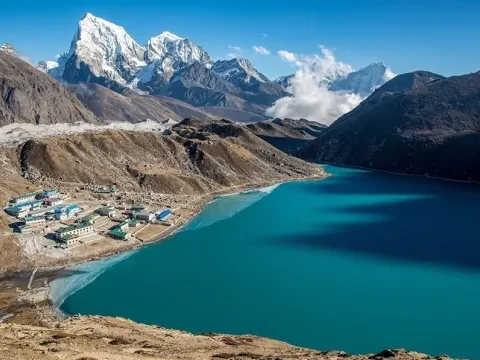
Seasonal Pros and Cons for EBC and Gokyo Trek in 2026 :
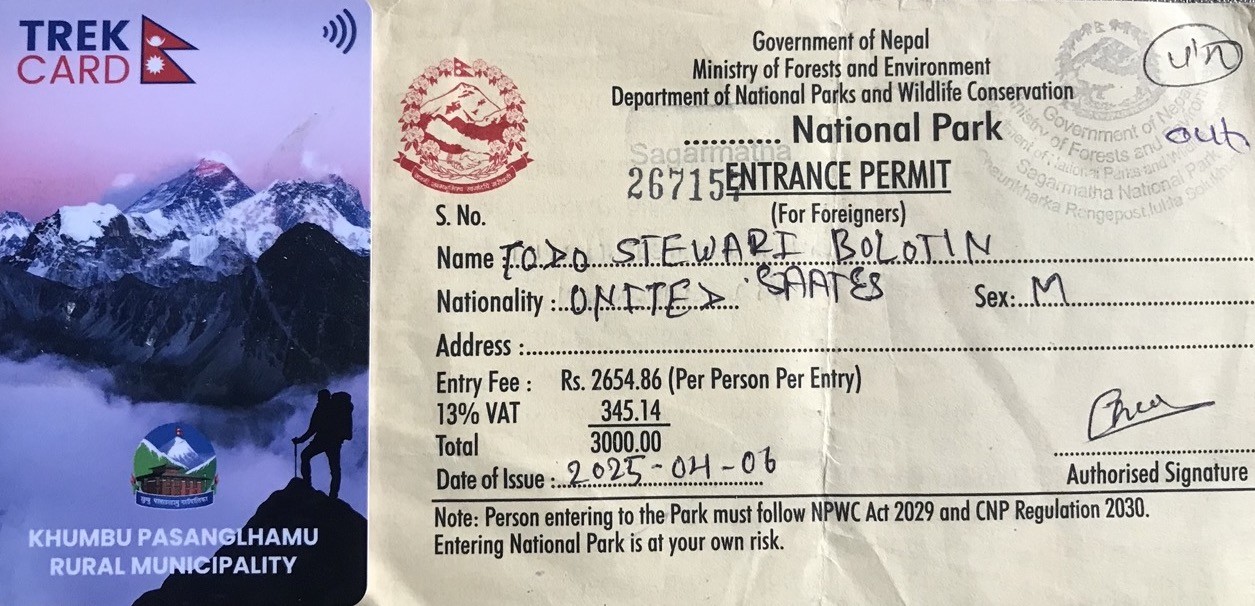
If you’re planning to trek Everest Base Camp and Gokyo Lake in 2026, it helps to get a clear picture of permits and costs before you go. You’ll need two main permits: the Sagarmatha National Park Entry Permit (NPR 3,000, about $25 USD for foreigners) and the Khumbu Pasang Lhamu Rural Municipality Permit (NPR 2,000, around $20 USD). These are essential—they let you enter the region legally and help protect the mountains and lakes you’re there to see.
Here, you can pick up both permits in Kathmandu or along the trail (Monjo is a common spot). The good news? You don’t need a TIMS card for this trek anymore. If you’re with a guide, they’ll usually handle all the paperwork, which makes things a lot easier. For 2026, these permit prices are steady, maybe a slight change here or there, but nothing major. So, add these to your budget and move on.
Now, let’s talk about the full cost. Most people spend between $1,200 and $2,000 USD for the trek. Flights from Kathmandu to Lukla set you back about $450 round-trip. Teahouse rooms go for $5 to $20 a night—depends if you’re in Namche Bazaar or somewhere quieter. Food adds up to $25–$35 a day, so don’t forget to include that. Planning ahead means you’re not caught off guard halfway up the trail.
Guides and porters: expect $25–$40 per day for each. And don’t skip insurance—it needs to cover emergency evacuations and high-altitude risks (up to 5,545m for places like Kala Patthar). Tips for your crew usually run $100–$200. If you add the Gokyo Lakes extension, it doesn’t change the price much—maybe just a little extra for food and lodging.
On the high end, if you want more comfort (think better lodges, a few more perks), your costs could reach $2,500. On a tight budget? Share rooms, stick to local meals, and you’ll save. Permits are just a small part of the whole thing—flights eat up most of your money. Don’t forget your Nepal visa either: $40 for a 30-day stay.
In the end, the 2026 trek costs are pretty reasonable for the experience you get. Epic landscapes, clear lakes, and the Everest view—worth every penny.
| Budget Breakdown Category | Estimated Cost (USD per Person) |
| Permits | 50 (Sagarmatha NPR 3,000 + Khumbu NPR 3,000) |
| Flights(Kathmandu-Lukla Round Trip) | 470 |
| Accommodation (15-19 Nights) | 150-300 |
| Meals (Daily USD 25-35) | 400-600 |
| Guide/Porter (Shared in Group) | 300-500 |
| Insurance and Miscellaneous (Tips, Gear Rental) | 200-300 |
| Total Estimated Cost | 1,545-2,195 |
If you’re heading out on the Everest Base Camp and Gokyo Lake Trek in 2026, don’t just throw things in your bag and hope for the best. High altitude and unpredictable weather mean you need to pack smart. Think layers—start with base layers that wick away sweat as you climb up to Everest Base Camp (5,364m), then add a fleece or another mid-layer for warmth in places like Dingboche (4,410m). You’ll want a waterproof jacket for those rainy days near Gokyo Lakes (4,700m-5,000m). Layering is your friend up there.
Here, nights get freezing, especially at Gorak Shep (5,164m), so a good down jacket is a must. Grab a sleeping bag rated to -10°C—you’ll need it in the teahouses. Trekking poles help keep you steady over rocky trails like Cho La Pass (5,420m), and sturdy boots with solid grip make a big difference when the path gets slick.
Likewise, don’t forget sun protection. The UV up high is no joke, so pack a hat, sunglasses, and sunscreen, especially for spots like Gokyo Ri (5,357m). Headlamps are great for those pre-dawn starts out of Namche Bazaar (3,440m). Bring water bottles or a purifier to stay hydrated, and stash a first-aid kit for headaches or altitude sickness—being prepared is everything.
Moreover, keep your pack light, somewhere between 10 and 15 kg. Gloves and a warm hat help fight off the wind on Kala Patthar (5,545m), and convertible pants are handy for changing weather. Power banks keep your electronics going, even when you’re days away from the nearest plug.
If you want to save money, rent gear in Kathmandu (1,400m). Just make sure everything fits and works before you fly out to Lukla (2,860m). Women might want to bring a few extra essentials, like sports bras. And don’t forget: adjust your gear if you’re trekking in a different season.
In the end, the right gear lets you focus on the adventure instead of the weather. Pack smart, and you’ll be ready for whatever the Himalayas throw at you.
Essential Packing List for Everest Base Camp and Gokyo Lake Trek :
If you’re planning an Everest Base Camp and Gokyo Lake Trek in 2026, you’ve got three main routes to pick from: EBC first via Cho La, Gokyo first via Cho La, or skipping Cho La altogether. Let’s break them down.
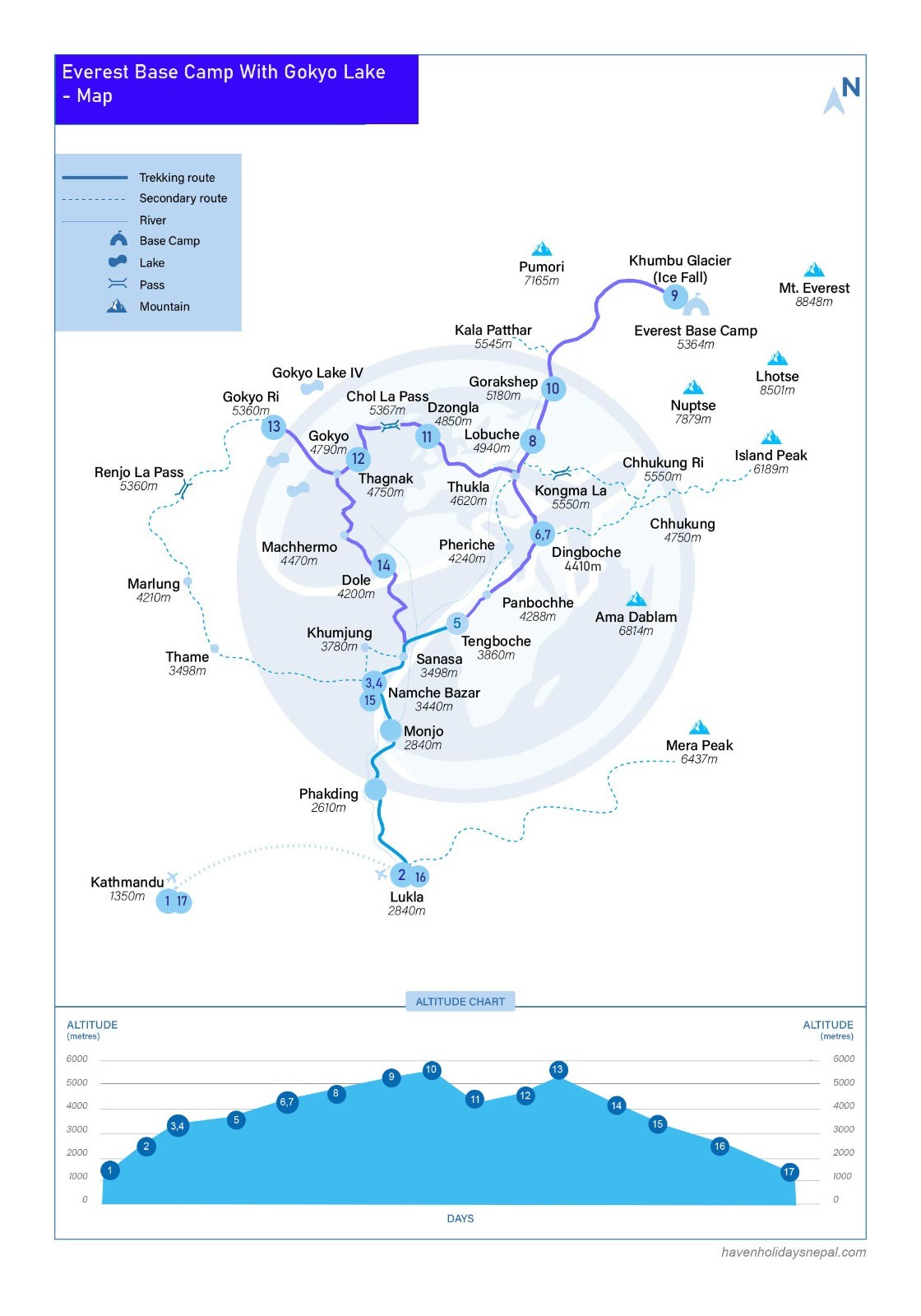
First up, there’s the classic—start at Everest Base Camp (5,364m), then tackle Cho La Pass (5,420m) on your way to the Gokyo Lakes (4,700–5,000m). This route is perfect if you want those Everest views right at the start. You get a real sense of progression, a bit more challenge, and a true “Everest first” experience.
Likewise, the second option flips things around. You begin with the Gokyo Lakes, soaking up the quiet beauty of Gokyo Ri (5,357m) before heading over Cho La to Everest Base Camp. This way, you dodge some of the early crowds in Namche Bazaar (3,440m) and enjoy the peaceful lakes before joining the busier trail. It’s a good fit for anyone who wants to start their trek off the beaten path.
Moreover, then there’s the easier route—skip Cho La Pass and connect the two destinations through Pangboche (3,985m) and Dole (4,038m). No high passes, less risk, and a shorter trek, but you still get those iconic views from Kala Patthar (5,545m) and Gokyo. It’s a solid choice if you’re a bit cautious or want something more manageable.
So, which to choose? If you want a challenge and dramatic scenery, the Cho La routes deliver—just be ready for tougher hiking. The no Cho La option keeps things gentler, perfect for beginners. All three routes take time to acclimatize in Dingboche (4,410m), so you’re not skipping out on safety.
Budget-wise, Cho La routes cost a bit more—expect an extra $100–200 for extra days. Skipping the pass saves money and energy, keeping you under $1,500. Guides usually recommend the best route based on the weather that season.
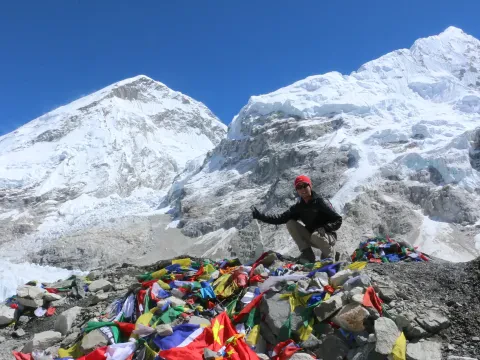
No matter which itinerary you pick, you can shape your Himalayan adventure to fit your style, fitness, and budget.
Comparison of Itinerary Variations for EBC and Gokyo Trek :
Here’s the classic way to do it: start with Everest Base Camp, then push on over Cho La Pass to the Gokyo Lakes. Plan for 15 to 18 days—don’t try to rush it. You kick off by flying into Lukla (2,860m), then take a relaxed hike to Phakding (2,610m) on the first day. The trail starts out gentle. It’s designed to help your body ease into the altitude, and honestly, you’ll be grateful for it later.
Here, the next couple of days bring you to Namche Bazaar (3,440m). Getting there means crossing those swaying suspension bridges over the Dudh Koshi River, which are both nerve-wracking and thrilling. Namche is where you rest, browse the markets for any last-minute gear, and catch your first real mountain views—Thamserku stands out in the distance.
From there, things get real. You keep climbing—Tengboche (3,860m), then Dingboche (4,410m). These days are all about acclimatizing. You’ll visit Tengboche Monastery and walk through forests full of rhododendrons, with Ama Dablam looming overhead. You can actually feel your body getting used to the thin air.
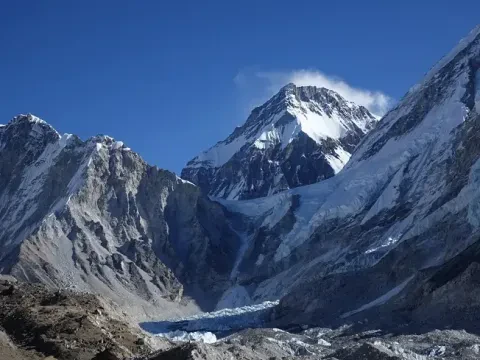
Soon enough, you reach Lobuche (4,940m), Gorak Shep (5,164m), and finally Everest Base Camp itself (5,364m). Standing at EBC is surreal. If you’re up for it, climb Kala Patthar (5,545m) for the best possible view of Everest (8,848m) and the wild Khumbu Icefall. Then it’s back to Gorak Shep—by now, you’ve checked off a major bucket list goal.
But the journey doesn’t stop there. You head to Dzongla (4,830m), cross the icy Cho La Pass (5,420m), and drop down to Thangnak (4,700m) before reaching Gokyo (4,790m). The terrain here turns rugged, but it’s absolutely worth it. Climb Gokyo Ri (5,357m) for views of four 8,000m peaks at once, and don’t miss the turquoise lakes—they really do shine.
Meanwhile, The last stretch is a slow descent through Dole (4,038m) and Machhermo (4,470m) back to Namche. The paths get easier, winding through forests, and you’ll finally have time to reflect on everything you’ve seen. A flight from Lukla wraps up the adventure. In the end, this route covers all the highlights—no wonder it’s the classic.
| Day | Route and Highlights | Elevation Gain/Loss |
| 1 | Kathmandu to Lukla (2,860m) flight, trek to Phakding (2,610m) | Minimal gain |
| 2 | Phakding to Namche Bazaar (3,440m) | +830m |
| 3 | Acclimatization in Namche Bazaar (3,440m) | Rest day |
| 4 | Namche to Tengboche (3,860m) | +420m |
| 5 | Tengboche to Dingboche (4,410m) | +550m |
| 6 | Acclimatization in Dingboche (4,410m) | Rest day |
| 7 | Dingboche to Lobuche (4,940m) | +530m |
| 8 | Lobuche to Gorak Shep (5,164m), visit EBC (5,364m) | +424m to Gorak Shep, +200m to EBC |
| 9 | Kala Patthar (5,545m) hike, descend to Dzongla (4,830m) | +381m up, -714m down |
| 10 | Dzongla to Cho La Pass (5,420m) to Thangnak (4,700m) | +590m up, -730m down |
| 11 | Thangnak to Gokyo (4,790m), explore lakes | +90m |
| 12 | Gokyo Ri (5,357m) ascent, rest in Gokyo (4,790m) | +567m up/down |
| 13 | Gokyo to Dole (4,038m) via Machhermo (4,470m) | -752m |
| 14 | Dole to Namche Bazaar (3,440m) | -598m |
| 15 | Namche to Lukla (2,860m) | -580m |
| 16-18 | Buffer days for weather, flight to Kathmandu | Return |
Here, start your trek with the calm beauty of the Gokyo Lakes, and you’ll get that sense of peace right from the beginning. On Day 1, you fly into Lukla (2,860m) and hike to Phakding (2,610m). The trail follows the Dudh Koshi River—easy going and a gentle introduction to the Himalayas. You start acclimatizing right away, and honestly, it sets a mellow tone for the days ahead.
Likewise, days 2 and 3 take you up to Namche Bazaar (3,440m). The climb gets steeper, but the famous suspension bridges and lively markets make it feel like an adventure, not just a slog. You’ll rest here to adjust to the altitude, and the views of Kongde Ri (6,187m) are a nice reward.
Next, the route heads to Dole (4,038m) and Machhermo (4,470m) between Days 4 and 6. You’ll wander through forests and yak pastures before the turquoise Gokyo Lakes (4,700m–5,000m) come into view. The climb up Gokyo Ri (5,357m) is tough but totally worth it—Cho Oyu (8,188m) stands right in front of you. Getting these highlights early in the trek just lifts your spirits.
From Days 7 to 9, you cross to Thangnak (4,700m), then over the icy Cho La Pass (5,420m) to Dzongla (4,830m), and on to Lobuche (4,940m). The glacial landscapes push your endurance, but the views pay you back every step. You keep acclimatizing, which makes the tough parts manageable and links the Gokyo side smoothly to Everest Base Camp.
Then, comes the big finish. From Days 10 to 12, you reach Gorak Shep (5,164m), walk up to Everest Base Camp (5,364m), and climb Kala Patthar (5,545m) for those famous Everest views. After that, you start heading down through Pangboche (3,985m), with cozy teahouses breaking up the descent. The pacing feels just right—not rushed or too slow.
Days 13 to 15 bring you back to Namche and then Lukla, where you catch your flight home. You’ve got some buffer days in case the weather turns. The whole trek costs about USD 1,200–2,000, similar to the standard route. If you want to soak up the quiet of Gokyo first before facing the crowds at EBC, this reverse route gives you a fresh spin on the classic Himalayan adventure.
| Day | Route and Highlights | Elevation Gain/Loss |
| 1 | Kathmandu to Lukla (2,860m) flight, trek to Phakding (2,610m) | Minimal gain |
| 2 | Phakding to Namche Bazaar (3,440m) | +830m |
| 3 | Acclimatization in Namche Bazaar (3,440m) | Rest day |
| 4 | Namche to Dole (4,038m) via Phortse Tenga | +598m |
| 5 | Dole to Machhermo (4,470m) | +432m |
| 6 | Machhermo to Gokyo (4,790m), explore lakes | +320m |
| 7 | Gokyo Ri (5,357m) ascent, rest in Gokyo (4,790m) | +567m up/down |
| 8 | Gokyo to Thangnak (4,700m) | -90m |
| 9 | Thangnak to Cho La Pass (5,420m) to Dzongla (4,830m) | +720m up, -590m down |
| 10 | Dzongla to Lobuche (4,940m) | +110m |
| 11 | Lobuche to Gorak Shep (5,164m), visit EBC (5,364m) | +424m to Gorak Shep, +200m to EBC |
| 12 | Kala Patthar (5,545m) hike, descend to Pangboche (3,985m) | +381m up, -1,179m down |
| 13 | Pangboche to Namche Bazaar (3,440m) | -545m |
| 14 | Namche to Lukla (2,860m) | -580m |
| 15-18 | Buffer days, flight to Kathmandu | Return |
If you want to explore both Everest Base Camp and Gokyo but don’t feel like tackling the Cho La Pass, here’s your answer. The 14-17 day trek, connecting through Pangboche and Dole, keeps things manageable and skips the highest, riskiest crossing.
Actually, most people pick this route because it’s safer and easier, but you still get plenty of adventure. You start out in Lukla and make your way to Namche Bazaar, giving yourself time to adjust to the altitude. The path carries you up through Pangboche and Dole—both around 4,000 meters—before splitting toward either EBC or Gokyo. The best part? You avoid the 5,420-meter heights of Cho La Pass entirely.
Along the way, you’ll pass through villages like Phortse, where you can stop for a taste of Sherpa culture. Views of Ama Dablam are everywhere, and they never get old. This trek works for lots of different fitness levels and lets you choose whether to see EBC or Gokyo first.
Moreover, one common flow takes you up to Dingboche, then Lobuche, and finally Everest Base Camp. You can climb Kala Patthar for that classic Everest panorama, then loop back down through Pheriche. The link to Gokyo comes next, all without the tough high pass. The main highlights are all there, and you stay safer and less exhausted.
From Pangboche, the route swings over to Dole, then Machhermo, and finally to the sparkling Gokyo Lakes. If you’re up for it, you can summit Gokyo Ri for more killer views. The descent is straightforward, and plenty of teahouses along the way make things comfortable. All told, you’re looking at a 14-17 day journey.
Similarly, you’ll spend less, too—usually between $1,100 and $1,800, since tough terrain means fewer days and less logistical hassle. Guides often suggest this route to beginners or if the weather looks iffy. More time in the villages means you get a deeper feel for Sherpa life, and a few buffer days keep you on track in case of delays. It’s a solid, well-rounded Himalayan adventure.
If you want, you can flip the script and start with the Gokyo side by heading up through Dole first. When you’re ready, just loop back to join the EBC trail at Dingboche or Pheriche. The gentler slopes make the altitude easier to handle, and the different scenery keeps things interesting. Skipping Cho La Pass doesn’t mean missing out—it actually lets you enjoy more, stress less, and really soak it all in.
Key Benefits of Gentler EBC and Gokyo Trek Without Cho La :
[trip:everest-three-passes-trek]
Here’s how your 2026 Everest Base Camp and Gokyo Lake trek shapes up if you follow the classic 17-day route. You get all the details: daily distances, elevation gains, where you’ll crash for the night, and when you’ll stop to acclimatize. The plan keeps things balanced, letting you soak up the best of both treks without overdoing it.
Likewise, the journey starts in Kathmandu (1,400m). You hop on a flight to Lukla (2,860m), the classic jumping-off point. The schedule weaves in those crucial acclimatization days—so you’ll take your time adjusting to the altitude, not just pushing for distance. Most days, you’ll walk between 10 and 15 km, enough to keep things moving but not so much you burn out. You’ll wind through wild landscapes, but pace yourself safely.
Likewise, Day 1 kicks off with that flight to Lukla, then you trek 8 km to Phakding (2,610m). You’ll cross a few rivers, step into Sagarmatha National Park, and settle into a teahouse for the night. The altitude gain is gentle—just enough to warm up for what’s ahead.
Moreover, Day 2 turns up the challenge: 12 km to Namche Bazaar (3,440m), climbing 830 meters. Expect to cross swinging suspension bridges and wander through pine forests before you roll into this mountain hub. On Day 3, you stay in Namche to acclimatize. There’s time for short hikes and, honestly, the first big views of Everest (8,848m) will blow you away. This is where your body starts to adjust for the heights ahead.
Day 4 takes you 10 km to Tengboche (3,860m), climbing past blooming rhododendrons to reach the famous monastery. Day 5, you push another 9 km up to Dingboche (4,410m), adding 550 meters to your tally. Day 6 is another rest and acclimatization day with some side trips—this helps your body build up endurance for the tougher days.
By Day 7, you’re hiking 8 km to Lobuche (4,940m), gaining 530 meters as you cross rocky moraines. Day 8 is a big one: 5 km to Gorak Shep (5,164m), then you finally stand at Everest Base Camp (5,364m). On Day 9, climb up Kala Patthar (5,545m) for some of the best views of Everest—381 meters of effort, totally worth it.
Now, you start linking over to Gokyo. Day 10 drops you down to Dzongla (4,830m). On Day 11, you cross the dramatic Cho La Pass (5,420m) and trek 7 km to Thangnak (4,700m). Day 12 is a short hop—just 3 km—to Gokyo (4,790m). Day 13, you hike up Gokyo Ri (5,357m) for stunning lake and mountain views. The Gokyo section really delivers something different—quiet, blue lakes and wide-open panoramas.
Here, it’s time to head down. Day 14, you descend 10 km to Dole (4,038m) via Machhermo (4,470m). Day 15, it’s 12 km back to Namche Bazaar. Day 16, another 12 km brings you to Lukla. Day 17, you catch your flight back to Kathmandu.
In fact, this itinerary covers everything: the best views, the biggest challenges, and enough downtime to really enjoy it all. Perfect for anyone chasing that classic Himalayan adventure.
| Day | Route, Distance, Elevation Change | Teahouse Stop and Highlights |
| 1 | Kathmandu to Lukla (2,860m) flight, 8 km to Phakding (2,610m); +0m/-250m | Phakding; River crossings |
| 2 | 12 km to Namche Bazaar (3,440m); +830m | Namche Bazaar; Bridges, forests |
| 3 | Acclimatization; Short hikes | Namche Bazaar; Everest views |
| 4 | 10 km to Tengboche (3,860m); +420m | Tengboche; Monastery visit |
| 5 | 9 km to Dingboche (4,410m); +550m | Dingboche; Mountain panoramas |
| 6 | Acclimatization; Side trips | Dingboche; Rest and adaptation |
| 7 | 8 km to Lobuche (4,940m); +530m | Lobuche; Moraine paths |
| 8 | 5 km to Gorak Shep (5,164m), to EBC (5,364m); +424m/+200m | Gorak Shep; Base Camp thrill |
| 9 | Kala Patthar (5,545m), to Dzongla (4,830m); +381m/-714m | Dzongla; Sunrise views |
| 10 | Rest or short walk | Dzongla; Preparation for pass |
| 11 | 7 km via Cho La Pass (5,420m) to Thangnak (4,700m); +590m/-730m | Thangnak; Glacial crossing |
| 12 | 3 km to Gokyo (4,790m); +90m | Gokyo; Lakes exploration |
| 13 | Gokyo Ri (5,357m); +567m up/down | Gokyo; Peak panoramas |
| 14 | 10 km to Dole (4,038m); -752m | Dole; Forest descent |
| 15 | 12 km to Namche Bazaar (3,440m); -598m | Namche Bazaar; Reflection time |
| 16 | 12 km to Lukla (2,860m); -580m | Lukla; Farewell dinner |
| 17 | Flight to Kathmandu | End; Buffer for weather |
Meanwhile, teahouse life on the Everest Base Camp and Gokyo Lake Trek is all about living simply in the Himalayas. You’ll sleep in basic lodges, eat a lot of dal bhat, and get used to patchy wifi and power cuts. At lower elevations, you can even grab a hot shower if you’re lucky.
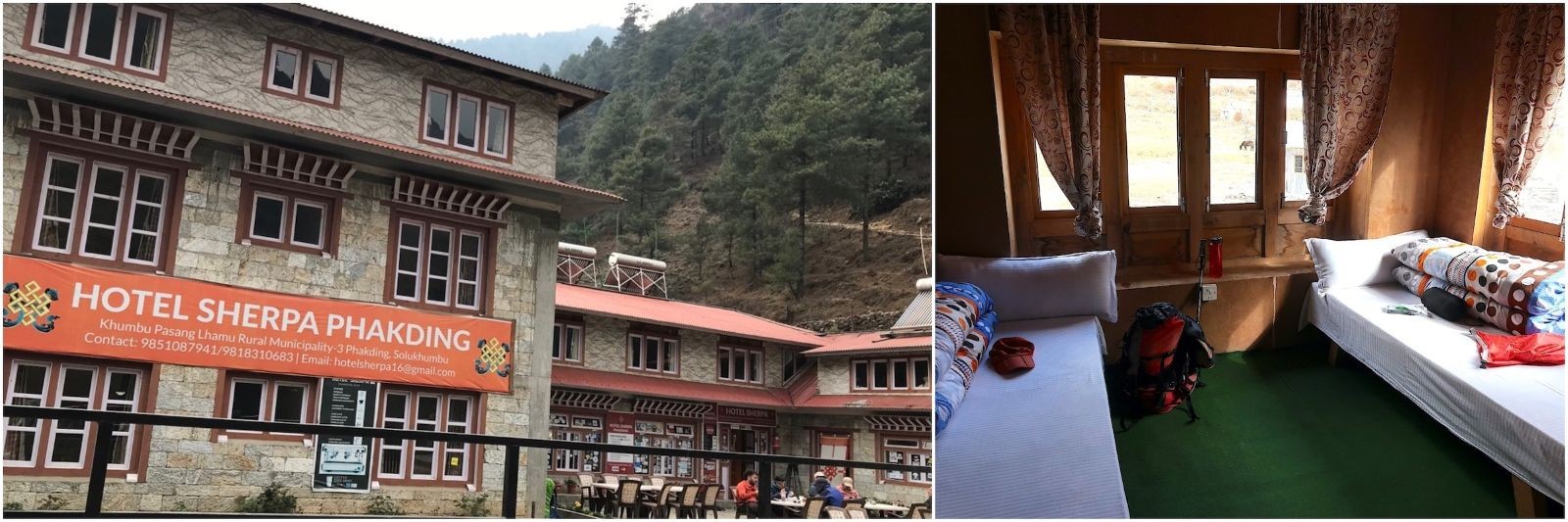
Here, most trekkers stay in teahouses along the trail. These spots are pretty no-frills—think twin beds with heavy blankets, especially in villages like Namche Bazaar (3,440m). A night usually costs between $5 and $20. You’ll share bathrooms with other hikers. It’s nothing fancy, but it’s a roof over your head in the middle of the mountains.
Likewise, the higher you climb, the rougher it gets. Up in Gorak Shep (5,164m), rooms get even barer—no heating, just a simple bed and four walls. Common rooms have a wood stove, so everyone crowds in for warmth. During busy seasons, book ahead so you don’t get left out in the cold. Cleanliness can be hit or miss, but a small tip goes a long way. Honestly, these places are where you meet other trekkers and swap stories.
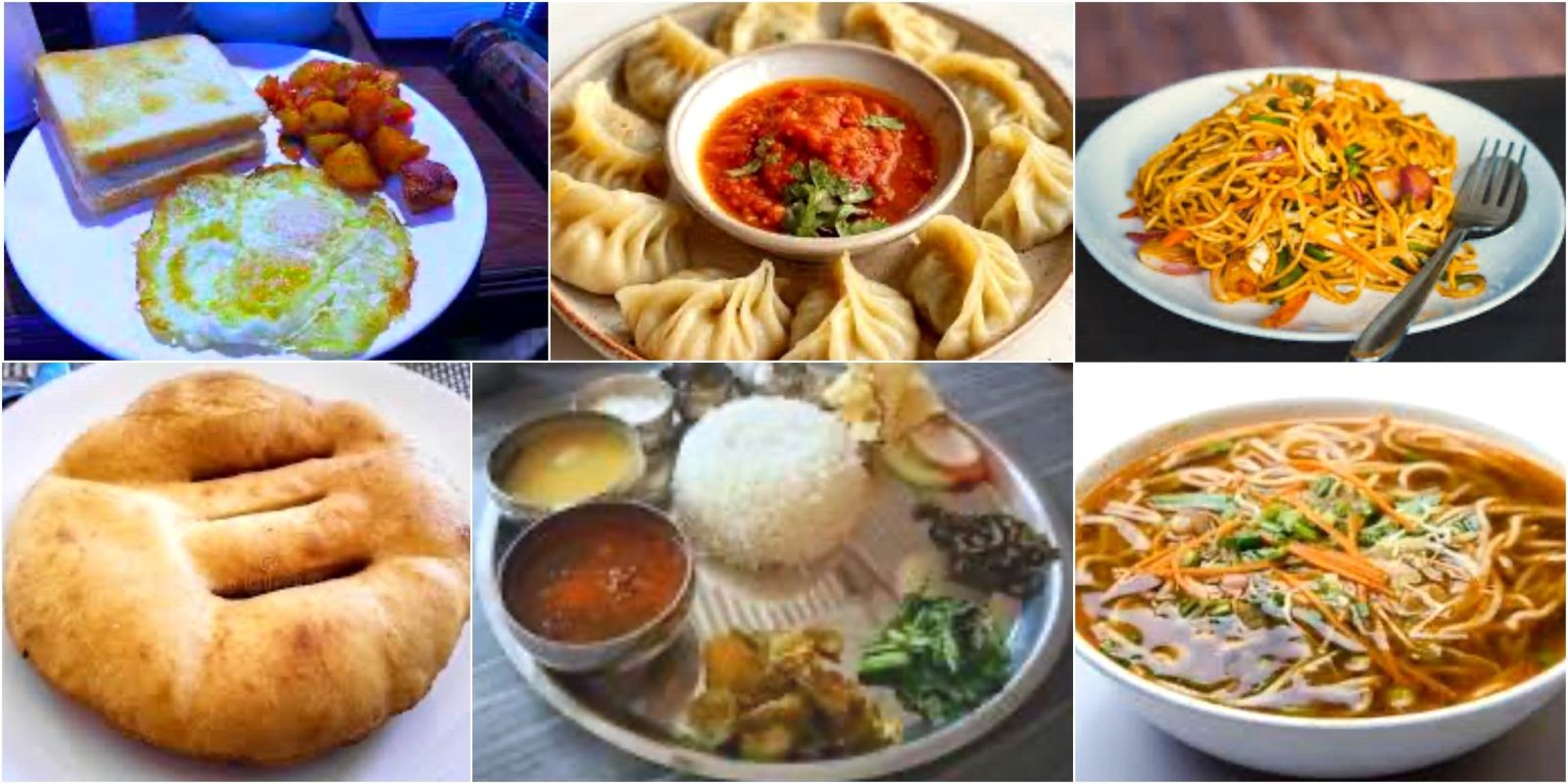
As for food, dal bhat is king. It’s a lentil and rice dish with some veggies thrown in, and you can eat as much as you want for $5 to $10. Menus also have pasta, soups, and momos, especially down in Dingboche (4,410m). If you’re vegetarian, you’ll have plenty of choices. Honestly, you need the calories—these meals keep you moving.
More importantly, stick to boiled water or tea if you want to avoid getting sick. Don’t mess with raw foods. The higher you go—like at Gokyo (4,790m)—the more expensive snacks and drinks get. Chocolate bars and other treats help you keep your energy up, even if they cost a bit more. You won’t find luxury here, but the food does the job.
Wifi and charging? It’s a gamble. Down in Phakding (2,610m), you can get online or charge up—just expect to pay $2 to $5 an hour. Further up, everything runs on solar, and power cuts are common, so bring a power bank. Honestly, being disconnected makes the whole thing feel more real.
Likewise, hot showers are a treat below 4,000m and usually cost $3 to $5. Higher up, you’ll get a bucket of warm water—if you’re lucky. Bathrooms are squat toilets and, well, hygiene depends on the place. Bring your own toilet paper and any other essentials. In the end, the teahouse trail is all about embracing the rustic side of adventure.
Teahouse Essentials: What to Expect on EBC and Gokyo Trail :
If you’re heading out on the Everest Base Camp and Gokyo Lake trek in 2026, altitude sickness is something you need to take seriously. Once you climb above 3,000 meters, the thinner air can hit trekkers hard. The good news? You can do a lot to protect yourself—smart acclimatization, knowing the warning signs, using Diamox if needed, staying hydrated, and following some simple rules about when to descend.
Actually, acclimatization days aren’t just a suggestion—they’re a must. Plan for extra nights in places like Namche Bazaar (3,440m) and Dingboche (4,410m). These stops help your body adjust and make more red blood cells. While you’re at it, try the “climb high, sleep low” approach: do side hikes that take you higher during the day, then return to sleep at a lower elevation. Don’t skimp on water either—aim for 4 to 5 liters a day. All these steps seriously cut your risk of altitude sickness.
But even with good planning, you need to stay alert. Watch for headaches, nausea, dizziness, or fatigue—these are early signs that your body isn’t adjusting. If you start to feel confused, cough persistently, or struggle to breathe, that’s a red flag. Places like Gorak Shep (5,164m) can really test you, so pay close attention to how you feel. Catching symptoms early makes a huge difference.
Likewise, a lot of trekkers turn to Diamox (acetazolamide) for a little extra help. If you go that route, start 125mg twice a day, beginning one day before you head to high points like Kala Patthar (5,545m). But talk to your doctor first to make sure it’s right for you. For many people, Diamox speeds up acclimatization and helps keep the trek on track.
Moreover, one rule stands above all: if your symptoms get worse, go down. Don’t push higher if you’re feeling rough—descending fixes most problems. Guides take this seriously and will insist you go lower if you need to. Listening to them keeps your adventure safe and fun.
Here, a few more things: skip alcohol and heavy meals when you’re up high. Stick to foods packed with carbs for energy, sleep as much as you can, and keep a slow, steady pace. In places like Gokyo (4,790m), these habits really pay off. Put it all together, and you’re setting yourself up for a safer, more enjoyable high-altitude trek.
Altitude Sickness Prevention Quick Reference :
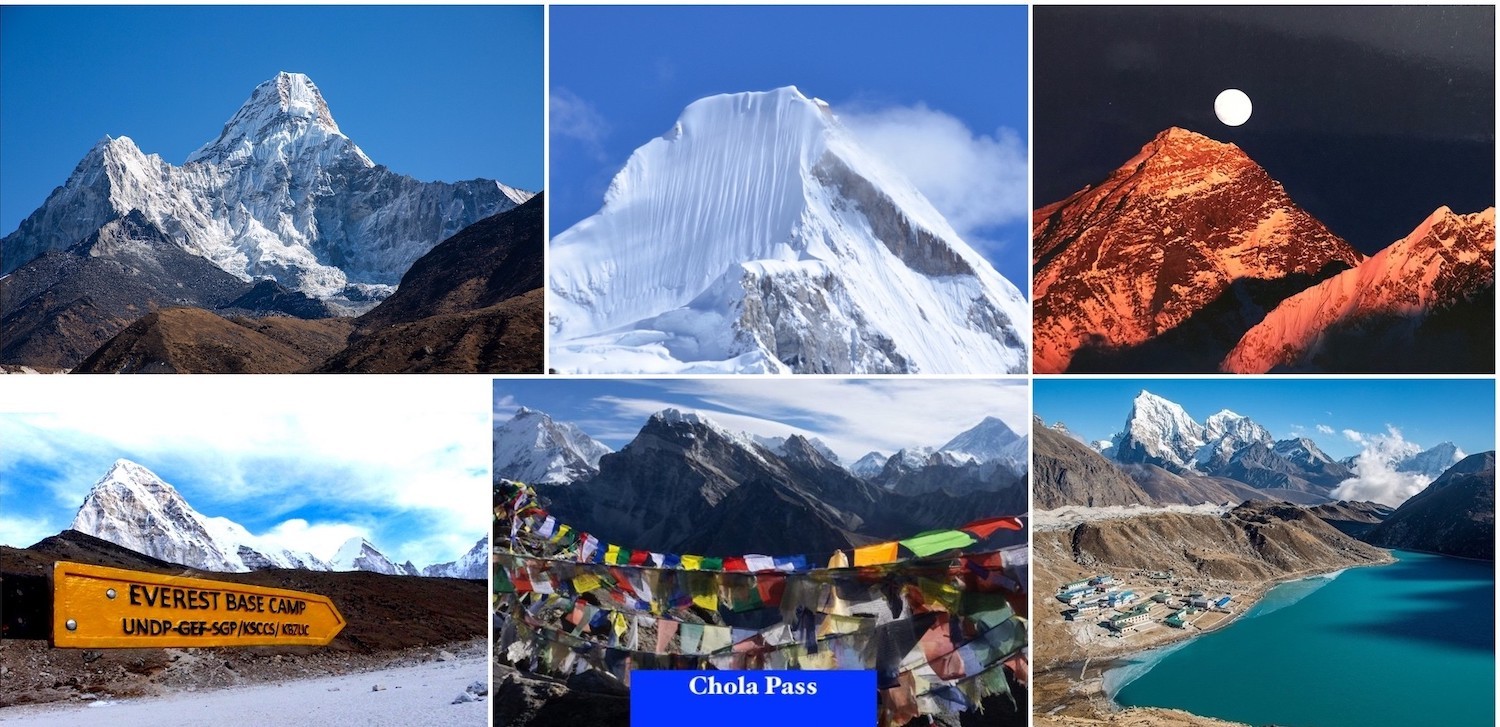
Moreover, the 2026 Everest Base Camp and Gokyo Lake Trek packs in some wild, unforgettable moments. You’ll wake up early and catch sunrise on Kala Patthar—there’s nothing like seeing Everest glow gold as the light hits the Khumbu Icefall. That view alone sticks with people for life.
But you’re not done. Climbing up Gokyo Ri, you get this huge, sweeping panorama—four massive peaks, all over 8,000 meters: Everest, Lhotse, Makalu, and Cho Oyu. The air’s crisp, the sky’s wide open in the morning, and the mountains just look unreal. You feel like you’re standing on the roof of the world.
Then there are the Gokyo Lakes. These five bright turquoise pools sit side by side, surrounded by snow and rock. Dudh Pokhari, the biggest one, mirrors the peaks perfectly. The color shifts with the weather and the time of day, and it’s just… peaceful. If you like taking photos, this is your spot.
Here, you’ll also cross the Ngozumpa Glacier, which sprawls out below Gokyo. It’s the longest glacier in Nepal. Walking along the edge, you see deep cracks and streaks of blue ice—it’s huge, it’s wild, and it makes the whole landscape feel even bigger.
Likewise, the trek isn’t just about landscapes. Sherpa villages and monasteries bring everything to life. Namche Bazaar is always buzzing, and Tengboche Monastery sits quietly with prayer flags flapping and monks chanting. The people, their stories, and their traditions give you a real sense of the place.
Of course, you’ll see the Khumbu Icefall up close at Everest Base Camp, with prayer flags snapping in the wind. But it’s those sunrises—on Kala Patthar, on Gokyo Ri—that really stick with you. Every day brings a new highlight. In the end, it’s these moments that turn the trek into something epic.
Top Must-See Highlights on EBC and Gokyo Trek :
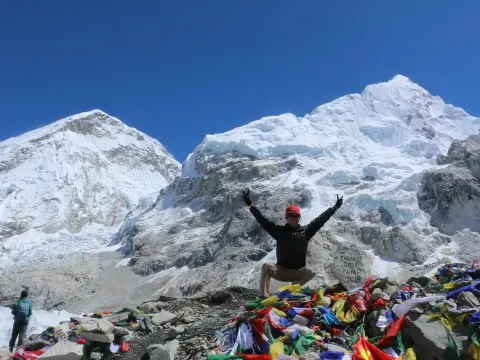
If you’re planning to trek to Everest Base Camp and Gokyo Lake in 2026, you need a few essentials to keep things safe and responsible. First, think about whether you’ll go with a guide or strike out on your own. Most trekkers end up choosing guided trips—they make everything easier, from logistics to safety. Guides know the route from Lukla at 2,860 meters all the way to Base Camp at 5,364 meters. If you want to trek independently, you’ll need solid experience and the right permits. For most people, guided is just less stressful.
Here, don’t skip travel insurance. You want coverage for high-altitude trekking—up to 6,000 meters—and make sure it includes helicopter evacuation. Emergencies happen, especially around spots like Kala Patthar (5,545m). Insurance usually costs $100–$300 for the year, and honestly, it’s a lifesaver. If you get sick or injured and need a helicopter rescue, the bill without insurance can be staggering.
When it comes to money, bring enough cash. ATMs don’t work once you’re past Namche Bazaar (3,440m), so carry US dollars or Nepali rupees in small bills for teahouses and tips. Set aside an extra $300–$500 for surprises. Don’t count on cards working up high in places like Gokyo (4,790m). Having cash on hand saves you a world of hassle.
Most importantly, respect the environment while you’re up there. Stick to Leave No Trace rules: pack out your trash, use proper toilets, and stay on marked trails near places like Cho La Pass (5,420m). Ditch single-use plastics and pick eco-friendly lodges when you can. Sagarmatha National Park is fragile—help keep it beautiful for everyone who comes after you.
Before you go, check the latest trail conditions. Landslides and weather can change things fast. If something goes wrong in a remote spot like Gorak Shep (5,164m), helicopter evacuations are available, but they’re pricey—anywhere from $3,000 to $10,000. Guides usually handle rescue logistics, which is another reason they’re worth having.
Finally, get your body ready and respect Sherpa customs. Drink water constantly, don’t rush the climbs—especially up Gokyo Ri (5,357m)—and listen to your guide. All of this makes the trek smoother and a lot more rewarding. If you prepare well and stay mindful, your 2026 trek will be safe, memorable, and responsible.
Practical Tips Summary for Safe EBC and Gokyo Trek 2026 :
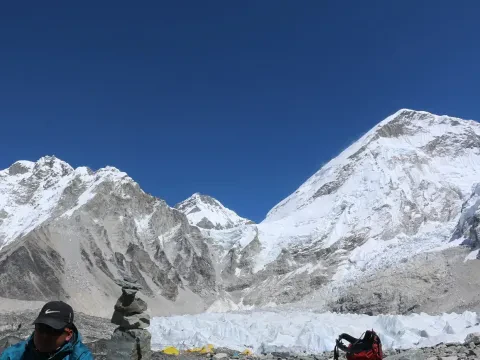
So, is the Everest Base Camp and Gokyo Lake Trek really worth it in 2026? People ask this all the time, and honestly, it’s hard to overstate how much this trek gives back. You get jaw-dropping mountain views and something even bigger—real personal growth. Imagine yourself at Kala Patthar, watching the sun rise over Everest. That moment just sticks with you. The Gokyo Lakes, with their unreal turquoise color, feel like something out of a dream. This trek changes you, plain and simple.
If you’re physically fit and up for a challenge, you’ll love it here. It’s not easy—think 15 to 19 days of hiking that’ll really test your stamina. Here, you’ll have days in places like Dingboche to help your body adjust, and by the end, you’ll be tougher for it. Anyone chasing a true Himalayan adventure will find what they’re looking for on this route.
But it’s more than the scenery. Crossing Cho La Pass is tough, but you come out the other side with real grit and confidence. Meeting Sherpas in villages like Namche Bazaar opens your mind and makes you appreciate things differently. Most trekkers head home with something new inside them—a sense of inspiration that sticks.
What really sets this trek apart is the mix of epic views from Everest Base Camp and the sweeping panoramas at Gokyo Ri. Gokyo Valley is quieter than the main EBC route, so you get more peace and space to take it all in. That blend of highlights makes this trek stand out as a true bucket-list adventure.
Looking ahead to 2026, the timing is perfect. Spring and autumn weather is usually stable, but you’ll want to book early to lock in your spot and get a good guide. Planning ahead means you can just focus on the experience when you’re out there. Trust me, hitting that final viewpoint, you’ll know every step was worth it.
Before you jump in, think about what you want out of this. If the mountains call you and you want a real challenge, don’t hesitate. The Everest Base Camp and Gokyo Lake Trek is packed with moments you’ll never forget. Your next adventure is waiting in Nepal’s Khumbu region. Answer the call, and go make some memories.
Who Should Do the EBC and Gokyo Lake Trek ? :
1. What is the Everest Base Camp Trek with Gokyo Lake Itinerary?
The Everest Base Camp Trek with Gokyo Lake Itinerary is a way to see the Everest Base Camp and the beautiful Gokyo Lake. This trek is 15 to 18 days long and it takes you through the Himalayas. You will see the mountains and learn about the Sherpa people. It is an adventure that will challenge you but it is also very rewarding.
2. How long is the Everest Base Camp with Gokyo Lake Trek?
The Everest Base Camp Trek with Gokyo Lake Itinerary usually takes 15 to 18 days to complete. This includes time to get used to the altitude. Our 17-day trek is very popular because it gives you a balance of walking and rest days. This way you can see all the things about the Everest Base Camp and Gokyo Lake.
3. What is the difficulty level of EBC and Gokyo Lake Trek?
The Everest Base Camp Trek with Gokyo Lake Itinerary is not easy. You will be walking for 5 to 8 hours every day on trails that go up to 5,545 meters. If you are in good shape and take your time to get used to the high altitude you can do it. You do not need to be a climber, just a person who likes adventure and is willing to try.
4. What is the best time for Everest Base Camp Gokyo Lake Trek?
The best time to do the Everest Base Camp Gokyo Lake Trek is in the spring from March to May or in the autumn from September to November. The weather is nice. You can see the mountains clearly. It is not an idea to go during the monsoon season because the trails can be dangerous and there are too many people.
5. How much does the Everest Base Camp with Gokyo Lake Trek cost?
The cost of the Everest Base Camp Trek with Gokyo Lake Itinerary can be between $1,400 and $2,200 USD in 2026. This depends on how many people're in your group and what kind of services you want. The price includes things like permits a place to stay, food, a guide and a porter. If you want a luxurious trip, it will cost more.
6. Do I need permits for Everest Base Camp Gokyo Lake Trek?
Yes, you need permits to do the Everest Base Camp Gokyo Lake Trek. You need a Sagarmatha National Park Permit and a Khumbu Pasang Lhamu Rural Municipality Permit. Your tour operator will take care of these permits for you so you do not have to worry.
7. What is the maximum altitude on this trek?
The highest point on the Everest Base Camp Trek with Gokyo Lake Itinerary is Kala Patthar, which's 5,545 meters high. You will also go to Gokyo Ri, which's 5,357 meters high. If you follow our 17-day itinerary you will be able to get to these altitudes safely.
8. Is previous trekking experience required?
No, you do not need to have experience with trekking to do the Everest Base Camp Gokyo Lake Trek. It is a good idea to be in good physical shape and have done some walking in the hills before. Our itinerary is designed to help you get used to the altitude so you can do the trek even if you are a beginner.
9. What accommodation is available on the trek?
On the Everest Base Camp Trek with Gokyo Lake Itinerary you will stay in teahouses. These are places with two beds in a room and a shared toilet. You will also get to eat meals. In some places like Namche Bazaar and Gokyo you will find comfortable lodges. The people who run these places are very friendly and welcoming.
10. How do you prevent altitude sickness on this trek?
To prevent altitude sickness, you need to go up the mountain and drink a lot of water. You should also take rest days in places like Namche and Dingboche. Our itinerary is designed to help you get used to the altitude safely.
11. What are the main highlights of the trek?
The Everest Base Camp Trek with Gokyo Lake Itinerary has great things to see and do. You will watch the sunrise over Everest from Kala Patthar see the Gokyo Lakes and cross the Cho La Pass. You will also get to see the Sherpa villages and learn about their culture.
12. Should I do EBC first or Gokyo Lakes first?
Most people do the Everest Base Camp first. Then go to Gokyo Lakes via the Cho La Pass. This is because it helps you get used to the altitude. You can also do it the other way around. We offer both options in our Everest Base Camp with Gokyo Lake packages.
13. What should I pack for high altitude trekking?
You will need to pack clothes, good boots, a sleeping bag and other essential gear for high altitude trekking. We will give you a list of what to pack for the Everest Base Camp Trek with Gokyo Lake Itinerary.
14. Is the trek suitable for solo travelers?
Yes, the Everest Base Camp Gokyo Lake Trek is great for solo travelers. You can join a group or book a private tour. Our guides and porters will take care of you. Make sure you are safe.
15. Are there WiFi and charging facilities on the trail?
You will find WiFi. Charging facilities in some of the main villages like Namche, Tengboche and Gokyo. Do not expect to have these facilities all the time especially at higher altitudes.
16. What food is served during the trek?
The teahouses on the Everest Base Camp Trek with Gokyo Lake Itinerary serve a variety of food including dal bhat, pasta, pizza and vegetarian options. The meals are nutritious. Will give you the energy you need for trekking.
17. How crowded is the Everest Base Camp Gokyo route?
The Everest Base Camp Gokyo route is not as crowded as the Everest Base Camp route. You will find people on the Gokyo side especially if you cross the Cho La Pass.
18. Can beginners join the 17-day itinerary?
Yes, beginners can join the 17-day Everest Base Camp Gokyo Lake Trek. You just need to be in physical shape and have a positive mindset. We also offer an option that does not include the Cho La Pass, which is suitable for beginners.
19. What is the cancellation policy for 2026 bookings?
We have a cancellation policy that allows you to transfer your booking or get a partial refund. We will give you all the details when you book your Everest Base Camp with Gokyo Lake Itinerary.
20. Is this trek worth it?
The Everest Base Camp Trek with Gokyo Lake Itinerary is an adventure that is definitely worth it. You will see the Himalayas learn about the Sherpa culture and achieve something great. It is a once-, in-a-lifetime experience that you will never forget.
Our travel experts are ready to assist you with any questions.
Send us a message.Have a question before you book? Send your enquiry below and our travel experts will get back with the required information.