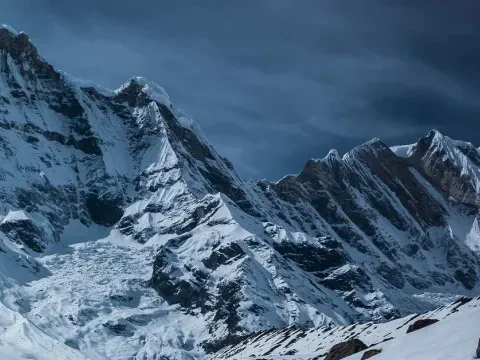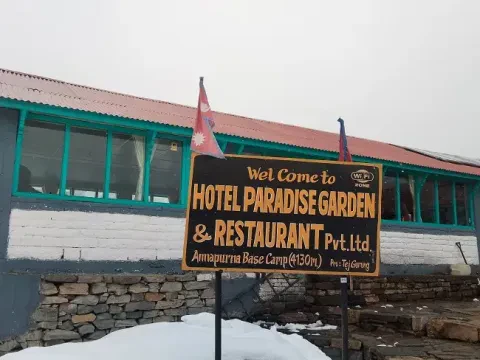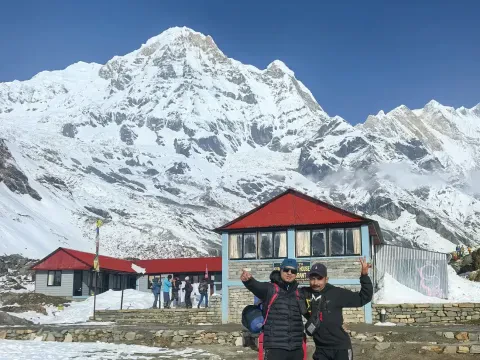
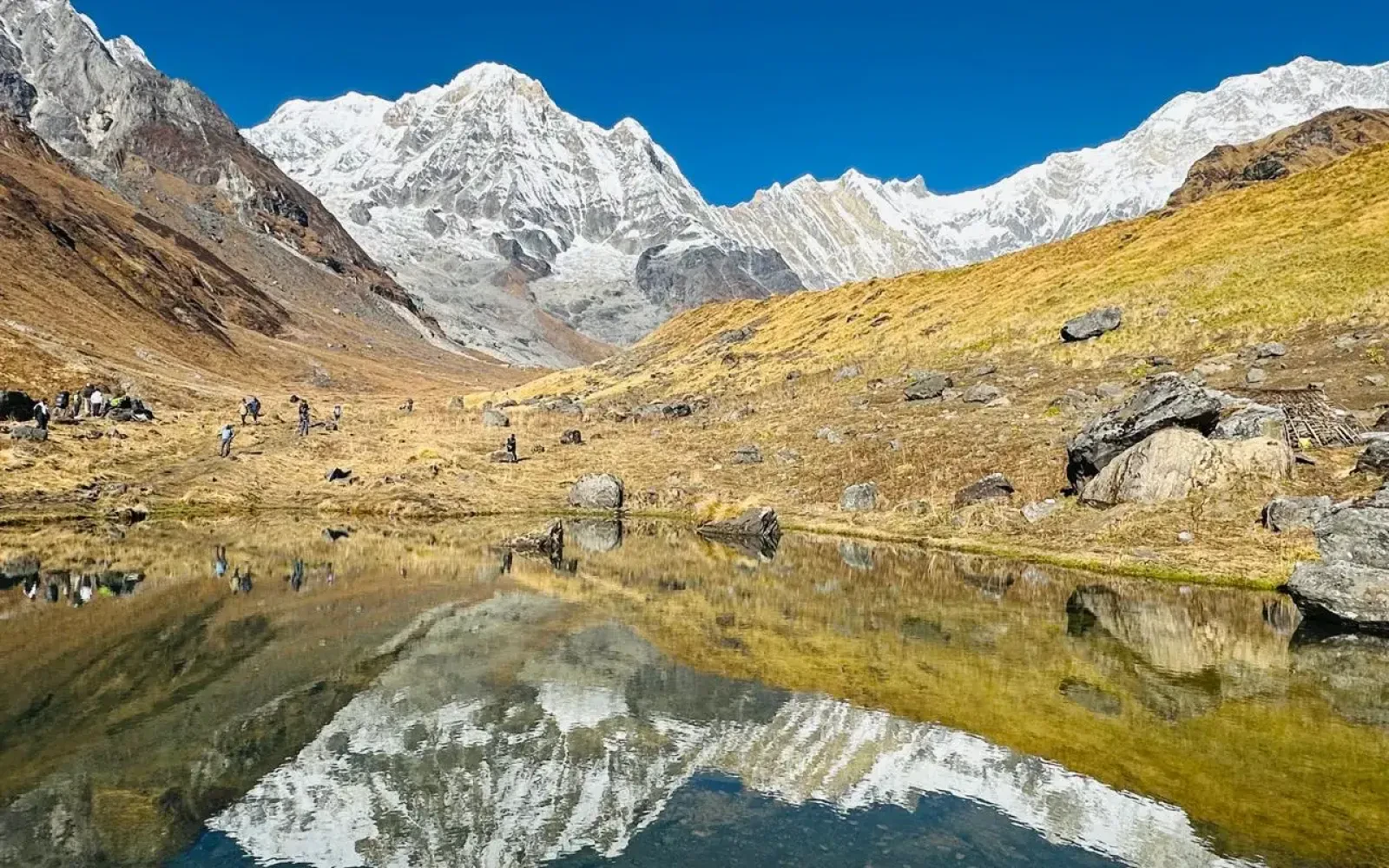
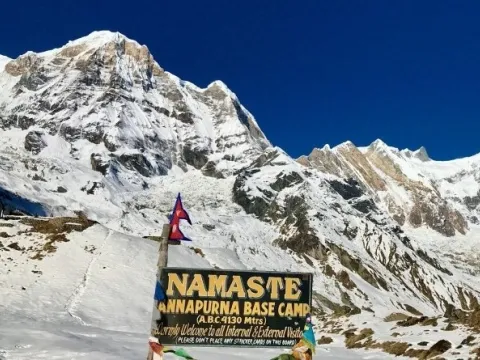
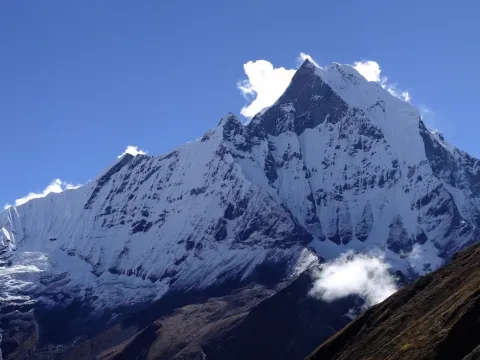
Meanwhile, there’s a reason so many travelers dream about the Annapurna Base Camp Trek in Nepal. The views? Absolutely jaw-dropping. You get up close to giants like Annapurna I (8,091m) and Machhapuchhre (6,993m)—no binoculars or zoom lenses needed. The trail winds through rhododendron forests, crosses glacial valleys, and drops you right into the heart of mountain life. Plus, you’re not just passing through landscapes; you’re stepping into the world of the Gurung and Magar people, picking up stories, food, and traditions along the way. And if you’re new to trekking, good news: this route is way more accessible than you might think. It’s tough, sure, but it won’t chew you up and spit you out like some of the more extreme high-altitude hikes.
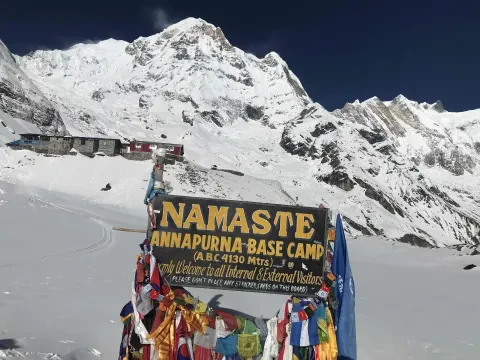
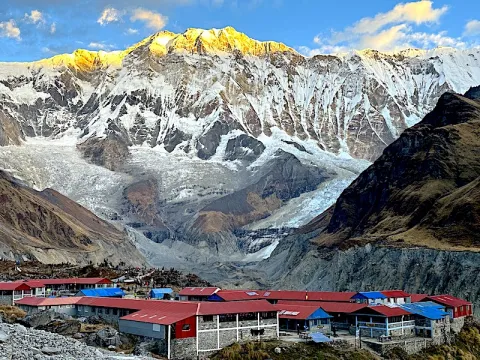
Likewise, one thing that sets Annapurna Base Camp apart? The sanctuary itself, tucked away at 4,130m. You’re surrounded on all sides by staggering peaks—Annapurna South, Hiunchuli, and more—like you’ve wandered into a secret mountain amphitheater. It’s hard not to feel something shift inside you up there. Some people call it spiritual, others just stand there grinning like idiots. Either way, it sticks with you. And after a long day on the trail, you can even soak in the hot springs at Jhinu Danda (1,780m). Honestly, it’s the best kind of reward.
Now, how does it stack up against the Everest Base Camp Trek? For starters, Annapurna Base Camp in Nepal keeps things a bit lower and safer, topping out at 4,130m compared to Everest’s breath-stealing 5,364m. That means you’re less likely to get altitude sickness, and the trek itself is a bit shorter—around 110km instead of 130km. Most folks finish in 7 to 12 days. There’s more variety in what you see, too: forests, rivers, open valleys, and way fewer crowds if you go during the shoulder seasons. If you care about scenery and experience more than just ticking off the highest spot, Annapurna is a clear winner.
And let’s talk budget for Annapurna Base Camp Trek in Nepal. Annapurna Base Camp doesn’t break the bank. Guided treks usually run between $600 and $1,200, with permits (ACAP $30, TIMS $20) included. You don’t have to shell out for expensive flights to Lukla, either. You start in Pokhara, a chill lakeside city that’s worth a visit on its own. So, you save time and cash, but you don’t skimp on the adventure. For anyone chasing an epic Himalayan trek without the Everest price tag, Annapurna Base Camp is tough to beat.
| Aspect | Annapurna Base Camp Trek | Everest Base Camp Trek |
|---|---|---|
| Max Elevation | 4130m | 5364m (EBC), 5545m (Kala Patthar) |
| Duration | 7-12 days | 12-14 days |
| Distance | 110km | 130km |
| Difficulty | Moderate | Challenging |
| Unique Appeal | Diverse forests, close peak views, cultural villages | Iconic Everest views, Sherpa culture |
| Average Cost | $600-1200 | $1000-2000 |
Overall, the Nepal Annapurna Base Camp Trek captivates with its blend of adventure and serenity. It promises life-changing moments amid Nepal's majestic Himalayas. Many return inspired, adding it to their top bucket list achievements. So, plan your journey and embrace this extraordinary trek.
If you’re looking at the Annapurna Base Camp Trek in Nepal, here’s what you need to know, plain and simple. The full trek covers about 110 kilometers, starting and ending in Nayapul (1,070m). You’ll walk on everything from stone steps to winding forest trails. Most people knock out 10 to 15 kilometers a day, so you’re not rushing. Along the way, you pass through villages like Chomrong (2,170m) and Deurali (3,230m). It’s not a walk in the park, but if you’re reasonably fit and up for an adventure, you’ll be fine.
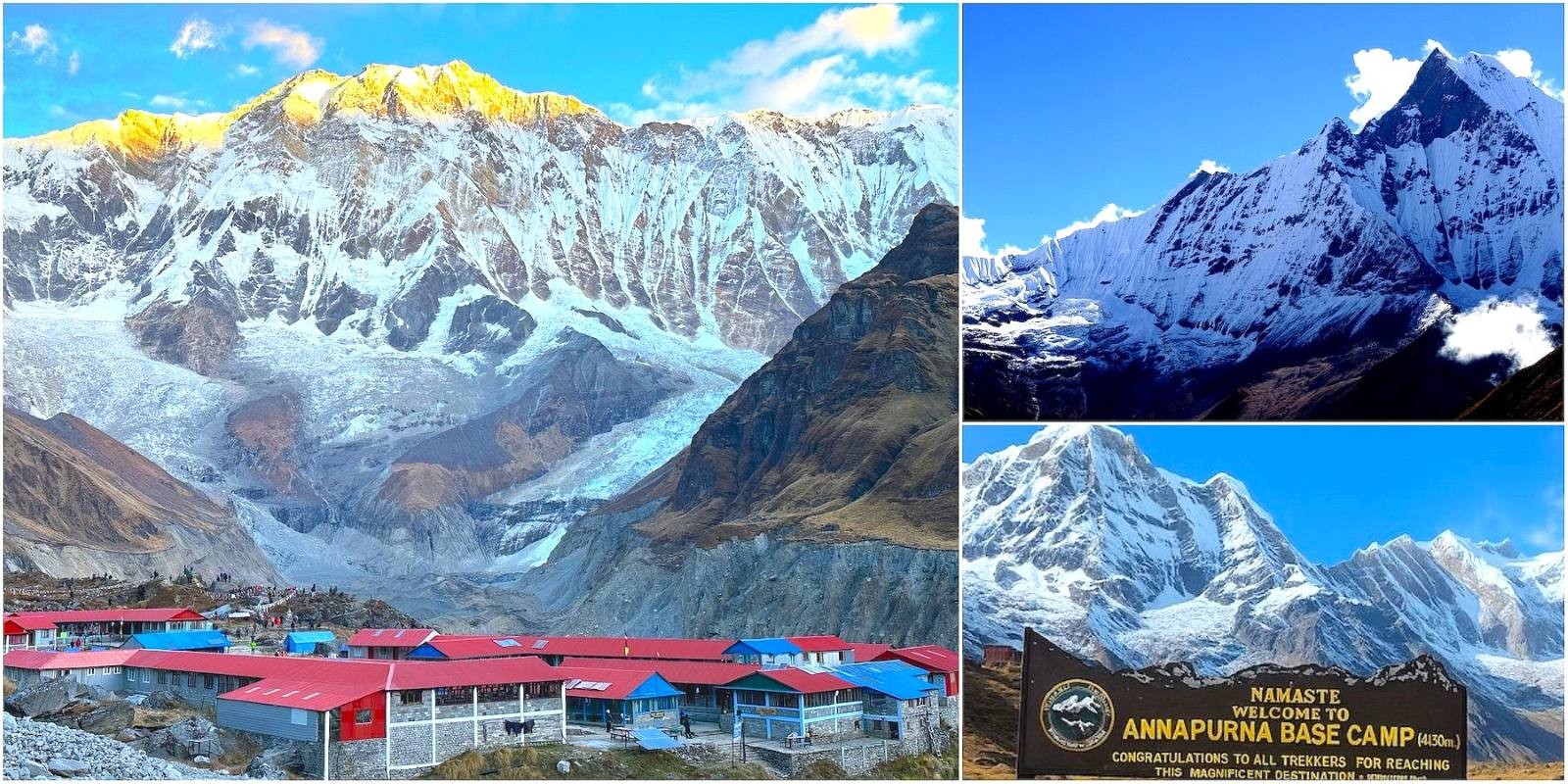
Most trekkers spend about 7 to 12 days on the Annapurna Base Camp Trek route, kicking things off in Pokhara (822m). Got a tight schedule? You can do a quicker version. Want to take your time? Add side trips like Poon Hill (3,210m) for sunrise views. Guides say 10 days is the sweet spot, giving you enough time to get used to the altitude, especially up at places like Machhapuchhre Base Camp (3,700m). Spring and autumn are the best seasons—clear skies, epic views of Annapurna I (8,091m), and better weather overall. So, plan around your fitness and how much time you’ve got.
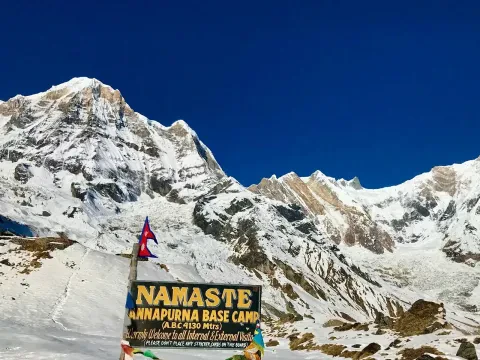
In fact, the highest point you’ll reach is Annapurna Base Camp at 4,130 meters. The climb is steady—you start low at Tikhedhunga (1,570m), work your way up to Ghorepani (2,870m), and keep going. Altitude sickness isn’t a big problem if you pace yourself. On most days, you’ll gain about 500 to 800 meters in elevation, and you’ll get a break at spots like Himalaya (2,920m). The gradual climb and daily rest stops make this trek doable for most people who come prepared.
As for difficulty, Annapurna Base Camp Trek Nepal is rated moderate. You don’t need to be an elite athlete, but you’ll want a decent level of fitness for those long staircases, especially near Sinuwa (2,360m). There’s no technical climbing—just a lot of uphill walking and some chilly weather if you’re up at base camp (it can hit -5°C at night). Cardio training helps, especially for the push to Bamboo (2,310m) and beyond. All in all, it’s a solid choice for beginners looking to take on the Himalayas without getting in over their heads.
Here are key stats in the following points:
Honestly, this is what makes the Annapurna Base Camp Trek so special. It’s tough enough to be satisfying, but the views make every step worth it. With a little preparation, lots of people finish it and walk away with stories to tell. If you’re planning a trek in the Himalayas, keep this one on your radar.
Actually, picking the right season for the Annapurna Base Camp trek Nepal makes all the difference. You want good weather and clear trails, right? Here’s what to expect in each season.
Here, ABC Trek in Spring (March to May) is a favorite. Temperatures sit between 10 and 20°C down in places like Pokhara (822m). Rhododendrons explode with color along the path to Ghorepani (2870m). It feels like you’re walking through a painting. Now and then, rain rolls in and makes the way near Chomrong (2170m) a bit slick, so you’ll want to watch your step. Still, spring’s vibrant flowers and mild air create a pretty unforgettable trek, even if you have to dodge the occasional shower.
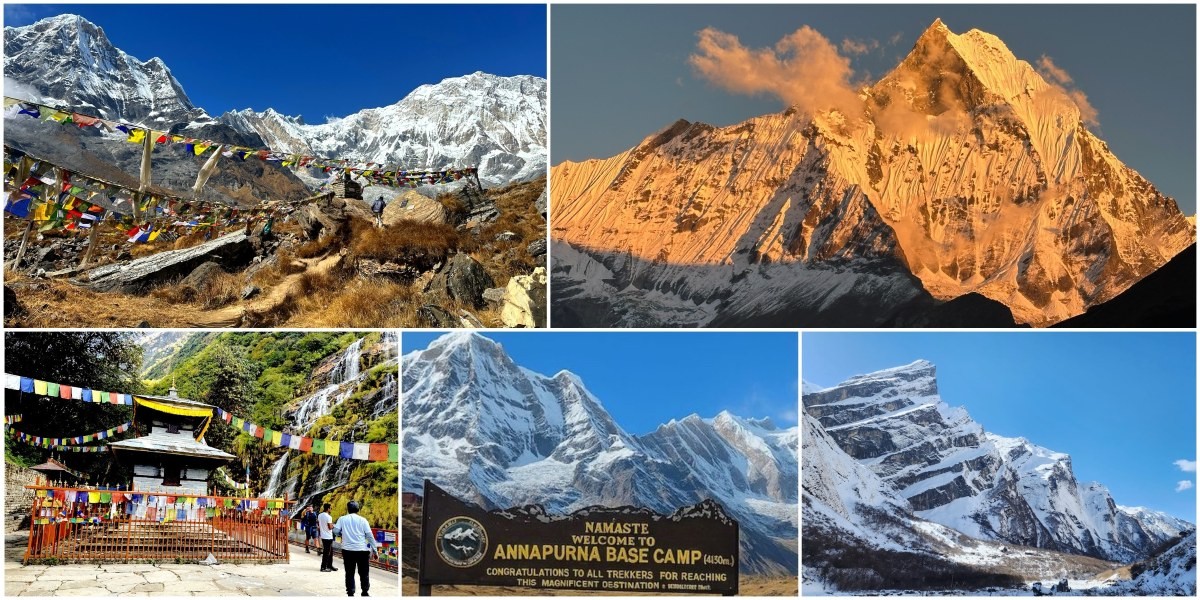
Then, there’s Annapurna Base camp Trek in autumn (September to November), which honestly steals the show. The sky stays clear, so you get those wide-open views of Annapurna I (8091m) and Machhapuchhre (6993m) from base camp (4130m). The air feels crisp, temperatures hover around 5 to 15°C, and humidity stays low—perfect for long days on the trail. The downside? You won’t have the place to yourself. Crowds pack into popular spots like Deurali (3230m), so booking ahead matters. But, if you want the best weather and local festivals lighting up villages, autumn’s your time.
Likewise, Annapurna Base Camp Trek Nepal in Winter (December to February) turns the region quiet and chilly. Snow blankets higher trails, including Machhapuchhre Base Camp (3700m), and the crowds disappear. Daytime temperatures land between 0 and 10°C, but at night, things drop to -10°C or colder. You’ll need solid gear and maybe some grit. Guides keep an eye on avalanche warnings near Hiunchuli (6441m). Winter’s really for trekkers who want peace, silence, and don’t mind the cold.
And then, there’s monsoon (June to August). Heavy rain falls, and paths around Bamboo (2310m) can get blocked by landslides. Leeches are out, and conditions turn tricky fast. But, after the storms, the forests glow green and the crowds thin out. Permits like ACAP drop in price—good news if you’re watching your budget. Monsoon trekking gives you a wild, lush side of the Annapurna region, but it’s only for those ready to handle some mess and take it slow.
In fact, each season offers something different. Whether you’re chasing flowers, festivals, solitude, or adventure, Annapurna Base Camp is always waiting. Just pick your moment.
| Season | Pros | Cons |
|---|---|---|
| Spring (Mar-May) | Blooming flowers, mild weather, clear views of Annapurna South (7219m) | Occasional rain, slippery trails, increasing crowds |
| Autumn (Sep-Nov) | Stable weather, best visibility, cultural festivals | Peak crowds, higher costs for teahouses |
| Winter (Dec-Feb) | Fewer people, snowy landscapes, crisp air | Cold temperatures, potential snowstorms, limited facilities |
| Monsoon (Jun-Aug) | Lush vegetation, low costs, solitude | Heavy rains, landslides, leeches, obscured views |
Overall, selecting the best time for Annapurna Base Camp Trek in Nepal aligns with personal preferences for weather and crowds. Autumn often wins for optimal conditions. Prepare accordingly for a memorable Annapurna Base Camp experience. Always check forecasts before starting from Nayapul (1070m).
Here, let’s talk honestly about the Annapurna Base Camp Trek—it’s not Everest, but it’s no walk in the park either. Most people call it moderate, which means if you’re in decent shape, you can handle it, even if you haven’t done a big trek before. Expect to hike six to eight hours a day, sometimes over rough, uneven trails. You’ll start at Nayapul (1,070 meters) or at Jhino Danda directly and push all the way up to base camp at 4,130 meters. One can do begin the ABC Trek from Ulleri/Banthanti if they are going to ABC via Poon Hill. The Pokhara to Ulleri Jeep Ride or Pokhara to Jhino Danda Jeep/Bus Ride help the trekkers to begin the trek saving their time. Some spots, like the stone staircases near Sinuwa (2,360 meters), will really burn your legs. And as you climb, the thin air starts to matter. You need to give your body time to adjust, especially around Deurali (3,230 meters), or you’ll risk altitude sickness. The trek gets harder bit by bit, but if you’re prepared, those mountain views at the top are worth every step.
Now, about fitness—cardio is your best friend here. Tackle some local hikes before you go, and try carrying a 10-kilo backpack to get a real feel for it. Work on your legs with squats and stair climbing, because places like Chomrong (2,170 meters) are basically stair-master territory. Once you get above 3,000 meters, drink plenty of water and keep an eye on how you’re feeling. Good prep makes this trek way more fun.
Here, altitude sickness is the main thing you need to watch for. Headaches often show up after Ghorepani (2,870 meters), so don’t rush—build in rest days. Some trekkers take Diamox, but talk to your doctor before you do. This trek works best for adults between 18 and 60 who don’t have any major health problems. Knowing what to expect at high altitude keeps you safer.
If you’re active and love being outside, you’ll probably enjoy this trek even if you’re not an adrenaline junkie. Families with teenagers do fine, and it’s definitely easier than the Everest Base Camp route. Older hikers can make it too, especially with guides or porters to help lighten the load. Budget around $200 for fitness gear, which adds to your overall trip cost. All told, Annapurna Base Camp draws a really mixed crowd, making it one of Nepal’s most welcoming treks.
For better preparation, consider these points on fitness tips:
Overall, understanding the difficulty level empowers trekkers to conquer Annapurna Base Camp. Commit to fitness routines beforehand. Many achieve this milestone with proper planning. Embrace the journey for lifelong memories.
If you’re dreaming about hiking to Annapurna Base Camp in Nepal, the classic 10 to 12-day trek is the way to go. This is the route most people follow, starting in Pokhara (822m) and winding all the way up to the legendary base camp at 4,130 meters. You get a little bit of everything: sunrise from Poon Hill (3,210m), rhododendron forests, Gurung villages, and those up-close views of Annapurna I (8,091m) that make your jaw drop.
Actually, the journey kicks off with a drive to Nayapul (1,070m) or a similar trailhead. From there, you climb through Ulleri (2,020m) and Ghorepani (2,870m) early on. Poon Hill is the first real “wow” moment—sunrise here lights up Dhaulagiri (8,167m) and Annapurna South (7,219m) in colors you won’t forget. The trail then winds to Tadapani (2,630m) and Chomrong (2,170m), where you really start to feel the culture and mountain vibe.
As you get higher, each day’s walk helps your body adjust to the altitude. You pass places like Bamboo (2,310m), Himalaya (2,920m), and Deurali (3,230m), surrounded by wild alpine views. The final push takes you to Machhapuchhre Base Camp (3,700m), and finally, Annapurna Base Camp itself. Once you arrive, you’re surrounded by an amphitheater of peaks—Hiunchuli (6,441m) towers right above.
Further, the way down retraces your steps, which keeps things safe and straightforward. Don’t miss the hot springs at Jhinu Danda (1,780m) on your way back—they’re the perfect reward after all that climbing.
In fact, a 10–12 day ABC Trek pace leaves room for weather delays or rest days, which you’ll probably appreciate. The whole trek covers about 110 to 120 kilometers, with plenty of ups and downs. It’s doable for anyone with moderate fitness, and most guides recommend this timeline. Expect to spend around $700–1,300 for a guided trek, which includes permits and most essentials.
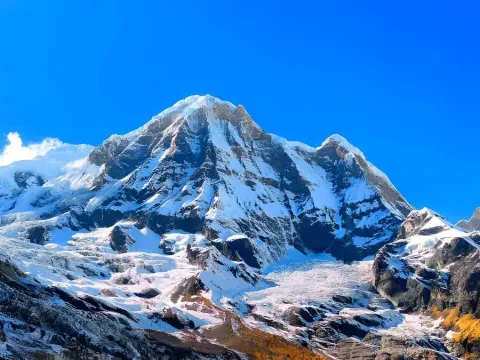
In the end, this 10-12 day Classical Annapurna Base Camp Trek itinerary gives you the full Annapurna experience—stunning views, cultural stops, safe acclimatization, and time to soak it all in. If you want a classic Himalayan adventure without feeling rushed or overwhelmed, this is it.
| Day | Route | Distance | Elevation Gain/Loss | Highlights |
|---|---|---|
| 1 | Pokhara to Nayapul drive, trek to Tikhedhunga (1570m) or Ulleri (2020m) | 4-8km | +500-1000m | Village trails, river views |
| 2 | To Ghorepani (2870m) | 10-12km | +800-1000m | Steep stairs, forests. |
| 3 | Poon Hill (3210m) sunrise, trek to Tadapani (2630m) | 10km | +340m/-580m | Sunrise panorama, rhododendrons. |
| 4 | To Chomrong (2170m) | 8-10km | -460m | Gurung culture, Modi Khola. |
| 5 | To Bamboo (2310m) or Dovan (2600m) | 7-9km | +140-430m | Bamboo forests, waterfalls |
| 6 | To Deurali (3230m) | 8-10km | +620-930m | Rhododendron ascent |
| 7 | To Machhapuchhre Base Camp (3700m) | 5-7km | +470m | Glacier views |
| 8 | To Annapurna Base Camp (4130m), explore | 4-6km | +430m | 360° peaks amphitheater |
| 9 | Descent to Bamboo or lower (2310m) | 12-15km | -1800m | Fast downhill |
| 10 | To Jhinu Danda (1780m), hot springs | 8-10km | -530m | Relaxation soak |
| 11-12 | To Nayapul/Pokhara 10-15km + drive | -700m | Return, celebration |
Overall, the classic Annapurna Base Camp Trek itinerary captivates with diverse landscapes. It promises unforgettable moments amid majestic Himalayas. Prepare well for this timeless adventure.
Here, looking for a different way to experience the Annapurna Base Camp Trek in 2026? There’s a lot out there—shorter versions, longer adventures, even a helicopter ride back if you want something special. Whether you only have a week or you’re itching to add more sights, Nepal’s got you covered.
If you’re pressed for time, the 7-day Annapurna Base Camp Trek is a solid pick. It usually kicks off from Jhinu Danda (1780m) after a jeep ride from Pokhara. From there, you’ll trek up to Chomrong (2170m), then push on to Machhapuchhre Base Camp (3700m), and finally Annapurna Base Camp (4130m). This route trims off a few days, skips the long approach, and still packs in the highlights—like soaking in hot springs and standing face-to-face with peaks like Annapurna South (7219m). Perfect for those who want the mountains without spending half a month on the trail.
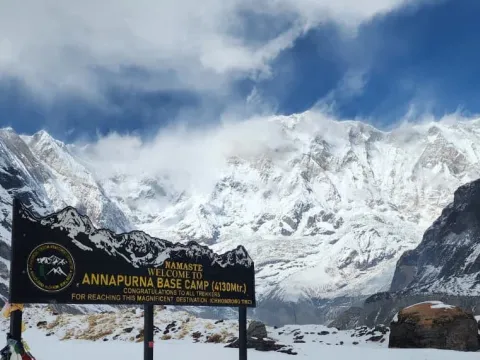
Then, there’s the helicopter return option from Annapurna Base Camp. Hike up as usual, but once you’ve reached Annapurna Base Camp, you hop on a helicopter and fly back to Pokhara (822m). It’s dramatic, it’s fast, and the aerial views over Machhapuchhre (6993m) are wild. Sure, it bumps up the price—think $1500 to $2500 extra—but if you want to skip the long walk down and treat yourself, it’s hard to beat.
If you’d rather not rush, the Poon Hill combo is a great way to stretch things out. This version takes about 9 or 10 days and swings you through Ghorepani (2870m) and Poon Hill (3210m) for those famous sunrise views. The longer route helps with acclimatization and gives you more time to really soak up the scenery. And if you’re still not satisfied, you can tack on side trips to places like Khopra Danda or Mardi Himal for even more adventure.
Honestly, there’s no one-size-fits-all trek here. Whether you want a quick hit of the Himalayas or a deep dive into the Annapurna region, there’s an itinerary that fits. The variety just makes Nepal trekking even more accessible—and a lot more fun.
For clear comparison, here are key alternative itineraries in the following points:
Overall, alternative routes and itineraries for ABC Trek 2026 cater to diverse needs. They enhance the Annapurna Base Camp Trek appeal. Choose based on fitness, budget, and adventure level for an unforgettable journey.
Here, picture the Annapurna Base Camp Trek route laid out in front of you, with every twist in the trail and every climb in altitude. This guide breaks down the journey into clear stages, highlighting villages like Ghandruk, Chomrong, Deurali, and, of course, Annapurna Base Camp itself. You’ll see how the altitude changes, which really helps when you’re planning a trek through the Himalayas.
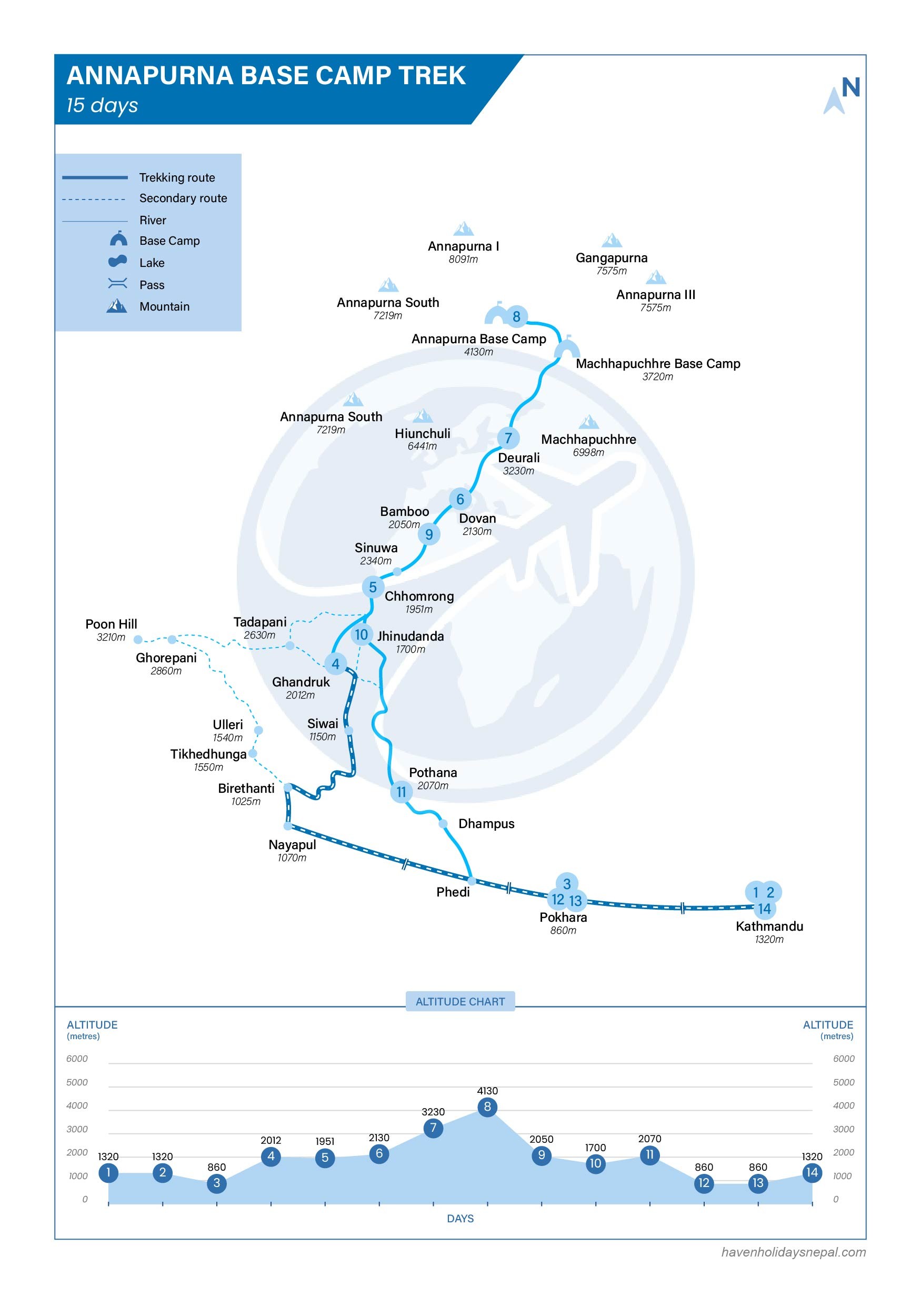
Meanwhile, most trekkers start from Pokhara (822m) or nearby entry points like Nayapul (1070m). The trail kicks off in lush, subtropical scenery and then snakes its way up through a series of unique villages. Each stop—Ghandruk, Chomrong, Sinuwa, Bamboo—marks your progress, both on the map and in terms of altitude. It’s not just about getting higher; you’ll meet locals, soak in mountain culture, and watch the landscape shift as you climb toward Annapurna Base Camp at 4130 meters. The map isn’t just a tool—it’s what keeps you on track and safe in the Annapurna region.
Early on, you’ll pass through places like Ghandruk (1940m) after a short drive from Pokhara. Then comes Chomrong (2170m), a lively Gurung village with sweeping views over the Modi Khola river. From there, the path climbs up to Sinuwa (2360m) and Bamboo (2310m), winding through thick forests. As you check the elevation profile, you’ll notice the steady climb—it’s a good reminder to pace yourself and enjoy the villages along the way. These aren’t just rest stops; they offer a glimpse into life in the Himalayas.
Midway along the ABC Trek Nepal, you reach Deurali (3230m), the last big settlement before hitting the high-altitude zone. Just before that, you’ll walk through Dovan (2600m) and Himalaya (2920m), surrounded by rhododendrons and bamboo. The trail gets steeper as you approach Machhapuchhre Base Camp (3700m), where you finally catch sight of glaciers. Then, Annapurna Base Camp (4130m) sits right at the heart of the mountain amphitheater—an incredible payoff after all those climbs. The route map really highlights how important it is to take your time and adjust to the altitude as you go.
All told, you’ll gain about 3000 meters in elevation from start to summit. Chomrong (2170m) is known for its endless stairs, while Deurali (3230m) marks the shift into alpine country. The whole way up, you’re surrounded by giants like Annapurna South (7219m) and Hiunchuli (6441m). On the way down, you retrace your steps, which keeps things straightforward and safe. In the end, the route map and elevation profile do more than show the way—they help you figure out if you’re ready for the challenge of Annapurna Base Camp.
Here is a list of main trail stages and elevations:
Overall, the AB trekking route map and elevation profile guide adventurers effectively. They highlight scenic and safe progression. Use this for memorable Nepal Himalaya experiences.
If you’re planning to trek to Annapurna Base Camp in 2026, you’ll need a couple of permits—nothing complicated, but you do have to get them sorted before you hit the trail. The two main ones are the Annapurna Conservation Area Permit (ACAP) and the TIMS card. Both are straightforward, and you can pick them up in Kathmandu or Pokhara without much hassle.
Let’s start with the ACAP. This is the big one—basically your ticket into the conservation area. For foreign nationals, it costs NPR 3000 (about $25 USD), and for folks from SAARC countries, it’s NPR 1000. The money goes to trail maintenance and helps support local communities, so it’s not just red tape. Everyone has to get this permit, no matter which route you take in the region.
Likewise, then there’s the TIMS card. This one’s all about safety and tracking hikers on the trail. If you’re trekking independently, the fee is NPR 2000 (roughly $17–20 USD). If you’re with an agency, you’ll probably pay less or sometimes nothing directly, since agencies sort it out for you. The TIMS card helps authorities keep tabs on itineraries—super helpful in case of emergencies.
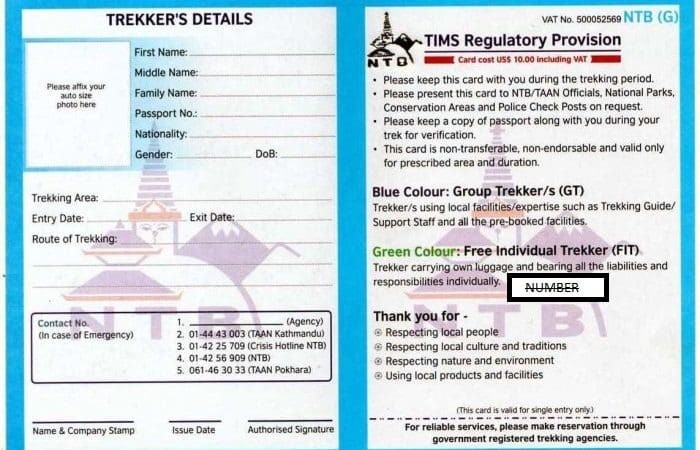
Here, getting the paperwork done isn’t a pain. Head to the Nepal Tourism Board office or an ACAP counter in Kathmandu or Pokhara during business hours. If you’re booking through a trekking agency, they’ll handle it for you, so you just show up and go. You’ll need a few passport-sized photos and a copy of your passport—pretty standard stuff.
In fact, the rules and prices for 2026 are sticking with what’s worked in recent years, so no surprises there. Get your permits early, and you’ll breeze through the checkpoints on your way to Annapurna Base Camp.
| Permit Type | Cost for Foreigners (2026) | Cost for SAARC | Purpose | Where to Obtain |
|---|---|---|
| ACAP (Annapurna Conservation Area Permit) | NPR 3000 (~USD 25) | NPR 1000 | Conservation and entry to Annapurna region | Nepal Tourism Board Kathmandu/Pokhara, ACAP offices, or agencies. |
| TIMS (Trekkers' Information Management System) | NPR 2000 (~USD 17-20) for individuals | Varies | Safety tracking and emergency support | TAAN offices, Nepal Tourism Board, or through registered agencies. |
Overall, permits required for Annapurna Base Camp Trek in 2026 stay straightforward and cost-effective. They promote sustainable tourism. Secure them early for hassle-free adventure. Enjoy the majestic peaks responsibly.
Let’s talk budget for the Annapurna Base Camp Trek in 2026. If you’re planning this adventure, you’re probably wondering what you’ll actually spend — not just the pretty photos and mountain views, but the real, nitty-gritty costs.
Actually, most people go with a standard guided package. Expect to pay anywhere from $600 up to $1,200 per person for about 10 to 12 days. This usually covers all the basics: permits, guides, porters, food, places to sleep, and transport. If you’re joining a bigger group, you’ll save a bit since costs spread out. The main thing is to budget well upfront so you don’t get hit with surprises halfway up the mountain.
In fact, permits are non-negotiable, and you’ll need a couple. The Annapurna Conservation Area Permit (ACAP) runs about $25 to $30 for foreigners. On top of that, there’s the TIMS card, which costs $15 to $20 per person (a bit less if you’re in a group). All in, you’ll spend around $40 to $50 just to get your foot in the door — and, honestly, these fees help support conservation and keep track of trekkers.
Likewise, guides and porters really make the journey smoother. Licensed guides charge $25 to $40 a day, while porters go for $15 to $25 daily. Most agencies include these services in their packages and usually assign one porter for every two trekkers. Having their help means you carry less and have someone who knows the trail.
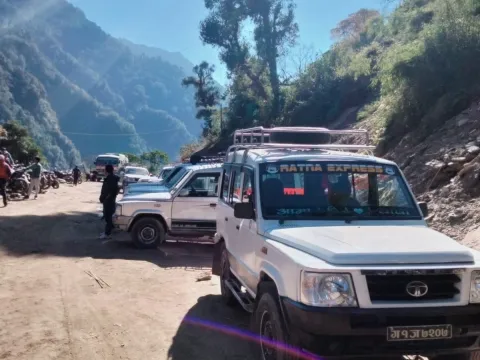
Now for food and sleep. Teahouses along the ABC route cost $5 to $15 per night, with prices climbing as you get higher, especially in places like Deurali. Meals — mostly hearty, filling stuff like dal bhat — average $20 to $30 a day. Getting from Kathmandu to Pokhara and then to the trailhead adds another $50 to $150 for the round trip. Put all this together, and you’ll want to budget $200 to $400 for food, beds, and transport on a typical trek.
So, add it all up, plan ahead, and you’ll have everything covered for an epic trek in the Annapurnas — no nasty surprises, just mountain magic.
| Category | Estimated Cost (USD per person) | Details |
|---|---|---|
| Permits (ACAP + TIMS) | $40-50 | Mandatory for Annapurna region entry |
| Guide & Porter | $200-400 (included in packages) | $25-40/day guide, $15-25/day porter |
| Accommodation | $50-150 | Teahouses $5-15/night, 10-12 nights |
| Food & Drinks | $200-350 | $20-30/day meals, snacks, water |
| Transport (Kathmandu-Pokhara-trailhead) | $50-150 | Bus/jeep round trip |
| Total Package (guided) | $600-1200 | Varies by group size, inclusions |
Overall, the Annapurna Base Camp Trek cost offers great value for breathtaking views of Annapurna I (8091m). Budget $700-1000 for most reliable packages. Plan ahead for a stress-free adventure.
Here, let’s get real about what you need for the Annapurna Base Camp trek. Packing smart can make or break your trip, so here’s what matters most.
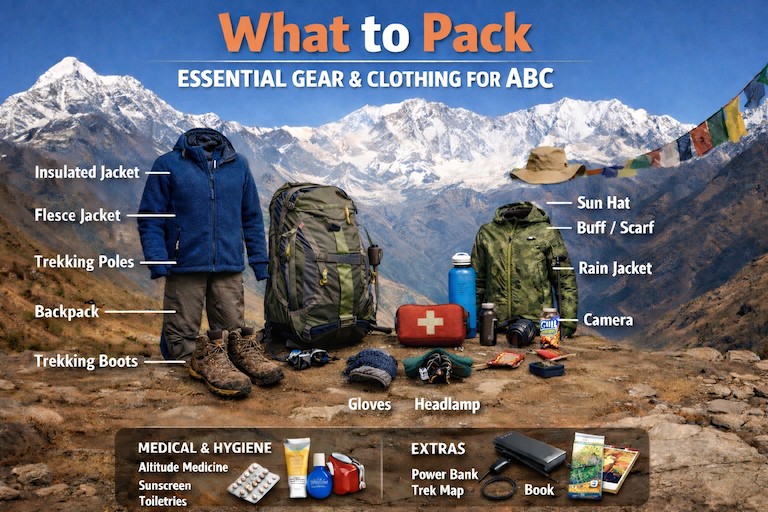
Meanwhile, layering is the name of the game. Start with base layers that pull sweat away as you climb out of places like Chomrong (2,170m). You’ll want a solid mid-layer to keep you warm when you hit the shaded forests near Bamboo (2,310m). Then, throw on a windproof, waterproof shell for when you’re pushing higher—think Machhapuchhre Base Camp (3,700m)—where the wind and rain can come out of nowhere. If you get your layers right, you’ll stay comfortable from start to finish.
Moreover, don’t overlook your boots and accessories. Grab sturdy hiking boots with good grip—they’re your best friends on those rocky steps and steep paths. Trekking poles save your knees, especially on the long way down from Annapurna Base Camp (4,130m). You’ll need a 40-50L backpack to haul the essentials, and trust me, a rain cover comes in handy when the weather turns fast. These basics keep you moving and safe in the Annapurna.
More importantly, nights in the Himalayas get cold—sometimes -5°C or worse at base camp. Bring a sleeping bag rated to -10°C. Teahouses offer blankets, but having your own means extra warmth and peace of mind. Toss in a sleeping bag liner for even more insulation. You’ll sleep better, no question.
Most importantly, don’t forget the small stuff. Pack a headlamp (power cuts happen), water purification tablets, and a basic first-aid kit. Quick-dry clothes are perfect for everything from Pokhara’s warm start (822m) to the chilly heights. Protect yourself from the sun with sunscreen, a hat, and gloves—UV hits hard up near Annapurna South (7,219m). To save space, rent bulky gear like down jackets in Kathmandu.
In short, pack light, but don’t skip the essentials. A little planning goes a long way toward a successful Annapurna Base Camp trek.
Review this list of essential gear and clothing for Annapurna Base Camp Trek:
Overall, the Annapurna Base Camp Trek packing list focuses on versatility and lightness. Proper gear handles weather shifts effectively. Follow this for a confident, enjoyable trek.
If you’re trekking to Annapurna Base Camp, you’ll spend your nights—and eat most of your meals—in teahouses. These places are simple, but they’re the heart of the trail. Picture a basic lodge: usually a small room with two beds, thin mattresses, and a shared bathroom down the hall. Prices start around $5 a night at lower altitudes, but climb higher as you get up to places like Deurali (3230m). The dining halls are where everyone gathers in the evenings—warm, busy, and full of that end-of-the-day energy. Teahouses don’t offer luxury, but they give you what you actually need: shelter, food, and a place to swap stories with fellow trekkers.
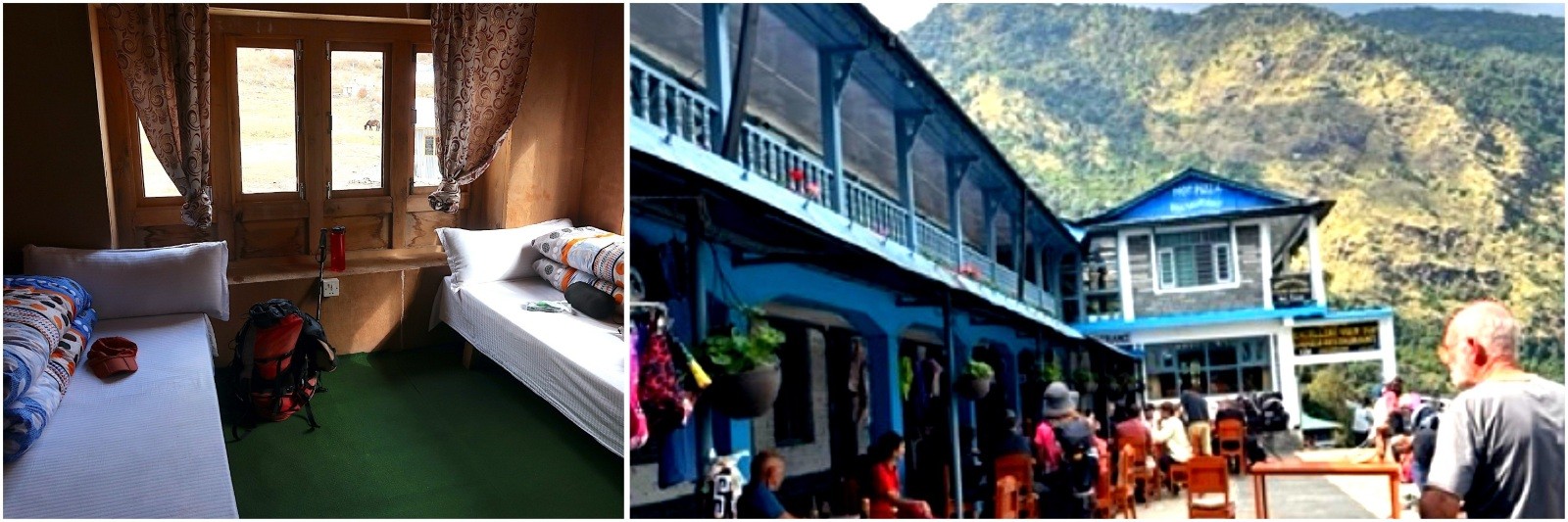
In fact, food is all about fuel. Dal bhat—rice, lentil soup, veggie curry, and spicy pickles—shows up everywhere, and honestly, you’ll be grateful for it. It’s filling, tasty, and you can usually get seconds (or thirds). If you want something different, you’ll find noodles, fried rice, pasta, momos, soup, even pancakes. Three meals a day usually adds up to $20–35. Dal bhat really does keep you going, even on those tough uphill days.
Here, facilities change as you climb. Down lower, near Chomrong (2170m), you might pay $2–5 for a hot shower. Higher up, around Machhapuchhre Base Camp (3700m), hot water gets rare—or disappears completely. Bathrooms are mostly shared squat toilets, though sometimes you’ll spot a Western one. It’s not fancy, but it’s all you need after a long day on the trail.
Likewise, some bigger villages like Ghandruk and Chhomrong have “deluxe” options—private rooms or a heater if you’re lucky. Up at Annapurna Base Camp (4130m), everyone brings their own sleeping bag for warmth. Charging your phone or hopping on Wi-Fi costs extra, especially the higher you go. In the end, teahouses are simple, but they’re steady and welcoming—a real highlight of trekking in the Annapurna region.
| Aspect | Details | Cost Estimate (USD) | Altitude Notes |
|---|---|---|
| Accommodation | Twin rooms, thin mattresses, shared bathrooms | $5-15/night | Higher prices above Chomrong (2170m). |
| Hot Showers | Available lower down, bucket or solar | $2-5 per use | Limited or none above Deurali (3230m). |
| Main Meal | Dal bhat (rice, lentils, veggies, pickles) | $4-10 per meal | Unlimited refills, most nutritious. |
| Other Food | Noodles, pasta, fried rice, momos, soups | $3-8 per item | Variety decreases at higher elevations. |
| Extras | Charging, Wi-Fi, bottled water | $2-5 each | Common in most teahouses. |

Overall, accommodation and food on the ABC trail Nepal via teahouses create memorable cultural immersion. Expect simplicity that fuels the journey to Annapurna Base Camp (4130m). Embrace these for an authentic Nepal trekking experience.
Let’s talk about altitude sickness on the Annapurna Base Camp Trek. It’s something you really need to watch out for, especially as you climb higher. Most trekkers start noticing symptoms like headaches, nausea, dizziness, or just feeling wiped out once they get above 2,500 meters. Near Chomrong, you’re already at 2,170 meters, so it doesn’t take long before the air feels thinner. The risk ramps up even more as you push past places like Deurali at 3,230 meters. Guides keep a close eye on everyone, but you should always listen to your own body. Honestly, just staying aware can make a huge difference and keep you out of serious trouble.
The main thing? Go slow. Acclimatization is your best friend out there. Don’t climb more than 500 meters in sleeping elevation per day once you’re above 3,000 meters. Take rest days in higher villages—Machhapuchhre Base Camp at 3,700 meters is perfect for this. Stick to the “climb high, sleep low” rule if you can. A slower pace really cuts down the chances of getting sick.
Here, staying hydrated is another big one. Drink a lot—think 3 to 5 liters of water every day as you get closer to Annapurna South (7,219 meters). Skip the booze and coffee since they just make things worse. Go for carbs at every meal to keep your energy up. These simple habits go a long way to keeping you safe on the trail.
If you’re worried, some trekkers use Diamox (acetazolamide), but only if a doctor says it’s okay. Usually, people start with 125mg twice a day, a day or two before hitting the higher altitudes. Always talk to a professional first to avoid any nasty side effects. And here’s the non-negotiable part: if you get really bad symptoms like confusion or trouble breathing, head downhill right away. No mountain is worth your life. So, combine smart habits, the right pace, and maybe some medication if you need it, and you’ll have a much safer trek to Annapurna Base Camp.
Here are key safety tips in points:
Overall, altitude sickness on ABC remains manageable with proper prevention and tips. Prioritize health for reaching Annapurna Base Camp (4130m) safely. Many complete the trek successfully through vigilance.
Actually, the Annapurna Base Camp Trek in Nepal is packed with unforgettable moments—honestly, every day brings something new. Early on, you’ll wander through rhododendron forests that explode with color in the spring, especially near Ghorepani. It’s like walking under a living canopy. As you move along, those forests slowly turn into thick bamboo groves around a place fittingly named Bamboo. It’s a pretty wild shift, and it keeps the scenery fresh.
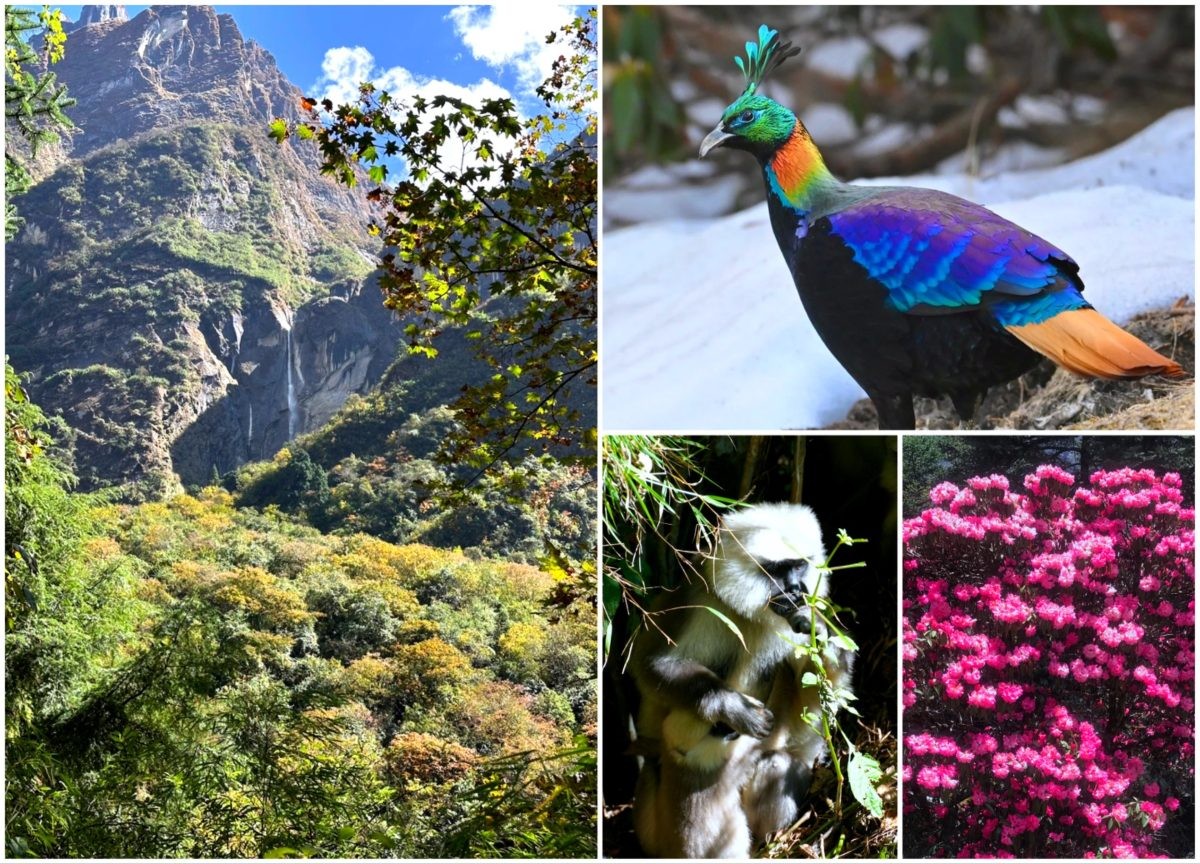
Likewise, then, there are the Gurung villages like Ghandruk and Chomrong. These places feel like stepping into another world—stone houses, narrow lanes, and people who always seem ready to share a story or a cup of tea. You’ll get more than just a glimpse of Gurung culture here; you’ll feel it in the music, the food, the way people greet you on the trail. It’s the kind of experience that sticks with you.
And the views—wow. Peaks like Annapurna I, Machhapuchhre (that’s the famous “Fishtail”), and Annapurna South line the horizon almost everywhere you turn. The higher you climb, especially near Deurali and into the heart of the sanctuary, the more the mountains seem to just wrap around you. By the time you reach base camp itself, you’re standing in a natural amphitheater of snow and rock. It’s hard to put into words, honestly.
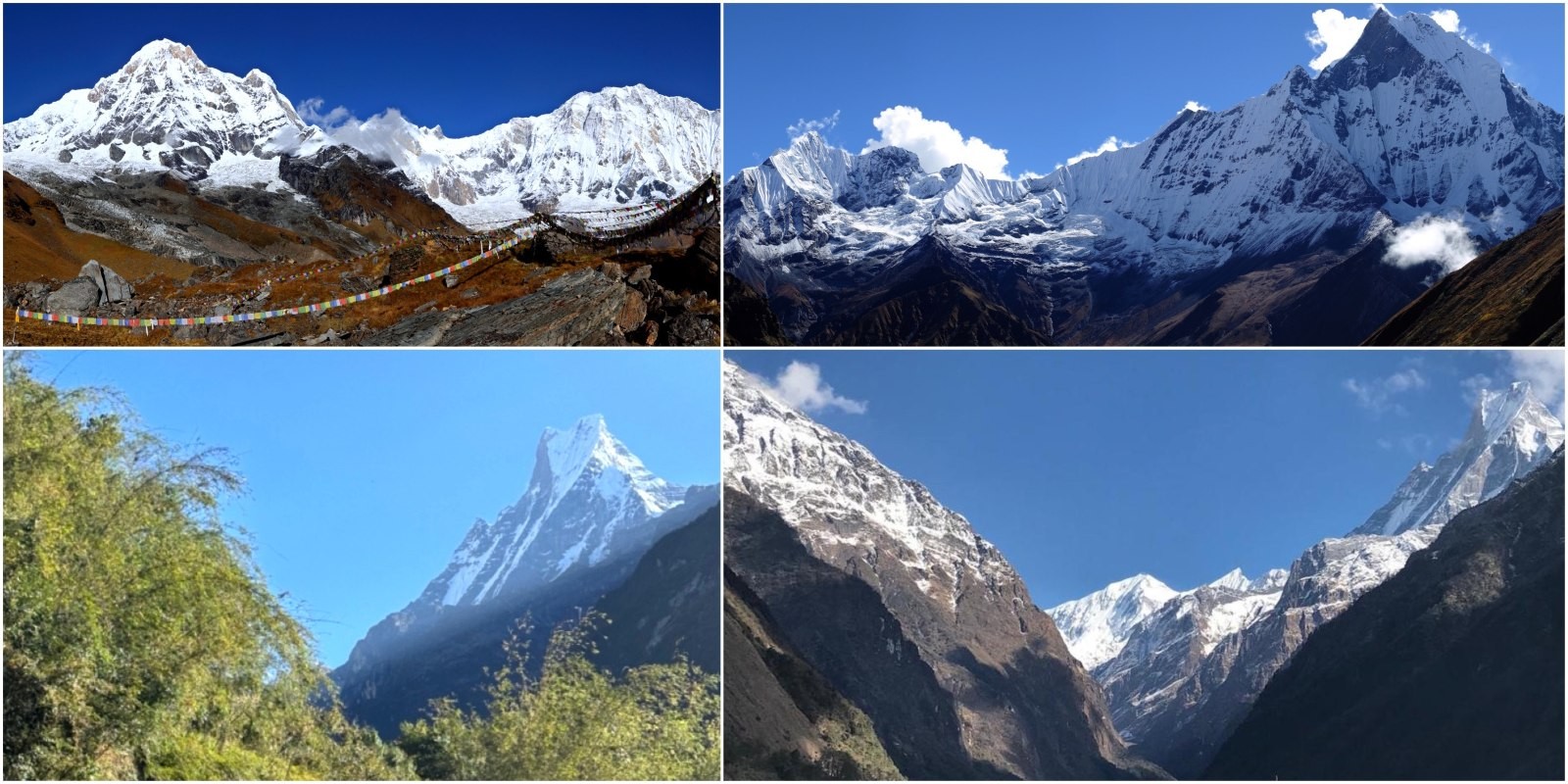
But if there’s one moment that tops them all, it’s sunrise at Annapurna Base Camp. You drag yourself out of your sleeping bag before dawn, shivering a little, and then suddenly the first light hits the peaks—Hiunchuli, Gangapurna, all of them glowing gold. People say it’s life-changing, and they’re not wrong. It’s the reason so many people take on this trek in the first place.
Here is a list of must-see moments:
Overall, highlights and must-see moments along the trail blend nature, culture, and drama. They make the Annapurna Base Camp Trek truly memorable. Embrace these for lifelong Nepal Himalaya memories.
If you want your Annapurna Base Camp trek to go smoothly, a few practical tips really make a difference. First off, going with a guide is usually the smarter move. Rules in the area often say you need a licensed guide anyway, and it’s not just red tape—they know the trails, help you handle altitude changes, and step in if something goes wrong. Trekking solo sounds adventurous, but you can run into fines or get stuck in tough spots far from help. Honestly, having a guide just makes things safer and less stressful.
Here, being a responsible traveler matters, too. The Annapurna region is beautiful, but it’s fragile. Pack out your trash, stay at local teahouses, and treat porters fairly. When you pass through Gurung villages like Chomrong, respect their customs—say hello, ask before snapping photos, that kind of thing. These small actions help keep the trails open and the communities strong for everyone who comes after you.
Most importantly, don’t forget insurance before going for ABC Trek in Nepal. It’s not just a box to check. Your policy needs to cover high-altitude rescue—up to 5,000 meters—plus medical emergencies and trip cancellations. Expect to pay somewhere between $100 and $300. Most tour companies want to see proof before you start, and for good reason. If something happens up there, insurance really does take a weight off your mind.
Moreover, money and power—two things you’ll need more than you think. Bring enough Nepali rupees, since ATMs don’t work once you’re past Pokhara. Charging your phone or camera costs extra at teahouses, so stash a power bank in your pack just in case. For the latest trail info, ask your guide or check recent reviews—weather and conditions change fast in the Himalayas.
In short, a little planning goes a long way. Sort out your guide, travel responsibly, get the right insurance, and keep your cash and gadgets ready. You’ll enjoy the trek a whole lot more.
Review these practical tips in points:
Overall, practical tips for a safe and enjoyable trek promote preparation and mindfulness. They minimize risks while maximizing rewards to Annapurna Base Camp (4130m). Follow these for a fulfilling Annapurna Base Camp Trek adventure.
So, is the Annapurna Base Camp Trek really worth it in 2026? Honestly, if you’re hunting for adventure, this one’s hard to beat. You get jaw-dropping, up-close views of giants like Annapurna I and Machhapuchhre. There’s challenge, sure, but nothing too extreme—just enough to keep things interesting. When you finally reach Annapurna Base Camp at 4,130 meters, it hits different. People come back saying it’s a milestone they’ll never forget.
Who’s this trek for? A lot of people, actually. If you’re reasonably fit—maybe you’ve hiked a bit before, maybe not—it’s doable. Families with older teens, active adults, folks in their 20s to 50s, they all find something here. You don’t need to be a hardcore climber. If you want wild views without the pain of super high altitudes, this is the sweet spot.
But the real magic? That’s in the memories. Watching sunrise paint Annapurna South gold, walking through rhododendron forests, meeting the Gurung people in Chomrong—it sticks with you. You get a sense of accomplishment you can’t buy. Those moments? They’re what people talk about years after the trek ends.
And let’s talk value. For what you get, the price is pretty reasonable. Most ABC Trek packages run $600 to $1,200 for 10–12 days, and that covers guides, permits, and teahouse stays. Want something shorter, or maybe a helicopter ride out? Plenty of options, and you won’t empty your bank account. Compared to other big treks, this one gives you more variety without the sky-high cost.
Bottom line: if you’re after adventure and real connection with the Nepal Himalaya, Annapurna Base Camp delivers. Don’t just think about it—start planning.
Here are essential points in form:
Overall, the Annapurna Base Camp Trek in Nepal stands out as one of Nepal’s most rewarding adventures. It delivers beauty, challenge, and inspiration in perfect balance. If you seek meaningful Himalaya trekking, start planning your Annapurna Base Camp Nepal journey now. The mountains await your footsteps.
1. What is the Annapurna Base Camp Trek. Why is it so well liked?
The Annapurna Base Camp Trek is a cool adventure in the Himalayas that takes you to 4,130m right in the middle of the Annapurna massif. You get to see Annapurna I, Machhapuchhre and other peaks close. The Annapurna Base Camp Trek also has forests and villages. People like the Annapurna Base Camp Trek because it is not too easy and not too hard. The Annapurna Base Camp Trek is great for people who want to try high-altitude trekking for the time.
2. How hard is the Annapurna Base Camp Trek?
The Annapurna Base Camp Trek is considered moderate. This means it is okay for people who are just starting out and for people who have done this before. On the Annapurna Base Camp Trek you walk for 6-8 hours every day. You will be walking on stairs and trails. You will go up pretty high some days. You do not need to know how to climb. You should be in good shape. If you take your time and have a guide with you on the Annapurna Base Camp Trek you will be fine.
3. When is the best time to do the Annapurna Base Camp Trek?
The best time to do the Annapurna Base Camp Trek is in the spring or in the autumn. In the spring the flowers are. It is really nice. In the autumn the sky is clear. The weather is nice. Both times are great for seeing the mountains. Autumn is usually a little better because the days are nice and cool. It does not rain much.. In the spring everything is so colorful. You should not do the Annapurna Base Camp Trek in the summer because it rains a lot and you should not do it in the winter because it is too cold.
4. What is an itinerary for the Annapurna Base Camp Trek?
A typical itinerary for the Annapurna Base Camp Trek is 10-12 days. You start by driving to Nayapul then you walk to Ulleri, Ghorepani and Tadapani. You also go to Chomrong. Then to Machhapuchhre Base Camp and Annapurna Base Camp. On the way you can stop at some hot springs. This itinerary is good because you have time to get used to the altitude and you can enjoy the views. The Annapurna Base Camp Trek itinerary can be changed if you need it to be.
5. How much does the Annapurna Base Camp Trek cost in 2026?
The cost of the Annapurna Base Camp Trek in 2026 is around $600-$1,200 per person for 10-12 days. This includes everything you need like food and a guide. The Annapurna Base Camp Trek cost can be lower if you go with a group or it can be more if you want to stay in hotels. You get a deal with our company because we are local and we know what we are doing.
6. What permits do I need for the Annapurna Base Camp Trek?
You need two permits for the Annapurna Base Camp Trek: the Annapurna Conservation Area Permit and the TIMS card. These permits help take care of the environment and they help keep you safe. Our company can get these permits for you in Pokhara or Kathmandu. You should get them before you start the Annapurna Base Camp Trek so you do not have any problems.
7. What should I pack for the Annapurna Base Camp Trek?
You should pack layers of clothes for the Annapurna Base Camp Trek like a jacket and good boots. You also need a sleeping bag and a backpack. Do not forget to bring sunscreen and a first aid kit. You can rent some things in Kathmandu if you do not want to carry them. If you pack the things you will be comfortable, on the Annapurna Base Camp Trek.
8. How do I get my body ready for the ABC Trek?
I need to build up my stamina by doing cardio like running or cycling and leg exercises like climbing stairs and doing squats for a few weeks before I go. It is also an idea to practice hiking with a backpack. I should make sure to drink plenty of water and get used to altitudes if I can. The people who train regularly say that the hard parts of the trek like the Chomrong stairs are easier for them. If I prepare well and listen to the guides I will feel strong and confident when I reach Annapurna Base Camp.
9. What are the accommodations and food like on the trail?
The teahouses have rooms with two beds and shared bathrooms and they give us blankets to keep warm. The rooms are nicer in the villages like Chomrong. The food is hearty. Includes things like dal bhat, noodles, momos and pancakes and we can have as much as we want. Meals cost $20-35 per day. We can even get showers in some places. These teahouses are places to meet other trekkers and have good conversations. From what I have seen staying in teahouses makes the trek feel more authentic and culturally rich.
10. How can I prevent altitude sickness on the Annapurna Base Camp Trek?
I should ascend slowly. Follow the rule of "climb high sleep low" and drink plenty of water around 3-5 liters per day. I should eat carbohydrates avoid alcohol and take rest days when I need to. If I start to feel sick I should listen to my body. Go back down if I need to. Some people take medicine called Diamox to prevent altitude sickness. The guides will keep an eye on us and help us get used to the high altitude. This way we can enjoy the views at 4,130m without getting sick.
11. What are the best parts of the Annapurna Base Camp Trek?
The best parts of the trek include watching the sunrise at Poon Hill walking through the rhododendron forests visiting traditional villages like Ghandruk and Chomrong and seeing the amazing 360° view of the mountains at Annapurna Base Camp. We will see mountains like Machhapuchhre and Annapurna I up close. We can even relax in the springs at Jhinu Danda. These moments will stay with me forever. Create lasting memories of the Annapurna Base Camp Trek.
12. Is the Annapurna Base Camp Trek good for beginners?
Yes it is a trek for beginners who are moderately fit. We do not need to have experience with altitudes if we train and take it slow. Many families with teenagers and adults in their 20s-50s have done the trek successfully. The guides and porters will help us every step of the way. If we prepare well we can have a life-changing experience on the Annapurna Base Camp Trek.
13. Are there routes or shorter options for the ABC Trek?
There are options that take 6-8 days and start from Jhinu Danda, where we can take a jeep to skip the first part of the climb. We can also add a day or two to visit Poon Hill for views. Another option is to take a helicopter down to save time. We can even take side trips to places like Khopra Danda. The trek can be customized to fit our schedule and fitness level so we can still experience the best of the Annapurna sanctuary.
14. What safety rules should I follow on the ABC Trek?
I should trek with a guide get insurance that covers emergency evacuations and respect the local customs. I should pick up my trash stay hydrated and check the weather forecast. I should also follow the updates on the trail for landslides. The guides have first-aid training and emergency plans in place so we can feel safe on the trek. If we follow these safety rules we can have an memorable trek and support the local community.
15. Is the Annapurna Base Camp Trek worth doing?
Absolutely. The trek has views, cultural experiences and a sense of achievement that makes it totally worth it. Many people say it is more rewarding than more expensive treks. The cost is $600-1,200 which is reasonable, for what we get. From what the guides say the Annapurna Base Camp Trek creates memories and friendships so it is definitely worth doing.
Our travel experts are ready to assist you with any questions.
Send us a message.Have a question before you book? Send your enquiry below and our travel experts will get back with the required information.