Trekking in Nepal
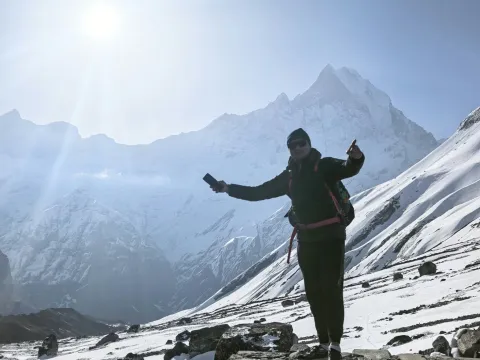
Nepal has some of the world's best Himalayan trekking routes, from easy walks along gentle valleys to challenging high-altitude expeditions. However, unpredictable weather, uneven ground, altitude sickness, scattered mountain communities and limited facilities require particular safety precautions. Therefore, make smart preparations, stick to realistic itineraries and make responsible decisions on your Himalayan trekking holidays. Here are 15 essential safety tips for trekking in Nepal covering trail choice, fitness, high altitude, weather conditions, clothing, permits, guides, insurance and emergency procedures
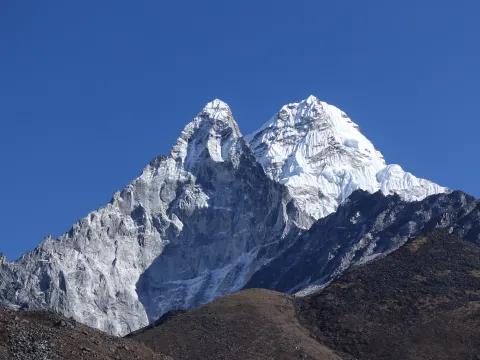
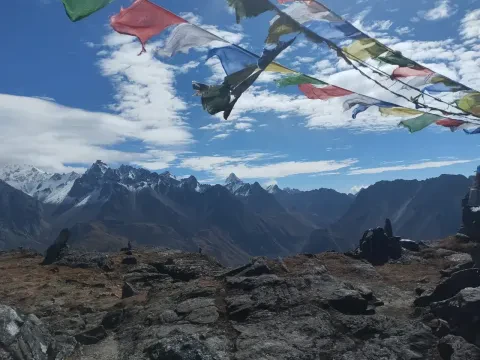
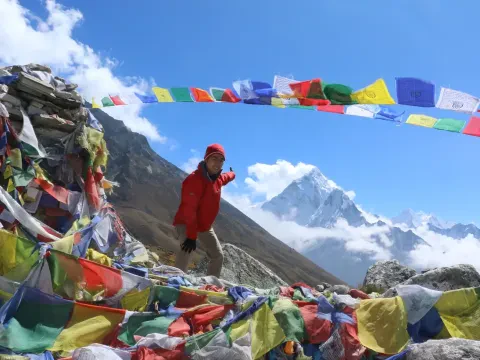
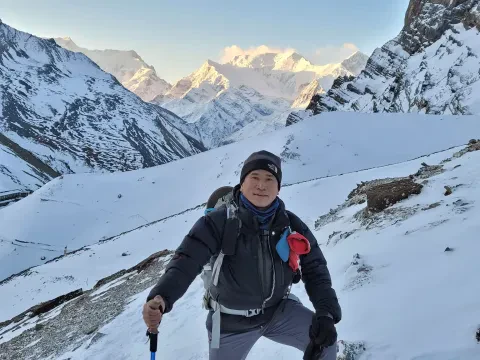
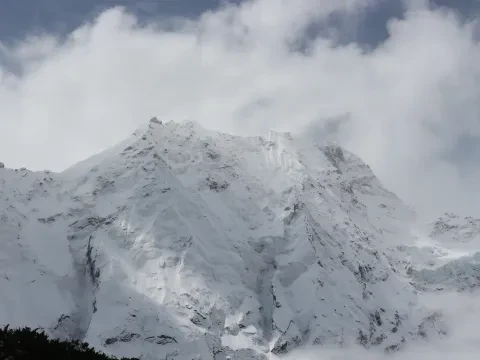
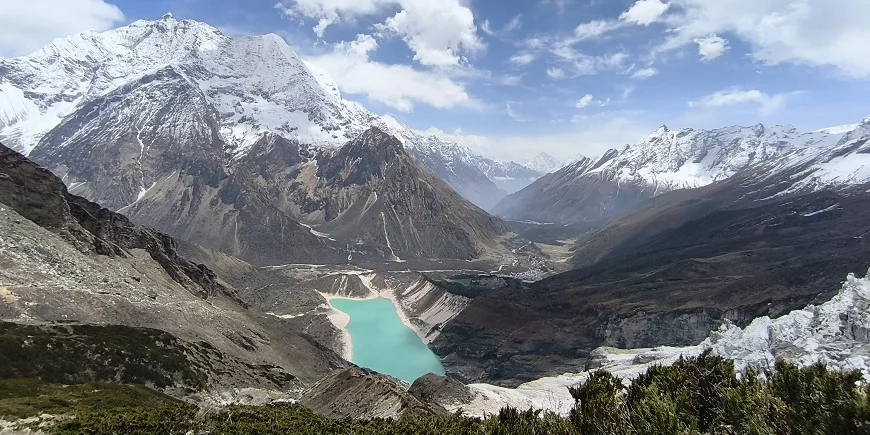
Generally, Nepal Trekking is well known for its mountain views, serene trails, deep woods, rare wildlife, sunsets and sunrises, water falls, lakes, local hospitality and foods. Moreover, Nepal trekking offers you the authentic history, spirituality and culture of the local people transferred from generations. Here, before planning Nepal trekking, one should know about the weather conditions, trekking routes, accommodation, budget, permits and guides.
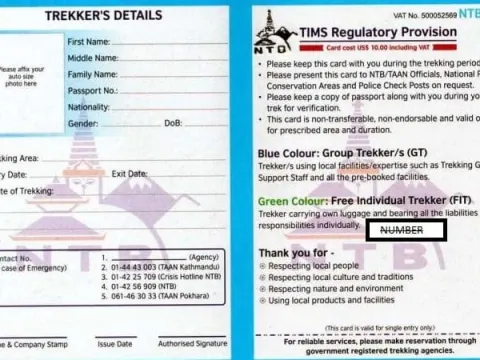
TIMS stands for Trekkers' Information Management System which was launched on 1st January 2008 by the joint initiative of Trekking Agencies Association of Nepal (TAAN) and Nepal Tourism Board (NTB). Moreover, the system was designed to keep track of trekkers' information, facilitate rescue operations, and help authorities monitor trekking activities.