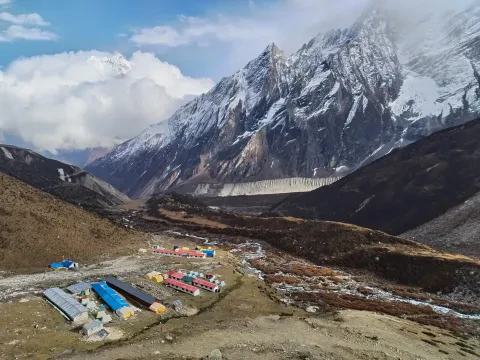
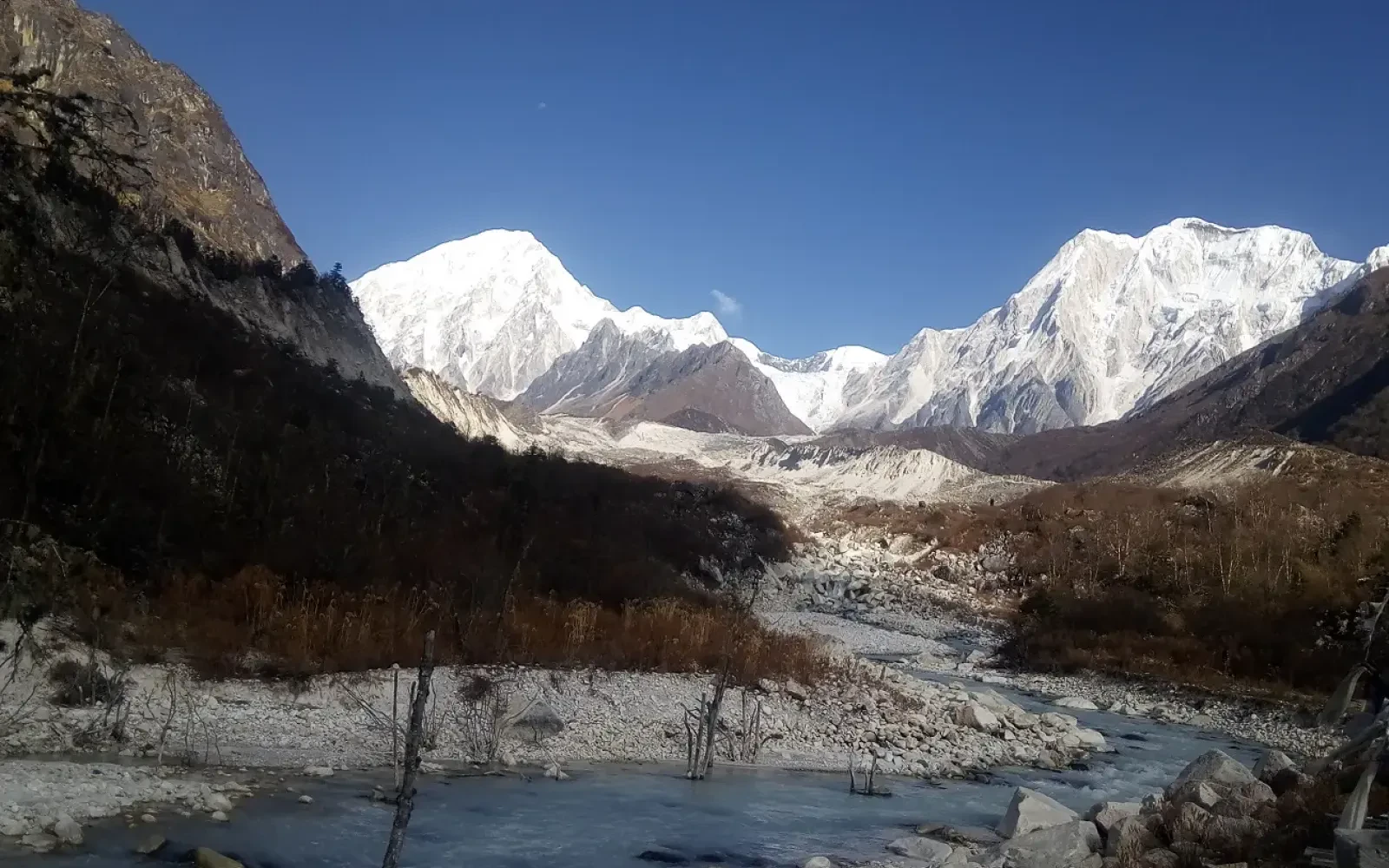
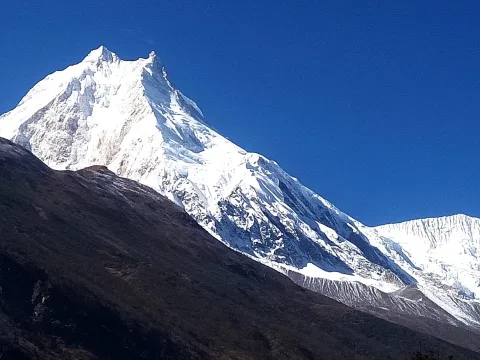
If you’re searching for an adventure off the beaten path, the Manaslu Circuit Trek in Nepal is hard to beat. It’s not as famous as Everest or Annapurna, but that’s exactly the point—this route winds around Mount Manaslu at (8,163m),the world’s eighth-highest mountain, and lets you dive into landscapes and cultures most trekkers never see.
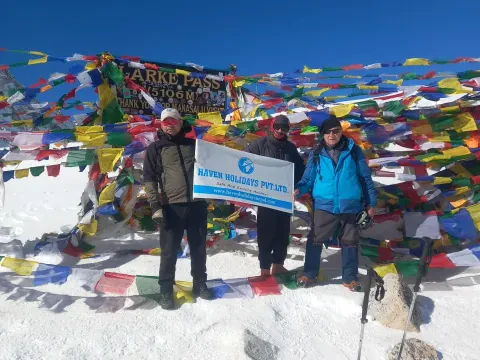
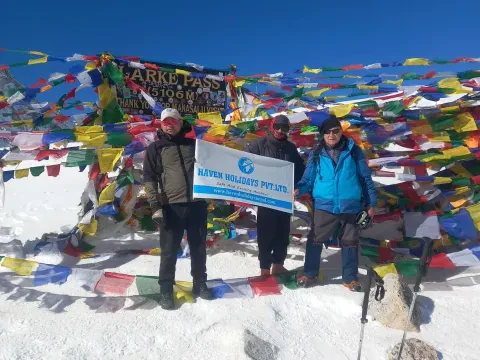
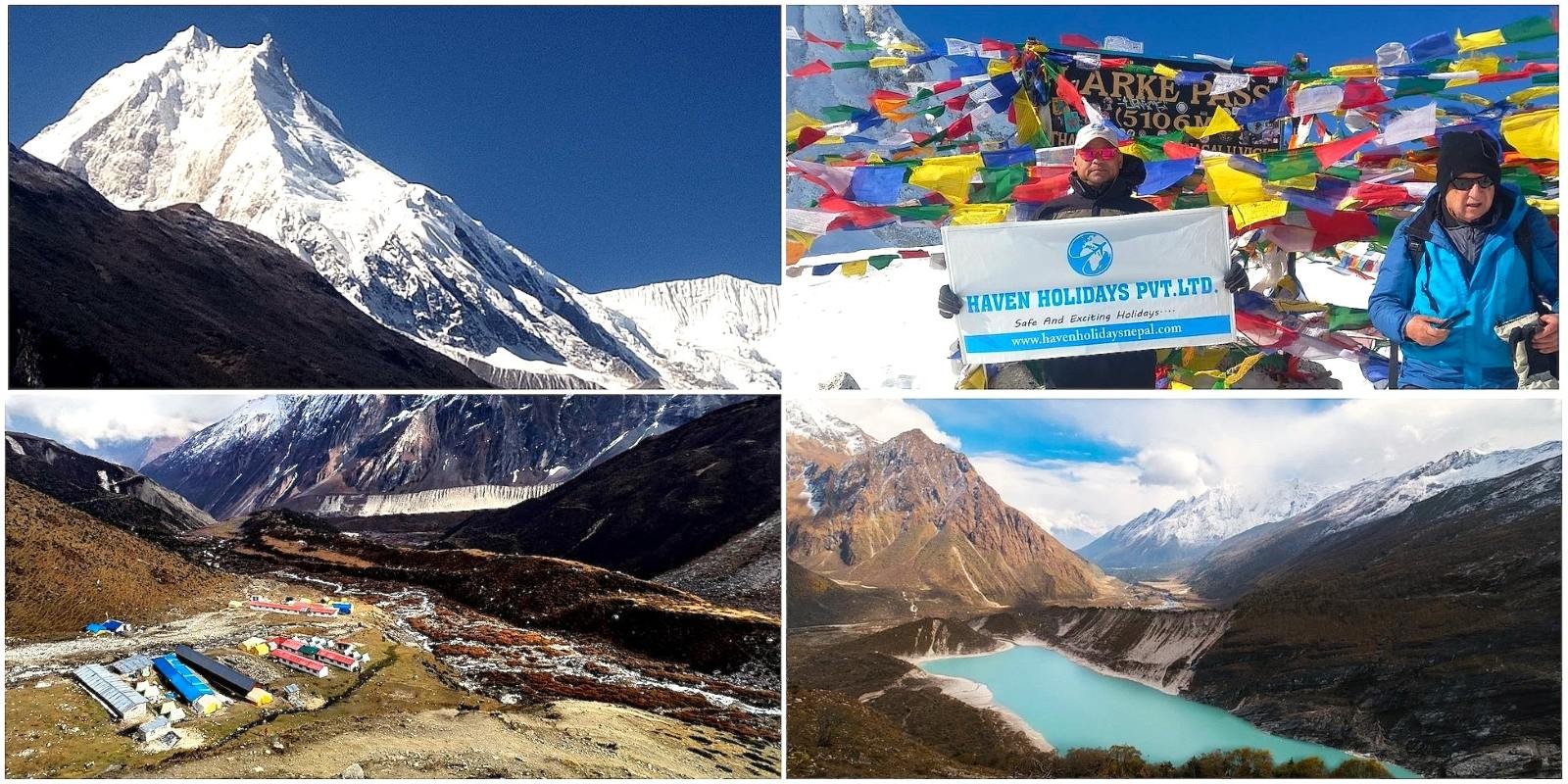
Picture this: you start low in the green valleys of Soti Khola/Machhakhola, then work your way up past wild rivers, deep forests, and villages that feel lost in time. The trek gets serious as you climb toward Larkya La Pass, topping out at 5,106 meters. That’s a view you won’t forget. Along the way, you’ll meet communities shaped by Tibetan traditions—Gurung villages, ancient monasteries, stone mani walls covered in prayer flags. Herds of yaks graze the high pastures. It’s peaceful, even a little surreal sometimes, and definitely far from the crowded trails elsewhere in Nepal.
There’s a catch, though. Since the region is restricted, you need a special permit and a licensed guide. The rules also say you need at least two trekkers in your group. It keeps the area protected and adds a bit of mystery to the whole journey.
Here, the Manaslu Circuit trek Nepal usually takes anywhere from 12 to 18 days, depending on your pace. Early on, you’ll pass through villages like Jagat and Namrung. Lho sits high up, with its old monastery and mountain views. Samagaon is a favorite stop to rest and get used to the altitude—it’s right near the base camp. After crossing the big pass and taking in the glaciers at Bimthang, you finally descend to Dharapani, wrapping up the circuit.
If you love raw, wild landscapes and genuine cultural encounters, this trek delivers. And if you’re curious about costs, expect to spend between $1,200 and $2,500 per person. That covers the permits—including the Restricted Area Permit (about $100 to $150, depending on the season), the Manaslu Conservation Area Permit ($30), and the Annapurna Conservation Area Permit ($30). Most trekking packages also throw in a guide and porter, so you can focus on the experience instead of logistics.
Really, if you want something different in Nepal—a trek that feels untouched and real—the Manaslu Circuit is it.
| Place/Mountain | Elevation (m) | Highlight |
|---|---|---|
| Mount Manaslu | 8,163 | Eighth-highest peak, stunning views |
| Soti Khola | 700 | Trek starting point, lush valleys |
| Jagat | 1,410 | Entry to restricted area |
| Namrung | 2,630 | Cultural village gateway |
| Lho | 3,180 | Monastery views |
| Samagaon | 3,530 | Acclimatization, base camp access |
| Samdo | 3,860 | Tibetan border village |
| Larkya La Pass | 5,106 | Highest point, challenging crossing |
| Bimthang | 3,720 | Glacier scenery |
| Dharapani | 1,960 | Trek endpoint |
Why pick the Manaslu Circuit over Everest Base Camp or the Annapurna Circuit? Simple—Manaslu gives you all the beauty and adventure of the Himalayas, but without the crowds. If you’re after real solitude, genuine culture, and wild mountain views, this is the trek that delivers.
Let’s start with the crowds. Everest Base Camp gets swamped, especially when the weather’s good. Annapurna can be busy too, sometimes packed for weeks on end. Manaslu, though? It stays quiet. The government restricts access here, so only a handful of trekkers make it onto the trail each day. You actually get to feel the remoteness—no conga line of hikers, no bustling tea-house villages.
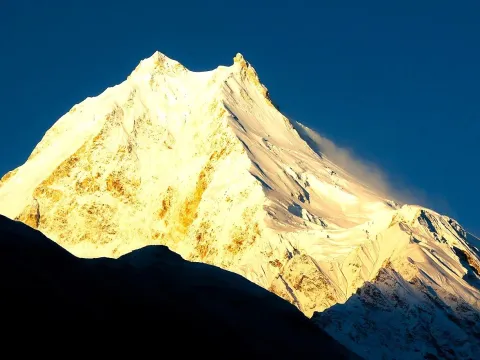
The scenery? Sure, Everest has the world’s highest mountain. Annapurna shows off with all kinds of landscapes, from jungle to high pass. But Manaslu’s got its own magic. The mountain itself towers over everything at 8,163 meters. The Larkya La Pass is wild and dramatic—just as challenging, just as breathtaking as the better-known routes, but with a sense of untouched wilderness you won’t find elsewhere.
Culture’s a big one, too. Everest is all about the Sherpa world, and Annapurna gives you a taste of Gurung and Thakali life. Manaslu’s villages feel different—more Tibetan, especially places like Samagaon. The people here live much as they always have. It’s personal. You’re not just another face in the crowd.
As for the challenge, all three treks demand stamina and some grit. Everest is tough because of the altitude. Annapurna’s no joke, with its long days and mix of terrain. Manaslu throws in real isolation—fewer villages, longer stretches between stops, and a sense you’re on a true adventure.
Likewise, Manaslu Circuit Trek Nepal Permits and costs matter, too. Everest is straightforward—a Sagarmatha permit, about $30. Annapurna’s similar, with the ACAP permit and no guide required. Manaslu is different. It’s a restricted area, so you need a special permit (about $100–$150) and a guide. Total costs run $1,200–$2,500—pretty much in line with Everest, a bit more than Annapurna.
So, why go for Manaslu? Because it feels real. It hasn’t turned into a trekking highway. You get the mountains, the culture, and the thrill—just with more peace and fewer distractions. If you want something that’s still a bit of a secret, Manaslu is where you’ll find it.
Comparison: Manaslu vs Everest vs Annapurna :
Culture: Manaslu (Tibetan-Buddhist depth); Everest (Sherpa heritage focus); Annapurna (Multi-ethnic villages).
If you’re heading to the Manaslu Circuit in Nepal, timing really matters. Most trekkers aim for stable weather, which usually means autumn or spring. Autumn (September to November) is pretty much the classic choice. The monsoon has just cleared out, so the skies open up, and you get those crisp views of Mount Manaslu towering at 8,163 meters. Down in the lower elevations, it’s a comfortable 10 to 20°C. Sure, you’ll see more people on the trail, but it never feels as packed as some of Nepal’s busier routes.
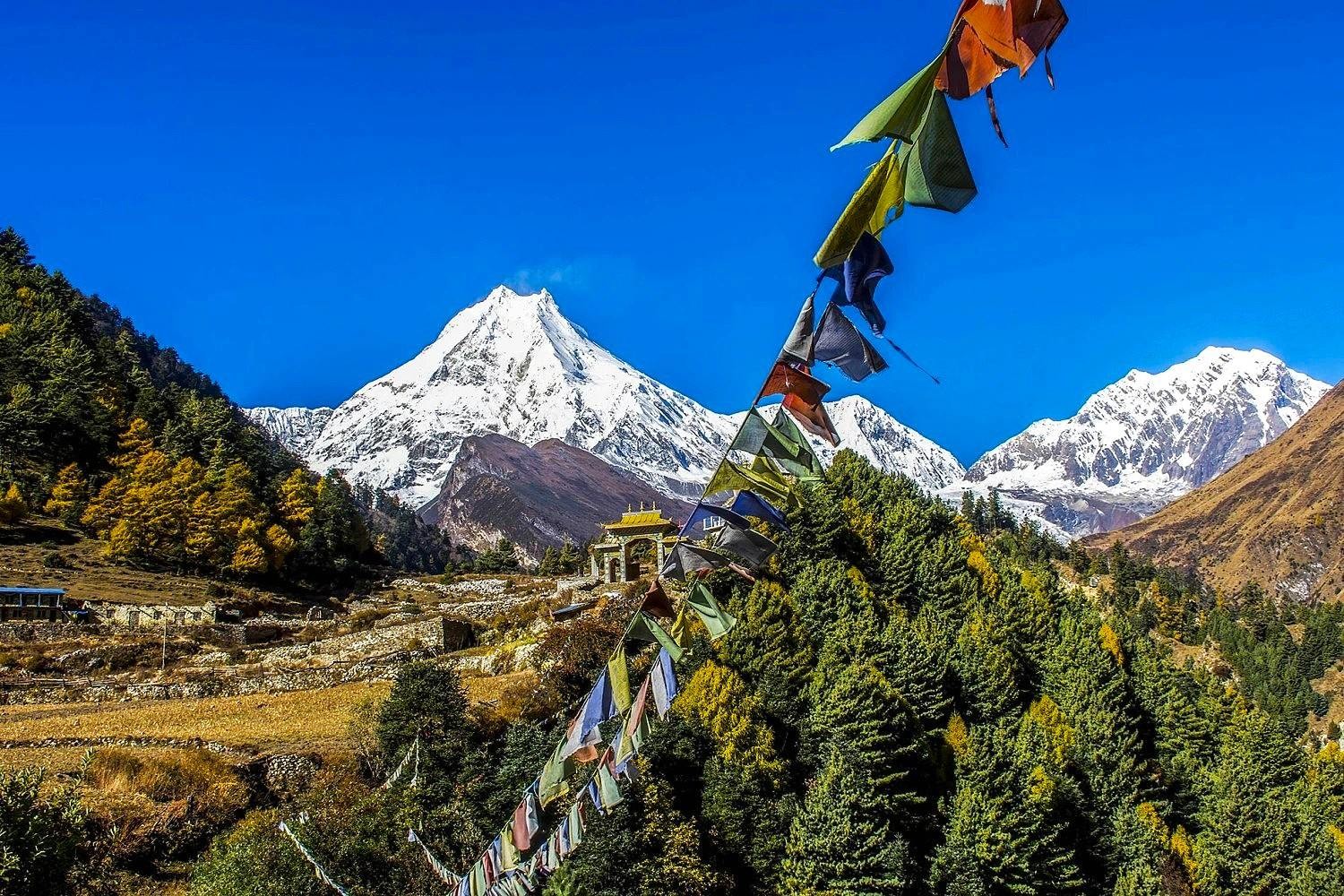
Actually, Manasu Circuit Trek in Spring (March to May) is fantastic too. The trails explode with blooming rhododendrons, and the hills pop with color. It’s a bit warmer, with valleys hitting 15 to 25°C during the day. You’ll run into fewer trekkers than in autumn, so if you want a little more peace, this is your window.
Here, monsoon season (June to August) is a different story. The rain comes down hard, turning trails muddy and slippery, especially near Soti Khola at 700 meters. Leeches show up, and clouds hide the peaks. Hardly anyone treks at this time—for good reason. It’s just not worth the hassle.
Likewise, Manaslu Trek Nepal in winter (December to February) brings its own challenges. Snow buries the high passes, like Larkya La at 5,106 meters, and temperatures at places like Samagaon (3,530 meters) drop way below freezing. Trekkers who love solitude and are up for a challenge go anyway, but you’ll need serious gear and some experience.
Moreover, there’s more to timing than just the weather, though. If you want a taste of local culture, plan your trek around festivals. Autumn lines up with Dashain celebrations in the villages, while spring brings Losar to the Tibetan communities along the trail. Prices don’t really change much during peak seasons—budget anywhere from $1,200 to $2,500. In the end, the best time for you depends on whether you want lively trails, quiet mountains, or a dose of culture along the way.
| Season | Months | Weather | Crowds | Optimal Conditions |
| Autumn | Sep-Nov | Clear skies, moderate temps | Moderate | Best views, stable trails |
| Spring | Mar-May | Mild, blooming flowers | Low-Moderate | Scenic flora, fewer people |
| Monsoon | Jun-Aug | Heavy rain, humid | Low | Slippery, poor visibility |
| Winter | Dec-Feb | Cold, snowy | Very Low | Challenging, serene solitude |
If you’re thinking about the Manaslu Circuit Trek in Nepal, get ready for a serious adventure. People call this trek moderate to challenging, and they mean it. The journey kicks in with steep climbs right after Jagat (1,410m), and most days you’ll be hiking five to eight hours over rocky, uneven paths. You really need strong cardio for this route. You’ll face river crossings near Philim (1,570m) and long, tiring stretches that test your endurance.
Altitude gets real at Larkya La Pass (5,106m)—that’s a big one. Most trekkers stop at Samagaon (3,530m) to acclimatize and avoid altitude sickness. The terrain never lets up, either. It’s rough and uneven, so good balance and stamina are a must. If you’ve done long hikes before, that experience helps a ton when fatigue starts to creep in. The trek gets tougher gradually, which gives you some time to adjust, but don’t underestimate it.
Here, the remoteness of the area adds another layer of challenge. Facilities are basic, and you’ll be far from help if something goes wrong. Porters help by carrying up to 15kg of your gear, but the weather above Namrung (2,630m) can switch fast—sunny one minute, snow the next. Sometimes the hardest part is just dealing with the isolation. Solid leg strength, especially for the long descent to Bimthang (3,720m), makes a huge difference.
If you’re new to trekking, give yourself three to six months to train. Cardio—like running—builds up your endurance, and strength training for your core and back pays off on those narrow ledges around Lho (3,180m). The right gear keeps you safer and more comfortable through all of it.
Likewise, a guided tour really helps with safety and logistics out there. You’ll need permits, and the whole package usually runs between $1,200 and $2,500. The key to finishing this trek is meeting those fitness demands. Prepare well, push through, and you’ll earn some of the most breathtaking views in the Himalayas.
Fitness and Challenge for Manaslu Circuit Trek :
Before you even think about starting the Nepal Manaslu Circuit Trek, you need to sort out your permits. No way around it—the rules here are strict. You’ll need three: the Restricted Area Permit, the Manaslu Conservation Area Permit (MCAP), and the Annapurna Conservation Area Permit (ACAP).
Actually, the Restricted Area Permit covers you from Jagat (1,410m) to Dharapani (1,960m). MCAP looks after the Mount Manaslu region itself. Once you cross Larkya La Pass (5,106m), you’ll enter the Annapurna Conservation Area, so you need ACAP too.
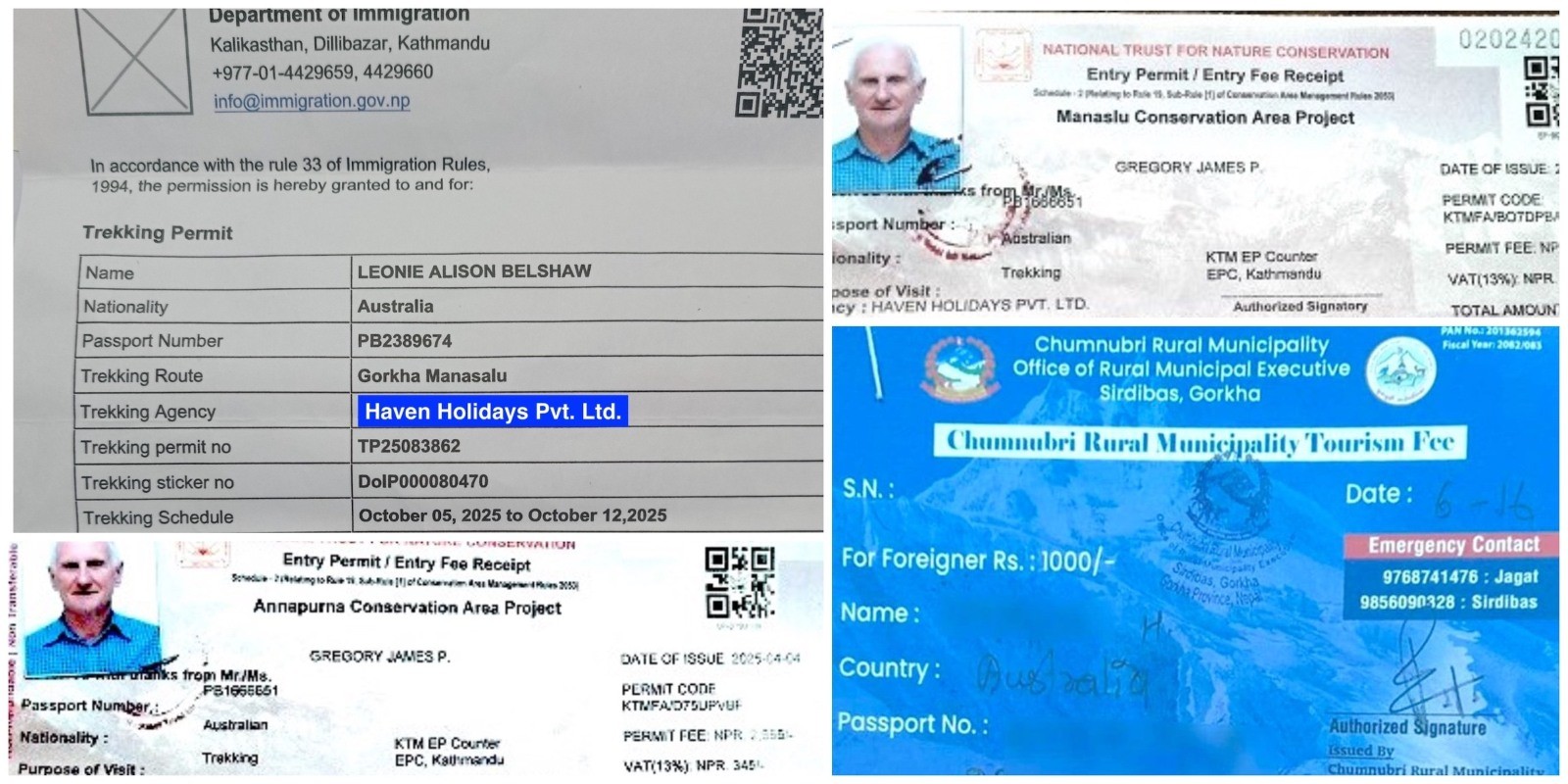
Likewise, prices for the Restricted Area Permit change depending on the season. If you’re trekking in autumn (September to November), it’s $100 for the first week and $15 for each extra day. The rest of the year (December to August), it drops to $75 for the first week and $10 for every extra day. One thing you can’t skip: you have to trek in a group of at least two, and you need a licensed guide. These aren’t just formalities—they’re strictly enforced.
In fact, MCAP costs NPR 3,000 (about $23) for foreigners from outside SAARC countries. If you’re from a SAARC nation, it’s only NPR 1,000 (about $8). Kids under 10? They get in free with MCAP. ACAP charges the same as MCAP—another NPR 3,000 or $23. The money supports conservation work in these protected areas.
To apply, you’ll need your original passport and two passport photos. Permits are only available through registered trekking agencies in Kathmandu, and the process usually takes a day. Agencies handle all the paperwork for you if you book a package, which makes things easier.
Altogether, expect to pay anywhere from $146 to $328 for these permits, depending on how long you’re trekking and when you go. For a typical 14-day trek in the autumn, the total is about $251, including extras. Don’t wait until the last minute. Get your permits sorted early, and you’ll avoid headaches—or fines—out on the trail.
| Permit Type | Cost for Foreigners (USD) | Season/Notes |
| Restricted Area Permit | 100 (first 7 days) + 15/day (Sep-Nov); 75 + 10/day (Dec-Aug) | Mandatory, group of 2+ with guide. |
| MCAP | 25 | Conservation fee, single entry. |
| ACAP | 25 | Annapurna section, similar validity. |
Let’s get real about what you’ll spend trekking the Manaslu Circuit in 2026. Whether you’re looking at a tight budget or want a bit more comfort, here’s what you need to know about guides, porters, permits, places to sleep, and your daily costs. If you plan ahead, you can keep the trek affordable — or at least know exactly where your money’s going.
Here, the numbers shake out like this: most people spend between $850 and $2,500 for a 12- to 18-day Manaslu trek Cost in Nepal. The price changes depending on your group size and the kind of support you want. Permits kick things off, setting you back $146 to $328. After that, you’ve got guides and porters. They’re not just a luxury — they’re pretty much essential for safety, especially when you’re crossing Larkya La Pass at 5,106 meters.
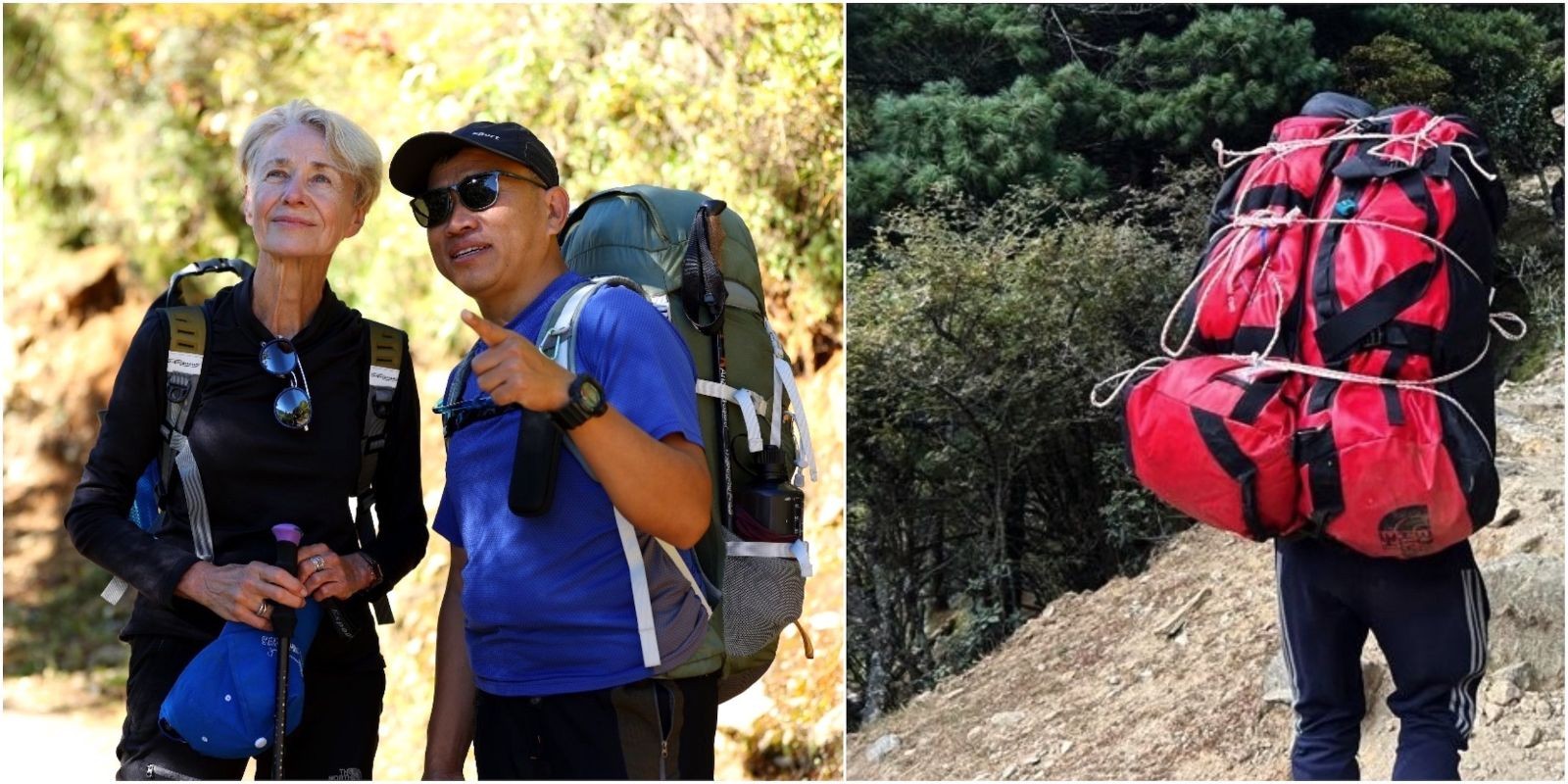
In fact, guides usually charge $25 to $35 a day, and that covers their insurance too. Porters charge $15 to $25 daily and carry up to 15 kilos for you. Their meals and beds are included in the price, but if you share a porter with someone, you can save a bit.
Now, for a place to crash, expect $5 to $10 per night in teahouses. Food isn’t cheap up high; you’ll spend $20 to $30 a day to stay fed. Getting to the trailhead from Kathmandu costs about $50 to $100 round-trip on the bus — a jeep is faster but jumps your spending to $200 to $300. Don’t forget the small stuff like water and snacks; that’ll run you another $5 to $10 a day.
Likewise, insurance is a must for high altitudes — count on $100 to $200 for a solid policy that covers you up to 5,106 meters. And tips: guides and porters usually get $100 to $150 total at the end. If you want more comfort or luxury, your costs go up, no surprise there.
If you like having everything handled, package deals (with guides, permits, food, lodging, and rides) run about $1,200 to $1,800 for most people. Going solo is cheaper, but you’ll need to organize things yourself. Extras — like gear rentals — add another $50 to $100.
All in, Nepal trekking packages give you good value, especially if you want less hassle. Tally up your costs, plan ahead, and you’ll be set for a trek you won’t forget.
Budget Breakdown for Manaslu Circuit Trek (2026) :
Meanwhile, getting to the starting point of the Manaslu Circuit Trek is all part of the adventure. Most people kick things off in Kathmandu, sitting at 1,400 meters. Your target? Machhakhola, down at 869 meters. The cheapest way to get there is by public bus. These buses roll out of Gongabu Bus Park early in the morning, winding for 160 kilometers over bumpy roads. It’s a long ride—expect 7 to 9 hours—and costs around NPR 800 to 1,200, or about $6 to $9 per person.
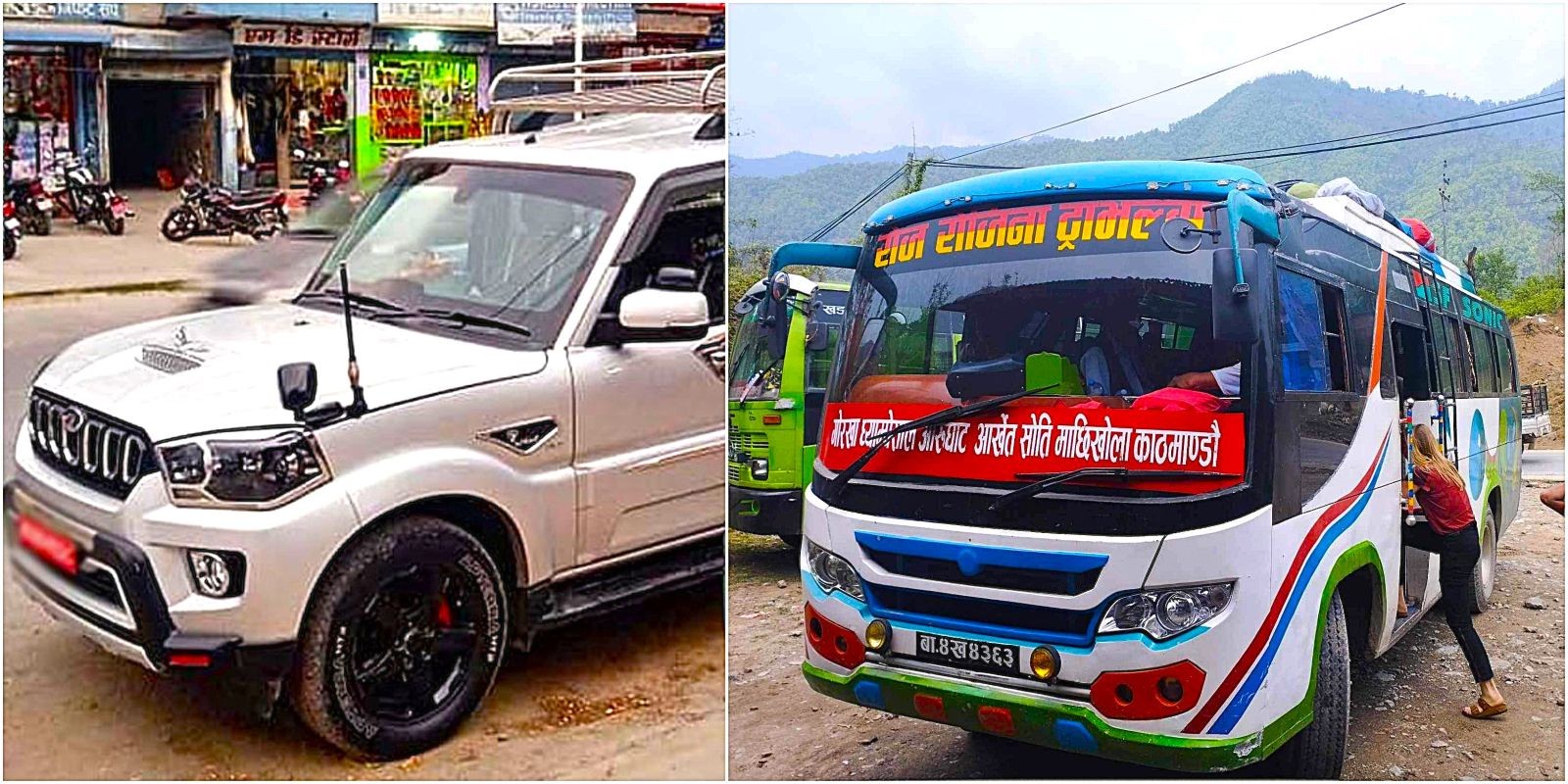
Here, if you want more comfort or you’re traveling with friends, jeeps are a solid upgrade. Shared jeeps run about NPR 1,500 to 2,500 ($11 to $19) per person, while a private jeep—good for families or small groups—costs roughly NPR 15,000 to 20,000 ($112 to $150) total. You can easily book these through travel agencies in Thamel, and it’s usually more reliable than trying to arrange something on the spot.
Here, some trekkers mix things up by taking a domestic flight to Bharatpur. The flight shaves off some of the long drive and costs $50 to $80 one-way from Kathmandu. But you’re not quite there yet—after landing, you’ll hop on a bus or grab a taxi to Arughat, then catch a jeep to Machhakhola. This combo saves time, but always check the weather—flights get delayed during the rainy season.
A quick heads-up: road conditions change with the seasons. The Prithvi Highway is usually smooth until you turn off toward Gorkha, then it gets more rugged. Watch out for the bridges near Machhakhola, especially after rain. It’s smart to carry snacks and water, and arriving a day early in Kathmandu helps with acclimatization.
If you booked a full package, transfers are often included in the total price (usually $1,200 to $2,500 for the whole trek). Going independently? You’ll save cash by using public transport and local jeeps, but make sure you sort out your permits in Kathmandu before you leave
Likewise, the journey to the trailhead really sets the tone for the trek. The bus ride from Kathmandu to Machhakhola might be bumpy, but keep an eye out the window—the valleys you pass through are beautiful.
| Option | Duration | Cost (USD) | Notes |
|---|---|---|
| Public Bus | 7-9 hours | 8-12 | Economical, daily departures |
| Shared Jeep | 6-8 hours | 11-19 | Comfortable for groups |
| Private Jeep | 5-7 hours | 112-150 | Flexible timing |
Here’s how the Manaslu Circuit Trek unfolds, one day at a time, from Machhakhola to Dharapani. You’ll get a real sense of the route, the climbs, and the highlights as you go.
Actually, Day 1 kicks off in Machhakhola (869m). You hit the trail early and follow the Budhi Gandaki River for 22 kilometers to Jagat (1,410m). It’s a solid 6-7 hour walk, winding through subtropical forests and lively Gurung villages. The trek starts easy, letting your body adjust. At the end of the day, you rest up in teahouses—nothing beats sitting above the rapids, sipping tea.
On Day 2, you push from Jagat (1,410m) up to Deng (1,804m), about 7-8 hours on your feet. You cross swaying suspension bridges and climb endless stone steps. Waterfalls spill down the cliffs, and terraced fields line the hillsides. There’s a cultural stop in Philim (1,570m) that’s worth the break. The air thins a bit, so drink plenty of water.
Day 3 runs from Deng (1,804m) to Namrung (2,630m), a 6-hour stretch. The trail slips into pine and rhododendron forest and, suddenly, Sringi Himal (7,187m) pops into view—absolutely stunning. The trick here is to keep a slow pace and let your body catch up. Along the way, you’ll pass chortens and mani walls, signs you’re getting closer to the high mountains.
Day 4 climbs from Namrung (2,630m) to Lho (3,180m), another 4-5 hours. Now you’re in Tibetan-influenced country, with prayer flags fluttering overhead. Check out Ribung Monastery for a dose of local spirituality. You’ll catch your first glimpses of Mount Manaslu (8,163m), and the air gets noticeably cooler.
Day 5 is a shorter walk, just 4 hours from Lho (3,180m) to Samagaon (3,530m). You’ll be thankful for the easy day—there’s time to rest and, if you’re up for it, visit Pungyen Gompa. Some trekkers squeeze in a side trip to base camp here. Remember to eat well; you’ll need your energy.
Day 6 is all about acclimatizing in Samagaon. Take a hike up to Birendra Lake (3,600m), wander around the glaciers, and soak up village life. Light activity helps your body adjust, but don’t overdo it. Rest really matters at this stage.
On Day 7, you leave Samagaon for Samdo (3,860m). It’s a steady 3-4 hour climb. The villages up here feel more Tibetan than anywhere else on the trek. The Larkya Glacier comes into view, and it’s a showstopper. This is where you start thinking seriously about the pass.
Day 8 hauls you from Samdo (3,860m) to Dharamsala (4,460m), a 4-hour trek to high camp. The lodges are basic—think cold nights and simple beds—but this is where you make your final preparations for the big crossing.
Then comes Day 9: crossing Larkya La Pass (5,106m). You start early from Dharamsala and push all the way to Bimthang (3,720m). It’s a long, tough day—8 to 10 hours over rocky moraines—but when you finally get a view of Annapurna (8,091m), it’s all worth it. This is the high point, literally and figuratively.
Finally, Day 10 is the last real push, descending from Bimthang (3,720m) down to Dharapani (1,960m) in 7-8 hours. The trail drops through lush forest and follows rivers as you lose altitude. By the time you reach Dharapani, you’re back in the land of trees and running water—and you can connect straight onto the Annapurna Circuit if you want. Most trekkers celebrate here. All in, the trip usually costs between $1,200 and $2,500, depending on your choices.
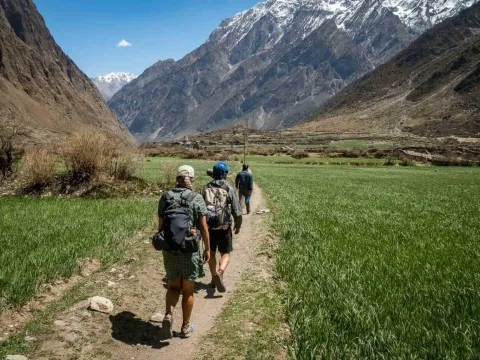
Day-by-Day Itinerary for Manaslu Circuit Trek Nepal :
Getting ready for the Manaslu Circuit Trek in 2026? Let’s talk about what you actually need to pack. The weather swings hard, the altitude gets serious, and comfort matters more than you think. So, here’s how to stay prepared without dragging too much weight up the mountain.
Here, start with a solid 40-50L backpack. That’s your home base for daily essentials. The trek kicks off in Soti Khola, down at 700 meters, but you’ll climb all the way to Larkya La Pass at 5,106 meters. You’ll roast in the valleys and freeze up high. Pack clothing you can layer—base layers that wick sweat, an insulated jacket for the cold above Namrung, and a waterproof shell for those sudden mountain storms. Quick-dry pants work well in the humid lowlands around Jagat. Don’t forget a hat and gloves—frost bites early in the morning.
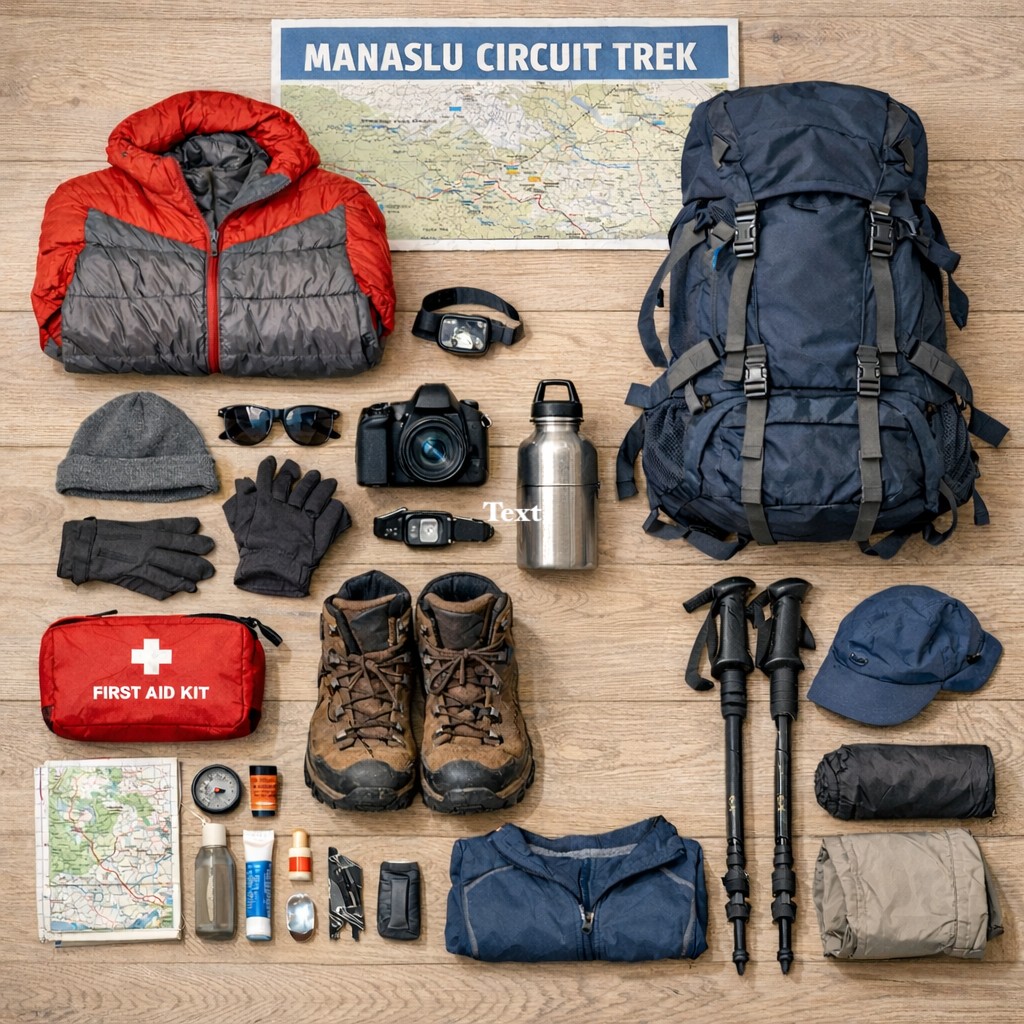
For your feet, don’t mess around. Sturdy hiking boots are key. You’ll cross rocky, rough ground, and slipping is not an option. In fact, a few key pieces of gear make a big difference. Trekking poles help you stay steady, especially on the tricky descents near Bimthang. You’ll want a sleeping bag rated to -10°C; teahouse blankets just don’t cut it. A headlamp is a must for those early starts from Samagaon. Keep it all lightweight—your knees will thank you.
Likewise, personal stuff matters, too. Sunscreen is a lifesaver at high altitudes. Bring any medications you need, especially for altitude sickness. Water purification tablets make sure you don’t get sick along the way. Pack a few snacks; long days to places like Lho really drain your energy. A simple multi-tool is handy for all sorts of fixes.
Importantly, don’t overload your porters—keep your bag between 10 and 15 kilos. Most gear you can rent in Kathmandu for $50–$150, but invest in a good down jacket (spend $100–$200; it’s worth it).
In the end, the less you carry, the happier and more mobile you’ll be. Stick to the essentials, pack smart, and the trek becomes a whole lot more enjoyable. Minimalism wins out here.
| Category | Items | Notes |
|---|---|---|
| Clothing | Base layers, fleece, waterproof jacket/pants, hiking boots, hats/gloves | Layer for 0-20°C variance |
| Equipment | Backpack, trekking poles, sleeping bag, headlamp, water bottle | Lightweight, durable essentials |
| Personal Items | Sunscreen, medications, toiletries, snacks, multi-tool | Health and hygiene focus |
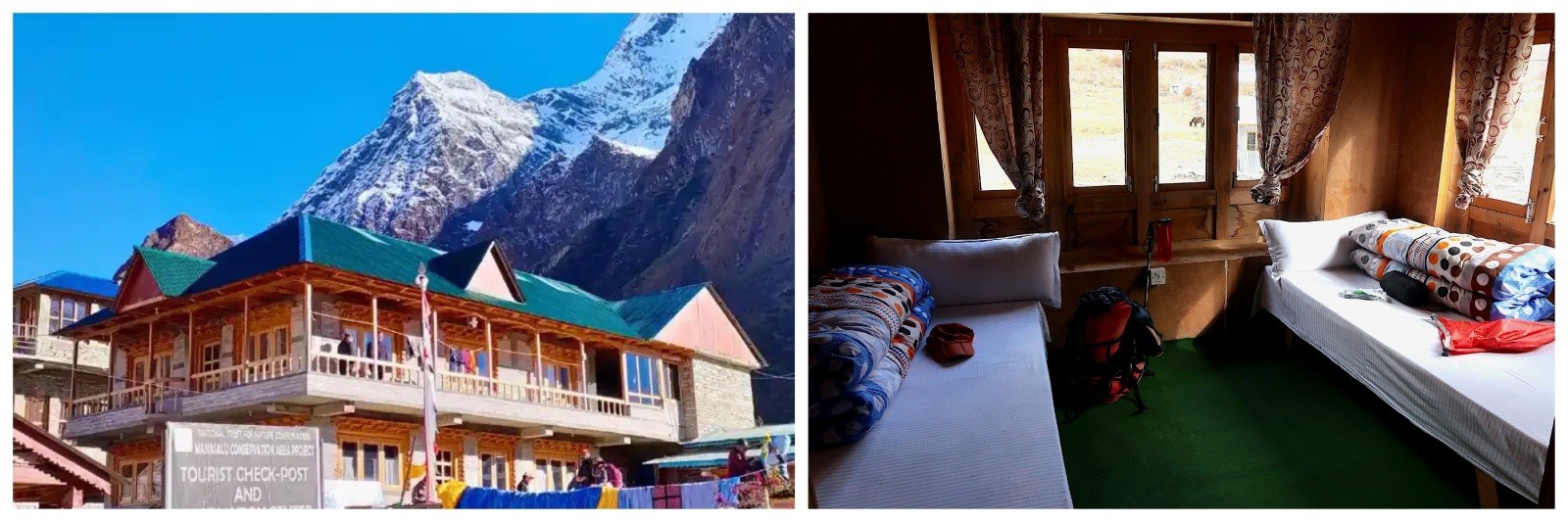
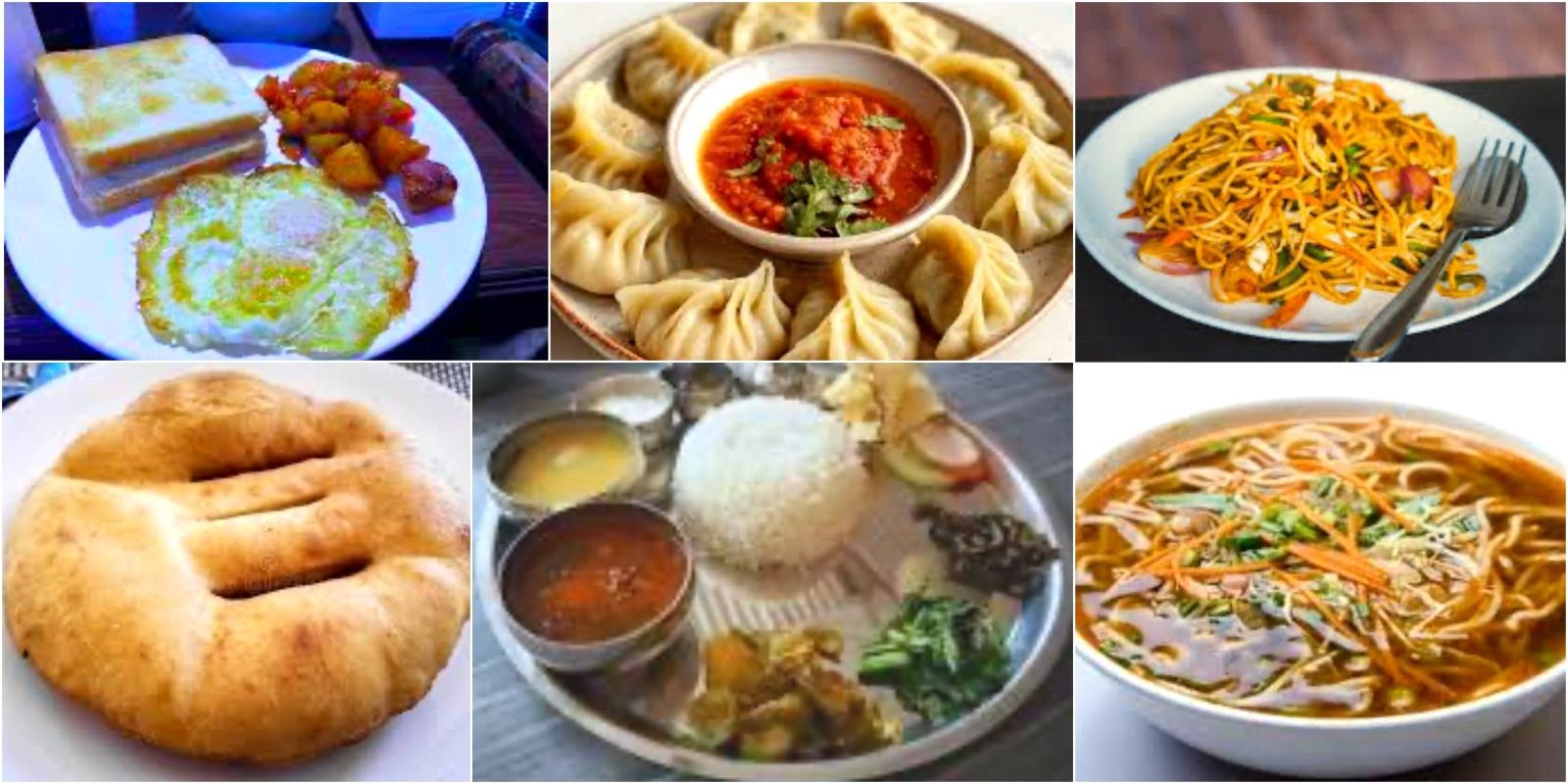
When you set out on the Nepal Manaslu Circuit Trek, you’ll spend most nights in teahouses scattered along the route. These places are simple — twin beds, maybe some blankets, and in villages like Deng (1,804m), you get the basics. Bathrooms are usually shared, and if you want a hot shower, you’ll pay a little extra. It’s not fancy, but there’s a certain charm to it, especially with those wild mountain views out your window.
Meals keep you fueled: expect dal bhat (that classic lentil-and-rice combo), plus other carb-heavy Nepali dishes. Breakfast in Namrung (2,630m) might be a bowl of porridge or a couple of eggs. For lunch, you’ll run into plates of noodles or rice at random stops along the way. On average, you can get by on $20–$30 a day for both food and a bed, and most teahouses lean vegetarian to keep things safe for trekkers.
Once you climb higher, like up in Samdo (3,860m), the menu narrows down. Still, you’ll always find boiled water or tea to stay hydrated and sometimes, if you’re lucky, a bit of meat—just be careful with it. The food up here isn’t fancy, but it does the job, especially when you’re burning energy all day. And honestly, sitting around a table with trekkers from everywhere turns dinner into a cultural exchange.
Further up, teahouses at places like Dharamsala (4,460m) get even more basic, especially before the pass. It’s smart to book ahead in busy season since beds fill up. After you cross Larkya La Pass (5,106m), prices go up a little, but you’ll still find a warm common room to relax in. Porters often know which spots are best, so trust their lead.
If you book a Manaslu Circuit Trek package, expect to pay somewhere between $1,200 and $2,500 for everything—accommodation, food, the lot. Go independent, and you’ll want to set aside some extra cash for tips. The real secret? Dive into the local food and chat with the people you meet. That’s where the magic happens. The Manaslu Circuit isn’t about luxury, but the rustic, welcoming vibe sticks with you long after the trek ends.
Accommodation and Food for Manaslu Circuit Trek :
If you’re heading out on the Manaslu Circuit Trek, put your health and safety first. Altitude sickness is real, so take it seriously. Don’t rush—once you’re above 2,500 meters, slow your pace and give your body time to adjust. Drink lots of water every day. Stay alert for headaches and other symptoms. Take your acclimatization days seriously—they really make a difference.
When you reach Samagaon (at 3,530 meters), stay put for a bit before you climb higher. On side trips, it helps to hike up but sleep lower. Skip the alcohol and cigarettes; they make acclimatization harder. Bring Diamox or similar meds just in case. All these steps help you avoid serious problems like HAPE.
Watch for warning signs—fatigue and nausea mean it’s time to head down, no questions asked. Guides usually carry oxygen for emergencies, and it’s always safer to stick with your group. A proper acclimatization schedule seriously cuts your risk.
If something does go wrong, have an evacuation plan. Helicopter rescues are possible, but you’ll need insurance (expect to pay $100–200 for coverage up to 5,106 meters). Carry a satellite phone to reach rescue teams, and make sure you’ve got a solid first aid kit. Trekking here isn’t just physical—it takes mental preparation too.
Before you leave home, talk to your doctor for advice tailored to you. Many trek packages (usually $1,200–2,500) include health checks. Don’t ignore altitude sickness prevention—your enjoyment depends on it. Get your acclimatization right, and you’ll have a better shot at crossing Larkya La Pass safely. Emergency planning can honestly save your life out there.
Health and Safety for Manaslu Circuit Trek :
Actually, the Manaslu Circuit Trek isn’t just about the scenery—you get to soak up the culture, too. Along the trail, you’ll meet locals, each with their own ways and stories. In Gurung villages near Jagat (1,410m), just greeting people with a simple “Namaste” goes a long way. If you’re around during Losar, the Tibetan New Year, join the celebrations—just do it respectfully and pay attention to what’s happening around you. Sharing tea with villagers isn’t just polite; it’s part of their tradition.
As you climb higher, especially after Lho (3,180m), Tibetan influences really start to show. You’ll spot prayer wheels everywhere. Give them a gentle spin clockwise—locals believe it brings blessings. If you visit Pungyen Gompa, monks might share a bit about Buddhist philosophy. These moments, honestly, make the trek more meaningful. The people here keep their rituals alive, and you’re right in the middle of it.
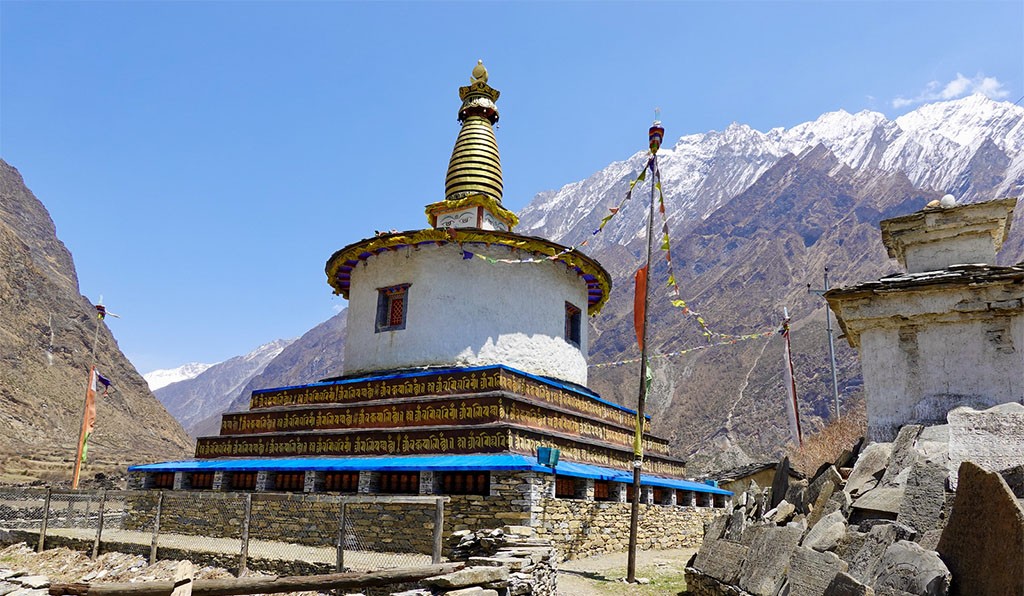
When you’re in these villages, buy handicrafts directly from local artisans—support them fairly. Don’t snap photos of people without asking first. Even learning a few basic phrases helps you connect. In Samdo (3,860m), the Tibetan-inspired architecture stands out, and those mani stone carvings? They’re incredible to see up close.
Here, remember to dress modestly in the villages and always take off your shoes before entering someone’s home or a monastery. If you want, leave a small donation at a gompa—it’s appreciated. These small gestures really matter and help keep tourism sustainable here.
A lot of trekkers choose homestays, which cost around $1,200 to $2,500. Staying with families just feels more real. Try some butter tea while you’re at it—it’s something you won’t forget. Above all, treat everyone you meet with respect. That’s what leaves the strongest impression. In the end, these cultural exchanges are what tie you to the Himalayas, making the journey unforgettable.
| Aspect | Details | Tips |
|---|---|---|
| Local Communities | Gurung and Tibetan groups | Greet with Namaste, buy local goods |
| Traditions | Festivals, prayer rituals | Participate respectfully, donate modestly |
| Tibetan Influences | Gompas, prayer wheels | Spin clockwise, learn basic customs |
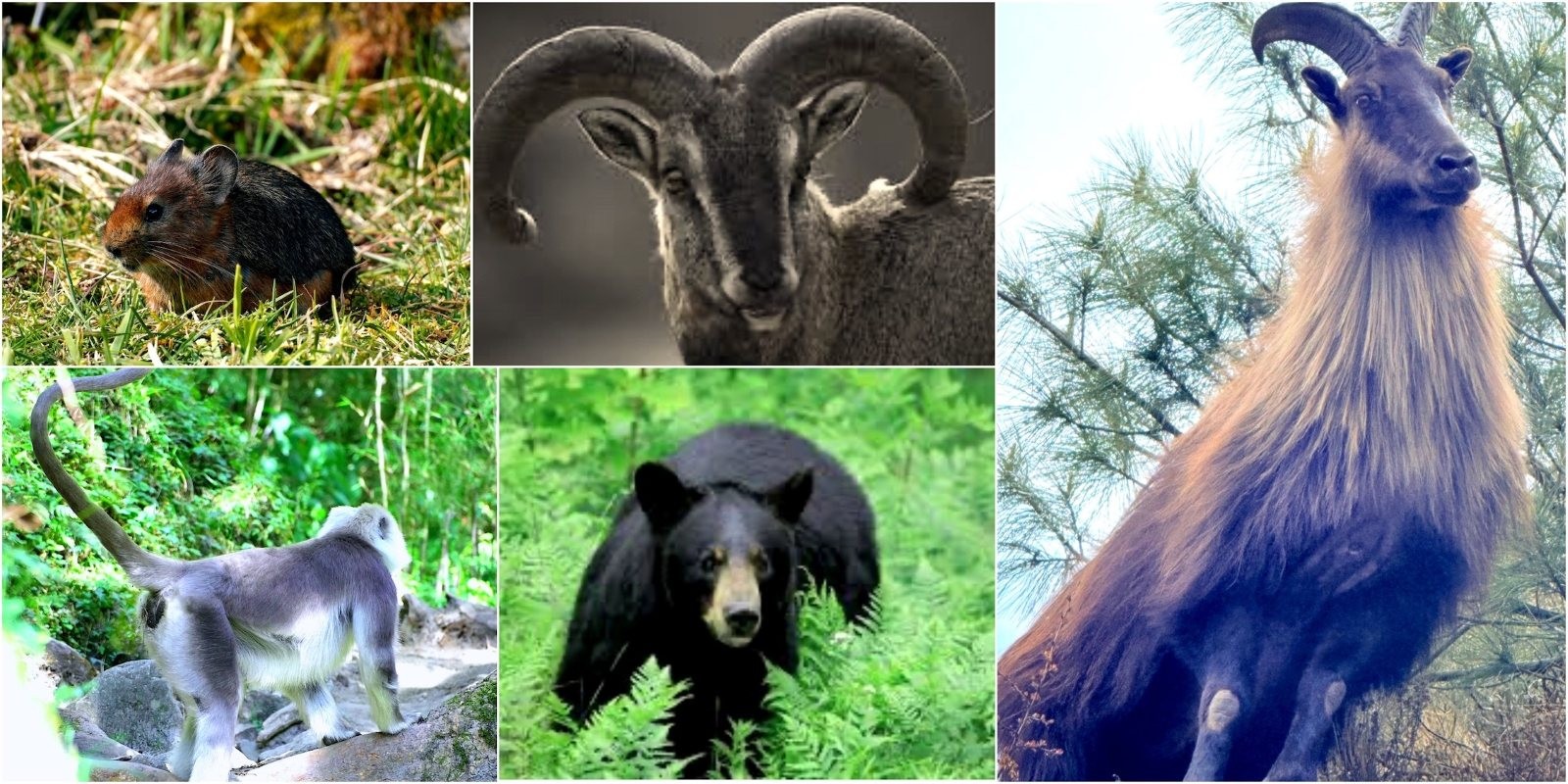
Actually, the Manaslu Circuit Trek throws you right into nature’s arms. You’ll see rhododendrons bursting with color in spring near Philim at (1,570m), thick pine and oak forests around Namrung at (2,630m), and Himalayan thars picking their way across steep slopes. Blue sheep hang out on rocky hills near Samdo at (3,860m), and—if you’re really lucky—you might even catch a glimpse of a snow leopard slinking above Samagaon at (3,530m). Honestly, just standing there, looking up at Mount Manaslu, you get why people call these views unforgettable.
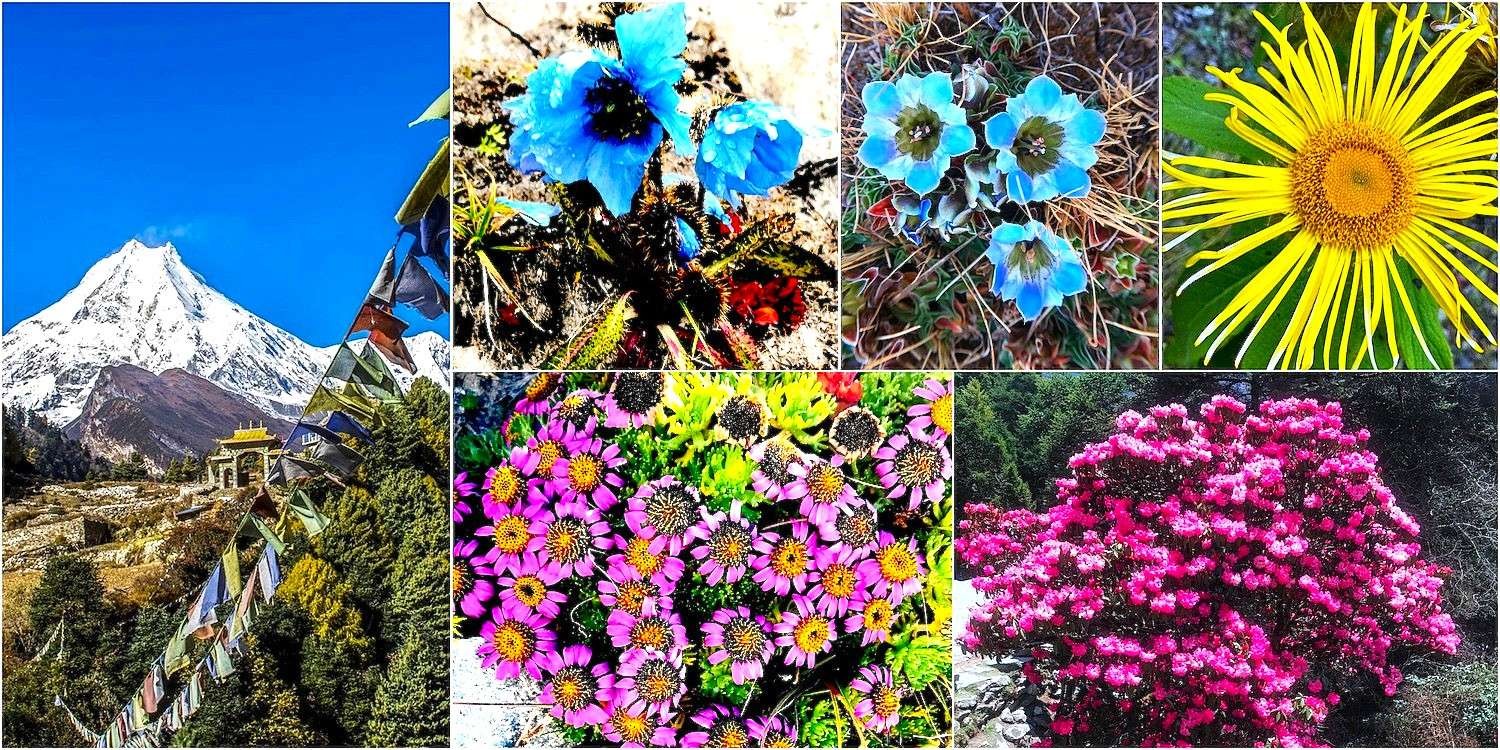
Here, the trek winds through all kinds of landscapes. One moment, you’re deep in subtropical forests. Next, you’re in wide-open alpine meadows packed with wildflowers. Later, you’ll pass glacial moraines and cross river valleys, with the snow-capped peaks always looming overhead. Everywhere you look, something’s alive—maybe a red panda hiding in bamboo, or a lammergeier gliding overhead.
In fact, biodiversity here isn’t just a buzzword; it’s right in your face. As you climb higher, the forests thin out and you start seeing junipers and lichens at places like Dharamsala at (4,460m). After you cross Larkya La Pass at (5,106m), the scenery shifts again—suddenly you’re on arid plateaus with hardy shrubs, yaks grazing quietly nearby, and the air feels different. It’s hard not to stop and take it all in.
More importantly, the Manaslu Conservation Area works hard to keep all of this wild and thriving. Treks here lean into eco-friendly habits, and it shows. For around $1,200–$2,500, you get a real adventure—one where every step brings new plants, animals, and mountain views. It’s the kind of place that stays with you long after you’ve left. The landscapes, the wildlife, the sheer scale of it all—this is what makes the journey.
Natural Wonders for Manaslu Circuit Trek :
If you really want to make your Manaslu Circuit Trek Nepal stand out, don’t just stick to the main trail. Head off on side trips—visit Manaslu Base Camp, wander into Tsum Valley, or pick one of a bunch of optional routes. It’ll pull you deeper into the wild, remote corners of the Nepal Himalaya in 2026.
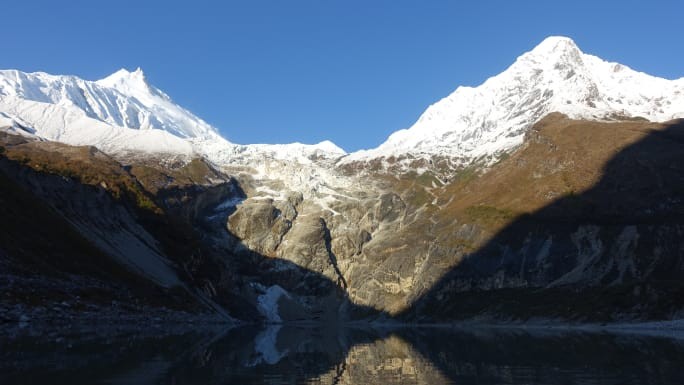
Here, most trekkers add these detours for a reason. For starters, the hike up to Manaslu Base Camp (4,800m) kicks off from Samagaon (3,530m). It’s a tough but rewarding 6-8 hour round trip with glaciers sprawling in every direction. Along the way, you can tack on acclimatization hikes that help your body adjust and keep things interesting. These side treks turn a great itinerary into something unforgettable.
Then, there’s the Tsum Valley extension—a real gem. Just past Philim (1,570m), you can branch off for an extra 5-7 days. This detour leads you to sacred caves and ancient gompas, especially around Mu Gompa (3,700m). The Tibetan culture here feels untouched and alive. If you’re chasing culture and unique scenery, this is your side quest.
Likewise, you’ve got even more options. The hike to Pungyen Gompa (4,070m) from Samagaon takes about 4-5 hours. It’s worth it for the mountain views and the peaceful nunnery. Or swing by Birendra Lake (3,600m)—the water’s incredibly clear and still, perfect for a quiet moment. Whether you want a quick detour or a longer adventure, you can pick hikes that match your fitness and curiosity.
Moreover, some trekkers keep going after Manaslu, linking up with the Annapurna Circuit at Dharapani (1,960m). Tacking on the Thorong La Pass (5,416m) means more days and bigger challenges. These add-ons do push up the price—expect to spend an extra $300-600 for permits and logistics. But honestly, the chance to stand at Manaslu Base Camp is worth it alone.
In fact, trekking agencies get all this and usually offer custom packages that fit these side trips on Manaslu Trek, ranging from $1,200-2,500. If you want to dig deeper and see more, plan for these detours. Whether you’re after culture, scenery, or just a change of pace, these extensions let you build a trek that’s truly yours. Don’t be afraid to step off the main path—those side trips are where the best stories come from.
| Trip/Variation | Duration | Key Highlights | Extra Cost (USD) |
|---|---|---|
| Manaslu Base Camp | 6-8 hrs round | Glaciers, views from 4,800m | 50-100 |
| Tsum Valley | 5-7 days | Gompas, caves at 3,700m | 300-500 |
| Pungyen Gompa | 4-5 hrs | Nunneries, panoramas | Minimal |
| Birendra Lake | 2-3 hrs | Serene waters at 3,600m | Minimal |
| Annapurna Link | 5+ days | Thorong La at 5,416m | 400-600 |
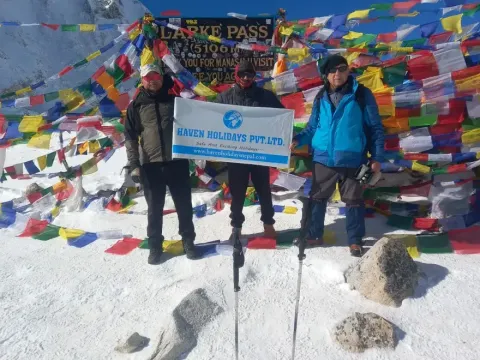
Wrapping up your Manaslu Circuit Trek in Nepal guide, let’s get real about what this adventure means and how to make it happen. This isn’t just another hike—it’s an escape into wild, untouched Nepal that’ll probably stick with you for years. Imagine standing below Mount Manaslu(8,163m), watching the shadow of the peaks stretch across valleys that feel like they belong to another world. It’s not just about the views, though. Something changes in you out there, especially when you’re hauling yourself over Larke Pass(5,106m). The altitude, the cold, the thin air—it all strips life down to what matters, and you find yourself connecting with the people and the culture in ways you never expected.
Here’s what you really need to know before you go: Get ready for the altitude. Don’t wing it. Start training a few months ahead—your legs and lungs will thank you. Pack smart—keep it light, but bring meds and anything you need for acclimatization, especially for places like Samagaon. Secure your permits early, and don’t skip hiring a good guide. They’re not just there for directions—they keep you safe and help you really experience the villages along the way.
When it comes to planning, start by looking for a solid trekking agency in Nepal. Most packages, covering guides, porters, and meals, run between $1,200 and $2,500. Book your flight to Kathmandu, then sort out your transport to Machhakhola—the real starting point. Oh, and don’t forget travel insurance. Emergencies in the Himalayas get expensive fast.
The trek itself? You’ll wander through villages like Lho, where you’ll meet people who live in the shadow of these mountains every day. Treat them and the landscape with respect. If you’ve got the energy, take the side trip to Manaslu Base Camp. The best times to go are autumn and spring—clear skies, fewer crowds, and the mountains at their best.
At the end of the day, Manaslu isn’t just about bagging another summit. It’s about the stories you’ll collect, the peace you’ll find, and the way the mountains change your perspective. Listen to your body—if you need to head down, do it. And when you get back, share your story. Someone else might need that push to step into something unforgettable.
So, if you’ve been thinking about taking on the Manaslu Circuit, stop waiting. Start planning. This trek is the kind of adventure you’ll remember for the rest of your life.
Q: Can I do the Manaslu Circuit Trek as a solo trekker in 2026?
Yes, you can do the Manaslu Circuit Trek as a solo trekker in 2026. Nepal has changed its rules and a single trekker like you can get the Manaslu Restricted Area Permit. You have to book your trip through a registered trekking agency and go with a guide who has a license. You cannot do the Manaslu Circuit Trek on your own without a guide. This way you can still do the trek. Be safe.
Q: What is the best time for Manaslu Circuit Trek in Nepal?
The best time to do the Manaslu Circuit Trek is in autumn from September to November. You can see the mountains clearly and the weather is stable. Spring from March to May is also good because the rhododendrons are blooming. Both autumn and spring are times to do the trek because the temperature is moderate. You should not do the trek in monsoon season from June to August because it rains a lot.
Q: How difficult is the Manaslu Circuit Trek?
The Manaslu Circuit Trek is not easy. You need to be in shape to walk for 6 to 8 hours every day on steep and rocky trails. You also need to be able to handle altitude because you will be walking up to Larke Pass which is 5106 meters high. If you have experience walking in hills and you are fit you can do the trek. You also need to get used to the altitude slowly and have a licensed guide with you. If you prepare well, you can do the Manaslu Circuit Trek even if you are a beginner.
Q: What permits are required for the Manaslu Circuit Trek in 2026?
To do the Manaslu Circuit Trek you need to get three permits: the Manaslu Restricted Area Permit, the Manaslu Conservation Area Permit and the Annapurna Conservation Area Permit. As of 2026 solo trekkers like you can get the Manaslu Restricted Area Permit on your own. You have to arrange everything through a registered agency and go with a licensed guide. You can get the permits in Kathmandu.
Q: How much does the Manaslu Circuit Trek cost?
The cost of the Manaslu Circuit Trek package is usually between USD 1,100 and 1,800 per person in 2026. This includes the cost of permits a licensed guide, accommodation, in teahouses, food and transportation. If you want to do the trek in a luxury way it will cost more. The Manaslu Circuit Trek cost is worth it because you get to experience the Manaslu Circuit Trek.
Q: How do I get from Kathmandu to Machhakhola for the Manaslu Circuit Trek?
To get to Machhakhola from Kathmandu you can take a bus, a shared jeep or a private vehicle. The public bus takes around 7 to 9 hours the shared jeep takes around 6 to 8 hours. The private vehicle takes around 5 to 7 hours. The drive is along the Budhi Gandaki River. Is quite scenic
Q: What is the detailed itinerary for the Manaslu Circuit Trek?
The Manaslu Circuit Trek usually starts at Machhakhola. Ends at Dharapani. It takes around 12 to 16 days to complete. The trek goes through villages like Samagaon where you can acclimatize. You will cross the Larke Pass which's 5106 meters high. The itinerary includes rest days and details about the distances, teahouses and side trips to places like Manaslu Base Camp.
Q: What are the essential packing items for the Manaslu Circuit Trek?
When packing for the Manaslu Circuit Trek bring clothes that you can layer, sturdy boots, trekking poles, a sleeping bag, a headlamp, sunglasses, sunscreen a first-aid kit and a reusable water bottle. Don't forget to pack snacks, medications for altitude sickness and modest clothes for the villages.
Q: What accommodation and food can I expect on the Manaslu Circuit Trek?
On the trek you will stay in teahouses. They have rooms and shared bathrooms. The rooms are basic but cozy. The food is mostly vegetarian. Includes Dal Bhat, noodles, rice, vegetables and eggs. The food is freshly prepared. You can expect comforts and warm hospitality from the locals.
Q: How can I prevent altitude sickness on the Manaslu Circuit Trek?
To prevent altitude sickness, you should acclimatize properly. The trek itinerary includes a rest day, in Samagaon. Drink plenty of water eat meals and take Diamox if your doctor advises it. Watch out for symptoms of altitude sickness. Descend if you need to.
Q: Why choose the Manaslu Circuit Trek over Annapurna or Everest?
The Manaslu Circuit Trek is a choice if you want to avoid big crowds. It offers a real experience with fewer people than the Annapurna or Everest regions. You will see Himalayan scenery, rich Tibetan culture and dramatic landscapes around the 8,163m Manaslu peak.
Q: What cultural insights can I gain on the Manaslu Circuit Trek?
On the trek you will pass through villages that are influenced by Gurung and Tibetan culture. You can see monasteries, prayer wheels and traditional stone houses. You can meet the locals learn about their traditions and experience their warm hospitality. The festivals and daily life in these villages are a mix of Tibetan culture.
Q: What natural wonders will I see on the Manaslu Circuit Trek?
The trek offers Himalayan scenery, including glaciers, rhododendron forests, pine and juniper woodlands and high-altitude pastures. You can spot sheep, Himalayan tahr and maybe even snow leopards. The trail offers views of Manaslu and the surrounding peaks especially around Larke Pass at 5106m.
Q: Are there side trips like Manaslu Base Camp on the trek?
Yes, you can take side trips. One of them is a hike to Manaslu Base Camp from Samagaon, which takes around 6-8 hours round trip. You can also visit Pungyen Gompa or Birendra Lake. Some people extend their trip to Tsum Valley. Link it with Annapurna. These side trips add scenic value without costing too much extra.
Q: Is a guide mandatory for the Manaslu Circuit Trek in 2026?
Yes, you need a Nepali guide even if you're trekking alone. As of 2026 you can trek alone with your permit. You must book through a registered agency. The guide will ensure your safety help, with navigation and make sure you comply with the permit rules. They will also help you respect the culture on the remote trail to Larke Pass at 5,106m.
Q: What is the highest point on the Manaslu Circuit Trek?
The highest point is Larke Pass, which's 5,106 meters. You cross it on the day from Dharamsala to Bimthang. From there you get views of Manaslu, Himlung and Cheo Himal. Make sure you acclimatize properly before this part to stay safe and enjoy it.
Q: Is the Manaslu Circuit Trek suitable for beginner trekkers?
If you prepare well and are reasonably fit the Manaslu Circuit Trek is okay for beginners. It's moderately tough because you walk every day and go to altitudes. Your package includes a guide, rest days to get used to the altitude and support. Just train a bit before you go and follow health and safety tips to make it a success.
Q: What health and safety tips should I follow on the Manaslu Circuit Trek?
Get travel insurance that covers being taken out of high places in an emergency. Drink plenty of water eat well and don't rush up the mountain. Your guide will keep an eye on you. They handle emergencies and first aid properly. Be respectful of customs and be ready for changing weather especially up to Larke Pass.
Q: How days does the Manaslu Circuit Trek take?
The usual Manaslu Circuit Trek takes 12 to 16 days from Kathmandu to Kathmandu including travel days. The actual trek from Machhakhola, to Dharapani takes 10 to 12 days. You can change the plan if you need rest or want to visit other places. Your package will have plans and rest days.
Q: What final advice do you have for planning the Manaslu Circuit Trek?
Book early with a registered agency to get permits and a licensed guide. Train to get fit pack the gear and get insurance. The best times to go are autumn or spring. Enjoy the culture and beautiful views. If you plan properly your Manaslu adventure will be safe, fun and something you'll always remember.
Final Planning for Manaslu Circuit Trek :
Our travel experts are ready to assist you with any questions.
Send us a message.Have a question before you book? Send your enquiry below and our travel experts will get back with the required information.