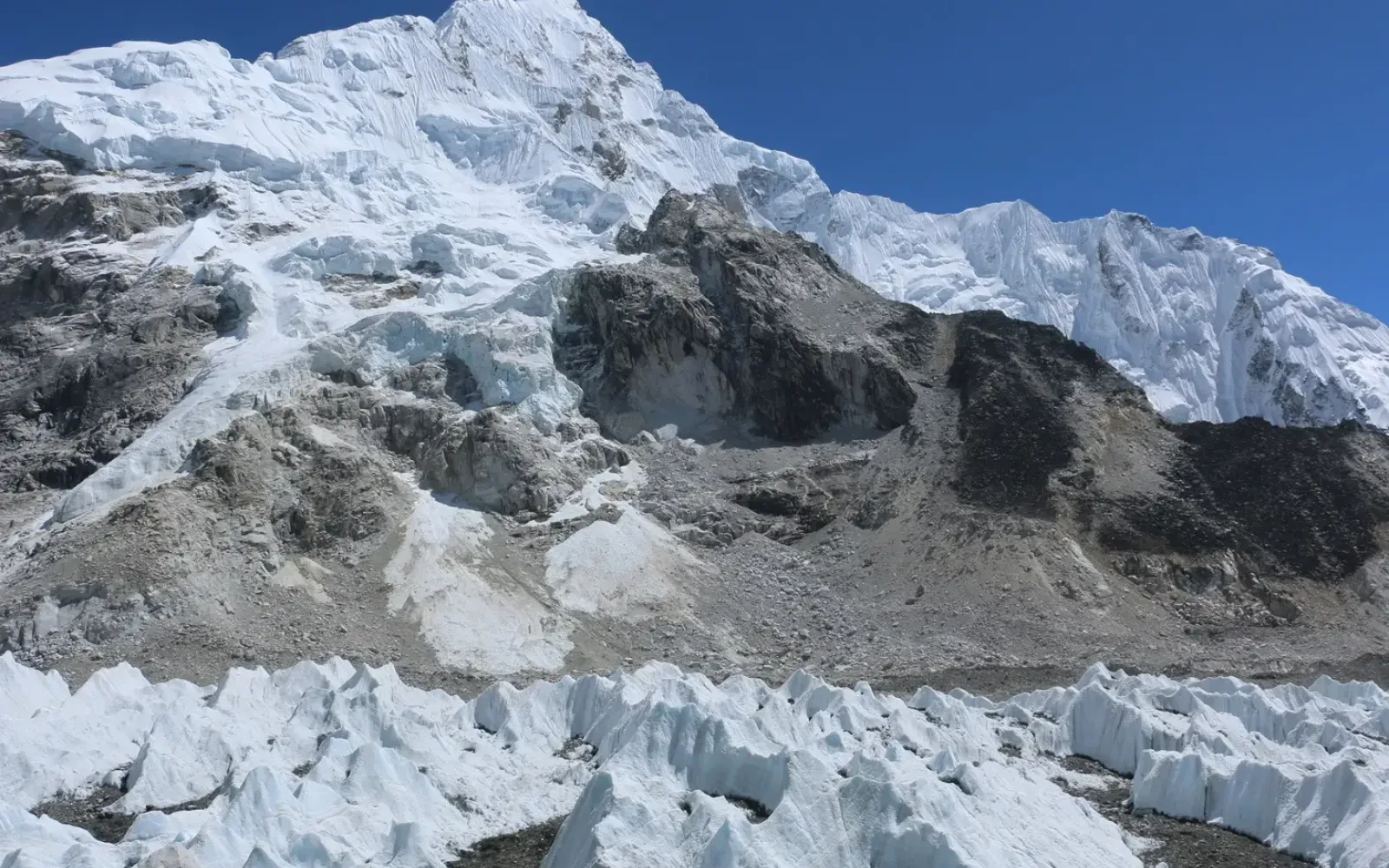
Ever dreamed about standing before majestic Mount Everest, the Earth's highest peak, at 8,848.86 meters (29,031.7 feet)? This legendary trek offers once-in-a-lifetime vistas, but it's certainly not a luxury vacation; be prepared for unique challenges. Trekkers will inevitably encounter various Everest base camp trek problems, which require a combination of physical and mental strength.
Here, at Haven Holidays Pvt. Ltd., we believe in being completely upfront with you about the authentic classic route. You must be physically prepared for significant bottlenecks, as these hidden realities of EBC can lead to an emergency situation instead of the incredible adventure of a lifetime. Altitude causes substantial stress on the human body, so adequate physical preparation is crucial.
While experienced guides are adept at smoothly navigating the unavoidable logistic choke points, many trekkers share their bitter experiences in Nepal caused by sudden overbooking of transportation. Familiarizing yourself with these raw truths of trekking in Nepal will enable you to adjust readily and truly embrace the genuine rugged spirit of the Himalayas. Book your expert guided Everest Base Camp trip today!
Core Challenges of the Khumbu Trail :
| Landmark / Mountain | Elevation (Meters) | Elevation (Feet) |
|---|---|---|
| Kathmandu (Tribhuvan International Airport) | 1,338 m | 4,390 ft |
| Namche Bazaar (Sherpa Hub) | 3,440\ m | 11,286 ft |
| Everest Base Camp (Final Destination) | 5,364 m | 17,598 ft |
| Mount Everest (Sagarmatha) | 8,848.86 m | 29,031.7 ft |
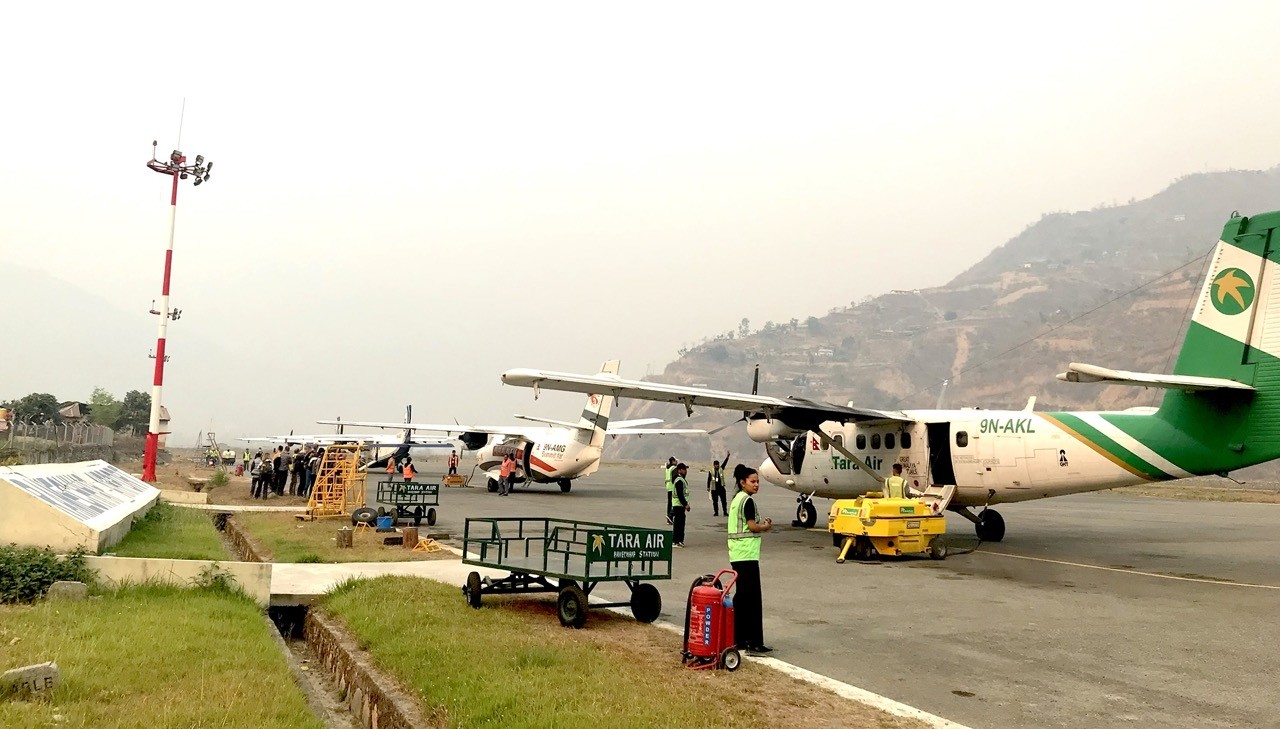
Would you prefer to skip a flight from the capital and head directly to the gateway to Everest? The seasonal weather conditions, however, make it difficult, necessitating a major detour. In busy seasons, the Civil Aviation Authority commonly redirects typical trekking groups to Ramechhap airport from Lukla diversion.
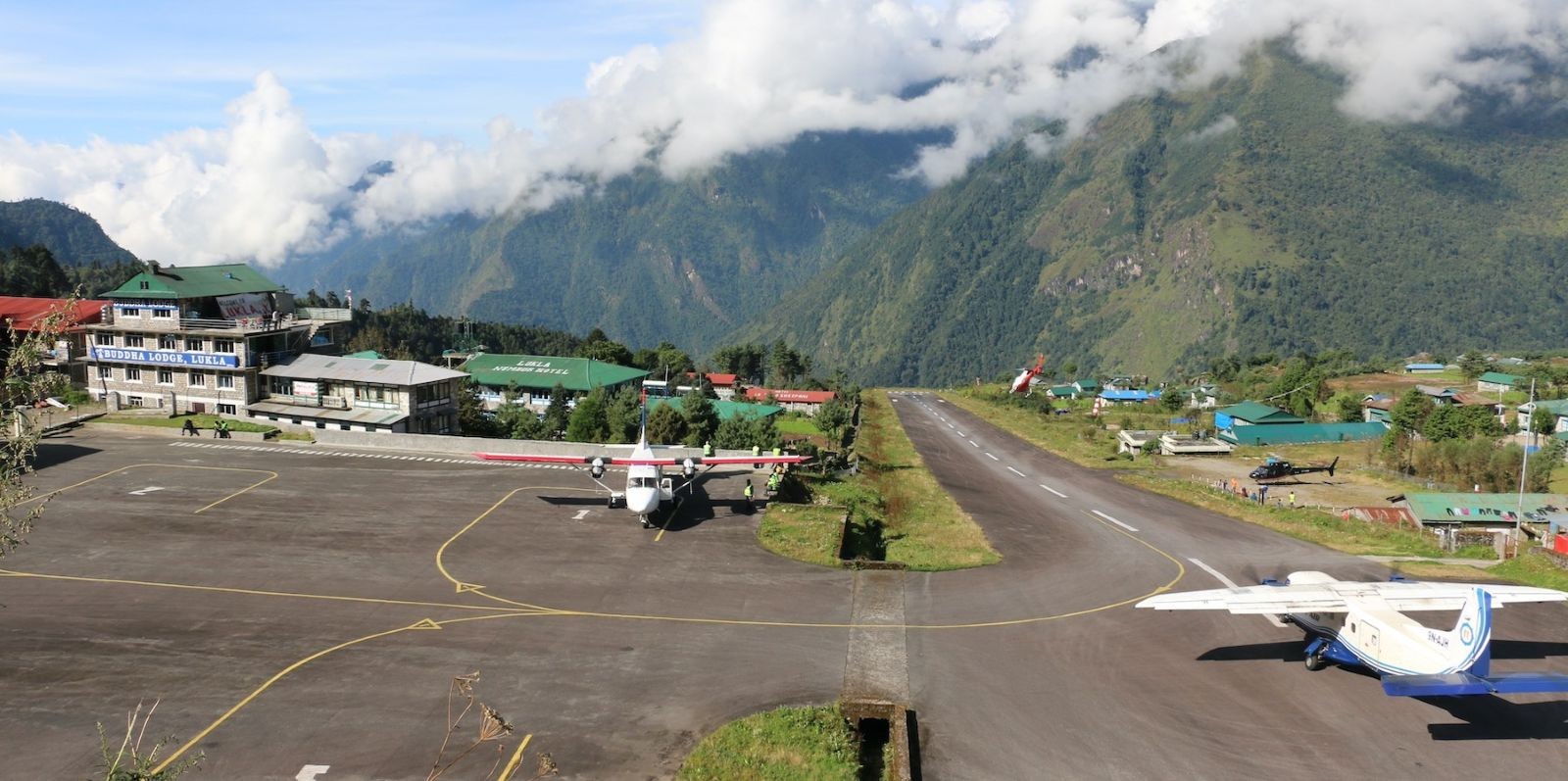
Here, trekkers are obliged to endure a physically taxing 4-to-5-hour journey in the middle of the night to Manthali Airport, located at an altitude of 474 meters (1,555 feet). This rough overland journey will disrupt your sleep before your trekking adventure; however, it is the only way to catch your morning twin-otter flight from a lower altitude.
Upon arrival at the deviation hub, a flight cancellation to Lukla can immediately throw your entire plan out of sync. Many trekkers have experienced being stranded at Manthali for numerous consecutive days due to low cloud cover over Lukla Airport (2,860meters or 9,383feet), which suspends all air travel. Book your flexible trekking package in advance for a safe, worry-free trip.
Essential Facts: Navigating the Ramechhap Hub :
| Transit Point / Airport | Altitude (Meters) | Altitude (Feet) | Average Transit Window |
|---|---|---|
| Manthali Airport (Ramechhap) | 474 m | 1,555 ft | 4 to 5 hours by private vehicle |
| Lukla Airport (Tenzing-Hillary) | 2,860 m | 9,383 ft | 18 to 20 minutes by commercial flight |
Will your body work when you enter the barren thin air of Khumbu? The invisible wall of altitude is often underestimated by over-eager trekkers, but an immediate drop in oxygen saturation can stop your progress. When you pass the boisterous trade market of Namche Bazaar (3,440m / 11,286ft) towards the windy plateau of Dingboche (4,410m / 14,468ft), the air pressure plunges dramatically.
Actually, the huge drop creates early altitude sickness symptoms EBC trekkers fear most like losing all appetite and feeling perpetually exhausted. A splitting, localized pain presses behind the eyes that make sleep unbearable. Most trekkers will immediately begin taking medication to fight symptoms, but keep track of common Diamox side effects like urinating frequently and having a strong tingling in fingers. Ensure professional, daily monitoring of your oximeter with each step, and that your trip with Haven Holidays Pvt. Ltd. Involves an ideal schedule for safe acclimatization.
Classic Altitude Red Flags :
| Critical Trekking Station | Metric Elevation | Imperial Elevation | Effective Oxygen Level | Recommended Stay |
|---|---|---|
| Namche Bazaar | 3,440m | 11,286ft | 67% | 2 Nights |
| Dingboche Village | 4,410m | 14,468ft | 59% | 2 Nights |
| Lobuche Settlement | 4,910m | 16,109ft | 55% | 1 Night |
| Gorak Shep Flat | 5,164m | 16,942ft | 53% | 1 Night |
Do you envision trekking solo through an empty, silent mountain sanctuary? During peak trekking season, the mountain trail will instead resemble an alpine highway where thousands of hikers will travel side-by-side, making any notion of a silent journey unrealistic; be mentally prepared for the large number of EBC trek crowds peak season travelers will face. This physical congestion will slow you down as you traverse the narrow, dirt path.
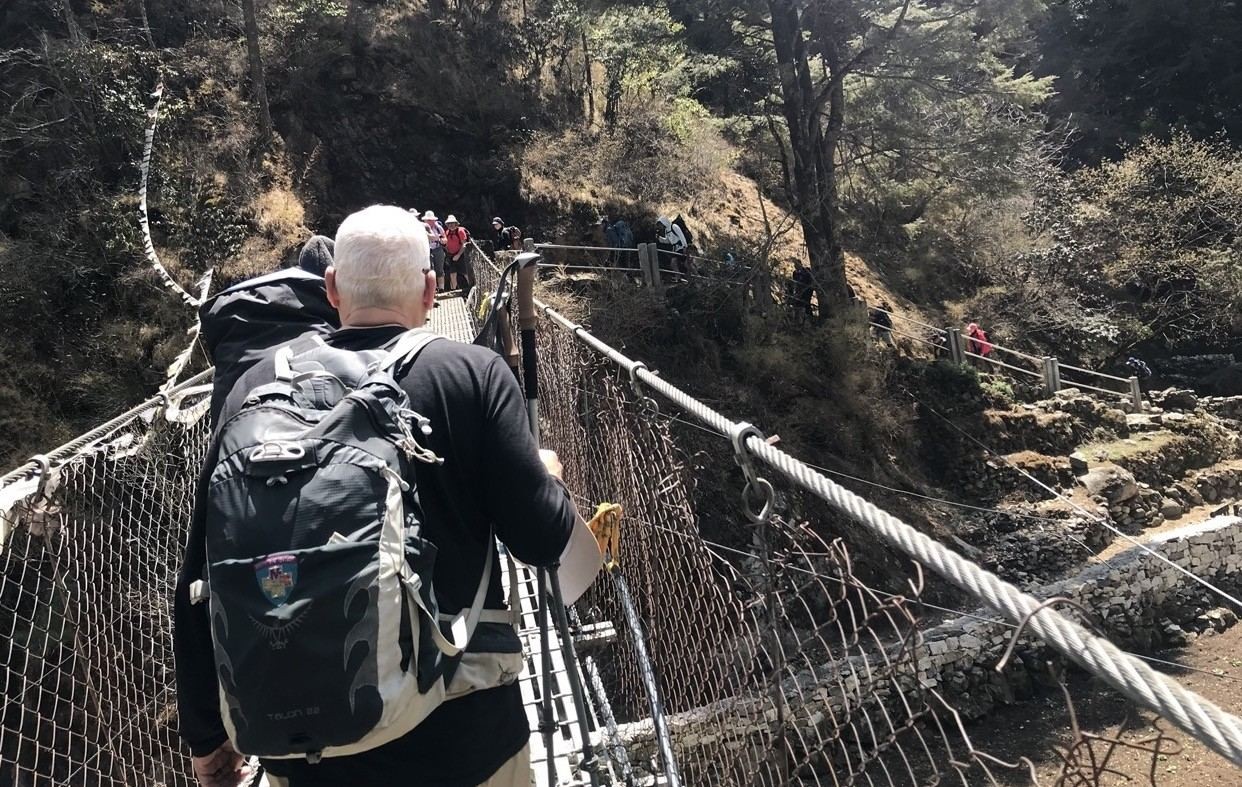
In fact, the resulting suspension bridge traffic jams could cause frustrating, nerve-wracking delays when trying to cross glacial rivers far below, where your progress could be stalled for fifteen minutes by descending cargo animals. Moreover, oncoming yak train hazards are something to be acutely aware of as they can easily push unaware hikers off the precipitous trail to their death. Step to the side and not the edge.
Essential Trail Survival Rules :
| Notorious Trail Chokepoint | Local Elevation (M) | Local Elevation (ft) | Primary Traffic Hazard Type |
|---|---|---|
| Larja Suspension Bridge | 2,830 | 9,285 | Dual-directional trekking group queues and panic prone mule trains |
| Tengboche Hill Climb | 3,860 | 12,664 | Congested hiking chains and narrow paths suitable for overtaking only |
| Thukla Pass Ascent | 4,830 | 15,846 | Severe bottlenecks and loose stones on a steep section |
Can a minor adjustment in your throat completely shatter your lifelong dream of the Himalayas? As you move above the tree line into the extreme altitudes, the moisture in the air plunges to almost zero, and it is this sub-zero environment that has many Khumbu cough causes. Hikers are forced to constantly inhale freezing, bone-dry air, which begins to strip away the mucous lining of your respiratory tract in only a matter of days.
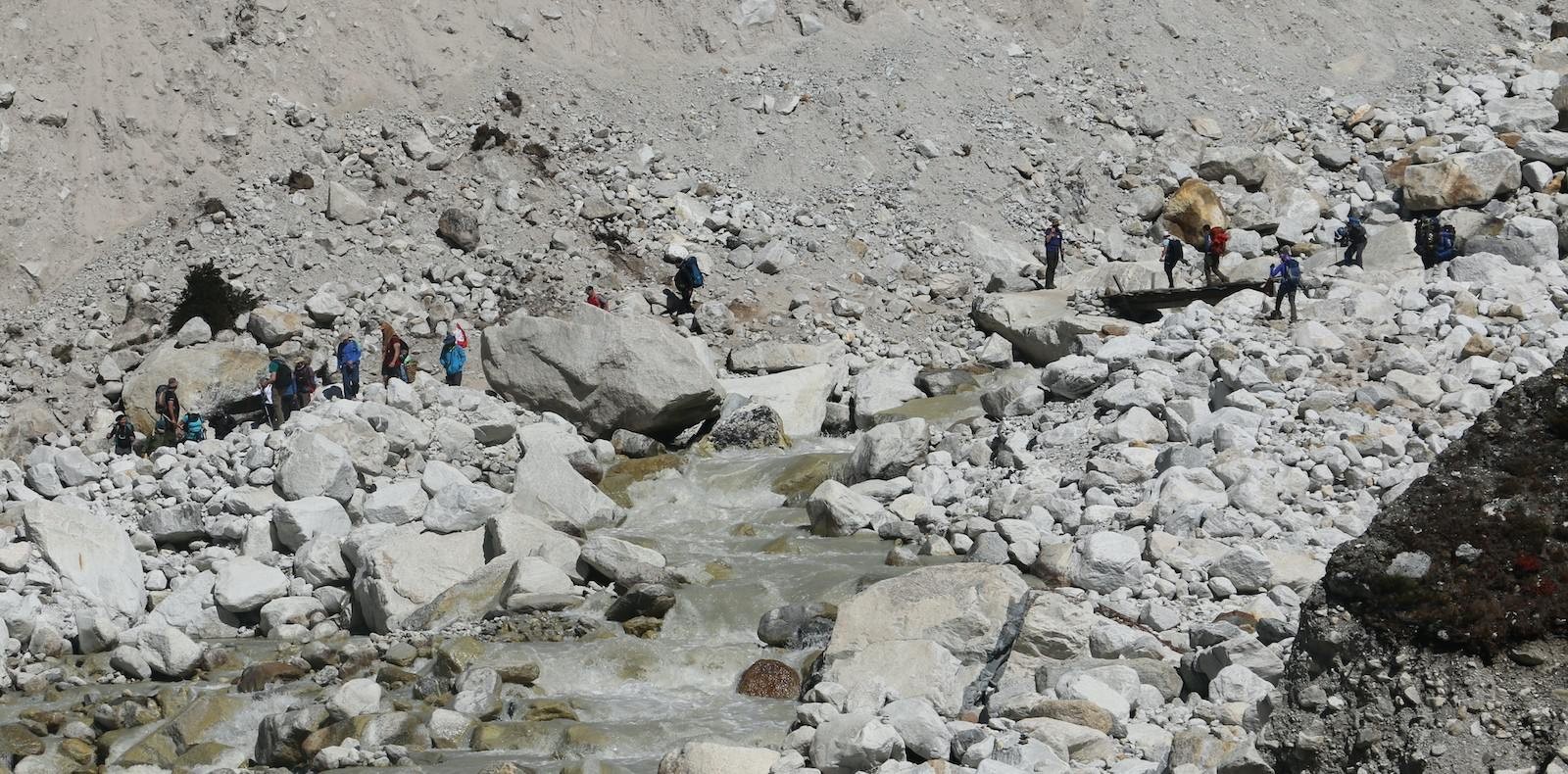
As structural integrity deteriorates, your respiratory system becomes susceptible to the very painful chest infection high altitude locations cause. The problem gets worse with the constant creation of fine, pulverized soil and dried animal dung stirred up by hundreds of pack animals on the trail. The mandatory wearing of a breathable buff scarf Nepal trekking experts always mention is a key preventive strategy because the warmth on your neck and airway traps crucial moisture.
Importantly, stay healthy by booking a trek with Haven Holidays Pvt. Ltd. Our guides provide specialized lozenges for your throat, warm steam inhalations and oxygen if necessary to help combat respiratory issues.
Crucial Habits to Preserve Your Lungs at High Altitude :
| Trekking Base / Stop | Average Altitude (M) | Average Altitude (Ft) | Humidity Status | Main Respiratory Hazard |
|---|---|---|
| Tengboche Monastery | 3,860 m | 12,664 ft | Moderately Low | Dust kicked up by the large number of animals on the trail |
| Dingboche Valley | 4,410 m | 14,468ft | Severely Dry | Frigid nocturnal winds and freezing air pockets |
| Lobuche Village | 4,910 m | 16,109 ft | Extremely Bone-Dry | Ambient temperature is well below freezing and oxygen is sparse. |
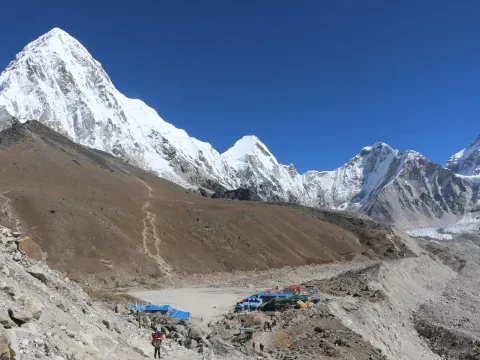
Do you picture yourself relaxing by a crackling fireplace in a warm, cozy mountain cabin after slogging for seven hours in the mountains? The high-altitude Teahouse accommodation Everest offers is anything but a cozy cabin, as the private sleeping quarters feature no modern insulation whatsoever. These are small, wooden boxes with absolutely no heat, and nighttime indoor temperatures dip to -10^circ (14^circF) or lower at a minimum.
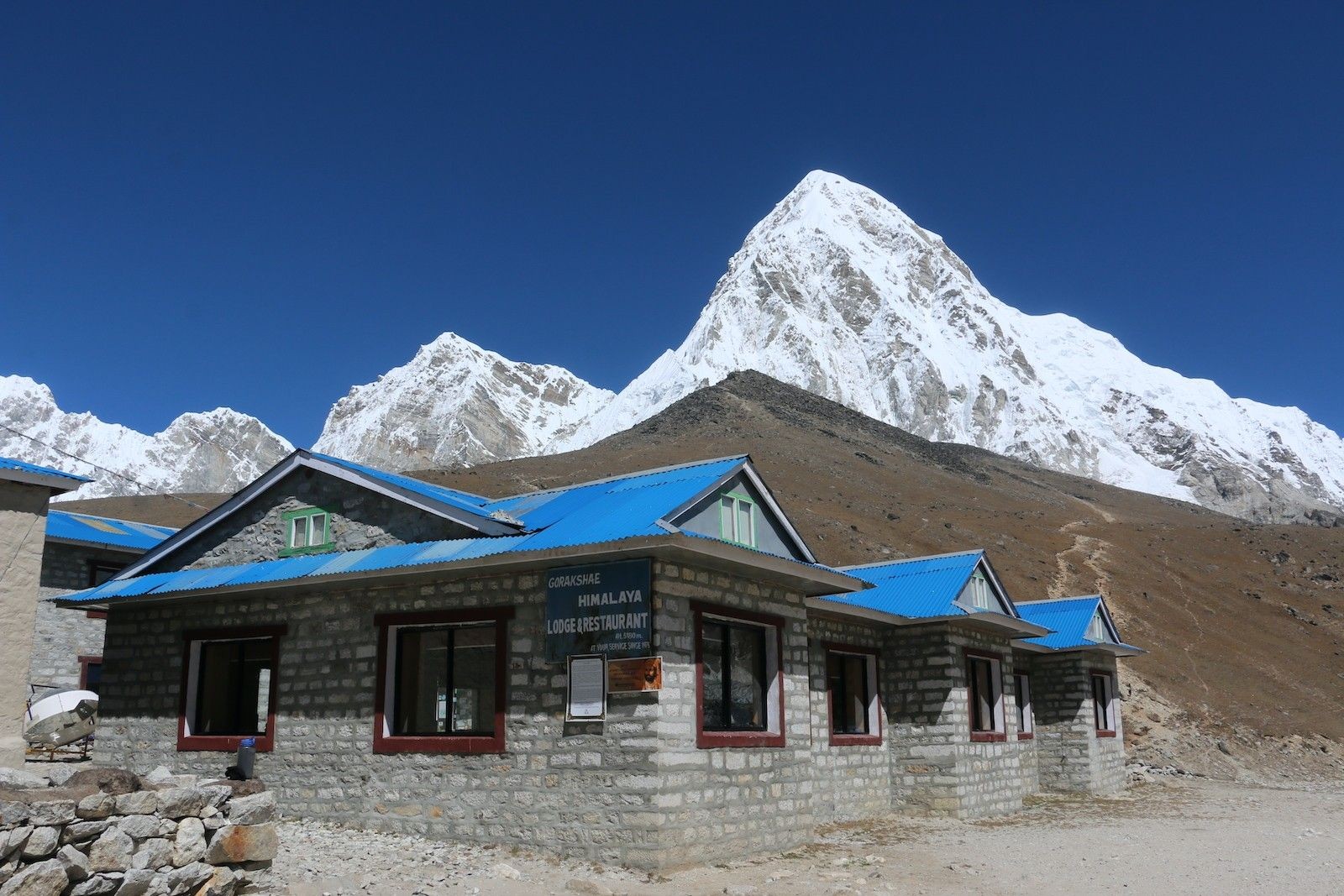
Here, hikers awaken in the morning to find their drinking water is a solid block of ice within their room. Visiting the cold toilets Khumbu region is equally uncomfortable because the standard flushing toilets are frozen solid overnight and hikers are forced to resort to crude squat toilets with a manual water bucket. The dining area, which is the only source of heat in the lodge, becomes a battleground for trekkers vying for a spot around the central yak dung stove, before returning to their freezing private quarters.
Uncomfortable Truths about High Altitude Lodges :
| Lodge Location | Regional Altitude (M) | Regional Altitude (Ft) | Average Night Temperature (Peak Season) | Plumbing Status |
|---|---|---|
| Dingboche Lodges | 4,410 m | 14,468 ft | -5^circ to -10 C | Some rooms have limited running water that will freeze later at night. |
| Lobuche Teahouses | 4,910 m | 16,109 ft | -10 C to -15^C | Only toilet access is via bucket flush with a hand held water container. |
| Gorak Shep Shelters | 5,164 m | 16,942text ft | -15^C to -20^text C | Only option for toilet use is an outhouse, water is carried via bucket. |
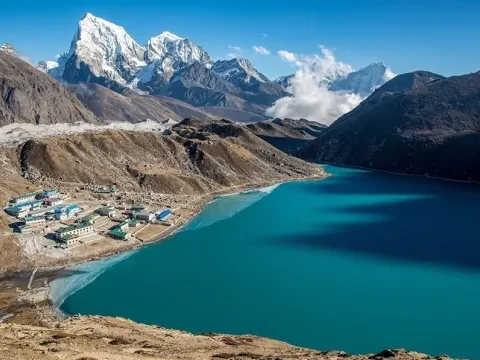
Ready to wait for your dinner two hours after you’ve battled seven hours of freezing winds? The kitchen facilities in teahouses become massively delayed once a peak season is in full swing, and the typical wait time on the EBC trail is 1-2 hours for just one order.
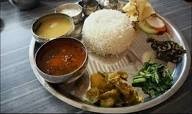
To maximize energy and stay safe at altitude, it is a smart idea to choose locally available standard items such as Dal Bhat, as kitchens can cook these carbohydrate-packed meals in a huge, non-stop batch at a time. That being said, be aware of your EBC food choices because eating meat above Namche Bazaar (3440 meters / 11,286 feet) is risky. Meat products must be carried uphill for days from valleys located below, and while many local Sherpas choose not to eat meat in this religiously significant area, the lack of modern refrigeration has many locals fearing bacterial food poisoning high up. It is crucial that you avoid high altitude meat for a variety of reasons, including food poisoning, if you want your trek to reach completion.
Rules of Eating at High Altitude:
| Trekking station / Hub | Altitude (M) | Altitude (Ft) | Average Dinner Wait time | Food Safety status |
|---|---|---|
| Namche Bazaar | 3440 m | 11,286 ft | 30-45 minutes | Safe. Local cafes have modern freezing capabilities. |
| Dingboche Village | 4410 m | 14,468 ft | 60-90 minutes | Unsafe. Meat is a three+ day journey uphill without refrigeration. |
| Gorak Shep flat | 5164 m | 16,942 ft | 90-120 minutes | Extremely unsafe. Only order vegetarian dishes and have your items thoroughly boiled. |
Did you know that standard everyday prices are quadrupled and quintupled with every foot you climb into the Himalayas? Due to the absence of any sort of roads or access for vehicles into these elevations, porters and pack animals are tasked with carrying every last piece of equipment and consumable merchandise all the way up the trail, causing prices of every item to become significantly inflated.
Actually, a normal 1-liter bottle of water that can be bought for only 30 NPR (0.28 USD) in Kathmandu costs an extortionate 400+ NPR (3.68 USD) by the time you make it to Gorak Shep, where the permanent residents and travelers are forced to deal with frigid temperatures at 5164 meters / 16,942 feet. Charging anything electronically becomes another costly hourly tax each time you use a teahouse’s central solar charging station, which comes with an ever-increasing hourly charge.
Likewise, obtaining a local 24-hour internet access card to contact friends back home or to simply access information has now become a luxury due to the increased costs, so that it truly becomes important to plan your drinking water price in Namche and in Gorak Shep carefully if you want to stick to a budget. The Haven Holidays Pvt. Ltd. Package has standard group safety and meals that include permits, to keep hidden out-of-pocket expenses at a minimum.
Common out-of-pocket expenses in Khumbu:
| Destination/Point | Metric Elevation | Imperial Elevation | Price of 1L sealed water | Hourly device charging cost |
|---|---|---|
| Kathmandu baseline | 1338 m | 4390 ft | 30 NPR | Included with stay |
| Namche Bazaar | 3440 m | 11,286 ft | 100-150 NPR | ~200-300 NPR |
| Dingboche Village | 4410 m | 14,468 ft | 250-300 NPR | ~400-500 NPR |
| Gorak Shep Base | 5164 m | 16,942 ft | 400+ NPR | ~600-800 NPR |
Would you be comfortable without a proper shower for almost two weeks while living with compromised hygiene in the most strenuous environment on the planet? Away from the comfort of western-style plumbing and after leaving the central buzz of Namche Bazaar (3,440m / 11,286ft), basic communal Asian style squat toilets are the only option.
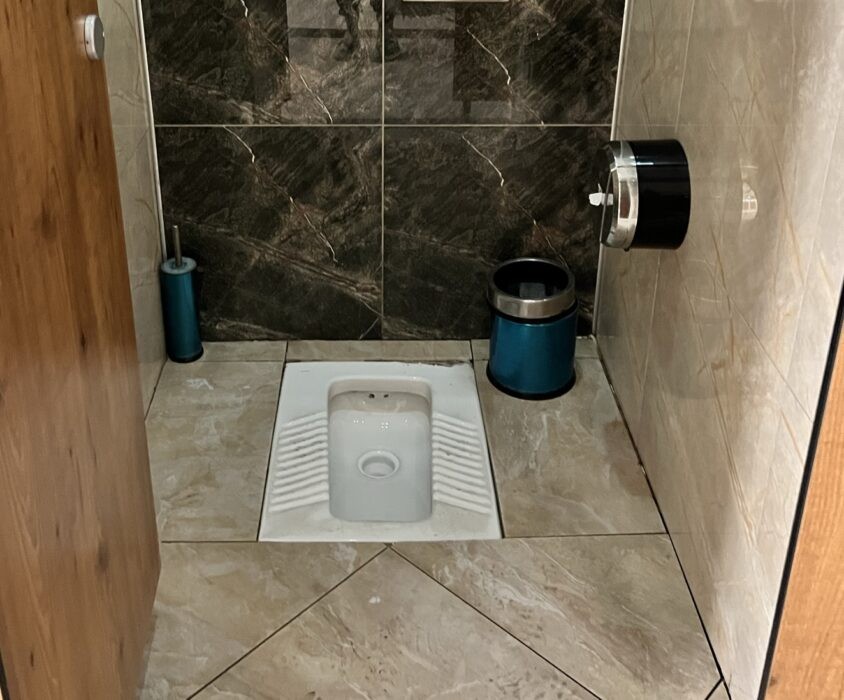
Here, these immediately become a serious source of anxiety as cold freezing temperatures cause manual bucket flush water to solidify overnight. This transforms the ceramic platform to a treacherous slippery surface, completely unsafe. To add insult to injury, average charges for a decent hot shower cost Nepal teahouses ask jump at an alarming rate with altitude increases, so the savvy traveler opts out of baring their body to the frigid sub-zero air.
In fact, they will strictly maintain their personal hygiene through strict use of a wet wipes hygiene regime for the full 10-12 days of their trek. It's an undeniable aspect of the trail, navigating through dark, unheated corridors at the dead of night using primitive toilet conditions EBC trek features, so bring a headlamp and plenty of hand sanitizer.
Key daily hygiene strategies :
| Settlement / Stop | Regional elevation (m) | Regional elevation (ft) | Predominant toilet type | Average cost of a hot shower |
|---|---|---|
| Namche Bazaar | 3,440m | 11,286ft | Attached western flush | 400-600 NPR (gas heated) |
| Dingboche Village | 4,410m | 14,468ft | Shared Asian squat | 800-1000 NPR (bucket type) |
| Gorak Shep Flat | 5,164m | 16,942ft | Primitive non-flush pit | Showers unavailable |
Will your guide be primarily concerned with your well-being, or will he try to capitalize on your minor altitude fatigue for huge sums of money? Helicopter aviation in Nepal has been at the heart of intense legal scrutiny, as an elaborate helicopter evacuation scam Nepal authorities discovered recently has illegally skimmed over $20 Million out of foreign travel insurance providers.
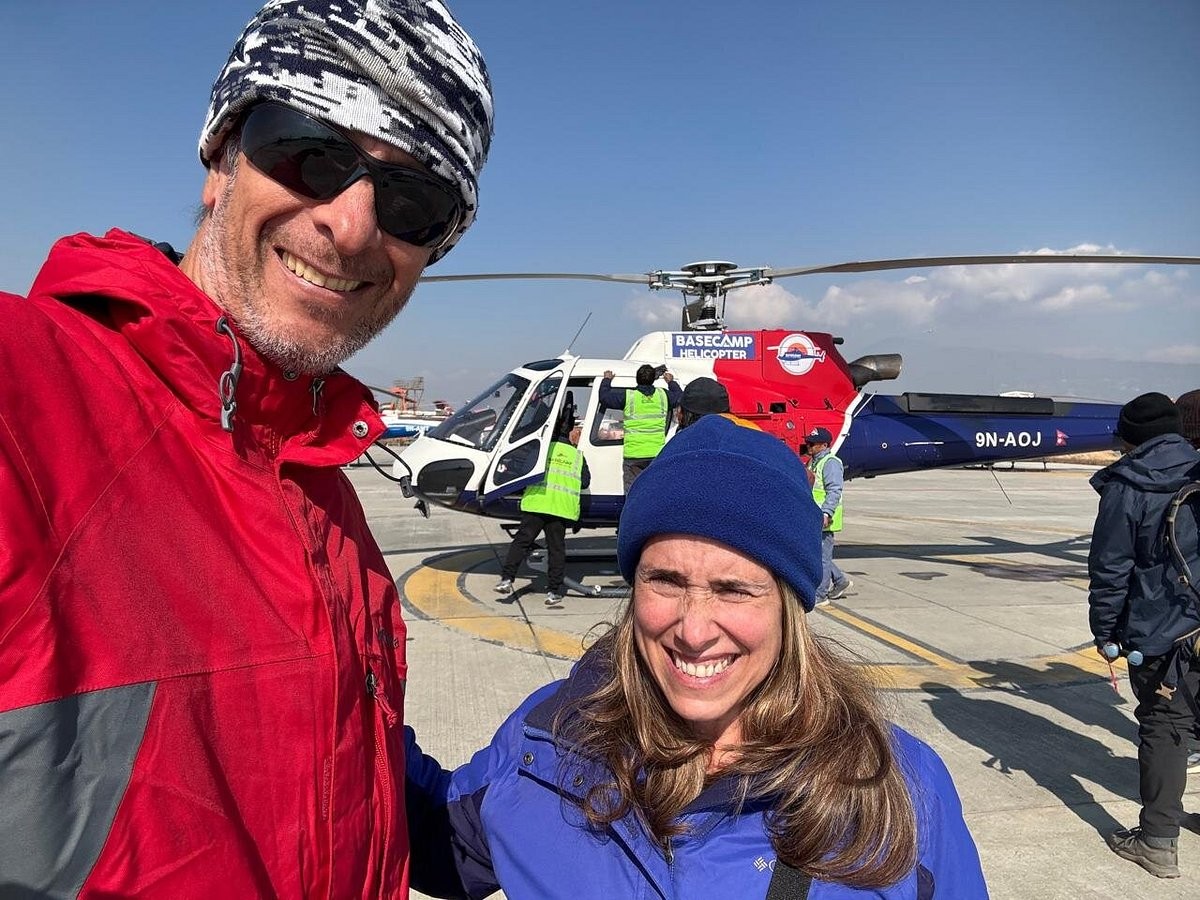
Actually, corrupted guides and fraudulent trekking agencies are often in collusion with certain private clinics, and will deliberately fake a fake altitude sickness emergency by taking advantage of tourists' minor health issues. They will deliberately exaggerate your everyday fatigue or mild headaches and scare you into a medically unnecessary evacuation, from which they will reap a hefty insurance commission. Avoid this multi-layered fraud by pre-authorizing any flight directly with your emergency insurance coverage provider. Reputable and accredited agencies, like Haven Holidays Pvt. Ltd., will not put financial interests above hiker health and have proper medical oximeter checks on the ground and transparent helicopter evacuation procedures, to ensure that your personal and financial health is protected.
Detecting and avoiding the rescue scam:
| Metric Component | Investigative findings details | Industry consequences and adjustments |
|---|---|---|
| Total scam scale | Approximately $20 Million U.S. Dollars uncovered by the Central Investigation Bureau | Overseas insurance premiums have risen dramatically for adventure travelers to Nepal. |
| Number of people indicted | 32 people were indicted. 3 helicopter operators and 3 private hospitals were among them | Pre-approval from insurers has become mandatory for any evacuation. |
| Fraud method | Splitting one helicopter flight into multiple insurance claims | Each flight manifest and hospital document are being electronically cross-referenced. |
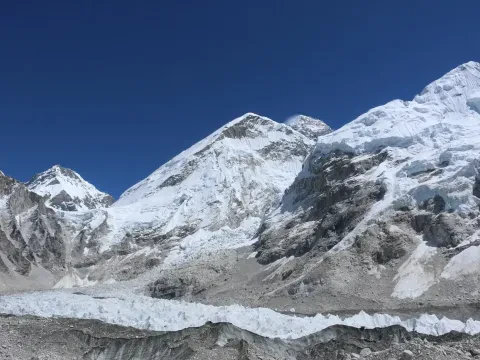
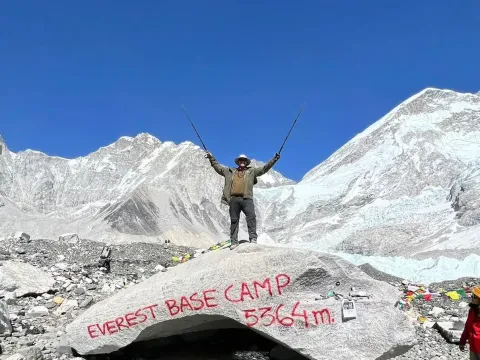
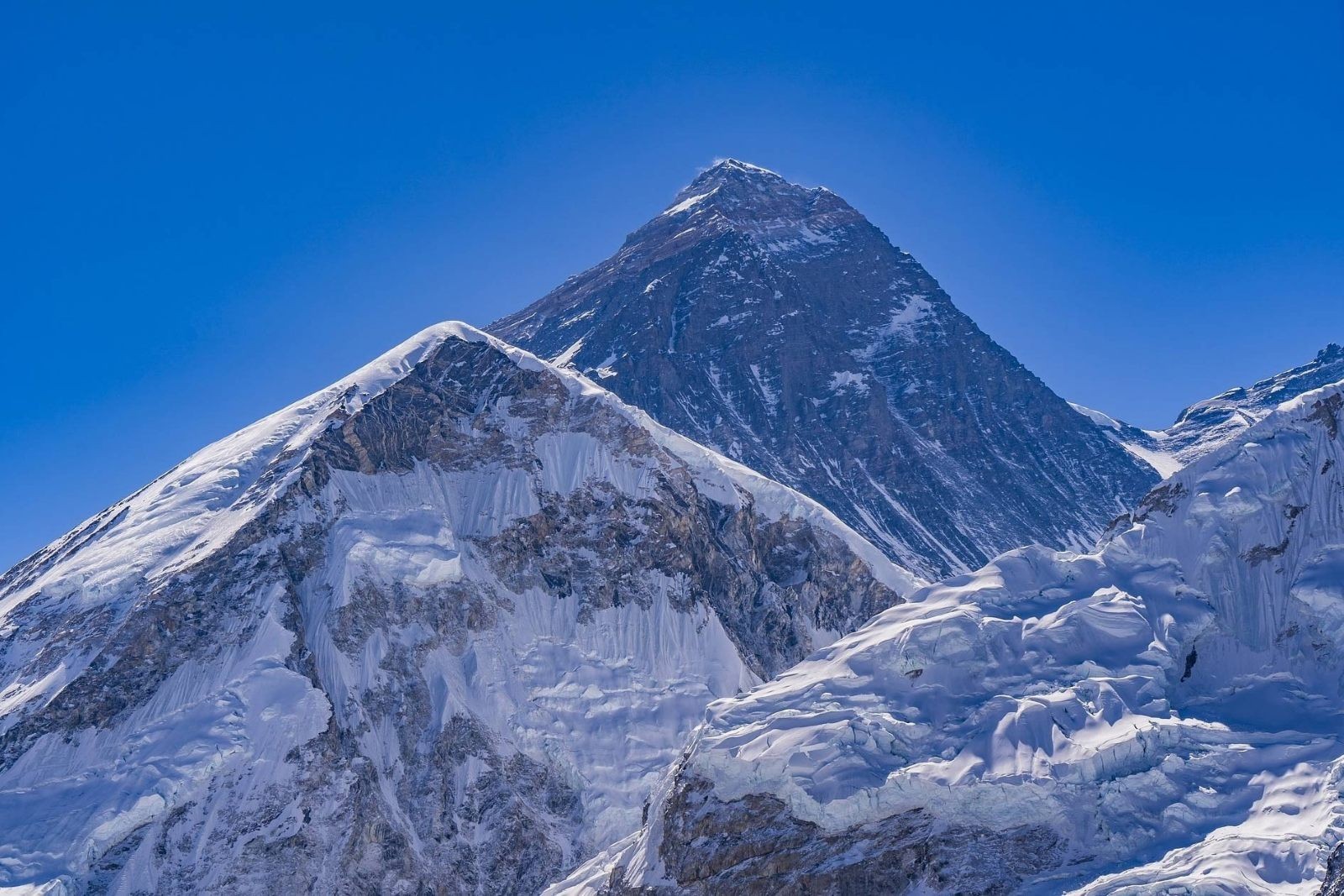
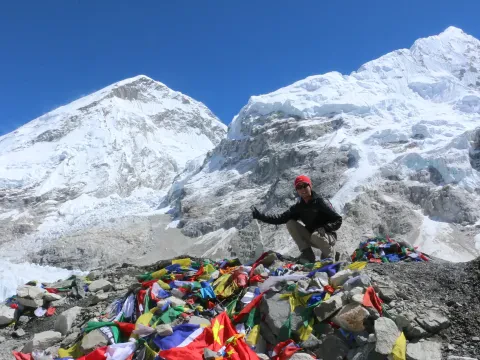
Did you know your final destination isn’t guaranteed to be the view you've imagined? Many trekkers are met with a devastating realization when they finally reach Everest Base Camp (EBC), perched at an elevation of 5,364 meters (17,598 feet).
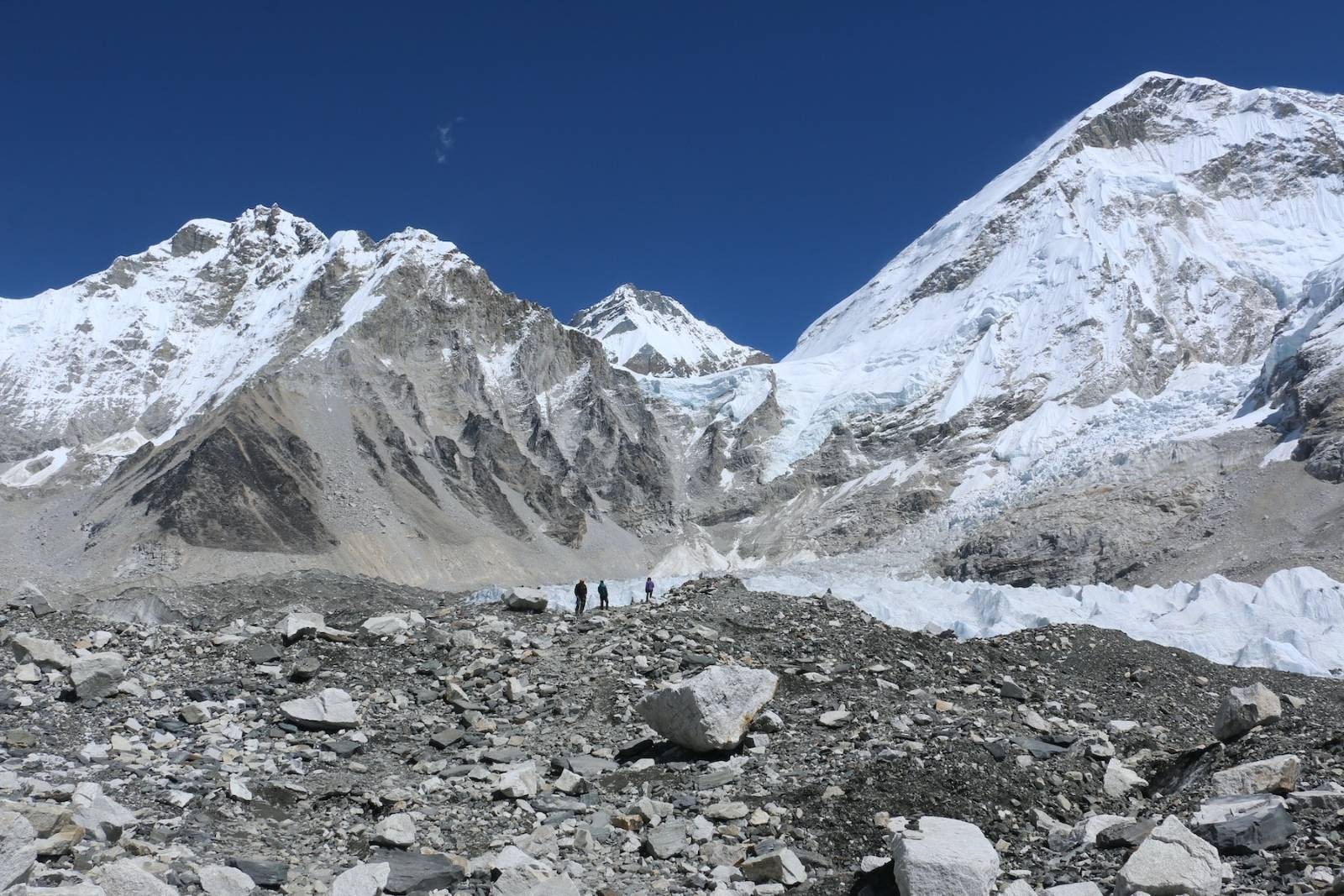
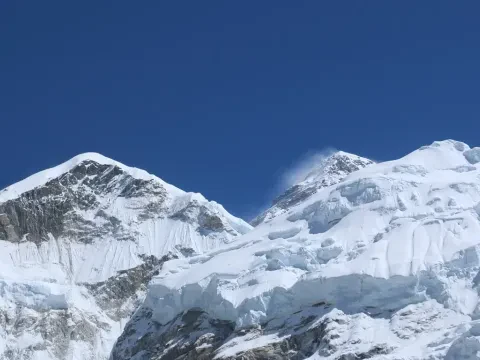
Actually, trekkers spend days climbing to the end of the trail only to discover that the imposing Nuptse ridge (7,861 meters / 25,791 feet) entirely blocks the world's highest peak. So, to answer the age-old question, Can you see Everest from Base Camp, the answer is officially no. To get a true view of the top of the world you need to undertake another strenuous climb, up the jagged, rocky slope of the famed Kala Patthar viewpoint. This difficult but rewarding hike will take you up to 5,545 meters (18,192 feet), but rewards you with a clear 360-degree view of the golden summit at sunrise.
The Realities of Two Destinations :
| Vantage Point Station | Exact Altitude Metric | Exact Altitude Imperial | Direct Everest Summit Visibility | Primary Photographic Focus |
|---|---|---|
| Everest Base Camp (EBC) | 5,364 m | 17,598 ft | Entirely Obscured by Nuptse | Glacier moraines, climber camps. |
| Kala Patthar Ridge | 5,545 m | 18,192 ft | 100% Unobstructed Face View | Golden sunrise over true peak |
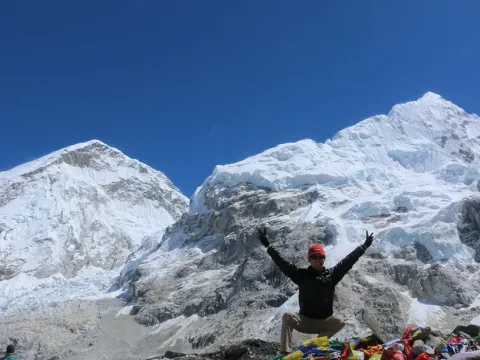
Ready to turn the daunting peaks into the most rewarding achievement of your entire life? The grueling paths, freezing teahouses, and the potential for surprise detours are tough, but overcoming EBC challenges is the true heart of a legendary Himalayan journey.
When asked, Is the Everest Base Camp trek worth it, everyone who completes it will tell you yes, because of the massive personal growth that comes with experiencing unfiltered nature and extreme reality.
In fact, mastering the high-altitude trail requires mental preparation and resilience above sheer muscle strength. By adjusting your expectations and accepting the wild nature of the mountain path, you'll transform your entire experience. Secure your fully supported trek with Haven Holidays Pvt. Ltd. Today and turn those intimidating mountains into a safely guided, lifelong accomplishment!
Essential Pre-Departure Checklist :
| Preparation Domain | Key Trail Reality to Address | Mitigating Strategy | Expected Personal Outcome |
|---|---|---|
| Respiratory Care | Dry air, Khumbu Cough | Daily use of a wool buff scarf | Keeps lungs healthy. |
| Sanitary Adaptations | Uninsulated, frozen squat toilets | Meticulous use of hand sanitizer/wipes | High hygiene standards maintained. |
| Dietary Vigilance | Risk of unrefrigerated meat | Strict adherence to vegetarian meals | Prevents debilitating food poisoning. |
| Logistical Agility | Flights rerouted via Ramechhap | Book packages with trusted tour operators | Smooth emergency flight options secured. |
1. What is the biggest danger on the Everest Base Camp trek?
The most significant risk that drives the Everest Base Camp trek difficulty is Acute Mountain Sickness (AMS), due to the sheer altitude and the atmosphere thinning at higher points. In this environment you will need careful pacing and an immediate evacuation procedure to manage conditions like HAPE or HACE, that will surely follow without such measures.
2. How crowded does the Everest Base Camp trek route get?
The classic Everest Base Camp trek route is overwhelmingly crowded by commercial tourists during the busy spring and autumn seasons. During these times, especially when the narrow suspension bridges and rocky paths have a great deal of both tourist and yak traffic, there can be a breakdown in the peace and quiet.
3. What are the sanitation realities at high-altitude teahouses?
The conditions become primitive at higher points along the Everest Base Camp trek altitude profile. Higher up the trail many of the basic teahouses are run with communal, unheated squat toilets and have frozen water pipes. You may have to manually carry water in buckets to flush toilets if their cistern system does not function correctly.
4. Is the "Khumbu Cough" a common illness on the trail?
Thousands of people on the Everest Base Camp trek distance will suffer from Khumbu Cough during their journey. The dust from yaks combined with the cold, bone-dry alpine air irritates your respiratory system during prolonged trekking at high altitudes.
5. How serious is the waste management crisis near Everest Base Camp?
The vast number of tourists now visiting the EBC has led to serious logistical and waste management problems. Disposing of hundreds of thousands of pounds of plastic packaging, used equipment and human waste into a fragile, remote, mountain ecosystem is becoming a major environmental concern.
6. Are Lukla flight cancellations a major logistical problem?
Due to the volatile nature of Himalayan weather, the flights to and from Lukla are extremely prone to cancellations. Prolonged spells of high wind or fog can lead to delays of several days, stranding travelers at the small airport and forcing you to rethink your Everest Base Camp trek itinerary.
7. What is the raw reality of helicopter evacuations on the trek?
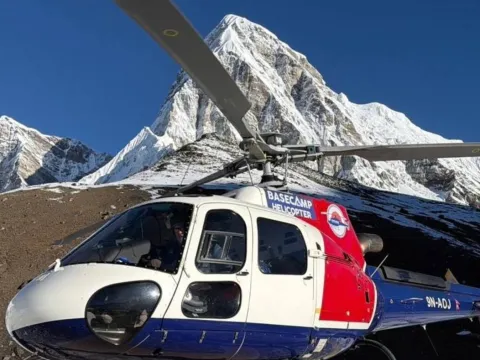
Helicopter evacuations due to serious sickness or physical injury are an everyday occurrence on the EBC trek. They are, however, dependent on good weather and a hefty financial outlay; travel insurance covering evacuation up to 6,000m is therefore a necessity.
8. How ethical is the treatment of porters on the EBC trek?
Regulations and guidelines are in place, but still many less-than-ethical, low-cost companies are taking advantage of local porters by asking them to carry more than their allotted amount. Always choose to go with a responsible company that supports its porters with proper clothing and adequate pay.
9. Why does food safety become an issue at higher elevations?
Due to religious reasons, meat slaughtering is prohibited in the upper Khumbu region so all meat products must be flown to Lukla and transported up the trail by porters. Without refrigeration this carries significant risk of food poisoning throughout the higher altitudes.
10. How expensive do basic amenities get near Base Camp?
Given the remoteness of Base Camp, many basic facilities skyrocket in price. A single bottle of water can cost ten times what it does in Kathmandu, adding considerably to the overall Everest Base Camp trek cost.
11. Is water contamination a risk along the trekking trail?
Yes, there is a significant risk of water contamination from animal feces and effluent higher up the trail. It is never safe to drink tap water in the mountains without it being boiled first. Use purification tablets or water filters instead.
12. How does extreme cold impact your body at Gorak Shep?
Gorak Shep is perched at a chilling altitude of 5,140 meters and the temperature during the night can drop well below freezing point. The flimsy plywood teahouses offer little insulation, severely disrupting sleep and contributing to your fatigue.
13. What is the psychological toll of the Everest Base Camp trek?
The constant struggle against physical exhaustion and lack of oxygen combined with the lack of basic comforts such as a shower and the immense isolation create a substantial mental strain. A deep sense of fatigue and homesickness is not uncommon throughout your journey in the mountains.
14. Are trail injuries common on the rugged terrain?
Common trail injuries include sprained ankles, knee injuries and scrapes caused by the steep, often wet and loose rock face. It is very important to watch your step and be conscious of descending yak trains on exposed ridges, avoiding the cliff edge.
15. Do budget operators compromise safety to lower the Everest Base Camp trek cost?
Many budget operators compromise safety and do not carry essentials such as pulse oximeters and satellite phones, and often use unlicensed guides. This allows for cheap prices and a lower Everest Base Camp trek cost, but poses significant danger to unaware trekkers.
16. How does yak and mule traffic impact trail safety?
Although yaks and mules are an essential part of the route, they can also be hazardous to the unaware trekkers; there is often little space to maneuver around the animals on exposed narrow mountain paths. To stay safe on the path you should hug the hillside and never walk on the cliff edge to avoid being nudged off.
17. Why is theft a growing concern in mountain teahouses?
As the EBC trek has become more commercial, thefts of electronic devices, cameras and even cash are becoming increasingly common in teahouses as thousands of tourists are constantly moving through the area.
18. What happens if you get sick past Namche Bazaar?
Medical infrastructure beyond Namche Bazaar is very basic; there is only one rescue clinic in Pheriche so from this point onwards treatment is reliant on the skills and experience of your guide and your own personal medication supply.
19. How does the trek contribute to local cultural dilution?
The growing number of commercial lodges and the changing landscape due to tourist requirements means that local Sherpa villages and traditions are being dramatically eroded; they are steadily turning from cultural hubs to completely westernized commercial stops.
20. Is the Everest Base Camp viewpoint underwhelming for some?
Some people find that Everest Base Camp is an anti-climax after the arduous journey and do not achieve the same spectacular view of Everest that is attainable from Kala Pata. This is due to the massive ridge which is formed by Lhotse and Nuptse that prevents sight of Everest's actual summit.
Our travel experts are ready to assist you with any questions.
Send us a message.Have a question before you book? Send your enquiry below and our travel experts will get back with the required information.