
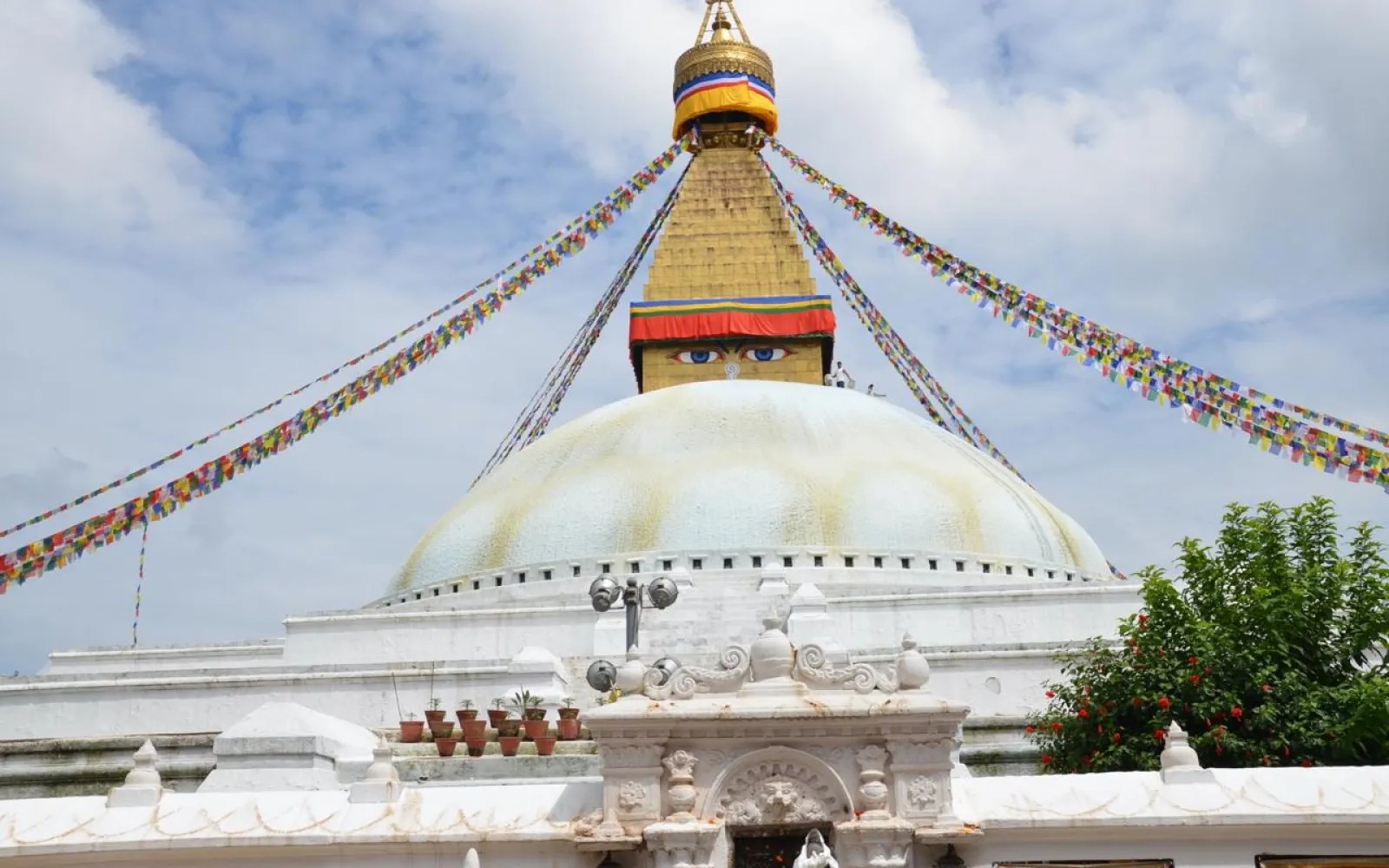
Here, this article explores and presents all the information to Kathmandu Valley Cultural Tour. Meanwhile, it entails guide to Heritage Sites, Culture and UNESCO Sites including itinerary and cost.
Now, let’s see all the detail in depth one by one. Thus, you can have a solid idea about your Kathmandu Valley Cultural Tour if you read this blog article thoroughly. Hope you will enjoy reading it.
Importantly, the questions and the authentic answers about Kathmandu Valley Cultural Tour will definitely satisfy you.
Generally, a Kathmandu Valley Cultural Tour focuses on the living culture and history of Kathmandu Valley, including its heritage of architecture, religion, food, festivals, crafts, and traditional lifestyles.
Moreover, the tour experience often includes historic courtyards, temples, stupas, markets, and festivals as these are intertwined with the everyday life of local communities.
What Makes Kathmandu Valley Culture Different?
Importantly, the Kathmandu Valley cultural heritage reflects the interactions between Hinduism and Buddhism, as well as the Newar community's traditional contributions to the valley's architecture, religion, and art.
Therefore, a Kathmandu Valley Cultural Tour can focus on the links between different Kathmandu Valley cultural elements.
What Can You See on a Kathmandu Cultural Tour?
A Kathmandu cultural tour can include many must-see sights, such as ancient squares, temples, stupas, monasteries, traditional courtyards, local markets, museums, and traditional neighborhoods.
Moreover, depending on the tour itinerary, the three ancient cities of the Kathmandu Valley are a great base for exploring valley culture.
What Is Newari Architecture in Kathmandu Valley?
Newari architecture is famous for its intricate woodcarvings, metalcraft, and terracotta embellishments, which can be observed in the valley's historic buildings and religious structures.
Furthermore, traditional Newari houses, temples, and pagodas are excellent examples of the integration of functionality and artistry in Kathmandu Valley architecture.
How Do Hindu and Buddhist Traditions Shape the Tour?
Hinduism and Buddhism have coexisted in the Kathmandu Valley for centuries, and their cultural and religious influence can be observed in the valley's historic and contemporary architecture.
Therefore, a Kathmandu Valley tour can include visits to Hindu and Buddhist temples, such as Pashupatinath, Swayambhunath, and Boudhanath.
What Are the Historic Cities of Kathmandu Valley?
The Kathmandu Valley was historically comprised of three independent urban centers, namely Kathmandu, Patan, and Bhaktapur, which were famous for their palaces, temples, and traditional markets.
Moreover, these three cities represent the valley's ancient urban heritage that continues to influence Kathmandu Valley culture and architecture.
What Can You Experience in Local Markets?
Markets are an integral part of the Kathmandu Valley cultural experience because they represent a place where local people, including Newari communities, perform their daily activities.
In addition, markets are conveniently located near historic squares and temples and provide an opportunity to learn about and purchase local products, such as metalware, religious items, food, and traditional utensils.
As per our past experience of operating Kathmandu Heritage Tour, majority of the travelers love traditional local markets for spices and antique purchases.
Can You Experience Traditional Food?
Food plays an important part in local culture and traditions, and a Kathmandu Valley tour can offer a variety of local delicacies prepared by Newari households following age-old recipes.
In addition, depending on the time of the year and the tour program, visitors can taste Newari specialties, such as yomari, bara, chatamari, samay baji, choila, and many others.
Can You Experience Festivals and Local Traditions?
Festivals are an essential part of Kathmandu Valley traditions, as they symbolize the valley's religious beliefs and cultural heritage.
In particular, Hindu and Buddhist festivals involve large-scale ritual processions, dancing, and singing performed outside of temples, monasteries, and royal courts.
What Can You Learn About Traditional Crafts?
Newari people are master craftmen who create beautiful woodcarvings, metal castings, and stone carvings, which have become iconic elements of Kathmandu Valley architecture.
Moreover, a Kathmandu Valley Cultural Tour can arrange a separate program to explore the valley's traditional crafts and local artisans.
Main Experiences on a Kathmandu Valley Cultural Tour
Experience | What You Can See or Learn
Newari architecture | Carved windows, pagodas, and other features of traditional Newari houses
Hindu traditions | Temples, rituals, and festivals peculiar to Hinduism
Buddhist traditions | Stupas, monasteries, and rituals peculiar to Buddhism
Historic cities | Royal cities of Kathmandu, Patan, and Bhaktapur
Local markets | Markets selling metalware and other local crafts
Newari cuisine | Traditional Newari food specialties
Traditional crafts | Kathmandu Valley woodcarving, metalcasting, and sculpture
Festivals | Religious festivals, ritual processions, and performances
Courtyards | Historic and traditional urban architecture
Everyday life | Local communities following traditional practices and customs
What Are the Main Highlights of a Kathmandu Valley Cultural Tour?
Explore the Kathmandu streets and squares
See the Patan palace and temples
Pleasantly surprised by Bhaktapur's preserved medieval atmosphere
Observe Hindu traditions and rituals
Visit the most famous Hindu and Buddhist monuments and temples
Marvel at the Kathmandu Valley woodcarving and sculpture
Delight in the local cuisine and traditional dishes
Enjoy the local markets and bazaars
Get acquainted with the Kathmandu Valley culture and history
Meanwhile, a Kathmandu tour that focuses on the valley's living culture and not only on the monuments listed in UNESCO's World Heritage List can provide travelers with an immersive and enriching experience.
In particular, such a tour can help understand how Kathmandu Valley residents live, how they follow their religious beliefs, what traditions and festivals they celebrate, and what role culture plays in their everyday lives.
Historically, Kathmandu Valley was the center of trade, religion, crafts, and culture, and Kathmandu, Patan, and Bhaktapur were its prominent ancient cities.
Moreover, Kathmandu Valley is an example of an ancient urban agglomeration with a developed cultural and religious tradition.
Why Is Kathmandu Valley Important to Nepal's Cultural Heritage?
The Kathmandu Valley is one of the most culturally and historically significant regions in Nepal because it possesses a unique concentration of temples, palaces, stupas, and other artifacts.
Furthermore, Kathmandu Valley is a prime example of urban heritage with a rich historical and cultural background.
What Is the UNESCO World Heritage Status of Kathmandu Valley?
UNESCO inscribed Kathmandu Valley on the World Heritage List in 1979 as a cultural property including seven Monument Zones, namely, the Durbar Squares of Kathmandu, Patan, and Bhaktapur, Swayambhu, Boudhanath, Pashupati, and Changu Narayan.
What Are the Seven UNESCO Monument Zones?
UNESCO Kathmandu Valley Monument Zones| What Heritage This Zone Represents
Hanuman Dhoka Durbar Square| The royal palace of the Kathmandu Valley
Patan Durbar Square| The royal palace and temples of Patan
Bhaktapur Durbar Square| The royal palace and temples of Bhaktapur
Swayambhu| An ancient Buddhist stupa and temple complex
Boudhanath| A significant Buddhist religious monument
Pashupati |A significant Hindu religious monument
Changu Narayan| An ancient temple complex
Why Are Kathmandu, Patan, and Bhaktapur Historically Important?
Historically, Kathmandu, Patan, and Bhaktapur were the royal cities of the Kathmandu Valley, which were the centers of crafts, trade, culture, and religion.
Furthermore, these three cities represent a unique architectural legacy and cultural history, which continues to live on in the Kathmandu Valley cultural heritage.
Why Is Newari Culture Important to Kathmandu Valley?
The Newari people are the original inhabitants of the Kathmandu Valley, and they were the driving force behind the region's culture and history.
Furthermore, the Newari communities gave Kathmandu Valley its distinctive urban landscape, architecture, and artistic aesthetics.
How Did Art and Architecture Develop in Kathmandu Valley?
Newari artisans developed a distinctive architectural and artistic tradition of metalcasting, stone carving, woodcarving, and painting, which continues to be an essential part of Kathmandu Valley culture.
Furthermore, according to UNESCO, the seven Kathmandu Valley monuments represent a distinctive architectural and artistic achievement that had developed due to the exchange of culture between different civilizations.
How Do Hinduism and Buddhism Shape Kathmandu Valley Culture?
Due to the prevalence of Hinduism and Buddhism in the Kathmandu Valley, there is a noticeable cultural richness that developed due to the co-existence of the two religions.
Furthermore, a Kathmandu tour can include visits to Hindu temples and Buddhist monasteries, as well as participation in local religious practices.
Why Are Festivals Important to Kathmandu Valley Culture?
The Kathmandu Valley festivals are an important part of the culture and history of Nepal, as they feature prominently in the history of the Kathmandu Valley.
Furthermore, local festivals usually involve ceremonial rituals and the participation of large crowds following the traditions of Hinduism and Buddhism.
Is Kathmandu Valley Culture Only About Monuments?
Kathmandu Valley culture is deeply integrated into the practices and lifestyles of the local people, such as the Newari communities.
Furthermore, visiting Kathmandu Valley means exploring not only the famous Kathmandu monuments but also engaging with local culture and traditions.
Therefore, a cultural tour should include both ancient Kathmandu Valley artifacts and the living traditions of the valley's residents.
Why Is Kathmandu Valley Important for a Nepal Cultural Tour?
A Kathmandu tour focusing on Kathmandu Valley culture is a unique opportunity to discover the cultural heritage of the Kathmandu Valley, including royal palaces, temples, stupas, and local traditions.
Moreover, such a tour is also a good option to explore the rich history and cultural diversity of Nepal.
Key Cultural Features of Kathmandu Valley
Features | Description
Ancient urban centers of Kathmandu, Patan, and Bhaktapur | These centers represent the Kathmandu Valley's cultural and historic significance.
Seven UNESCO Kathmandu Valley Monument Zones | These seven monuments represent the area's cultural heritage.
Newari architecture and craftsmanship | The Newari culture shaped the Kathmandu Valley culture and history.
Hinduism and Buddhism religions | The co-existence of Hinduism and Buddhism shaped the valley's cultural heritage.
Royal palaces, temples, and public squares | Kathmandu Valley palaces and squares are excellent examples of the area's cultural heritage.
Buddhist stupas and monasteries | Buddhist stupas and monasteries represent the prominent part of the Kathmandu Valley history.
Hindu temples and pilgrimage sites | Hindu temples and pilgrimages are another famous aspect of the valley's cultural heritage.
Festivals and processions | Local festivals are an important part of the Kathmandu Valley culture. They usually include processions, rituals, dancing, and music.
Newari food specialties and culinary traditions | Newari food specialties are an essential part of the Kathmandu Valley local culture.
Woodcarving, metalcasting, and local crafts | Local artisans still practice the ancient traditions of woodcarving, metalcasting, and sculpture.
Local markets and bazaars | Local markets and bazaars represent the local culture through food, crafts, and other goods.
Religious rituals, festivals, and local customs | Local festivals are an important part of the Kathmandu Valley culture.
Additionally, the significance of Kathmandu Valley, its culture, and its history lies in the unique blend of urban centers, ancient temples, and a living cultural tradition, rather than any specific monuments or attractions.
While UNESCO recognition is a crucial part of preserving Kathmandu's cultural heritage, an authentic cultural tour will focus on the living traditions of the valley's inhabitants rather than visiting heritage sites.
Usually, the Kathmandu Valley UNESCO World Heritage Site property refers to one UNESCO World Heritage property made up of seven Monument Zones rather than seven separate UNESCO World Heritage Sites.
The Kathmandu Valley was added to the UNESCO World Heritage List in 1979 and its seven Monument Zones are found within the Kathmandu, Lalitpur and Bhaktapur districts.
Therefore, when visitors search for Kathmandu UNESCO Sites, Kathmandu Valley UNESCO World Heritage or UNESCO sites in Kathmandu, they usually refer to these seven culturally significant areas.
Together, the seven Monument Zones represent historic royal cities, Buddhist stupas, Hindu temple complexes, traditional settlements, architecture, craftsmanship, rituals and living traditions.
The Seven Monument Zones of Kathmandu Valley
UNESCO Monument Zone Name | Location| What you can experience
Hanuman Dhoka Durbar Square| Kathmandu [ Approx.1,320m / 4,330ft]| Royal palace courtyards, temples, traditional architecture and city life
Patan Durbar Square| Lalitpur [approx. 1,400m / 4,593ft]| Newari architecture, temples, courtyards, metalwork and craftsmanship
Bhaktapur Durbar Square | Bhaktapur [approx. 1,400m / 4,593ft] | Medieval palace buildings, temples, pottery traditions and urban heritage
Swayambhu | Kathmandu [approx. 1,400m / 4,593ft]| Buddhist stupa, monasteries, prayer practices and valley views
Bauddhanath| Kathmandu [approx. 1,300m / 4,265ft]| Buddhist pilgrimage, monasteries, prayer wheels and Tibetan Buddhist culture
Pashupati| Kathmandu [approx. 1,300m / 4,265ft]| Hindu temples, Bagmati River traditions, shrines and rituals
Changu Narayan| Bhaktapur district [approx. 1,500m / 4,921ft] |Ancient Hindu temple complex, Newari settlement and inscriptions
Additionally, UNESCO officially recognizes these seven locations as the Kathmandu Valley Monument Zones that make up the one UNESCO World Heritage property, including three Durbar Squares, two Buddhist stupas and two Hindu religious complexes.
What Makes These Kathmandu Heritage Sites Different?
Crucially, each Monument Zone has a different cultural focus to offer, so visiting multiple sites provides a more rounded understanding of Kathmandu Valley heritage.
For example, the Durbar Squares primarily represent historic royal architecture while Swayambhu and Bauddhanath focus on Buddhist traditions and Pashupati and Changu Narayan represent Hindu religious heritage.
Moreover, the seven zones are part of a broader cultural history that includes highly developed craftsmanship in brick, stone, timber and bronze. UNESCO also specifically identifies the long coexistence and interaction of Hinduism and Buddhism alongside other traditional beliefs and rituals as being part of the property's significance.
What Can You See During a Kathmandu Valley Cultural Tour?
A well-planned tour of the UNESCO World Heritage property shouldn't necessarily be limited to simply photographing the sites since they remain active religious, cultural and community spaces.
Therefore, depending on your itinerary and local events, you can see temples, stupas, courtyards, palace squares, traditional streets, local crafts, religious ceremonies, festivals and more.
Main Kathmandu UNESCO Sites to Include:
Hanuman Dhoka Durbar Square and historic Kathmandu city center
Swayambhunath and its Buddhist hilltop complex
Boudhanath for Tibetan Buddhist culture and pilgrimage
Pashupatinath for Hindu religious heritage
Patan Durbar Square for Newari art and architecture
Bhaktapur Durbar Square for medieval urban heritage
Changu Narayan for its historic temple complex and traditional surroundings
Importantly, travelers should remember that Kathmandu Valley World Heritage property represents one UNESCO World Heritage site with seven Monument Zones and not seven separate properties as incorrectly often suggested.
Here, this distinction is especially important when writing or researching Kathmandu heritage sites since describing these as seven separate UNESCO World Heritage properties is inaccurate.
Generally, Kathmandu Durbar Square, Swayambhunath and Boudhanath offer three distinctly different experiences within the Kathmandu Valley Cultural Tour.
Meanwhile, Kathmandu Durbar Square focuses on royal history and traditional architecture, Swayambhunath combines Buddhist heritage with a hilltop location while Boudhanath offers a significant pilgrimage environment that reflects Tibetan Buddhist traditions.
Kathmandu Durbar Square: Royal History and Traditional Architecture
Kathmandu Durbar Square [1,320m / 4,330ft] represents the historic palace-centered Monument Zone of the old Kathmandu city where visitors can see palace courtyards, temples, shrines, carved timber details and traditional urban spaces. Moreover, the area conveys the political, religious and artistic history of this former royal city rather than simply being an architectural collection.
What you can realistically experience:
Historic palace courtyards and public squares
Traditional Newari architecture
Pagoda-style temples and shrines
Wood and stone craftsmanship details
Religious activity at active temples
Traditional streets and local city life
Cultural landmarks associated with Kathmandu's royal history
Swayambhunath: Buddhist Heritage and Hilltop Views
Swayambhunath [approx. 1,400m / 4,593ft] is located on a hill above much of Kathmandu, providing very different views to Kathmandu Durbar Square. UNESCO includes Swayambhu among the seven Monument Zones and identifies the religious ensemble as including the oldest Buddhist stupa in the valley.
Actually, Swayambhunath is popularly known as the Monkey Temple Kathmandu due to monkeys that can be seen around parts of the complex, however more significantly the location has Buddhist religious significance.
Likewise, visitors can walk around the stupa, see prayer wheels and shrines, watch worshippers and pilgrims and enjoy views over Kathmandu.
What you can realistically experience:
Swayambhunath Stupa and its shrines
Buddhist prayer wheels and devotional practices
Monastery and religious architecture
Traditional sculptures and cultural details
Monkeys around parts of the complex
Hilltop views over Kathmandu
A quiet spiritual atmosphere compared to the city areas at certain times
Boudhanath: Tibetan Buddhist Culture and Pilgrimage
Boudhanath [approx. 1,300m / 4,265ft] provides a different experience as the large stupa and surrounding area are closely associated with Buddhist pilgrimage and Tibetan Buddhist traditions. UNESCO considers Bauddhanath as the largest stupa in Nepal and one of the seven Monument Zones of the Kathmandu Valley World Heritage property.
Furthermore, visitors can walk around the large stupa observing prayer wheels, monasteries, butter lamps, incense, pilgrims and religious practices. The streets surrounding the stupa also include monasteries, Buddhist shops, restaurants and community spaces meaning the experience goes well beyond just the stupa itself.
What you can realistically experience:
The large Boudhanath Stupa
Pilgrims making clockwise circumambulation
Prayer wheels and Buddhist devotional practices
Tibetan Buddhist monasteries
Religious art, sculptures and prayer flags
Butter lamps, incense and ceremonial activity
Local shops and traditional Buddhist items
A living pilgrimage environment
Kathmandu Durbar Square vs Swayambhunath vs Boudhanath
UNESCO Monument Zone| Main Cultural Focus| Setting| What Makes the Experience Different
Kathmandu Durbar Square| Royal history and Newari heritage| Historic city center| Palace architecture, temples, courtyards and traditional urban life
Swayambhunath| Buddhist heritage| Hilltop| Ancient stupa, religious practices and valley views
Boudhanath| Tibetan Buddhist culture and pilgrimage| Urban religious quarter| Large stupa, monasteries, pilgrims and active Buddhist traditions
Therefore, these three Kathmandu Buddhist sites and heritage areas cannot be considered as interchangeable attractions as each represents a different aspect of the valley's culture and history.
Together, a cultural tour of these three locations can demonstrate the differences between royal architecture, a hilltop Buddhist heritage and an active pilgrimage center from the same historic valley.
Which Experience Should You Expect?
Importantly, none of these places should merely be understood as sites for viewing monuments as religious practices and community life still take place. Visitors should therefore dress appropriately, respect photography restrictions where applicable, refrain from interrupting worship and allow time to observe the cultural setting rather than rushing from one attraction to another.
Generally, Pashupatinath, Patan and Bhaktapur offer three different insights into Kathmandu Valley culture. Pashupatinath focuses on Hindu pilgrimage and living religious traditions, Patan reveals Newari art and metal craftsmanship while Bhaktapur preserves a remarkable historic urban environment shaped by traditional Newari culture.
Pashupatinath: A Living Hindu Pilgrimage Center
Pashupatinath [approx. 1,300m / 4,265ft] is located near the sacred Bagmati River and represents one of the most revered Hindu temple complexes in Nepal.
Moreover, a visit to Pashupatinath includes temple sights, shrines, religious ceremonies, the Bagmati ghats and the Pashupati area, although non-Hindus are not permitted to enter the main temple.
Additionally, visitors can view the Bagmati Aarati from the riverbank, while the area provides deeper insights into Hinduism and pilgrimage traditions.
However, please note religious restrictions, do not photograph where it is prohibited and understand that this is a living sacred site, not just a monument.
What you can experience at Pashupatinath:
Main temple architecture from designated viewpoints
Smaller temples and shrines within the temple complex
Bagmati River and traditional ghats (cremation sites)
Hindu pilgrimage practices and religious rituals
Bagmati Aarati ceremony at the riverbank
Sadhus and pilgrimage processions on special occasions
Sacred traditions relating to Lord Shiva
Important: If you cannot bear seeing the live cremation
Patan: Newari Art, Metalwork and Hindu-Buddhist Heritage
Patan [approx. 1,400m / 4,593ft], also known as Lalitpur, is famous for its traditional metalwork craftsmanship, while the historic streets contain Hindu temples, Buddhist monasteries and traditional Newari buildings.
Furthermore, Patan Durbar Square [approx. 1,400m / 4,593ft] combines palace architecture with artistic courtyards, pagoda-style temples, stone sculptures and intricate woodcarving within the city center.
In addition to, the Patan Museum adds another layer of interest, as it contains Hindu and Buddhist sculptures, cast bronze objects and copper repoussé metalwork.
Therefore, a visit to Patan is ideal for those who want to learn about the development of religious beliefs, artistic expression and metal craftsmanship traditions in the Kathmandu Valley.
What you can experience in Patan:
Patan Durbar Square and its palace courtyards
Patan Museum and religious sculptural traditions
Krishna Mandir and other historic temples
Golden Temple and Buddhist monastery history
Traditional Newari woodcarving techniques
Metalwork mastery in bronze, copper and other metals
Historic streets and bahals (traditional halls)
Coexistence of Hindu and Buddhist traditions
Bhaktapur: Preserved Newari Urban Heritage
Bhaktapur [1,401m / 4,596ft] offers an alternative to the busy streets of Kathmandu and provides deeper insights into traditional Newari urban culture through its preserved brick-paved streets, traditional brick houses, courtyards, temples and craft traditions.
In contrast to a short monument tour, a cultural experience Bhaktapur visit lets you explore an historic urban environment including pottery, woodcarving, religious sites and traditional architecture.
Bhaktapur Durbar Square [1,401m / 4,596ft] contains important palace architecture, carved windows and traditional metalwork, while the Dattatreya Square has museums dedicated to woodcarving and brass/bronze metalwork.
Therefore, Bhaktapur is perfect for those who are interested in Newari culture beyond individual temples and monuments.
What you can experience in Bhaktapur:
Bhaktapur Durbar Square
Palace of 55 Windows
Golden Gate
Nyatapola Temple area
Dattatreya Square
Traditional woodcarving traditions
Pottery craftsmanship
Brass and bronze metalwork
Historic brick-paved streets
Traditional Newari food and cultural experiences
Pashupatinath vs Patan vs Bhaktapur
| Place | Main Cultural Experience | Important Highlights | Best For |
| Pashupatinath [approx. 1,300m / 4,265ft] | Hindu pilgrimage | Temples, Bagmati River, rituals, Aarati | Religious and spiritual heritage |
| Patan [approx. 1,400m / 4,593ft] | Art and craftsmanship | Durbar Square, museum, metalwork, Buddhist monasteries | Art, architecture and Newari craftsmanship |
| Bhaktapur [1,401m / 4,596ft] | Traditional urban heritage | Durbar Square, pottery, woodcarving, historic streets | Newari culture and medieval urban character |
What Makes These Three Places Important Together?
Importantly, these places show why a Kathmandu Valley Cultural Tour should go beyond the usual monuments. Pashupatinath demonstrates living Hindu pilgrimage traditions, Patan reveals the artistic and religious traditions of Newar craftsmen, and Bhaktapur provides greater insight into traditional Newari urban life.
Key cultural experiences include:
Hindu pilgrimage and sacred rituals at Pashupatinath
Newari metalwork and religious art in Patan
Hindu-Buddhist heritage in Patan's temples and monasteries
Traditional architecture throughout Bhaktapur
Pottery and woodcarving traditions in Bhaktapur
Historic streets, courtyards and community spaces
Living cultural practices rather than monuments alone
Generally, Changu Narayan [approx. 1,500m / 4,921ft] provides a more tranquil cultural experience compared to the busy heritage centers in central Kathmandu, Patan and Bhaktapur. The UNESCO Monument Zone combines an important Hindu temple complex with a traditional Newari settlement, making it particularly relevant for those who want to experience heritage in a settlement context.
Changu Narayan: Ancient Temple Heritage on a Hilltop
Changu Narayan Temple [approx. 1,500m / 4,921ft] is dedicated to Vishnu and is located on a ridge overlooking the Kathmandu Valley near Bhaktapur.
Meanwhile, UNESCO has identified Changu Narayan as one of the seven Monument Zones forming the Kathmandu Valley World Heritage property, and the religious complex contains traditional Newari settlement and an ancient Hindu temple with one of the valley's earliest inscriptions dating from the fifth century AD.
Additionally, the temple complex has detailed wood and stone carvings, while the surrounding settlement offers a more intimate environment compared to the large Durbar Squares.
Moreover, the combination of temple heritage, traditional houses and hilltop views creates a different cultural experience to a standard Kathmandu city tour.
What you can experience at Changu Narayan:
Changu Narayan Temple
Historic Hindu religious heritage
Detailed stone and wood carvings
Traditional Newari houses
Narrow village lanes and courtyards
Views of the surrounding valley
A more tranquil heritage environment
Cultural interaction around a traditional settlement
Why Explore the Traditional Newari Settlement?
Furthermore, the settlement around Changu Narayan helps visitors understand that Kathmandu Valley heritage extends beyond palaces and large temples. Traditional house construction, courtyards, local shrines, agricultural land and community spaces can demonstrate different aspects of Newari culture development.
Meanwhile, a Newari village tour can therefore complement the major UNESCO Monument Zones, as it moves the cultural experience from monumental architecture to everyday residential and community environments.
However, please remember that these are living places, so be considerate and ask permission to photograph near private homes.
What Can You See in Traditional Newari Villages?
| Cultural Feature | What Visitors May Experience |
| Traditional houses | Brick façades, timber windows and traditional building forms |
| Courtyards | Shared spaces connected with community and religious life |
| Local shrines | Small sacred places used by local residents |
| Craft traditions | Wood, metal and other forms of traditional workmanship |
| Agricultural surroundings | Fields and open spaces around some settlements |
| Local streets | Narrow lanes connecting homes, temples and courtyards |
| Daily life | Residents carrying out ordinary household and community activities |
How Is Changu Narayan Different From Bhaktapur?
Importantly, Changu Narayan and Bhaktapur complement each other rather than providing the same experience. Bhaktapur [1,401m / 4,596ft] is a larger historic urban center containing major squares, temples, museums and craft traditions, while Changu Narayan has a temple complex combined with a smaller traditional settlement on a hill.
Changunaryan Vs. Bhaktapur
| Changu Narayan | Bhaktapur |
| Hilltop temple and settlement | Historic urban city |
| Quieter surroundings | More extensive heritage areas |
| Strong Hindu temple heritage | Wider Newari urban heritage |
| Traditional settlement experience | Palaces, squares and museums |
| Village-like atmosphere | Dense historic city environment |
| Good for combining culture with a short walk | Good for extended heritage exploration |
Why Add Changu Narayan to a Kathmandu Valley Cultural Tour?
Therefore, adding Changu Narayan can make a cultural itinerary more interesting by connecting an ancient Hindu temple with traditional settlement life.
In addition to visiting the major Kathmandu heritage sites, travelers can observe different aspects of architecture, religion, community traditions and the surrounding landscape in the wider Kathmandu Valley.
Main reasons to include Changu Narayan and traditional settlements:
Experience one of the seven Kathmandu Valley UNESCO Monument Zones
See an important Hindu temple complex
Explore traditional Newari settlement
Observe detailed wood and stone craftsmanship
Walk through quieter historic lanes
Understand culture beyond major city monuments
Combine heritage sightseeing with a short village walk
See a different side of traditional Nepal culture
Meanwhile, these sections provide a better flow for the article, with major religious and urban heritage first, then Changu Narayan and traditional settlements as the more tranquil and locally immersive part of the Kathmandu Valley Cultural Tour.
Generally, these kinds of tours take one day but a two-day Kathmandu Valley Cultural Tour allows for more walking and museum time, while a three-day tour is better geared towards those who also want to include Changu Narayan and less-rushed visits in the main area.
Kathmandu Valley Cultural Tour: 1 Day
A Kathmandu Valley tour 1 day itinerary works best for time-limited travelers, although an early start is required.
A suggested schedule would involve connecting nearby or related sites instead of trying to visit all of the seven UNESCO Monument Zones.
Approximate Time Suggested |Event | Experience
7:30–9:00 AM | Swayambhunath [approx. 1,400m / 4,593ft] Stupa| Buddhist heritage and valley views
9:20–11:30 AM| Kathmandu Durbar Square [1,320m / 4,330ft]| Royal history, temples and Newari architecture
11:30 AM–12:15 PM| Walk/drive toward central area| Local streets and short refreshment break
12:15–1:15 PM| Lunch |Eat a Nepali or Newari meal
1:45–3:00 PM | Boudhanath [approx. 1,300m / 4,265ft]| Stupa, monasteries and Tibetan Buddhist culture
3:20–4:45 PM| Pashupatinath [approx. 1,300m / 4,265ft]| Hindu temples, Bagmati River and religious heritage
5:00PM onward| Return to hotel| Flexible depending on traffic
Actually, this one-day route is only a highlights itinerary rather than a complete cultural tour of Kathmandu Valley, and the schedule can change depending on traffic, religious activities, festivals and weather conditions affecting site visits.
Kathmandu Valley Cultural Tour: 2 Days
A Kathmandu Valley tour 2 days itinerary offers a far more balanced experience since the major heritage areas can be separated according to location.
Moreover, you can spend more time at each individual site instead of rushing from one UNESCO zone to the next.
Day | Suggested Route | Suggested Experience
Day 1 | Swayambhunath → Kathmandu Durbar Square → Boudhanath → Pashupatinath | Buddhist heritage, royal history and Hindu pilgrimage
Day 2 | Patan → Bhaktapur → Changu Narayan | Newari art, traditional urban heritage and temple culture
Here, the first day works reasonably well since Swayambhunath and Kathmandu Durbar Square can be reasonably close within the central Kathmandu sightseeing area, and where Boudhanath and Pashupatinath are also relatively near each other.
Thus, you should be able to allow around 1–2 hours at the main sites and leave enough time for meals, walking and inter-site traffic.
Meanwhile, the second day requires more time because Patan, Bhaktapur and Changu Narayan represent different kinds of heritage areas rather than simple photo opportunities at monuments.
Moreover, Patan is worth a visit for the Patan Museum, while Bhaktapur and Changu Narayan allow more time for architectural observation.
Kathmandu Cultural Tour: 3 Days
A Kathmandu cultural tour 3 days itinerary is good for those who prefer a slower cultural experience rather than "checklist touring" around the valley.
The third day can, therefore, be devoted to Changu Narayan and traditional settlements, extra museums, local markets, heritage walks or cultural activities.
Day | Suggested Focus | Suggested Highlights
Day 1 | Kathmandu heritage| Swayambhunath, Kathmandu Durbar Square and local heritage walk
Day 2 | Religious heritage | Boudhanath, Pashupatinath and surrounding cultural areas
Day 3 | Newari heritage | Patan, Bhaktapur, Changu Narayan or a traditional village
Importantly, note that three days does not necessarily mean you need to be at every hourglass monument. Walking around historic areas and taking time for meals also count as a cultural experience.
Patan Museum, for example, has extensive collections related to Hindu and Buddhist art and currently has visitor information and opening times published on their official website.
How Many Days Should You Choose?
Duration | Suitable For | Cultural Experience
1 Day | Short stay or transit travelers | Main Kathmandu heritage highlights
2 Days | Most first-time cultural visitors | Major UNESCO areas with reasonable time
3 Days | Culture-focused travelers | Heritage, museums, walking and traditional settlements
4+ Days | Slow travelers and researchers | Deeper local culture, festivals, museums and villages
Finally, note that 2 days is a reasonable starting point for a Kathmandu Valley Cultural Tour, while three days can allow a more relaxed exploration.
Travelers with only one day, however, can still see some important sites as long as the itinerary is reasonably organized and expectations are realistic.
Generally speaking, a reasonable Kathmandu Valley Cultural Tour itinerary should group sites according to location rather than stringing them together randomly.
Thus, the suggested route below covers the major UNESCO areas while leaving realistic time for walking, museums, photography, meals and inter-site traffic.
Day 1: Swayambhunath, Kathmandu Durbar Square, Boudhanath and Pashupatinath
Start your Kathmandu sightseeing itinerary at Swayambhunath [approx. 1,400m / 4,593ft], where a morning visit allows time to explore the stupa, shrines, prayer wheels and hilltop surroundings.
From there, proceed to Kathmandu Durbar Square [1,320m / 4,330ft], where you can spend around 1.5–2 hours exploring the palace courtyards, temples, traditional architecture and the historic core of Kathmandu.
Time | Activity | Estimated Time
7:30 AM | Hotel departure —..
8:00–9:15 AM | Swayambhunath | 1–1.25 hours
9:15–9:45 AM | Drive to Kathmandu| Durbar Square 30 min, depending on traffic
9:45–11:45 AM | Kathmandu Durbar Square | 2 hours
11:45 AM–12:30 PM | Walk/local exploration | 45 min
12:30–1:30 PM | Lunch | 1 hour
1:30–2:00 PM | Drive to Boudhanath | 30 min, depending on traffic
2:00–3:15 PM | Boudhanath | 1–1.25 hours
3:15–3:35 PM | Drive to Pashupatinath | 20 min, depending on traffic
3:35–5:00 PM | Pashupatinath | 1–1.5 hours
5:00PM onward | Return to hotel | Flexible
Actually, Boudhanath [approx. 1,300m / 4,265ft] can be visited in the afternoon, followed by Pashupatinath [approx. 1,300m / 4,265ft] since these two areas are relatively close compared to getting across the valley to Patan and Bhaktapur.
Note also that you need to allow extra time during festivals, ceremonies and heavy traffic periods, since driving time in Kathmandu can vary considerably.
Day 2: Patan, Bhaktapur and Changu Narayan
Start the second day with a visit to Patan [approx. 1,400m / 4,593ft], where Patan Durbar Square [approx. 1,400m / 4,593ft] and the Patan Museum provide an excellent introduction to Newari art, architecture, Hindu-Buddhist traditions and traditional craftsmanship.
Meanwhile, the Patan Museum is housed in the historic palace complex, and their official information pages currently list visiting hours for galleries and courtyards, so you should double-check these before planning a museum visit.
After lunch, travel toward Bhaktapur [1,401m / 4,596ft] and spend time in Bhaktapur Durbar Square [1,401m / 4,596ft] before proceeding to Changu Narayan [approx. 1,500m / 4,921ft] if time permits.
Note that trying to fit all three together requires an early start since Bhaktapur deserves several hours and Changu Narayan involves extra driving and walking time.
Time | Activity | Estimated Time
8:00 AM | Hotel departure —
8:30–11:00 AM | Patan Durbar Square and surrounding heritage | 2.5 hours
11:00 AM–12:00 PM | Patan Museum | 1 hour
12:00–1:00 PM | Lunch in Patan | 1 hour
1:00–1:45 PM | Drive to Bhaktapur | Approx. 45 min
1:45–4:00 PM | Bhaktapur Durbar Square | 2–2.25 hours
4:00–4:30 PM | Drive toward Changu Narayan| Approx. 30 min
4:30–5:30 PM| Changu Narayan area| Around 1 hour
5:30PM onward| Return to Kathmandu| Traffic dependent
Day 3: Traditional Newari Culture and Flexible Heritage Exploration
For a Nepal cultural tour itinerary lasting three days, keep the third day reasonably flexible rather than adding another long list of monuments.
You could, therefore, consider a traditional Newari village walk, extra museum time, local markets, handicraft areas or a more relaxed return to a favorite heritage site.
Suggested Day 3 options include:
Changu Narayan and surrounding traditional settlements
A Newari village walking experience
Patan's additional temples, bahals and courtyards
Bhaktapur's pottery and traditional craft areas
A Kathmandu heritage walk
Local Newari food experience
Museum visits
Photography and cultural interaction
Festival or religious ceremony observation when available
What About Opening and Visiting Times?
Note that museums and heritage attractions do not generally have the same schedules, so the itinerary needs to allow some flexibility around individual visiting hours.
For example, the Hanumandhoka Durbar Museum currently lists their ticket counter from 9:00 AM to 6:00 PM, and museum opening from 9:00 AM to 7:00 PM, while the Patan Museum publishes separate gallery and courtyard hours.
Likewise, current Nepal Tourism Board information lists entrance fees for several major heritage attractions, including Swayambhu, Boudha, Pashupatinath and Changu Narayan.
Thus, it is important to confirm the latest fees and conditions before departure, especially if planning a private itinerary around specific museums or religious sites.
Private vs Group Kathmandu Valley Cultural Tour
A private Kathmandu heritage tour itinerary offers more flexibility since the guide and vehicle can devote extra time to your chosen interests, photography, meals and walking pace.
By contrast, a group itinerary normally sticks to a specific schedule, and can be more structured but slightly less flexible at each site.
Feature | Private Tour | Group Tour
Departure time | Flexible | Usually fixed
Site duration | Adjustable | Generally scheduled
Vehicle | Dedicated | Shared
Walking pace | Personalized | Group pace
Photography stops | Flexible | Limited by schedule
Museum time | Easy to extend | Usually fixed
Cost per person | Usually higher | Usually lower
Best for Families, couples, photographers, private groups Solo travelers and budget-conscious visitors
Practical Timing for a Kathmandu Valley Cultural Tour
Moreover, walking time is an important part of the touring experience, since several heritage areas are best explored on foot rather than from a vehicle.
Importantly, allow around 60–120 minutes for a large Durbar Square and extra time if you want to enter museums, photograph details, eat local food and explore side lanes.
Finally, the best Kathmandu Valley Cultural Tour itinerary is not necessarily one that includes the most monuments, since cultural touring involves time for observation, walking and understanding of a place.
Thus, a two-day schedule is good for the major highlights, but three days offers a more relaxed itinerary with greater opportunities to observe local culture and traditional settlements.
Generally speaking, a Kathmandu Valley Cultural Tour cost will depend on the number of days, group size, transport, guide service, hotel category and heritage sites included.
Moreover, the price quoted by a tour company should be separated from entrance fees because heritage-site charges vary according to the site, nationality and visitor category.
What Is Included in a Kathmandu Cultural Tour Price?
A private Kathmandu cultural tour price normally combines several services in one package, though the actual inclusions will depend on the company and itinerary.
Therefore, it's worth checking the quotation in detail rather than focussing only on the advertised headline price.
Factors Determining the Cost:
| Cost Component | Usually Included? | What It Covers |
| Professional guide | Usually | Cultural explanation, history and site guidance |
| Private vehicle | Private tours | Hotel pickup, sightseeing and hotel drop-off |
| Shared transportation | Group tours | Transport shared with other travelers |
| Heritage entrance fees | Depends on package | Entry to selected monuments and museums |
| Meals | Depends on package | Breakfast, lunch or other specified meals |
| Hotel pickup/drop-off | Usually | Airport or hotel transfer depending on package |
| Museum visits | Depends | Museum entrance where specifically included |
| Drinking water | Depends | Bottled or refillable water arrangements |
| Personal expenses | Usually excluded | Shopping, snacks, tips and personal purchases |
Importantly, entrance tickets can represent a significant part of the total Kathmandu Valley tour cost, especially for international visitors visiting several major heritage areas.
Here, Nepal Tourism Board currently lists separate entrance fees for Kathmandu Durbar Square, Patan Durbar Square, Bhaktapur Durbar Square, Swayambhunath, Boudhanath, Pashupatinath and Changu Narayan.
What Are the Current Heritage-Site Entrance Fees?
For foreign visitors, the current Nepal Tourism Board listing gives the following indicative entrance fees, though travelers should recheck the official information before booking because fees can change.
World Heritage Entry Fees in Kathmandu:
| Heritage Site | Foreign Visitor Fee Currently Listed |
| Kathmandu Durbar Square | NPR 1,000 |
| Patan Durbar Square including Patan Museum | NPR 1,000 |
| Bhaktapur Durbar Square | US$18 or NPR 1,800 |
| Swayambhunath Stupa | NPR 200 |
| Boudhanath Stupa | NPR 400 |
| Pashupatinath Temple | NPR 1,000 |
| Changu Narayan Temple | NPR 300 |
Importantly, the same official table shows different rates for SAARC, Chinese and Nepali visitors, so a tour quotation should specify which visitor category applies.
Furthermore, the Nepal Tourism Board states that the listed information comes from the concerned departments and may be updated after verification.
How Does the Number of Days Affect the Kathmandu Sightseeing Package Price?
Generally speaking, a 1-day Kathmandu sightseeing package price will be lower because it requires fewer hours of vehicle use, guide service and meals.
However, a 2- or 3-day cultural tour can offer more cultural depth because the sites can be visited at a slower pace and extra museums, villages or walking experiences can be included.
Duration of Kathmandu City Tour:
| Tour Duration | Typical Cost Structure | Suitable For |
| 1 Day | Guide + vehicle + selected entrance fees | Short-stay travelers |
| 2 Days | Two days of guide/transport + more entrance fees | Main UNESCO heritage experience |
| 3 Days | Extended guide/transport + additional cultural activities | Slow cultural exploration |
| 3+ Days | Customized services and optional activities | Private cultural programs |
Private Tour vs Group Tour Cost
A private Kathmandu Valley Cultural Tour normally costs more per person because the vehicle and guide are dedicated to your group.
In contrast, a group tour will spread the transportation and guide costs between several travelers, though the schedule is usually less flexible.
Private tour generally provides:
Flexible departure time
Dedicated vehicle
Private guide
More time at selected sites
Flexible lunch arrangements
Easier photography stops
Customized cultural activities
Group tour generally provides:
Shared vehicle
Shared guide
Fixed departure and return times
Lower individual transportation cost
Fixed sightseeing route
Less flexibility for extended visits
What Is a Realistic Budget for a Kathmandu Valley Cultural Tour?
Importantly, there is no single fixed Kathmandu Valley Cultural Tour cost because two tours covering the same sites can have very different inclusions.
Therefore, when comparing packages, check if the price includes the guide, vehicle, meals, hotel transfers and entrance fees before deciding which quotation provides better value.
For example, a low-priced package may exclude all monument entrance fees and meals, whereas a higher quotation may already include a private vehicle, licensed guide, lunch and major entrance tickets.
Consequently, the final amount you pay can differ considerably from the initial advertised Kathmandu cultural tour price.
What Extra Costs Should You Budget For?
Moreover, it's useful to keep some money available for costs that are not normally included in a sightseeing package. These can include:
Heritage-site entrance fees if excluded
Museum tickets
Meals not specified in the package
Coffee, snacks and drinks
Local handicrafts and souvenirs
Photography or video charges where applicable
Tips for guide and driver
Personal transportation outside the itinerary
Optional cultural activities
Finally, the best way to compare a Kathmandu Valley tour cost is to compare the full list of inclusions rather than the package price. A transparent quotation should clearly specify the guide, vehicle, meals, hotel pickup/drop-off, entrance fees, museum visits and all major exclusions.
Generally speaking, a Kathmandu Valley Cultural Tour is possible all year round because the valley has a relatively moderate climate and heritage sites remain accessible in different seasons.
However, spring, autumn, winter and monsoon each provide a different mix of weather, walking comfort, visibility, crowds and cultural experiences.
Kathmandu Cultural Tour Season at a Glance:
| Season | Approx. Period | Weather & Walking | Visibility | Crowds | Cultural Experience |
| Spring | March–May | Mild to warm | Generally good, occasional haze | Moderate to high | Festivals and outdoor sightseeing |
| Monsoon | June–September | Warm, humid and wet | Cloudy or hazy at times | Generally lower | Green surroundings and fewer visitors |
| Autumn | October–November | Comfortable and generally dry | Often very clear | High | Festivals, photography and active streets |
| Winter | December–February | Cool mornings and evenings | Often clear | Moderate | Comfortable daytime sightseeing |
Spring: Good for Walking and Cultural Activities
Spring is generally comfortable for walking through Kathmandu's historic neighborhoods, though temperatures will become warmer toward May.
Moreover, the season can bring important festivals and cultural activities, which add a lively element to a Kathmandu cultural tour.
Daytime sightseeing is pleasant, though afternoons can become hot as spring progresses. As a consequence, an early start is useful for travelers wanting to explore several heritage areas on foot.
Autumn: Comfortable Weather and Clearer Conditions
Autumn, particularly October and November, is favored for sightseeing because the conditions are generally drier and post-monsoon skies can be clearer.
Here, Nepal Tourism Board specifically mentions that the clearest skies are generally found after the monsoon in October and November.
As a result, Kathmandu sightseeing in October will be comfortable and will provide good photography opportunities, though popular heritage sites can get busy. Festivals can make some areas particularly lively, so travelers should allow extra time for crowds and local events.
Winter: Cool but Often Comfortable During the Day
Winter brings cooler mornings and evenings, with daytime sightseeing still being comfortable when the sun is out. Nepal Tourism Board lists average winter temperatures in Kathmandu at roughly 19.3°C maximum and 3°C minimum for December–February, though actual daily conditions vary.
Therefore, winter can be good for travelers who prefer cooler walking conditions and fewer peak-season crowds. A warm layer is useful for morning departures and evening walks, especially when visiting open courtyards and hilltop locations such as Swayambhunath [approx. 1,400m / 4,593ft].
Monsoon: Wet Weather but a Different Cultural Experience
The monsoon season generally runs from June through September, and Nepal Tourism Board states that around 80% of Nepal's annual precipitation occurs during this period.
However, cultural sightseeing does not stop during the rainy season, and museums, temples, courtyards and many indoor attractions are still accessible.
Meanwhile, rain can make walking and photography less convenient, and clouds and humidity may reduce distant visibility from Swayambhunath [approx. 1,400m / 4,593ft]. Meanwhile, fewer visitors can make some heritage areas feel less crowded between periods of rain.
Which Season Is Better for Photography?
Generally speaking, autumn provides favorable conditions for outdoor photography because post-monsoon skies are often clearer. Spring can be good for light and outdoor conditions, while winter mornings provide clear views but may require warmer clothing.
Photography considerations by season:
Spring: Pleasant light, festivals and active streets
Autumn: Often clear skies and comfortable conditions
Winter: Clearer mornings are possible, with cooler temperatures
Monsoon: Dramatic clouds and wet streets, but less predictable light
Which Season Is Better for Festivals?
Festival timing is related to the lunar calendar, so major celebrations do not occur on exactly the same Gregorian dates every year.
Therefore, travelers interested in a particular festival should check the current Nepali calendar and local event schedule before booking rather than assuming that a festival will occur on the same date each year.
Festivals can change the sightseeing experience because streets may become crowded, processions can affect vehicle movement, and some religious areas may have special access arrangements.
As a result, festival travel can provide valuable cultural observation but needs a more flexible itinerary.
What Is the Best Time for a Kathmandu Valley Cultural Tour?
There is no single season that satisfies every traveler, because the preferred conditions will depend on whether you prioritize clear photography, comfortable walking, festivals, fewer visitors or cooler temperatures.
Generally speaking, October–November offers favorable post-monsoon conditions, spring provides pleasant cultural sightseeing, winter suits travelers comfortable with cooler mornings, and monsoon offers a quieter experience with greater rain-related uncertainty.
How season affects the Kathmandu Cultural Tour?
| Traveler Preference | Season to Consider |
| Clearer photography | October–November |
| Comfortable outdoor sightseeing | Spring and autumn |
| Festivals and cultural activity | Depends on festival calendar |
| Cooler walking conditions | Winter |
| Fewer visitors | Monsoon and some winter periods |
| Flexible indoor and outdoor sightseeing | Year-round |
Finally, you can plan a Kathmandu tour in spring, autumn, winter or monsoon because the valley remains a year-round cultural destination.
Here, the more important consideration is to match your travel dates with your preferred weather, festival calendar, walking conditions and photography opportunities rather than waiting for one universally "best" season.
Generally, Newari culture Kathmandu is the term for the unique traditions, architecture, craftsmanship, food, festivals and religious practices of the Newar communities in the Kathmandu Valley.
Additionally, Kathmandu [1,320m / 4,330ft], Patan [approx. 1,400m / 4,593ft] and Bhaktapur [1,401m / 4,596ft] developed as historic centers of Newari civilization with rich Hindu and Buddhist cultural traditions.
Actually, traditional Newari architecture includes brick buildings, carved timber windows, pagoda-style temples, bahals, courtyards and palace complexes.
Furthermore, woodcarving, bronze casting, stone sculpture and metalwork are traditional crafts still practiced today. UNESCO highlights traditional craftsmanship and the fusion of Hindu and Buddhist traditions as Kathmandu Valley's unique cultural features.
Main Ways to Experience Newari Culture
Walk through historic bahals and courtyards
Visit traditional temples and Buddhist monasteries
Explore Patan and Bhaktapur's craft traditions
Try authentic Newari food such as yomari, bara, chatamari and samay baji
Visit traditional markets and handicraft shops
Observe local festivals and religious processions
Explore residential neighborhoods beyond major monuments
Join a guided Newari culture tour with local cultural explanations
Additionally, Newari culture is closely linked to food, festivals, family traditions and religious practices making it more engaging than visiting monuments.
In this way, a cultural guide can help explain the significance of courtyards, festivals, food, temples and other cultural aspects while learning about Kathmandu local culture in a respectful way.
Finally, the connection between Kathmandu, Patan and Bhaktapur makes the Kathmandu Valley unique for cultural travelers as each historic town has different architectural styles and community experiences.
With good planning, a tour can include heritage sites, local food, markets and neighborhoods for a deeper understanding of Newari culture.
Generally, a Kathmandu local experience is more than visiting temples and UNESCO World Heritage Sites as the valley's culture lives on through food, markets, courtyards, workshops, festivals and everyday rituals.
In addition to, a Kathmandu heritage walk is an opportunity to explore narrow alleys and traditional neighborhoods where ancient buildings, local shops, shrines and community spaces share the same streets.
What Can You Experience?
| Experience | What You May Discover |
| Kathmandu food tour | Local dishes, snacks, tea and traditional Newari cuisine |
| Newari food tour | Yomari, bara, chatamari, samay baji and other local dishes |
| Local markets | Handicrafts, spices, household goods and traditional products |
| Heritage walk | Alleys, courtyards, temples, bazaars and historic buildings |
| Craft workshops | Woodcarving, metalwork and traditional handicrafts |
| Religious life | Shrines, prayer, rituals and local ceremonies |
| Courtyards and bahals | Traditional community spaces and architecture |
Furthermore, a market visit can create different Kathmandu local culture impressions where travelers can observe everyday life, shop local products and interact with residents.
Here, Nepal Tourism Board's heritage walk guidelines mention alleys, courtyards, eateries, bazaars, art, stories and people's lifestyle as important elements of exploring Kathmandu Valley.
How Can Food Become Part of the Tour?
A Newari food tour can feature local specialties like yomari, bara, chatamari, samay baji and choila (depending on the season and restaurant preferences).
As a result, it is a good idea to share any dietary restrictions or preferences with the guide when arranging a local restaurant or food tour.
Why Choose a Heritage Walk?
Crucially, a heritage walk offers greater flexibility and opportunities for discovering hidden gems that are not easily accessible by car including carved windows, small shrines, traditional courtyards, local workshops and street life.
In this way, a combination of a Kathmandu heritage walk, market visit and food tour can create memorable cultural experiences that go beyond monument tourism.
Finally, respectful observation is key as these neighborhoods are home to real people rather than attractions to be conquered.
As a result, ask for permission before taking photos of people or entering private homes, follow local dress codes near temples and give residents space to go about their daily business.
Generally speaking, Kathmandu Valley heritage sites should be treated as living cultural and religious centers rather than tourist attractions.
Consequently, it is important to follow simple Kathmandu cultural tour tips, Kathmandu temple etiquette, and rules of conduct at specific heritage sites in order to protect these centers and their communities.
Important Kathmandu Temple Etiquette
Dress modestly when visiting temples and religious places
Remove shoes where this is requested
Ask permission before taking photographs of people
Do not disturb worshippers or ritual activities
Obey site rules and signage regarding restricted areas
Walk clockwise around Buddhist stupas and prayer structures
Avoid touching religious statues, offerings or ritual objects
Speak softly within religious environments
Follow photography rules at specific locations
Do not enter areas restricted to particular communities
In addition, Buddhist stupas such as Swayambhunath [approx. 1,400m / 4,593ft] and Boudhanath [approx. 1,300m / 4,265ft] should traditionally be circumambulated in a clockwise direction, while Hindu temples may have their own rules and restrictions.
As such, it is best to follow the guidance of your guide and the instructions posted at individual sites rather than assuming rules are the same across Kathmandu Valley.
What Physical Conditions Should You Expect?
Furthermore, Kathmandu heritage site rules are only part of the equation, as many historic locations involve uneven stone paving, steps, crowded plazas and narrow alleyways.
Beyond that, distances can be deceptive and congested roads often mean that vehicles cannot reach certain cultural sites.
Generally speaking, you should be prepared for:
Uneven stone and brick surfaces
Stepped temple entrances and courtyards
Extended walking periods
Crowds of people in major squares
Warm weather conditions during the day
Narrow pedestrian lanes at some locations
Limited vehicle access to heritage areas
Traffic delays at popular attractions
Finally, good Kathmandu cultural tour etiquette means respecting local traditions and not treating religious practices as a form of entertainment.
As such, comfortable walking shoes, modest dress, patience and awareness of photography rules will help ensure your Kathmandu cultural tour is enjoyable and respectful.
Generally speaking, a Kathmandu cultural tour can be very suitable for families as long as the tour is structured to suit the group's walking abilities, interests and schedules.
In fact, a Kathmandu private cultural tour offers much more flexibility by allowing the guide and vehicle to be selected, while departure times, sightseeing durations, eating stops and the number of heritage sites can also be customized.
Why Can Families Benefit From a Private Tour?
In particular, private transportation removes the need to accommodate less mobile group members while still allowing the family to enjoy Kathmandu's major cultural attractions.
At the same time, a private guide can modify the program by shortening or lengthening specific stops, while interpreting cultural details in a manner that is more accessible to children and first-time visitors.
Key benefits for families include:
Flexible sightseeing and transport schedule
Private vehicle with hotel pickup and drop-off
Customized group size and walking distances
Extra rest stops as needed
Family-friendly food and dining options
Flexible photography opportunities
Customized cultural interpretation and explanation
Simpler management of children and special needs
Is Kathmandu Suitable for Senior Travelers?
A Kathmandu tour for seniors can be equally well organized, though seniors should be aware that Kathmandu's cultural sites are not fully barrier-free due to stairs, uneven paving, narrow streets and uneven ground levels around old Durbar Squares, temple courtyards and hilltop Swayambhunath [approx. 1,400m / 4,593ft].
Is It Suitable for First-Time Visitors?
A Nepal cultural tour for beginners makes perfect sense, since Kathmandu Valley combines history, religion, architecture, food and local life in a manner that few other tourist destinations can rival.
At the same time, Kathmandu's roads, crowds, heat, noise and unique walking surfaces can be quite a challenge during peak season.
Traveler Type | Practical Approach
Families with children | Shorten visits, take more breaks and use private transport
Senior travelers | Minimize stairs and walking distances wherever possible
First-time visitors | Ask a guide to explain rules and historical context
Photography enthusiasts | Allow extra time for permitted photo stops
Mobility-impaired travelers | Inquire about specific site accessibility
Culture-focused visitors | Go with a relaxed pacing and local experiences
Finally, the tour should be modified according to age, mobility, weather and individual fitness levels, as comfort levels will vary greatly depending on these factors.
As such, a private itinerary is especially recommended for families, seniors, and other groups that want to see Kathmandu Valley at a relaxed pace.
Generally, a local guide in Kathmandu helps travelers understand the significance of the temples, stupas, courtyards, festivals and traditions they see during the tour.
Furthermore, an expert guide can provide important context that makes Kathmandu Valley cultural tour more understandable, explaining the hidden meanings behind religious symbols, architectural details, Newari folktales and local customs.
What Can a Local Cultural Guide Explain?
An experienced guide leading a cultural tour in Nepal will be able to draw connections between separate buildings and rituals, presenting the bigger picture of Kathmandu Valley history and culture.
Therefore, instead of seeing isolated buildings, you will see the relationships between different cultures and learn the importance of religious festivals, monuments, and local traditions in the context of Nepali history.
A local guide can help you understand:
Hindu and Buddhist religious symbolism
Traditional Newari architecture
Wood, stone and metal craftsmanship
Bahals, courtyards and traditional settlements
Major festivals and religious processions
Local legends and historical stories
Temple and stupa etiquette
Traditional Newari food and customs
Local markets and handicrafts
Everyday community life
In addition, a professional local guide can tailor the Kathmandu tour to your interests, drawing attention to the most fascinating aspects of history and culture.
In fact, a private guide can also help discover less well-known places, rituals, and everyday Nepali community life that might be overlooked on a group tour.
Why Is Local Knowledge Important?
Notably, Nepal Tourism Board points out that heritage walks allow exploring Kathmandu Valley through art, stories, beliefs, history and community life rather than the monuments themselves.
Thus, a local guide can add crucial context and interpretative insights, helping travelers navigate the cultural differences between local traditions and modern lifestyles.
Additionally, a professional guide can also facilitate respectful interactions with local communities, especially when it comes to religious practices and cultural rituals.
Therefore, travelers should consider that a local guide can be a valuable assistant in decoding the cultural and social customs of the local population, particularly in relation to art, history, and religion.
What Should You Look for in a Kathmandu Cultural Guide?
When choosing a guide for a cultural tour in Kathmandu, it is important to focus on those educators who have received professional training, government accreditation, and have extensive knowledge of history and culture. The following factors are also important when selecting a local guide:
Government-licensed or professionally trained guide
Extensive knowledge of Kathmandu history
Deep knowledge of Hindu and Buddhist history
Familiarity with Newari culture and traditions
Proficiency in English or other languages
Communication skills and cultural competence
Flexibility in creating itineraries
Understanding of local food and lifestyles
Finally, the main value of a local guide is to tie together significant Kathmandu Valley monuments, temples, and rituals into a single meaningful narrative.
Thus, an expertly trained local guide can help a traveler see beyond the obvious, learning the importance of cultural heritage for the living people and their daily life routines.
Kathmandu Valley Cultural Tour: Frequently Asked Questions
What is the Kathmandu Valley Cultural Tour?
A Kathmandu Valley Cultural Tour explores the valley's living heritage with its historic cities, Hindu and Buddhist temples and stupas, palaces and courtyards, traditional neighborhoods, festivals, art and customs. A cultural tour can include heritage walks through medieval streets where religious rites and everyday life continue today.
What are the 7 UNESCO sites in Kathmandu Valley?
The seven UNESCO monument zones in Kathmandu Valley are Kathmandu Durbar Square, Patan Durbar Square, Bhaktapur Durbar Square, Swayambhunath, Boudhanath, Pashupatinath and Changu Narayan. These seven zones make up the Kathmandu Valley World Heritage property, not seven separate World Heritage properties.
How many days for Kathmandu Valley sightseeing?
Two to three days is plenty of time for Kathmandu Valley sightseeing. A single day can see several major monuments visited, but two days allows a relaxed tour of Kathmandu, Patan and Bhaktapur while three days gives time for heritage walks, museums, neighborhoods and a few of the less seen cultural sites without always hurrying from one place to the next.
What is included in a Kathmandu cultural tour?
A Kathmandu cultural tour typically involves major temples, stupas, historic palace squares, museums, traditional courtyards and neighborhoods.
A more authentic Kathmandu tour itinerary might replace some monuments with a heritage walk, local food, markets and workshops, and explanations of Hindu and Buddhist beliefs, Newari architecture and traditions, festivals and everyday life beyond just seeing the monuments.
How much does a Kathmandu Valley Cultural Tour cost?
Kathmandu Valley Cultural Tour cost depends on how many days, how many people in the touring group, private vs group transportation, quality and hours of guiding, museum and monument entry fees, and hotel accommodation.
In fact, a one day private sightseeing tour usually costs more than a group tour, while a two or three day cultural itinerary costs more because it involves additional guiding, transportation and heritage site visits.
Is Kathmandu Valley Cultural Tour worth it?
A Kathmandu Valley Cultural Tour is more than monuments because many of these historic places are still central to religious life and traditional community life.
Meanwhile, the valley has a unique blend of Hindu and Buddhist traditions, Newari craftsmanship and urban culture, ancient festival traditions, temples and stupas, traditional dances and art that survives today alongside modern Kathmandu lifestyle.
What is the best time for Kathmandu cultural sightseeing?
The best time for Kathmandu cultural sightseeing is generally September to November and March to May when the weather is good for walking and outdoor exploring.
However, visiting during a major festival is a good way to see Kathmandu culture because processions, worship, music, traditional dances and community events bring historic squares and temples to life.
Can I visit all seven UNESCO sites in one day?
All seven UNESCO monument zones can be visited in one day, but it makes for a very busy day as these seven zones are scattered around the Kathmandu Valley.
Likewise, a private car and early start makes this possible, but two days is a more achievable schedule if temples, courtyards, museums, photography, religious rites and walking through traditional neighborhoods are also planned.
What is special about Newari culture in Kathmandu Valley?
Newari culture is notable for its mix of Hindu and Buddhist traditions in its festivals, dances and crafts, its traditional architecture and urban neighborhoods, and its rich cultural heritage of art, metalwork, woodcarving, stone sculpture and religious metal symbols.
Likewise, historic Newari bahals (traditional family homes), temples and courtyards add to Kathmandu Valley's living cultural heritage.
What should I wear when visiting temples in Kathmandu?
When visiting temples in Kathmandu, dress neatly and conservatively, with covered shoulders and knee length skirts or trousers. Comfortable shoes are a good idea since cultural tours include a lot of walking, though some temples require taking off shoes at the entrance.
Also be aware of any signs or instructions about what is and is not allowed at particular temples, shrines or ceremony areas.
Do I need a guide for Kathmandu heritage sites?
A guide is not required to enter Kathmandu heritage sites, but a local guide can make a Kathmandu cultural tour much more interesting by giving information and insight into the history, religious significance, Newari traditions and other details not apparent at first glance.
Which is better for culture: Kathmandu, Patan or Bhaktapur?
Where to start? Each of these three cities has its own special flavor. Kathmandu offers the most variety of temples and religious traditions as well as traditional neighborhoods, Patan is known as the city of traditional crafts and has a rich blend of Hindu and Buddhist culture, while Bhaktapur is most notable for its traditional pottery, woodcarving and complete medieval-style capital city with its unique urban palaces, temples and squares.
Our travel experts are ready to assist you with any questions.
Send us a message.Have a question before you book? Send your enquiry below and our travel experts will get back with the required information.