
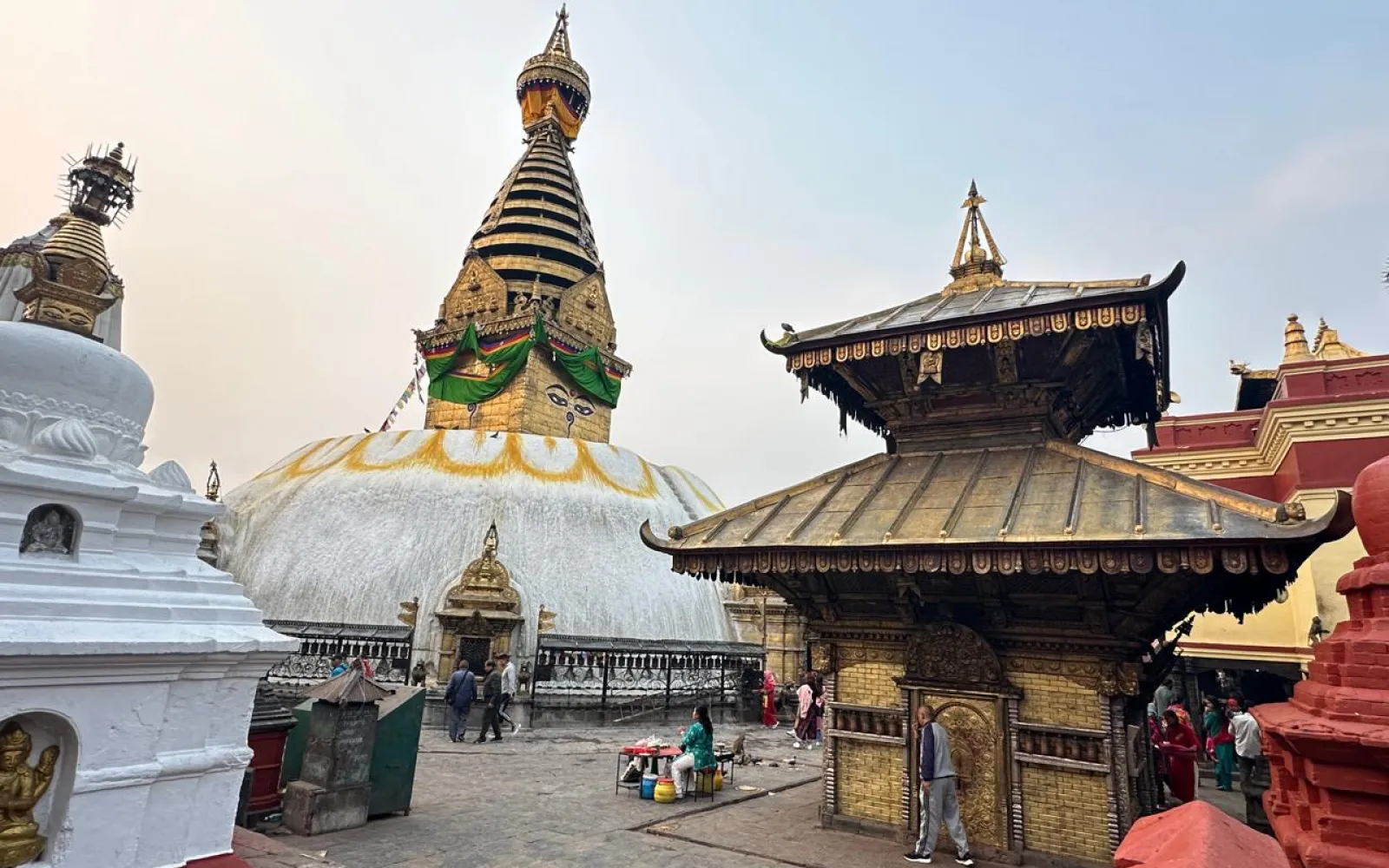
The Kathmandu UNESCO World Heritage Tour introduces the cultural monuments of Kathmandu Valley World Heritage property. Notably, Kathmandu city per se does not comprise the whole property as the latter extends to the whole Kathmandu Valley with seven World Heritage Sites ( Swyombhunath, Kathmandu Durbar Square, Patan, Bhaktapur, Pashupatinath, Bouddhanath and Changu Narayan).
Actually, the Kathmandu Valley property was inscribed in the World Heritage List by UNESCO in 1979. This place represents the valley's historic legacy, including its architectural achievements, religious traditions, artistic expressions, and Newar craftsmanship.
The Seven UNESCO Monument Zones
UNESCO Monument Zone | Main Heritage
Kathmandu Durbar Square |Palaces, temples, courtyards and traditional architecture
Swayambhunath |Buddhist stupa and religious monuments
Boudhanath |Major Buddhist stupa and surrounding heritage
Pashupatinath |Important Hindu temple complex
Patan Durbar Square |Royal palace complex, temples and Newar art
Bhaktapur Durbar Square |Historic palace, temples and traditional urban heritage
Changu Narayan| Historic Hindu temple and traditional Newar settlement
Here, these seven Kathmandu Heritage sites broadly comprise the three historic Durbar Squares and four religious monuments ensembles.
Notably, this property represents the synthesis between Hinduism and Buddhism as well as the Newars' traditional architectural and artistic expressions.
Therefore, the Kathmandu UNESCO World Heritage tour is not limited to the monuments found in Kathmandu city proper. One may also include Patan, Bhaktapur, and Changu Narayan in the itineraries depending on the duration of the tour.
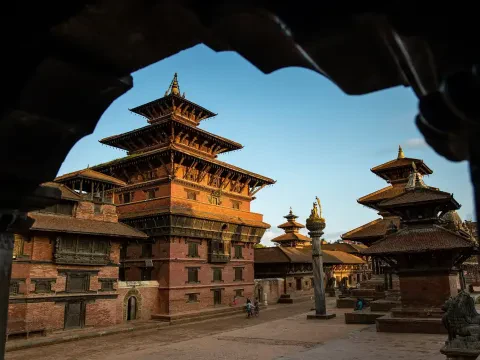
A Kathmandu UNESCO World Heritage Tour is an opportunity to learn about the history, religion, architecture, art, and cultures of the Kathmandu Valley in a single tour. Here, the seven (7) Monument Zones represent the valley's rich and diverse cultural achievements and history.
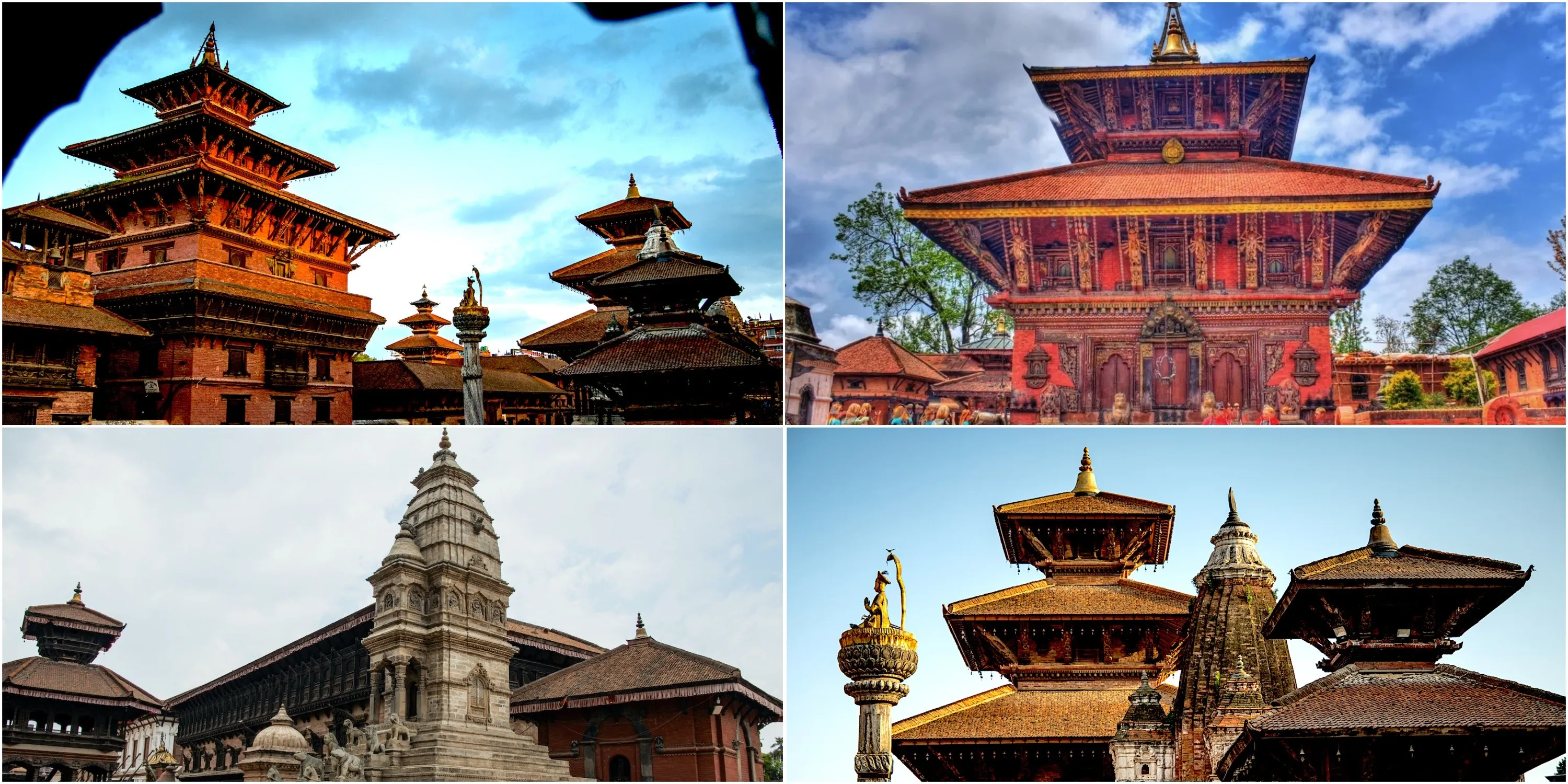
Meanwhile, the Kathmandu UNESCO World Heritage tour is a tour that showcases the unique Newar architectural and artistic traditions. Most of these monuments are constructed using intricately carved bricks, stone, wood, and bronze.
Besides, the buildings' compound, doors, and windows, including the temples and stupas, demonstrate the Newari's eye for art.
Second, the Kathmandu Valley is an example of the coexistence of Hinduism and Buddhism. The religious traditions have existed in the valley for centuries and are demonstrated by the temples, shrines, stupas, festivals, and ceremonies.
What Can You Experience?
Experience | What you can see
Newar architecture|Carved wood, brick buildings and traditional courtyards
Hindu heritage|Pashupatinath and other sacred temples
Buddhist heritage|Swayambhunath and Boudhanath
Royal history|Kathmandu, Patan and Bhaktapur Durbar Squares
Traditional art|Stone, metal, wood and bronze craftsmanship
Ancient urban culture|Historic streets, courtyards and settlements
Living heritage|Festivals, rituals, worship and local traditions
Valley history|Centuries of religious, artistic and architectural development
More importantly, UNESCO has recognized the Kathmandu Valley for its outstanding artistic and cultural achievements, especially the Newar people's traditional architectural and artistic expressions. Moreover, this cultural landscape is an example of the Hindu and Buddhist traditions' coexistence.
Likewise, the Kathmandu UNESCO World Heritage tour is a deeper experience than a regular sightseeing tour. This type of tour educates visitors about the significance of the monuments and their relevance to the community.
Even today, the Kathmandu Valley's royal courts, temples, and shrines are essential components of the community members' lives. The people practice their traditions and religious beliefs in these buildings and monuments.
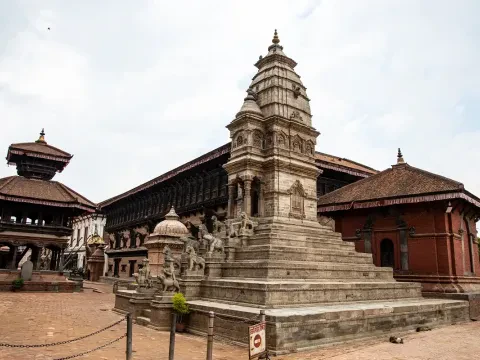
The Kathmandu Valley World Heritage Sites comprises seven Monument Zones scattered across Kathmandu, Lalitpur and Bhaktapur districts. These locations represent Kathmandu's historic cities, Hindu temples, Buddhist stupas, Newar architecture, craftsmanship, and living religious traditions.
1. Kathmandu Durbar Square
Kathmandu Durbar Square, also called Hanuman Dhoka Durbar Square, was the historic royal and ceremonial centre of old Kathmandu. The palace courtyards, temples, shrines, stone sculptures and decorated wooden buildings reflect the architectural traditions of the Kathmandu Valley.
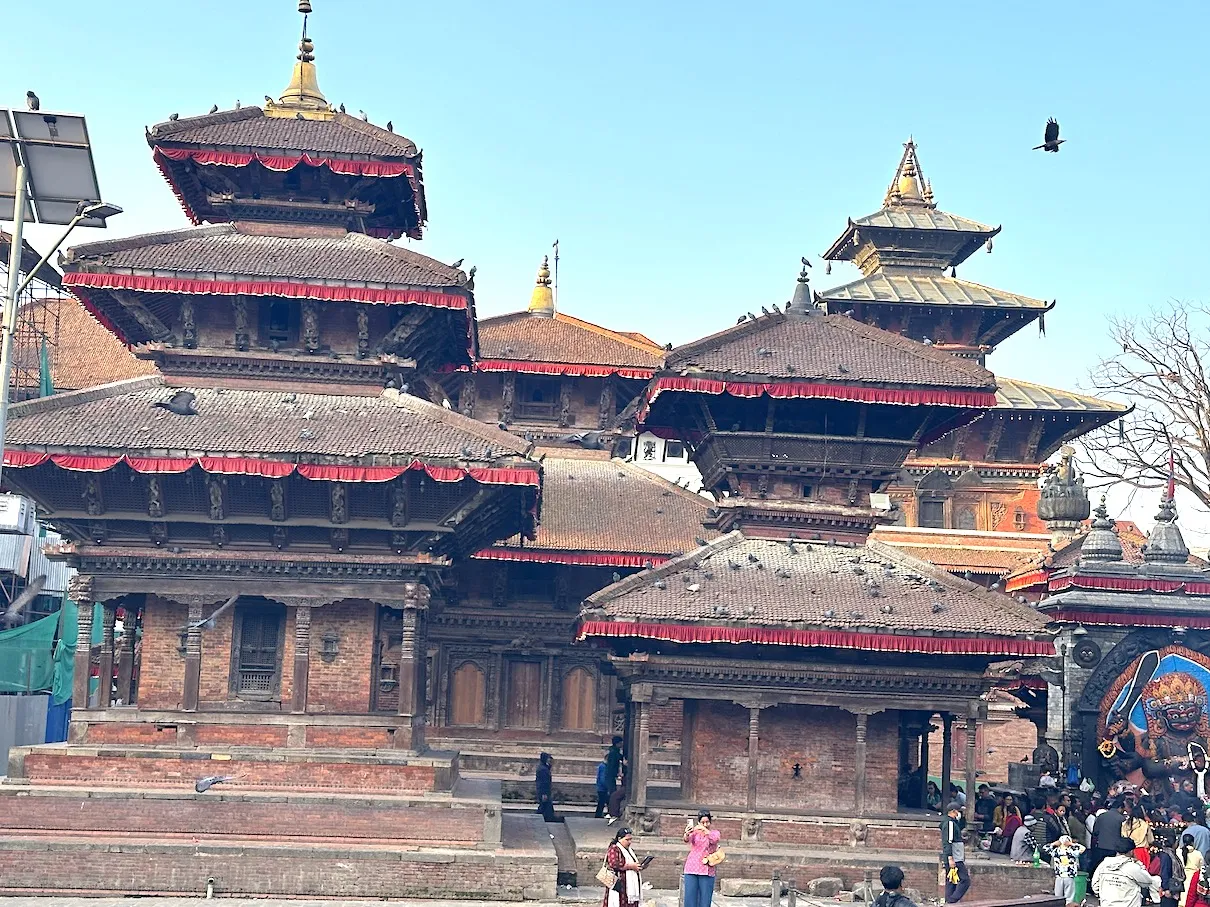
Here, visitors can admire the former royal palace complex, Taleju buildings, Kumari tradition, courtyards, temples, and intricate Newar woodwork. Allow around 1.5-2 hours for a complete visit.
2. Swayambhunath
Swayambhunath is one of the major Buddhist religious sites in the Kathmandu Valley, and forms one of the seven UNESCO Monument Zones. The hilltop complex consists of a large stupa, plus shrines, monasteries, prayer flags and other religious structures.
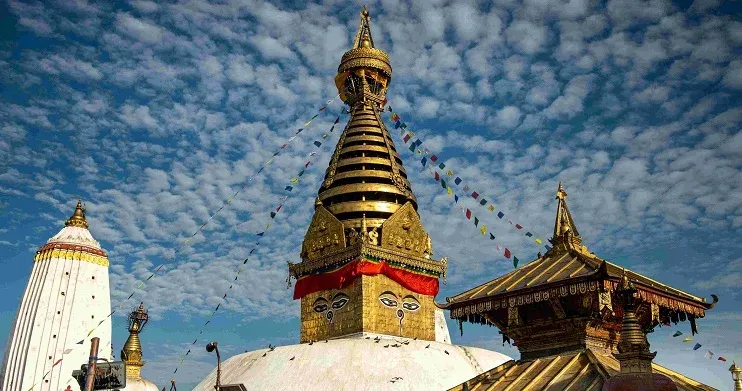
In larger scale, hundreds of cute monkeys jumping here and there, swimming in the ponds around make your visit to Swyombhunath Stupa more memorable.
The white dome and golden spire are iconic features of the Kathmandu Valley skyline, framed by the Buddha eyes, prayer wheels, and panoramic valley views from the viewing platform. Walking around the stupa, observing the Buddhist prayers, and exploring the shrines is a great experience within 1-1.5 hours.
3. Boudhanath
Boudhanath is one of Nepal's most important Buddhist pilgrimage centers, containing the largest stupa in Nepal. The UNESCO Monument Zone also includes the historical buildings and monastic environment surrounding the stupas.
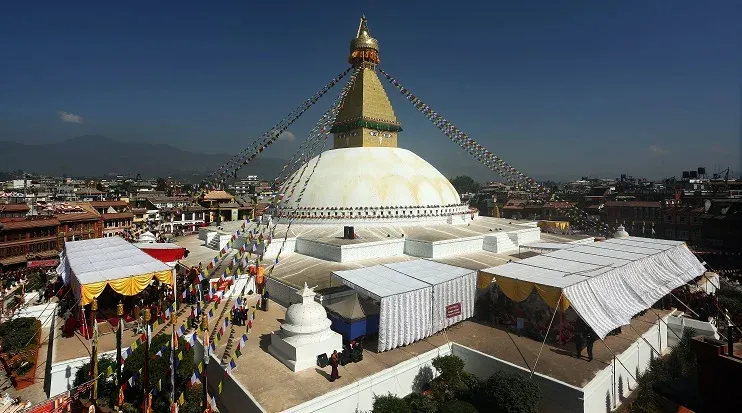
Importantly, walking clockwise around the stupa while turning prayer wheels allows visitors to observe monastic life, prayer practices, butter lamps, prayer flags, and traditional Nepalese architecture.
Exploring the courtyards and monasteries surrounding the stupas makes this a fascinating experience, within 1-1.5 hours.
4. Pashupatinath
Pashupatinath is a complex of Hindu temples situated on the banks of the Bagmati River, and represents one of the seven UNESCO Monument Zones. The broader precinct contains temples, shrines, religious structures, sacred spaces, cremation sites and traditional activities associated with Hindu worship.
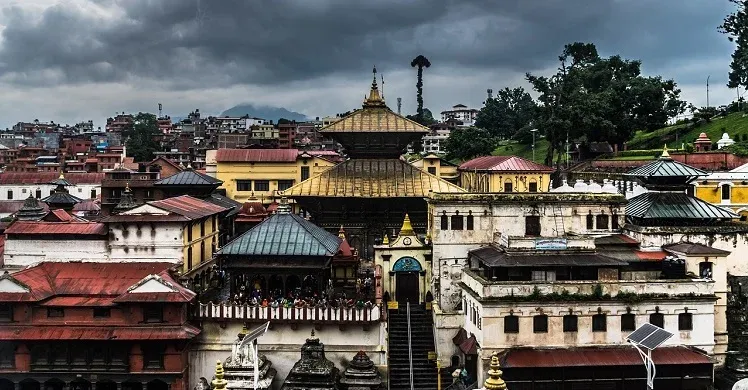
Importantly, Non-Hindus are not permitted inside the temple building but can explore permitted areas of the wider complex. Visitors can observe Hindu traditions such as temple architecture, sadhus (religious mystics), shrines, Bagmati River views and cremation rituals from designated areas, with 1.5-2 hours recommended.
5. Patan Durbar Square
Patan Durbar Square lies in the historic city of Lalitpur, which has been famous for its Newar artistic and architectural traditions. The UNESCO Monument Zone includes a former royal palace complex, temples, courtyards, stone and metal artwork, and traditional buildings of remarkable craftsmanship.
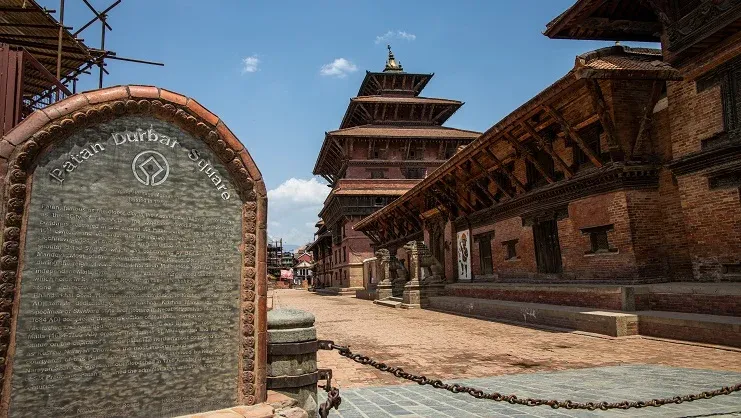
Here, visitors should see the Krishna Mandir, palace courtyards, temples, carved windows, and traditional metal and stone metalwork. Allow around 1.5-2 hours, especially if visiting Patan Museum is also planned.
6. Bhaktapur Durbar Square
Bhaktapur Durbar Square is the historic heart of Bhaktapur, renowned for its well-preserved Newar urban characteristics. The UNESCO Monument Zone contains palace buildings, temples, courtyards, traditional streets, and notable examples of brick, stone, timber, and metal craftsmanship.
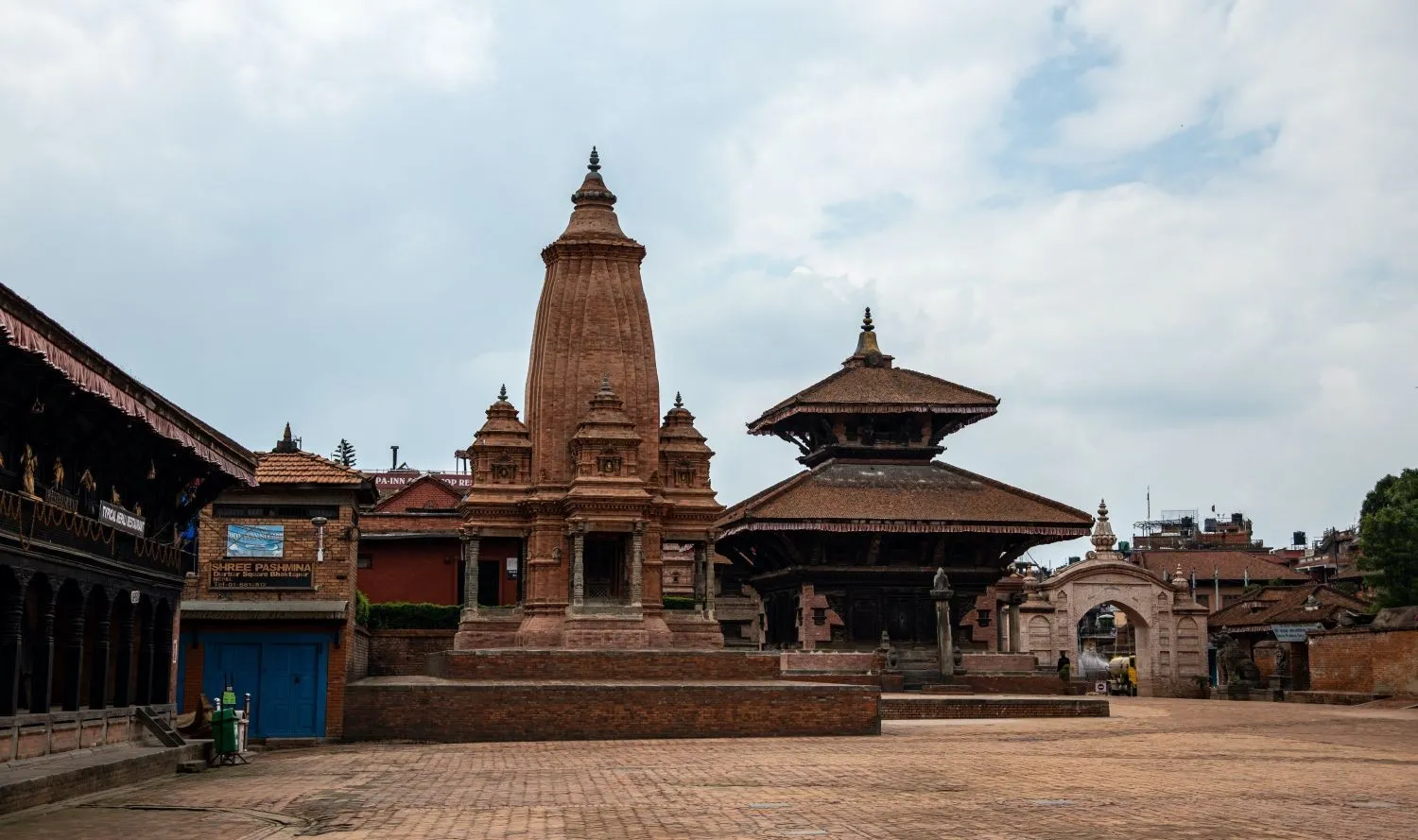
Mainly, the 55-Window Palace, Golden Gate, Nyatapola Temple, Vatsala Temple area, pottery traditions, and traditional Newar streets are major attractions. A longer visit of approximately 2-3 hours allows deeper exploration beyond the square area.
7. Changu Narayan
Changu Narayan is a historic Hindu temple complex located on a hill in the Kathmandu Valley. UNESCO notes that Changu Narayan represents a traditional Newar settlement and temple complex, including one of the valley's oldest inscriptions dating from the fifth century AD.
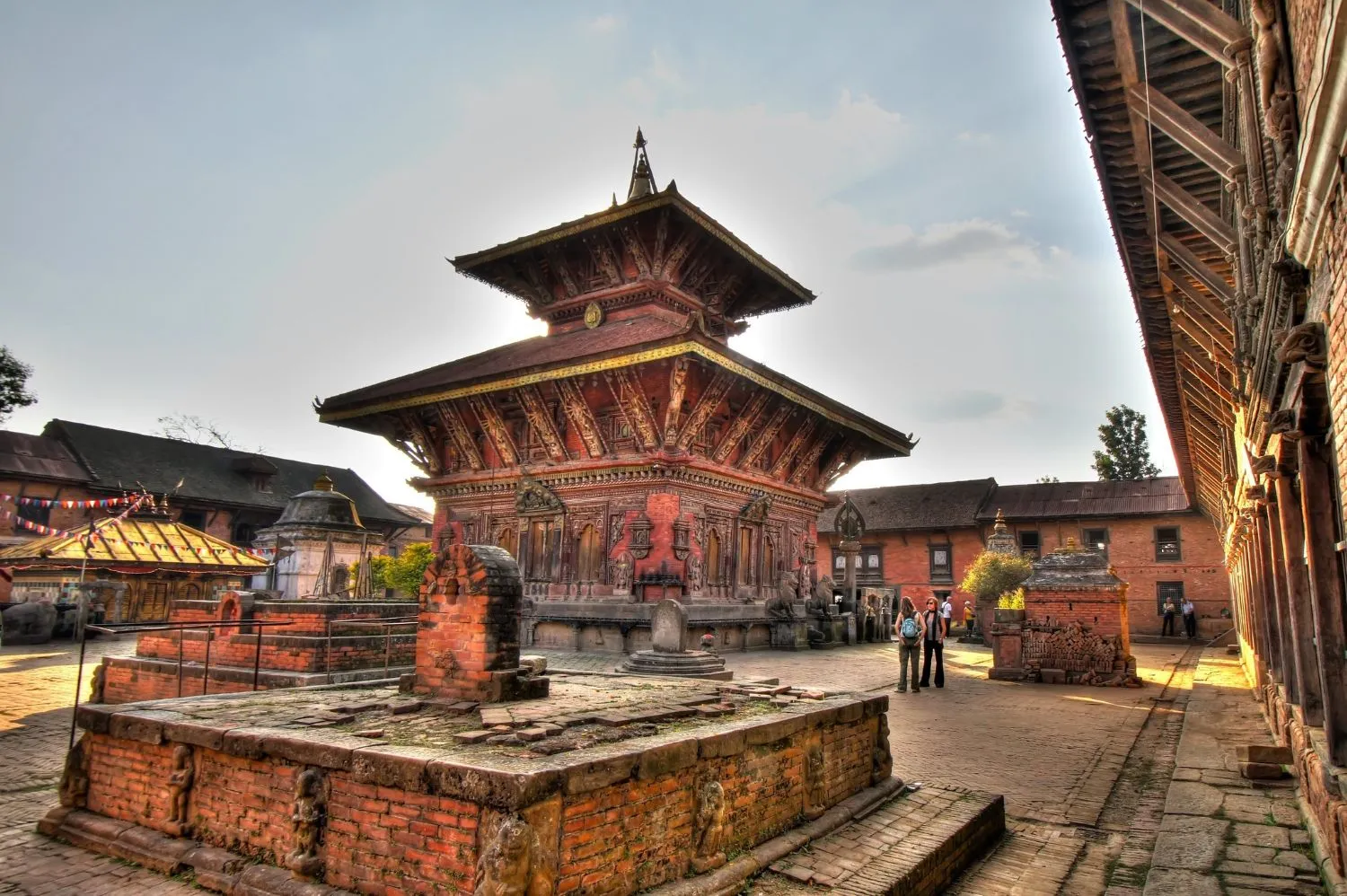
Meanwhile, the main temple is dedicated to Lord Vishnu in his Narayan form, featuring carved stone, wood, and metal details. Visitors can see the temple courtyard, sculptures, traditional village settlement, and valley views, within 1-1.5 hours.
Seven UNESCO Monument Zones at a Glance
| Monument Zone | Main Character | Approx. Visit |
| Kathmandu Durbar Square | Royal history and Newar architecture | 1.5-2 hrs |
| Swayambhunath | Buddhist stupa and hilltop views | 1-1.5 hrs |
| Boudhanath | Buddhist pilgrimage and monasteries | 1-1.5 hrs |
| Pashupatinath | Hindu temple complex and sacred Bagmati | 1.5-2 hrs |
| Patan Durbar Square | Palace, temples and Newar art | 1.5-2 hrs |
| Bhaktapur Durbar Square | Historic city and traditional architecture | 2-3 hrs |
| Changu Narayan | Ancient Hindu temple and Newar settlement | 1-1.5 hrs |
Note: These time frames are approximate and may be affected by traffic, entrance queues, festivals, photography, museums, and religious activities.
Thus, a complete tour of all seven zones is ,therefore, better planned as a full-day/multi-day heritage experience rather than attempting to see everything in one day.
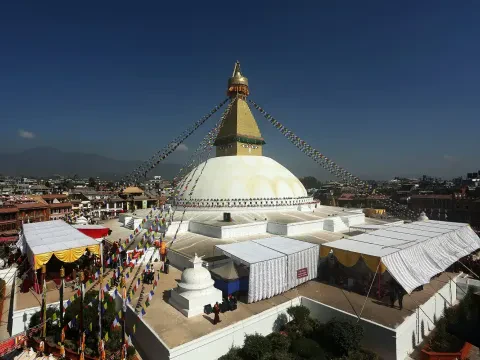
The three Kathmandu-area UNESCO Heritage Sites offer dramatically different experiences despite being part of the same Kathmandu Valley World Heritage property.
While Kathmandu Durbar Square focuses on royal history and Newar architecture, Swayambhunath and Boudhanath provide unique Buddhist cultural experiences.
Kathmandu Durbar Square
Walking through Kathmandu Durbar Square feels like exploring the heart of the old Kathmandu city, passing through palace courtyards, temples, shrines, carved wooden buildings, stone sculptures and narrow historic spaces.
Meanwhile, the Kumari tradition is one of the most unique experiences in this area, as this square is associated with the living Kumari (living goddess) tradition. Visitors should respect religious customs and not treat religious ceremonies as mere tourist attractions.
Swayambhunath
At Swayambhunath, the experience involves climbing towards the hilltop stupa complex, encountering prayer wheels, shrines, monasteries, prayer flags, and religious devotees. The famous Buddha eyes adorning the stupa gazes over the valley while the location's elevated position allows sweeping valley views.
Actually, Swayambhunath is also commonly referred to as Monkey Temple Kathmandu due to the large number of monkeys that inhabit the hill. Visitors should avoid feeding the monkeys, and keep food and valuables secured.
Boudhanath
At Boudhanath, the experience revolves around the enormous white stupa and the circular pilgrimage rituals performed around it. Visitors can walk clockwise around the stupa, turn prayer wheels, and observe monks, devotees, monasteries and traditional Nepali architecture.
The atmosphere is particularly special in the mornings and evenings when Buddhist prayer practices can be seen. Unlike a palace square, Boudhanath feels like a living example of a religious pilgrimage site that has been incorporated into everyday urban life with shops, cafés, monasteries and local residents.
What Should You Notice During the Visit?
| Place | What Visitors Mainly Experience |
| Kathmandu Durbar Square | Palaces, temples, courtyards and Kumari tradition |
| Swayambhunath | Stupa, prayer wheels, monkeys and valley views |
| Boudhanath | Buddhist prayers, monasteries and stupa circumambulation |
| All Three | Newar craftsmanship, religious traditions and living heritage |
Together, these three sites represent the deep intertwining of Hindu and Buddhist traditions in the Kathmandu Valley. Their architectural features, rituals, courtyards, sculptures, prayer practices and surrounding communities create a more meaningful heritage tour than simple sightseeing would achieve.
Each of the four eastern and southern monument zones of Kathmandu Valley has its own story to tell. Different religious traditions, architectural styles, history and local cultures make for an interesting mix of experiences.
Pashupatinath
Being one of Nepal's premier Hindu religious sites, Pashupatinath is located right alongside the sacred Bagmati River. The large temple complex includes temples, shrines, idols, ashrams and other religious structures.
Here, the main pagoda-style temple is dedicated to Lord Shiva, and only Hindus can enter the main temple. Other faiths can view the religious rituals, ceremonies, temples, sadhus and traditional cremation rituals from designated vantage points.
Patan Durbar Square
Patan Durbar Square takes its place in the UNESCO World Heritage property as an outstanding example of Newar culture and artisanship. The palace courtyards, temples, stone sculptures, wood carving, metalwork and other traditional crafts reflect the Newari people's mastery.
Meanwhile, some must-sees in Patan Durbar Square include the Krishna Mandir, Bhimsen Temple, Vishwanath Temple and palace courtyards. The Patan Museum is also a good stop to explore the traditional Nepalese art collection and learn more about Nepali history and culture.
Bhaktapur Durbar Square
The Bhaktapur Durbar Square has been well-preserved as a sample of one of the ancient Newar cities in the Kathmandu Valley. Traditional brick buildings, temples, palace courtyards, carved wooden windows, stone sculptures and urban street patterns add to Bhaktapur's charm as a living museum.
Meanwhile, noteworthy attractions in Bhaktapur Durbar Square include 55-Window Palace, Golden Gate, Nyatapola Temple and the traditional streets surrounding the square.
In addition to Bhaktapur's medieval-style streets and temples, one can also get familiar with traditional pottery, handicrafts and other local specialities to gain a holistic view of the town.
Changu Narayan
Changu Narayan is a hilltop temple in the northern part of Kathmandu Valley dedicated to Lord Vishnu in his Narayan avatar. Changu Narayan is famous for its ancient inscriptions, sculptures and traditional Newari architectural details.
Meanwhile, the location of Changu Narayan offers a change from the bustling streets of Kathmandu, Patan and Bhaktapur. Travelers can enjoy exploring the temple courtyard, stone and metal sculptures and traditional Newari village before taking in the views of the valley below.
Most importantly, you can see Nagarkot, a popular hilltop for mountains and sunrise, from Changunarayan. It is only half an hour drive to Nagarkot from Changunaryan.
Quick Comparison
Monument Zone| Pashupatinath| Patan Durbar Square |Bhaktapur Durbar Square| Changu Narayan
Main Significance | Hindu religious heritage | Newar art and architecture | Historic urban heritage| Ancient Hindu temple heritage
Main Experience | Temples, shrines, Bagmati River and rituals | Palace courtyards, temples and craftsmanship |Medieval-style streets, temples and palace | Temples, sculptures and hilltop setting
Taken together, Pashupatinath, Patan, Bhaktapur and Changu Narayan represent Kathmandu Valley's rich and diverse collection of religious traditions, Hindu and Newari cultural influences, and ancient architectural styles.
The suggested duration of a Kathmandu UNESCO World Heritage Tour depends on how many monument zones one wishes to see and how much time one is willing to spend at the sights.
Here, given the scattered locations of the seven UNESCO Monument Zones in Kathmandu Valley, traffic conditions are a major factor that determines how much time should be spent travelling between sights and how much time is left for exploring.
1-Day Kathmandu UNESCO Tour
Travelers on a tight schedule could still manage a 1-day Kathmandu UNESCO tour, although visiting all seven sites would be quite rushed and only useful for general sightseeing. A more practical option for a Kathmandu sightseeing 1-day itinerary would be to visit four major heritage areas.
Meanwhile, one possible 1-day Kathmandu UNESCO touring route would be Swayambhunath → Kathmandu Durbar Square → Pashupatinath → Boudhanath.
Here, this allows one to get a feel of the differences between Buddhist and Hindu cultures, examine the architectural variety, and experience the local atmosphere of Kathmandu Valley.
Duration | Suggested | Coverage Experience
1 day | 4 major sites (Swayambhunath → Kathmandu Durbar Square → Pashupatinath → Boudhanath | Compact and rushed, but practical
2-Day Kathmandu UNESCO Tour
Two days in Kathmandu would give a more relaxed pace to the UNESCO touring and allow more time for in-depth exploration of the seven Monument Zones. Travelers could group the seven UNESCO sites by their location and minimize travel time between attractions.
Let’s manage like this:
Day 1 | Day 2
Swayambhunath | Patan Durbar Square
Kathmandu Durbar Square | Bhaktapur Durbar Square
Pashupatinath | Changu Narayan
Boudhanath|……………
In conclusion, such a 2-day Kathmandu UNESCO touring itinerary would allow sufficient leeway for getting good photos, observing the rituals, visiting museums, examining the palace courtyards and streets, and enjoying the local culture.
3-Day Kathmandu Heritage Tour
Three days in Kathmandu is long enough to explore the seven UNESCO Monument Zones beyond the main attractions. Travelers could also get to know the local customs, lifestyles, food, handicrafts, courtyards, monasteries and other cultural experiences in Kathmandu Valley.
Let’s plan like this:
Duration | Suggested Experience
1 day | Four major UNESCO Monument Zones
2 days | All seven Monument Zones at a comfortable pace
3 days | Seven zones plus museums, neighbourhoods, food and cultural experiences
In fact, distance and traffic being major concerns in Kathmandu, a practical touring itinerary leaves enough buffer time for transportation between monuments.
Here, it is especially important to keep in mind that Kathmandu Durbar Square, Swayambhunath, Pashupatinath, Boudhanath, Patan, Bhaktapur and Changu Narayan are not located in close proximity to each other.
In conclusion, two days in Kathmandu are enough for those who are primarily interested in the monuments. For those who wish to have a more in-depth cultural experience, three days in Kathmandu would be a good option.
The Kathmandu UNESCO World Heritage Tour cost depends mostly on how many sites are visited, the transport, guide service, and the group size.
For 1 day tour covering 4 major UNESCO Heritage sites, a realistic tour price is around USD 15–55 per person, while a 2-day tour covering all 7 zones could cost around USD 25–140 per person depending on the group size.
Here, the tour price includes private vehicle and tourist guide, while entrance fees, meals, tips, and personal expenses are extra. Accommodation, airport transfer, and international or domestic flight are also excluded, unless added to the package.
Kathmandu UNESCO Tour Cost at a Glance
|Tour option|Coverage|Included| Approx. Price
1-day tour | 4 major UNESCO zones|Private vehicle + tourist guide| USD 15–55
2-day tour | All 7 UNESCO zones|Private vehicle + tourist guide| USD 25–140
Hotel|Not included| Can be arranged separately|Extra
Meals|Not included|Available on request|Extra
Airport transfer|Not included|Can be added|Extra
Entrance fees|Not included|Paid at individual sites|Extra
Tips|Not included|At visitor's discretion|Extra
Personal expenses|Not included|Shopping, drinks, etc.|Extra
What are the Entrance Fees for the 7 UNESCO Monument Zones?
Foreign visitor fees, according to the current Nepal Tourism Board listing, are as follows. The fees are paid individually at the entrance of each Heritage site.
|UNESCO Monument Zone|Foreign Visitor Fee
Kathmandu Durbar Square | NPR 1,000
Swayambhunath Stupa | NPR 200
Boudhanath Stupa | NPR 400
Pashupatinath Temple | NPR 1,000
Patan Durbar Square | NPR 1,000
Bhaktapur Durbar Square | NPR 1,800
Changu Narayan | NPR 300
Total | NPR 5,700
In conclusion, the current entry for Bhaktapur that the Nepal Tourism Board lists as NPR 1,800, whereas recent sources list a different amount, and it is wise to double-check the current ticket price at the counter before budgeting.
What Is Included in the Tour Price?
The tour price mentioned in advertisements will include private tourist transportation and tourist guide. The private vehicle allows greater flexibility when going from one monument zone to another, and the guide will be able to give historical, architectural, religious, and cultural insights.
Here, optional services can also be added to the tour, as per the traveler's requirements, but they need to be explicitly included in the quotation before making any bookings Hotel accommodation, meals, airport transfer, entrance fees, tips, and personal expenses must be kept as separate items, to ensure complete payment transparency.
Group vs. Private Tour
|Tour Type|Cost Structure|Suitable For
Private tour|Higher total cost, flexible per-person cost|Couples, families and small groups
Small group|Shared vehicle and guide cost|Friends and budget travelers
Larger group|Lower cost per person|Groups and organizations
Custom tour|Price depends on services|Travelers wanting specific sites or experiences
Importantly, private tours will have greater control over the departure time, length of sightseeing, meal breaks, and the order in which the heritage sites are seen. Group tours will reduce the price per person, but the sightseeing itinerary will usually be fixed.
To ensure a transparent Kathmandu Sightseeing Tour cost, it is always better to ask whether the quoted price includes transportation, guide service, entrance ticket, meals, hotels, airport transfer, and taxes.
Thus, this helps avoid a potentially quoted low price, which could turn into a far greater final budget, due to additional cost items.
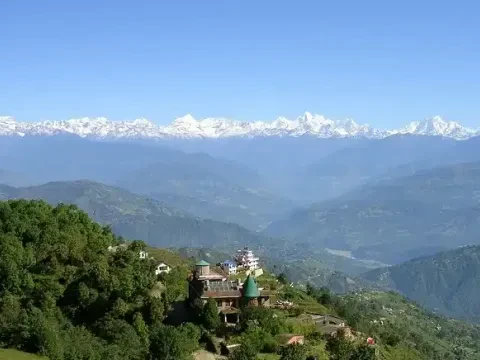
The Kathmandu UNESCO World Heritage Tour can be done year-round, as the valley has a moderate climate. However, the spring ( Mar-May) and autumn (Sept-Nov) seasons usually see the most comfortable sightseeing conditions, whereas monsoon brings more rain, and winter has cooler mornings and evenings.
Spring - March to May
Spring will usually have comfortable daytime temperatures and increasing visibility. Blooming flowers, clear mornings, and warm weather make this a nice season for walking around the temples, courtyards, and streets of the valley.
However, the crowds will grow as the popular travel seasons start, but the weather should be generally good for photography. There are also local festivals like Holi, Chhat and Maha Shivaratri that could add to the experience of a heritage visit.
Summer and Monsoon - June to September
The monsoon season means more rain, overcast skies, and wet roads in the Kathmandu Valley. Nepal receives around 80% of its annual rainfall in the June–September monsoon period.
Relatively consistent access to the heritage sites is possible, but the rains make walking and photography challenging. An umbrella or rain jacket will be needed, and the road travel time should also be considered as it can slow down considerably between rainy periods.
Autumn - September to November
Autumn usually has clear skies after the monsoon season, with comfortable sightseeing conditions. The months of October and November are especially good for photography, as the visibility is often excellent, and the daytime temperatures are just right.
Moreover, this is also a popular tourist season, and the popular sites can get busy during the day. Festivals like Indra Jatra, Dashain, and Tihar can also add to the cultural experience, although the dates and local access conditions vary from year to year.
Winter - December to February
The winter season brings cool mornings and evenings, with generally sunny daytime conditions. Nepal Tourism Board gives Kathmandu winter temperatures of roughly 3°C to 19°C, for the December–February period, in its climate statistics.
However, photography conditions can be good on many days, but warm clothes will be needed for early morning monument visits. There can also be fewer visitors, compared to the peak autumn tourist season.
Kathmandu Tour Seasons at a Glance
|Season|Weather|Visibility|Crowds|Photography
Spring|Mild and increasingly warm|Generally good|Moderate|Good
Monsoon|Wet and humid|Often cloudy|Lower|More difficult
Autumn|Mild and generally dry|Often very good|High|Excellent
Winter|Cool and dry|Often good|Lower–moderate|Good
In summary, festival periods can make a cultural tour of Nepal more interesting, with temples, courtyards, and squares filled with rituals, processions, music, and traditional celebrations.
Some areas can also get crowded or have restricted access during such times of the year, so the actual event calendar would be a good idea to check before finalizing a fixed itinerary.
Kathmandu's UNESCO heritage sites are not typical tourist attractions, because many are active temples, pilgrimage centres, monasteries, courtyards, community hubs. Thus, visitors are therefore expected to follow local customs and treat worshippers, religious artefacts, buildings and ceremonies with respect.
Dress Respectfully
Cover your shoulders and knees when visiting temples, stupas, monasteries and other religious places.
Remove Shoes When Required
Before entering temples or other places where it is required. Nepal Tourism Board recommends removing shoes before entering temples and respecting local practices.
Check Photography Rules
Ask permission before photographing worshippers, monks, sadhus or local people, as not everyone wants to be photographed.
Meanwhile, Pashupatinath has special restrictions, because photography is prohibited inside the main temple complex and the main temple is restricted to Hindus. Non-Hindu visitors can look onto the complex from permitted areas across the Bagmati River.
Respect Temple Access Restrictions
Do not enter areas marked as restricted, even if other visitors appear to be entering. Some Hindu temples do not admit non-Hindus and certain shrines, courtyards and ritual areas may have restrictions.
Respect Worshippers and Religious Activities
Keep a respectful distance from people praying, performing rituals, lighting lamps or making offerings. Avoid conversation, touching religious objects or interrupting ceremonies for photographs.
Be Careful Around Monkeys and Dogs
Monkeys are common in places like Swayambhunath, Pashupatinath and community or stray dogs may be around heritage areas. Do not feed, tease, chase or approach animals closely. Keep food and bag zipped securely.
Follow Local Customs
Walk clockwise when circumambulating temples and stupas. Nepal Tourism Board also recommends not to point your feet towards people or religious objects and to use the right hand when giving or receiving objects.
Consider a Licensed Tourist Guide
A good guide will be able to tell more about the history, architecture and religious significance of each site. A guide can also show you where photography is allowed and where there are access restrictions.
Expect Walking and Uneven Surfaces
Heritage areas include stone paviours, steps, courtyards, narrow streets and uneven surfaces. Comfortable walking shoes are therefore recommended (although shoes may need to be removed at religious sites).
Allow Extra Travel Time
The seven World Heritage Sites in Kathmandu are scattered across the Kathmandu Valley. Traffic can be unpredictable so allow extra time in your schedule, rather than back-to-back monument visits.
Keep Entrance Tickets
Carry your entrance tickets after purchase and follow instructions at each monument zone. Entrance fees can vary between sites and some museums or additional attractions may have fees.
Help Preserve the Heritage
Do not climb monuments, touch carvings, write on walls, remove objects, leave rubbish or enter restricted areas. UNESCO values preserving the authenticity and integrity of the Kathmandu Valley's historic buildings, urban fabric and living heritage.
Practice Responsible Tourism
Spend money with local guides, artisans, cafés and museums and community businesses where possible. Respect local religious practices, minimise plastic waste and avoid damaging historic structures or forgetting that these are still places of community significance.
Quick Heritage Etiquette Checklist
Dress modestly
Remove shoes where required
Ask before photographing people or ceremonies.
Follow temple access rules
Do not touch religious objects without permission.
Walk clockwise around temples and stupas where customary.
Do not climb or sit on monuments.
Keep distance from monkeys and dogs.
Keep the sites clean.
Follow signs and guide instructions.
Allow extra time for Kathmandu traffic.
Respect worshippers and local communities.
In summary, these simple tips make the Kathmandu UNESCO travel experience more respectful and meaningful, rather than simply treating the site as a historical curiosity.
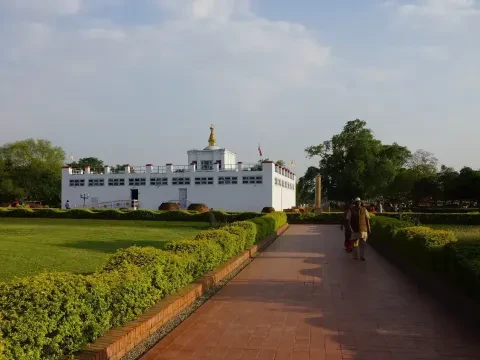
A Kathmandu UNESCO World Heritage Tour combines history, architecture, religion, art, culture and local life within a compact area. Here, the seven Monument Zones represent the outstanding artistic and architectural traditions that developed in the Kathmandu Valley over many centuries.
Discover Nepal's History
The historic palace squares, temples, stupas and traditional settlements show different periods of the valley's development. Kathmandu, Patan and Bhaktapur also show how historic Newar urban centres developed with palaces, courtyards, temples and public spaces.
See Newar Architecture and Art
The valley is famed for its intricate brick, stone, timber and bronze work in temples, stupas, pagodas, palaces, windows, doors and roof struts. UNESCO acknowledges the exceptional traditional Newar craftsmanship.
Experience Hindu and Buddhist Traditions
Pashupatinath, Changu Narayan, Swayambhunath and Boudhanath show the enduring Hindu and Buddhist traditions of the valley. Religious practices continue around these monuments rather than being purely historical.
Understand Local Culture
Festivals, rituals, traditional foods, markets, neighbourhoods, handicrafts and religious ceremonies, link the monuments to contemporary Nepali life. The UNESCO property itself recognises the continuing importance of living traditions associated with the monument zones.
Why It Works Before or After a Trek
The tour is ideal before a trekking in Nepal because it provides an introduction to Nepal's religion, architecture, history, food and local customs before heading into the mountains.
Meanwhile, travelers do Kathmandu World Heritage Sites Tour before Everest Base Camp Trek, Annapurna Base Camp Trek and Manaslu Circuit Trek as it can prepare them very well before the treks begins formally.
After a trek it provides a slower cultural experience where travelers can explore museums, temples, courtyards, markets and traditional neighborhoods.
| What You Discover | Examples |
| History | Royal cities, palaces and ancient temples |
| Architecture | Pagodas, stupas, courtyards and carved buildings |
| Religion | Hindu and Buddhist pilgrimage traditions |
| Art | Wood, stone, metal and bronze craftsmanship |
| Culture | Newar traditions, festivals and rituals |
| Local life | Markets, neighbourhoods and traditional communities |
| UNESCO heritage | Seven Monument Zones within one World Heritage property |
In summary, the Kathmandu Valley is unique because Hindu and Buddhist traditions developed and interacted here alongside Newar cultural traditions, producing a distinctive architectural and artistic heritage.
Therefore, a Kathmandu heritage tour goes beyond monuments. It is about understanding how history, religion, architecture, art, Newar traditions and everyday life continue to shape Nepal's cultural identity.
How Many UNESCO Sites Are There in Kathmandu Valley?
There are seven UNESCO World Heritage Sites in Kathmandu Valley, although they are collectively included under one property - Kathmandu Valley. The seven monument zones are distributed among Kathmandu, Lalitpur, and Bhaktapur districts, with four of them located within Kathmandu Metropolitan City.
What Is Included in Kathmandu UNESCO World Heritage Tour?
A Kathmandu UNESCO World Heritage Tour can include all seven monument zones: Kathmandu Durbar Square, Swayambhunath, Boudhanath, Pashupatinath, Patan Durbar Square, Bhaktapur Durbar Square, and Changu Narayan.
In addition, a tour usually comprises a private vehicle, sightseeing guide, monuments entrance fee where applicable, visiting temples, courtyards, stupas, museums, and local traditional neighborhoods.
How Many Days Does It Take to See Kathmandu UNESCO Heritage Sites?
To see all seven Kathmandu UNESCO Sites, it takes around 2-3 days. The seven monument zones are scattered throughout the valley, so a day tour is possible with a change of many vehicles for the comfort of the traveler. Two or three days in Kathmandu allow for a relaxed exploration of its ancient temples, religious places, local streets, museums, and traditions.
What Is the Cost of Kathmandu UNESCO World Heritage Tour?
Kathmandu UNESCO World Heritage Tour cost depends on the touring days, group size, transport, guide, and monument entrance fees. A private one-day tour for one person costs around USD 50-100, excluding daily expenses, while multi-day tours are more expensive like USD 140. Monument entrance fees also vary depending on nationality and age.
When Is the Best Time to Visit Kathmandu Heritage Sites?
The best time to visit Kathmandu heritage sites is from September to November and March to May when the weather is fine enough for exploring ancient fortresses and monuments. It is worth noting that morning visits are the best option as temperatures rise significantly during the afternoon, especially on public holidays when most monuments are crowded.
What Is the Appropriate Attire while Visiting Temples in Kathmandu?
Appropriate attires while visiting temples in Kathmandu include dressing modestly and covering shoulders and knees as a sign of respect for religious beliefs. Comfortable walking shoes are essential because many monuments require walking, while some temples welcome visitors in bare feet, but others, including Pashupatinath, have specific restrictions and are reserved for Hindus only.
Can I Explore All Seven Kathmandu UNESCO Sites in One Day?
Yes, one can explore all seven Kathmandu UNESCO sites in one day, but the touring program would be fully packed, which might be tiring. This option is available with hired vehicles or motorcycles due to the scattered location of these heritage sites. However, it is better to spend two days in Kathmandu and enjoy a slow tour of ancient temples, museums, and local markets.
What Are the Most Significant Heritage Sites in Kathmandu Valley?
The most significant heritage sites in Kathmandu Valley are the seven monument zones that comprise this UNESCO World Heritage listing.
Each of these sites has significant cultural and historical relevance, including ancient palaces, temples, and stupas built from wood, brick, and metal. Some of the Kathmandu’s most notable World Heritage Sites are Kathmandu Durbar Square, Swayambhunath, Boudhanath, Pashupatinath, Patan Durbar Square, Bhaktapur Durbar Square, and Changu Narayan.
Why Is Kathmandu Valley Listed as a UNESCO World Heritage Site?
Kathmandu Valley is a UNESCO World Heritage Site because of its seven monument zones recognized for their “outstanding examples of the traditional civilizations and cultures of Nepal’s Kathmandu Valley, especially the Hindu and Buddhist traditions, and the Newar people’s unique architectural and artistic traditions.”
The Kathmandu UNESCO World Heritage Site includes seven monument zones in the Kathmandu Valley: Kathmandu Durbar Square, Patan Durbar Square, Bhaktapur Durbar Square, Swayambhunath, Boudhanath, Pashupatinath, and Changu Narayan. These sites showcase the region’s historic palaces, temples, stupas, traditional settlements, and unique Hindu-Buddhist cultural traditions.
Our travel experts are ready to assist you with any questions.
Send us a message.Have a question before you book? Send your enquiry below and our travel experts will get back with the required information.