To begin with, Everest Base Camp(EBC) Trek is the most popular high-altitude trek in Nepal. It leads a person to the base of Mount Everest (8,848.86m). The final destination, Everest Base Camp, lies at an altitude of 5,364 meters.
Actually, the Everest Base Camp hike starts with a short flight from Kathmandu to Lukla (2,860m). And then the hikers hike from there through villages and valleys. Phakding (2,610m), Namche Bazaar (3,440m), and Tengboche (3,860m) are in between.
Likewise, hikers pass through Dingboche (4,410m), Lobuche (4,910m), and Gorakshep (5,164m) during EBC trek. They hike from Gorakshep to Everest Base Camp and Kalapatthar (5,545m). Kalapatthar gives the best sunrise view of Everest.
Apart from this, the Everest Base Camp trek is entirely based within Sagarmatha National Park, a World Heritage Site. There are rare species like musk deer, Himalayan tahr, and snow leopards in the national park. Pine, fir, and rhododendron forests border the Everest Base Camp trail.
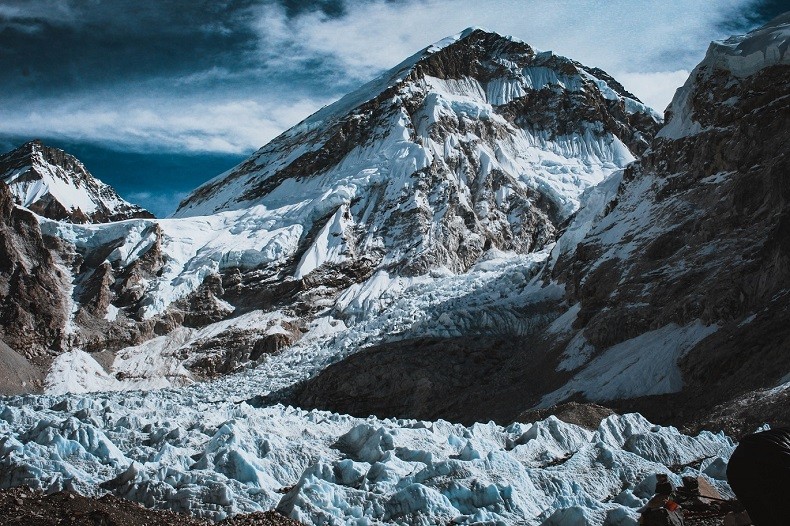
Likewise, Sherpa culture is another major aspect of Everest Base Camp Trek. Monasteries like Tengboche add spiritual significance. Prayer flags, chortens, and mani walls are found on the trail. Trekkers relish warm hospitality in tea houses.
Mostly, the Everest trek lasts between 12 to 14 days. There are two acclimatization rest days at Namche and Dingboche. These are performed to prevent altitude sickness and enable your body to acclimatize.
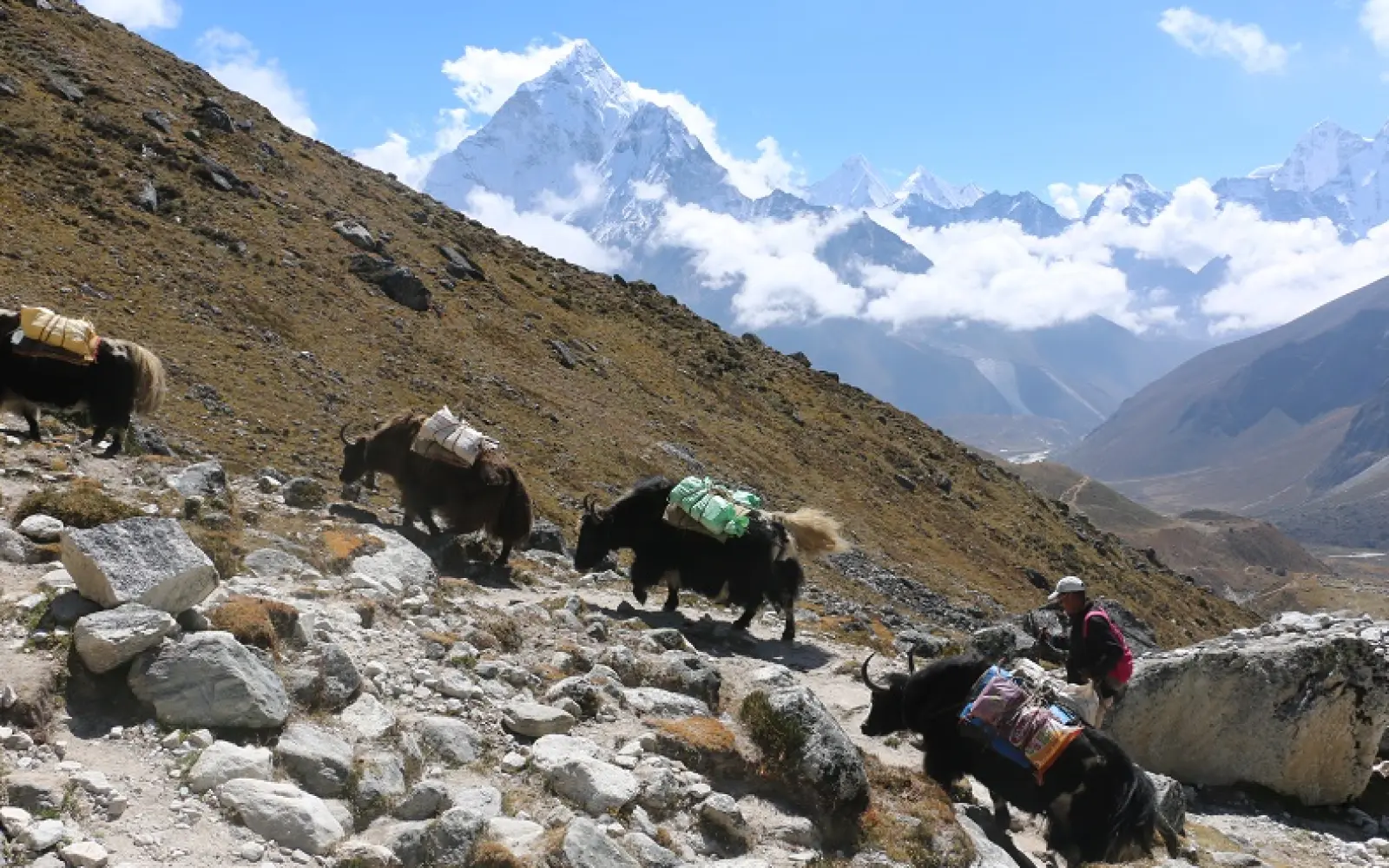
In fact, the Everest Base Camp trek is of moderate difficulty. Hikers walk 5–7 hours a day. The trail is made up of stone steps, forest paths, and glacial moraines. The breathtaking views of peaks like Ama Dablam (6,812m), Lhotse (8,516m), and Thamserku (6,608m) pay every ounce of hard labor.
In short, Everest Base Camp Trek offers nature, culture, adventure and stunning mountain scenery. It is a once-in-a-lifetime experience in the Himalayas.
October is the best time to trek to Everest Base Camp. The weather during Everest Base Camp Trek in October is very clear and stable. October follows directly after the rainy season ends. Therefore, trails are dry and straightforward to walk. Skies are mostly blue and cloudless. This offers great visibility of Mount Everest (8,848.86m) and nearby peaks. The weather is warm for the days, which makes walking very comfortable. Nights are cold but manageable with appropriate clothing.
Moreover, October is also the time of two grand Nepali festivals — Dashain and Tihar. These festivals paint and bring happiness to the villages along the trail. Trekkers can participate in dances, music, and celebrations. Tea houses and lodges are running at full capacity in October. This means that you will have good food, good beds, and charging facilities everywhere. The trail is filled with other trekkers from around the world. This creates a lively atmosphere for socialization and sharing experiences.
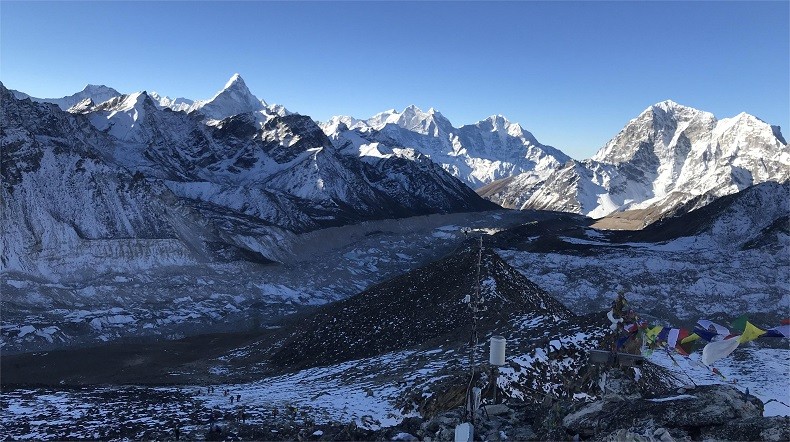
Since October is characterized by pleasant weather with clear skies and comfortable temperatures, October is typically called the best trekking month for Everest Base Camp. A majority of trekking companies offer special trekking packages for this season. The post-monsoon freshness abounds in the forests with the display of vibrant colors. The rhododendrons and pines look vibrant after the rains. You will be treated to snow-capped peaks shining under sunlight each day. But the nights are chilly, sometimes below zero at the higher elevations of Dingboche (4,410m) and Gorakshep (5,164m).
In short, EBC trek in October offers perfect weather, breathtaking scenery, and plenty of cultural encounters for Everest Base Camp trekkers. It is the best time to plan your Himalayan tour.
The following are the major highlights of Everest Base Camp Trek in October:

People planning their Everest Base Camp Trek find October as the best time of the year for Everest Base Camp Trek. But, they don’t really understand why October is best. Here are the major points that they are trying to prove why October is the best time for Everest Base Camp Trek.
Scenic Memories to Last a Lifetime: The union of clean air, multicolored scenery, and clear skies provides lifelong memories. Sunrise at Kalapatthar (5,545m) and views of Everest base camp (5,364m) are most glorious in October.
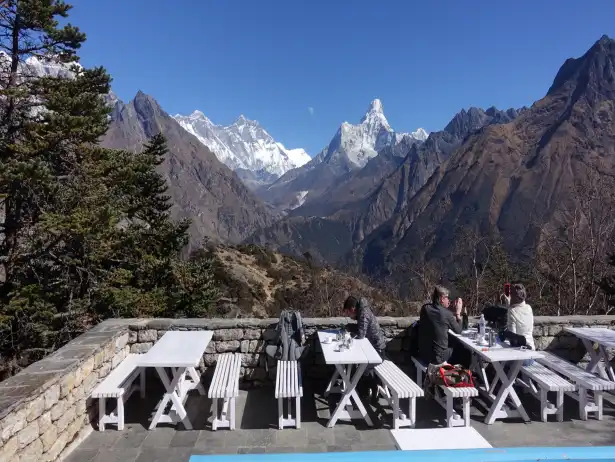
October is the ideal time to hike Everest Base Camp due to its excellent weather. After the monsoon rains, the cloud clears away and remains mostly cloud-free. That is equivalent to pure sunshine and fresh air during the day. Actually, visibility is unparalleled, with Mount Everest (8,848.86m), Lhotse (8,516m), and other Himalayan giants appearing clearly.
In October, the daytime temperature along Everest Base Camp Trail is warm and pleasant enough to walk. Most days are warm in the sun, especially at lower elevations like Lukla (2,860m) and Namche Bazaar (3,440m). The temperature also declines slowly higher up but can be managed with proper layers of clothing. The nights are also extremely cold and can fall below freezing at high-altitude camps like Dingboche (4,410m) and Gorakshep (5,164m). Thus, warm sleeping bags and layers are a must.
Meanwhile, the weather in October is very stable with lesser chances of rain or snow during Everest Base Camp Trek. This is a major advantage over other months. Drying up of the trails hardens the trail surface, reducing the chance of landslide and slippery trail surfaces. There are also fewer clouds blocking mountain views.
Likewise, the atmosphere during EBC Trek in October is crisp and clean, with post-monsoon freshness dominating the forests and valleys. The wind is usually gentle but picks up strength at high elevations. Trekkers need to be ready for sudden change in weather, particularly in early mornings and late evenings.
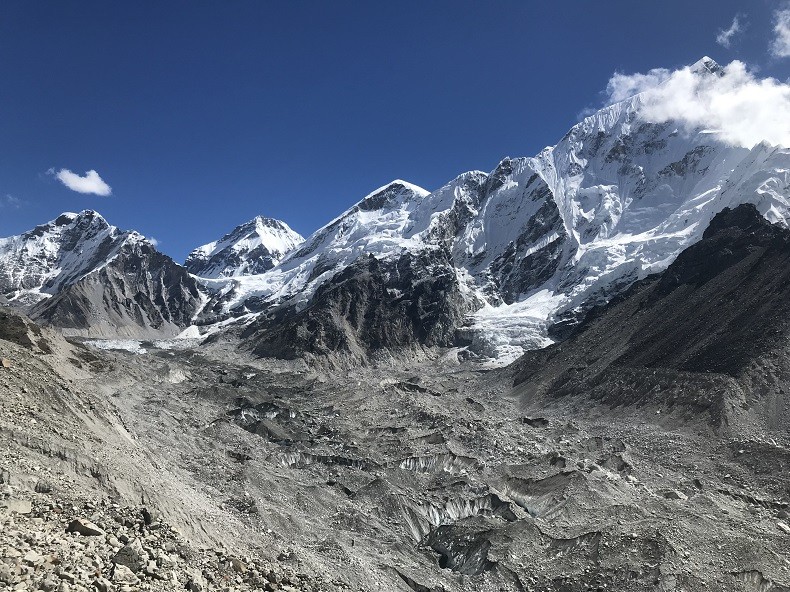
Overall, October is the best weather for the Everest Base Camp trek. Dry trails, clear skies, and warm temperatures are perfect to go trekking. This gives October the status of the preferred season among the majority of trekkers around the world.
The temperatures in October in Everest Base Camp trek vary widely with altitude. Lower elevation such as Lukla (2,860m) has warm and comfortable day temperature. You can expect 15°C to 20°C in the day during October. The night temperature is colder, between about 5°C to 8°C, which is bearable with warm equipment.
As you ascend to Namche Bazaar (3,440m) and Tengboche (3,860m), the weather chills somewhat during the day to about 10°C to 15°C in October. The evenings become cold, often dropping close to or below freezing, between 0°C and -5°C. Layering clothing is necessary here.
Moreover, later higher at Dingboche (4,410m) and Lobuche (4,910m), days are chilly, between 5°C to 10°C in October. Nights become extremely cold and usually reach -10°C and below. Insulated jackets and thermal gear are a must at this stage.
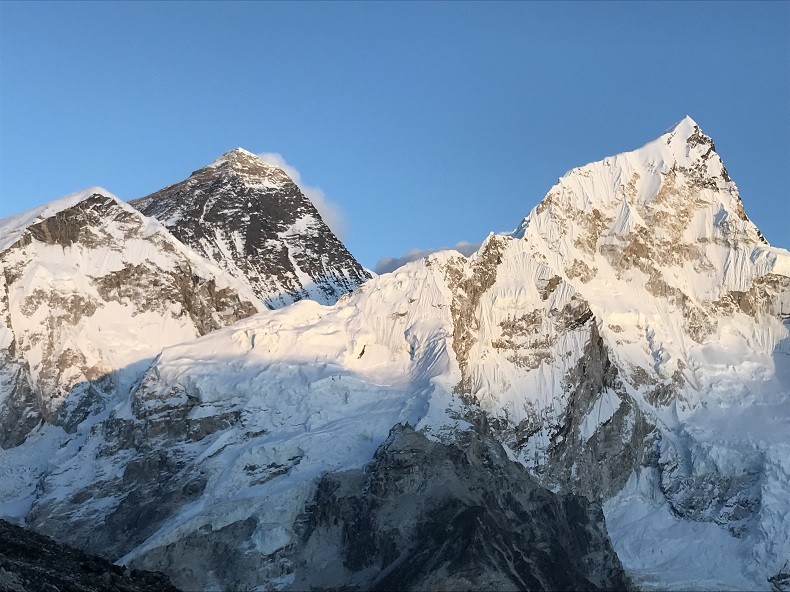
Meanwhile, day temperatures at Everest Base Camp in October itself (5,364m) usually range from 0°C to 5°C. The nights are very cold and usually fall to -15°C or lower. Wind chill factors can make it even colder. Therefore, good sleeping bags and windproof gear are essential.
Additionally, Kalapatthar (5,545m), with spectacular sunrise views, has similar temperatures to Everest Base Camp in October. Wind chill is strong because of exposure and height. Trekkers can anticipate cold and windy conditions.
Overall, October provides trekker-friendly pleasant day temperatures during Everest Base Camp Trek, but nights and early mornings are incredibly chilly at higher altitudes. Layering, warm jackets, gloves, headgear, and thermal wear must be done in order to be safe and comfortable.
Although the nights are cold, stable and dry weather conditions provide October as the finest month to visit Everest Base Camp in excellent conditions.
The best season for the Everest Base Camp trek is spring and autumn. These seasons give the best and most consistent weather conditions and open mountain views. Out of all of them, October, which falls in autumn, is the optimum, says most trekkers worldwide.
Moreover, late March to May, spring, is another favorite time for Everest Base Camp Trek. This is when rhododendron woods are blanketed with blooms of every color. Weather is warming and warming, and the aftermath of winter dries up on the trails. Views of mountains are also nice, although some haze is possible.
Likewise, Autumn, particularly September to November, comes after the monsoon season. The rains cease, and the air is fresh and clean. October enjoys sunshine during the day and chilly nights. The skies remain clear most of the time, offering breathtaking views of summits like Everest (8,848.86m), Lhotse (8,516m), and Ama Dablam (6,812m).
Unlike that, Winter, from December to February, is not in favor for EBC Trek due to harsh cold, snowfall, and possible trail closure. High mountainous regions like Gorakshep (5,164m) and Everest Base Camp (5,364m) become bitterly cold, sometimes even below -20°C at night. Few trekkers attempt the trek during the same unless they are very experienced.
Likewise, Summer monsoon season (June to August) is not favored in general for Everest Base Camp Trek. Heavy rain causes slipping trails, landslides, and poor visibility. Most of the lodges are closed during this period.
Simply put, October for clear skies, pleasant weather, and complete facilities is the best time for the Everest Base Camp trek. Spring season ranks as the second-best option with blooming flowers and decent weather. Both periods provide ideal trekking conditions, safety, and breathtaking mountain scenery.

Yes, October is, unanimously, considered the best month to do Everest Base Camp trek. October is extremely stable and clear weather. This makes beautiful blue skies almost on a daily basis. Clear weather provides ideal views of Mount Everest (8,848.86m) and surrounding peaks like Lhotse (8,516m).
Actually, October comes after the monsoon season ends. Heavy rains cease by late September. Trails then dry and harden. This is safer and less tiresome for hiking. Slippery and muddy trails common in monsoon seasons are no more.
Meanwhile, October days have pleasant temperatures favoring Everest Base Camp Trek in high altitudes. Nights are cold, but not intolerable if proper equipment is employed. This temperature balance keeps the trekkers cozy and full of energy throughout the day. Unlike winter seasons, October does not have extreme cold weather.
Furthermore, another reason October is ideal for Everest Base Camp Trek is that all tea lodges and houses are open. And that means you can easily get food, hot rooms, as well as charging points. Facilities are less crowded compared to December-January peak seasons.
Moreover, October also receives more daylight hours for EBC Trek. This provides trekkers with additional hours of trekking each day. More days allow for enough time for you to reach your destination before dark and hence, you are safer.
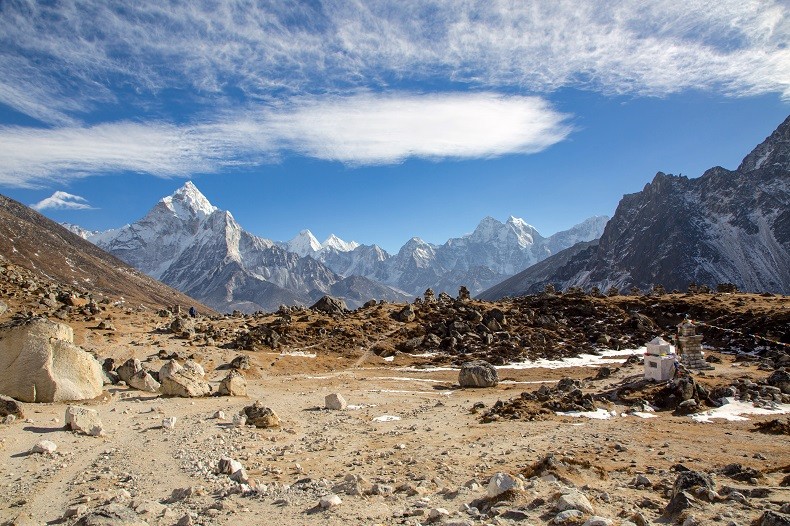
Besides, the month October has important Nepali festivals like Dashain and Tihar. These are full of vibrant cultural celebrations in Sherpa villages. Trekkers will get an opportunity to experience authentic music, dance, and traditions on the trail.
Finally, October's clear weather, dry paths, mild temperatures, open facilities, and cultural enthusiasm make October the best time to undertake Everest Base Camp trek.


Prudent and Intelligent packing is necessary for a safe and comfortable trek to Everest Base Camp in October. The following are 20 things that you need to bring along:
Packing these items carefully will prepare you well for the unpredictable weather and terrain of October. A wise packing list will make your Everest Base Camp trek comfortable and secure.

Lastly, October is, undoubtedly, the best time to experience the Everest Base Camp trek. Weather stays consistent and clear, with great vistas of Mount Everest (8,848.86m) and other peaks like Lhotse (8,516m) and Ama Dablam (6,812m). Dry trails and pleasant temperatures make trekking safe and easy.
Actually, October is also full of cultural diversity during Everest Base Camp Trek. Trekkers have the opportunity to witness Nepali festivals such as Dashain and Tihar, adding color and local flavor to the trek. Tea houses and lodges are now fully open and well-appointed, allowing resting and recuperation.
Likewise, Everest Base Camp Trek in October is crowded, but this crowded atmosphere makes it easy for solo travelers to interact. Long daylight hours give trekkers a degree of comfort and security on the trek. The freshness following the monsoon revives the forests and valleys, adding to the natural beauty of the trek.
Also, good preparation is a must for a successful Everest Base Camp Trek in October. Physical fitness, acclimatization, and good gear will ready you to stand cold nights as well as high altitudes. Intelligent packing and early reservations are also extremely crucial in ensuring a hitch-free journey.
More importantly, keeping aside certain negative aspects EBC Trek in October, e.g., crowded trails and cold nights, the advantages are far more significant. The ideal climate, clear views, and cultural richness make it the ideal month.
Last but not least, Everest Base Camp trekking in October will be a lifetime experience. It is an experience of beautiful landscapes, challenging endeavor, and deep cultural insight. Whether you are an experienced trekker or a beginner, October gives you the best chance to view Nepal's tallest mountains in safety and in their most stunning moments.
All in all, trek your way carefully, respectfully treating the local culture, and prepared for an adventure. October is truly the best time to walk in the footsteps of heroes under the world's highest mountain.

1. Is October a good time for Everest Base Camp Trek?
Yes, October is one of the best months for Everest Base Camp Trek. The weather is stable, skies are clear, and mountain views are spectacular. After the monsoon, the trails are dry and the air is fresh. Many trekkers consider October an excellent time for a safe and beautiful trek.
2. What is the weather like during Everest Base Camp Trek in October?
October offers mostly clear, sunny days with excellent visibility. Daytime temperatures are pleasant while nights get cold at higher altitudes. Rainfall is very rare, making it one of the most stable and reliable months for trekking in the Everest region.
3. What is the temperature at Everest Base Camp in October?
At Everest Base Camp (5,364m) in October, daytime temperatures range between -5°C to 5°C, while nights can drop to -15°C or lower. Proper warm clothing is essential, especially for the early morning Kala Patthar hike.
4. Why should I choose Everest Base Camp Trek in October?
October provides clear blue skies, stunning mountain views, fewer crowds than spring, and stable weather. The trails are in excellent condition after the monsoon. It is an ideal balance of good weather and peaceful trekking experience.
5. How crowded is the Everest Base Camp Trek in October?
October is less crowded than March, April, and May. You can enjoy a more peaceful trek with fewer people on the trail and at teahouses. This makes the experience more personal and relaxing while still having good group options.
6. What are the highlights of Everest Base Camp Trek in October?
In October, you get crystal-clear views of Everest, Ama Dablam, and other peaks. The rhododendron forests turn beautiful shades, the air is crisp, and the overall atmosphere is calm and pleasant. Sunrise from Kala Patthar is especially magical.
7. Is October the best time for Everest Base Camp Trek?
October is one of the two best months along with November. It offers clearer skies than autumn’s later months and more stable weather than spring. Many experienced trekkers prefer October for its perfect combination of views and comfort.
8. What are the advantages of doing EBC Trek in October?
Advantages include clear mountain views, dry trails, fewer crowds, pleasant daytime temperatures, and high chance of successful flights to Lukla. The weather is more predictable, making it safer and more enjoyable.
9. What are the disadvantages of Everest Base Camp Trek in October?
The main disadvantage is colder nights, especially above 4,000 meters. Days are shorter, so you start trekking earlier. However, these are minor compared to the excellent visibility and stable weather.
10. How to prepare for Everest Base Camp Trek in October?
Focus on physical fitness, especially endurance walking. Prepare for cold weather by practicing layering. We recommend joining our guided group for proper acclimatization and safety. Start training at least 2-3 months before your departure.
11. What to pack for Everest Base Camp Trek in October?
Pack a good down jacket, thermal base layers, trekking poles, warm gloves, woolen hat, quality sleeping bag, and windproof outer layers. October can be cold at higher altitudes, so proper warm clothing is very important.
12. How is the rainfall in October in Everest region?
Rainfall is very low in October. The monsoon ends in September, so you get mostly dry and clear days. This makes the trails less slippery and more comfortable for trekking.
13. Is it easy to get Lukla flights in October?
Yes, flights from Manthali or Kathmandu to Lukla are generally more reliable in October due to stable weather. However, we always suggest keeping 1-2 buffer days in your itinerary as a safety measure.
14. What should I expect from the views in October?
You can expect some of the clearest and sharpest views of Mount Everest and other peaks. The air is crisp and pollution-free, making photography and sightseeing truly rewarding throughout the trek.
15. Is October good for beginners doing EBC Trek?
Yes, October is an excellent month for beginners. Stable weather, clear trails, and good visibility make the trek more enjoyable and safer for first-time trekkers.
16. How cold does it feel at night in higher villages in October?
Above 4,000 meters, nights can feel very cold (often -10°C to -20°C). Teahouses provide blankets, but we strongly recommend bringing a good quality sleeping bag for comfortable sleep.
17. What is the difference between October and November for EBC Trek?
October is slightly warmer with longer days, while November gets colder but still offers clear views. October has fewer crowds than spring but more than late November.
18. Do I need any special permits for October trek?
The permits required remain the same throughout the year — Sagarmatha National Park Permit and Khumbu Rural Municipality Permit. We arrange all permits for you.
19. Why choose Haven Holidays Nepal for Everest Base Camp Trek in October?
We have many years of experience operating successful treks in October. Our expert guides know how to manage cold weather and provide the best teahouses for your comfort and safety.
20. Is it worth doing Everest Base Camp Trek in October?
Absolutely yes. October offers some of the best weather, clearest mountain views, and a perfect trekking experience. The beautiful scenery and sense of achievement make it one of the most rewarding months for this iconic trek.