
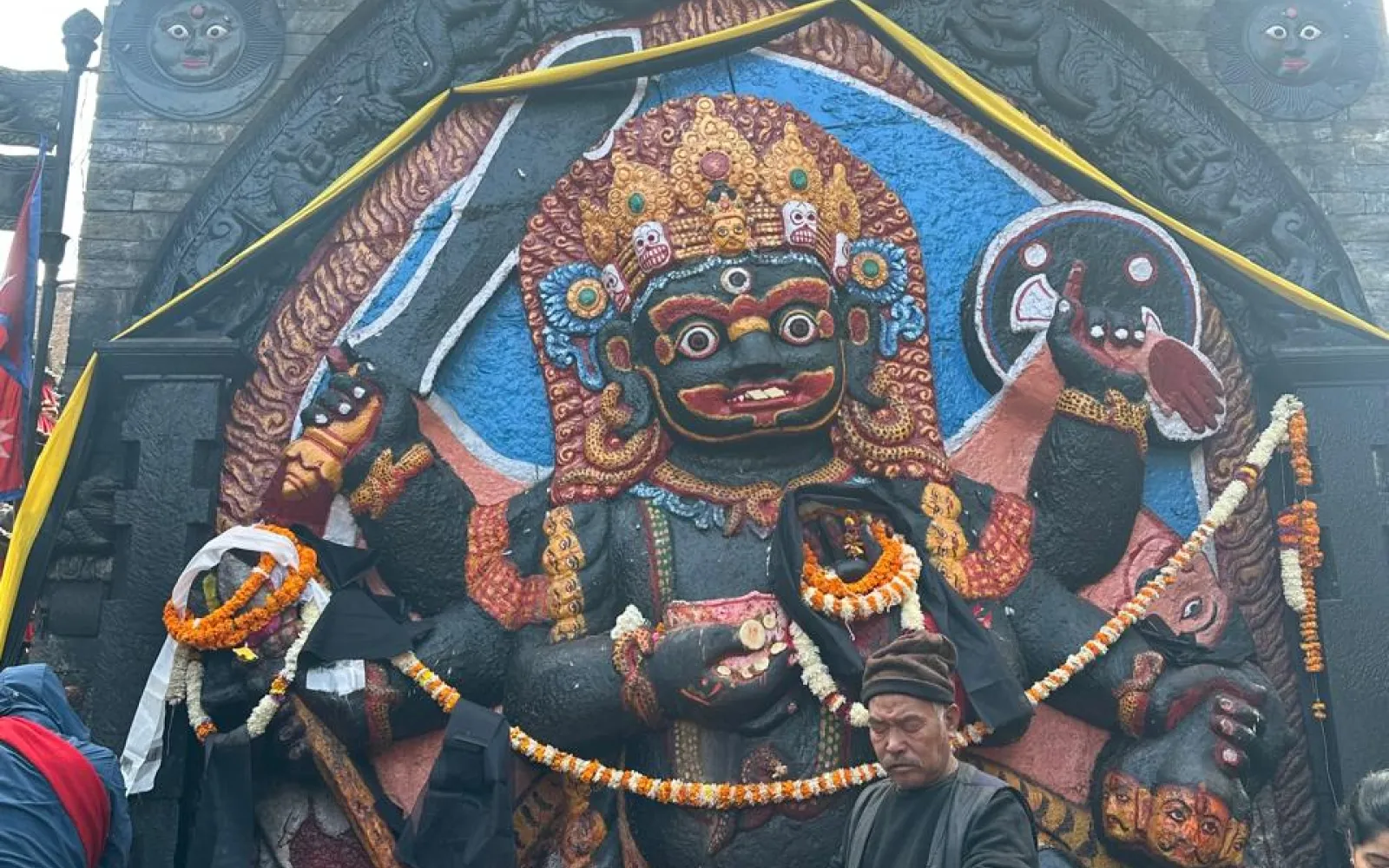
A Kathmandu City Sightseeing Tour reveals ancient Durbar squares, temples, stupas, arts and architectures, civilization, markets, and local neighborhoods in Kathmandu Valley. Unlike a general tourist attraction, these kinds of tours can also provide insight into local religion, architecture, traditions, crafts, and urban life.
If you want to explore little more within Kathmandu Valley, you can go to Nagarkot or Chandragiri Hill for mountains and sunrise
Meanwhile, a standard sightseeing tour in Kathmandu usually takes 6-8 hours with flexible or fixed itineraries. So, private tours offer greater flexibility, while group tours normally follow a pre-planned schedule.
Tour Services and Typical arrangements
Hotel pickup -Pickup from your Kathmandu hotel
Transportation -Private car, van, or shared
Tour guide -Local English-speaking guide
Sightseeing -Temples, stupas, palaces, and cultural sites
Hotel drop-off -Transfer back to your hotel
Entrance fees - Included or paid separately ( depends on package)
Meals - Usually not included
Personal expenses- Normally not included
Thus, the Kathmandu city tour offers more flexibility in terms of sightseeing priorities compared to a group tour. However, the main downside is sometimes higher cost, as private tours are usually more expensive than group tours.
Also, Kathmandu City Tour is occasionally affected by huge traffic of the city. So, it’s best idea to choose the trip schedule in the weekend rather than on weekdays.
What to Discover During a Kathmandu City Tour?
Monuments and temples dominate Kathmandu’s attraction list. At the same time, historic neighborhoods have unique courtyards, bahals, shrines, water spouts, step wells, workshops, and local markets.
Sightseeing in Kathmandu can include:
• Traditional Newari courtyards and bahaIs
• Decorative wooden windows, doors, and brackets
• Small shrines and local chaityas (altars)
• Markets in Asan, Indra Chowk, and other districts
• Woodcarving, metalwork, and traditional crafts
• Prayer wheels, bells, butter lamps, and rituals
• Historic alleys and traditional residential streets
• Tea shops and local bazaars
. Spices collections and souvenirs
Typical Newari and Nepali meals
Historical Step wells
Importantly, Historic neighborhoods can provide a greater insight into Kathmandu’s urban lifestyle than isolated temples or palaces. So, local guides can be helpful, as they can see the cultural significance of everyday urban rituals and architectural details.
Why Local Guides Are Important for Kathmandu City Tours
A local guide can interpret the history, religion, and cultural context behind Kathmandu’s temples and monuments. Equally important, a local expert can explain how Hinduism and Buddhism influence daily life in Kathmandu Valley.
Meanwhile, Kathmandu Valley is a prime example of continuous cultural traditions. Historic heritages are embedded into the urban fabric, reflecting Nepal’s complex religious and cultural history.
For UNESCO, the uniqueness of Kathmandu Valley lies in a combination of Hindu and Buddhist traditions and Kathmandu’s urban legacy with a high concentration of temples and stupas.
A good Kathmandu Sigthseeing package should provide a realistic sightseeing schedule. Notably, Kathmandu has serious traffic issues, and walking between monuments can also be time-consuming. For that reason, a good tour should list and explain all transportation options.
In general, a good sightseeing tour in Kathmandu should include:
• Hotel pickup and drop-off
• Types of provided transportation
• Tour guide’s language skills
• Attraction list and itinerary
• Entrance fees and restrictions
• Food and beverage arrangements
• Tour duration
• Group size, if applicable
• Supplementary and special services
• Cancellation and other conditions
Essentially, a good Kathmandu sightseeing tour combines popular attractions with sufficient sightseeing time.
Similarly, a good touring package should address transportation and time limitations.
In other words, a good tour in Kathmandu is not about maximizing the number of visited places but rather prioritizing authentic experiences.
Where to Go on a Kathmandu City Tour?
Kathmandu’s must-see attractions include ancient palace squares, Buddhist stupas, Hindu temples, local markets, and traditional neighborhoods.
Notably, many prominent tourist attractions are located outside Kathmandu city. For that reason, a full Kathmandu Valley tour usually involves Kathmandu, Lalitpur, and Bhaktapur.
Having said that, there are seven major Monument Zones in Kathmandu Valley. These zones are officially recognized as a single UNESCO property.
Places to visit in Kathmandu: The seven Monument Zones
Kathmandu Sightseeing Places | Description| Visit
Kathmandu Durbar Square | Royal palace, courtyards, temples, Kumari Ghar, woodcarving | Yes
Swayambhunath | Stupa, shrines, valley views, prayer wheels | Yes
Boudhanath | Stupa, monasteries, prayer wheels, local bazaars |Yes
Pashupatinath |Temples, spiritual traditions, Bagmati River |Yes
Patan Durbar Square | Newari temples and arts, Krishna Mandir, palace courtyards |Yes
Bhaktapur Durbar Square | Ancient brick buildings, 55-Window Palace, Golden Gate |Yes
Changu Narayan |Vishnu temple, stone sculptures, inscriptions |Yes
Kathmandu Durbar Square | Temples, Shrines, and Royal History | Yes
Kathmandu Valley was historically the center of power. As a result, Durbar Squares are excellent examples of traditional Nepali architecture.
Notably, Kathmandu Durbar Square is the most important royal square in the valley. Today, the square is a great place to see intricate woodcarving, temples, shrines, and palaces.
Other interesting landmarks include Hanuman Dhoka palace, Kumari Ghar, Kasthamandap, Jagannath Temple, and Nasal Chowk.
Swayambhunath: One of the Oldest Buddhist Stupas in Nepal
Swayambhunath is one of the most iconic destinations in Nepal. The hilltop stupa is a center of pilgrimage for Buddhists and has stunning views over Kathmandu.
Meanwhile, most tourists flock to Swayambhunath because of the spectacular view from the hilltop. Nevertheless, it is also worth exploring the complex to see shrines, monasteries, prayer wheels and flags, monkeys and other spiritual artifacts.
What to See in Boudhanath: Monuments and Monks
Boudhanath is another major Buddhist pilgrimage site. Similar to Swayambhunath, Boudhanath is a great monument with a unique spiritual atmosphere. Most importantly, Boudhanath is famous for its giant white stupa, monasteries, and prayer wheels.
Also, the area around the stupa has shops, restaurants, and local bazaars. As such, a visit to Boudhanath can also be a cultural experience.
What to See and Do in Pashupatinath, the Hindu Pilgrimage Site
Pashupatinath is a major Hindu temple in Nepal. The complex also has smaller shrines, annexes, and courtyards devoted to different Hindu gods.
Notably, the main temple is exclusively for Hindus, which is why they should respect the area’s religious sentiments. In any case, Pashupatinath is a great place to observe Hindu traditions and rituals in Kathmandu.
Patan Durbar Square: Newari Temples and Heritage
Patan Durbar Square is a major center of Newari culture and history in Kathmandu. Notably, Patan is famous for its temples, sculptures, woodcarving, and metalwork.
In Patan Durbar Square, the major attractions are Krishna Mandir, palace courtyards, stone sculptures, and the Patan Museum.
Another unique thing about Patan is that exploring streets and alleys can also lead to hidden temples and monuments.
So, aside from the usual Durbar Square attractions, it is worth visiting this place as a center of local culture.
Bhaktapur Durbar Square: The Traditional Brick Palace and Cultural Hub
Bhaktapur is a traditional Nepali city with a fascinating historic center. In Bhaktapur Durbar Square, the major monuments are the 55-Window Palace, Golden Gate, and Nyatapola Temple.
Equally fascinating are the narrow streets, local markets, shops, and alleys with traditional houses.
Notably, Bhaktapur has a unique cultural heritage different from Kathmandu. As such, the city is worthseeing as a separate destination.
Changu Narayan: Ancient Temple Dedicated to Vishnu
Changu Narayan is a lesser-known historic site but one of the most interesting places in Kathmandu. Changu Narayan is a hilltop temple complex dedicated to Vishnu’s Narayan avatar.
Meanwhile,Tthe complex has ancient sculptures, traditional architecture, and an inscription bearing Nepal’s oldest surviving script.
Notably, Changu Narayan also has a traditional Newari settlement. So, this temple is worthseeing as an example of Kathmandu’s cultural and religious traditions.
Other Noteworthy Tourist Attractions in Kathmandu Valley
The list of Kathmandu tourist attractions is not limited to the seven UNESCO monument zones. For example, local bazaars, restaurants, and tea shops in Indra Chowk and Asan represent Kathmandu’s commercial and urban centers.
Other popular markets and neighborhoods include Kirtipur and Thamel.
Here, local neighborhoods and markets can be great places to explore Kathmandu’s living traditions.
For instance, Asan is a historic commercial center in Old Kathmandu. Some other districts worth visiting include Kirtipur and Thamel. Thamel is the center of tourism in Kathmandu, offering a wide range of local shops and street food.
If museums are of interest, Kathmandu has a variety of museums showcasing Nepal’s history and cultural heritage.
For example, Chhauni Museum and NarayanHiti Royal Palace Museum are the most popular museums in Kathmandu.
How to Plan a Kathmandu City Tour with Specific Zones?
A single day in Kathmandu is usually enough to see a few major attractions, maximum 4. For that reason, a one-day tour can focus on Durbar Squares and Swayambhunath.
If time permits, Pashupatinath and Boudhanath can also be included in a day tour.
On contrary, a two-day tour can see all the seven UNESCO Kathmandu monuments with a moderate pace. However, the exact touring program should consider traffic, opening hours, sightseeing priorities, and other factors.
Why and Where to Visit Kathmandu’s Temples and Monuments?
Kathmandu’s attraction list prominently features temples, palaces, and stupas. The rationale behind visiting these monuments is that Kathmandu Valley is a cultural heritage site.
Notably, Kathmandu’s temples and monuments are not only ancient buildings with unique architecture. They form an inseparable part of the modern Kathmandu landscape and urban lifestyle.
As such, a great Kathmandu tour should combine temples with local neighborhoods and bazaars. By exploring temples and monuments, the tourist will learn why the Kathmandu Valley is a UNESCO World Heritage property.
Tourists in Kathmandu should turn their expectations from visiting famous monuments to temples, stupas, courtyards, markets, traditional architecture, religious activities and Newari culture, arts and local community.
Likewise, Kathmandu combines ancient urban traditions with modern shops, restaurants, offices and roads. We recommend exploring Kathmandu at a slow pace and discovering how it has continued to exist alongside historic temples and monasteries. We and our team have experienced several rushes during the Kathmandu City tour which is not good at all.
What Are the Main Experiences to Include?
Experience | What you can see or do |Why it is interesting
Ancient temples |Hindu and Buddhist temples |Observe living religious traditions
Buddhist stupas |Swayambhunath and Boudhanath |See Buddhist rituals and pilgrimage
Historic courtyards |Bahals, chowks and residential courtyards |Discover traditional community spaces
Newari architecture |Brick buildings, timber windows, carved doors |Understand local craftsmanship
Local markets |Asan, Indra Chowk and bazaars |See everyday Kathmandu commerce
Religious activities |Prayer, offerings, bells, lamps and rituals |See living cultural practices
Traditional arts |Wood, stone, bronze and metalwork |Observe established crafts
Museums |Art, history and archaeology |Understand Kathmandu's past
Local food |Newari dishes and snacks |Experience local culinary culture
Heritage walks |Alleys, shrines, courtyards and neighbourhoods |See life beyond big monuments
Tradition Sources of Water| Step Wells| Learn how people would collect water in the past
Which Temples and Stupas Should You Experience?
Temples and stupas are some of the most rewarding Kathmandu attractions to explore because many are still in active religious use.
Furthermore, Kathmandu's temples and stupas combine religious symbolism with intricate wood, stone, brick, bronze and metal craftsmanship.
Your tour can include the following religious sites:
Swayambhunath-Buddhist stupa, shrines, prayer wheels, monasteries and valley views.
Boudhanath-Big stupa, monasteries, prayer rituals and Buddhist communities.
Pashupatinath-Hindu temples and shrines, Bagmati River and pilgrimages.
Kathmandu Durbar Square-Palace courtyards, temples, shrines and Kumari tradition.
Patan Durbar Square-Temples, stone sculptures, courtyards and Newari architecture.
Bhaktapur Durbar Square-Historic temples, palace buildings, old streets and courtyards.
Important : Please treat religious sites with respect and follow simple dress codes, photography rules and access guidelines.
Why Are Courtyards Important in Kathmandu?
Courtyards in Kathmandu are some of the most interesting and least explored parts of the ancient city. Here, these communal and private spaces link temples, homes, shrines and community events in a network of Buddhist bahals and other unique courtyards.
Likewise, a dedicated and passionate visitor can stumble across a hidden shrine at the end of an unassuming alley in old Kathmandu. But look more closely and you will see how Kathmandu's architecture and community life have developed over centuries.
What Can You Discover Through Newari Architecture?
Newari-style buildings are a striking part of Kathmandu's traditional landscape. Look out for exposed brick, carved wooden windows, pitted stone, tiered roofs and intricate metalwork on temples, royal palace squares, shrines, shops and local homes.
Importantly, rather than photographing Kathmandu's facades, take the time to appreciate the craftsmanship in door frames, struts, lintels and roof finials.
Where Can You Experience Local Markets?
Markets are an essential part of any cultural tour of Kathmandu, offering a taste of everyday life in Kathmandu's streets and alleys. Asan and Indra Chowk are the best places to see local traders, food stalls, religious stores and Kathmandu's commercial heart beat.
Likewise, you should not underestimate the value of a market visit when exploring Kathmandu. Rather than a simple stop on a sightseeing tour, a market visit with a local guide can help you understand Kathmandu's unique culture, traditions and consumer habits.
How Can You Experience Kathmandu's Religious Life?
Religious life in Kathmandu takes many forms and can be seen throughout the city. You can see monks ringing bells, tossing prayer flags or making offerings to Hindu deities, but always remember that these are people expressing their faith, not putting on a show for you. The same goes for festivals, which add to the atmosphere but are not the main point of a religious experience.
Similarly, you can see how Kathmandu's religious traditions differ and how its festivals bring the community together. The particular events you see will depend largely on the time of year when you visit Kathmandu.
Why Are Arts and Crafts Important?
The Kathmandu Valley has a long tradition of religious woodcarving, metalwork, stone sculpture, religious painting and architectural carving. UNESCO has recognised the region's traditional craftsmanship and architectural achievements as part of its outstanding universal value.
Likewise, you can see this creative legacy in Kathmandu's temples, monasteries, palace courtyards, carvings on doors and windows, and even in the local household shrines.
Moreover, a closer look will reveal the fine woodwork, metal inlay and stone carving that define traditional Nepali religious art.
How Can You Experience Kathmandu's Civilization and History?
The Kathmandu Valley has a long and complex history which can be seen in Kathmandu's urban development, and shrines, royal palace squares, irrigation systems and local settlement patterns.
Here, the valley is also home to an important cultural landscape of Hindu and Buddhist religious traditions and Newari ethnic customs.
Importantly, your culture guide can provide interesting context to help you appreciate Kathmandu's unique history and the connections between its cultural attractions. Your general Kathmandu sightseeing tour can be enriched by understanding the valley's evolution as a centre of trade, religion and artistic achievement.
What Is the Most Authentic Kathmandu Local Experience?
Perhaps you do not need to visit a hidden heritage gem to have a local Kathmandu experience. In fact, the most authentic Kathmandu local experience may simply involve slow travel in old neighbourhoods, combined with a visit to a market, shrine or temple, and perhaps a taste of Newari food.
Meanwhile, an authentic cultural experience in Kathmandu can also include a look at traditional crafts, or a walk through a historic alley or courtyard with a local guide.
For a deeper local Kathmandu experience, we suggest the following:
Walking slowly through alleys and old streets in the morning
Seeing a market before it opens
Visiting a traditional home or courtyard with a guide
Tasting local Newari dishes
Observing religious activities respectfully
Visiting a local handicraft workshop
Walking the streets of Patan's traditional quarter
Seeing Bhaktapur's old stone buildings and courtyards
Visiting a local museum after seeing the main monuments
Taking a heritage walk rather than using motorised transport
Most importantly, your Kathmandu cultural tour should include both major monuments and everyday local life. Thus, this combination will give you a more complete understanding of Kathmandu's unique value as a World Heritage Site.
You could see the major Kathmandu Valley attractions on a one-day Kathmandu tour, but we recommend spending two days in the city to get a better sense of local culture.
If you have more time, a three-day tour can include museums and markets as well as the main heritage sites.
Meanwhile, the number of days you need to see Kathmandu depends on how much time you want to spend at each attraction. A one-day tour gives only a taste of Kathmandu's cultural heritage.
How Many Days Are Suitable for Kathmandu Sightseeing?
Tour duration | Suggested coverage |Experience level
1 day |4 major heritage sites |Major highlights
2 days |All 7 UNESCO Monument Zones |Heritage tour at a steady pace
3 days |Heritage sites plus markets and museums |Cultural experience
4+ days |Valley heritage, local walking and villages |Slow, in-depth exploration
What Can You See on a 1-Day Kathmandu Sightseeing Tour?
With careful planning, a one-day Kathmandu tour can include four major heritage attractions. The most logical sights to see on a one-day Kathmandu tour are Swayambhunath, Kathmandu Durbar Square, Pashupatinath and Boudhanath.
Suggested 1-day tour schedule:
Approximate time | Activity
8:00 AM |Hotel pickup
8:30-10:00 AM |Swayambhunath
10:20-12:00 PM |Kathmandu Durbar Square
12:00-1:00 PM |Lunch and break
1:30-3:00 PM |Pashupatinath
3:15-4:45 PM |Boudhanath
5:00-6:00 PM |Return via Kathmandu traffic
Here, the above schedule indicates the usual flow of a one-day Kathmandu sightseeing tour. You cannot rely on specific times because Kathmandu traffic can be highly variable, and each attraction requires walking time as well as viewing.
What Is Included in a 4-Heritage-Site Day Tour?
A tour covering four heritage sites gives you an overview of Kathmandu's cultural history. It also creates a convenient geographical flow, although the order can vary according to traffic and your hotel location.
The four major Kathmandu Valley attractions are:
Swayambhunath.
Kathmandu Durbar Square.
Pashupatinath.
Boudhanath.
In fact, this tour option gives you a good overview of Kathmandu's spiritual traditions and royal history. It is also a convenient choice if you have limited time before or after a trek in the Himalayas.
Is Two Days Better for a Kathmandu Valley Tour?
If you want to see all seven UNESCO Monument Zones, a two-day tour is a good option. The seven monuments are located in Kathmandu, Lalitpur and Bhaktapur, so driving distances should be considered when planning your itinerary.
Likewise, a sample two-day itinerary for the UNESCO Kathmandu Valley monuments tour is shown below.
Day | Route |Main attractions
Day 1 | Kathmandu city |Swayambhunath → Kathmandu Durbar Square → Pashupatinath → Boudhanath
Day 2 |Lalitpur and BhaktapurPatan Durbar Square → Bhaktapur Durbar Square → Changu Narayan
Here, the first day concentrates on Kathmandu's central and eastern monuments while the second day explores the walled cities of Lalitpur and Bhaktapur and the hilltop monument at Changu Narayan.
How Much Time Should You Spend at Each Site?
It depends on the attraction and your own interests, but a Kathmandu heritage tour should always include extra time for walking, photography, religious observation and unexpected discoveries.
Attraction | Suggested sightseeing time
Swayambhunath |1-1.5 hours
Kathmandu Durbar Square |1.5-2 hours
Pashupatinath |1.5-2 hours
Boudhanath | 1-1.5 hours
Patan Durbar Square |1.5-2 hours
Bhaktapur Durbar Square |2-3 hours
Changu Narayan |1-1.5 hours
Important: Note that the above times are for visiting the attractions, not the travel time between them. Always allow extra time if you are interested in museums, photography, religious activities or local markets at the site.
How Much Driving and Walking Time Should You Expect?
A sightseeing tour in Kathmandu includes both driving and walking because roads are not available at many historic sites. In addition, traffic jams make journeys difficult to predict, especially in the afternoons.
Meanwhile, your itinerary should always include extra time between attractions because of the limited road network and the many stairs, steps, courtyards, alleys and pitted streets in old Kathmandu.
How Many Days Are Better for a Deeper Cultural Experience?
If you are interested in Newari culture and want to experience daily life in Kathmandu, three days is the minimum time needed. This option also allows more flexibility if the weather is bad or if you want to explore museums and local markets.
A three-day plan might include the following:
Day 1: Swayambhunath, Kathmandu Durbar Square and old Kathmandu.
Day 2: Pashupatinath, Boudhanath and local Buddhist areas.
Day 3: Patan, Bhaktapur, Changu Narayan and traditional markets.
In addition to, you may also want to consider a longer tour if you like to watch people, take photos or simply relax in between attractions.
Which Duration Should You Choose?
A one-day tour is best if you only want the four major heritage attractions. Two days is the minimum if you want to see all seven UNESCO World Heritage Sites. Three or more days is recommended if you want to include local markets and museums.
However, your options depend on how much time you have available, but here are some general suggestions:
Your available time | Recommended focus
One day | Four major heritage sites
Two days | Seven UNESCO Monument Zones
Three days | UNESCO sites plus markets and museums
Four or more days | Heritage and local neighbourhoods
Most importantly, remember that a slow-paced tour with plenty of walking is often more rewarding than trying to see as many monuments as possible in one day. Kathmandu's cultural heritage is best appreciated in the context of the city's streets and community life.
The Kathmandu City Sightseeing Tour cost involves various components, including the vehicle, guide, group size, itinerary, hotel pickup, meals, and entrance fees, and so the advertised Kathmandu sightseeing tour price should be double-checked in relation to its inclusions and exclusions.
Actually, a private one-day sightseeing tour is generally more expensive than a group tour because the vehicle and guide are dedicated to a smaller party, whereas a group tour can lower the per-person transportation and guide cost depending on the number of travellers.
What is the typical Kathmandu sightseeing tour price?
As a rule of thumb, a one-day Kathmandu private sightseeing tour involving four major heritage sites can often be arranged for roughly USD 15–55 per person depending on the group size, whereas a two-day tour covering the seven UNESCO Monument Zones can commonly cost USD 25–140 per person on average, with private vehicle and guide, meals, and other services adding to the price.
Tour option | Price per person | Main factors
1-day group tour | USD 15–35 | Shared vehicle and group size
1-day private tour | USD 55+ | Private vehicle, guide
2-day group tour | USD 25–75| Shared transport, group size
2-day private tour | USD 60–140+ Private vehicle, guide, extended service
Customized private tour | Varies | Vehicle, guide, attractions, meals, extra services
These are approximate figures for a general idea, and the actual Kathmandu tour cost can depend on the vehicle type, season, group size, and other factors.
Hence, it is advisable to double-check the current quotation, as Kathmandu tour cost estimates can change depending on the selected attractions and services.
What factors affect the Kathmandu tour cost?
The selected vehicle is one of the major components of a private sightseeing tour, and the overall price changes depending on whether a car, SUV, minivan, or tourist bus is hired.
Moreover, the overall tour cost depends on the guide, meals, entrance fees, airport transfer, museums, and other potential services.
The most common factors that affect the Kathmandu city tour price are as follows:
• Vehicle – Car, SUV, van, or tourist bus.
• Group size – A larger group can affect the price per person.
• Guide – A private guide affects the price of a group tour.
• Tour duration – Two or three-day tours involve higher vehicle and guide costs.
• Hotel pickup – A pickup within Kathmandu is usually simpler to organize.
• Entrance fees – They are a separate expense unless stated otherwise.
• Meals – They can be an additional expense, depending on the tour.
• Private transportation – A vehicle hire is generally more expensive than a shared one.
• Additional attractions – Museums, markets, and other excursions add to the cost.
• Season – It affects the availability of private guides and vehicles.
What are the current entrance fees for Kathmandu Valley heritage sites?
Unless a tour operator states otherwise, entrance fees are a separate expense in Kathmandu. The current fees for the seven UNESCO Kathmandu Valley Monument Zones are as follows.
UNESCO Monument Zone | Foreign visitor fee
Kathmandu Durbar Square| NPR 1,000
Swayambhunath Stupa| NPR 200
Boudhanath Stupa| NPR 400
Pashupatinath Temple| NPR 1,000
Patan Durbar Square, including Patan Museum| NPR 1,000
Bhaktapur Durbar Square| NPR 1,800
Changu Narayan Temple| NPR 300
Total for all seven| NPR 5,700
In summary, these are the current visitor fees as listed on the Nepal Tourism Board website, and they can change depending on the local administration’s decision.
Hence, it is advisable to double-check the entrance-fee cost closer to the departure date rather than rely on a blog post or a printed tour itinerary.
Are these seven places seven separate UNESCO sites?
No, the Kathmandu Valley is a single UNESCO World Heritage property that includes seven Monument Zones, and the entrance fees apply to each of the seven individual monuments.
In other words, Kathmandu has one UNESCO World Heritage Site with seven monument zones rather than seven separate sites.
How much should I budget for entrance fees on a one-day tour?
Meanwhile, a typical four-heritage-site sightseeing route in Kathmandu includes Swayambhunath, Kathmandu Durbar Square, Pashupatinath, and Boudhanath.
According to the current Nepal Tourism Board fee schedule, the entrance fees for these four monuments would amount to NPR 2,600 for a foreign visitor.
Four-site tour | Foreign visitor fee
Swayambhunath | NPR 200
Kathmandu Durbar Square | NPR 1,000
Pashupatinath | NPR 1,000
Boudhanath | NPR 400
Total | NPR 2,600
In summary, the NPR 2,600 is the attraction entry cost, and it is a separate expense unless explicitly mentioned in the tour quotation. In other words, a USD 30 tour should clearly state whether it includes the entrance fees or not.
What is usually included in a Kathmandu sightseeing package?
An ideally transparent Kathmandu tour quotation should separate the included and the additional expenses so that the client can understand the cost structure.
Notably, a tour package typically includes transportation, guide, driver, fuel, parking, and sightseeing in accordance with the itinerary.
Included services:
• Hotel pickup and drop-off.
• Private or shared tourist vehicle.
• Professional local guide.
• Driver and vehicle expenses.
• Fuel and parking charges, if any.
• Sightseeing as per the itinerary.
• General assistance during the tour.
Excluded services:
• Entrance fees at heritage sites.
• Museum entrance fees.
• Lunch and other beverages.
• Personal shopping and entertainment.
• Photography and videography charges, if any.
• Additional activities.
• Expenses related to unforeseen circumstances.
Why does group size matter?
The operating cost for a vehicle and guide is roughly the same whether there are two or four people in the group.
Hence, the larger the group touring together, the lower the tour cost per person, with some tour operators offering a discount for larger parties.
Group of people Typical per-person cost
1 Highest
2 Higher
3–5 Moderate
6–10 Lower
Larger group Usually lower, depending on the vehicle
Importantly, the larger the party, the more likely it is to warrant a van or a bus instead of a car, and the overall tour price may change depending on the vehicle category.
What is the difference between a package price and direct expenses?
The tour package price covers the services stated in the tour description, whereas the direct expenses are separate payments made by the tourist during the tour.
In other words, a tour package usually covers the driver, guide, and vehicle, whereas the entrance fees, meals, and other incidental expenses are paid directly to the respective service providers.
For example:
Tour package: Driver, guide, vehicle.
Direct expenses: Entrance tickets, meals, drinks, and other incidentals.
This distinction is especially relevant to a seven-UNESCO-site tour, as the entrance fees only cost NPR 5,700 for foreign visitors at the moment.
Here, a tour with a good Kathmandu sightseeing tour price, then, should be transparent rather than inexpensive, ideally stating what it includes and what it does not.
Hence, it is advisable to ask about the entrance-fee inclusions and exclusions in addition to the tour package components.
The Kathmandu Valley is generally accessible throughout the year, as it has a relatively varied yet predictable climate.
Nevertheless, spring and autumn usually offer the most comfortable conditions, with monsoon bringing more rain and winter – colder mornings and evenings.
In fact, the best time for Kathmandu City tour also depends on what a tourist wishes to do, and there are advantages to sightseeing in different seasons, including great visibility, warm weather, and fewer crowds, among others.
Which season is best for Kathmandu sightseeing?
Season| Months| Weather and visibility| Advantage
Spring| March–May| Mild to warm, generally good| Comfortable sightseeing and walking
Monsoon| June–September| Wet, cloudy, humid| Fewer crowds and green landscapes
Autumn| September–November| Generally dry and clear| Excellent visibility and weather
Winter| December–February| Cool mornings, sunny days| Comfortable conditions and fewer crowds
In summary, Nepal Tourism Board identifies spring and autumn as favourable seasons for travel and notes that October and November “often have the clearest skies after the monsoon season”, but Kathmandu is generally accessible year-round.
Why is spring good for Kathmandu sightseeing?
Kathmandu in spring typically has comfortable conditions for walking around heritage sites, with flowers and greenery becoming more prominent as the weather gets warmer.
In other words, spring is useful for both exploring Kathmandu’s cultural heritage and doing treks in the mountains around the Kathmandu Valley.
In fact, the warmer weather may affect day walks, making them more tiring, but an early start is still advisable.
Is autumn the best Kathmandu sightseeing season?
Autumn is generally a good season for sightseeing in Kathmandu due to high visibility on clear days after the summer monsoon.
Hence, it is a favourable period for photography and walking around temples, monuments, and other points of interest.
October and November, in particular, have comfortable weather and numerous festivals, but popular attractions can also be more crowded during this period, depending on the date.
What is Kathmandu like in October?
Kathmandu tour in October can be a good option for combining cultural sightseeing and popular festivals, as the weather is generally comfortable, and many festivals take place at this time of the year.
Notably, Dashain and Tihar – the most important Nepalese holidays – involve unique rituals, family gatherings, and shopping, with some shops and restaurants being closed on specific days.
Moreover, festivals are traditional events, and their timing varies depending on the year, so it is advisable to plan in advance and double-check whether Dashain, Tihar, or another major festival will take place during the intended visit.
Is winter good for Kathmandu sightseeing?
Winter in Kathmandu stays relatively mild during the day but can be chilly in the mornings and evenings, with shorter days.
Nevertheless, clear skies are common, which benefits walking tours, as well as photography.
Here, Nepal Tourism Board lists Kathmandu’s winter average temperatures as roughly 3°C minimum and 19°C maximum in its climate information.
Hence, warm clothes are needed during the morning and evening hours, and light clothing is suitable for daytime hours.
Can I go to Kathmandu in the monsoon?
Kathmandu is open to visitors year-round, including the summer monsoon season. However, wet weather, rainy streets, and reduced visibility can make touring less pleasant, and monsoon rains also affect road conditions and traffic.
Nepal Tourism Board states that about 80% of Nepal’s precipitation falls during the monsoon season, which usually lasts from June to September.
Hence, extra caution, rain protection, and time allowances are needed for tours during these months.
How does weather affect a Kathmandu city tour?
Walking and photographing are the main sightseeing activities in Kathmandu, and both are affected by rain and reduced visibility during the monsoon season.
Hence, a tour itinerary should be flexible, and photographers, in particular, may want to double-check the weather forecast closer to their departure date.
General weather preparation tips:
Spring: Light clothing, sturdy walking shoes, and sun protection.
Summer: Comfortable clothing and sun protection.
Monsoon: Jacket, umbrella, waterproof clothing and shoes, extra time.
Autumn: Light clothing and sturdy walking shoes. Warm jacket for early mornings.
Winter: Warm clothes, especially for mornings, evenings, and cloudy days.
When are Kathmandu’s attractions the busiest?
The busiest period in Kathmandu is during major festivals and holidays. Temples, monasteries, major squares, and streets are often crowded during religious events, so early morning visits are advisable. This consideration applies to all seasons, but Kathmandu becomes exceptionally busy during the major festivals, including Dashain and Tihar.
Can festivals make a Kathmandu tour more interesting?
Festivals often have a significant impact on Kathmandu’s atmosphere, with temples, monasteries, and squares turning into the centres of celebration.
However, festivals are religious events, and tourists are advised to be respectful rather than trying to experience them as a form of entertainment.
Moreover, the festival dates vary depending on the year, and a trip to Kathmandu during this period should include a more flexible schedule.
Moreover, Indra Jatra, Dashain, and Tihar are the most important festivals in Kathmandu, and their dates change every year. Hence, it is advisable to check the exact dates and plan the trip around them if a visitor is interested in attending any of the festivals.
Can Kathmandu be visited all year?
Kathmandu can indeed be visited all year, as the city is open to tourists with few official restrictions.
Nevertheless, each season has its characteristics, and some activities, including festivals and treks, are only available during specific times of the year.
Priority | Suitable period
Clear skies and photography | Autumn and many winter days
Comfortable cultural walks | Spring and autumn
Festival experiences | Varies depending on the festival
Fewer visitors | Monsoon and some winter days
Green landscapes | Monsoon and early autumn
Kathmandu plus trekking | Spring and autumn
In essence, there is no single best month for a Kathmandu City Sightseeing Tour, with cultural and natural attractions being available throughout the year, and the season primarily affecting weather, visibility, and the number of visitors.
Hence, all seasons have their advantages and disadvantages, and the choice of the travel period should be made in accordance with specific needs and preferences.
How can you get around Kathmandu on a sightseeing tour?
Transportation in Kathmandu includes private cars, tourist vehicles, taxis, buses, walking, and organised tour vehicles. The best choice depends on your sightseeing plans, group size, comfort, budget, and available time.
Likewise, a car tour of Kathmandu is convenient because many attractions are far apart. In addition to, you can travel privately from one sightseeing area to the next without arranging multiple transfers.
Here is a summary of the major modes of transportation and what they are best used for:
| Transportation | Best for | Main advantage | Main limitation |
| Private car | Couples, families, small groups | Flexible and comfortable | Higher cost |
| Tourist van | Medium-sized groups | Comfortable group transport | Less flexible in narrow streets |
| Tourist bus | Larger groups | Lower cost per person | Fixed route and schedule |
| Taxi | Independent travellers | Easy for short trips | Fare and availability can vary |
| Local bus | Budget travellers | Low-cost travel | Crowded and slower |
| Walking | Historic areas | Best for local experiences | Takes more time and effort |
| Organised tour vehicle | Complete sightseeing packages | Transport and itinerary arranged | Less flexibility than private travel |
Does a Kathmandu private tour make sightseeing easier?
A Kathmandu private tour is best for flexible hours, and seeing multiple attractions. It makes sense for families, couples, older travellers, and small private groups.
Meanwhile, a private car can get you close to many popular attractions, although you may need to walk short distances to see temples, palaces, and monuments. The driver can also find alternate routes in Kathmandu when traffic is heavy.
How long does it take to get from one attraction to another?
Getting around Kathmandu takes more time than distance alone would suggest because of traffic delays. Conditions can change rapidly and narrow streets limit large vehicles.
Here are some approximate driving times between major Kathmandu attractions:
| Route | Approximate normal driving time |
| Thamel → Swayambhunath | 20–40 minutes |
| Swayambhunath → Kathmandu Durbar Square | 20–40 minutes |
| Kathmandu Durbar Square → Pashupatinath | 25–45 minutes |
| Pashupatinath → Boudhanath | 10–25 minutes |
| Kathmandu → Patan Durbar Square | 25–50 minutes |
| Patan → Bhaktapur | 40–70 minutes |
| Bhaktapur → Changu Narayan | 30–50 minutes |
Note that these are only guidelines because traffic in Kathmandu is unpredictable. A loose schedule is more realistic than specific arrival times at each attraction.
Should I consider walking as a form of Kathmandu transportation?
Walking is the best way to see many historic districts because cars cannot enter most alleys. You can also discover details, side streets, and open-air shrines that a vehicle would miss.
Meanwhile, it is a good idea to wear comfortable walking shoes and bring water on a city tour. However, ask your guide or tour company about road access and alternative arrangements if you have mobility issues.
Can I use taxis for Kathmandu sightseeing tours?
Taxis are readily available and can be used for many types of transportation in Kathmandu. The Nepal Tourism Board lists taxis, buses, minibuses, microbuses, and three-wheelers as forms of transit available in Kathmandu Valley.
Mainly, a taxi is a convenient way to see multiple Kathmandu attractions, especially if you are travelling alone or in a small group.
However, a private car tour makes more sense if you need the same driver for multiple destinations.
What about local bus transportation?
Local buses and minibuses provide a cheap way to get around Kathmandu Valley. However, they can be confusing for first-time visitors and slower than other forms of transportation.
For a flexible city tour or short visit, organised transportation is usually worth the time and money.
What is the best form of Kathmandu transportation for groups?
A tourist van is appropriate for mid-sized groups of families and friends. Larger groups should consider a tourist bus, which offers lower per-person cost and a set itinerary.
Here, larger vehicles cannot navigate narrow historic streets, so everyone should be prepared to walk from one attraction to another in older parts of the city.
How does traffic affect Kathmandu touring?
Traffic is one of the biggest factors affecting transportation in Kathmandu and the time needed to get between attractions. Morning hours tend to be the best time for sightseeing tours of Kathmandu.
Other tips for dealing with traffic in Kathmandu include:
Start tours early in the morning
See near-by attractions in the same general area
Avoid travelling across the city
Allow extra time between major stops
Walk from one area to another in narrow streets
Ask the driver for advice on current conditions
Do not add too many stops in one day
Leave room for unexpected delays
Plan the tours in the weekends
A realistic touring schedule is based on time rather than distance because of variable traffic conditions.
Combining transportation with walking also makes it easier to see more with less stress.
What should I know before touring Kathmandu's temples and heritage sites?
Temples and other religious sites in Kathmandu are living centres of faith rather than museums.
As a result, there are special rules and courtesies to be observed by visitors.
The same general guidelines apply to the major UNESCO Monument Zones and smaller shrines found throughout Kathmandu Valley.
Likewise, a few simple clues will help you follow local customs politely and fully appreciate these sacred places.
What should I wear when visiting temples in Kathmandu?
Appropriate clothing is required when touring religious sites, monasteries, and traditional-style monuments. In most cases, this means keeping your shoulders covered and avoiding short skirts or shorts.
Meanwhile, loose clothing is also recommended for walking and climbing stairs at temples in Kathmandu. The Nepal Tourism Board website advises visitors to dress modestly at religious sites and to follow general standards of behaviour.
Do I need to remove my shoes before entering temples?
Shoes are usually not allowed inside temples or other religious buildings. As a result, it is a good idea to choose footwear that can be removed and carried in a small bundle.
Some sites have specific rules about leather goods. The Nepal Tourism Board warns that leather articles are not permitted at certain religious sites in Kathmandu.
What are the photography rules at temples and monuments?
Photography is generally allowed outdoors, but it is usually not appropriate to photograph people or ceremonies without asking first.
Likewise, never assume that it is acceptable to take pictures inside religious buildings. Specific rules can vary from one temple complex to another.
Some general guidelines for photography in Kathmandu include:
Ask permission before photographing people
Ask permission before photographing ceremonies
Follow signs and rules posted at temples and monasteries
Do not photograph inside restricted areas
Do not use flash photography where it might be offensive
Respect people who do not want to be photographed
Follow special rules at Pashupatinath Temple
In summary, photography is strictly prohibited inside Pashupatinath Temple, and the main temple is only open to Hindus. Always follow instructions from site officials or listed rules.
It is important to be considerate of worshippers and other visitors at religious sites. This means keeping noise to a minimum and not blocking entrances or altars.
Similarly, you may see people offering prayers, lighting incense, ringing bells, ringing prayer wheels, or walking around stupas and temples. Always watch quietly and never interrupt rituals or get in the way.
Which direction should I walk around stupas and temples?
The clockwise direction is preferred for circumambulating most temples and stupas in Kathmandu. Always follow the direction taken by other worshippers, unless signs indicate otherwise.
In fact, this mostly applies to Buddhist stupas such as Boudhanath and Swayambhunath.
Can anyone enter every temple in Kathmandu?
Entry to temples is generally not allowed for anyone who does not belong to the same religious group. Pashupatinath Temple is the main example of a restricted temple in Kathmandu.
Meanwhile, Non-Hindus are not permitted to enter the temple complex at Pashupatinath, but there are permitted viewing areas for other visitors.
Here, rules vary from one temple to another, so always check signs at entrances or ask your tour guide before entering any religious building.
What should I know about monkeys and dogs in Kathmandu?
Monkeys are common around Swayambhunath, Pashupatinath and other temples, and most are used to seeing people. Never tease or throw food to avoid being bitten or scratched.
Likewise, street dogs are also common around Kathmandu's historic districts. Both are accustomed to people, but keep pets at a safe distance.
Are Kathmandu's heritage areas accessible to everyone?
Most of Kathmandu's heritage sites are best experienced on foot. This can be challenging in areas with uneven pitted stones, stairs, narrow alleys, crowded streets, and uneven surfaces.
Here, comfortable walking shoes are more important than stylish sandals or high heels on a tour of Kathmandu's temples and monuments.
Likewise, narrow streets and crowded squares can also add to the challenge of walking in historic areas. Another consideration is the danger of slippery stones during the rainy season.
How do traffic rules affect touring religious sites in Kathmandu?
Traffic patterns in Kathmandu affect the time needed to get from one attraction to another. Your touring schedule should be based on driving time rather than distance between destinations.
Similarly, walking can sometimes be faster than driving in narrow streets with many intersections and traffic lights.
However, a car is still needed to connect widely separated areas.
What are some important local customs?
Simple courtesy goes a long way in Kathmandu Valley. The Nepal Tourism Board website has a list of suggestions for behaviour around religious sites and temples.
Some general rules while visiting Kathmandu temples include:
Say Namaste when appropriate
Remove shoes before entering religious buildings
Dress modestly
Ask permission before photographing people
Ask permission before photographing ceremonies
Walk clockwise around temples and stupas
Always use your right hand when giving or receiving objects
Do not touch religious objects
Do not climb on monuments or statues
Do not talk loudly near worship areas
Follow signs and instructions from site staff
Do not litter or leave plastic water bottles
Here, these are all common sense rules, but they show respect for people who live near these attractions.
A local or licensed guide can provide valuable insight into the history, culture, and religious beliefs associated with Kathmandu temples and monuments.
Here, the Nepal Tourism Board strongly encourages hiring local guides for tours in Kathmandu. Guides can also be hired for general sightseeing tours as well.
Likewise, guides are also helpful in showing you lesser-known sights such as hidden courtyards, side streets, and special rituals that are not found in books.
What should I keep in mind before visiting Kathmandu's temples and heritage sites?
The most important Kathmandu travel tips relate to respecting the faith and culture of local people. Always observe signs and follow directions from site staff.
Likewise, other important Kathmandu travel tips include allowing enough time to get from one attraction to another, and asking permission before taking pictures.
A few other tips to keep in mind before touring Kathmandu's temples and heritage sites include:
| What to remember | Why it matters |
| Wear modest clothing | Shows respect at religious sites |
| Carry easy to remove shoes | Some interiors require bare feet |
| Ask before photography | Protects privacy and religious practice |
| Follow temple restrictions | Some areas restrict entry |
| Walk clockwise where customary | Follows local religious practice |
| Keep belongings secure | Useful around busy areas and monkeys |
| Wear comfortable shoes | Historic areas involve walking |
| Allow traffic time | Road conditions can change |
| Carry water | Useful during longer walks |
| Follow your guide or site staff | Helps avoid cultural mistakes |
In summary, understanding the local culture makes visiting Kathmandu's temples and heritage sites more enjoyable for everyone.
A Kathmandu City sightseeing tour can work for families, seniors and first-time visitors as long as the itinerary prioritises walking options and covers their specific interests.
Importantly, most heritage areas are not fully accessible on foot due to uneven paving, stairs, narrow alleys, crowded courtyards and pedestrian areas.
Is Kathmandu Sightseeing Comfortable for Families?
Families can enjoy a Kathmandu sightseeing tour because most of the major attractions are about history, culture and religion, combined with open courtyards, markets and local bazaars. Children get to see prayer wheels and stupas, temples and traditional houses, street food and shops – in other words, an alternative to museum visits.
However, families should avoid over-planning the sightseeing day, as children can get tired easily when walking for extended periods. It makes sense to build in rest stops, use private transport and keep options open for shorter visits and meal breaks.
Is Kathmandu Sightseeing Suitable for Seniors?
Seniors can manage most Kathmandu heritage sites, depending on their mobility. Kathmandu Durbar Square, Boudhanath and some of the narrow alleys are quite manageable.
Others, like Swayambhunath hill and older neighbourhoods, require more walking on uneven ground.
Moreover, a senior visitor itinerary should be built around transportation options, regular breaks, and time spent at individual attractions. Seniors also benefit from early morning sightseeing to avoid crowds, heat and the stress of finding transport from one area to the next.
What Should First-Time Visitors Expect?
First-time visitors should prepare themselves for a mix of chaotic streets and calm monasteries, ancient temples and modern shopping malls.
Actually, the Kathmandu Valley is a UNESCO World Heritage Site that includes seven Monument Zones – Kathmandu, Patan, Bhaktapur, Swayambhu, Boudhanath, Pashupati and Changu Narayan.
Importantly, many of the religious sites have specific rules for visitors, so a first-time visitor may find a guide helpful for explaining the expectations, such as where to take off shoes, or where photography is allowed or not. The Nepal Tourism Board recommends asking for permission before taking photos at temples and following the clockwise direction when circumambulating.
How Can a Private Tour Make Sightseeing Easier?
Kathmandu private tours allow greater flexibility in terms of departure time and transport, walking distances and meal breaks.
Here, private tours are particularly useful for families with children and seniors, who may need more breaks during the day.
Likewise, private transport also reduces the need to switch between different vehicles for major attractions, although vehicles cannot always reach the entrance of heritage sites.
Similarly, exploring older neighbourhoods always involves some walking, due to the narrow streets and enclosed courtyards.
What Should Families and Seniors Consider Before Booking?
Considerations| Practical advice
Walking| Most Kathmandu heritage sites require some walking
Stairs| Reduce hilltop destinations if walking is a problem
Rest breaks| Include regular breaks for sitting and refreshments
Weather| Bring water and protection from sun or rain
Transportation| A private car or van offers more flexibility
Children| Shorten visits and include interesting experiences
Seniors| Reduce rushed itineraries and allow extra time
Accessibility| Confirm individual site requirements in advance
Meals| Schedule lunch according to the group’s convenience
Guide| A local guide can help with questions and explanations
Is Every Kathmandu Heritage Site Easy to Access?
Not all Kathmandu cultural sightseeing attractions are fully accessible, especially for seniors or those with mobility issues. Here, most heritage areas were built long ago, without considering modern accessibility standards. Uneven paving, stairs, narrow alleys and crowds are some of the potential challenges.
Actually, seniors and those with mobility issues should arrange individual accessibility requirements in advance, rather than assume that all Kathmandu heritage sites will be fully wheelchair-friendly.
Why Is a Flexible Itinerary Useful?
A flexible Kathmandu sightseeing itinerary helps the group spend more time at the attractions that interest them, and less time at the ones that cause fatigue.
Meanwhile, families, seniors and first-time visitors can all benefit from a relaxed pace, rather than trying to see everything in one day.
A local culture guide can provide a different perspective on Kathmandu’s temples, stupas, palaces and monuments. The city’s history, culture and religion are closely intertwined with the local community, traditional neighbourhoods, craftspeople and festivals.
What Does a Kathmandu Local Guide Explain?
A Kathmandu local guide can give greater insight into the cultural and historical significance of individual monuments and attractions. The guide acts like a storyteller, connecting the visitor with the history and meaning behind the destination.
Moreover, a guide can, for instance, explain the differences between Hindu and Buddhist attractions, as well as the unique characteristics of Newari-style buildings and courtyards.
In this way, a guide enhances the Kathmandu cultural tour, by giving visitors a personal connection to the monuments they see.
How Does a Guide Help With Cultural Etiquette?
Cultural etiquette is an important part of any Kathmandu sightseeing tour, especially when visiting religious sites. There are specific rules at different temples, which can be difficult for first-time visitors to remember.
Here, the Nepal Tourism Board recommends several etiquette rules, including not wearing shoes inside temples, avoiding restricted areas and asking for permission before taking photos.
Thus, a local guide can explain the rules in advance, while also helping the group avoid unintentionally offensive behaviour. This is particularly relevant for busy religious sites that are used by both pilgrims and tourists.
Can a Guide Help With Route Planning?
Route planning is an important part of any Kathmandu sightseeing tour, as the city has many attractions that are not located close to each other. A local guide can help with getting from one destination to the next, in the best possible way.
Meanwhile, heritage walking tours include narrow alleys, bazaars, temples and courtyards – but also less well-known cultural attractions. A local guide can advise on the most interesting routes, attractions and ways of getting around the city.
How Can a Guide Help With Entrance Procedures?
Entrance procedures can vary between different Kathmandu cultural attractions and sites. Some monuments and museums require tickets, while others have visitor restrictions.
Here, the Nepal Tourism Board mentions that entrance fees are generally paid at the monument’s entrance, with variations depending on the visitor’s origin or residence.
In this way, a local guide can advise on entrance procedures and requirements. This type of assistance is especially useful for first-time visitors, who may want to see several monuments and museums in one day.
What Local Details Can a Guide Help You Discover?
Many guided Kathmandu tours offer more than just the main monuments and temples. A good guide will also point out interesting details, local colour and unique characteristics of individual buildings and areas.
For instances, the Nepal Tourism Board’s heritage walk page includes several examples of this, including: bahals (traditional courtyards), alleys and bazaars, temples, sculptures and local lifestyle.
Likewise, a guide can also help discover architectural details and cultural elements that are not immediately visible to the untrained eye. Unique woodwork, stone carvings, water spouts, shrines, prayer wheels and other small temples – all these elements add to the atmosphere and uniqueness of Kathmandu’s old town.
What Practical Help Can a Guide Provide?
Guide support | How it helps visitors
Historical explanation| Connects monuments with Kathmandu’s history
Religious knowledge| Explains Hindu and Buddhist practices
Cultural etiquette| Helps visitors follow local behaviour rules
Route planning| Avoids unnecessary driving and walking
Entrance procedures| Explains tickets and visitor restrictions
Photography advice| Highlights permitted and restricted areas
Local neighbourhoods| Offers unique cultural experiences
Family support| Adjusts the tour for children and seniors
Communication| Assists with language barriers and questions
Time management| Keeps multi-site itineraries realistic
Is a Local Guide Necessary for Kathmandu Sightseeing?
A local guide is not necessary for every visitor, but the guide does add considerable value for those interested in Kathmandu’s cultural and historical heritage.
Hee, independent travellers who want to take photos at the main landmarks will probably not need a guide.
However, people with a genuine interest in history, religion and local culture will benefit from a guided tour.
In summary, a local guide can also help families, seniors and first-time visitors, by providing different types of support. It becomes easier to plan a Kathmandu tour with several major monuments and traditional neighborhoods.
What is included in a Kathmandu sightseeing tour?
A Kathmandu sightseeing tour typically includes Kathmandu Durbar Square, Swayambhunath, Pashupatinath, and Boudhanath. A Kathmandu tour can also involve Patan or Bhaktapur, local markets, museums, temples, and traditional markets in the Kathmandu Valley.
What is the difference between a Kathmandu city tour and a Kathmandu Valley tour?
A Kathmandu city tour normally covers 4 Heritage Sites (Swyombhunath, Kathmandu Durbar Square, Pashupatinath and Bouddhanath) while a Kathmandu Valley tour can include Patan and Bhaktapur.
But, the Kathmandu Valley has seven UNESCO monument zones spread over three districts, so a Kathmandu Valley tour normally needs more driving time than a Kathmandu city tour.
What does a Kathmandu sightseeing package usually include?
A Kathmandu sightseeing package usually includes private or shared transport, a sightseeing guide, pick up and drop off at hotels and entry to selected cultural sights.
Meanwhile, entrance fees, meals, and personal expenses are typically separate in a Kathmandu tour package so double-check what is included because heritage sites charge different fees to different visitor categories.
What are the main places to visit in Kathmandu?
The main places to visit in Kathmandu are Kathmandu Durbar Square, Swayambhunath, Boudhanath, Pashupatinath, Thamel, Asan, and Kirtipur.
In Kathmandu Valley, museums, courtyards, traditional markets, gardens, temples, and local areas are available to combine Kathmandu's main tourist attractions with everyday local culture.
What are the best things to do in Kathmandu?
The best things to do in Kathmandu are to see UNESCO heritage sights, shop at traditional markets, walk around historic courtyards, watch Hindu and Buddhist rituals, visit museums, eat Nepali food, and explore Thamel.
Meanwhile, a heritage walk reveals smaller temples, bahals, and shrines, alleys, markets, and local Kathmandu culture to discover on foot rather than by car.
What is included in a Kathmandu cultural tour?
A Kathmandu cultural tour focuses on Kathmandu Valley's Hindu and Buddhist traditions, Newar architecture, historic palaces and temples, stupas, festivals, local communities, and traditional crafts.
Actually, a Kathmandu cultural tour can include Pashupatinath, Boudhanath, and Swayambhunath, Durbar Squares, local markets, and traditional neighborhoods to understand Kathmandu Valley beyond its main tourist attractions.
What are the main Kathmandu tourist attractions for first-time visitors?
For first-time visitors, the main Kathmandu tourist attractions are Kathmandu Durbar Square, Swayambhunath, Boudhanath, Pashupatinath, and the traditional areas of Thamel and Asan.
Meanwhile, the four UNESCO World Heritage Centre Kathmandu Valley monuments within Kathmandu city are a good introduction to Nepal's royal history, Hindu and Buddhist traditions, and Kathmandu's urban culture.
What can I see on a Kathmandu heritage tour?
A Kathmandu heritage tour includes historic palaces and temples and stupas, courtyards, stone water spouts, traditional Newar houses, markets, and shrines.
In addition to the main UNESCO Kathmandu Valley monuments, heritage walks around old Kathmandu can also feature Kumari Ghar, Jana Bahal, Itum Bahal, Kathesimbu, and traditional alleys and inner city streets.
How is a Kathmandu private sightseeing tour different from a group tour?
A Kathmandu private sightseeing tour means choosing the starting time, which sights to visit, how fast or slow to walk, meal breaks, and how long to look at each attraction according to personal preferences.
Meanwhile, a private Kathmandu tour is good for families, seniors, photographers, and people with little time while group tours normally have set sights and schedules that are shared among the group.
How many days are needed for a Kathmandu sightseeing tour?
One day is enough for a Kathmandu sightseeing tour of the main attractions within Kathmandu city, particularly Kathmandu Durbar Square, Swayambhunath, Boudhanath, and Pashupatinath. If you are planning for 7 UNESCO Sites visit, you require at least 2 days in more relaxed pace.
For a more complete Kathmandu Valley tour, two days is better because Bhaktapur and Patan are suburbs of Kathmandu that are quite far and the seven UNESCO Kathmandu Valley monuments are all separated by long distances.
Our travel experts are ready to assist you with any questions.
Send us a message.Have a question before you book? Send your enquiry below and our travel experts will get back with the required information.